
The Art of Shinto: How Aesthetics Reflect Spiritual Beliefs

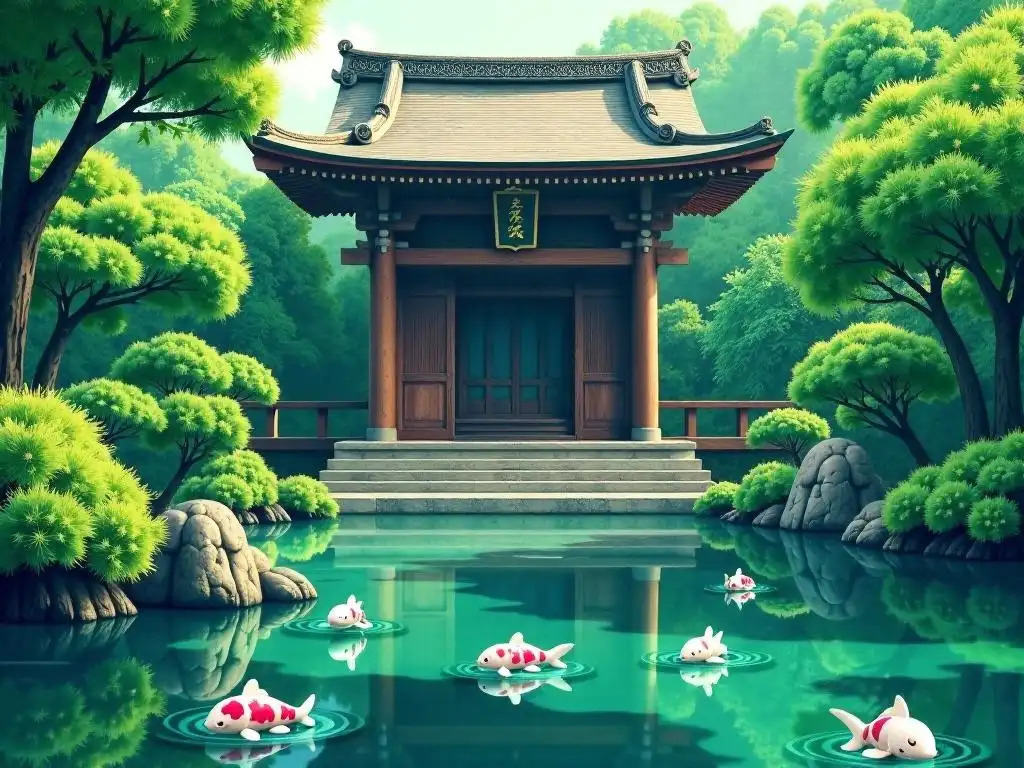
Welcome to Feudal Japan History, where we invite you on a captivating journey through the intricate tapestry of Japan’s feudal era. Here, we delve into the fascinating interplay of Shinto aesthetics and spirituality, exploring how the beauty of art deeply reflects the spiritual beliefs that shaped a culture. Prepare to uncover the profound connections between the sacred and the sublime as we unravel the layers of meaning behind this rich tradition. Are you ready to discover how these artistic expressions echo the soul of a civilization? Dive deeper into our articles and awaken your curiosity!
Introduction to Shinto Aesthetics and Spirituality
The intricate relationship between Shinto aesthetics and spirituality forms a fundamental aspect of Japan’s rich cultural heritage. Shinto, as one of Japan's oldest religions, is deeply rooted in the veneration of kami, or spirits, which permeate the natural world. This belief system is not merely a set of rituals but is intricately woven into the fabric of daily life, art, architecture, and communal practices. The aesthetics of Shinto—ranging from the design of shrines to the simplicity of rituals—reflect a profound reverence for nature and the divine, encapsulating the essence of Japanese spirituality.
In exploring the art of Shinto, we uncover how aesthetic expressions are not just decorative but are imbued with spiritual significance. This article aims to provide a comprehensive understanding of how aesthetics in Shinto reveal deeper spiritual beliefs, inviting readers to appreciate the unique interplay between the visible and the invisible, the material and the spiritual. By delving into the historical context and the evolution of these practices, we will illuminate how Shinto aesthetics continue to thrive and resonate in contemporary Japan.
Understanding the Essence of Shinto
Shinto, often referred to as the "Way of the Gods," emphasizes a harmonious relationship between humans and the natural world. This belief is embodied in various aesthetic forms, such as:
- Shrines (Jinja): The architectural simplicity and natural materials used in shrine construction reflect a deep respect for nature.
- Ritual Practices: Ceremonies often incorporate elements that highlight the beauty of natural phenomena, such as seasonal changes and agricultural cycles.
- Artistic Expressions: From calligraphy to pottery, Shinto-inspired art tends to favor minimalism and organic forms, emphasizing the beauty found in imperfection.
Each of these elements serves to reinforce the spiritual beliefs inherent in Shinto, suggesting that beauty is a pathway to understanding the divine.
The Interconnection Between Aesthetics and Spiritual Beliefs
The interconnection between aesthetics and spirituality in Shinto can be seen in how rituals and artistic expressions are designed to create a sense of sacredness. For instance, the use of colors and symbols in Shinto rituals often carries profound meanings:
- White: Represents purity and is commonly used in ceremonial attire.
- Red Torii Gates: Symbolize the transition from the mundane to the sacred, marking the entrance to a holy space.
This blending of aesthetics with spirituality invites practitioners and observers alike to engage with the divine, reminding them that the beauty of their surroundings is a reflection of the spiritual truths they hold dear.
Historical Context of Shinto Aesthetics
To fully appreciate the nuances of Shinto aesthetics, it is crucial to examine the historical context in which these practices evolved. The feudal era, spanning from the 12th to the 19th centuries, was particularly pivotal in shaping Shinto beliefs and aesthetics.
The Evolution of Shinto During the Feudal Era
During the feudal era, Shinto underwent significant transformations influenced by external factors such as Buddhism and Confucianism. As these philosophies intermingled, Shinto aesthetics began to incorporate elements from these traditions, resulting in a rich tapestry of spiritual expression. This period also saw the rise of the samurai class, whose values of honor and simplicity dovetailed with Shinto beliefs, leading to the development of the following:
- Zen Gardens: Reflecting the aesthetic principles of simplicity and tranquility, these gardens became spaces for meditation and spiritual reflection.
- Tea Ceremony (Chanoyu): This ritual, steeped in Shinto and Zen influences, emphasizes harmony, respect, purity, and tranquility, showcasing how aesthetics can enhance spiritual experience.
Influences of Nature in Shinto Practices
Nature has always played a central role in Shinto aesthetics, reflecting the belief that kami reside in natural elements such as mountains, rivers, and trees. This reverence for nature is evident in various practices:
- Seasonal Festivals: Celebrations align with agricultural cycles, highlighting the beauty of nature and its significance in daily life.
- Sacred Spaces: Shrines are often located in picturesque natural settings, reinforcing the connection between the divine and the environment.
Shinto aesthetics are deeply intertwined with spiritual beliefs, revealing a profound appreciation for nature and the divine. This exploration of aesthetics within Shinto not only enriches our understanding of this ancient religion but also underscores its relevance in contemporary society, where the interplay of beauty and spirituality continues to inspire.
Core Principles of Shinto Aesthetics
Shinto aesthetics are deeply rooted in the spiritual beliefs and practices of this ancient Japanese religion. At the heart of Shinto aesthetics lies a profound respect for nature, simplicity, and the embodiment of spiritual values through artistic expression. These core principles guide the creation and appreciation of art, architecture, and ritual objects within the Shinto tradition.
One of the fundamental ideas is the interconnectedness of all things, where beauty is found in the natural world and the divine is expressed through its elements. This perspective encourages a deep appreciation for the impermanence of life, leading to a focus on simplicity and the transient nature of beauty. Thus, aesthetics in Shinto are not merely about visual appeal but are seen as a way to connect with the spiritual essence of the universe.
Simplicity and Minimalism in Shinto Design
Simplicity and minimalism are hallmark characteristics of Shinto design, resonating with the spiritual belief that less is more. This aesthetic principle is evident in the architecture of Shinto shrines, which often feature clean lines, open spaces, and a lack of ornate decorations. The use of natural materials like wood and stone further emphasizes this simplicity, allowing the structures to blend seamlessly into their natural surroundings.
The minimalist design also serves to focus the mind, creating a serene environment conducive to spiritual reflection and connection with the kami (deities or spirits). In rituals, minimalistic elements are used to avoid distraction, allowing practitioners to engage deeply with their spiritual practices. By stripping away excess, Shinto aesthetics invite individuals to appreciate the beauty found in the essential and the ordinary.
The Role of Natural Materials in Shinto Aesthetics
Natural materials play a crucial role in Shinto aesthetics, embodying the religion's deep connection with nature. Wood, bamboo, and stone are commonly used in the construction of shrines and the creation of ritual objects, reflecting a reverence for the environment and its resources. These materials are often left in their natural state, showcasing the beauty of imperfections and organic forms.
The choice of materials also has symbolic meanings. For instance, cedar wood is favored for its durability and pleasant aroma, while thatched roofs made from rice straw evoke a sense of harmony with the surrounding landscape. This use of natural elements reinforces the belief that the divine is present in everyday life, making the ordinary extraordinary through spiritual significance.
Balance and Harmony: A Reflection of Spiritual Beliefs
Balance and harmony are central themes in Shinto aesthetics, mirroring the spiritual beliefs of interconnectedness and coexistence. This principle is evident not only in the physical layout of shrines, which often incorporate natural features like trees and water, but also in the arrangement of ritual spaces and objects.
The design of Shinto shrines reflects the idea of yin and yang, where opposing forces complement and enhance one another. This balance creates a sense of peace and tranquility, allowing worshippers to feel in tune with their environment and the spiritual realm. By fostering harmony in both design and practice, Shinto aesthetics encourage a holistic approach to spirituality, where the physical and spiritual worlds are intertwined.
Symbolism in Shinto Aesthetics
Symbolism is a vital aspect of Shinto aesthetics, where every element carries deeper meanings that resonate with spiritual beliefs. From colors to shapes, the symbolic language used in Shinto art and design serves to connect practitioners with the spiritual forces they seek to honor.
Sacred Spaces: Shrines and Their Spiritual Significance
Shinto shrines are more than mere architectural structures; they are sacred spaces designed to facilitate a connection between the physical and spiritual realms. Each shrine is carefully constructed to reflect the presence of kami, with specific architectural elements like torii gates marking the transition from the ordinary to the sacred.
The layout of a shrine often follows a path that leads visitors through natural landscapes, emphasizing the importance of experiencing nature as a spiritual journey. Sacred spaces are imbued with symbolism, such as the use of water basins for purification rituals, which represent cleansing and renewal. This careful consideration of design highlights the spiritual significance of each element, creating an environment that invites reverence and reflection.
The Use of Colors and Patterns in Shinto Art
Colors and patterns in Shinto art are laden with symbolism, conveying spiritual meanings that enhance the aesthetic experience. For instance, the color red is often associated with protection and vitality, frequently used in shrine architecture and ceremonial garments. White represents purity and is commonly seen in offerings and ritual attire.
Patterns in textiles and artworks can also hold specific meanings, often reflecting natural elements or cosmic themes that resonate with the beliefs of Shinto practitioners. The intricate designs serve not only as decorative elements but also as visual manifestations of spiritual concepts, reinforcing the connection between aesthetics and spirituality.
Ritual Objects: Their Aesthetic and Spiritual Importance
Ritual objects in Shinto are carefully crafted with aesthetic considerations that align with their spiritual significance. These objects, such as offerings, talismans, and ceremonial tools, are designed to reflect the beauty of the natural world and the divine.
The aesthetics of these items often emphasize simplicity and functionality, ensuring that their spiritual purpose remains paramount. For example, the shide (zigzag-shaped paper streamers) used in rituals symbolize the presence of kami and are crafted to be visually striking yet uncomplicated. This balance of beauty and function embodies the essence of Shinto aesthetics, where every object serves as a bridge between the material and spiritual worlds.
The Influence of Nature on Shinto Aesthetics

Shinto, Japan's indigenous spirituality, is deeply intertwined with nature, which is revered as a source of divine inspiration and spiritual energy. This connection manifests prominently in Shinto aesthetics, where the beauty of the natural world is not merely appreciated but is an integral part of religious practice. The interplay between nature and Shinto is reflected in various artistic forms, rituals, and architectural designs, emphasizing a harmonious relationship with the environment.
Natural elements such as mountains, rivers, and forests are not just backdrops but are considered sacred spaces inhabited by kami, or spirits. These spiritual entities are believed to reside in natural features, reinforcing the idea that the aesthetic qualities of landscapes are imbued with spiritual significance. As a result, Shinto aesthetics prioritize simplicity, natural materials, and organic forms, celebrating the ephemeral beauty of the world around us.
Natural Landscapes as Spiritual Arenas
In Shinto belief, landscapes are seen as spiritual arenas where the physical and spiritual realms converge. Mountains, such as Mount Fuji, hold profound significance as places of worship and pilgrimage. These natural sites are often the focus of rituals, symbolizing the connection between the divine and the earthly. The beauty of these landscapes is intentionally highlighted in Shinto shrines, which are designed to blend seamlessly into their surroundings.
The architectural style of Shinto shrines, characterized by wooden structures, thatched roofs, and open spaces, reflects an appreciation for natural aesthetics. Shrines are often situated in serene locations, surrounded by trees and water, enhancing their spiritual ambiance. This integration of nature into sacred spaces demonstrates how Shinto aesthetics prioritize environments that evoke a sense of peace and reverence, allowing practitioners to connect with kami in a tangible and meaningful way.
Seasonal Changes: Reflections of Transience in Shinto Aesthetics
Seasonality is a crucial aspect of Shinto aesthetics, symbolizing the cyclical nature of life and the concept of impermanence, or mujo. This belief in the transience of all things is beautifully illustrated through the appreciation of seasonal changes, such as cherry blossoms in spring and the vibrant hues of autumn leaves. Each season brings its own unique beauty and is celebrated through various festivals and rituals that honor the kami.
The ephemeral beauty of cherry blossoms, for instance, is a potent symbol of life's fleeting moments. Hanami, or flower viewing, is a traditional practice that gathers people to appreciate the blossoms, reflecting on life's transient nature. This celebration is not merely a visual feast; it serves as a reminder of the preciousness of life and the spiritual connections that exist within nature.
In Shinto aesthetics, the changing seasons serve as a canvas for artistic expression, where artists capture the essence of nature's beauty through poetry, painting, and crafts. This seasonal appreciation reinforces the belief that beauty and spirituality are intertwined, encouraging a mindful engagement with the world around us.
Contemporary Expressions of Shinto Aesthetics
As Shinto continues to evolve in modern Japan, contemporary expressions of its aesthetics reflect both traditional values and innovative interpretations. Artists and designers are increasingly drawing inspiration from Shinto principles, reimagining the relationship between nature, spirituality, and art in a rapidly changing society.
Modern Interpretations of Traditional Shinto Practices
Contemporary interpretations of Shinto practices often focus on revitalizing traditional aesthetics while adapting them to modern sensibilities. For instance, minimalist design, which emphasizes simplicity and functionality, resonates with Shinto’s appreciation for natural beauty and unembellished forms. This approach is evident in architecture, fashion, and product design, where artisans incorporate natural materials and organic shapes to evoke a sense of tranquility and connection to the environment.
Furthermore, contemporary rituals may blend elements of Shinto with other cultural practices, creating new forms of spiritual expression. These hybrid practices not only preserve Shinto traditions but also make them accessible to a broader audience, fostering a renewed interest in Japan's spiritual heritage.
The Revival of Shinto Aesthetics in Contemporary Art
In recent years, there has been a resurgence of interest in Shinto aesthetics within the realm of contemporary art. Artists are exploring themes of nature, spirituality, and the ephemeral through various mediums, including painting, sculpture, and installation art. This revival reflects a collective yearning for deeper connections with spirituality and the environment in an increasingly urbanized and technological world.
Exhibitions and public art projects often draw upon the symbolism found in Shinto practices, such as the use of natural materials and the representation of kami in abstract forms. This artistic exploration not only honors traditional aesthetics but also invites contemplation of the spiritual dimensions of contemporary life.
Shinto aesthetics, rooted in a profound appreciation for nature and a deep spiritual connection to the environment, continues to inspire and evolve in modern contexts. Through the lens of both historical practices and contemporary expressions, the beauty of Shinto aesthetics remains a vital aspect of Japan’s cultural identity and spiritual landscape.
Conclusion: The Enduring Legacy of Shinto Aesthetics and Spirituality
Shinto aesthetics embody a profound connection between nature, spirituality, and cultural expression in Japan. This intricate relationship is not merely historical; it continues to influence various aspects of Japanese life today. The principles of simplicity, impermanence, and harmony with nature found within Shinto practices resonate deeply in Japanese art, architecture, and daily rituals. As society evolves, the essence of Shinto aesthetics remains a cornerstone of cultural identity, offering a lens through which the spiritual beliefs of the past inform contemporary practices.
The legacy of Shinto aesthetics is evident in the preservation of sacred spaces like shrines and gardens, which serve as living testaments to the historical intertwining of beauty and spirituality. These elements foster a sense of reverence for nature and the divine, encouraging individuals to contemplate their place within the universe. Thus, the enduring impact of Shinto aesthetics is not only felt in artistic expressions but also in the way they guide personal and communal spiritual experiences.
The Impact of Shinto Aesthetics on Japanese Culture
Shinto aesthetics have significantly shaped Japanese culture across various domains, including art, literature, and architecture. The principles of wabi-sabi, which embrace the beauty of imperfection and transience, are deeply rooted in Shinto beliefs. This aesthetic philosophy encourages an appreciation for the natural world and the passage of time, influencing traditional crafts such as pottery, textiles, and garden design.
In literature, Shinto themes often emerge in poetry and prose, reflecting the spiritual significance of nature and the divine. The works of renowned poets like Matsuo Bashō exemplify this connection, as they capture fleeting moments of beauty that evoke a sense of wonder and reverence. Additionally, traditional Japanese theater, such as Noh and Kabuki, incorporates Shinto elements, showcasing the spiritual narratives that have shaped the cultural landscape.
Architecturally, Shinto shrines are designed to harmonize with their natural surroundings, utilizing materials such as wood and stone to create spaces that reflect the beauty of the environment. The iconic torii gates symbolize the transition from the mundane to the sacred, marking the entrance to a space imbued with spiritual significance. These architectural features not only serve practical purposes but also communicate deeper philosophical concepts central to Shinto beliefs.
Future Directions: Preserving Shinto Aesthetics in a Modern World
As Japan navigates the complexities of modernization and globalization, the preservation of Shinto aesthetics presents both challenges and opportunities. Urbanization and technological advancements risk overshadowing traditional practices and values. However, there is a growing recognition of the importance of maintaining these cultural connections, leading to initiatives aimed at revitalizing interest in Shinto aesthetics.
One approach involves integrating Shinto principles into contemporary art and design, where modern artists draw inspiration from traditional aesthetics to create works that resonate with today’s audience. This fusion of old and new not only honors the legacy of Shinto but also ensures its relevance in a rapidly changing world. Educational programs and community workshops focusing on traditional crafts, gardening techniques, and rituals can further engage younger generations, fostering a deeper understanding of their cultural heritage.
Efforts to restore and maintain sacred sites are also crucial for preserving the essence of Shinto aesthetics. By promoting the significance of these spaces as cultural and spiritual touchstones, communities can encourage active participation in Shinto practices. Ultimately, the future of Shinto aesthetics lies in a collective commitment to honor the past while embracing the possibilities of the present, ensuring that the spiritual beliefs and artistic expressions of Shinto continue to thrive for generations to come.
- Introduction to Shinto Aesthetics and Spirituality
- Historical Context of Shinto Aesthetics
- Core Principles of Shinto Aesthetics
- Symbolism in Shinto Aesthetics
- The Influence of Nature on Shinto Aesthetics
- Contemporary Expressions of Shinto Aesthetics
- Conclusion: The Enduring Legacy of Shinto Aesthetics and Spirituality
Frequently Asked Questions
What are Shinto aesthetics?
Shinto aesthetics refer to the principles and values that shape the artistic expressions in Shinto, emphasizing simplicity, natural beauty, and a deep connection to nature.
How does Shinto spirituality influence Japanese art?
Shinto spirituality significantly influences Japanese art by infusing it with symbolism and a sense of sacredness, often reflecting the interconnectedness of humans and the natural world.
What role does nature play in Shinto aesthetics?
Nature is central to Shinto aesthetics; it is viewed as a manifestation of the divine, and artistic representations often aim to capture and honor its transcendental qualities.
How can one recognize Shinto elements in traditional Japanese art?
One can recognize Shinto elements in traditional Japanese art through the use of natural motifs, minimalistic design, and themes that celebrate the spirituality of the everyday.
What are some examples of Shinto-inspired art forms?
Examples of Shinto-inspired art forms include gardens, temple architecture, and traditional crafts such as pottery and textiles, all reflecting the spiritual beliefs and aesthetic values of Shinto.
Final Reflection: The Intertwining of Shinto Aesthetics and Spirituality
The exploration of Shinto aesthetics reveals a profound connection between beauty and spirituality that resonates deeply in today's world. As we navigate an increasingly chaotic and materialistic society, the principles of Shinto remind us of the importance of harmony, simplicity, and respect for nature. In a time when many seek meaning and connection, the aesthetics of Shinto offer a pathway to understanding our place in the universe and the beauty that surrounds us.
Cultural landscapes are continually shaped by the beliefs and practices we embrace, and Shinto aesthetics serve as a poignant example of this influence. The delicate balance of nature and art in Shinto shrines, rituals, and everyday life reflects a worldview that values the sacredness of existence. As the philosopher D.T. Suzuki once said, The beauty of the world is the beauty of the heart.
This sentiment encapsulates how Shinto aesthetics not only enrich our environments but also invite us to cultivate a deeper appreciation for the spiritual dimensions of life.
As you reflect on the themes of Shinto aesthetics and spirituality, consider how you can incorporate these principles into your own life. Take a moment to appreciate the beauty in simplicity, seek harmony in your surroundings, and foster a connection with nature. By embracing these values, you can cultivate a more meaningful existence that honors both the aesthetic and spiritual aspects of life. Let the art of Shinto inspire you to find beauty in the everyday and to recognize the sacred in the world around you.
Unveil the Beauty of Shinto Aesthetics Today!
Thank you for taking the time to explore the fascinating intersection of art and spirituality in Shinto! You’ve gained valuable insights into how aesthetics reflect deeper beliefs and practices. Now, let's take those insights and bring them to life with some impactful actions.
- Explore a Local Shrine: Visit a nearby Shinto shrine or a Japanese garden to experience the serene beauty and spiritual essence firsthand. Pay attention to the elements that resonate with you!
- Create Your Own Shinto Art: Allow the principles of Shinto aesthetics to inspire your next creative project. Whether it's painting, gardening, or crafting, channel the simplicity and natural beauty you've discovered.
- Share Your Journey: Join our community by sharing your experiences or artwork inspired by Shinto aesthetics on social media or in the comments below. Let’s celebrate the beauty of spirituality together!
Which aspect of Shinto aesthetics resonates with you the most, and how do you plan to incorporate it into your everyday life?