
Shinto Shrines and Buddhist Temples: Battlegrounds of Faith

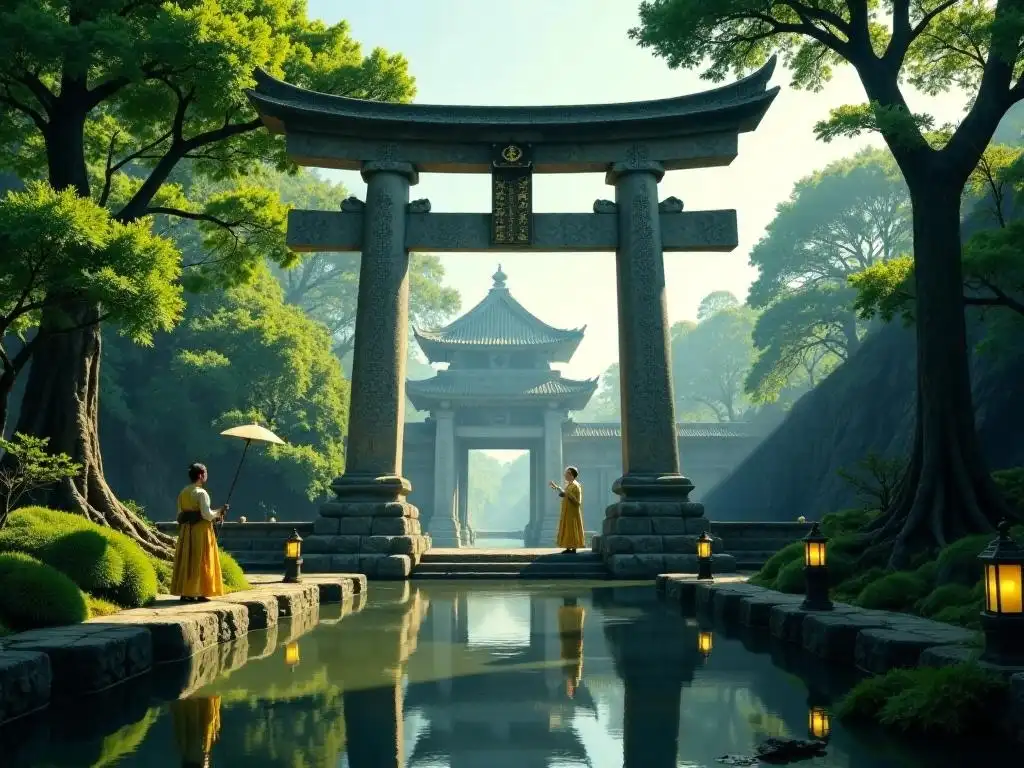
Welcome to Feudal Japan History, where we embark on a journey through the captivating tapestry of Japan’s feudal era. Here, history is not just a tale of warriors and emperors, but a rich blend of spirituality and philosophy that shaped a nation. Our featured article, “Shinto Shrines and Buddhist Temples: Battlegrounds of Faith,” delves into the intricate histories of these sacred spaces, revealing how they served as pivotal points in the cultural and religious landscape of feudal Japan.
Prepare to uncover the profound connections between these two traditions and discover how they influenced society in ways that still resonate today. Are you ready to explore the crossroads of faith and history?
- Introduction to Shinto Shrines and Buddhist Temples in Feudal Japan
- Historical Context of Shinto Shrines and Buddhist Temples
- The Architecture of Shinto Shrines vs. Buddhist Temples
- Shinto Shrines and Buddhist Temples: Centers of Worship and Community
- Conflicts Between Shinto and Buddhism in Feudal Japan
- The Evolution of Shinto and Buddhism in Modern Japan
- Conclusion: The Legacy of Shinto Shrines and Buddhist Temples
- Further Reading on Shinto Shrines and Buddhist Temples History
-
Frequently Asked Questions
- What are the main differences between Shinto shrines and Buddhist temples?
- How did Shinto and Buddhism coexist during the feudal era in Japan?
- What role did Shinto shrines and Buddhist temples play in Japanese society?
- How did politics influence the construction of Shinto shrines and Buddhist temples?
- What can visitors learn about the history of Shinto shrines and Buddhist temples today?
- Final Reflection: The Interwoven Tapestry of Faith
- Explore the Spiritual Landscape of Japan
Introduction to Shinto Shrines and Buddhist Temples in Feudal Japan
The complex tapestry of religious life in feudal Japan is characterized by the intertwined existence of Shinto shrines and Buddhist temples, each serving as pivotal spaces for faith, community, and cultural identity. During this era, which spanned from the 12th to the 19th centuries, these sacred sites were not merely places of worship; they were battlegrounds of belief, where differing ideologies clashed and coalesced, shaping the spiritual landscape of the nation.
Understanding the history of Shinto shrines and Buddhist temples reveals the profound influence of these religions on Japanese society, governance, and culture. This article will delve into the historical narratives and conflicts that defined these religious practices, shedding light on their significance and enduring legacy.
Overview of Religious Practices in Feudal Japan
Feudal Japan was marked by a rich interplay of religious practices, predominantly revolving around Shinto and Buddhism.
- Shinto: As the indigenous spirituality of Japan, Shinto is deeply rooted in the worship of kami (deities or spirits associated with natural elements). Shrines, known as jinja, served as spaces for rituals, festivals, and offerings to ensure harmony and prosperity within communities.
- Buddhism: Introduced from Korea in the 6th century, Buddhism evolved through various schools, including Tendai, Shingon, and Zen. Temples, or tera, became centers of learning, meditation, and spiritual guidance, promoting principles such as compassion and enlightenment.
As both religions flourished, they influenced one another, resulting in a unique syncretism that permeated Japanese culture. However, the relationship was not always harmonious. Tensions emerged as each religion sought to establish its dominance, leading to conflicts that shaped political alliances and societal structures.
Importance of Shinto and Buddhism in Japanese Culture
The significance of Shinto and Buddhism in Japanese culture extends beyond religious observance; they are integral to the country's identity and historical narrative.
- Cultural Identity:
- Shinto embodies the essence of Japanese national identity, emphasizing the connection to the land, ancestors, and community. Festivals like matsuri celebrate agricultural cycles and honor kami, reinforcing communal bonds.
- Buddhism introduces philosophical depth, offering pathways to understanding suffering and impermanence, which resonate with the Japanese worldview.
- Art and Architecture:
- The aesthetic principles derived from both religions have profoundly influenced Japanese art, architecture, and literature. Shinto shrines often feature natural materials and harmonious designs, while Buddhist temples showcase intricate carvings and serene gardens.
- Social Structure:
- Throughout feudal Japan, the ruling classes often utilized religious authority to legitimize their power. The interplay between Shinto and Buddhism played a crucial role in governance, with leaders seeking divine favor through rituals conducted at these sacred sites.
In sum, the historical and cultural narratives of Shinto shrines and Buddhist temples are essential to understanding the broader context of religious conflicts in feudal Japan. Their legacy continues to resonate in contemporary Japanese society, reflecting a rich heritage shaped by centuries of faith and tradition.
Historical Context of Shinto Shrines and Buddhist Temples
Emergence of Shinto and Buddhism in Japan
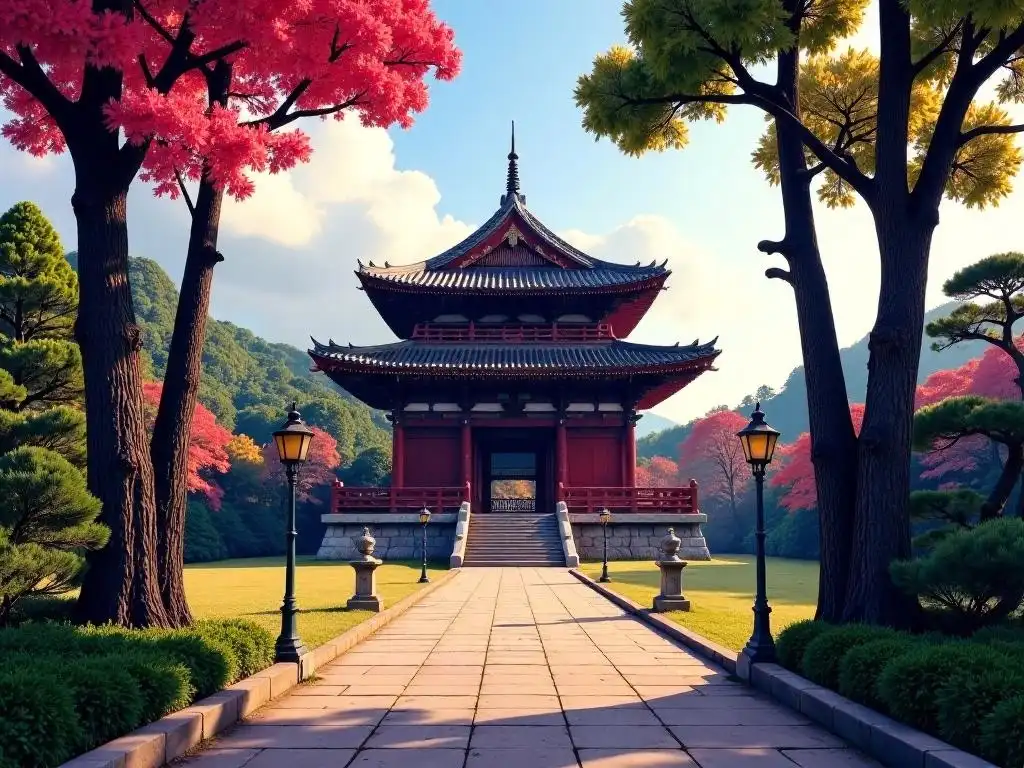
The historical landscape of Japan is marked by the coexistence and interaction of Shinto and Buddhism, two pivotal belief systems that have shaped the nation's culture and spirituality. Shinto, the indigenous religion of Japan, traces its roots back to the earliest periods of Japanese history, characterized by animistic beliefs and the worship of kami (spirits or deities associated with natural phenomena). Its foundations were laid during the Jomon period (14,000–300 BCE) and were formally recognized in the 7th century when Japanese emperors began to proclaim the kami as part of the imperial lineage.
In contrast, Buddhism was introduced to Japan from Korea in the 6th century CE, initially as a means to promote political unity and cultural advancement. The arrival of Buddhism coincided with the establishment of the Asuka period (538–710 CE), during which the religion began to blend with existing Shinto practices. This syncretism allowed for the adaptation of Buddhist teachings into the Japanese cultural context, leading to the development of unique schools of thought, such as Tendai and Shingon, which integrated elements of Shinto.
The interaction of these two religions created a rich tapestry of spiritual practices, resulting in the creation of Shinto shrines and Buddhist temples that serve as focal points for worship and community gathering. While Shinto shrines are dedicated primarily to the kami, Buddhist temples are places for meditation and the veneration of the Buddha and bodhisattvas. This duality has been a defining characteristic of Japanese spirituality, fostering a culture where both faiths coexist, often within the same community.
Key Historical Events Influencing Shinto and Buddhist Practices
Several significant events throughout Japanese history have profoundly impacted the development and perception of Shinto shrines and Buddhist temples.
- The Nara Period (710–794): This era witnessed the formal recognition of Buddhism by the state, leading to the construction of grand temples such as Todai-ji in Nara. The establishment of the Buddhist clergy and the state’s endorsement of Buddhism marked a shift in the religious landscape, causing tensions with Shinto practitioners who saw their traditions overshadowed.
- The Heian Period (794–1185): During this time, the Tendai school of Buddhism emerged, promoting the idea that both Shinto and Buddhism share common goals. This led to the establishment of the Jinja-ji (shrine-temple complexes), where shrines and temples coexisted, allowing for mutual reverence amongst followers.
- The Kamakura Period (1185–1333): The rise of the samurai class and the establishment of the Kamakura shogunate brought about a shift in power dynamics. Zen Buddhism gained prominence during this period, influencing the samurai's code of conduct and leading to the construction of numerous Zen temples. The relationship between Shinto and Buddhism became more contentious as political power shifted, with Shinto being utilized to legitimize the shogunate.
- The Meiji Restoration (1868): The Meiji government implemented a policy of Shintoism as state religion, which resulted in the separation of Shinto and Buddhism (Shinbutsu bunri). This led to the destruction of many Buddhist temples and caused a significant decline in Buddhist influence in favor of Shinto, fundamentally altering the religious landscape of Japan.
These historical events not only shaped the religious practices of Shinto and Buddhism but also influenced societal values and cultural norms that continue to resonate in contemporary Japan.
The Role of Shinto Shrines and Buddhist Temples in Society
Shinto shrines and Buddhist temples play a crucial role in the social and cultural fabric of Japanese society. Both institutions serve as community centers, offering a space for worship, festivals, and cultural events.
- Cultural Preservation: Shinto shrines often host traditional festivals (matsuri) that celebrate seasonal changes, agricultural cycles, and historical events. These festivals foster community spirit and preserve ancient customs, ensuring that the rich heritage of Japan is passed down through generations.
- Religious Functions: While Shinto shrines focus on purification rituals and kami worship, Buddhist temples provide spaces for meditation, funerary rites, and memorial services. This duality in religious functions allows individuals to seek solace and guidance through various life stages, from birth to death.
- Tourism and Economy: Both Shinto shrines and Buddhist temples attract millions of visitors each year, contributing significantly to local economies through tourism. Iconic sites such as Fushimi Inari Taisha and Kinkaku-ji draw not only worshippers but also tourists, enhancing cultural exchange and economic development.
- Interfaith Dialogue: In contemporary society, there is an increasing emphasis on interfaith dialogue and understanding between Shinto and Buddhist communities. This collaborative spirit aims to foster harmony and respect, acknowledging the shared values and beliefs that underpin both religions.
Shinto shrines and Buddhist temples are not merely places of worship; they are integral to the Japanese identity, reflecting the historical complexities and cultural richness of the nation. Their enduring presence serves as a testament to the adaptability and resilience of spiritual practices in Japan, reinforcing the notion that faith can coexist and evolve in a multifaceted society.
The Architecture of Shinto Shrines vs. Buddhist Temples
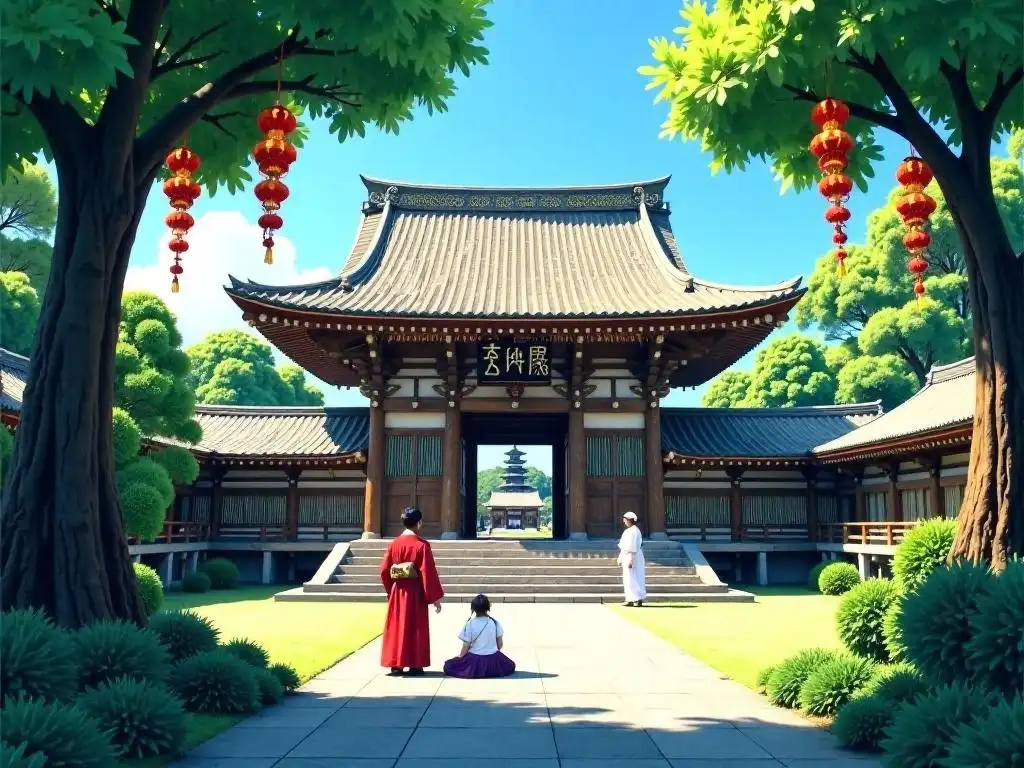
The architectural styles of Shinto shrines and Buddhist temples in Japan reflect their distinct religious philosophies and cultural influences. These structures not only serve as places of worship but also embody significant historical and aesthetic values, showcasing the intricate relationship between faith and architecture throughout Japan's feudal era.
Distinct Features of Shinto Shrine Architecture
Shinto shrines, known as jinja, are characterized by their simplicity and natural integration into the surrounding environment. Here are some notable features:
- Torii Gates: The iconic entrance gates mark the transition from the mundane to the sacred. These gates are usually made of wood or stone and can be found in various shapes and sizes.
- Honden (Main Hall): The honden, where the kami (spirits) are enshrined, often features a thatched or wooden roof, emphasizing a connection to nature. The roof design varies by region, with styles such as the irimoya (hip-and-gable) being prevalent.
- Use of Natural Materials: Construction materials are typically local, including wood, clay, and straw, emphasizing harmony with the natural surroundings.
- Komainu (Lion-Dogs): Statues of komainu are often placed at the entrance to protect the shrine from evil spirits.
- Engawa (Veranda): Many shrines include an engawa, a wooden deck that provides a space for ritual purification and reflection.
The overall aesthetic of Shinto shrines is one of understated beauty, reflecting the Shinto belief in the sacredness of nature.
Unique Elements of Buddhist Temple Design
In contrast, Buddhist temples, or tera, exhibit a more elaborate style that reflects the influence of various architectural traditions, including Chinese and Indian designs. Key features include:
- Pagodas: These multi-tiered towers are often the most recognizable elements of Buddhist temples. Built to house relics, pagodas symbolize the connection between the earth and the heavens.
- Main Hall (Hondo): The hondo serves as the main worship hall and is often adorned with intricate carvings, paintings, and golden embellishments. The interior typically includes altars for offerings and statues of the Buddha.
- Statues and Icons: Temples display numerous statues, including the Buddha, bodhisattvas, and various deities, each with specific symbolic meanings and roles within Buddhist practice.
- Monastic Quarters: Many temples include living quarters for monks, reflecting the communal aspect of Buddhist practice, where meditation and study are emphasized.
- Gardens and Pathways: Buddhist temples often feature carefully designed gardens that symbolize tranquility and enlightenment, enhancing the spiritual atmosphere.
The architecture of Buddhist temples tends to be grander and more ornate than that of Shinto shrines, embodying the richness of Buddhist traditions.
Symbolism in Shinto and Buddhist Structures
Both Shinto shrines and Buddhist temples are imbued with rich symbolism that reflects their respective beliefs and practices:
- Shinto Symbolism:
- Natural Elements: The use of wood and thatched roofs symbolizes the connection to nature and the kami, who are believed to inhabit natural features.
- Purity and Simplicity: The minimalist approach in design emphasizes purity, a core concept in Shinto beliefs.
- Buddhist Symbolism:
- The Lotus Flower: Frequently depicted in temple art, the lotus symbolizes purity and enlightenment rising from murky waters.
- Stupas and Relics: The stupa represents the path to enlightenment, housing sacred relics that serve as focal points for devotion.
In essence, while both Shinto shrines and Buddhist temples are vital to Japan's spiritual landscape, their architectural features and symbolic significance highlight the distinct yet intertwined nature of these two religious traditions throughout history.
Shinto Shrines and Buddhist Temples: Centers of Worship and Community
Functions of Shinto Shrines in Feudal Society
Shinto shrines served as pivotal centers of worship and community engagement during Japan's feudal era. They were not merely places of religious significance; they were the heart of local governance and cultural identity. The main functions of Shinto shrines included:
- Spiritual Sanctuary: Shinto shrines were dedicated to kami, the spirits worshipped in Shinto beliefs. They provided a place for individuals to connect with these deities through prayers and offerings, thus reinforcing the spiritual fabric of the community.
- Community Gathering Spaces: Shrines acted as focal points for local gatherings and festivals, fostering a sense of identity and belonging among the people. These gatherings were essential for maintaining social cohesion in the often tumultuous feudal landscape.
- Rituals and Festivals: Regular rituals and celebrations, such as Shinto Matsuri, served both religious and social purposes. They marked seasonal changes, agricultural cycles, and community milestones, ensuring that traditional practices were handed down through generations.
- Mediation of Social Order: Priests at these shrines played a role in mediating between the kami and the people, offering guidance and maintaining social order. The moral and ethical teachings derived from Shinto beliefs influenced local customs and laws.
- Cultural Preservation: As centers of culture, Shinto shrines helped preserve traditional arts, music, and dance, which were often integral to rituals and festivals, thus ensuring the survival of Japan's rich cultural heritage.
The Role of Buddhist Temples in Community Life
Buddhist temples also held significant importance in the daily lives of people during the feudal period. The multifaceted roles of these temples included:
- Religious Instruction: Temples served as educational institutions where monks taught not only Buddhist doctrines but also various arts, literature, and philosophy. This contributed to the intellectual and spiritual development of the community.
- Charitable Services: Many Buddhist temples provided essential services such as medical care, food distribution, and refuge for the needy. This charitable aspect helped to establish temples as vital support systems for the vulnerable in society.
- Cultural Hubs: Temples were often the venues for cultural activities, including poetry readings, calligraphy, and theater performances. They were places where culture thrived, and community members could engage with the arts.
- Political Influence: Some Buddhist temples gained substantial political power, acting as advisors to feudal lords. The intertwining of religion and governance meant that temples could influence decisions at the highest levels of society.
- Spiritual Refuge: In times of conflict and unrest, temples provided sanctuary for those seeking solace or protection. This role solidified the temple's position as a safe haven amid the chaos of feudal life.
Festivals and Rituals at Shrines and Temples
Both Shinto shrines and Buddhist temples celebrated a variety of festivals and rituals that were integral to the spiritual and social lives of the people. Key aspects of these celebrations included:
- Shinto Festivals (Matsuri): These festivals often included processions, music, and dance, celebrating seasonal changes or local deities. They reinforced community ties and allowed for communal expression of faith.
- Buddhist Ceremonies: Buddhist rituals, such as Obon, honored the spirits of ancestors and served as a reminder of the interconnectedness of life and death. These ceremonies were critical for maintaining familial bonds and community unity.
- Shared Events: In regions where Shinto and Buddhism coexisted, some festivals blended elements of both traditions, fostering a unique cultural synthesis. This syncretism illustrates the complex religious landscape of feudal Japan.
- Ritual Offerings: Offerings at both shrines and temples, whether food, flowers, or incense, were vital for expressing gratitude and seeking blessings from the divine. These acts of devotion reinforced the relationship between the faithful and the spiritual realm.
- Seasonal Celebrations: Both traditions celebrated agricultural festivals, marking planting and harvest times, which were essential for the agrarian society of feudal Japan. These celebrations emphasized gratitude for nature's bounty and the spiritual significance of agricultural cycles.
Shinto shrines and Buddhist temples were not just places of worship; they were vital centers of community life, cultural expression, and social support throughout Japan's feudal era. Their festivals and rituals reflect a rich tapestry of beliefs that shaped the historical and cultural landscape of the time, making them crucial battlegrounds of faith and identity.
Conflicts Between Shinto and Buddhism in Feudal Japan
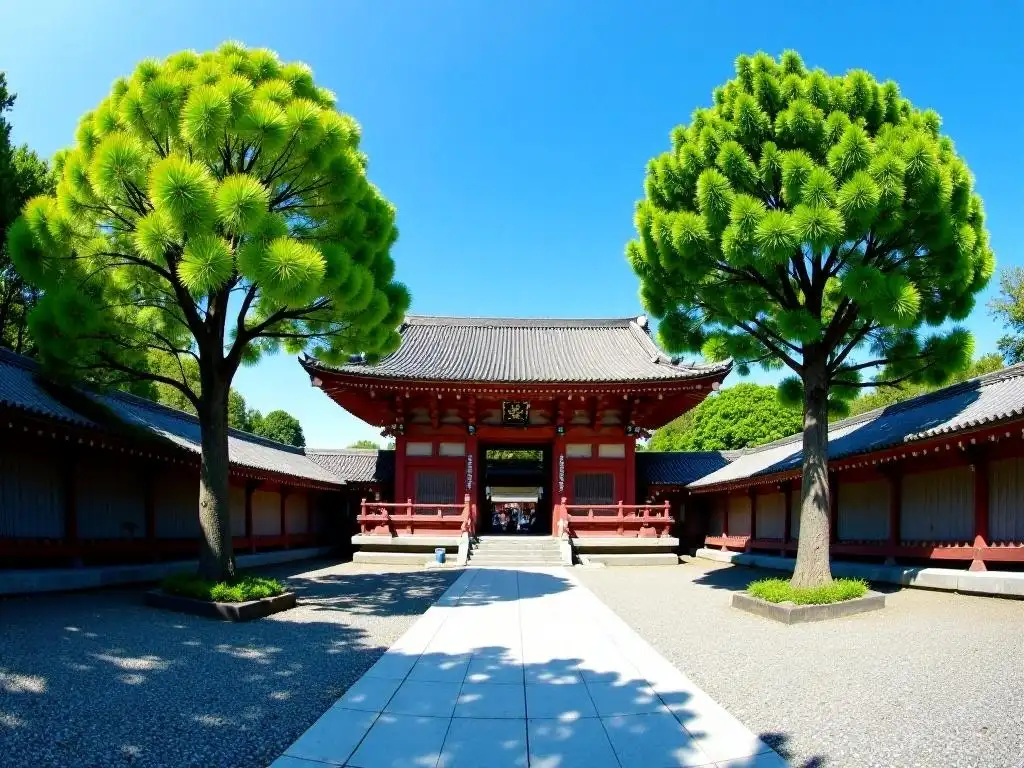
The religious landscape of feudal Japan was marked by a complex interplay between Shinto and Buddhism, two faiths that shaped Japanese culture, society, and politics. While both religions coexisted for centuries, their relationship was often fraught with tension and conflict. Understanding the historical context of these conflicts provides insight into how they influenced the development of Japanese identity.
Historical Conflicts: An Overview
The arrival of Buddhism in Japan during the 6th century marked the beginning of a significant transformation in the religious landscape. Initially welcomed by the ruling elite for its philosophical depth and political advantages, Buddhism soon began to clash with the indigenous beliefs of Shinto, which emphasized kami (spirits) and rituals tied to nature.
Timeline of Key Events:
- 6th Century: Introduction of Buddhism to Japan, primarily through Korea. Initial acceptance by the Yamato court.
- 7th Century: The Taika Reform (645 AD) sought to centralize power, favoring Buddhism and establishing temple complexes, which alarmed Shinto practitioners.
- 9th Century: The rise of the Tendai and Shingon sects led to increased conflict over land and religious authority.
- 12th Century: The Genpei War (1180-1185) saw various clans use religious allegiances to rally support, further intensifying rivalries.
- Edo Period (1603-1868): The Tokugawa shogunate enforced policies that sometimes favored one faith over the other, leading to localized conflicts and resentment.
These events highlight how the political landscape often dictated the dynamics between Shinto and Buddhism, with each religion vying for influence, followers, and resources.
Key Figures in the Religious Conflicts
Several influential figures played pivotal roles in the conflicts between Shinto and Buddhism throughout feudal Japan. Their actions and philosophies shaped the course of religious interactions.
Notable Figures:
- Emperor Tenmu (631-686): Advocated for the integration of Buddhism into Japanese society while attempting to maintain the sanctity of Shinto. His reign saw the establishment of Buddhist temples as state-sponsored entities.
- Kūkai (774-835): A prominent Buddhist monk, Kūkai founded the Shingon school and emphasized esoteric practices, which sometimes conflicted with Shinto rituals and beliefs. His teachings contributed to the rivalry over spiritual authority.
- Saichō (767-822): The founder of the Tendai school, Saichō sought to unify Japanese Buddhism but often found himself at odds with Shinto practitioners over temple land and the veneration of kami.
- Tokugawa Ieyasu (1543-1616): As the founder of the Tokugawa shogunate, he implemented policies that favored Buddhism and led to the suppression of Shinto practices, exacerbating tensions between the two faiths.
These figures not only represent the historical conflicts but also embody the philosophical and political struggles that defined this era.
The Impact of Political Power on Shinto and Buddhist Relations
The relationship between Shinto and Buddhism was deeply influenced by the political climate of feudal Japan. The ruling class often utilized religion as a means of consolidating power and legitimizing their authority.
Key Dynamics:
- State Sponsorship of Buddhism: Throughout various periods, the Japanese state provided support for Buddhist temples, viewing them as a means of promoting stability and order. This often came at the expense of Shinto shrines, which faced neglect or outright hostility.
- Religious Syncretism: Despite conflicts, there was a notable trend toward syncretism, where elements of Shinto were incorporated into Buddhist practices. This resulted in a unique Japanese religious identity but also led to disputes over authenticity and purity.
- Local vs. National Power: Local warlords often aligned with either Shinto or Buddhist factions, leading to regional conflicts that further complicated their relationship. Control over religious sites became a significant aspect of territorial disputes.
- Tokugawa Policies: The Tokugawa shogunate's attempts to standardize religious practices led to the separation of Shinto and Buddhism in the 19th century. This division, while intended to stabilize society, reignited old rivalries and resentment between the two traditions.
The impact of political power on the interactions between Shinto shrines and Buddhist temples thus illustrates how religion was intertwined with the sociopolitical fabric of feudal Japan, shaping both spiritual and temporal authority.
The Evolution of Shinto and Buddhism in Modern Japan
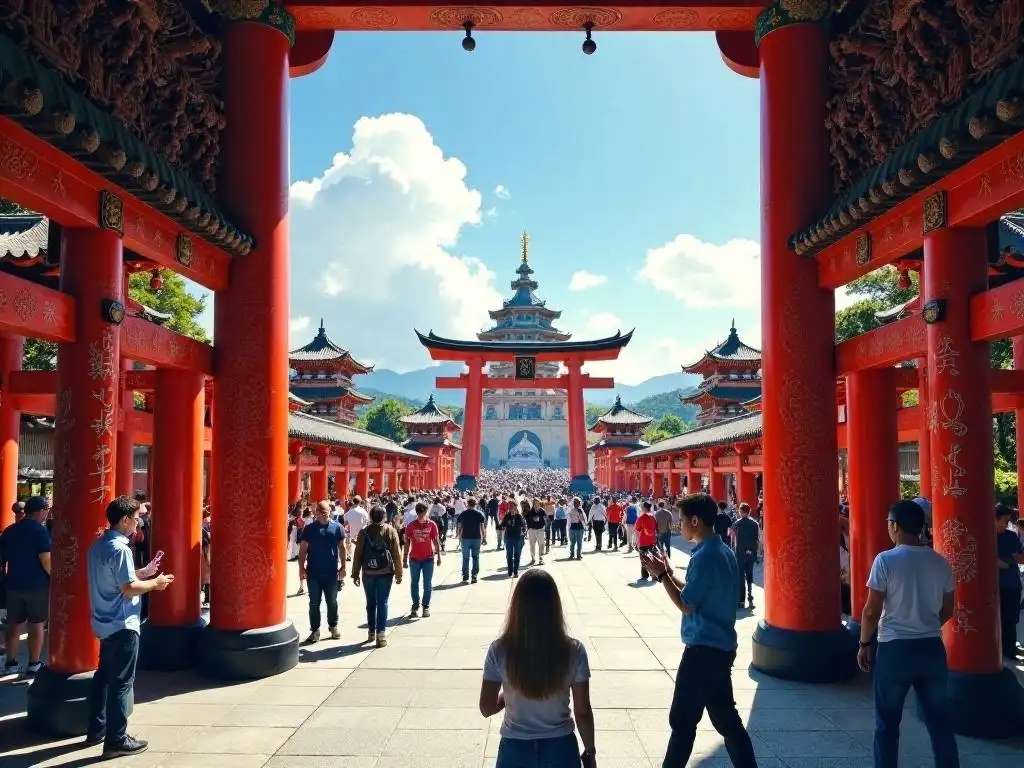
Changes in Worship Practices Over Time
The evolution of worship practices in Shinto shrines and Buddhist temples reflects the dynamic interplay between these two religious traditions throughout Japan's history. Initially, Shinto was primarily an indigenous belief system characterized by animism and kami (spiritual beings) worship, while Buddhism was introduced from China and Korea in the 6th century. Over the centuries, these religions influenced one another, leading to a unique fusion that remains evident today.
- Early Practices: In the early stages, Shinto rituals were predominantly communal and agricultural, focusing on seasonal festivals and rites to ensure bountiful harvests. Conversely, Buddhist practices emphasized individual enlightenment and the pursuit of nirvana. This marked the beginning of a dual religious culture that allowed for the coexistence of both faiths.
- Meiji Restoration Changes: The Meiji Restoration in the late 19th century brought significant changes to worship practices. The government sought to elevate Shinto as a state religion, leading to the separation of Shinto shrines from Buddhist temples. This period saw a rise in Shinto nationalism, which influenced rituals and practices to align more closely with state ideologies.
- Post-War Developments: After World War II, religious freedom was enshrined in the Japanese constitution, allowing for a resurgence of both Shinto and Buddhism. Many practitioners began to integrate elements from both traditions into their personal practices. For instance, it is common for families to visit Shinto shrines for celebrations such as New Year's (Hatsumode) and to attend Buddhist temples for funerals and memorial services.
- Modern Adaptations: Today, worship practices continue to evolve with contemporary societal changes. Many Shinto shrines and Buddhist temples have embraced modern technology, incorporating digital offerings and online ceremonies. Community events and festivals now often combine elements from both religions, fostering a sense of unity and shared cultural heritage.
The Current Status of Shinto Shrines and Buddhist Temples
In contemporary Japan, Shinto shrines and Buddhist temples hold significant cultural and spiritual roles within society. Despite historical conflicts and rivalries, both religions coexist peacefully, with many individuals identifying with aspects of each faith.
- Visitor Statistics: According to recent surveys, approximately 79% of Japanese people engage in Shinto practices, while about 67% participate in Buddhist activities. This indicates a high level of syncretism, where individuals may identify with both traditions without exclusive allegiance.
- Economic Impact: Both Shinto shrines and Buddhist temples contribute to local economies through tourism. Major shrines and temples draw millions of visitors annually, particularly during festivals and special ceremonies. These sites often feature traditional architecture, beautiful gardens, and cultural artifacts, enhancing Japan's appeal as a travel destination.
- Preservation Efforts: In response to modernization and urbanization, there are ongoing efforts to preserve historical Shinto shrines and Buddhist temples. Organizations and local governments have initiated restoration projects to maintain these cultural heritage sites, ensuring their significance for future generations.
- Environmental Initiatives: Many Shinto shrines and Buddhist temples are now actively participating in environmental conservation efforts. Rituals that honor nature and promote sustainability are increasingly common, reflecting a growing awareness of ecological responsibility among religious communities.
Interfaith Relations in Contemporary Japan
Interfaith relations between Shinto shrines and Buddhist temples in modern Japan are characterized by mutual respect and cooperation. While historical tensions have existed, contemporary practices highlight an evolving landscape of religious tolerance and cultural integration.
- Community Collaborations: Various interfaith initiatives have emerged, encouraging dialogue and collaboration between Shinto and Buddhist leaders. Joint ceremonies, community festivals, and educational programs are examples of how both faiths work together to promote understanding and harmony.
- Cultural Festivals: Events that celebrate both Shinto and Buddhist traditions are becoming more common, showcasing shared values and cultural heritage. For instance, the annual "Oni Matsuri" (Demon Festival) blends Shinto purification rituals with Buddhist prayers for peace, symbolizing the unity of both faiths against a backdrop of cultural celebration.
- Youth Engagement: Younger generations in Japan are increasingly open to exploring both Shinto and Buddhist practices. Many actively participate in interfaith dialogues and community service projects, fostering a spirit of cooperation and shared values that transcend traditional religious boundaries.
- Challenges Ahead: Despite positive relationships, challenges remain. There are ongoing debates about the role of religion in public life and the preservation of cultural heritage in the face of globalization. Addressing these challenges requires continued dialogue and collaboration between Shinto and Buddhist communities to ensure that both traditions thrive in a rapidly changing society.
The history of Shinto shrines and Buddhist temples reflects a complex tapestry of faith and cultural identity in Japan. Their evolution and the current state of interfaith relations highlight the resilience and adaptability of these traditions in the face of modern challenges.
Conclusion: The Legacy of Shinto Shrines and Buddhist Temples
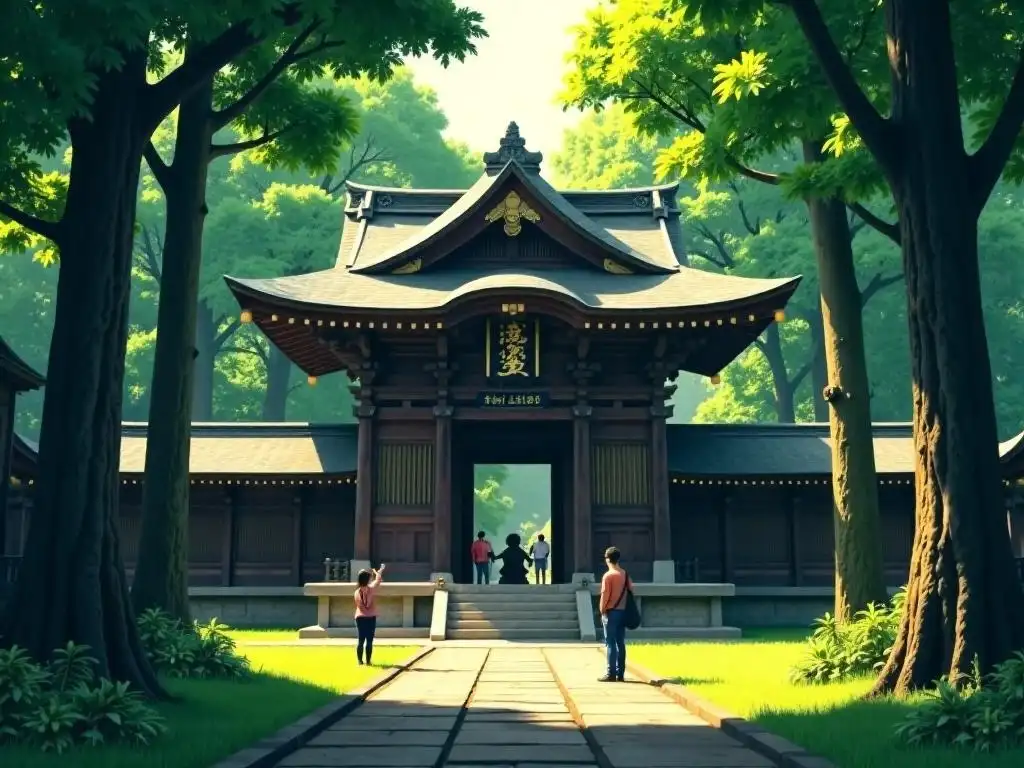
The legacy of Shinto shrines and Buddhist temples in Japan is not merely a reflection of architectural beauty or artistic expression; it embodies the intricate tapestry of Japan's religious and cultural history. These sacred sites have historically served as both places of worship and symbols of the enduring struggle between two distinct yet coexisting belief systems. As Japan transitioned through different eras, particularly during periods of conflict and change, the relationship between Shinto and Buddhism evolved, often intertwining to form a unique spiritual landscape.
One of the most profound aspects of this legacy is the embodiment of syncretism, where elements of both Shinto and Buddhism have blended over centuries. This fusion is evident in various rituals, festivals, and local customs that reflect both traditions. Shinto shrines frequently adopted Buddhist practices, while Buddhist temples incorporated Shinto elements, resulting in a rich cultural heritage that is celebrated today.
Reflections on Religious Coexistence in Japan
The coexistence of Shinto and Buddhism is a remarkable feature of Japanese spirituality, often characterized by mutual respect and adaptation. Despite historical confrontations, such as the Meiji Restoration when the government enforced a separation of the two religions, the underlying ethos of tolerance has prevailed. This is evident in contemporary Japan, where many individuals practice both Shinto and Buddhist traditions, often visiting a shrine for Shinto blessings and a temple for Buddhist funerals.
The shared spaces of worship often reflect a harmonious relationship. For instance, many communities have festivals that honor both deities from Shinto and Buddhist figures, demonstrating a collective identity that transcends individual belief systems. Such practices illustrate a broader theme of religious pluralism in Japan, where faith is not seen as an exclusive path but rather as a multifaceted journey.
The Historical Significance of Shinto and Buddhist Sites Today
Today, Shinto shrines and Buddhist temples stand as historical landmarks, offering insight into Japan's past. These sites attract millions of visitors annually, serving both tourists and pilgrims who seek to understand the spiritual heritage of Japan. Notably, UNESCO recognizes several such sites as World Heritage Sites, acknowledging their historical and cultural importance.
The preservation of these sites goes beyond mere conservation; it is a commitment to honoring the narratives of the past. Many shrines and temples are actively involved in their communities, hosting events that promote cultural awareness and religious education. They serve as venues for dialogue, fostering understanding among various faiths and encouraging a cohesive social fabric.
The history of Shinto shrines and Buddhist temples is not just a chronicle of faith; it is a testament to Japan's ability to adapt and embrace diversity. The legacy of these sites continues to shape the spiritual and cultural identity of the nation, reminding us of the profound connections that can exist between different belief systems. As we reflect on this legacy, it becomes clear that the narratives of Shinto and Buddhism are intertwined, offering a unique perspective on the nature of faith and coexistence in Japan.
Further Reading on Shinto Shrines and Buddhist Temples History
Recommended Books and Articles
For those seeking a deeper understanding of the history of Shinto shrines and Buddhist temples, several seminal texts and articles provide comprehensive insights into their significance within Japanese culture and religious conflicts. Here are some highly recommended readings:
-
"Shinto: The Kami Way" by Sokyo Ono
This foundational text offers an in-depth exploration of Shinto beliefs, rituals, and the historical development of Shinto shrines. Ono’s work is essential for understanding the spiritual landscape that coexists with Buddhism in Japan.
-
"Buddhism in Japan: A Cultural History" by Richard Seager
Seager’s examination of Buddhism’s evolution in Japan presents a detailed account of its interactions with Shinto. The book discusses the blending of these two faiths, making it crucial for grasping their historical coexistence.
-
"The Cambridge History of Japan, Volume 3: Medieval Japan" edited by John W. Hall
This comprehensive volume delves into the political, social, and religious dynamics of medieval Japan, including the roles of Shinto shrines and Buddhist temples in shaping the era’s conflicts.
-
"Shinto and Buddhism: A History of the Relationship" by Helen Hardacre
Hardacre’s article provides an analytical perspective on the historical relationship between Shinto and Buddhism, highlighting key events and conflicts that have defined their coexistence.
-
"The Sacred Power of Shinto Shrines" by John K. Nelson
This article discusses the significance of Shinto shrines in contemporary Japan while tracing their historical roots, offering readers insights into their enduring importance amidst religious conflicts.
Documentaries and Online Resources
Numerous documentaries and online resources are available for those interested in visual and interactive learning about the history of Shinto shrines and Buddhist temples. Here are some valuable suggestions:
-
"The Hidden World of Shinto Shrines" (Documentary)
This documentary provides a fascinating glimpse into the rituals and practices at Shinto shrines, featuring interviews with practitioners and scholars that illuminate their historical significance.
-
"Buddhism in Japan: A Journey Through Time" (YouTube Series)
This series explores various aspects of Buddhism in Japan, including its historical conflicts with Shinto and the development of Buddhist temples throughout the centuries.
-
"The Shinto-Buddhism Interface" (Online Lecture)
Available on academic platforms, this lecture presents insights from experts discussing the historical interactions between Shinto and Buddhism, focusing on key events that shaped their relationship.
-
Japan National Tourism Organization (JNTO) Website
This resource provides comprehensive information on Shinto shrines and Buddhist temples across Japan, including historical context, cultural significance, and visitor guidelines.
-
"Exploring Japan's Religious Landscape" (Interactive Map)
An online interactive map that highlights significant Shinto shrines and Buddhist temples throughout Japan, offering historical data and context for each site.
These resources collectively offer a multifaceted view of the intricate and often tumultuous history of Shinto shrines and Buddhist temples, making them invaluable for anyone interested in the religious conflicts that have shaped Japan.
Frequently Asked Questions
What are the main differences between Shinto shrines and Buddhist temples?
Shinto shrines are places of worship for the indigenous Shinto faith, focusing on kami (spirits), while Buddhist temples are dedicated to the teachings of Buddhism and its various deities.
How did Shinto and Buddhism coexist during the feudal era in Japan?
During the feudal era, Shinto and Buddhism often blended, with many people practicing both, leading to a unique cultural synthesis that shaped Japanese spiritual life.
What role did Shinto shrines and Buddhist temples play in Japanese society?
These sites served as community centers, offering spiritual guidance, social gatherings, and cultural activities, significantly influencing the societal structure of feudal Japan.
How did politics influence the construction of Shinto shrines and Buddhist temples?
Political leaders often commissioned the construction of these structures to gain favor with the gods or to assert their power, intertwining religion with the political landscape of feudal Japan.
What can visitors learn about the history of Shinto shrines and Buddhist temples today?
Visitors can explore the rich history of these sites through architecture, rituals, and art, gaining insights into the cultural heritage and spirituality that shaped Japan's identity.
Final Reflection: The Interwoven Tapestry of Faith
The historical interplay between Shinto shrines and Buddhist temples is not merely a relic of the past; it is a living testament to the resilience and adaptability of spiritual beliefs in contemporary society. As we navigate a world increasingly defined by cultural exchanges and interfaith dialogues, understanding this intricate relationship becomes essential. The coexistence of these two faiths illustrates how diverse belief systems can enrich one another, rather than exist in opposition.
Culturally, the dialogue between Shinto and Buddhism has shaped Japan's identity, influencing everything from art to festivals and even daily rituals. This ongoing interaction continues to foster a unique spiritual landscape that invites individuals to explore their own beliefs. As the renowned scholar Joseph Campbell once said, Myth is much more than a story; it is a way of understanding the world.
This perspective encourages us to appreciate how these sacred spaces serve as more than just sites of worship; they are also reflections of our shared human experience, bridging gaps between different traditions and fostering a sense of community.
As you reflect on the rich history of Shinto shrines and Buddhist temples, consider how these lessons of coexistence and respect can be applied in your own life. Take a moment to explore your beliefs and the beliefs of others around you. Engage in conversations that challenge your perspectives, and seek to understand the diverse tapestry of faith that shapes our world today. In doing so, you contribute to a more harmonious future, where the battlegrounds of faith transform into landscapes of understanding and unity.
Explore the Spiritual Landscape of Japan
Thank you for delving into the fascinating world of Shinto shrines and Buddhist temples with us! Your interest highlights the rich tapestry of faith that shapes Japan’s culture and history. Now, it’s time to deepen your understanding and engage with this vibrant spiritual heritage!
Here are some exciting steps you can take:
- Visit a local shrine or temple: Experience the tranquility and beauty of these sacred spaces firsthand. Take a moment to reflect, pray, or simply enjoy the serenity they offer.
- Research local rituals and festivals: Discover how these traditions influence community life by attending an event or learning about the unique customs practiced in your area.
- Share your experience! Invite friends to join you on your spiritual journey and discuss your insights on social media using a dedicated hashtag.
What aspect of Shinto or Buddhism intrigues you the most, and how do you plan to incorporate that into your own spiritual or cultural exploration?