
Sacred Shrines: Exploring the Architectural Wonders of Shinto

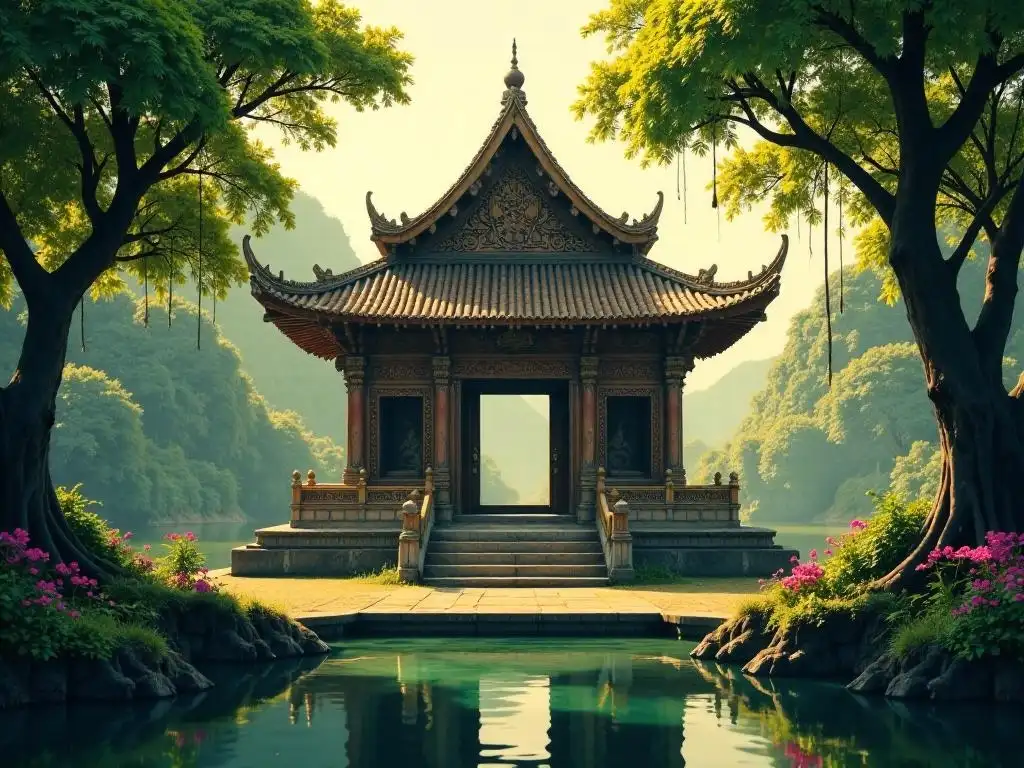
Welcome to Feudal Japan History, where we embark on a captivating journey through the intricate tapestry of Japan’s feudal era. Here, you’ll uncover the sacred shrines that dot the landscape, each a testament to the rich cultural heritage and profound spirituality of the time.
In our featured article, “ Sacred Shrines: Exploring the Architectural Wonders of Shinto,” we delve into the mesmerizing architectural features that define Shinto shrines, inviting you to explore their significance in both historical context and modern relevance. Prepare to be intrigued as we unravel the mysteries behind these sacred spaces and their enduring impact on Japanese society.
Shinto shrines, known as jinja in Japanese, represent some of the most profound and aesthetically captivating structures in the realm of architecture. They serve not only as places of worship but also as vital cultural symbols deeply rooted in Japan's history and spirituality.
This article delves into the intricate architectural features of Shinto shrines, examining how these elements reflect the beliefs and practices of Shintoism. From the iconic torii gates that mark the transition from the profane to the sacred, to the unique building styles that have evolved over centuries, we will uncover the significance of these architectural wonders.
By exploring the various components that make up Shinto shrine architecture, we aim to provide a comprehensive understanding of their cultural relevance and the artistry involved in their design. Whether you are a history enthusiast, an architecture aficionado, or someone simply curious about Shinto practices, this exploration promises to enrich your knowledge of these sacred spaces.
Understanding Shinto Shrines
Shinto shrines are much more than just physical structures. They embody the spiritual essence of Shintoism, a religion that venerates kami, or spirits, believed to inhabit natural elements. The design and layout of these shrines are meticulously crafted to honor these deities, creating a harmonious relationship between the sacred and the natural world. Here, we will delve into:
- The Historical Evolution: From ancient times to the present, discover how Shinto shrine architecture has evolved, adapting to changing beliefs and societal influences.
- Cultural Significance: Understand the role of shrines in Japanese culture, especially their importance in festivals, rituals, and community gatherings.
- Architectural Styles: Explore the different architectural styles, such as the Ise-zukuri and Kasuga-zukuri, that define various shrines across Japan.
Key Architectural Features of Shinto Shrines
The architectural features of Shinto shrines are distinctive and carry significant meaning. This section will cover:
- Torii Gates: These iconic structures symbolize the entrance to the sacred and are often the first element encountered upon approaching a shrine.
- Honden (Main Hall): The honden is the most sacred part of the shrine, housing the kami. It is often uniquely designed based on regional styles and historical context.
- Shimenawa: A sacred rope that marks the boundary of the holy space, often adorned with zigzag-shaped paper (gohei) symbolizing purification.
The Relationship Between Nature and Shrine Architecture
Nature plays a crucial role in the design of Shinto shrines. Unlike many other religious structures, Shinto shrines are often integrated into their natural surroundings, embodying the belief that kami are present in the natural world. In this section, we will discuss:
- Site Selection: How the location of a shrine is chosen based on natural features such as mountains, rivers, and trees.
- Materials Used: The traditional materials, such as wood and thatch, that not only reflect the environment but also enhance the spiritual connection to nature.
- Landscaping and Gardens: The design of shrine gardens and surrounding landscapes, which are created to evoke peace and reflection, further emphasizing the connection between the sacred and the natural.
Conclusion
As we embark on this exploration of Shinto shrine architectural features, we invite you to appreciate not just the artistry involved, but also the deep cultural and spiritual significance these sacred spaces hold in the heart of Japan. Through a detailed examination of their design, we hope to provide insights that reveal the beauty and meaning behind these architectural wonders.
- Understanding Shinto Shrines
- Key Architectural Features of Shinto Shrines
- The Relationship Between Nature and Shrine Architecture
- Conclusion
- What are the main architectural features of Shinto shrines?
- How do cultural practices influence Shinto shrine architecture?
- What is the significance of the torii gate in Shinto shrines?
- Are there any regional differences in Shinto shrine architecture?
- How does the design of Shinto shrines reflect Japanese spirituality?
Introduction to Shinto Shrines
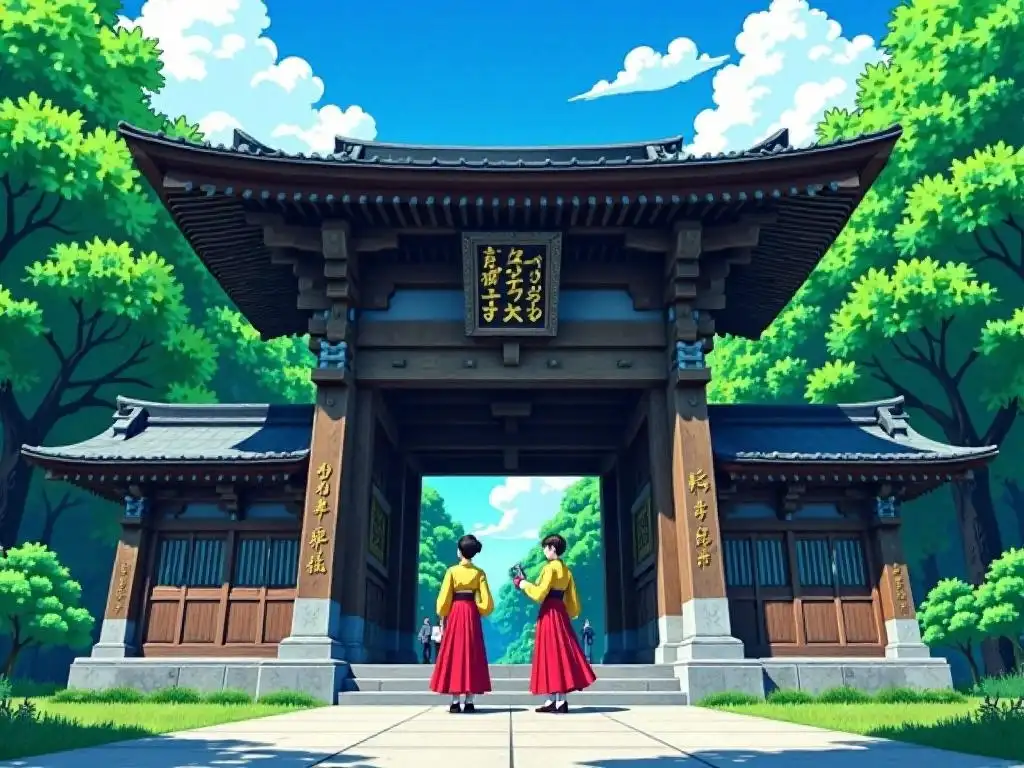
Shinto shrines are not only places of worship but also architectural masterpieces that reflect the deep-rooted traditions and beliefs of Japanese culture. These sacred spaces serve as a bridge between the physical world and the divine, embodying the spiritual essence of Shinto, Japan’s indigenous faith. In this section, we will delve into the unique architectural features of Shinto shrines, highlighting their significance and the role they play in the broader context of Shinto practices.
Overview of Shinto and its Significance in Japanese Culture
Shinto, or "the way of the gods," is a polytheistic belief system that reveres kami, which can be understood as spirits or deities associated with natural elements, ancestors, and sacred places. The origins of Shinto date back to ancient Japan, with roots that intertwine with the country’s mythology, rituals, and cultural practices.
- Key Characteristics of Shinto:
- Kami Worship: Shinto emphasizes the veneration of kami, which are believed to inhabit natural features such as mountains, rivers, and trees. This connection reflects the Japanese ethos of harmony with nature.
- Ritual Practices: Rituals in Shinto often involve purification, offerings, and festivals (matsuri) that celebrate the kami, fostering a sense of community and continuity.
- Mythology and Ancestry: The rich tapestry of Shinto mythology, including tales of creation and ancestral deities, underscores the importance of lineage and cultural heritage.
The significance of Shinto in Japanese culture extends beyond religious observance; it shapes social values, art, and even the Japanese language. The principles of harmony, respect, and gratitude inherent in Shinto beliefs permeate daily life, influencing interpersonal relationships and societal norms.
The Role of Shrines in Shinto Practices
Shinto shrines, or jinja, serve as the primary sites for Shinto rituals and ceremonies. Each shrine is distinct, reflecting its local kami and the specific traditions of the area. The architectural features of these shrines are carefully designed to enhance the spiritual experience and foster a connection between the worshipper and the kami.
- Architectural Elements:
- Torii Gates: These iconic gates mark the transition from the mundane to the sacred, symbolizing the entrance to a spiritual realm. The style and color of torii can vary, with vermilion being the most recognizable.
- Honden (Main Hall): This is the core of the shrine where the kami is enshrined. It is often elevated and may feature intricate carvings and thatched roofs, reflecting the aesthetics of the time.
- Shinmon (Sacred Gate): A secondary entrance that often features elaborate designs, inviting worshippers to approach the shrine with reverence.
- Offering Platforms: Spaces where visitors can present offerings to the kami, which may include rice, sake, or symbolic items, reinforcing the relationship between the divine and the faithful.
The shrines also host various seasonal festivals and rituals, providing a space for community gathering and cultural expression. These practices serve not only to honor the kami but also to strengthen social bonds and cultural identity among worshippers.
Shinto shrines are vital to understanding the interplay between architecture, spirituality, and cultural practices in Japan. Their architectural features are not merely aesthetic; they are a manifestation of the Shinto worldview, encapsulating the relationship between humanity and the divine.
Key Architectural Features of Shinto Shrines
Shinto shrines are unique architectural marvels that reflect the spiritual and cultural essence of Japan. Their design is deeply rooted in Shinto beliefs, emphasizing harmony with nature and the divine. Understanding the key architectural features of Shinto shrines can provide insight into their significance and functionality within the Shinto faith.
Torii Gates: The Symbolic Entrance
One of the most iconic features of Shinto shrines is the Torii gate, which serves as a symbolic entrance. These gates mark the transition from the mundane to the sacred, signaling that one is entering a space imbued with spiritual significance.
- Design and Materials: Typically constructed from wood or stone, Torii gates can be found in various styles, with the most recognizable being the shinmei style characterized by its simple yet elegant lines. More elaborate designs may include intricate carvings and bright vermilion paint, as seen in the famous Fushimi Inari Taisha shrine.
- Cultural Significance: The Torii gate is not merely an architectural feature; it represents the boundary between the physical world and the realm of the kami (spirits). Walking through a Torii gate is often seen as a purification ritual, preparing individuals for worship.
The Torii gate stands as a reminder of the sacredness of the space beyond it, inviting contemplation and respect.
Honden: The Main Sanctuary Structure
The Honden is the most important building within a Shinto shrine, serving as the main sanctuary where the kami is enshrined.
- Architectural Characteristics: The Honden is usually elevated on a platform, constructed with a thatched or tiled roof that extends beyond the walls, allowing for natural elements to flow around it. The architectural style often reflects the Ishi-no-ma (stone floor) or Yasaka style, known for its simple elegance.
- Functionality: Inside the Honden, offerings are made, and rituals are performed to honor the kami. Access to the Honden is typically restricted, emphasizing its sanctity and the need for reverence.
| Feature | Description |
|---|---|
| Material | Wood, often cedar or cypress |
| Roof Type | Thatched or tiled, with wide eaves |
| Elevation | Raised on a platform for purification |
Haiden: The Hall of Worship
The Haiden is the hall of worship, where visitors gather to pay their respects and offer prayers.
- Design and Accessibility: Unlike the Honden, the Haiden is accessible to the public and often features an open design with wide verandas. This architectural choice fosters a connection between the worshippers and the sacred space.
- Ritual Practices: The Haiden is where rituals such as Shinto ceremonies and festivals are held. It typically includes an altar for offerings, allowing worshippers to express their devotion to the kami.
The Haiden embodies the communal aspect of Shinto, where individuals come together to honor the divine in a shared space.
Understanding these architectural features of Shinto shrines— Torii gates, Honden, and Haiden—illuminates the deep spiritual connection between the Shinto faith and its architectural expressions. Each element serves not only a functional purpose but also a profound symbolic role in the worship of kami.
Other Architectural Elements: From Chigi to Katsuogi
Shinto shrine architecture is rich with symbolic elements that extend beyond the basic structure of the shrine itself. Two notable architectural features that contribute to the unique aesthetic of Shinto shrines are Chigi and Katsuogi. These elements are not merely decorative; they hold cultural and spiritual significance that reflects the beliefs and practices of Shintoism.
Chigi: The Forked Finials
Chigi refers to the forked finials that are often found at the roof's ridge of Shinto shrines. Typically made of wood, these ornamental elements are designed to resemble the shape of a forked branch. The presence of Chigi is emblematic of the connection between the physical and spiritual realms.
- Symbolism: Chigi symbolizes the presence of the divine, acting as a marker to indicate that the space beneath is sacred. The forked shape is thought to represent the duality of nature and the balance between opposing forces, such as life and death.
- Variations: While Chigi is most commonly associated with shrines, its design can vary significantly from one shrine to another. In some cases, the Chigi may be elaborately carved, showcasing the artistic craftsmanship of the period, while in others, it may be more simplistic, emphasizing minimalist beauty.
Katsuogi: The Crossbeams
Katsuogi are the short wooden beams placed horizontally across the roof, typically set above the Chigi. These beams serve both structural and decorative purposes and play a crucial role in the overall aesthetic of Shinto shrine architecture.
- Functionality: Primarily, Katsuogi was used to reinforce the roof structure, providing stability and support. However, over time, their function has become more symbolic, representing the connection between the earth and the sky.
- Cultural Significance: Much like Chigi, Katsuogi also carries cultural meaning. They are often placed in odd numbers—usually three or five—which is significant in Shinto beliefs that emphasize harmony and balance. The use of Katsuogi also aligns with the traditional Shinto aesthetic that values natural materials and forms, emphasizing the beauty found in simplicity.
The Integration of Chigi and Katsuogi
The combination of Chigi and Katsuogi enhances the visual appeal of Shinto shrines, contributing to their unique architectural identity. When viewed together, these elements create a harmonious balance that reflects the core principles of Shintoism: the reverence for nature and the importance of harmony in the universe.
- Architectural Cohesion: The placement and design of Chigi and Katsuogi are meticulously planned to ensure that they complement the overall architecture of the shrine. This attention to detail reflects the deep respect for craftsmanship that is characteristic of Japanese culture.
- Spiritual Resonance: For worshippers, these architectural features serve as reminders of the sacredness of the space. They evoke a sense of connection to the divine, reinforcing the spiritual atmosphere that Shinto shrines are known for.
Chigi and Katsuogi are more than mere decorative elements; they embody the philosophical and spiritual tenets of Shintoism. By understanding these features, one gains a deeper appreciation for the intricate relationship between architecture, spirituality, and nature in the context of Shinto shrines.
Historical Development of Shinto Shrine Architecture
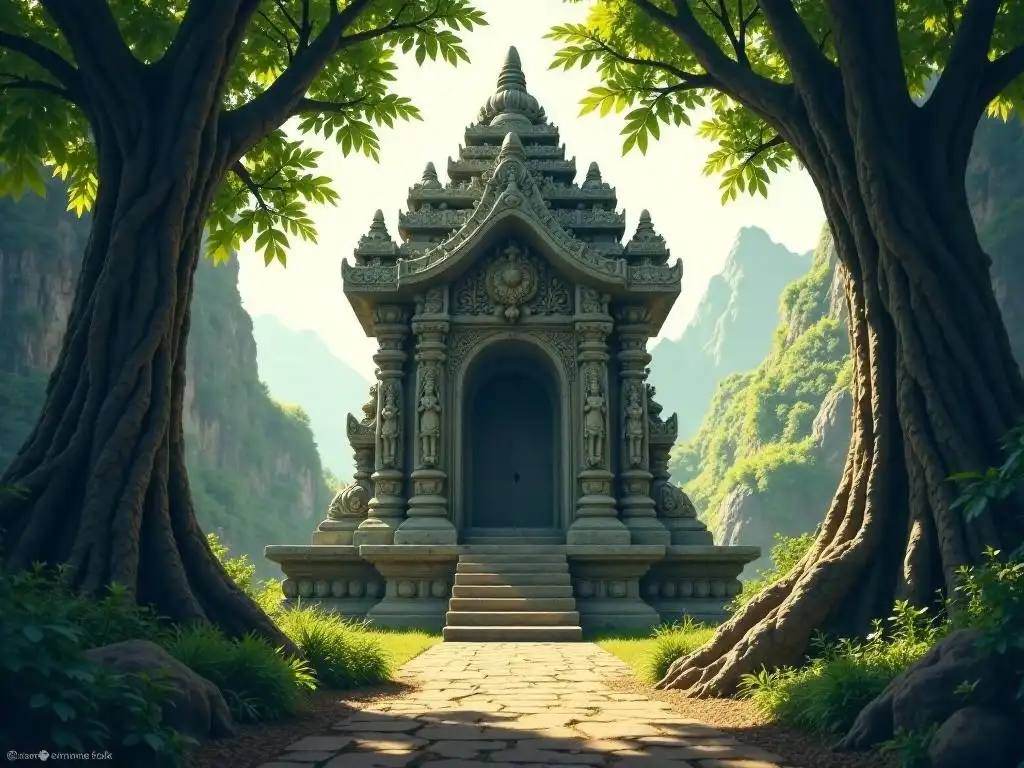
The architecture of Shinto shrines reflects a rich tapestry of influences, adaptations, and evolutions that have occurred over centuries. From its ancient roots to its integration with various cultural elements throughout Japan's feudal era, the architectural features of Shinto shrines are not just aesthetic but deeply tied to religious practices and societal values.
Ancient Influences on Shrine Design
The origins of Shinto shrine architecture can be traced back to the prehistoric period, where the worship of natural elements and kami (spirits) guided the early designs. The simple structures of these early shrines were often made from natural materials such as wood and thatch, harmonizing with the surrounding environment. Key features from this period include:
- Raised Platforms: Early shrines were often elevated on wooden platforms, a design that served both practical and spiritual purposes by protecting the shrine from flooding and pests.
- Natural Aesthetics: The use of local materials and a design philosophy that celebrated the natural world laid the foundation for later architectural features.
- Komainu Statues: These lion-dog guardians, placed at shrine entrances, are believed to ward off evil spirits and date back to influences from continental Asia.
As Japan transitioned from the Jomon period through the Yayoi and Kofun periods, the architectural elements of Shinto shrines began to incorporate more refined craftsmanship and structural complexity, influenced by interactions with other cultures.
Evolution of Architectural Styles Through the Feudal Era
During the feudal era, particularly from the 12th to the 16th centuries, Shinto shrine architecture underwent significant transformations, influenced by the political and social changes of the time. Key developments include:
- Introduction of Buddhist Elements: The presence of Buddhism in Japan led to the incorporation of certain stylistic elements from Buddhist temple architecture, such as elaborate roofs and decorative motifs. This syncretism can be seen in shrines that adopted the hondō (main hall) design typical of Buddhist structures.
- Rise of the Gongen Style: The Gongen style emerged as a hybrid of Shinto and Buddhist architecture, exemplifying the coexistence of the two religions. Shrines built in this style often featured multiple structures and complex layouts, enhancing their spiritual significance.
- Distinctive Roof Designs: The iraka (roof peak) became a defining feature of shrine architecture, symbolizing the ascent to the divine. Roofs often showcased ornate decorations, including chigi (forked finials) and katsuobushi (curved ends).
The architectural revolution of this period was characterized by a shift toward grander designs, often reflecting the power and influence of local feudal lords who patronized such constructions.
Regional Variations in Shrine Architecture
Japan's diverse geography and cultural influences have resulted in notable regional variations in Shinto shrine architecture. Each region has adapted the basic architectural features to reflect local traditions, available materials, and environmental conditions:
- Ise Shrine: Located in Mie Prefecture, Ise Shrine is known for its shikinen sengū (regular rebuilding) every 20 years, which preserves ancient techniques and materials. The shrine’s simplicity and use of unpainted wood exemplify the purity sought in Shinto practices.
- Tōhoku Region: Shrines in this area often showcase thatched roofs (chiga), reflecting the cold climate and local building traditions. The use of natural materials emphasizes harmony with nature.
- Kinki Region: Here, larger and more ornate shrines can be found, such as Fushimi Inari Taisha, which features thousands of vermilion torii gates. These gates create a visually stunning approach to the shrine, illustrating the region's wealth and religious significance.
The variations in shrine architecture not only showcase local craftsmanship but also embody the unique spiritual relationships that communities have cultivated with their kami, reflecting a broader understanding of Shinto practices across Japan.
The architectural features of Shinto shrines are a testament to the historical, cultural, and societal contexts that shaped their development. From ancient influences to regional variations, these sacred structures continue to serve as vital spaces for worship and community identity in contemporary Japan.
Cultural Significance of Shinto Shrine Features
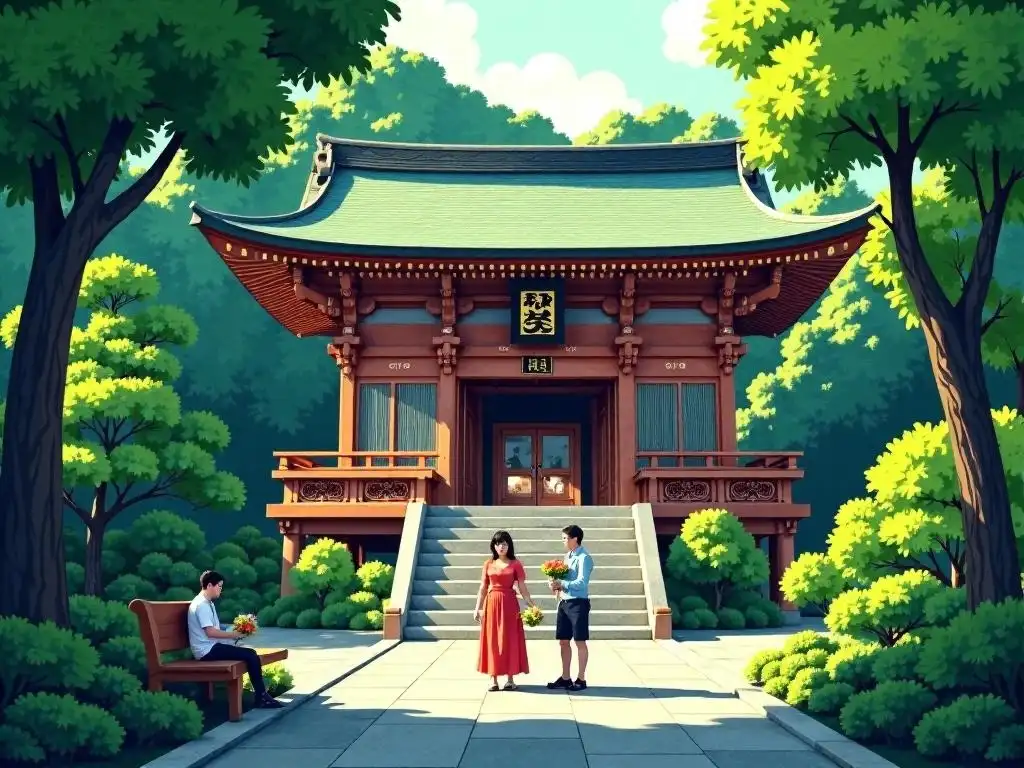
Shinto shrines, known as jinja, are not just places of worship but also embody the rich cultural and spiritual heritage of Japan. The architectural features of these shrines reflect deep-rooted beliefs and practices that have evolved over centuries. Each element, from the torii gate to the honden (main hall), plays a vital role in the spiritual journey of worshippers and the community at large.
Spiritual Meaning Behind Architectural Choices
The design of Shinto shrines is steeped in symbolism, with each feature representing various spiritual concepts.
- Torii Gate:
- The iconic torii marks the transition from the mundane to the sacred. It signifies the boundary between the human world and the spiritual realm. The gate's placement at the entrance of a shrine invites visitors to leave behind their worldly concerns and enter a space of purity and worship.
- Honden (Main Hall):
- The honden is where the kami (spirits) are enshrined. It is constructed to be simple and unadorned, reflecting the Shinto belief in purity and simplicity. Traditionally built using natural materials like wood, the honden serves as a physical embodiment of the kami, connecting the divine with the earthly.
- Shimenawa (Sacred Rope):
- Often hung at shrines, the shimenawa is a twisted rice straw rope that demarcates sacred spaces and wards off evil spirits. The shimenawa’s presence emphasizes the importance of purity and protection, reinforcing the spiritual ambiance of the shrine.
- Komainu (Guardian Lions):
- These stone statues flanking shrine entrances serve as protectors against malevolent spirits. The komainu embody the Shinto duality of creation and destruction, highlighting the balance of forces within the spiritual realm.
- Water Basins (Temizuya):
- Found at the entrance of shrines, the temizuya is used for ritual purification. Visitors wash their hands and mouth to cleanse themselves before approaching the kami, symbolizing the importance of ritual purity in Shinto practices.
Festivals and Rituals Associated with Shinto Shrines
Shinto shrines are centers of community life and host numerous festivals ( matsuri) and rituals that reflect the seasonal cycles and agricultural calendar. These events are integral to the cultural fabric of Japan and emphasize the connection between the people, their environment, and the kami.
- New Year Celebrations (Shōgatsu):
- One of the most significant events in the Shinto calendar, the New Year is celebrated with visits to shrines, offering prayers for prosperity and good fortune. The rituals often involve special decorations and the ringing of shrine bells to welcome the new year.
- Rice Planting Festivals (Taue Matsuri):
- These festivals celebrate the rice planting season, expressing gratitude to the kami for providing rice, a staple of the Japanese diet. Rituals may include processions, offerings of rice, and prayers for a bountiful harvest.
- Mizuko Kuyo:
- This ritual honors the spirits of deceased children, reflecting the Shinto belief in the continuous cycle of life and death. Shrines often hold ceremonies where parents offer prayers and symbolic items, showcasing the deep emotional connection to the kami.
- Harvest Festivals (Niinamesai):
- Celebrated in autumn, these festivals express gratitude for the year’s harvest. Offerings of rice and other seasonal foods are made to the kami, reinforcing the community’s bond with nature and the divine.
- Kagura:
- Traditional Shinto music and dance performed at shrines, kagura is both a form of worship and entertainment. It recounts mythological tales and is integral to many shrine festivals, serving to appease the kami and entertain them.
The architectural features of Shinto shrines and the associated festivals and rituals reflect a profound respect for nature, community, and the spiritual world. This intricate relationship underscores the importance of Shinto practices in Japan's cultural heritage, emphasizing the enduring relevance of these sacred spaces in contemporary society.
Prominent Shinto Shrines in Japan
Ise Grand Shrine: A Masterpiece of Shinto Architecture
The Ise Grand Shrine, or Ise Jingu, is considered one of the most sacred Shinto shrines in Japan. Located in the Mie Prefecture, it is dedicated to the sun goddess Amaterasu and represents the pinnacle of Shinto shrine architectural features. The shrine complex consists of two main shrines, Naikū (inner shrine) and Gekū (outer shrine), each embodying simplicity and natural beauty that reflects the Shinto belief in harmony with nature.
Architectural Features
- Simplicity and Natural Materials:
- The structures are built using unpainted cypress wood, preserving their natural appearance.
- Roofs are thatched with rice straw, further enhancing their connection to the natural environment.
- The Geku and Naikū Design:
- The Naikū shrine, built in a unique architectural style called shinmei-zukuri, emphasizes straight lines and a simple layout, symbolizing purity.
- The Geku shrine features a similar design but is dedicated to the deity of agriculture, Toyouke-ōmikami.
- Reconstruction Rituals:
- Every 20 years, both shrines undergo a ritual reconstruction, reflecting the Shinto belief in renewal and the impermanence of life. This practice has been ongoing for over 1,300 years.
The Ise Grand Shrine serves as a cultural and religious symbol of Japan, illustrating the deep-rooted traditions and architectural philosophy of Shintoism.
Fushimi Inari Taisha: The Iconic Shrine of Thousands of Torii
Fushimi Inari Taisha, located in Kyoto, is renowned for its thousands of vermilion torii gates, which create stunning pathways up the sacred Mount Inari. This shrine is dedicated to Inari, the deity of rice, and showcases distinctive architectural features that blend spirituality with natural beauty.
Architectural Features
- Torii Gates:
- The iconic torii gates are inscribed with the names of donors and date back to the 8th century, each representing a unique offering to the deity.
- The gates create vibrant tunnels that symbolize the transition from the mundane to the sacred.
- Sanctuaries and Altars:
- The shrine complex is dotted with smaller shrines, each with its own architectural style, creating a rich tapestry of religious significance.
- The main shrine (Honden) features a nagare-zukuri style, characterized by a flowing roof that extends beyond the walls, symbolizing protection.
- Natural Integration:
- The design of Fushimi Inari Taisha emphasizes the harmony between architecture and nature. The pathways wind through lush forests, enhancing the spiritual experience for visitors.
Fushimi Inari Taisha exemplifies how Shinto architecture not only serves religious purposes but also fosters a profound connection with the natural world.
Meiji Shrine: Blending Tradition with Modernity
Meiji Shrine, located in Shibuya, Tokyo, is dedicated to Emperor Meiji and Empress Shoken, embodying the transition from feudal Japan to modernity. The shrine is a testament to the enduring legacy of Shinto architecture while integrating contemporary elements.
Architectural Features
- Torii Gate:
- The grand wooden torii gate stands at the entrance, made from 1,500-year-old Japanese cypress, illustrating the shrine's historical significance.
- It serves as a monumental entry point, welcoming visitors into a sacred space.
- Main Shrine Structure:
- The main shrine (Honden) features a katsuogi (decorative logs on the roof) and chigi (forked finials), traditional elements that emphasize Shinto aesthetics.
- The use of natural materials reflects the core Shinto belief in the sacredness of nature.
- Surrounding Forest:
- The shrine is enveloped in a 70-acre forest, creating a serene atmosphere that contrasts with the bustling city. This forest serves as a sanctuary for wildlife and visitors alike.
Meiji Shrine represents a bridge between the past and present, showcasing how Shinto shrine architectural features can adapt while retaining their spiritual essence.
The architectural features of prominent Shinto shrines like Ise Grand Shrine, Fushimi Inari Taisha, and Meiji Shrine not only reflect the religious beliefs of Shinto but also illustrate a deep respect for nature and tradition, making them vital cultural landmarks in Japan.
Preservation and Restoration of Shinto Shrines
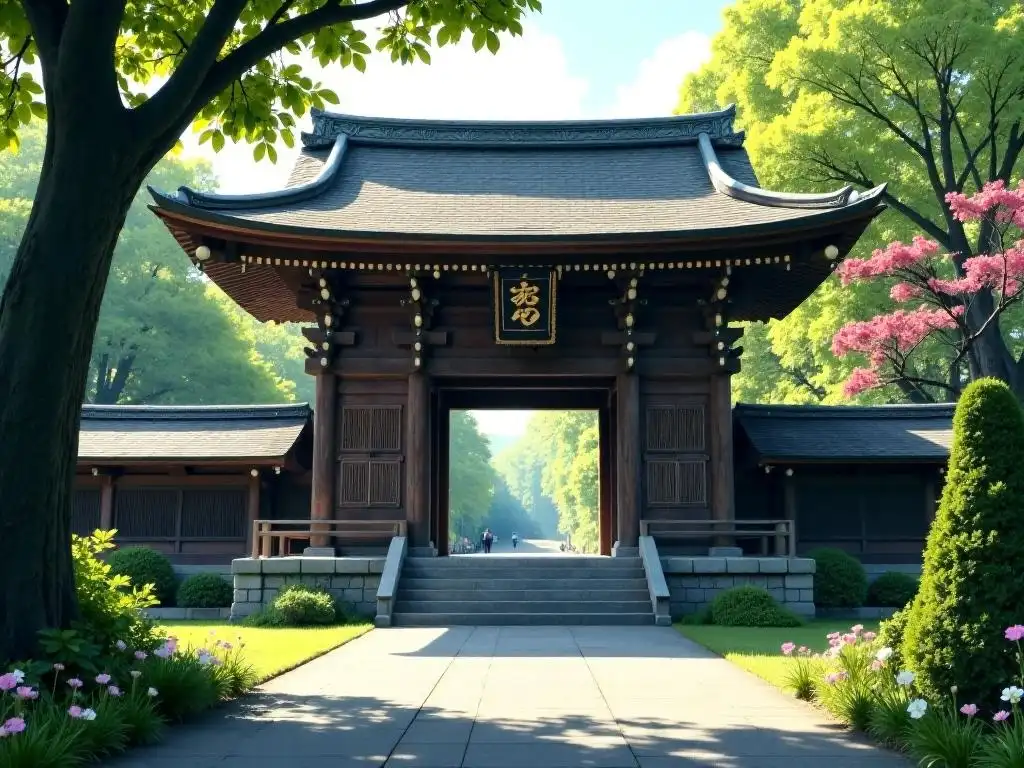
The preservation and restoration of Shinto shrines are vital for maintaining not only their architectural integrity but also their cultural and spiritual significance. These sacred spaces are often centuries old and embody Japan's rich history and religious practices. Thus, the approach to their preservation is grounded in a deep respect for both traditional craftsmanship and the natural environment.
Techniques for Maintaining Architectural Integrity
Maintaining the architectural integrity of Shinto shrines involves a combination of traditional techniques and modern conservation practices. Here are some key methods employed:
- Use of Traditional Materials:
- Wood: Many shrines are constructed from native woods such as hinoki (Japanese cypress) and sugi (Japanese cedar). These materials are chosen for their durability and aesthetic qualities.
- Thatch and Straw: The roofs of many shrines are traditionally thatched or covered with straw, which requires regular maintenance and replacement.
- Periodic Restorations:
- Shrines undergo major restorations every 20 years, a practice known as Shikinen Sengu. This ritual not only restores the physical structure but also symbolizes the cycle of life and renewal.
- During these restorations, craftsmen utilize techniques passed down through generations, ensuring authenticity and preserving traditional methods.
- Environmental Considerations:
- The location of a shrine often determines its preservation techniques. For example, shrines located in coastal areas may require additional measures to combat salt erosion.
- Incorporating sustainable practices, such as using local materials and natural methods for pest control, is increasingly important in restoration efforts.
| Technique                       | Description                                               |
|---------------------------------|-----------------------------------------------------------|
| Traditional Materials           | Use of hinoki and sugi for structural integrity           |
| Periodic Restorations           | Major restorations every 20 years (Shikinen Sengu)       |
| Environmental Considerations     | Adapting methods based on geographic location             |
The Importance of Tradition in Restoration Efforts
Tradition plays an essential role in the restoration of Shinto shrines, reflecting the values and beliefs of the communities that maintain them. Here are several reasons why tradition is paramount:
- Cultural Identity:
- Shinto shrines are not merely structures; they represent the spiritual and cultural identity of the Japanese people. Preserving their traditional features ensures that this identity is maintained for future generations.
- Spiritual Significance:
- Many restoration practices are steeped in ritual, honoring the kami (spirits) that inhabit these spaces. The act of preserving a shrine is often seen as a way to pay respect to these divine beings.
- Knowledge Transfer:
- The techniques used in restoration are often passed down through apprenticeships, allowing for the preservation of craftsmanship skills. This transfer of knowledge is crucial for maintaining the integrity of Shinto shrine architectural features.
- Community Involvement:
- Restoration efforts often involve local communities, fostering a sense of ownership and pride. Engaging community members in the process helps to keep the traditions alive and relevant.
The preservation and restoration of Shinto shrines are critical to maintaining their architectural features and cultural significance. Through traditional techniques and a deep respect for heritage, these sacred spaces continue to inspire reverence and connection to Japan’s rich spiritual history.
The Future of Shinto Shrine Architecture
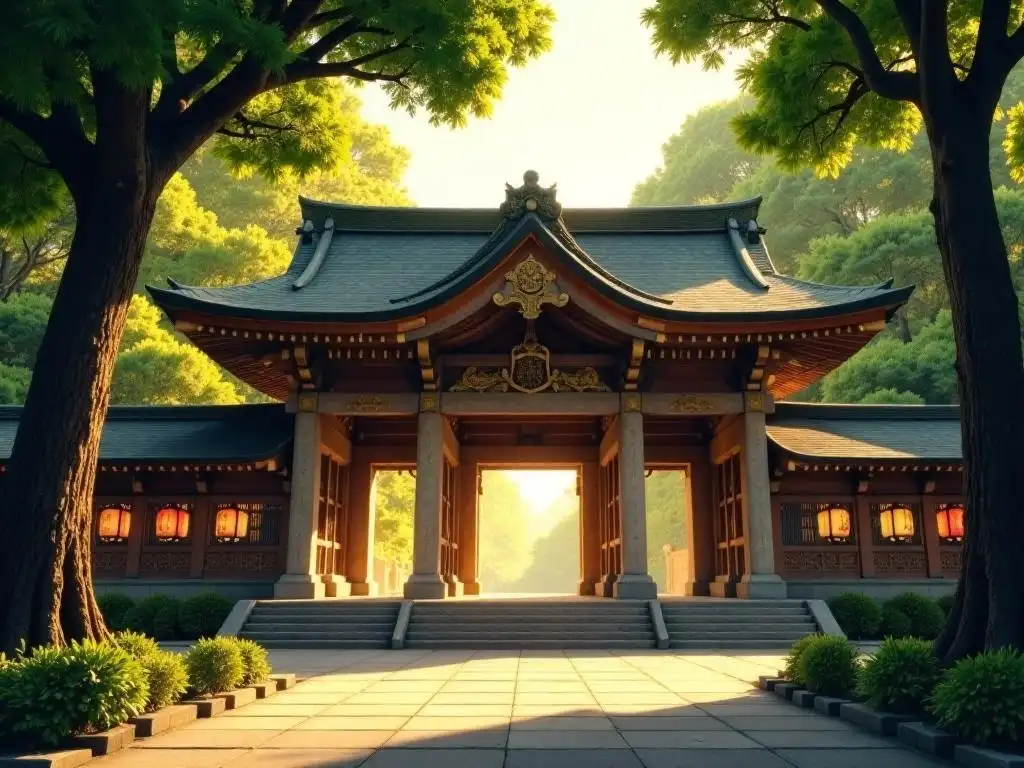
As Shinto shrines continue to evolve, their architectural features reflect both the traditions of the past and the influences of contemporary society. Understanding the trajectory of Shinto shrine architecture involves examining current trends, challenges, and the enduring significance of these sacred spaces in modern Japan.
Contemporary Influences on Shrine Design
The design of Shinto shrines today is increasingly influenced by various contemporary factors, including urbanization, environmental concerns, and modern aesthetics. Some of the notable influences are:
- Urban Integration: Many new shrines are constructed within urban areas, leading to designs that harmonize with cityscapes. This phenomenon often involves:
- Compact Layouts: Shrines are designed to occupy less space while maximizing spiritual significance.
- Modern Materials: Use of glass, steel, and other modern materials alongside traditional wood.
- Sustainability: With a growing emphasis on environmental preservation, many shrines are adopting sustainable practices. This includes:
- Eco-friendly Materials: Utilizing recycled and locally sourced materials.
- Green Spaces: Incorporating gardens and green roofs to promote biodiversity and provide natural habitats.
- Cultural Exchange: The globalization of culture has brought new ideas into shrine architecture. Features may now include:
- International Styles: Some shrines blend traditional Shinto elements with modern architectural trends from around the world.
- Artistic Collaborations: Partnerships with contemporary artists lead to unique installations and sculptures that enhance the spiritual ambiance.
These contemporary influences not only reshape the aesthetic appeal of Shinto shrines but also their role in society as centers for community engagement and spiritual practices.
Challenges Facing Traditional Architecture in Modern Times
Despite the ongoing evolution of Shinto shrine architecture, traditional designs face numerous challenges in the context of modernity. Some of the key issues include:
- Preservation vs. Modernization: Striking a balance between maintaining traditional architectural features and meeting contemporary needs is a significant challenge. Aspects include:
- Regulatory Pressures: Modern building codes may conflict with traditional construction methods and materials.
- Community Demands: Local communities may request modern amenities that can alter the shrine's original design.
- Funding and Resources: The financial sustainability of maintaining traditional architecture is a growing concern. This involves:
- Decreasing Donations: Many shrines rely on public donations, which may dwindle as secularism rises.
- Rising Maintenance Costs: The upkeep of ancient structures can be costly, leading some shrines to consider cheaper, less traditional alternatives.
- Cultural Relevance: As society changes, some may question the relevance of traditional Shinto practices and architecture. This includes:
- Engagement with Youth: Attracting younger generations to participate in Shinto practices and appreciate shrine architecture is vital for the future.
- Adapting Rituals: Modernizing rituals without losing their essence can help maintain interest in traditional sites.
The future of Shinto shrine architecture is a complex interplay between honoring historical traditions and embracing contemporary influences. As these sacred spaces navigate the challenges of modernity, their architectural features will continue to reflect both the spiritual heritage of Japan and the evolving cultural landscape.
Conclusion: The Enduring Legacy of Shinto Shrine Architectural Features
Shinto shrines are not merely places of worship; they embody the spiritual ethos of Japan and reflect the landscape, culture, and history of the nation. The architectural features of Shinto shrines, with their unique designs and symbolic elements, serve as a bridge between the physical and spiritual worlds.
The Impact of Shinto Architecture on Japanese Identity
The architectural features of Shinto shrines have left an indelible mark on Japanese identity, intertwining with the nation's cultural fabric. Elements such as the torii gate, which symbolizes the transition from the profane to the sacred, are instantly recognizable and evoke a sense of belonging among the Japanese people. These structures often utilize natural materials like wood and stone, emphasizing harmony with nature—an essential tenet of Shinto beliefs.
The design principles of Shinto architecture also reflect Japan's aesthetic values, particularly the concepts of simplicity and asymmetry. For instance, the open-air designs of many shrines allow for an unobstructed view of the surrounding environment, which is often considered sacred in its own right. Such features not only underscore the spiritual connection to nature but also resonate with the Japanese appreciation for beauty in imperfection.
Moreover, several Shinto shrines serve as cultural heritage sites, preserving traditional craftsmanship and architectural styles that date back centuries. For example, the Ise Grand Shrine, which is rebuilt every 20 years, showcases the shinmei-zukuri style, characterized by its simple elegance. This practice reinforces the cyclical nature of life and death, further deepening the cultural significance of these architectural features.
Call to Explore Shinto Shrines: A Journey Through Time and Space
Embarking on a journey to explore Shinto shrines offers a unique opportunity to delve into Japan's rich history and spirituality. Each shrine is a testament to the artistry and beliefs of its time, inviting visitors to experience the sacred in both its physical and metaphysical forms.
- Start with the Torii Gate: As the gateway to the sacred, the torii often marks the entrance to the shrine grounds, beckoning visitors to step into a realm of tranquility and reverence.
- Discover Unique Styles: Different regions of Japan boast distinct architectural styles, such as the gongen-zukuri of the Nikko Toshogu Shrine or the hiyoshi-zukuri of the Kumano Nachi Taisha, each reflecting local traditions and environments.
- Participate in Rituals: Engaging in shrine rituals, such as omikuji (fortune slips) or shrine festivals, enhances the experience, allowing visitors to connect with the living traditions of Shinto.
Visiting Shinto shrines is not just an exploration of architectural wonders; it is a journey through time and space, where every structure tells a story of Japan's past, present, and future. Whether you seek spiritual insight, architectural inspiration, or cultural understanding, the sacred shrines of Japan await your discovery.
Frequently Asked Questions
What are the main architectural features of Shinto shrines?
Shinto shrines are characterized by distinctive elements such as the torii gate, honden (main hall), and shrine grounds that create a sacred space. These features reflect the spiritual significance of the structure.
How do cultural practices influence Shinto shrine architecture?
The architecture of Shinto shrines is deeply influenced by cultural practices, including rituals and festivals that shape their design. This ensures that the shrines serve both spiritual and communal functions.
What is the significance of the torii gate in Shinto shrines?
The torii gate is an iconic symbol that marks the entrance to a sacred space, signifying the transition from the mundane to the holy. It represents the boundary between the physical and spiritual worlds.
Are there any regional differences in Shinto shrine architecture?
Yes, Shinto shrine architecture varies by region, influenced by local traditions, available materials, and climatic conditions. These variations contribute to the diversity of architectural styles across Japan.
How does the design of Shinto shrines reflect Japanese spirituality?
The design of Shinto shrines emphasizes harmony with nature, simplicity, and the aesthetic beauty of natural materials. This approach embodies the Japanese spiritual connection to the environment and the divine.
Final Reflection: The Enduring Legacy of Shinto Shrine Architecture
The architectural features of Shinto shrines are not merely aesthetic; they embody a profound connection to nature, spirituality, and cultural identity that resonates deeply in today's world. As we navigate an era marked by rapid urbanization and technological advancement, the timeless principles reflected in Shinto shrine architecture remind us of the importance of harmony with our surroundings and the sacredness of the spaces we inhabit. The beauty and simplicity of these structures serve as a powerful reminder of our need for balance in an increasingly chaotic environment.
Cultural appreciation for Shinto shrines transcends mere architectural admiration; it fosters a deeper understanding of Japan's spiritual heritage and its impact on contemporary society. The intricate designs and thoughtful placements of these shrines invite us to reflect on our own relationship with nature and the divine. As the renowned architect Tadao Ando once said, Architecture is not about space but about time.
This sentiment echoes the essence of Shinto shrines, where each element is imbued with history, reverence, and a sense of place that continues to inspire both architects and visitors alike.
As you contemplate the architectural wonders of Shinto shrines, I invite you to reflect on how these sacred spaces can influence your own life. Consider how you can incorporate elements of tranquility, respect for nature, and spiritual awareness into your daily routine. Whether through mindful practices, creating serene environments, or simply taking a moment to appreciate the beauty around you, let the lessons of Shinto shrine architecture inspire you to cultivate a deeper connection with the world and its sacredness.
Unveil the Beauty of Shinto Shrines Today!
Thank you for diving into the majestic world of Shinto architecture with us! We hope you’ve been inspired by the intricate beauty and profound significance of these sacred shrines. Now it’s your turn to continue exploring and celebrating these wonders.
Here are some engaging ways to deepen your appreciation and connection to Shinto:
- Visit a Local Shrine: Seek out a nearby shrine and experience its tranquility in person. Take a moment to meditate or reflect on the beauty it brings to your community.
- Share Your Experience: Capture the essence of your favorite shrine through photographs or written reflections, and share them with friends or on social media to spread the awe of these architectural treasures.
- Join a Cultural Event: Look for local festivals or events at Shinto shrines and participate to immerse yourself in the rich traditions and vibrant community.
As you embark on this journey, consider this: What aspect of Shinto architecture resonates with you, and how can you weave that inspiration into your daily life?