
Unearth the Path of the Samurai: A Journey Through Historic Japan

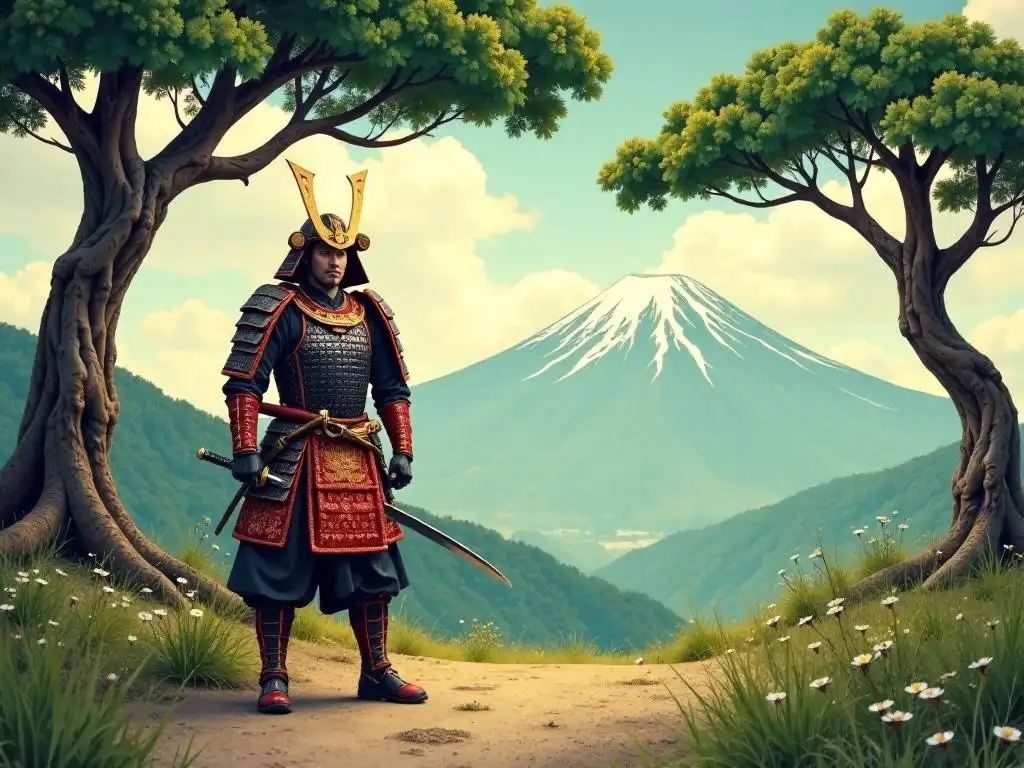
Welcome to Feudal Japan History, where we invite you to embark on an extraordinary journey through the rich tapestry of Japan's feudal era. Delve into the captivating samurai history in Japan, a tale woven with honor, valor, and the indomitable spirit of these legendary warriors. As you explore our expert-driven articles, you will uncover the profound cultural and societal influences that shaped this fascinating period. Are you ready to step back in time and discover the stories that lie within the shadows of ancient castles and bustling market streets? Let your adventure begin!
Introduction to Samurai History in Japan
The samurai, a term that resonates deeply within the cultural consciousness of Japan, represents not only a class of warriors but also an intricate tapestry of history, honor, and tradition. This article embarks on a comprehensive exploration of samurai history in Japan, tracing their evolution from fierce warriors to esteemed nobility. The samurai have significantly shaped Japan's feudal era, influencing its social structures, culture, and even its artistic expressions. Understanding their roots and roles provides a captivating insight into a period that defined a nation.
As we delve into this historical journey, we will uncover the complexities of samurai life, their values, and their enduring legacy, which continues to inspire modern interpretations in literature, cinema, and tourism. Whether you are a history enthusiast or a traveler planning to explore samurai-themed tours in Japan, this exploration aims to enhance your appreciation of the samurai's profound impact on Japanese history and culture.
The Evolution of Samurai: From Warriors to Nobility
The transformation of the samurai class is a captivating narrative that reflects Japan's changing landscape throughout the centuries. Initially, samurai were simply skilled warriors, but as Japan entered various periods of consolidation, including the Kamakura and Muromachi periods, their roles began to evolve significantly.
Origins of Samurai in Japan
The origins of the samurai can be traced back to the Heian period (794-1185), during which the need for military protection grew due to the rise of powerful clans and external threats. The term "samurai" itself derives from the Japanese word "saburau," which means "to serve." This period marked the emergence of the bushi, or warrior class, who were often hired by noble families to protect their lands and interests.
- Key Characteristics of Early Samurai:
- Martial Prowess: Early samurai were known for their skills in archery and horseback riding.
- Bushido Code: The foundation of their ethical framework, emphasizing loyalty, honor, and discipline.
- Clan Affiliations: Many samurai were deeply tied to their clans, serving as both soldiers and retainers.
The Role of Samurai in Feudal Japan
As Japan transitioned into the feudal era, the samurai's role expanded beyond that of mere warriors. They became pivotal figures in the governance of Japan, serving not only as military leaders but also as administrators and landowners. The establishment of the shogunate led to the formalization of the samurai's place within society, where they held significant power and influence.
- Functions of the Samurai in Society:
- Military Leadership: Engaged in battles and conflicts that shaped the nation.
- Land Management: Many samurai were granted land in exchange for their loyalty, leading to the rise of a feudal economy.
- Cultural Patrons: The samurai also played a crucial role in the promotion of arts, literature, and philosophy during their reign.
The legacy of the samurai is not merely confined to the annals of history; it is a living tradition that continues to resonate in modern Japan. Understanding their past allows us to appreciate the intricate layers of Japanese culture and history, making the journey through the samurai's path a truly enriching experience.
Exploring the Cultural Heritage of the Samurai
The samurai, Japan’s iconic warrior class, played a pivotal role in shaping the nation’s cultural heritage. Their influence extends beyond the battlefield, permeating various aspects of Japanese art, philosophy, and societal structure. At the core of samurai culture lies the concept of bushido, or "the way of the warrior," which emphasizes virtues such as loyalty, honor, and discipline. This ethical code guided samurai behavior not only in warfare but also in their daily lives, fostering a deep respect for nature, the arts, and their communities.
The samurai also contributed significantly to Japan’s aesthetic values, particularly in the realms of architecture, garden design, and martial arts. Their affinity for simplicity and elegance can be seen in traditional Japanese tea ceremonies and the design of Zen gardens, which reflect a balance between nature and human creativity. Furthermore, samurai culture has profoundly influenced Japanese literature, inspiring countless works that explore themes of honor, sacrifice, and the warrior spirit.
The legacy of the samurai can still be felt today, as it permeates modern Japanese society and continues to attract interest from historians, scholars, and tourists alike. Exploring this cultural heritage offers a unique glimpse into the ideals and practices that shaped not only the samurai but also the very fabric of Japan itself.
Art and Literature Influenced by Samurai
Samurai have profoundly influenced Japanese art and literature throughout history. The ukiyo-e woodblock prints, for example, often depicted samurai in their heroic exploits, showcasing their bravery and elegance. Artists like Katsushika Hokusai and Utagawa Hiroshige captured the essence of samurai life, portraying them in scenes of battle, leisure, and daily life. These prints not only celebrated the samurai’s martial prowess but also depicted their connection to nature and the spiritual world.
In literature, the samurai's ideals and experiences have been immortalized in classic works such as The Tale of the Heike, which chronicles the rise and fall of the Taira clan, and The Book of Five Rings by Miyamoto Musashi, a treatise on strategy, tactics, and philosophy. These literary works explore the complexities of samurai life, including the internal struggles faced by warriors torn between duty and personal desires.
Modern adaptations of samurai themes can be found in films and novels, with stories that romanticize their lives while also addressing the moral dilemmas they faced. This ongoing fascination with samurai culture demonstrates their enduring impact on Japanese identity and global perceptions of Japan’s historical narrative.
Traditional Samurai Practices and Skills
The samurai were not just skilled warriors; they were also trained in various disciplines that reflected their cultured upbringing and the tenets of bushido. One of the most notable skills was kenjutsu, the art of swordsmanship, which evolved into modern kendo. Samurai practiced rigorous training regimens, honing their physical abilities and mental discipline to master the katana, which was not just a weapon but a symbol of their status and honor.
In addition to martial skills, samurai were often well-versed in traditional arts, such as poetry, calligraphy, and tea ceremonies. These practices fostered a sense of mindfulness and aesthetic appreciation, allowing samurai to cultivate a refined spirit conducive to their roles as leaders and protectors of their domains. The integration of the arts into their training emphasized the belief that a true warrior must be both strong in battle and wise in thought.
Moreover, the samurai engaged in various forms of spiritual practice, including Zen Buddhism, which influenced their approach to life and combat. This connection to spirituality encouraged practices such as meditation, helping them maintain focus and composure in the face of adversity. The combination of martial prowess, artistic talent, and spiritual depth created a holistic warrior culture that remains a captivating aspect of samurai history in Japan.
Historic Sites and Tours: Discovering Samurai Legacy in Japan
Japan is rich in historic sites that celebrate the legacy of the samurai, offering visitors a glimpse into their storied past. Numerous castles, temples, and museums throughout the country provide meaningful experiences for those interested in samurai history. These sites not only showcase architectural marvels but also serve as the backdrop for stories of loyalty, valor, and honor that define the samurai ethos.
Exploring these historic locations allows tourists to connect with the essence of samurai culture while also appreciating the beauty of Japan’s landscapes and heritage. From ancient castles that withstood the test of time to serene gardens that reflect the samurai's love for nature, each site tells a unique story of the samurai's influence on Japan's development.
Top Samurai-Themed Tours in Japan
For those eager to delve deeper into samurai history, several themed tours across Japan offer immersive experiences. One popular option is the Samurai Experience Tour in Kyoto, where participants can dress in traditional samurai attire, practice sword techniques, and learn about the bushido code. This hands-on approach provides a fascinating insight into the daily lives of samurai warriors.
Another notable tour is the Samurai Castle Tour, which includes visits to iconic castles such as Himeji Castle and Matsumoto Castle. These tours often feature guided narratives that recount the historical significance of each site, highlighting the strategic importance of these fortifications during the feudal era.
Additionally, the Samurai and Ninja Tour in Kanazawa offers a unique perspective on the duality of these warrior classes, allowing visitors to explore the differences and similarities between samurai and ninja cultures. Engaging with local experts and experiencing historical reenactments create an unforgettable journey through Japan's samurai legacy.
Essential Stops on the Samurai Trail
To truly appreciate the path of the samurai, travelers should consider these essential stops along the Samurai Trail:
- Kyoto: The heart of samurai culture, Kyoto is home to several historic temples and the Imperial Palace, where many samurai served.
- Nara: Known for its ancient temples and shrines, Nara offers insights into the early influences of samurai culture in Japan.
- Himeji Castle: Often referred to as the best-preserved castle in Japan, Himeji Castle is a UNESCO World Heritage site that showcases the architectural brilliance of the samurai era.
- Kamakura: This coastal city features the Great Buddha and numerous temples that were significant during the Kamakura shogunate, offering a glimpse into the samurai’s spiritual life.
- Nagoya: With its imposing Nagoya Castle and samurai museums, Nagoya provides an engaging environment to learn about samurai history and artifacts.
These stops not only highlight key aspects of samurai culture but also allow visitors to experience the rich tapestry of Japan’s feudal past firsthand. Exploring these historic sites is essential for anyone looking to understand the profound impact of samurai on Japan's identity and heritage.
Recommended Experiences for Samurai Enthusiasts
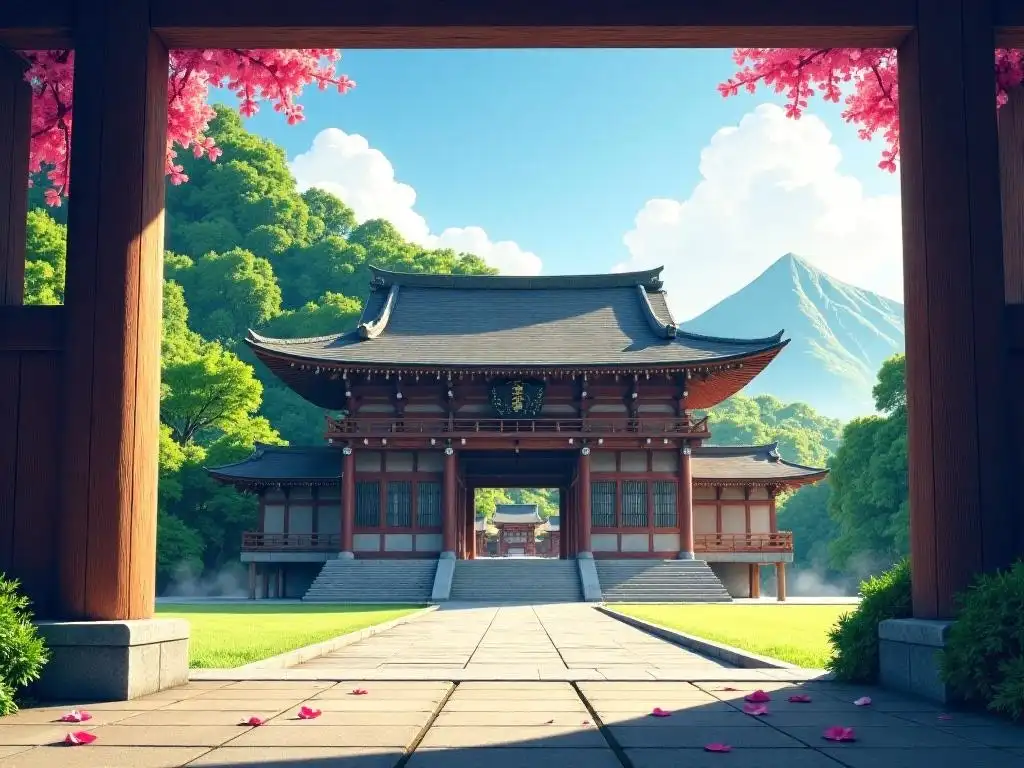
For those captivated by the rich and storied legacy of the samurai, Japan offers a variety of immersive experiences that bring this fascinating history to life. From interactive workshops to authentic dress-up experiences, these activities provide an opportunity to delve deeper into the cultural and historical significance of the samurai. Here are some recommended experiences for enthusiasts looking to connect with samurai history in Japan.
Samurai Dress-Up Experiences
One of the most popular ways to engage with samurai history is through dress-up experiences. Various studios and cultural centers across Japan offer visitors the chance to don traditional samurai armor and clothing.
- Location Highlights:
- In Kyoto, you can find numerous rental shops that specialize in kimono and samurai armor experiences.
- In Tokyo, the Samurai and Ninja Museum with Experience offers an engaging atmosphere where you can try on authentic samurai attire.
- What to Expect:
- Participants are typically provided with guidance on how to wear the armor properly, along with a brief history of the attire.
- Some experiences include professional photography sessions, allowing you to capture the moment and take home a piece of history.
This hands-on experience not only enhances understanding of the samurai's lifestyle but also adds a fun, memorable component to any trip.
Interactive Samurai History Workshops
For those eager to learn more about the samurai's martial skills and philosophies, interactive workshops are an excellent choice. These workshops often include:
- Martial Arts Training:
- Many programs offer instruction in traditional Japanese martial arts, such as kendo or iaido, allowing participants to practice the techniques that samurai once used.
- Instructors typically provide insights into the historical context and the significance of these practices.
- Cultural Insights:
- Workshops often include discussions on the samurai code of ethics, known as Bushido, which emphasizes honor, loyalty, and discipline.
- Participants may also explore the impact of samurai culture on modern Japanese society.
These workshops foster a deeper appreciation for the complexities of samurai history and provide practical skills that connect you to this ancient tradition.
Conclusion: Embracing the Samurai Spirit in Modern Japan
Experiencing the world of the samurai is not just about understanding the past; it’s about embracing a spirit that continues to influence modern Japan. Through dress-up experiences and interactive workshops, visitors can engage with samurai history in a way that is both educational and entertaining.
By participating in these activities, you not only gain insight into the samurai's way of life but also reflect on the values that shaped their legacy. This journey through samurai history in Japan allows enthusiasts to carry forward the lessons of honor, respect, and courage, making it an enriching adventure that transcends time. Whether you are an avid historian or a curious traveler, the path of the samurai offers a unique lens through which to view Japan's cultural heritage.
Resources for Further Exploration
For those eager to delve deeper into the captivating world of samurai history in Japan, a wealth of resources is available to enhance your understanding and appreciation of this rich cultural heritage. Here’s a curated list of valuable materials that can guide your exploration:
- Books:
- Hagakure: The Book of the Samurai by Yamamoto Tsunetomo: This classic text offers insight into the samurai code of ethics and the philosophy of bushido.
- Samurai: The Last Warrior by John Man: A detailed narrative that explores the life of the samurai and the historical context of their existence.
- Documentaries:
- The Samurai (PBS): This documentary provides a comprehensive overview of the samurai's role in Japanese history, highlighting their influence and legacy.
- Into the Samurai World: A visually stunning documentary that explores the life, culture, and battles of the samurai.
- Museums and Historical Sites:
- The Samurai and Ninja Museum with Experience in Kyoto: Offers interactive experiences where visitors can learn about samurai weaponry and tactics.
- Kamakura's Great Buddha and Hase-dera Temple: Explore the historical sites that tell the stories of samurai warriors and their impact on Japanese society.
- Online Courses and Lectures:
- Coursera offers courses on Japanese history, including modules specifically focused on the samurai era.
- YouTube has numerous channels dedicated to Japanese history, featuring lectures from experts in the field.
These resources can provide a deeper understanding of samurai history, enriching your experience as you traverse the lands once ruled by these formidable warriors.
Call to Action: Start Your Samurai Journey Today
Are you ready to embark on a journey through the historic landscapes of Japan and walk the path once trodden by samurai? Experience the thrill of exploring ancient castles, visiting sacred temples, and participating in traditional martial arts classes. Here’s how you can get started:
- Plan Your Itinerary: Research key locations associated with samurai history—such as Kyoto, Kamakura, and the famous castles of Himeji and Matsumoto.
- Book a Guided Tour: Look for specialized samurai-themed tours that offer expert insights and immersive experiences, allowing you to connect with the past.
- Engage in Cultural Activities: Consider participating in a kendo (sword fighting) class or a tea ceremony to experience the traditions that shaped the samurai lifestyle.
- Connect with Fellow Enthusiasts: Join online forums or local clubs focused on Japanese history to share experiences and gather tips from fellow travelers.
Don’t let this opportunity pass you by! The legacy of the samurai awaits—begin your adventure today and unearth the fascinating history that shaped Japan. 🗡️✨
- Introduction to Samurai History in Japan
- The Evolution of Samurai: From Warriors to Nobility
- Exploring the Cultural Heritage of the Samurai
- Historic Sites and Tours: Discovering Samurai Legacy in Japan
- Recommended Experiences for Samurai Enthusiasts
- Conclusion: Embracing the Samurai Spirit in Modern Japan
- Resources for Further Exploration
- Call to Action: Start Your Samurai Journey Today
Frequently Asked Questions
What is the significance of the samurai in Japanese history?
The samurai were the warrior class in Japan, playing a crucial role in the feudal system and shaping the nation's military and cultural landscape.
How did the samurai influence Japanese culture?
The samurai contributed to the development of Bushido, the code of conduct that emphasized values like loyalty, honor, and discipline, deeply influencing Japanese culture and ethics.
What were the primary roles of samurai during the feudal era?
During the feudal era, samurai served as military leaders, landowners, and administrators, responsible for maintaining order and loyalty in their domains.
When did the samurai class begin to decline in Japan?
The samurai class began to decline during the Meiji Restoration in the late 19th century, as Japan transitioned to a modern state and abolished the feudal system.
How can I learn more about samurai history in Japan?
To delve deeper into samurai history in Japan, explore expert-driven articles and resources on platforms like Feudal Japan History, which offer a comprehensive look at this fascinating era.
Final Reflection: Embracing the Legacy of Samurai History in Japan
The journey through the rich tapestry of samurai history in Japan reveals not only the valor and discipline of these warriors but also their enduring influence on modern culture. Today, as we navigate a world filled with challenges and uncertainties, the principles of honor, loyalty, and resilience embodied by the samurai resonate more than ever. Their legacy serves as a beacon, reminding us of the strength found in tradition and the importance of personal integrity in our daily lives.
Cultural narratives surrounding the samurai continue to shape our understanding of courage and duty. From films to literature, the samurai ethos inspires countless individuals to reflect on their own values and actions. As noted by historian John Man, “The samurai were not just warriors; they were the embodiment of a way of life that prioritized honor and respect.” This ongoing fascination with samurai history in Japan encourages us to explore our own identities and the legacies we wish to leave behind.
As you reflect on the lessons drawn from the samurai's path, consider how you can incorporate their values into your own life. What does honor mean to you? How can you cultivate resilience in the face of adversity? Embrace the spirit of the samurai by committing to personal growth and ethical living. Let their journey inspire you to forge your own path, one that honors the past while boldly stepping into the future.
Embark on Your Samurai Journey Today!
Thank you for taking the time to explore the noble path of the samurai with us. We hope you gained valuable insights into their rich history and timeless values. Now, let’s transform that knowledge into action!
Here are some inspiring steps you can take right now:
- Dive deeper into samurai culture by reading recommended books or watching documentaries that explore their philosophies and lifestyle.
- Join our community to share your thoughts and experiences with fellow enthusiasts. Connecting with others can deepen your understanding and appreciation of this fascinating era.
- Attend local events or workshops focused on Japanese martial arts or culture—experiencing it firsthand can be truly transformative!
What aspect of samurai history inspires you the most, and how do you plan to incorporate that into your own journey? Your insights could spark meaningful conversations!