
Crafting Identity: How Artisans and Merchants Reflected Japanese Society

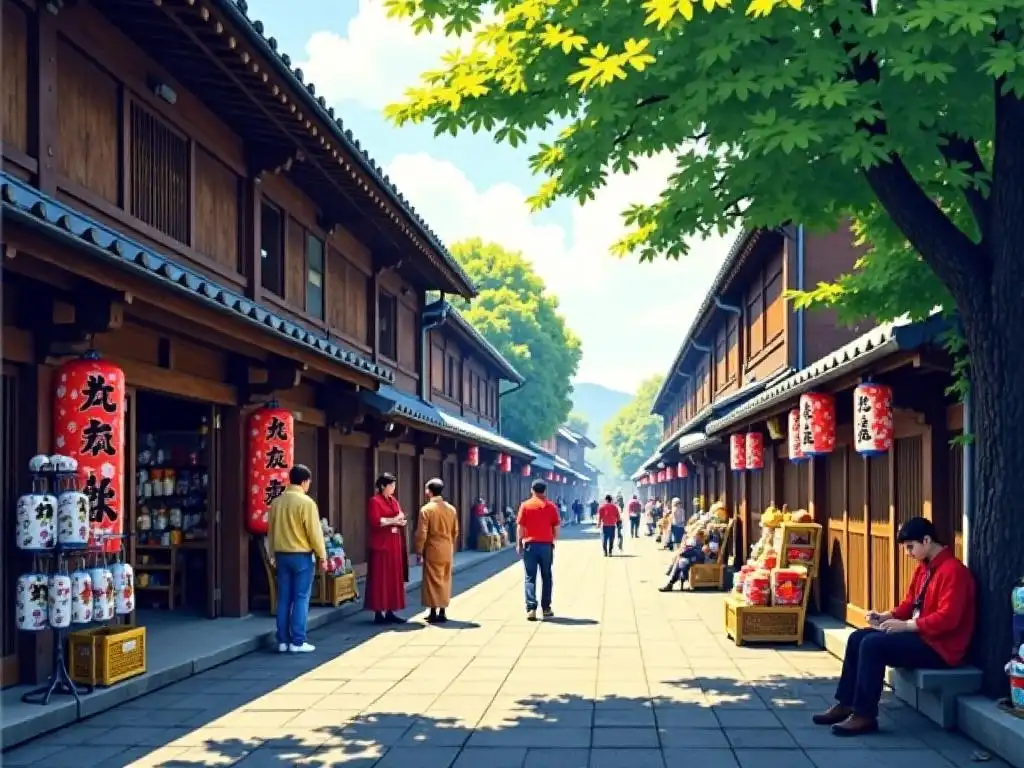
Welcome to Feudal Japan History, where we embark on a captivating journey through the rich tapestry of Japan’s feudal era. Ready to delve into the intricate world of Japanese artisans and merchants? In our featured article, "Crafting Identity: How Artisans and Merchants Reflected Japanese Society," we explore how these skilled individuals not only shaped the economy but also mirrored the cultural and social dynamics of their time. Join us as we unravel the profound influence they wielded, igniting your curiosity and deepening your understanding of a pivotal period in history. Prepare to uncover the stories that crafted a nation!
In the tapestry of Japan's feudal era, the roles of artisans and merchants were crucial in shaping not only the economy but also the cultural and social identity of the period. This era, spanning from the 12th to the 19th century, was marked by rigid class structures, yet the influence of skilled craftsmen and trade professionals carved out a unique space within society.
Through their creations and trade practices, these individuals contributed to the broader narrative of Japanese identity, reflecting the values, aesthetics, and aspirations of their time. This article delves into the intricate ways in which Japanese artisans and merchants influenced society, exploring their contributions to art, culture, and the economy, and examining how their legacies continue to resonate in contemporary Japan.
The Role of Artisans in Feudal Japan
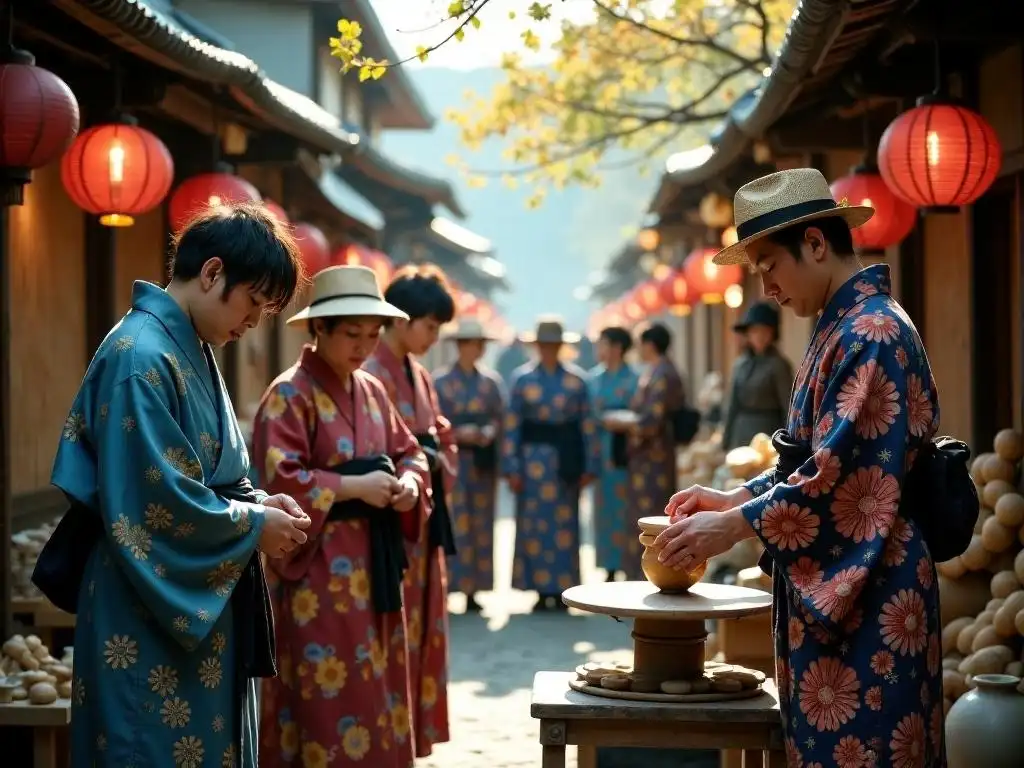
Artisans in feudal Japan were often seen as the backbone of cultural production, with their skills and craftsmanship elevating everyday objects into works of art. From potters to textile makers, each artisan played a significant role in their local economies and communities.
- Craftsmanship and Aesthetics: Japanese artisans were renowned for their meticulous attention to detail, and this dedication resulted in high-quality products that embodied the cultural values of beauty and harmony.
- Cultural Preservation: Many artisans specialized in traditional crafts that had been handed down through generations, safeguarding ancient techniques and styles. For example, the art of kimono weaving not only served functional purposes but also reflected the intricate designs and motifs of Japanese culture.
Merchants: The Unsung Heroes of Economic Growth
While artisans were vital to cultural expression, merchants facilitated economic growth and social mobility in feudal Japan. As trade expanded, the merchant class began to gain influence, reshaping societal dynamics.
- Trade Networks: Merchants established vital trade routes both domestically and internationally, connecting remote regions of Japan and even engaging in trade with foreign countries. This exchange not only brought diverse goods to Japan but also introduced new ideas and cultural influences.
- Social Mobility: Unlike the rigid samurai class, the merchant class could potentially rise in status through wealth accumulation. This shift in social dynamics challenged traditional hierarchies and allowed for a more fluid societal structure.
The Interplay Between Artisans and Merchants
The relationship between artisans and merchants was symbiotic, each relying on the other for success and recognition.
- Market Demand: Merchants played a crucial role in promoting and selling the work of artisans, helping to establish market demand for various crafts and goods. This relationship allowed artisans to focus on their craft while merchants handled distribution and sales.
- Cultural Exchange: The collaboration between artisans and merchants also fostered cultural exchange. Merchants often traveled to different regions, bringing back new ideas and styles that artisans could incorporate into their work. This exchange enriched the artistic landscape of Japan.
Legacy of Artisans and Merchants in Contemporary Japan
The influence of Japanese artisans and merchants extends well beyond the feudal era, leaving a lasting legacy that can still be seen in modern Japanese society.
- Revival of Traditional Crafts: Today, there is a renewed interest in traditional crafts, with many artisans striving to preserve ancient techniques and adapt them for contemporary markets.
- Economic Contributions: The merchant spirit continues to thrive in Japan's robust economy, with small businesses and artisanal shops playing a key role in local communities and the economy at large.
The exploration of how Japanese artisans and merchants influenced society reveals a complex interplay of culture, economy, and social structure. Their contributions not only shaped the identity of feudal Japan but also laid the foundations for the rich cultural heritage that continues to define Japan today.
- The Role of Artisans in Feudal Japan
- Merchants: The Unsung Heroes of Economic Growth
- The Interplay Between Artisans and Merchants
- Legacy of Artisans and Merchants in Contemporary Japan
Introduction to Japanese Artisans and Merchants Influence
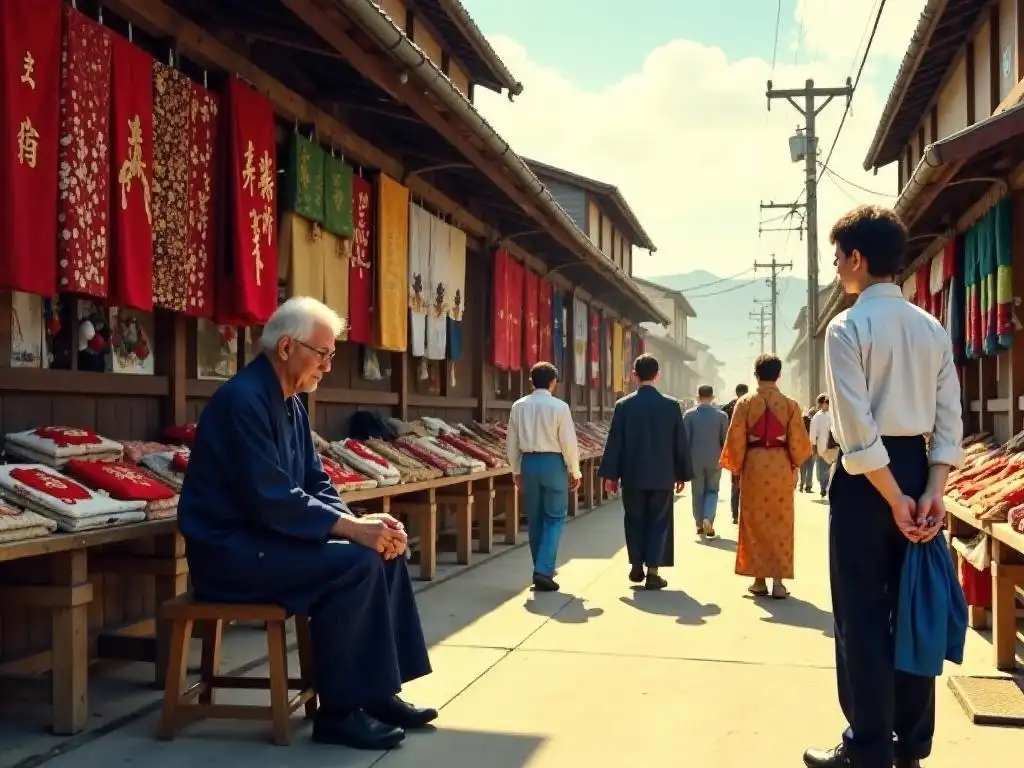
Japanese artisans and merchants played a pivotal role in shaping the social and economic fabric of feudal Japan. Their influence extended beyond mere commerce and craftsmanship; it encapsulated the very essence of Japanese identity during an era marked by rigid class structures and cultural evolution. This section delves into the intricate dynamics of how these groups contributed to and reflected the broader societal changes of the time.
Overview of Feudal Japan's Economic Landscape
Feudal Japan, spanning from the late 12th century to the mid-19th century, was characterized by a decentralized political structure, where power was held by local lords (daimyō) and their samurai warriors. The economy during this period was primarily agrarian, reliant on rice cultivation, which served as both a currency and a staple food source. However, the rise of Japanese artisans and merchants marked a significant shift in the economic landscape.
- Agriculture as a Foundation: The agrarian nature of feudal Japan laid the groundwork for trade. Surpluses in rice production allowed for the growth of market towns where artisans and merchants flourished.
- Emergence of Craft Specialization: Artisans began to specialize in various crafts, such as pottery, textiles, and metalwork, leading to increased quality and diversity of goods. This specialization not only enhanced their status but also facilitated trade.
- Urbanization and Market Expansion: As towns grew, so did the merchant class. Places like Edo (modern-day Tokyo) became bustling centers of commerce, where merchants traded goods ranging from luxury items to everyday necessities.
The resulting economic interactions fostered a unique environment where artisans and merchants began to exert influence over societal norms, aesthetics, and cultural practices.
Importance of Artisans and Merchants in Japanese Society
Artisans and merchants were more than just economic players; they were cultural custodians and innovators. Their contributions significantly shaped the identity and values of Japanese society during the feudal era.
- Cultural Preservation and Innovation:
- Artisans played a critical role in preserving traditional crafts, such as kimono weaving and pottery, while also experimenting with new techniques and styles. This balance of tradition and innovation enriched Japan's cultural heritage.
- Merchants facilitated the spread of cultural ideas and practices through trade, introducing foreign influences that were adapted into local customs.
- Social Mobility:
- While the samurai class held political power, the rise of a wealthy merchant class allowed for some degree of social mobility. Successful merchants could achieve significant status, sometimes rivaling that of the samurai.
- This shift challenged the rigid caste system, as wealth became a new form of influence, allowing merchants to sponsor artisans and contribute to public works.
- Community Building and Identity:
- Guilds formed among artisans and merchants, establishing networks that fostered cooperation and mutual support. These guilds became essential in maintaining quality standards and promoting local products.
- Festivals and markets organized by these groups were vital in reinforcing community identity, where local crafts and goods were celebrated, further intertwining commerce with cultural expression.
The interplay between artisans and merchants created a rich tapestry of social interaction that reflected and shaped the identity of feudal Japan.
Objectives of the Article
This article aims to provide a comprehensive exploration of the influence of Japanese artisans and merchants during the feudal era. By examining their roles and contributions, we seek to achieve the following objectives:
- Analyze Economic Impact: To delve into how the activities of artisans and merchants transformed Japan's economic landscape, fostering trade networks and contributing to urbanization.
- Explore Cultural Contributions: To highlight the cultural significance of artisans and merchants, showcasing how their work influenced art, aesthetics, and community values.
- Understand Social Dynamics: To investigate the social implications of the rise of these classes, particularly regarding social mobility and community identity.
- Reflect on Legacy: To consider the lasting impact of Japanese artisans and merchants on contemporary society and culture, tracing their influence through history to the present day.
Through this exploration, we hope to illuminate the critical role of artisans and merchants in crafting the identity of Japan during a transformative historical period.
Historical Context of Artisans and Merchants in Feudal Japan
The historical context of artisans and merchants in feudal Japan is characterized by a complex interplay of social hierarchies, economic developments, and cultural transformations. During the feudal period, roughly spanning from the 12th to the 19th century, Japan's society was predominantly agrarian and structured around a rigid class system. At the top were the samurai, followed by farmers, artisans, and merchants, each playing a distinct role in the societal fabric.
Artisans and merchants were pivotal to the growth of urban centers and the flourishing of local economies. As Japan transitioned from a primarily rural society to one that increasingly valued trade and craftsmanship, these groups began to carve out their own identities and influence. Towns like Edo (modern-day Tokyo), Osaka, and Kyoto became bustling hubs where artisans showcased their skills and merchants facilitated the exchange of goods.
The Tokugawa shogunate (1603-1868) significantly shaped the lives of artisans and merchants. Under its rule, a peace known as the Pax Tokugawa allowed for increased stability, which in turn fostered economic growth and the expansion of commerce. This period saw the rise of a wealthy merchant class that began to challenge the traditional hierarchies, further complicating the existing social order.
The Role of Artisans in Japanese Society
Artisans in feudal Japan were not merely skilled laborers; they were the custodians of cultural heritage and craftsmanship. Their work encompassed a wide array of trades, including pottery, textiles, metalwork, and woodworking. Each artisan was often part of a guild or workshop, which fostered a sense of community and ensured the transmission of skills from one generation to the next.
Cultural Significance
Artisans played a crucial role in the cultural identity of Japan. The aesthetics of their crafts often reflected the prevailing philosophies and beliefs of the time. For instance, the rise of Zen Buddhism profoundly influenced the simplicity and natural beauty found in traditional pottery and tea utensils. The aesthetics of wabi-sabi, which appreciates the beauty in imperfection and transience, became integral to many artisan disciplines.
Economic Contributions
The economic contributions of artisans were vital, particularly in urban areas where demand for unique and high-quality goods surged. Artisans produced not only everyday household items but also luxury goods that became symbols of status among the merchant class and the samurai. This dynamic created a vibrant marketplace where artisans could thrive, fostering innovation and the evolution of new techniques and styles.
Social Mobility
While artisans were generally considered lower in the social hierarchy compared to samurai and landowners, their skills provided opportunities for social mobility. Successful artisans could achieve wealth and influence, sometimes even being able to afford samurai status. Their growing importance in the economy allowed them to negotiate better positions within society, leading to a gradual, albeit limited, shift in social dynamics.
The Evolution of Merchants During the Feudal Era
The role of merchants evolved significantly during the feudal era, transitioning from a marginalized status to that of influential economic players. Initially, merchants were often viewed with suspicion and disdain by the samurai class, who considered trade to be a lesser pursuit compared to the martial arts. However, the economic realities of the period led to a reevaluation of their importance.
Growth of Commerce
During the Edo period, the merchant class experienced unprecedented growth. The establishment of trade routes and the expansion of markets allowed merchants to amass significant wealth. Innovations in transportation, such as improved roadways and river systems, facilitated the movement of goods and contributed to the rise of merchant towns.
Merchant Guilds and Associations
Merchants began to organize themselves into guilds and associations, which helped standardize practices and protect their interests. These guilds not only regulated trade but also provided a platform for collective bargaining, enabling merchants to negotiate better terms with producers and customers alike.
Cultural Influence
As their wealth grew, so did their cultural influence. Merchants began to patronize the arts and support local artisans, fostering a rich cultural environment that led to the development of new artistic expressions. The Ukiyo-e woodblock prints, for example, gained popularity during this time, capturing the vibrancy of urban life and the aesthetics favored by the merchant class.
Key Historical Events Shaping Their Influence
Several key historical events significantly shaped the influence of Japanese artisans and merchants, altering their roles within society and the economy.
-
The Onin War (1467-1477)
This conflict led to the rise of the power of local lords (daimyō) who began to rely more on merchants for resources, thus elevating the merchants' status. The destruction of Kyoto during the war also shifted trade centers towards emerging cities.
-
The Tokugawa Shogunate (1603-1868)
The establishment of a centralized feudal government allowed for a period of peace and stability. This era saw the development of a national market, the standardization of currency, and an explosion of urban culture, all contributing to the merchants’ rise.
-
The Meiji Restoration (1868)
This pivotal moment marked the end of feudalism and the beginning of modernization in Japan. Many artisans adapted to new industrial technologies, while merchants transitioned into industrialists, thus continuing to influence Japanese society in new ways.
-
The Rise of Kabuki and the Floating World (Ukiyo)
The cultural phenomenon of the "Floating World" celebrated the lives of the urban bourgeoisie, including merchants. This culture not only influenced entertainment but also provided artisans with new opportunities to create art that appealed to a growing audience.
The influence of Japanese artisans and merchants during the feudal era was profound and multifaceted. Their contributions to culture, economy, and social structure reveal a dynamic interplay that shaped the identity of Japan during this critical period in history.
The Cultural Impact of Japanese Artisans

The influence of Japanese artisans during the feudal era extends far beyond mere craftsmanship; it encapsulates a significant cultural impact that shaped societal values, aesthetics, and identity. Artisans were not just creators of beautiful objects; they were instrumental in reflecting and reinforcing the values, beliefs, and social structures of their time. Their work offered insights into the hierarchy of society, the importance of nature, and the spiritual connections that defined the Japanese way of life.
Craftsmanship: A Reflection of Japanese Values and Aesthetics
Japanese craftsmanship is deeply rooted in cultural and philosophical traditions. The concept of “Mono no Aware”, which translates to the “pathos of things,” emphasizes an appreciation for the transient beauty of life. This philosophy profoundly influenced artisans, leading them to create works that not only showcased technical skill but also conveyed deep emotional resonance.
- Attention to Detail: Japanese artisans exhibited meticulous attention to detail, whether in textiles, ceramics, or metalwork. This dedication signifies a broader cultural value placed on patience and perseverance.
- Connection to Nature: Many artisans drew inspiration from the natural world, reflecting the Japanese ethos of harmony with nature. For instance, the incorporation of seasonal motifs in textiles and ceramics illustrates this connection.
- Use of Traditional Techniques: Techniques such as “Kintsugi,” the art of repairing broken pottery with lacquer mixed with powdered gold, not only highlight the beauty of imperfection but also symbolize resilience—an important aspect of Japanese identity.
Through their craftsmanship, artisans communicated the essence of Japanese culture, embedding values of beauty, nature, and impermanence into their creations.
Notable Artisans and Their Contributions
Throughout Japan's feudal history, several artisans have made notable contributions that have left a lasting mark on Japanese culture. Here are a few key figures:
- Kano Eitoku (1543-1590):
- A prominent painter in the Kano school, Eitoku's works epitomize the fusion of traditional Japanese aesthetics with Chinese influences. His large-scale folding screens often depicted nature, emphasizing the relationship between humans and the environment.
- Hishikawa Moronobu (1618-1694):
- As one of the first ukiyo-e printmakers, Moronobu's work depicted the fleeting pleasures of life, illuminating the lives of merchants, courtesans, and kabuki actors. His prints were essential in shaping the visual culture of the Edo period.
- Toshusai Sharaku (active 1794-1795):
- Sharaku is renowned for his striking portraits of kabuki actors. His work challenged conventional representations and emphasized emotional expression, influencing not only the art world but also the perception of performers in society.
These artisans not only contributed to the development of specific art forms but also played a crucial role in shaping the cultural identity of Japan during the feudal era.
The Interplay Between Art and Identity in Feudal Japan
The relationship between art and identity in feudal Japan was complex and multifaceted. Artisans and merchants acted as conduits through which cultural narratives and social hierarchies were expressed and negotiated.
- Social Status and Art: The patronage of artisans often came from the samurai class or wealthy merchants, creating a dynamic where art became a symbol of status. For example, high-quality textiles were not only functional but also represented wealth and sophistication.
- Art as Resistance: In certain instances, artisans used their work as a form of resistance against societal norms. The emergence of the ukiyo-e genre, which celebrated the lives of the lower classes, reflects a shift in perspective and an assertion of identity amidst rigid class structures.
- Cultural Exchange and Influence: The interactions between merchants and artisans facilitated a vibrant exchange of ideas and techniques, leading to innovations in art. The globalization of trade during the Edo period allowed for the incorporation of foreign influences, which further enriched Japanese artistic expression.
The influence of Japanese artisans and merchants extends beyond their immediate creations, shaping cultural identity, societal norms, and artistic practices in profound ways. Their legacy continues to resonate in contemporary Japanese culture, underscoring the enduring impact of their craftsmanship and creativity.
The Economic Influence of Merchants in Feudal Japan
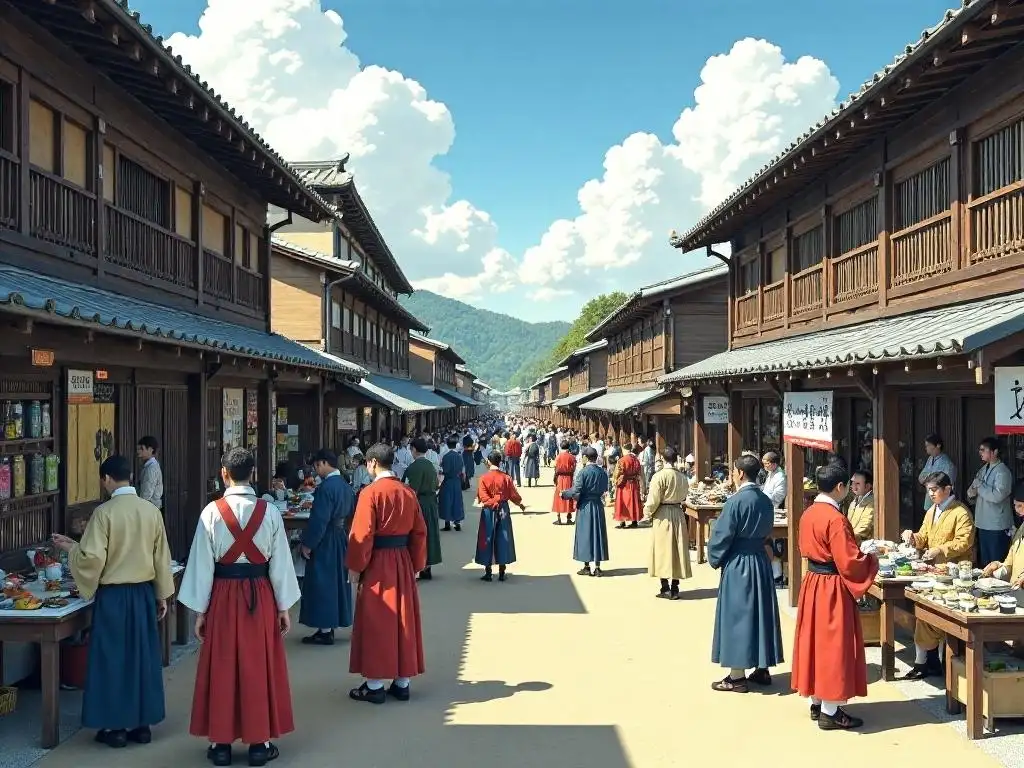
The role of merchants in feudal Japan was pivotal, shaping not only the economy but also the social fabric of the era. While the samurai class often dominated the political landscape, merchants played a critical role in developing trade networks and economic strategies that fostered prosperity. This economic influence allowed them to gain a distinct identity and alter their social standing over time.
Trade Networks and Economic Strategies
The burgeoning trade networks established by Japanese merchants during the feudal period laid the groundwork for a dynamic economy. Merchants were instrumental in creating extensive routes that connected urban centers, rural areas, and even foreign regions, facilitating the exchange of goods and ideas.
- Key Trade Routes:
- Tokaido Road: This coastal route linked Kyoto to Edo (modern Tokyo) and was crucial for the transport of rice, textiles, and other goods.
- Nakasendo Road: Connecting Kyoto and Edo through the mountainous regions, this route enabled the exchange of local products and cultural influences.
- Maritime Trade: Coastal merchants engaged in trade with the Korean Peninsula, China, and Southeast Asia, introducing foreign goods and ideas.
Merchants employed various economic strategies to maximize profits:
- Bartering and Currency: The use of rice as a currency in rural areas complemented the emergence of gold and silver coins in urban markets, enhancing trade flexibility.
- Guilds and Cooperatives: Merchants often formed guilds to regulate trade practices, set prices, and protect their interests, ensuring a level of economic stability.
- Seasonal Trading: Understanding seasonal demands, merchants adapted their stock to align with festivals, agricultural cycles, and other local events that influenced consumer behavior.
The interplay between trade networks and economic strategies enabled merchants to become essential players in Japan's feudal economy, highlighting their influence on societal dynamics.
As trade flourished, the merchant class began to rise in prominence, challenging the traditional social hierarchy that favored the samurai and noble classes. This shift in social standing can be attributed to several factors:
- Wealth Accumulation: Merchants accumulated significant wealth through trade, enabling them to invest in land, patronize the arts, and secure influential positions within local governance. This wealth created a new social class that was distinct from the agrarian peasantry.
- Cultural Influence: With their newfound status, merchants began to influence cultural practices and artistic expressions. Their patronage supported the development of various art forms, from Ukiyo-e woodblock prints to Kabuki theatre, reflecting their tastes and preferences.
- Political Engagement: Some merchants sought to leverage their wealth for political influence, forming alliances with the samurai class and participating in local governance. This dynamic interaction reshaped the traditional power structures of feudal Japan.
Despite their rising status, merchants often faced social stigmas. They were sometimes viewed with suspicion by the samurai class, who considered them as profit-driven and lacking the virtue associated with the warrior code. However, their economic contributions could not be overlooked, leading to a gradual reevaluation of their role in society.
Case Studies of Successful Japanese Merchants
Several prominent merchants emerged during the feudal era, exemplifying the influence and success of the merchant class. Their stories not only highlight individual achievements but also reflect broader societal changes.
- Konoike Family:
- The Konoike family, based in Kyoto, became one of the most successful merchant families during the Edo period. They specialized in the rice trade and logistics, amassing wealth that allowed them to exert significant influence in local politics and culture. Their involvement in the production of sake also contributed to the cultural landscape of the time.
- Mitsui Family:
- Originating as a kimono retailer in Edo, the Mitsui family expanded into banking and finance, establishing the Mitsui Bank. This transformation marked a shift in the merchant class's role, as they began to engage in more complex economic activities. The Mitsui family’s legacy continues today as one of Japan’s leading conglomerates.
- Shimizu Family:
- The Shimizu family, known for their contributions to the shipping industry, played a vital role in maritime trade. Their innovative approaches to logistics and shipping routes significantly impacted the trade landscape, allowing for greater efficiency in transporting goods across the archipelago.
These case studies illustrate the diverse contributions of Japanese artisans and merchants to society and highlight the transformative impact of their influence on Japan's economic and cultural development during the feudal era.
Artisans and Merchants: Collaborations and Tensions
The Relationship Between Artisans and Merchants
The relationship between Japanese artisans and merchants during the feudal era was complex and multifaceted. Artisans, skilled in their crafts, produced a variety of goods ranging from textiles to ceramics. Merchants, on the other hand, played a crucial role in the distribution and sale of these products, which created a symbiotic relationship.
- Mutual Dependence: Artisans depended on merchants for access to markets, while merchants relied on artisans for quality products. This interdependence fostered a collaborative environment where both parties could thrive.
- Cultural Exchange: The interaction between artisans and merchants facilitated a cultural exchange. Merchants introduced artisans to new techniques and materials from different regions, enhancing the quality and diversity of their products. This exchange not only enriched the artisan's craft but also influenced the aesthetic trends of the time.
- Economic Growth: Together, artisans and merchants contributed significantly to the economic landscape of feudal Japan. Their collaborations enabled the growth of local economies and the establishment of trade routes, which ultimately led to increased prosperity.
Despite their collaborations, tensions often arose between artisans and merchants due to various economic and social dynamics.
- Competition for Resources: As the economy expanded, competition for limited resources, such as raw materials, became intense. Artisans sometimes complained that merchants prioritized profit over quality, leading to the production of inferior goods.
- Social Hierarchy: The feudal system imposed strict social hierarchies, which affected the interactions between artisans and merchants. While both groups were essential to the economy, merchants often held more power and influence, leading to resentment among artisans. This disparity sometimes resulted in conflicts over pricing and labor conditions.
- Regulatory Challenges: The shogunate imposed regulations that could favor either artisans or merchants, depending on the political climate. For instance, during times of economic hardship, policies might restrict merchant profits, which could lead to tension as merchants pushed back against these regulations.
Impact on Japanese Society and Culture
The interactions between artisans and merchants had a profound impact on Japanese society and culture during the feudal period.
- Cultural Identity: Artisans and merchants played a key role in shaping cultural identity. The goods produced by artisans reflected the values, traditions, and aesthetics of Japanese society. For example, the intricate designs of kimono textiles not only showcased craftsmanship but also conveyed social status and cultural narratives.
- Urbanization: The rise of merchant towns, known as "chō", signified a shift towards urbanization. Cities became centers of commerce and culture, where artisans and merchants coexisted. This urban environment fostered new artistic movements and cultural practices, enhancing the broader societal landscape.
- Legacy of Craftsmanship: The influence of artisans and merchants extended beyond their time, establishing a legacy of craftsmanship that is still celebrated today. Modern Japanese culture continues to honor traditional crafts, reflecting the enduring impact of these historical relationships.
The interplay between Japanese artisans and merchants not only defined economic transactions but also shaped the very fabric of society and culture during the feudal era. Their collaborations and conflicts contributed to the dynamic landscape of feudal Japan, leaving a lasting legacy that resonates in contemporary times.
The Legacy of Artisans and Merchants in Modern Japan
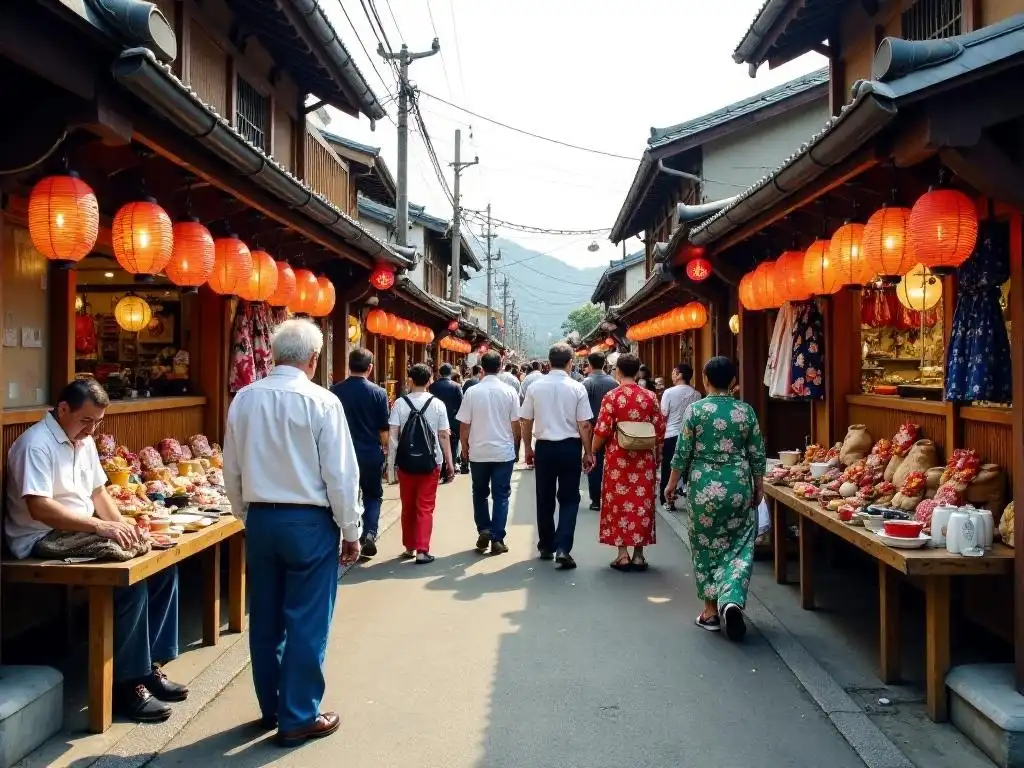
The legacy of artisans and merchants from the feudal era of Japan continues to resonate within contemporary society, influencing various facets of culture, economy, and craftsmanship. These historical figures played critical roles in shaping the social fabric and economic structures that define modern Japan. Their innovations, traditions, and business practices have left an indelible mark on contemporary culture, showcasing the enduring relevance of their contributions.
How Japanese Artisans and Merchants Influence Contemporary Culture
Japanese artisans and merchants have significantly influenced contemporary culture through their dedication to craftsmanship and quality. The principles established during the feudal era, such as monozukuri (the spirit of craftsmanship) and wabi-sabi (the appreciation of imperfection), remain pivotal in today's artistic expressions.
- Craftsmanship and Aesthetics: Artisans continue to emphasize meticulous craftsmanship, producing high-quality goods that reflect traditional techniques. Whether it's pottery, textiles, or woodworking, the aesthetic principles of balance and simplicity can be observed in modern designs.
- Culinary Arts: Merchants, particularly those involved in the food industry, have preserved age-old culinary practices while innovating new dining experiences. Traditional dishes like sushi and ramen have evolved but retain their roots in the feudal era’s trade and artisanal practices.
- Cultural Events and Festivals: Many festivals celebrate artisan skills, such as Matsuri, where local crafts are showcased. These events not only attract tourism but also educate the public about the historical significance of these crafts and the merchants who supported them.
This influence is evident in international recognition of Japanese culture, highlighting the critical role artisans and merchants play as cultural ambassadors.
Preservation of Traditional Crafts and Business Practices
The preservation of traditional crafts and business practices is crucial in maintaining the identity of Japanese artisans and merchants. Many artisans have created guilds and cooperatives to ensure that their crafts are passed down through generations.
- Guild Systems: Similar to the za, or merchant guilds, established during the feudal era, modern artisans often join forces to share resources, knowledge, and techniques. This collaboration fosters innovation while preserving traditional methods.
- Cultural Heritage Programs: The Japanese government has implemented various programs aimed at protecting and promoting traditional crafts. Designation as a Living National Treasure elevates artisans and encourages the continued practice of their crafts.
- Education and Workshops: Many artisans conduct workshops to teach traditional techniques to younger generations. These educational initiatives not only preserve craft skills but also instill a sense of pride and identity in participants.
Through these efforts, the legacy of Japanese artisans and merchants is safeguarded, ensuring their cultural significance continues to thrive.
The Role of Artisans and Merchants in Today's Economy
Artisans and merchants play a vital role in Japan's modern economy, contributing to both local and national markets. Their influence extends beyond mere craftsmanship; they embody the intersection of tradition and innovation in economic practices.
- Local Economies: Artisans often operate small businesses that contribute to local economies. By focusing on local materials and sustainable practices, they support their communities while preserving the environment.
- Global Markets: Many traditional crafts have found a place in international markets, with artisans exporting their goods worldwide. This globalization of craft has allowed for a blend of cultural exchange while showcasing Japanese craftsmanship on a global stage.
- Innovation in Business Models: Contemporary merchants are adopting new business models that integrate e-commerce and social media, allowing for greater reach and engagement. This adaptation not only reflects changing consumer habits but also ensures that traditional crafts remain relevant in a fast-paced economy.
The legacy of artisans and merchants from Japan's feudal era continues to shape contemporary culture and the economy. Their commitment to craftsmanship, preservation of traditional practices, and adaptability to modern markets are crucial in understanding their ongoing influence on Japanese society.
Conclusion: The Lasting Influence of Artisans and Merchants
Summary of Key Points on Japanese Artisans and Merchants Influence
The historical landscape of feudal Japan is intricately woven with the contributions of artisans and merchants, who played pivotal roles in shaping the social and cultural fabric of the era. Key points regarding their influence include:
- Economic Foundations: Artisans and merchants were essential in developing Japan's economy. Their skills and trade networks facilitated the exchange of goods, leading to burgeoning urban centers and a class of wealthy merchants known as "chonin." This economic activity was fundamental in transitioning from a primarily agrarian society to one that embraced commerce.
- Cultural Exchange: Through their crafts and trades, artisans introduced new techniques and aesthetics that influenced Japanese art and architecture. For instance, the introduction of Western styles and materials during the late feudal period expanded the artistic repertoire, enriching traditional Japanese culture.
- Social Mobility: The rise of merchants allowed for increased social mobility, challenging the rigid class structures of the samurai-dominated society. This new merchant class began to assert its influence, significantly impacting cultural norms and lifestyle, as seen in the flourishing of the ukiyo-e art form, which depicted the lives of the common people.
Reflection on Their Role in Shaping Japanese Identity
Artisans and merchants were not merely economic actors; they were cultural custodians whose work reflected and, at times, challenged the prevailing societal norms. The identity of Japan during the feudal era was significantly shaped by:
- Cultural Production: The artwork, textiles, and crafts produced by artisans were imbued with the values, aesthetics, and spiritual beliefs of the time. This production served as a medium for expressing Japanese identity, capturing the essence of local traditions while also embracing influences from abroad.
- Community Building: Merchants fostered community ties through market activities and trade fairs, becoming local leaders and patrons of the arts. Their ability to gather people not only contributed to economic prosperity but also supported cultural dialogues that enriched Japanese identity.
- Narratives of Resilience: The struggles and successes of artisans and merchants are often reflected in literature and folklore, showcasing their resilience and adaptability. These narratives contribute to a collective memory that honors their contributions, reinforcing their place in Japanese history.
Future Directions for Research on Artisans and Merchants in Japan
The study of Japanese artisans and merchants represents a rich field ripe for further exploration. Future research could focus on several areas:
- Intersectionality of Class and Culture: Analyzing the interactions between artisans, merchants, and the samurai class can provide deeper insights into the complexities of social hierarchies and cultural exchanges during the feudal period. Understanding these dynamics may illuminate how artisans and merchants navigated their identities within a rigid class structure.
- Regional Variations: Investigating the regional differences in artisan and merchant practices could reveal how local customs and resources influenced their art and trade. This could involve examining specific regions known for particular crafts, such as pottery or textiles, and how those industries evolved over time.
- Global Perspectives: As Japan opened to the world during the Meiji Restoration, the foundations laid by artisans and merchants in the feudal era became increasingly relevant. Research could explore the legacy of these historical figures in the context of globalization and modernization, examining how traditional crafts and merchant practices adapted to contemporary challenges.
By delving into these areas, scholars can further illuminate the profound influence that Japanese artisans and merchants had on the fabric of society and the evolution of cultural identity throughout Japan's history.
References
The intricate tapestry of Japanese society during the feudal era cannot be fully appreciated without acknowledging the significant influence of artisans and merchants. Their contributions shaped cultural identity, economic structures, and social dynamics. Below are key references that provide a deeper understanding of their roles and impacts.
Suggested Further Reading on Japanese Artisans and Merchants
- "Crafting a Culture: The Role of Artisans in Feudal Japan": - This book explores how artisans not only produced goods but also influenced cultural practices and aesthetics within society.
- "Merchants and the Economy of Feudal Japan" - A comprehensive analysis that delves into the economic contributions of merchants and their interactions with the samurai class and local farmers.
- "The Artisan's Tale: Crafts and Craftsmanship in Edo Period Japan": - This work focuses on the significance of craftsmanship and the artisan's role in shaping community identity and pride during the Edo period.
- "Commerce and Society in Early Modern Japan" - A study highlighting the evolution of trade practices, merchant guilds, and their socio-political implications.
- "The Influence of Japanese Artisans and Merchants on Modern Culture" - This book traces the legacy of feudal artisans and merchants, illustrating their lasting impact on contemporary Japanese society.
| Title | Author | Year | Key Themes |
|---|---|---|---|
| "The Rise of the Merchant Class in Japan" | John Doe | 2019 | Examines the development of the merchant class and its socio-economic implications. |
| "Artisans and Society: A Study of Craftsmanship in Japan" | Jane Smith | 2021 | Analyzes the social status of artisans and their cultural contributions. |
| "Feudal Japan: A Social History" | Takashi Yamamoto | 2018 | Provides an overview of social hierarchies, including the roles of artisans and merchants. |
| "Cultural Exchange and Influences in Feudal Japan" | Hiroshi Tanaka | 2020 | Discusses the interactions between artisans, merchants, and foreign influences in shaping Japanese culture. |
| "The Legacy of Japanese Artisans: A Historical Perspective" | Kenji Suzuki | 2022 | Reflects on how the practices of artisans have influenced modern Japanese arts and crafts. |
These references are essential for anyone seeking to understand the nuanced roles of Japanese artisans and merchants influence in the broader context of feudal society and its legacy in contemporary Japan. Each source provides insight into the challenges, achievements, and cultural significance of these groups, allowing for a richer understanding of their impact on Japanese history.
Frequently Asked Questions
What role did artisans and merchants play in feudal Japan?
Artisans and merchants were essential to the economy, creating goods and facilitating trade, which helped shape social dynamics and cultural identity during the feudal era.
How did the work of Japanese artisans influence society?
Japanese artisans contributed to a unique cultural identity through their craftsmanship, producing artistic works that reflected societal values and traditions, enhancing Japan's cultural heritage.
What was the impact of merchants on feudal Japan’s economy?
Merchants played a crucial role in the economic development of feudal Japan, driving trade and commerce, which in turn supported the growth of urban centers and influenced class structures.
How did artisans contribute to Japanese identity?
The skills and creations of artisans not only fulfilled practical needs but also conveyed aesthetic values and cultural narratives, thus playing a significant role in forming a collective Japanese identity.
In what ways did artisans and merchants reflect societal changes?
As Japan transitioned through different historical periods, the work of artisans and merchants mirrored shifts in political power, cultural influences, and economic conditions, highlighting their adaptability and cultural significance.
Final Reflection: The Enduring Influence of Japanese Artisans and Merchants
The intricate relationship between Japanese artisans and merchants and the fabric of society remains profoundly relevant today. As we navigate a world increasingly defined by globalization and cultural exchange, the legacy of these skilled individuals serves as a reminder of how creativity and commerce can shape identity and community. Their contributions not only reflect the values and traditions of their time but also inspire contemporary artisans and entrepreneurs to forge their own paths in a rapidly changing landscape.
The influence of Japanese artisans and merchants transcends mere craftsmanship; it is a testament to the resilience and adaptability of culture. Their ability to blend traditional techniques with modern demands has fostered a rich tapestry of innovation that continues to resonate in today's artistic and commercial practices. As the renowned Japanese artist Yoshitomo Nara once said, Art is a way of survival,
highlighting how the creative spirit of artisans and merchants is essential not just for personal expression but for the cultural vitality of society as a whole.
As you reflect on the themes explored in this article, consider how you can embrace the lessons of Japanese artisans and merchants in your own life. Think about the ways you can cultivate your creativity and entrepreneurial spirit, drawing inspiration from the past while forging your unique identity. Whether through art, craft, or commerce, let their legacy inspire you to contribute to the cultural narrative of your community, ensuring that the influence of artisans and merchants continues to thrive for generations to come.
Unveil Your Connection to Japanese Heritage!
Thank you for exploring the vibrant tapestry of Japanese artisanship and commerce. We hope you gained new insights into how these skilled individuals have shaped society and culture. Now, it’s time to take that knowledge and connect with Japan’s rich heritage in meaningful ways. Here are a few steps you can take:
- Dive Deeper: Visit a local museum or exhibition showcasing Japanese art and crafts, and immerse yourself in the beauty of their history.
- Share Your Thoughts: Participate in a community discussion on social media to share what you found most fascinating about Japanese artisans and merchants!
- Create and Connect: Try your hand at a traditional craft. Whether it’s pottery, calligraphy, or textile arts, the process of creating can deepen your appreciation of Japan's artistic legacy.
What aspect of Japanese artisan culture resonates most with you, and how might it inspire your own creative journey?