
Bushido as a Religious Experience: The Sacred Nature of the Samurai Journey


Welcome to Feudal Japan History, where we invite you to journey into the depths of a captivating era that shaped a nation. Here, we explore the intricate tapestry of Bushido and Samurai Spirituality, unraveling the sacred nature of the samurai journey. What does it mean to embody the warrior code, and how does it intertwine with spirituality and religion?
As we delve into this profound connection, prepare to uncover the layers of meaning behind the samurai's path, inviting you to rethink not just history, but the very essence of honor and devotion. Join us as we embark on this enlightening exploration—your adventure into the heart of feudal Japan awaits!
- Introduction to Bushido and Samurai Spirituality
- Historical Context of Bushido
- The Sacred Nature of the Samurai Journey
- Key Elements of Bushido and Samurai Spirituality
- Bushido as a Path to Enlightenment
- Case Studies of Notable Samurai and Their Spiritual Journeys
- The Impact of Bushido on Modern Spirituality
- Conclusion: The Enduring Sacred Nature of Bushido
- Frequently Asked Questions
- Final Reflection: Embracing the Sacred Path of Bushido
- Embrace the Spirit of Bushido: Take Action Today!
Introduction to Bushido and Samurai Spirituality
The concept of Bushido, often referred to as the "Way of the Warrior," embodies the ethical and moral code that directed the lives of the samurai during Japan's feudal era. This code is not merely a set of rules governing behavior; it represents a profound philosophy interwoven with spiritual and religious dimensions.
As we venture into the intricate relationship between Bushido and Samurai spirituality, we uncover the sacred nature of the samurai journey, highlighting how these warriors sought to align their martial practices with higher ideals of honor, loyalty, and inner peace. This exploration delves into the historical underpinnings of Bushido, its philosophical implications, and the spiritual experiences that shaped the samurai's identity and purpose.
Understanding the Concept of Bushido
Bushido is deeply rooted in the historical context of feudal Japan, deriving influences from various philosophical and religious traditions. Its foundations can be traced back to:
- Confucianism: Emphasizing loyalty, duty, and hierarchical relationships.
- Buddhism: Introducing concepts of mindfulness, detachment, and the pursuit of enlightenment.
- Shintoism: Celebrating the reverence for nature and ancestors, fostering a sense of spiritual connection.
Together, these philosophies created a rich tapestry of beliefs that guided the samurai in their daily lives and battles. The principles of Bushido encompass virtues such as:
- Rectitude: Upholding justice and righteousness.
- Courage: The bravery to face adversity and danger.
- Benevolence: Compassion and kindness towards others.
- Respect: Honoring all individuals, regardless of their status.
- Honesty: Maintaining integrity in words and actions.
- Honor: Valuing one's reputation and legacy.
Through the lens of Bushido, the samurai transcended mere martial prowess, embracing a holistic approach to life that intertwined physical strength with moral integrity and spiritual depth. This understanding lays the groundwork for our exploration of how Bushido manifests as a spiritual journey.
Overview of Samurai Spirituality
Samurai spirituality is a multifaceted experience that blends personal beliefs with the collective identity of the warrior class. Central to this spirituality is the pursuit of inner peace and self-discipline, often achieved through various practices such as:
- Meditation: Cultivating mindfulness and self-awareness.
- Martial Arts: Engaging in rigorous training that fosters both physical capabilities and mental fortitude.
- Rituals: Participating in ceremonies that honor ancestors and deities, reinforcing a connection to the spiritual realm.
The journey of the samurai is marked by a constant striving for self-improvement and enlightenment, as they seek to embody the principles of Bushido in every aspect of their lives. This spiritual endeavor often led to profound transformations, allowing samurai to confront their fears and embrace their mortality with grace and dignity.
In examining the sacred nature of this journey, we can see how Bushido and Samurai spirituality intertwine, creating a legacy that transcends time and continues to resonate in contemporary discussions about ethics, honor, and the warrior spirit.
Historical Context of Bushido

The concept of Bushido, often translated as "the way of the warrior," is deeply rooted in the historical landscape of feudal Japan. This era, spanning from the late 12th century until the mid-19th century, was characterized by a rigid social hierarchy, constant warfare, and the rise of a warrior class known as the samurai. Understanding the historical context of Bushido is crucial for grasping its significance in samurai spirituality and everyday life.
Origins of Bushido in Feudal Japan
The origins of Bushido can be traced back to the Heian period (794-1185), where the samurai class began to emerge as the military nobility of Japan. Initially, the samurai were primarily hired soldiers, but as the political landscape shifted towards a feudal system, they gained land, power, and status. The consolidation of power by the Minamoto clan during the late 12th century marked a significant turning point, leading to the establishment of the Kamura Shogunate.
During this formative period, the values that would later define Bushido were cultivated. Bravery, loyalty, and honor became essential attributes for samurai, often dictated by their lords. The code of conduct began to formalize, emphasizing a deep commitment to service and the ethical duties of a warrior. This ethical framework provided the samurai not only with a sense of duty but also with a purpose that transcended mere martial skill.
Influence of Zen Buddhism on Samurai Practices
The introduction of Zen Buddhism during the Kamakura period (1185-1333) significantly influenced samurai spirituality and the development of Bushido. Zen emphasized direct experience and meditation, fostering a sense of inner peace and clarity that resonated with the samurai's need for composure in the face of battle.
- Meditation and Mindfulness: Samurai practiced zazen (seated meditation) to cultivate mental discipline, allowing them to remain calm and focused during combat.
- Simplicity and Austerity: Zen teachings encouraged simplicity in lifestyle and aesthetics, which aligned with the samurai’s ethos of minimalism and practicality.
- Emphasis on the Present Moment: Zen philosophy taught the importance of living in the present, which helped samurai cultivate their skills and reactions in the heat of battle.
The melding of Zen Buddhism with samurai culture contributed to a profound spiritual dimension in Bushido, framing the warrior’s life as a path towards enlightenment and self-realization.
The Role of Confucianism in Shaping Samurai Values
Confucianism played a pivotal role in shaping the moral framework of samurai values, particularly during the Edo period (1603-1868). The teachings of Confucius, which emphasized ethics, duty, and social harmony, offered a philosophical backbone to the samurai's sense of responsibility.
- Filial Piety: Confucian values stressed the importance of loyalty to family and superiors, a principle that resonated deeply with samurai culture, where loyalty to one's lord was paramount.
- Moral Duty: The notion of giri (obligation) derived from Confucian ideals emphasized the samurai's duty not only to their lord but also to society as a whole.
- Education and Culture: Confucianism promoted the value of education, leading samurai to become not just warriors but also scholars and custodians of culture.
Through the incorporation of Confucian principles, Bushido evolved into a comprehensive ethical system that governed the samurai's conduct, reinforcing their role as both warriors and moral exemplars in society.
The historical context of Bushido is a rich tapestry woven from the threads of Japan's feudal past, the spiritual insights of Zen Buddhism, and the moral teachings of Confucianism. Together, these elements fostered a unique warrior ethos that transcended mere combat, embedding a profound sense of spirituality within the samurai's journey.
The Sacred Nature of the Samurai Journey
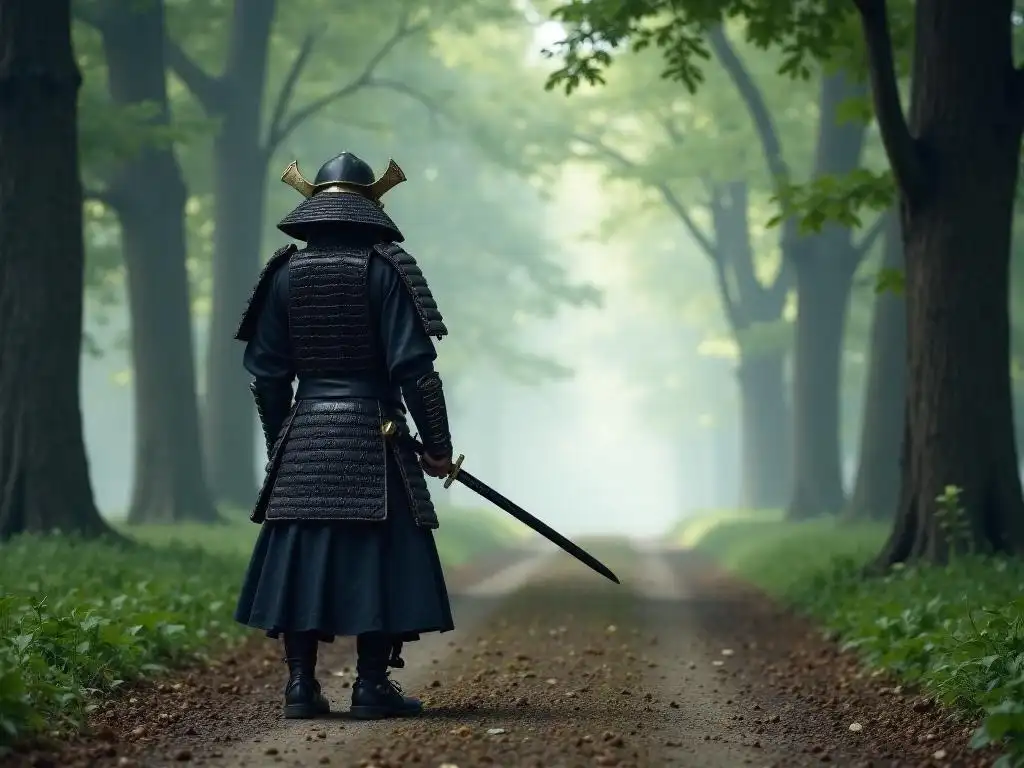
The journey of the samurai is not merely one of martial prowess but also deeply entrenched in spirituality and religious practices. This intricate blend of martial discipline and spiritual devotion is encapsulated in the concept of Bushido, which translates to "the way of the warrior." Bushido is underpinned by various philosophical and spiritual influences, which shaped the samurai's ethical framework and worldview. Understanding this sacred nature reveals the profound connection between the samurai's martial duties and their spiritual beliefs.
Spiritual Practices in the Samurai Tradition
Spiritual practices among the samurai were multifaceted, reflecting a synthesis of Shinto, Zen Buddhism, and Confucian ideals. Each of these traditions contributed to the samurai's understanding of their place in the universe and the moral imperatives guiding their actions.
-
Meditation and Mindfulness
Zen Buddhism played a pivotal role in shaping the mental discipline of the samurai. Meditation was a fundamental practice that allowed samurai to cultivate focus, clarity, and calmness. By engaging in zazen (seated meditation), they sought to transcend the distractions of the material world, achieving a state of spiritual enlightenment. This practice was not only a means of personal reflection but also prepared them for the psychological demands of battle.
-
Ritualistic Purity
Shinto beliefs emphasized the importance of purity and cleanliness, influencing samurai rituals. Before entering battle or participating in significant events, samurai would undergo purification rites, such as misogi, which involved ritual washing in natural bodies of water. This act was seen as a way to cleanse the spirit and prepare oneself to face the challenges ahead with honor and integrity.
-
Connection to Nature
The samurai's spirituality was deeply connected to nature, reflecting a belief in the kami (spirits) that inhabit the natural world. By engaging in activities like archery or horseback riding in natural settings, samurai sought to align themselves with these spiritual forces, fostering a sense of harmony and balance within themselves and their surroundings.
Rituals and Ceremonies in Bushido
Rituals and ceremonies were integral to the practice of Bushido, serving as vital expressions of the samurai's spiritual commitment. These rituals often revolved around key life events, battles, and the codes of honor they upheld.
-
Seppuku (Ritual Suicide)
One of the most profound ceremonies in samurai culture was seppuku, or ritual suicide. This act was not merely a means of avoiding capture or disgrace; instead, it was a final assertion of honor and fidelity to one's principles. The ceremony was steeped in ritual, often involving a formal invitation, the wearing of a white kimono, and the presence of witnesses. Through this act, samurai sought to restore their honor in death, ensuring their legacy would be remembered.
-
Ceremonial Tea Practices
The Japanese tea ceremony (chanoyu) also held spiritual significance for samurai. It was not just about the preparation and consumption of tea but was a meditative practice that emphasized simplicity, mindfulness, and the appreciation of transient beauty. Participating in the tea ceremony allowed samurai to cultivate inner peace and reflect on the impermanence of life.
-
Commemoration of Ancestors
Honor and respect for ancestors were central to samurai spirituality. Rituals such as Obon, where samurai would honor the spirits of their ancestors, were crucial for maintaining familial ties and ensuring the continuation of their legacy. These ceremonies reaffirmed their connection to the past and the moral obligations they inherited.
The Concept of Honor and its Spiritual Significance
At the heart of Bushido lies the concept of honor (meiyo), which is intrinsically linked to the samurai's spiritual journey. The samurai viewed honor as a sacred quality, shaping their identities and actions throughout their lives.
-
Moral Compass
Honor served as a moral compass, guiding samurai in deciding right from wrong. Upholding one's honor was paramount, and actions that could tarnish it were avoided at all costs. This dedication to honor elevated the samurai’s sense of purpose, reinforcing their commitment to their lords, families, and the tenets of Bushido.
-
Spiritual Redemption
The pursuit of honor was also tied to the idea of spiritual redemption. Samurai believed that by leading honorable lives, they could attain a higher spiritual status. This belief was rooted in the idea that one's actions in this life would affect their spiritual journey in the afterlife, influencing their reincarnation or spiritual legacy.
-
Community and Loyalty
Honor was not solely an individual pursuit; it extended to the samurai's loyalty to their clan and community. This interconnectedness fostered a sense of belonging and responsibility, motivating samurai to protect their kin and uphold communal values. The spiritual bond formed through these relationships further enriched the samurai's journey, intertwining personal honor with collective integrity.
The sacred nature of the samurai journey is a profound exploration of spirituality intertwined with martial tradition. Through spiritual practices, rituals, and the unwavering commitment to honor, the samurai navigated their existence, embodying the essence of Bushido and its enduring influence on Japanese culture.
Key Elements of Bushido and Samurai Spirituality
The Seven Virtues of Bushido
Bushido, often translated as "the way of the warrior," encompasses a set of ethical principles that guided the samurai in their conduct throughout Japan's feudal era. Integral to Bushido is its spiritual dimension, where the virtues not only shaped the samurai's actions but also their inner lives. The following seven virtues are central to understanding Bushido and Samurai Spirituality:
Rectitude: The Foundation of Ethical Conduct
Rectitude, or gi, serves as the cornerstone of Bushido, emphasizing moral integrity and righteousness. For the samurai, the ability to discern right from wrong was not merely a matter of personal choice but a sacred duty. This virtue demanded unwavering adherence to ethical principles, even in the face of adversity. The samurai believed that cultivating rectitude fortified their spiritual essence, allowing them to act honorably in all situations. This unwavering commitment to ethical conduct was seen as a reflection of their divine purpose, linking their actions to a higher moral order.
Courage: The Spiritual Strength of the Samurai
Courage, known as yū, is another vital aspect of Bushido, representing not just physical bravery but also the fortitude to uphold one's convictions. This virtue was rooted in the belief that true courage involves facing one's fears and overcoming them for a greater good. For the samurai, this meant standing firm against injustice and protecting those who could not defend themselves. The spiritual journey of the samurai involved embracing courage as a means to transcend personal limitations, thus forming a deeper connection to their own spirituality and the universe.
Benevolence: Compassion as a Samurai Value
Benevolence, or jin, reflects the samurai's responsibility towards others. It emphasizes the importance of compassion, kindness, and empathy in their interactions. This virtue was not merely a social nicety but a fundamental aspect of the samurai's spiritual journey. The samurai believed that through acts of benevolence, they could cultivate a more profound connection to humanity and the divine. The balance of strength and compassion allowed them to embody the ideals of Bushido in a way that honored both their martial prowess and their spiritual obligations.
Respect: Cultivating Honor and Dignity
Respect, referred to as rei, is a principle that extends beyond mere politeness; it embodies the honoring of all living beings and the universe itself. For the samurai, practicing respect was a way to acknowledge the interconnectedness of life and to cultivate dignity in their interactions. This virtue was vital in their relationships with peers, superiors, and even adversaries. Through respect, the samurai sought to maintain harmony and demonstrate their commitment to a code that valued all forms of existence, deepening their spiritual understanding of the world around them.
Honesty: Truthfulness in the Samurai Code
Honesty, or makoto, is a crucial component of Bushido that underscores the significance of truthfulness and sincerity. The samurai held that honesty was not only essential in their personal relationships but also in their sense of self. This virtue demanded that they be truthful in word and deed, forging a path towards authenticity and integrity. An honest life was viewed as sacred, allowing the samurai to connect more deeply with their own spirit and the divine essence guiding their actions.
Honor: The Sacred Pursuit of Reputation
Honor, known as meiyo, is perhaps one of the most revered virtues in Bushido. The samurai understood honor as a sacred pursuit, where their reputation was intrinsically linked to their actions and character. The pursuit of honor was not just about personal glory but about upholding the dignity of their family, clan, and ancestors. This virtue served as a guiding light, influencing decisions and actions throughout their lives. A samurai's honor was seen as a reflection of their spiritual journey and adherence to the Bushido code.
Loyalty: The Spiritual Bond Between Samurai and Lord
Loyalty, or chūgi, represents the deep-seated commitment that samurai felt towards their lords and comrades. This virtue was foundational in establishing the hierarchical structure of feudal Japan and was viewed as a sacred bond. Loyalty was not just a duty; it was a spiritual connection that demanded selflessness and unwavering support. The samurai believed that through loyalty to their lord, they could achieve a greater purpose, thus intertwining their spiritual journey with the destinies of those they served. This bond fostered a sense of belonging and reinforced their commitment to the principles of Bushido.
The seven virtues of Bushido encapsulate not only the ethical landscape of the samurai but also their spiritual dimensions. By embodying these principles, the samurai navigated their paths with a sense of purpose that transcended the physical realm, connecting them deeply to their spirituality and the world around them.
Bushido as a Path to Enlightenment

The Journey of Self-Discovery in Samurai Life
The samurai's journey towards enlightenment through Bushido is not merely a path of martial prowess; it is deeply rooted in a quest for self-discovery. Bushido, meaning "the way of the warrior," encapsulates principles that guide samurai not only in battle but also in their personal lives. Central to this journey is the concept of self-reflection, which encourages samurai to evaluate their actions, thoughts, and motives.
- Rituals of Reflection: Samurai often engaged in rituals that promoted introspection, such as the tea ceremony (chanoyu). This practice allowed them to cultivate a sense of presence and mindfulness, essential for understanding their true selves.
- Philosophical Study: The study of Zen Buddhism and Confucianism was integral to the samurai life. Through these teachings, samurai learned about harmony, loyalty, and the importance of moral integrity. The teachings emphasized that true strength lies not only in physical ability but also in the cultivation of virtues.
- Personal Sacrifice and Honor: The samurai's dedication to honor often led to personal sacrifices. By adhering to the Bushido code, they confronted their inner fears and insecurities, allowing them to achieve a higher state of consciousness and understanding.
This journey of self-discovery is often marked by challenges and tribulations, pushing samurai to confront their limitations and grow spiritually. The culmination of these experiences often led to moments of profound clarity and enlightenment, reflecting the essence of Bushido as a sacred path.
Meditation and Mindfulness Practices in Bushido
Meditation and mindfulness are vital components of Bushido that contribute to the samurai's spiritual development. These practices not only enhance focus and discipline but also foster a deeper connection with the self and the universe.
- Zazen (Seated Meditation): A foundational practice in Zen Buddhism, zazen involves sitting quietly and observing one's thoughts and sensations. For samurai, regular zazen sessions helped cultivate a calm mind, enabling them to face challenges with clarity and composure.
- Kinhin (Walking Meditation): This form of meditation involves mindful walking, allowing practitioners to maintain awareness of their movements and surroundings. Samurai utilized kinhin to integrate mindfulness into their daily lives, transforming even simple activities into spiritual practices.
- Breath Control: Samurai trained in breath control techniques to regulate their physical and mental states. This practice not only enhanced their combat skills by improving focus but also served as a tool for emotional regulation, promoting inner peace and stability.
Through these meditation and mindfulness practices, samurai developed a profound sense of presence and awareness, which are essential elements of Bushido and its connection to spirituality. The ability to remain grounded and centered allowed them to navigate the complexities of life and death with grace.
The Influence of Nature on Samurai Spirituality
Nature played a pivotal role in shaping the spirituality of the samurai, serving as both a source of inspiration and a reflection of their inner journey. The connection between the samurai and the natural world helped cultivate a profound understanding of life, death, and the cyclical nature of existence.
- Symbolism of Nature: Elements of nature, such as mountains, rivers, and seasons, were often imbued with symbolic meanings. For instance, cherry blossoms (sakura) represented the transient nature of life, a poignant reminder of the impermanence that samurai faced in battle.
- Nature as a Teacher: Samurai frequently sought solace in natural settings, where they could engage in contemplative practices. Observing the serenity of a flowing river or the stillness of a forest allowed samurai to reflect on their own lives and the virtues of Bushido.
- Shinto and Nature Worship: The indigenous Shinto beliefs emphasized reverence for kami (spiritual beings) associated with natural elements. This integration of Shinto practices into the samurai's spiritual framework deepened their connection to the land and the divine, reinforcing the sacredness of their journey.
Through the lens of nature, samurai spirituality flourished, allowing practitioners to embrace the teachings of Bushido with a holistic understanding of their place within the cosmos. This symbiotic relationship between the samurai and nature enriched their spiritual journey, underscoring the sacred essence of Bushido as a path to enlightenment.
Case Studies of Notable Samurai and Their Spiritual Journeys

Miyamoto Musashi and Their Influence on Bushido
Miyamoto Musashi, one of Japan's most renowned swordsmen, is a pivotal figure in the study of Bushido and Samurai spirituality. His life and philosophies offer profound insights into the spiritual journey of the samurai. Musashi's duality as both a warrior and a philosopher is encapsulated in his seminal work, The Book of Five Rings (Go Rin no Sho), where he explores not only techniques of swordsmanship but also the mental and spiritual aspects of combat.
Musashi's approach to Bushido was heavily influenced by Zen Buddhism, which emphasized mindfulness and the importance of living in the present moment. He believed that true mastery of the sword came not just from physical skill but from a deep understanding of oneself and one’s surroundings. This philosophy is evident in his famous quote:
The ultimate aim of the martial arts is not having to use them.
This reflects the essence of Bushido as a spiritual practice, where the samurai seeks inner peace and self-discipline rather than mere combat prowess. Musashi's life exemplified this principle—he engaged in numerous duels, not out of a desire for fame, but as a means of self-discovery and personal growth.
Key Aspects of Musashi's Spiritual Journey:
- Emphasis on Self-Reflection: Musashi often withdrew into solitude to reflect on his experiences and hone his skills. This practice aligns with the Bushido ethos that values introspection as a path to enlightenment.
- Integration of Art and Combat: Musashi was also an artist, believing that the creative process was akin to martial practice. He understood that beauty and violence could coexist, enhancing the spiritual experience of both disciplines.
- Philosophical Duality: Musashi's teachings encourage a balance between aggression and tranquility, showcasing Bushido as a holistic philosophy that encompasses both action and contemplation.
Musashi's legacy continues to influence modern interpretations of Bushido and Samurai spirituality, making him a symbol of the warrior's path as a sacred journey toward self-mastery.
Takeda Shingen’s Spiritual Practices and Beliefs
Takeda Shingen, another prominent figure in feudal Japan, was known not only for his military prowess but also for his deep spiritual convictions. As a leader of the Takeda clan, Shingen's approach to warfare was intricately linked to his beliefs, which were influenced by Shintoism and Buddhism.
Shingen's spiritual practices included rituals and offerings to deities, aiming to secure divine favor in battles. He is often quoted as saying,
The man who is not afraid of death has already attained the greatest victory.
This statement highlights the samurai's acceptance of mortality, which is a crucial component of Bushido. For Shingen, understanding the transient nature of life was essential for a warrior's mindset, allowing him to approach conflict with courage and composure.
Spiritual Beliefs and Their Impact on Leadership:
- Rituals and Offerings: Shingen participated in various Shinto rituals to honor the gods and seek blessings for his troops. This practice demonstrates the intertwining of spirituality and warfare in his life.
- Moral Integrity: Shingen's belief in fairness and justice shaped his leadership style. He aimed to be a benevolent ruler, embodying the samurai ideal of loyalty and honor as a spiritual commitment to his people.
- Connection with Nature: Shingen often found solace in nature, believing that the natural world was a reflection of divine order. His reverence for the environment was integral to his spiritual philosophy and decision-making.
Takeda Shingen's spiritual practices and beliefs illustrate how Bushido transcends mere martial skill, encompassing a broader understanding of life, leadership, and the sacredness of the warrior's journey. His legacy continues to inspire those who seek to understand the deeper implications of Samurai spirituality within the context of Bushido.
The Impact of Bushido on Modern Spirituality
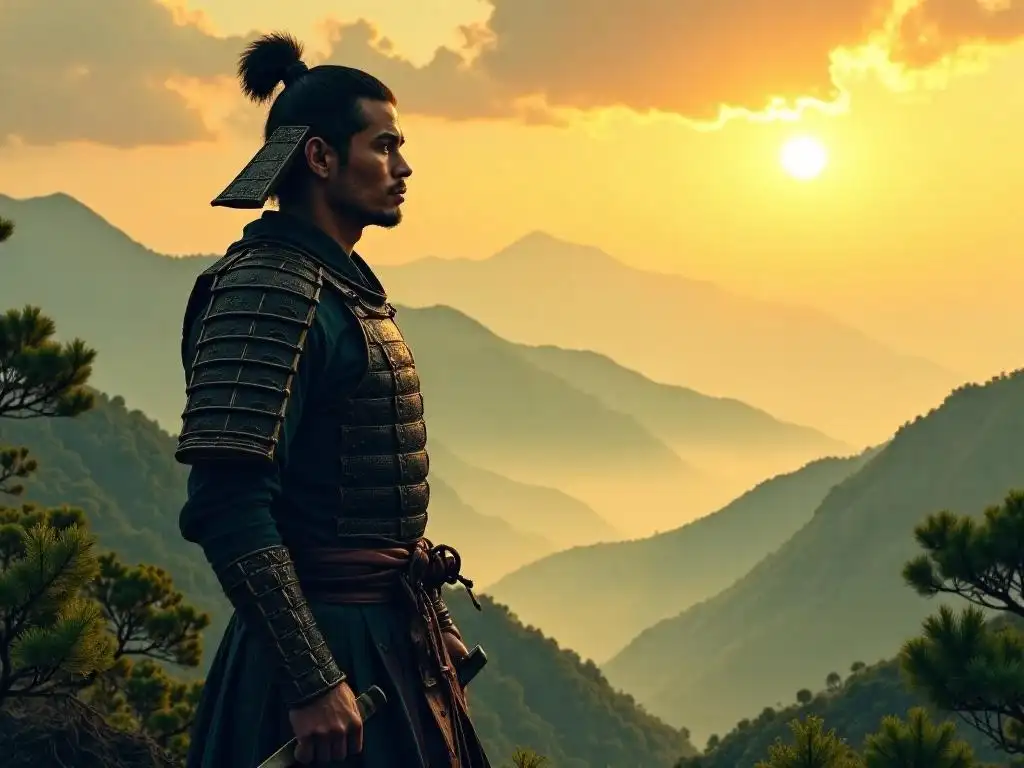
The Legacy of Samurai Spirituality in Contemporary Japan
The profound influence of Samurai spirituality, rooted in the principles of Bushido, continues to resonate within contemporary Japanese society. This legacy is reflected in various aspects of life, from art and literature to personal conduct and ethical considerations.
Cultural Manifestations
In modern Japan, the essence of Samurai spirituality is often celebrated through traditional arts such as Ikebana (flower arranging) and Tea Ceremony (Chanoyu). These practices embody the principles of harmony, respect, purity, and tranquility, reminiscent of the values upheld by the Samurai. The meticulous attention to detail and the meditative nature of these arts serve as a bridge connecting the past with the present.
Moreover, Samurai stories and legends have found a place in popular culture, influencing literature, films, and anime. Works like "The Last Samurai" and "Rashomon" not only depict the valor of the Samurai but also explore the deeper philosophical questions surrounding honor, duty, and sacrifice. These narratives inspire a sense of respect for the Samurai code, thereby perpetuating its spiritual significance in the modern era.
Ethical Frameworks
Bushido's ethical framework remains relevant today, guiding individuals in their quest for personal integrity and moral clarity. The Samurai's commitment to loyalty, courage, and self-discipline resonates with contemporary values, often serving as a source of inspiration for personal development and leadership.
Many Japanese people still embrace the principles of Bushido in their daily lives, viewing them as a foundation for cultivating virtues such as humility, respect, and resilience. Through the lens of spirituality, these principles guide individuals in navigating modern challenges, fostering a sense of purpose and commitment to the greater good.
How Bushido Influences Modern Martial Arts and Philosophy
The principles of Bushido not only shaped the Samurai's approach to combat but also laid the groundwork for various modern martial arts, which extend beyond physical training to encompass philosophical and spiritual dimensions.
Martial Arts as a Path to Spiritual Growth
Many contemporary martial arts, such as Kendo, Aikido, and Iaido, emphasize the importance of mental discipline and spiritual development alongside physical prowess. Practitioners often engage in rigorous training that fosters self-awareness, focus, and inner peace, mirroring the Samurai's quest for enlightenment through martial practice.
For instance, Kendo practitioners find themselves immersed in a meditative state during matches, where the emphasis lies not just on winning but on achieving a deeper understanding of oneself and the opponent. This spiritual aspect aligns with the Bushido tradition, which teaches that true mastery goes beyond mere technique to encompass a holistic approach to life.
Philosophical Influences
The philosophical underpinnings of Bushido have also permeated various schools of thought, influencing modern philosophy in Japan and beyond. Concepts such as Zen Buddhism, which emphasizes mindfulness and the present moment, have been integrated into martial arts training, promoting a sense of spiritual awareness that echoes the Samurai's pursuit of enlightenment.
Furthermore, the ethical teachings of Bushido have inspired contemporary discussions on leadership and ethics in both personal and professional spheres. The Samurai's dedication to honor and duty serves as a model for modern leaders who aspire to practice integrity and accountability in their actions.
The impact of Bushido on modern spirituality is profound, weaving together threads of tradition, cultural expression, and ethical guidance. As we explore this rich legacy, it becomes clear that the spiritual journey of the Samurai continues to inspire and shape contemporary Japanese society and beyond.
Conclusion: The Enduring Sacred Nature of Bushido
In the study of Bushido and Samurai spirituality, it becomes evident that the principles and practices of this code extend far beyond mere martial prowess. Bushido, often translated as "the way of the warrior," encompasses a philosophical framework that intertwines ethical conduct, loyalty, and personal discipline with a profound spiritual dimension. The samurai's adherence to Bushido was not just about physical training or combat skills; it was also a journey towards self-realization and a deeper understanding of one's place within the cosmos.
The sacred nature of Bushido is rooted in its connections to various religious and philosophical traditions, including Shintoism, Zen Buddhism, and Confucianism. Each of these influences contributed to the samurai's spiritual journey, shaping their moral compass and guiding their actions in both life and death. The samurai viewed their path as a sacred vocation, where honor and virtue were paramount, and failure to uphold these ideals could lead to profound shame, not only for themselves but for their families and clans.
In essence, Bushido served as both a practical guide for the samurai's conduct and a spiritual pathway that fostered inner peace and resilience. It provided a framework for navigating the complexities of life, ultimately leading to a state of enlightenment that was revered among warriors.
Reflection on the Spiritual Aspects of the Samurai Journey
The spiritual aspects of the samurai journey manifest in various ways, reflecting a unique synthesis of martial practice and contemplative traditions. Central to this journey is the concept of seishin (精神), or "spirit," which underscores the importance of cultivating a strong inner self. The samurai believed that true mastery in martial arts was not solely about physical strength but also about mental clarity and emotional control.
Key Elements of Samurai Spirituality:
- Meditation and Mindfulness: Many samurai practiced Zen meditation (zazen) to calm their minds and focus their energies. This practice allowed them to develop a heightened awareness of their surroundings and a deeper connection to their inner selves.
- Rituals and Ceremonies: The samurai engaged in various rituals that honored their ancestors and the spirits of nature, reinforcing their connection to the divine. These ceremonies often included offerings and prayers that sought guidance and protection.
- The Concept of Death: The samurai's acceptance of mortality played a crucial role in shaping their spirituality. By embracing the inevitability of death, they cultivated a sense of urgency in living honorably and purposefully, which further fueled their commitment to Bushido.
This profound reflection on spirituality reveals that the samurai's journey was as much about inner transformation as it was about external conflict. The samurai sought to embody the principles of Bushido not just in battles but in their everyday lives, viewing each action as a reflection of their inner state.
The Relevance of Bushido in Today’s World
In contemporary society, the principles of Bushido continue to resonate, offering valuable lessons for personal development, leadership, and ethical conduct. The samurai's commitment to honor, loyalty, and self-discipline serves as a powerful reminder of the importance of these virtues in our daily lives.
Modern Applications of Bushido Principles:
- Leadership and Integrity: The emphasis on honor and responsibility in Bushido can inspire modern leaders to act with integrity and transparency, fostering trust and respect within their organizations.
- Discipline and Focus: The samurai's rigorous training and dedication highlight the value of discipline in achieving personal and professional goals. In a world filled with distractions, the ability to maintain focus is more relevant than ever.
- Conflict Resolution: The samurai's approach to conflict, which often prioritized negotiation and understanding over violence, can inform contemporary methods of conflict resolution and diplomacy.
- Personal Growth: The spiritual journey of the samurai encourages individuals to engage in self-reflection, mindfulness, and continuous learning, promoting personal growth and resilience in the face of challenges.
The enduring nature of Bushido and Samurai spirituality offers rich insights that can be applied across various aspects of modern life. By embracing the sacred principles of the samurai, individuals can cultivate a deeper sense of purpose, integrity, and inner peace. The legacy of Bushido remains not just a historical artifact, but a living philosophy that continues to inspire and guide those on their own journeys.
Frequently Asked Questions
What is Bushido in the context of Samurai spirituality?
Bushido is the code of ethics and conduct followed by the samurai class in feudal Japan, emphasizing values such as honor, loyalty, and self-discipline.
How did Bushido influence Samurai behavior?
Bushido shaped the spiritual and moral framework of samurai, guiding their actions in both battle and daily life, fostering a deep sense of duty and sacrifice.
What role did spirituality play in the Samurai's understanding of Bushido?
Spirituality in Bushido involved a sacred journey where samurai sought to align their actions with higher moral principles, viewing their path as a form of spiritual practice.
How did the concept of honor manifest in Samurai culture?
Honor was paramount in samurai culture, often dictating their decisions and actions, with a strong belief that losing one's honor could lead to dishonor and even death.
Can Bushido be considered a religion?
While not a formal religion, Bushido incorporates many spiritual elements that reflect a sacred understanding of life and death, akin to religious experience for the samurai.
Final Reflection: Embracing the Sacred Path of Bushido
The journey of the samurai, rooted in the principles of Bushido, remains profoundly relevant today as we seek meaning and purpose in our lives. In a world often overshadowed by chaos and uncertainty, the sacred nature of the samurai's code offers a guiding light, reminding us of the importance of honor, loyalty, and self-discipline. The essence of Bushido transcends time and culture, urging us to reflect on our own values and the spiritual paths we choose to follow.
Cultural and social landscapes have been shaped by the timeless teachings of Bushido, influencing not only martial arts but also modern philosophies of leadership and personal growth. The samurai's commitment to their code serves as a powerful reminder of the virtues we can cultivate in our own lives. As we navigate the complexities of contemporary existence, we can draw inspiration from the words of the philosopher Yamamoto Tsunetomo: The way of the samurai is found in death.
This profound acknowledgment of mortality encourages us to live with intention and to embrace the sacredness of each moment.
As you reflect on the lessons of Bushido and the spiritual journey of the samurai, I invite you to consider how these principles can be integrated into your own life. What does it mean for you to live honorably, to be loyal to your values, and to cultivate a sense of discipline? Let the spirit of the samurai inspire you to embark on your own sacred journey, where each step is taken with purpose and reverence. Embrace the teachings of Bushido, and may they guide you toward a life of fulfillment and spiritual growth.
Embrace the Spirit of Bushido: Take Action Today!
Thank you for diving into the profound journey of Bushido and its sacred significance within Samurai culture. We hope this exploration has deepened your understanding and appreciation for the values that shaped this remarkable era. Now, it’s time to take the wisdom you’ve gained and apply it!
- Reflect on your own values: Engage in a meaningful discussion with friends or family about how the principles of Bushido can enhance your daily life. Which virtues of the samurai resonate with you the most?:
- Join a local martial arts class: Immerse yourself in the discipline and respect embodied by the warrior's way, learning not just techniques but also the underlying philosophy.:
- Explore further: Discover books or documentaries that delve deeper into the spiritual practices of the samurai to enrich your understanding of their journey.
What personal values do you believe can transform your life by following the principles of Bushido? Share your thoughts in the comments!