
Rituals and Offerings: How Shinto Practices Shape Japanese Culture

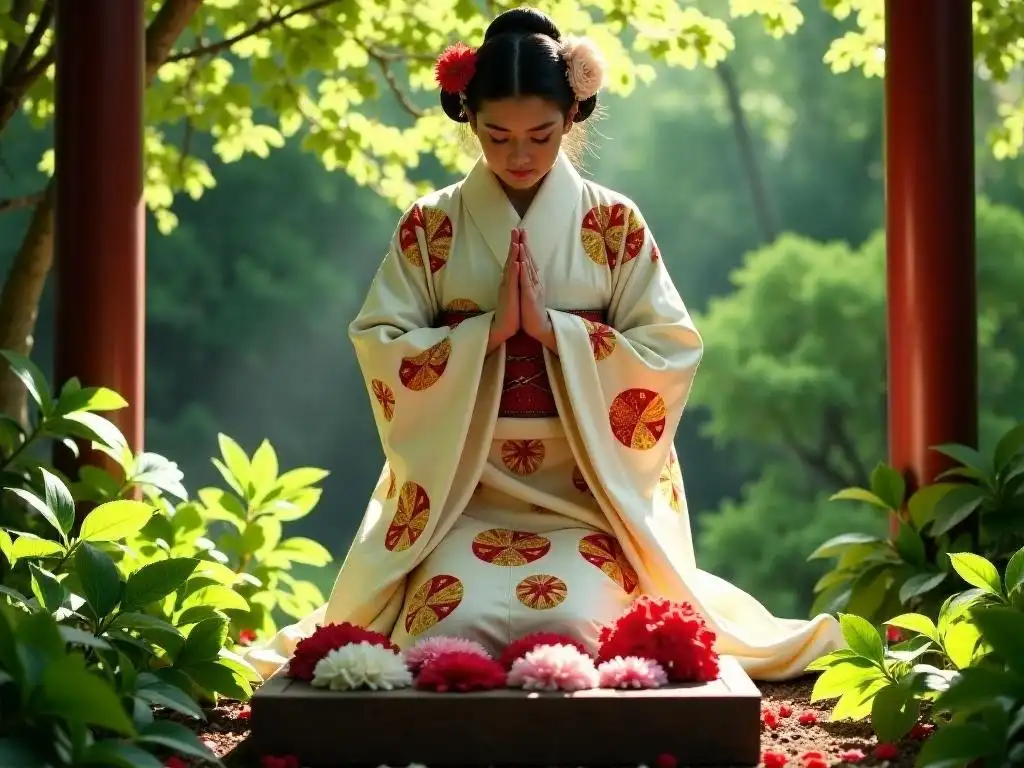
Welcome to Feudal Japan History, where we embark on a fascinating journey through the intricate tapestry of Japan’s feudal era. Here, we delve deep into the rich historical, cultural, and societal aspects that define this captivating period. In our featured article, "Rituals and Offerings: How Shinto Practices Shape Japanese Culture," we explore the profound influence of Shinto rituals on the everyday lives of the Japanese people. Prepare to uncover the mysteries and traditions that have shaped a nation's identity for centuries, and let your curiosity guide you as you navigate our expert-driven insights!
- Introduction to Shinto Rituals in Japanese Culture
- Overview of Shinto Rituals
- Historical Context of Shinto Practices
- Key Shinto Rituals and Their Cultural Impact
- Shinto Deities and Spirits
- The Role of Shinto Shrines in Japanese Culture
- Contemporary Shinto Practices
- Conclusion: The Enduring Legacy of Shinto Rituals in Japanese Culture
- References and Further Reading on Shinto Rituals in Japanese Culture
- Frequently Asked Questions
- Final Reflection: The Enduring Legacy of Shinto Rituals in Japanese Culture
- Embrace the Spirit: Dive Deeper into Shinto Practices!
Introduction to Shinto Rituals in Japanese Culture
Shinto, the indigenous spirituality of Japan, plays a pivotal role in shaping various aspects of Japanese culture, from festivals to daily rituals. As a profound system of beliefs, Shinto is woven into the fabric of life in Japan, influencing everything from social customs to artistic expressions. This article offers a comprehensive exploration of Shinto rituals in Japanese culture, examining their significance and the ways they permeate societal norms and practices.
Through a detailed look at the rituals and offerings associated with Shinto, we will uncover how these practices not only honor the kami (spirits) but also nurture a sense of community and identity among the Japanese people. As we delve deeper into this rich tapestry of tradition, we will explore how Shinto continues to inform the values and behaviors of contemporary society.
Understanding the Significance of Shinto
Shinto rituals are essential for fostering a connection between the physical world and the spiritual realm. They serve multiple purposes, including:
- Ritual Purification (Misogi): Cleansing oneself to maintain purity before engaging with the kami.
- Offerings (Shinsen): Presenting food and other gifts to the kami as a sign of respect and gratitude.
- Festivals (Matsuri): Celebrations that honor the kami, often featuring music, dance, and communal activities.
The significance of these rituals extends beyond mere tradition; they embody the values of harmony, respect for nature, and community cohesion. Each ritual acts as a reminder of the interconnectedness of life, reflecting the belief that the kami inhabit all aspects of the natural world.
The Influence of Shinto Practices on Japanese Society
The impact of Shinto rituals on Japanese society is profound and multifaceted. These practices shape various cultural expressions, including:
- Art and Aesthetics: Shinto influences traditional arts, such as calligraphy and architecture, emphasizing simplicity and natural beauty.
- Social Norms: The ethical teachings derived from Shinto, such as wa (harmony) and makoto (sincerity), guide interpersonal relationships and community interactions.
- Seasonal Festivals: Many local festivals, rooted in Shinto beliefs, mark the changing seasons and agricultural cycles, reinforcing a collective identity and shared history.
In this way, Shinto not only preserves ancient practices but also adapts to modern life, ensuring its relevance and vitality within Japanese culture. As we continue our exploration, we will further examine specific rituals and their enduring legacy in contemporary society.
Overview of Shinto Rituals
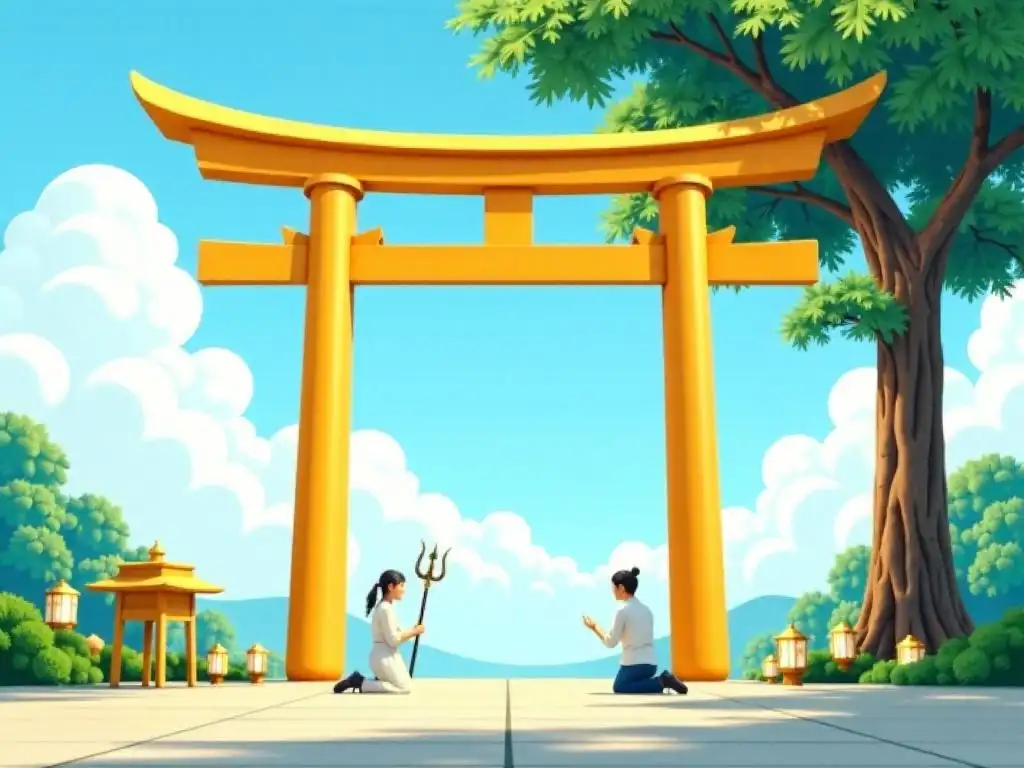
Shinto rituals are fundamental practices that reflect the core beliefs and values of Shinto, Japan's indigenous religion. These rituals are not only acts of worship but also serve as expressions of gratitude towards the kami (deities or spirits) and the natural world. The significance of Shinto rituals in Japanese culture is profound, influencing various aspects of daily life, community events, and personal milestones.
Definition of Shinto Rituals
Shinto rituals, known as shinji (神事), encompass a wide range of ceremonial acts performed to honor the kami. These rituals can be formal or informal, encompassing everything from elaborate ceremonies at shrines to simple household offerings. They are characterized by their intention to purify, celebrate, and connect individuals with the spiritual realm.
At the heart of these practices is the concept of kami, which represents not only gods but also the spiritual essence found in nature, such as mountains, rivers, and even ancestors. The rituals often involve offerings ( misono), prayers ( norito), and purification rites ( harae), all aimed at inviting the kami's presence and favor.
Types of Shinto Rituals in Japanese Culture
Shinto rituals can be categorized into several distinct types, each serving unique purposes and reflecting different facets of life in Japan. Below are the primary categories:
Daily Rituals and Offerings
Daily rituals are integral to many Japanese households and are often practiced as part of a routine. These rituals typically include the following:
- Morning Offerings: Many families begin their day by offering rice, sake, and seasonal fruits to the kami at home altars ( kamidana). This act of gratitude sets a positive tone for the day.
- Purification Rites: Before entering a shrine or participating in a significant event, individuals often engage in purification practices, such as washing hands and rinsing mouths at a temizuya (purification fountain).
- Seasonal Offerings: Families may also make offerings aligned with seasonal changes, celebrating the harvest or the changing of seasons, which deepens their connection to the kami associated with agriculture and nature.
These daily practices highlight the integration of Shinto beliefs into everyday life, reinforcing a sense of community and connection to nature.
Seasonal Festivals (Matsuri)
Matsuri are vibrant and community-centered festivals that celebrate specific kami and seasonal changes. These events typically feature:
- Processions: Many matsuri include elaborate parades with floats, traditional music, and dances, drawing communities together in celebration.
- Offerings and Prayers: During these festivals, offerings are made at shrines, accompanied by prayers for bountiful harvests, health, and prosperity.
- Cultural Performances: Festivals often showcase traditional arts and crafts, reflecting the local culture and history.
For instance, the Gion Matsuri in Kyoto, celebrated throughout July, features a grand procession of floats and is dedicated to appeasing the kami to prevent plagues. Such festivals are crucial for maintaining cultural heritage and fostering community bonds.
Life Cycle Rituals
Life cycle rituals mark significant transitions in an individual's life and are deeply rooted in Shinto beliefs. These include:
- Birth Rituals: Upon the birth of a child, families often perform a purification rite and offer prayers for the child's health and well-being. The child is typically introduced to the kami through a shichigosan ceremony at ages three, five, and seven.
- Coming of Age: The Seijin Shiki ceremony, held on the second Monday of January, celebrates young adults reaching the age of 20, marking their transition into adulthood with blessings and celebrations.
- Weddings and Funerals: Shinto weddings emphasize purity and family unity, while funeral rites focus on honoring the deceased and ensuring their safe passage to the spirit world.
These life cycle rituals not only signify personal milestones but also reinforce the communal and familial ties essential to Japanese culture.
Shinto rituals in Japanese culture are diverse and deeply rooted in the spiritual and natural world. They serve as vital expressions of gratitude, community identity, and continuity of tradition, shaping the way individuals interact with the divine and each other throughout their lives.
Historical Context of Shinto Practices
Origins of Shinto in Ancient Japan
Shinto, often referred to as the "Way of the Gods," has its roots deeply embedded in ancient Japanese history, predating the arrival of Buddhism in the 6th century. The origins of Shinto are intertwined with the animistic beliefs of the Jomon period (approximately 14,000 - 300 BCE), where early Japanese people worshipped natural elements, such as mountains, rivers, and trees, believing they housed spirits known as kami.
The term "Shinto" itself is derived from the Chinese words "shen" (神), meaning "spirit," and "dao" (道), meaning "way" or "path." This synthesis illustrates how Shinto evolved as a distinct religious practice, emphasizing a profound connection to nature and the veneration of ancestors. Over time, the early practices coalesced into a more structured belief system, characterized by rituals and offerings aimed at appeasing and honoring these kami.
Key elements of Shinto's origins include:
- Animism: The belief that all natural objects and phenomena possess a spirit.
- Ritual Practices: Early rituals were often simple, involving offerings of food or objects to kami.
- Shrines: The establishment of shrines, known as jinja, became central to Shinto worship, serving as the physical spaces where kami were believed to reside.
Evolution of Shinto Rituals Throughout Japanese History
As Japan transitioned through various historical periods, Shinto rituals evolved significantly, adapting to the changing social and political landscapes. The Nara (710-794) and Heian (794-1185) periods marked a crucial transformation, where Shinto began to formalize and codify practices.
During these times, the Kojiki (712) and Nihon Shoki (720) were compiled, documenting the mythology and history of Japan and establishing a more defined structure for Shinto beliefs. Key developments in the evolution of Shinto rituals include:
- Integration with Buddhism: The introduction of Buddhism led to a syncretic relationship between the two religions, with many Shinto rituals incorporating Buddhist elements.
- Ritual Formalization: The rise of the Shinto priesthood established more structured rituals, often performed at major festivals and events.
- Cultural Festivals: The emergence of seasonal festivals, such as matsuri, allowed communities to celebrate agricultural cycles and honor kami collectively.
By the time of the Edo period (1603-1868), Shinto had become distinctly recognized as a state-supported religion, leading to the development of state Shinto, which further solidified its role in Japanese identity and culture.
Shinto During the Feudal Era
During the feudal era, particularly from the late Heian period through the Edo period, Shinto played a pivotal role in shaping Japanese culture and society. The feudal system fostered a unique environment where Shinto rituals intertwined with samurai culture, emphasizing loyalty to both the emperor and the kami.
Key aspects of Shinto during this period include:
- Warrior Culture and Shinto: The samurai adopted Shinto rituals as part of their code of ethics, known as bushido. Rituals for purification and offerings to the kami became integral to warrior life, promoting virtues such as honor and bravery.
- Shrine Patronage: Many feudal lords, or daimyō, supported local shrines, contributing to their maintenance and the performance of rituals. This patronage often served as a means to consolidate power and assert authority over their domains.
- Festivals and Community: Shinto rituals during the feudal era were not solely individual practices; they fostered community bonding. Festivals like Aoi Matsuri and Gion Matsuri allowed villages to come together, reinforcing social structures and communal identity.
Overall, Shinto rituals in Japanese culture during the feudal era were not just religious expressions but also significant cultural phenomena that influenced the behavior, identity, and social cohesion of Japanese society. These practices laid the groundwork for the continuing evolution of Shinto and its profound impact on modern Japanese culture.
Key Shinto Rituals and Their Cultural Impact
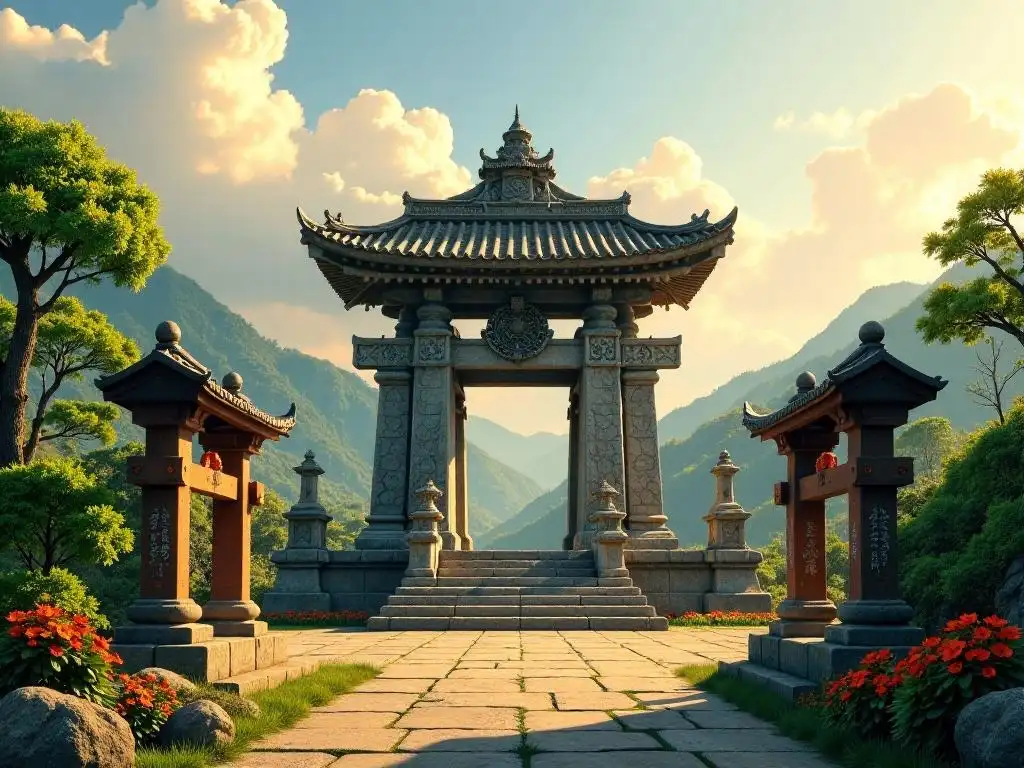
Shinto rituals form the backbone of Japanese cultural identity, influencing various aspects of life from birth to death. These rituals are not merely religious practices; they are integral to the social fabric and cultural expressions of Japan. The significance of Shinto rituals extends beyond the spiritual realm, permeating daily life, festivals, and even art forms.
At the heart of Shinto practice is the relationship between humans and kami (deities or spirits), which is maintained through various rituals. These rituals serve to honor the kami, seek blessings, and ensure harmony between the spiritual and physical worlds. The observance of Shinto rituals fosters a sense of community and shared values, reflecting the deeply rooted traditions of Japanese society.
The Role of Offerings in Shinto Rituals
Offerings, known as shinsen, play a central role in Shinto rituals, symbolizing respect and gratitude towards the kami. They are not simply gifts but are seen as essential elements that nourish the kami and invite their presence during rituals. The act of making offerings is a way to express one's devotion and to seek favor, ensuring the well-being of the individual and the community.
These offerings are typically presented at shrines during ceremonies, festivals, and personal prayers. The preparation and presentation of offerings is a ritualistic act in itself, often conducted with great care and attention to detail. This reflects the broader cultural significance of Shinto rituals in promoting discipline, respect, and mindfulness.
Types of Offerings and Their Meanings
The types of offerings vary, each carrying its unique significance. Here are some of the most common offerings and their meanings:
- Food Offerings: Including rice, fish, fruits, and vegetables, these symbolize sustenance and gratitude for the blessings received.
- Sake: This sacred rice wine is offered to purify the space and invite the kami. It is often consumed in rituals to establish a connection with the divine.
- Sacred Objects: Items like mirrors, swords, or scrolls may be presented as offerings, representing the presence of kami and serving as a focal point for worship.
- Flowers and Plants: Fresh blooms symbolize life, beauty, and transience, reflecting the Japanese appreciation for nature's impermanence.
The offerings are typically arranged on sanbō, a traditional stand, with specific rituals followed for presentation to ensure they are received respectfully by the kami.
The Importance of Purification Rituals (Harae)
Purification rituals, known as harae, hold immense importance in Shinto practices. They are essential for cleansing individuals and spaces from impurities (tsumi) that disrupt the spiritual balance. Harae rituals are not only a fundamental part of Shinto worship but also serve as a metaphor for personal renewal and societal harmony.
Harae can take various forms, including:
- Misogi: This involves ritual washing, often performed in natural bodies of water, symbolizing the cleansing of both body and spirit.
- Chōzu: A purification ritual performed at the entrance of shrines, where worshippers wash their hands and mouth to prepare for prayer.
- Ritual Offerings of Salt: Salt is often used to purify spaces and ward off evil spirits. It is sprinkled at entrances and on offerings to maintain purity.
These purification practices underscore the Shinto belief in the cyclical nature of life and the importance of maintaining a clear and harmonious spirit. They reflect the cultural values of cleanliness, respect for nature, and the need for continual renewal, deeply influencing Japanese customs and societal norms.
Shinto rituals, through their offerings and purification practices, shape not only religious life but also the cultural and social ethos of Japan, reinforcing community bonds and a collective identity.
Festivals (Matsuri) and Their Community Significance
Matsuri, or traditional Japanese festivals, are a vibrant expression of Shinto rituals and are deeply woven into the cultural fabric of Japanese society. These festivals often celebrate seasonal changes, agricultural harvests, and local deities, providing community members with a shared experience that strengthens social bonds and cultivates a sense of identity.
The significance of matsuri extends beyond mere celebration; they serve as a crucial means of expressing gratitude to the kami (gods or spirits) for their blessings, as well as to seek their continued protection and favor. Each festival is typically rooted in local traditions and can vary significantly from one region to another, showcasing the diversity of Shinto practices across Japan.
Community Involvement and Unity
Matsuri are characterized by the active participation of the community, often involving elaborate processions, traditional music, dance, and rituals that have been passed down through generations. Residents come together to prepare for the festivities—decorating shrines, creating floats, and rehearsing performances, which fosters a strong sense of unity and communal pride.
- Roles and Responsibilities: Community members often take on specific roles, such as carrying the mikoshi (portable shrine) or participating in traditional dances. These tasks not only enhance the festival experience but also instill a sense of responsibility and belonging among participants.
- Cultural Transmission: Through participation in matsuri, younger generations learn about their heritage, thereby perpetuating traditional practices and values. This cultural transmission is vital for sustaining the identity of local communities.
Seasonal Celebrations and Agricultural Ties
Many matsuri are closely linked to the agricultural calendar, celebrating the changing seasons and the bounty of the earth. For example, the rice planting festival (Taue Matsuri) marks the beginning of the rice farming season, while harvest festivals (Shuki Matsuri) express gratitude for a successful yield.
- Ritual Offerings: During these festivals, offerings are made to the kami, which may include rice, sake, and fruits. Such offerings symbolize the community’s appreciation and acknowledgment of the divine forces that govern their agricultural fortunes.
- Connection to Nature: Matsuri also highlight the Shinto belief in the sacredness of nature. Festivals often incorporate elements of the surrounding environment, reinforcing the bond between the community and the natural world.
Contemporary Relevance
In contemporary Japan, matsuri continue to play a vital role in community life, although they may adapt to modern influences. While some festivals have retained their traditional forms, others have incorporated contemporary elements, such as modern music and dance, to attract younger audiences.
- Tourism and Cultural Exchange: Many matsuri have become significant tourist attractions, drawing visitors from around the world. This not only helps preserve these traditions by providing financial support but also fosters cultural exchange and understanding.
- Civic Pride and Identity: As communities face challenges from urbanization and globalization, matsuri serve as a reminder of local identity and heritage. They provide an opportunity for residents to come together, celebrate their unique culture, and strengthen community ties.
Matsuri are more than just festivals; they are a vital aspect of Shinto rituals in Japanese culture, emphasizing community involvement, agricultural ties, and the enduring relevance of tradition. Through these celebrations, the Japanese people maintain their connection to the kami, nature, and each other, ensuring that the spirit of Shinto continues to flourish in modern society.
Shinto Deities and Spirits
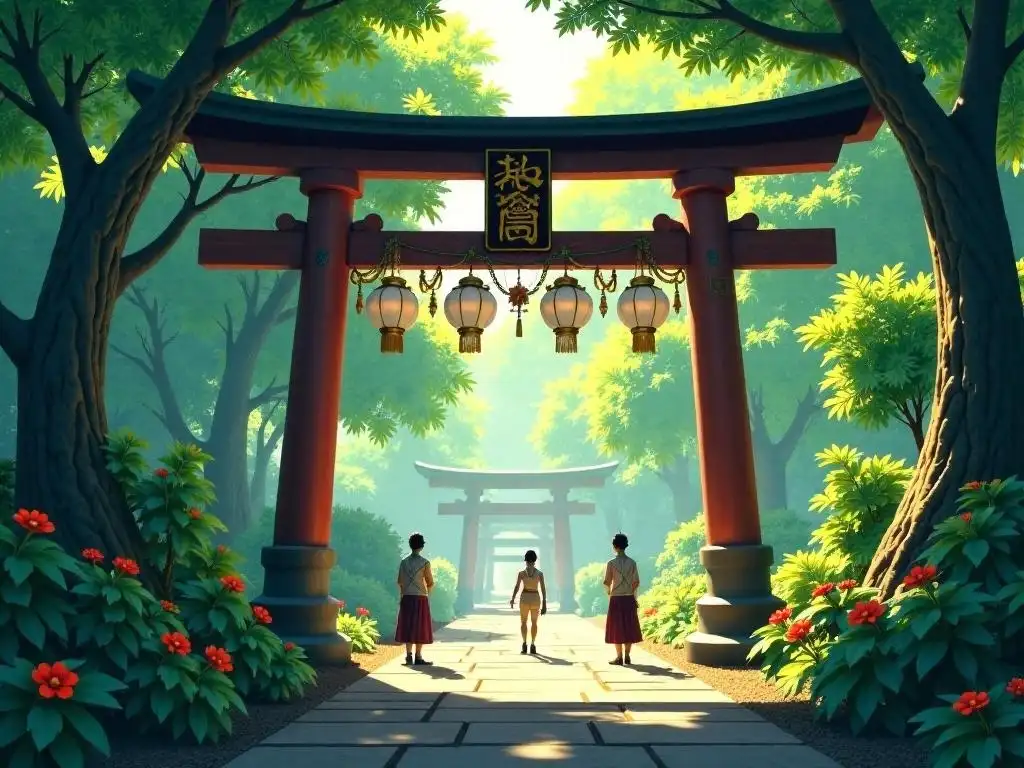
Understanding Kami: The Spirits of Shinto
In Shinto, the indigenous spirituality of Japan, kami are the fundamental spirits or deities that inhabit the natural world. The term "kami" encompasses a wide range of entities, from gods and ancestors to natural phenomena and objects of worship. According to Shinto beliefs, kami are not omnipotent or omniscient; rather, they are revered as powerful beings that can influence human affairs and the environment.
Kami are believed to reside in various aspects of nature, including mountains, rivers, trees, and animals. This connection to nature underscores the Shinto emphasis on harmony with the environment. The concept of kami is deeply embedded in Japanese culture, where rituals and offerings are often made to honor these spirits. For instance, it is common to find shrines (known as jinja) dedicated to specific kami, where individuals or communities engage in practices to seek blessings, protection, and guidance.
The Relationship Between Kami and Japanese Culture
The relationship between kami and Japanese culture is intricate and multi-faceted, influencing various aspects of daily life, festivals, and societal values. Shinto rituals serve as a bridge between the physical world and the spiritual realm, fostering a sense of community and continuity within Japanese society.
- Cultural Practices: Many cultural practices in Japan, such as traditional arts, festivals, and ceremonies, are deeply rooted in the veneration of kami. For example, the Matsuri (festivals) often celebrate the kami associated with local shrines, featuring processions, music, dance, and rituals that embody the community's respect for these spirits.
- Moral and Ethical Values: The reverence for kami contributes to the Japanese ethos of wa (harmony) and respect for nature, which permeates societal interactions. The belief that kami inhabit all aspects of life encourages a sense of stewardship towards the environment and a commitment to maintaining balance in relationships.
- Personal and Family Practices: On a personal level, individuals often engage with kami through household altars (or kamidana), where offerings such as rice, salt, and sake are presented. This practice fosters a direct connection between families and the kami, reinforcing cultural traditions and familial bonds.
Notable Kami and Their Associated Rituals
Several kami are particularly significant within Shinto, each associated with specific rituals that reflect their attributes and the values they represent. Here are a few notable kami and the rituals commonly performed in their honor:
| Kami Name | Associated Rituals | Description |
|---|---|---|
| Amaterasu | Daijosai (Grand Offering Ceremony) | The sun goddess and a central figure in Shinto. This ritual involves offerings made to her during significant events, such as the enthronement of emperors. |
| Inari | Inari Matsuri | The kami of rice and agriculture, celebrated with festivals featuring food offerings and the decoration of shrines with rice stalks, symbolizing abundance and prosperity. |
| Susanoo | Kamakura Matsuri | The storm god, associated with purification rituals. The Kamakura Matsuri includes processions and ceremonial offerings, aimed at seeking protection from natural disasters. |
These rituals are not merely ceremonial; they embody the values of gratitude, respect, and community cohesion. As such, they play a crucial role in perpetuating the cultural heritage of Japan, illustrating the profound influence of Shinto rituals in Japanese culture.
The Role of Shinto Shrines in Japanese Culture
Shinto shrines are not merely places of worship in Japan; they serve as vital centers for cultural identity and societal cohesion. These shrines are deeply embedded in the Japanese landscape, both physically and spiritually, and their influence extends far beyond religious practices to shape Japanese culture and community life.
Architecture and Design of Shinto Shrines
The architecture of Shinto shrines reflects a unique aesthetic that harmonizes with nature, emphasizing simplicity and natural materials. Common elements include:
- Torii Gates: These iconic gates mark the entrance to sacred spaces, symbolizing the transition from the mundane to the sacred. They are often made of wood or stone and vary in design across different regions.
- Honden (Main Hall): This is the most sacred structure within a shrine, housing the kami (spirits or gods) to whom offerings are made. The design of the honden often incorporates a thatched roof, wooden beams, and a raised floor, which connects the building to nature.
- Purification Fountains (Temizuya): Located near the entrance, these fountains allow visitors to cleanse themselves before approaching the kami. This ritual emphasizes purity and respect, fundamental principles in Shinto practices.
The choice of materials—primarily wood and stone—highlights a connection to the natural world, which is a core aspect of Shinto beliefs. The architecture of shrines is intentionally designed to blend into the surrounding environment, reinforcing the belief that nature is sacred.
Significance of Shrine Visits and Rituals
Visiting Shinto shrines is an integral part of Japanese culture, with rituals serving various purposes throughout the year. Key practices include:
- Hatsumode: This is the first shrine visit of the year, where individuals pray for health, prosperity, and good fortune. It is a communal event that fosters a sense of belonging and shared hope among participants.
- Seasonal Festivals (Matsuri): Each shrine hosts festivals that celebrate various kami, aligning with agricultural cycles and local traditions. These festivals often include traditional music, dance, and food, reinforcing community bonds and cultural heritage.
- Life-Cycle Rituals: Shrines play a crucial role in significant life events, such as births (Shichi-Go-San), weddings (Shinto weddings), and funerals (Sōgō). These rituals mark important transitions and are steeped in tradition, connecting individuals to their cultural roots.
Through these practices, shrine visits contribute to the continuity of cultural identity and community values. They provide a space for reflection, celebration, and connection to the past, solidifying the role of Shinto rituals in Japanese culture.
The Connection Between Shrines and Community Identity
Shinto shrines serve as focal points for community identity, embodying local traditions and histories. Their role in fostering a sense of belonging can be seen in several ways:
- Local Patronage: Many shrines are associated with specific communities, often being the site of local legends and ancestral worship. This connection reinforces local identity and pride, as residents participate in shrine activities.
- Cultural Education: Shrines often serve as venues for cultural education, where traditions, stories, and rituals are passed down through generations. This transmission of knowledge is vital for maintaining cultural continuity in a rapidly changing society.
- Civic Engagement: Shrines frequently host community events and gatherings, promoting social cohesion. These activities encourage participation and collaboration among community members, strengthening communal ties.
Shinto shrines are much more than religious structures; they are integral to the fabric of Japanese culture. By understanding the architecture, rituals, and community connections associated with these shrines, one can appreciate how deeply Shinto practices influence Japanese identity and societal structure.
Contemporary Shinto Practices
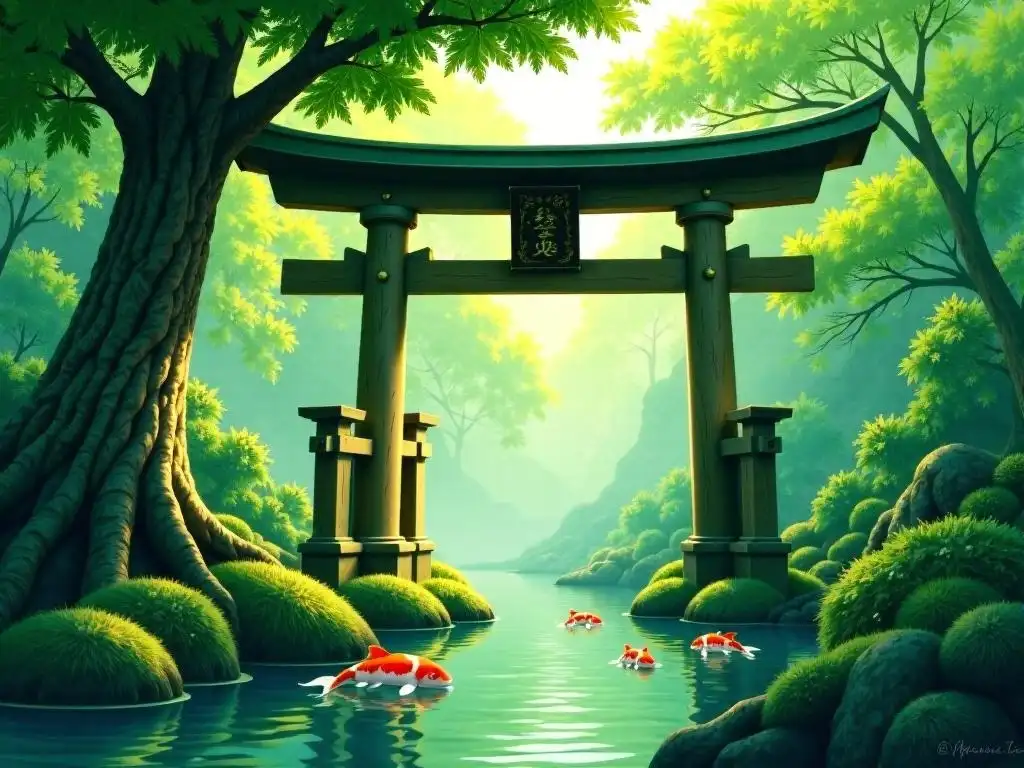
The Revival of Shinto Rituals in Modern Japan
In recent years, there has been a notable revival of Shinto rituals in modern Japan, reflecting both a resurgence of interest in traditional practices and a desire to reconnect with cultural roots. This revival is characterized by various factors, including societal shifts, tourism, and a growing recognition of the spiritual significance of these rituals.
-
Cultural Heritage and Identity
The revival is largely driven by a renewed appreciation for cultural heritage. Many Japanese people are seeking ways to express their identity through traditional practices, leading to increased participation in Shinto rituals, such as shichi-go-san (a rite of passage for children), hatsu-mode (the first shrine visit of the year), and seasonal festivals.
-
Tourism and Global Interest
As Japan garners international attention, tourists are drawn to Shinto shrines and rituals, which has fueled local communities' efforts to preserve and promote these traditions. Many shrines offer special ceremonies for visitors, allowing them to experience Shinto practices firsthand. This interaction not only enriches the visitor experience but also revitalizes local customs.
-
Community Engagement
Local communities are increasingly organizing events that incorporate Shinto rituals, fostering a sense of community spirit. Festivals often blend traditional practices with modern elements, inviting participation from residents and visitors alike. This communal aspect reinforces the importance of Shinto in contemporary society.
Shinto Practices in Everyday Life
Shinto rituals are deeply embedded in the everyday life of many Japanese people, serving as a framework for various occasions and transitions. These practices are often subtle yet significant, influencing daily routines and social interactions.
-
Daily Offerings and Ancestor Worship
It is common for families to maintain small altars (called kamidana) in their homes, where they make daily offerings of rice, salt, and water to their household deities. This practice not only honors the kami but also reinforces familial bonds and respect for ancestors.
-
Ceremonies for Life Events
Shinto rituals are integral to significant life events, such as births, weddings, and funerals. For instance, traditional wedding ceremonies, known as shinzen shiki, involve rituals that symbolize the couple's commitment to each other and their respect for the kami. These rituals are often accompanied by the sharing of sake, highlighting the communal and celebratory nature of Shinto practices.
-
Seasonal Festivals
Seasonal events, such as hanami (cherry blossom viewing) and tanabata (star festival), are celebrated with rituals that connect participants to nature and the changing seasons. These festivals often involve specific offerings and prayers, reflecting the Shinto belief in the spiritual essence of natural phenomena.
The Interplay Between Shinto and Other Religions
The relationship between Shinto and other religions in Japan, particularly Buddhism, is complex and multifaceted. This interplay has shaped the religious landscape of the country, leading to a unique syncretism that influences Shinto practices.
-
Buddhist Influence on Shinto
Since the introduction of Buddhism to Japan in the 6th century, the two religions have often coexisted, with many individuals practicing elements of both traditions. This syncretism is particularly evident in rituals surrounding death and the afterlife, where Buddhist practices often complement Shinto beliefs.
-
Shared Celebrations
Certain festivals and ceremonies incorporate elements from both Shinto and Buddhism, reflecting a harmonious blend of practices. For example, during the Obon festival, which honors deceased ancestors, families may visit both Shinto shrines and Buddhist temples, showcasing the integration of these spiritual traditions.
-
Modern Adaptations
In contemporary Japan, many individuals identify as "non-denominational," drawing on aspects of Shinto, Buddhism, and other spiritual practices to create a personal belief system. This adaptability allows for a fluid interpretation of religious rituals, emphasizing individual spirituality and community ties.
Through these contemporary practices, Shinto rituals continue to shape Japanese culture, providing a framework for understanding life's transitions and fostering connections with both the past and the present. The integration of these rituals into daily life and their interplay with other religions highlight their enduring relevance in modern society.
Conclusion: The Enduring Legacy of Shinto Rituals in Japanese Culture
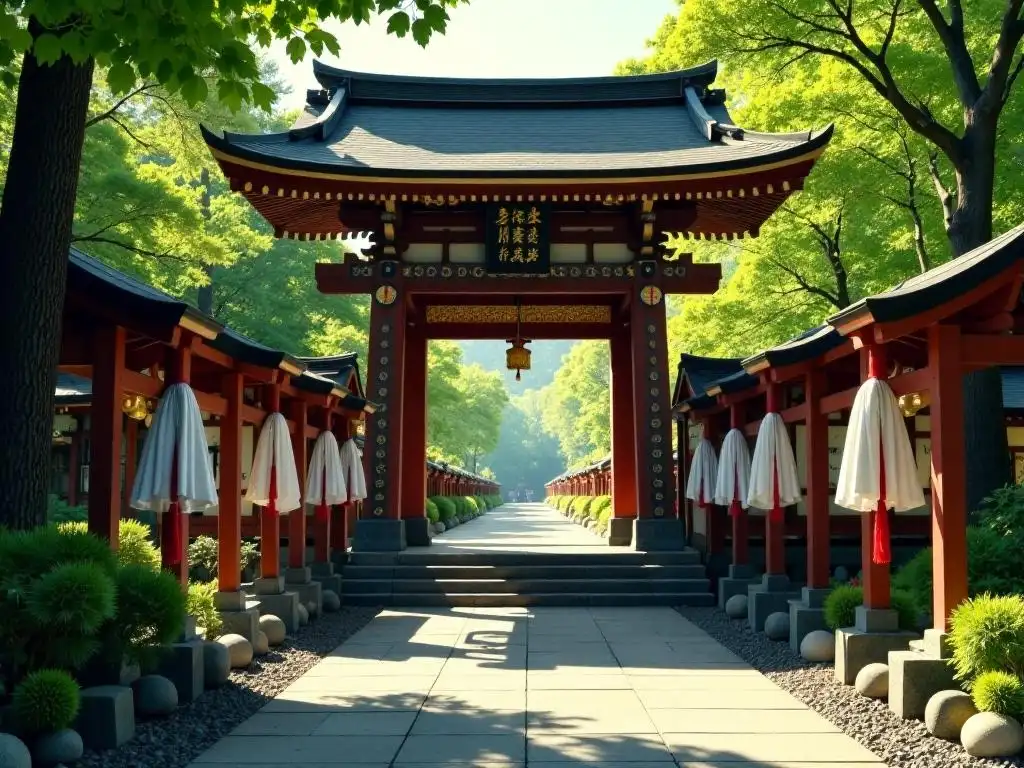
Shinto rituals in Japanese culture have long served as a foundation for the nation’s identity, influencing everything from social norms to artistic expressions. These rituals encapsulate the spiritual beliefs and values of the Japanese people, forging a deep connection between individuals and their ancestral heritage. The legacy of Shinto can be observed in various aspects of daily life, from seasonal festivals to personal milestones, illustrating its role as a guiding force in the Japanese experience.
The integration of Shinto practices into the fabric of Japanese society is evident in how communities come together to celebrate life events. Ceremonies such as Shichi-Go-San (七五三), which honors the growth of children at the ages of three, five, and seven, highlight the cultural significance of these rituals. These events foster a sense of belonging and continuity, emphasizing the importance of family and community in Japanese life.
Shinto as a Unifying Cultural Force
Shinto rituals serve not only as spiritual practices but also as a unifying cultural force within Japan. Through festivals (matsuri), ceremonies, and rites of passage, these rituals reinforce social ties and shared values among communities. The matsuri, often centered around a local shrine, brings together people of all ages, creating a vibrant tapestry of communal engagement that celebrates local deities and cultural heritage.
- Cultural Festivals
- Gion Matsuri (祇園祭): Held in Kyoto, this month-long festival is one of Japan's most famous, characterized by its stunning floats and traditional performances.
- Aoi Matsuri (葵祭): Celebrated in May, this festival features a procession that recreates ancient court rituals, emphasizing the historical significance of Shinto practices.
- Rituals for Life Events
- Mizuko Kuyō (水子供養): A ritual for mourning children who have died before their parents, reflecting the deep emotional connections and respect for life within Shinto beliefs.
- Hatsu-mode (初詣): The first shrine visit of the New Year, where individuals pray for health and prosperity, illustrating the ongoing relevance of Shinto in contemporary Japanese life.
The adaptability of Shinto rituals to modern contexts—whether through new interpretations or by incorporating contemporary themes—demonstrates their enduring relevance. As such, they continue to resonate deeply with the Japanese populace, bridging generational gaps and fostering a shared cultural identity.
Future of Shinto Rituals in Japanese Society
The future of Shinto rituals in Japanese society appears promising, as there is a growing recognition of their importance in maintaining cultural continuity. While Japan faces challenges such as urbanization and globalization, many communities are actively seeking ways to preserve and revitalize these traditions.
- Integration with Modern Life
- Shinto rituals are increasingly being adapted to fit the lifestyles of younger generations. For example, the incorporation of technology in shrine visits allows for virtual participation, ensuring accessibility while preserving cultural significance.
- Educational programs focusing on Shinto practices are being introduced in schools, fostering awareness and appreciation of Japan's spiritual heritage among youth.
- Global Interest in Shinto
- As global interest in Japanese culture continues to rise, Shinto rituals are gaining attention beyond Japan's borders. This interest can lead to cultural exchanges that not only celebrate Shinto but also educate others about its principles and practices.
- Environmental Awareness
- Recent trends show a growing emphasis on nature conservation within Shinto practices. As environmental issues become more pressing, rituals emphasizing harmony with nature may gain prominence, reflecting the Shinto belief that kami (spirits) inhabit natural elements.
Shinto rituals in Japanese culture not only reflect historical and spiritual traditions but also adapt and thrive in contemporary society. By embracing both their past and future, Shinto practices will continue to shape the cultural landscape of Japan for generations to come.
References and Further Reading on Shinto Rituals in Japanese Culture
Understanding the complexities of Shinto rituals in Japanese culture requires access to a variety of scholarly resources. Below are meticulously curated references that provide in-depth insights into Shinto practices, their historical context, and their ongoing significance in Japanese society.
Suggested Books and Articles
- "Shinto: The Kami Way" by Sokyo Ono
- This foundational text explores the principles of Shinto and its rituals. Ono’s clear explanations of kami (gods) and the importance of rituals provide a solid basis for understanding their role in Japanese culture.
- "The Essence of Shinto: Japan's Spiritual Heart" by Nobutaka Inoue
- Inoue delves into the spiritual and cultural aspects of Shinto. This book presents an engaging narrative on how rituals connect with the everyday lives of the Japanese people.
- "Shinto Rituals and Festivals" by John Breen and Mark Teeuwen
- This comprehensive guide offers detailed descriptions of various Shinto rituals and festivals, emphasizing their social and cultural significance. The authors provide rich context and analysis of festival practices across Japan.
- "Ritual and Power in the Japanese Context" by Robert J. Smith
- This scholarly article examines the intersection of ritual and authority in Japan, focusing particularly on Shinto’s role in legitimizing power structures throughout history.
- "Celebrating Japan's Festivals: A Look into Shinto Rituals" by Yoko Tanaka
- Tanaka’s work offers an overview of major Shinto festivals, highlighting how these events foster community and cultural identity, while also exploring their religious underpinnings.
Online Resources for Exploring Shinto Practices
- National Shrine of Japan (Jinja Honcho)
- Jinja Honcho provides a wealth of information about Shinto shrines and rituals. It features articles, guidelines, and event calendars related to Shinto practices.
- The Shinto Online Project
- This website serves as a hub for research on Shinto, featuring a variety of articles, interviews with scholars, and resources for further exploration of Shinto rituals in Japanese culture.
- YouTube Channels on Japanese Culture
- Channels such as "Abroad in Japan" and "Only in Japan" frequently cover topics related to Shinto rituals, providing visual insights into these practices and their cultural contexts.
- Academia.edu
- A platform for researchers and scholars to share papers, where you can find various studies on Shinto rituals. Use keywords like “Shinto rituals in Japanese culture” for targeted searches.
- The Japan Foundation
- The Japan Foundation often hosts seminars and produces materials that discuss Shinto and its influence on Japanese culture. Their website provides access to reports and publications.
By utilizing these resources, readers can deepen their understanding of Shinto rituals in Japanese culture, exploring both the historical frameworks and the contemporary practices that continue to shape Japan today.
Frequently Asked Questions
What are Shinto rituals?
Shinto rituals are traditional ceremonies in Japan that involve offerings and prayers to kami (spirits). These rituals play a significant role in Japanese culture, reflecting the beliefs and values of the society.
How do Shinto rituals influence Japanese culture?
Shinto rituals influence Japanese culture by instilling a sense of community and identity. They encourage respect for nature and ancestors, shaping social norms and practices throughout Japanese history.
What types of offerings are made during Shinto rituals?
During Shinto rituals, offerings can include rice, sake, salt, and seasonal foods. These offerings are presented to kami as a sign of respect and gratitude, reinforcing the connection between humans and the spiritual world.
How are Shinto rituals integrated into daily life in Japan?
Shinto rituals are integrated into daily life through practices like purification and seasonal festivals. Many Japanese people visit shrines regularly, especially during significant life events like weddings and New Year's celebrations.
Are Shinto rituals exclusive to a specific region in Japan?
No, Shinto rituals are practiced nationwide across Japan. While specific customs may vary by region, the core beliefs and practices are widely recognized, making them a fundamental aspect of Japanese culture.
Final Reflection: The Enduring Legacy of Shinto Rituals in Japanese Culture
Shinto rituals in Japanese culture are not merely remnants of the past; they are vibrant threads woven into the fabric of contemporary society. As we navigate a world increasingly marked by globalization and technological advancement, the significance of these rituals becomes even more pronounced. They serve as a reminder of our connection to nature, community, and the spiritual realm, urging us to pause and reflect on our place within the universe. In an age where many seek meaning and identity, the enduring practices of Shinto offer a profound sense of belonging and continuity.
Culturally, Shinto rituals have shaped not only individual lives but also the collective consciousness of Japan. They influence everything from seasonal festivals to personal milestones, creating a rich tapestry of traditions that resonate deeply within the hearts of the Japanese people. The beauty of these rituals lies in their ability to foster a sense of unity and purpose. As noted by cultural anthropologist Yanagita Kunio, The essence of Japanese culture is found in the simple yet profound connection to the kami, the spirits that inhabit our world.
This connection transcends generations, reminding us that we are part of something greater than ourselves.
As we reflect on the lessons imparted by Shinto practices, let us take a moment to consider how we can integrate these values into our own lives. Embrace the rituals that resonate with you, whether they are rooted in your own culture or inspired by others.
By honoring traditions and creating our own meaningful practices, we can cultivate a deeper appreciation for the world around us and foster connections with those we share our lives with. In doing so, we not only enrich our own experiences but also contribute to the vibrant tapestry of cultural heritage that shapes our collective future.
Embrace the Spirit: Dive Deeper into Shinto Practices!
Thank you for exploring the profound connection between Shinto rituals and Japanese culture with us! Your curiosity enriches our understanding and appreciation of these timeless traditions. Now, it’s time to take action and deepen your engagement with these compelling practices.
- Participate in a local Matsuri: Seek out a Shinto festival in your area to experience the vibrant culture firsthand. Engaging with the community and immersing yourself in the atmosphere can be a truly enriching experience!
- Create your own mini-altar: Set up a small, dedicated space in your home for daily offerings or reflections. This is a wonderful way to bring the essence of Shinto into your everyday life.
- Share your journey: Connect with friends or online communities interested in Japanese culture. Share what you’ve learned and encourage discussions about the significance of rituals and their meanings.
What aspects of Shinto practices resonate with you the most, and how might you incorporate them into your daily life? We invite you to share your thoughts!