
Unearthing the Samurai Code: Tours Focused on Bushido and Its Impact


Welcome to Feudal Japan History! Here, we invite you to embark on a fascinating journey through the rich tapestry of Japan’s feudal era. Delve into the lives of the samurai and discover the profound influence of Bushido—the code that shaped their honor and conduct.
In our featured article, "Unearthing the Samurai Code: Tours Focused on Bushido and Its Impact," we unveil unique travel experiences that immerse you in this legendary ethos. Are you ready to explore the soul of Japan’s past? Join us as we uncover the secrets of Bushido tours and ignite your curiosity about the cultural heritage that still resonates today.
- Introduction to Bushido and Its Significance in Feudal Japan
- Overview of Bushido Tours in Japan
- Top Bushido Tours in Japan: A Comparative Analysis
- Thematic Elements of Bushido Tours
- The Impact of Bushido on Japanese Culture and Society
- Tips for Choosing the Best Bushido Tour in Japan
- Conclusion: Embracing the Spirit of the Samurai Through Tours
- Call to Action: Book Your Bushido Tour Today!
- Frequently Asked Questions
- Final Reflection: Embracing the Spirit of Bushido in Modern Life
- Embrace the Spirit of Bushido: Take Action Today!
Introduction to Bushido and Its Significance in Feudal Japan
The history of Japan's feudal era is intricately woven with the principles and practices of Bushido, the code of conduct that guided the samurai class. This comprehensive exploration delves into the essence of Bushido, which embodies loyalty, honor, and martial prowess, forming the backbone of samurai culture.
Understanding Bushido is not just about appreciating its historical significance; it also opens up pathways for unique experiences, such as Bushido tours in Japan, where travelers can immerse themselves in the values and traditions that shaped Japanese society. As we uncover the layers of this ancient code, we will explore its origins, its profound impact on feudal Japan, and its enduring relevance in contemporary Japan.
Understanding Bushido: The Way of the Samurai
Bushido, often translated as "The Way of the Warrior," is a philosophical and ethical framework that governs the behavior of samurai. Rooted in Confucianism, Buddhism, and Shinto, Bushido emphasizes virtues such as:
- Loyalty: Devotion to one's lord and comrades.
- Honor: Maintaining personal and familial reputation.
- Courage: The bravery to face adversity and danger.
- Compassion: A duty to protect and care for others.
This code was not merely a set of rules; it was a way of life that dictated how samurai interacted with each other and society at large. Understanding these elements provides insight into the samurai's motivations and actions during Japan's tumultuous feudal period.
The Historical Context of Samurai Culture
The samurai emerged during the late 12th century, becoming the military elite of feudal Japan. As political instability characterized the era, these warriors rose to power, serving as vassals to feudal lords (daimyos). The historical context of this period saw:
- Rise of the Shogunate: The establishment of military governments that ruled Japan.
- Social Hierarchy: The samurai occupied a privileged position within the rigid class system.
- Cultural Flourishing: The samurai's influence extended beyond warfare to arts, literature, and philosophy.
During this time, Bushido became increasingly codified, shaping the identity of the samurai and reinforcing their roles as both warriors and custodians of culture. Numerous historical accounts, including the famous Hagakure and The Book of Five Rings, offer insights into the principles and practices of Bushido, illustrating its significance in the fabric of feudal Japan.
Importance of Bushido in Modern Japanese Society
Although the samurai class dissolved in the late 19th century with the Meiji Restoration, the ideals of Bushido continue to resonate in modern Japanese society. Today, Bushido is reflected in various aspects of life, including:
- Martial Arts: Traditional disciplines like kendo and judo emphasize the principles of Bushido.
- Business Ethics: Concepts of loyalty and honor influence corporate culture and practices.
- Cultural Identity: The samurai spirit is celebrated in literature, film, and popular culture.
Bushido tours in Japan not only educate participants about these historical values but also connect them to the modern manifestations of samurai ideals. By exploring ancient castles, shrines, and museums, tourists gain a deeper appreciation for the lasting impact of Bushido on Japan's national identity.
The exploration of Bushido provides a window into the values that shaped feudal Japan and continue to influence contemporary society, making it a vital topic for understanding the country’s rich cultural heritage.
Overview of Bushido Tours in Japan
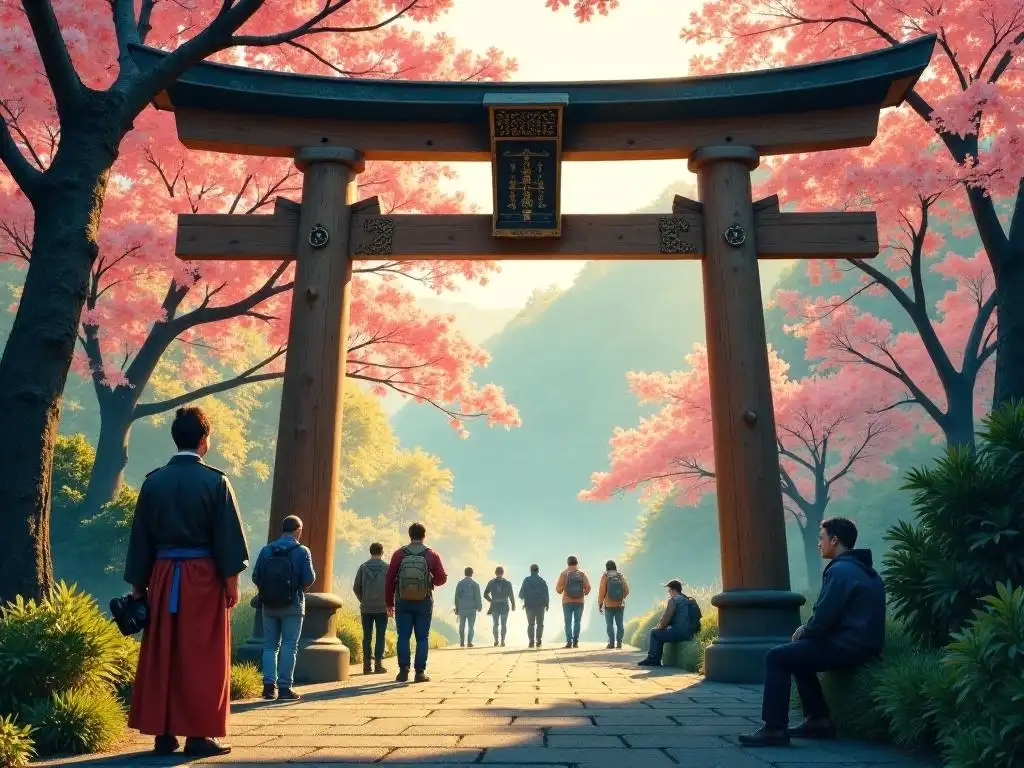
Bushido tours in Japan offer a unique opportunity for travelers to immerse themselves in the rich heritage of the samurai and the ethical code that guided their lives. These tours not only explore the historical aspects of the samurai but also delve into the philosophical underpinnings of Bushido—often translated as "the way of the warrior." Participants can expect a blend of historical narratives, cultural experiences, and interactive activities that provide a deeper understanding of this influential code.
What Are Bushido Tours?
Bushido tours are specialized travel experiences designed to educate participants about the principles of Bushido and the samurai way of life. These tours typically include visits to significant historical sites, such as:
- Samurai Castles: Explore the grand architecture and strategic significance of castles like Himeji and Matsumoto.
- Historic Battlefields: Visit key locations where legendary samurai battled, such as Sekigahara, to learn about their tactics and valor.
- Temples and Shrines: Understand the spiritual aspects of Bushido by visiting places like the Tosho-gu Shrine, dedicated to Tokugawa Ieyasu.
Each tour is led by knowledgeable guides, often historians or cultural experts, who provide detailed insights into the samurai's ethos, including loyalty, honor, and discipline.
Key Features of Bushido-Themed Tours
Bushido-themed tours are characterized by several key features that enhance the overall experience:
- Interactive Workshops:
- Participants may engage in activities such as Kendo (Japanese fencing) or Iaido (the art of drawing a sword), providing a hands-on understanding of the martial skills practiced by samurai.
- Calligraphy sessions to learn about the art of writing kanji characters that embody Bushido principles.
- Cultural Immersion:
- Visitors can experience traditional tea ceremonies and Ikebana (flower arranging), both of which reflect the aesthetic values held by samurai.
- Opportunities to wear traditional samurai armor or clothing, allowing participants to feel connected to the historical context.
- Expert-Led Tours:
- Guides with expertise in Japanese history and cultural studies, ensuring an enriching experience filled with stories and anecdotes.
- Small group sizes to facilitate personalized attention and in-depth discussions.
- Authentic Cuisine:
- Enjoy meals that reflect the samurai diet, often featuring seasonal ingredients and traditional cooking methods, enhancing the cultural experience.
Benefits of Participating in Bushido Tours
Participating in Bushido tours offers numerous benefits:
- Deeper Understanding of Japanese Culture: Travelers gain insights into the values and beliefs that shaped Japan's feudal period, fostering appreciation for its history.
- Connection with History: Visiting historical sites provides a tangible connection to the past, allowing participants to visualize the lives of the samurai.
- Personal Growth: Engaging with the tenets of Bushido can inspire participants to reflect on their own values, such as integrity, respect, and perseverance.
- Unique Travel Experience: These tours offer an alternative to traditional sightseeing, focusing on educational and experiential elements that create lasting memories.
Overall, Bushido tours in Japan provide an enriching experience that transcends typical travel, inviting participants to explore the profound legacy of the samurai and the enduring influence of Bushido in modern Japanese society.
Top Bushido Tours in Japan: A Comparative Analysis
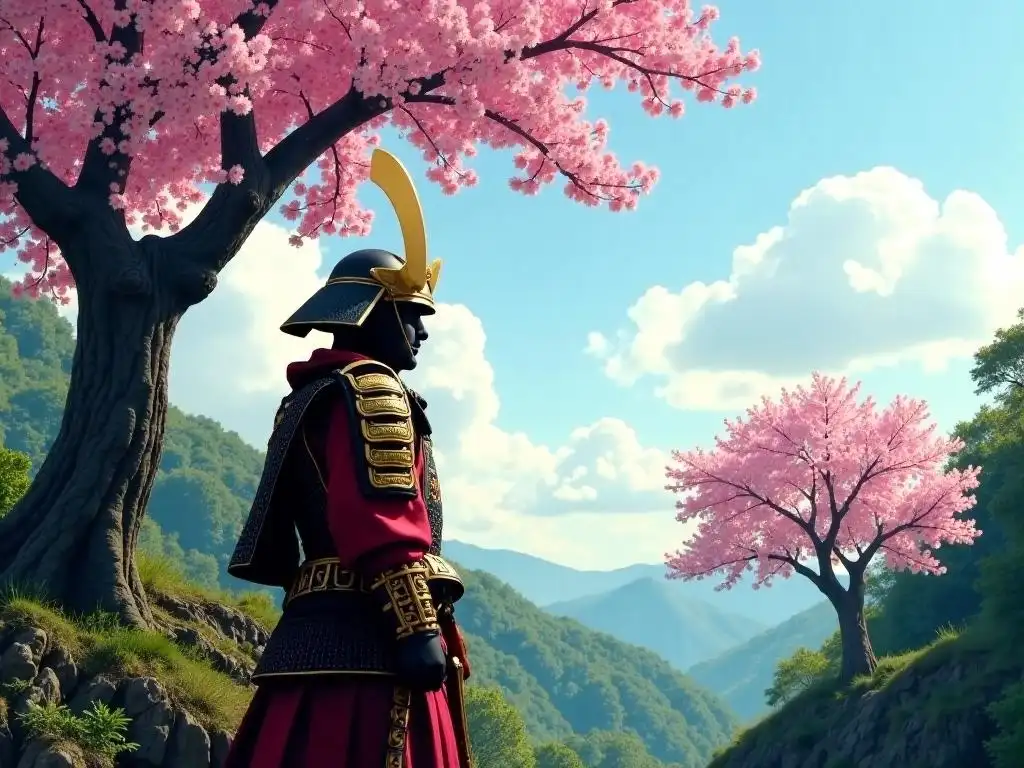
Tour 1: Samurai Experience Tour in Kyoto
Overview and Features
The Samurai Experience Tour in Kyoto is a meticulously crafted journey that immerses participants in the rich heritage of the samurai era. This tour typically lasts a full day and begins at the historic Nijo Castle, where visitors can witness the architectural grandeur that once housed the shogunate. Participants don traditional samurai attire, allowing them to feel the weight of history as they traverse the ancient streets of Kyoto.
Key features of this tour include:
- Guided historical narratives by expert guides.
- Opportunities to engage in archery, a skill deeply rooted in samurai training.
- Visits to significant historical sites, such as Kinkaku-ji (the Golden Pavilion).
Cultural Activities Included
The tour is rich in cultural activities, providing a hands-on experience of samurai life. These activities may encompass:
- Kenjutsu classes, where participants learn the art of the sword.
- Tea ceremonies that highlight the spiritual aspects of samurai culture.
- Traditional martial arts demonstrations showcasing the skills of trained practitioners.
Pricing and Booking Information
Pricing for the Samurai Experience Tour in Kyoto typically ranges from ¥15,000 to ¥25,000 per person, depending on the inclusions and time of year. This price generally covers:
- All entrance fees to historical sites.
- Rental of samurai attire.
- Instructional sessions in martial arts or archery.
Bookings can be made through various travel platforms or directly through the tour operator’s website, with options for both group and private sessions.
Pros and Cons of the Samurai Experience Tour
Pros:
- Immersive experience with knowledgeable guides.
- Opportunity to wear authentic samurai attire.
- Engaging activities that cater to a wide range of interests.
Cons:
- Higher price point compared to other tours.
- Limited availability during peak tourist seasons.
Tour 2: Ninja and Samurai Adventure in Nara
Overview and Features
The Ninja and Samurai Adventure in Nara offers a unique twist by combining elements of both samurai and ninja cultures. This full-day tour takes place in the historic city of Nara, known for its ancient temples and serene landscapes. Participants engage in activities that illustrate the contrasting yet complementary worlds of these two warrior classes.
Key features include:
- A visit to Todai-ji Temple, home to the Great Buddha statue.
- Interactive sessions that explore the stealth tactics of ninjas alongside samurai combat skills.
Unique Experiences Offered
This tour stands out with its blend of experiences, such as:
- Ninja training sessions, where participants learn stealth techniques and throwing stars (shuriken).
- Role-playing games that simulate historical battles between samurai and ninja.
- Evening experiences that may include nighttime stealth missions, enhancing the thrill of the adventure.
Pricing and Booking Information
The price for the Ninja and Samurai Adventure typically starts around ¥18,000, with variations depending on the package selected. The cost usually encompasses:
- All activity fees.
- Ninja attire rental.
- Lunch featuring traditional Japanese cuisine.
Reservations can be made via the tour operator's website, with family-friendly options available.
Pros and Cons of the Ninja and Samurai Adventure Tour
Pros:
- Unique opportunity to explore both samurai and ninja cultures.
- Engaging and interactive activities designed for all ages.
- Beautiful natural surroundings of Nara enhance the experience.
Cons:
- May not be as historically focused as other samurai tours.
- Some activities may be less suitable for very young children.
This analysis of the Bushido tours in Japan highlights the best options for those seeking to delve into the samurai era through immersive experiences. Whether you choose the historical depth of Kyoto or the adventurous spirit of Nara, both tours offer unique insights into Japan's feudal past while catering to diverse interests.
Tour 3: Historical Samurai Trails in Edo Period Tokyo
Overview and Features
The Historical Samurai Trails tour offers an immersive journey through the heart of Edo Period Tokyo, showcasing the rich legacy of the samurai class. Participants will explore neighborhoods that were once bustling with samurai activity, such as Asakusa and Yanaka, while delving into the historical significance of these areas. The tour typically includes visits to ancient temples, shrines, and other landmarks that played pivotal roles in samurai history.
Key features of this tour include:
- Guided Walks: Led by knowledgeable historians or expert guides, participants will gain insights into the customs and lifestyles of samurai.
- Cultural Activities: Engaging experiences such as traditional tea ceremonies or martial arts demonstrations may be included to enrich understanding.
- Historical Context: Throughout the tour, guides will provide detailed narratives about the Edo Period, emphasizing the samurai's impact on Japanese culture and society.
Immersive Experiences and Historical Insights
What sets the Historical Samurai Trails apart is its focus on immersive experiences that bring history to life. Participants will have the chance to:
- Visit Key Historical Sites: Explore locations like the Tokyo National Museum, which houses artifacts from the samurai era, and the iconic Senso-ji Temple.
- Engage in Traditional Practices: Experience samurai training techniques or participate in a kendo session, allowing visitors to physically connect with the samurai spirit.
- Storytelling Sessions: Enjoy stories of famous samurai warriors, their battles, and the code of honor they lived by, which helps to contextualize the samurai's role in shaping Japan's history.
These experiences not only offer a glimpse into the samurai's world but also foster a deeper appreciation for Japan's feudal past.
Pricing and Booking Information
Pricing for the Historical Samurai Trails tour generally varies based on the season and group size. Expect to pay approximately:
- Individual Ticket: ¥8,000 to ¥12,000 (around $75 to $112) for a full-day tour.
- Group Discounts: Available for groups of ten or more, which can reduce the cost by up to 15%.
- Private Tours: These can be arranged for a premium price, starting at ¥20,000 (approximately $187) for a personalized experience.
Bookings can typically be made through the tour operator's website or through local tourism offices. Advance reservations are encouraged, particularly during peak tourist seasons.
Pros and Cons of the Historical Samurai Trails Tour
Before embarking on the Historical Samurai Trails tour, it’s important to consider both its advantages and potential drawbacks.
Pros:
- In-Depth Knowledge: Participants gain a thorough understanding of samurai culture through expert-led discussions.
- Cultural Immersion: The hands-on activities provide unique insights into traditional Japanese practices.
- Scenic Routes: The tour often takes participants through picturesque neighborhoods, enhancing the overall experience.
Cons:
- Physical Demand: The tour involves a significant amount of walking, which may not be suitable for everyone.
- Weather Dependent: Outdoor activities can be affected by inclement weather, potentially impacting the experience.
- Limited Availability: As a specialized tour, it may not be available year-round, and advanced booking is required.
The Historical Samurai Trails tour is a captivating way to engage with Japan's samurai heritage, offering both educational and experiential elements for tourists interested in this pivotal era.
Thematic Elements of Bushido Tours
Bushido tours in Japan are not merely travel excursions; they are immersive experiences that delve deep into the ethos of the samurai and the principles of Bushido. These tours encompass a variety of thematic elements that offer travelers a unique perspective on Japan's feudal history and the enduring legacy of the samurai.
Cultural Immersion: Learning the Samurai Arts
Bushido tours provide participants the opportunity to engage directly with the cultural practices that defined the samurai way of life. This section explores two key components of these cultural experiences.
Traditional Martial Arts Classes
One of the highlights of Bushido tours is the chance to participate in traditional martial arts classes. Visitors can learn various forms of martial arts that were historically practiced by samurai, including:
- Kendo: The "way of the sword," where participants engage in fencing with bamboo swords.
- Iaido: The art of drawing the sword, focusing on the smooth, controlled movements of unsheathing and cutting.
- Naginata: A polearm weapon discipline that combines techniques from both sword and spear fighting.
These classes are often held in authentic dojos, providing a genuine environment where students can appreciate the discipline and philosophy behind each martial art. For instance, participants not only learn techniques but also the historical context and the samurai's mental approach to combat, fostering a deeper appreciation for the martial arts as an art form.
Calligraphy and Tea Ceremony Experiences
Beyond martial arts, Bushido tours often include cultural activities such as calligraphy and tea ceremonies. These practices reflect the samurai's connection to the arts and their dedication to precision and mindfulness.
- Calligraphy (Shodo): Participants can try their hand at this traditional art form, learning to write kanji characters with brush and ink. This experience emphasizes patience, focus, and the beauty of simplicity, mirroring the samurai's aesthetic values.
- Tea Ceremony (Chanoyu): The intricate rituals of the tea ceremony allow tourists to understand the samurai’s appreciation for hospitality, nature, and tranquility. Guests participate in a meticulously choreographed process that honors the tea, the utensils, and the space, embodying the spirit of harmony and respect.
These immersive experiences cultivate a holistic understanding of the samurai's cultural practices, enriching the overall Bushido tour experience.
Exploring Samurai Heritage Sites
Another crucial aspect of Bushido tours is the exploration of historical sites that are significant to the samurai legacy. This segment highlights two major components of these explorations.
Significant Locations Linked to Samurai History
Tourists on Bushido tours often visit significant locations that are steeped in samurai history. These include:
- Kamakura: Once the political center of the samurai, this city boasts temples such as Hase-dera and the Great Buddha, showcasing the spiritual side of the samurai era.
- Hiroshima: Home to Hiroshima Castle, which offers insights into the defensive strategies and architectural prowess of the samurai.
Many of these sites provide guided tours that offer historical context, anecdotes, and tales of legendary samurai, making the experience both educational and engaging.
Guided Tours of Historic Castles and Temples
A highlight of Bushido tours is the guided visits to historic castles and temples that served as strongholds and spiritual centers for the samurai. These tours often include:
- Nijo Castle: Located in Kyoto, this UNESCO World Heritage site is an excellent example of samurai architecture and features beautiful gardens that reflect the aesthetics valued by the samurai.
- Himeji Castle: Known as the "White Heron Castle," it stands as one of Japan's most magnificent castles, showcasing the defensive strategies and elaborate designs favored by samurai lords.
Guides typically share stories of famous samurai who lived there, along with insights into the political and social dynamics of the time. This historical narrative enriches the visitor experience, creating a vivid connection to the past.
Bushido tours in Japan offer a multifaceted exploration of samurai culture and history, blending martial arts, traditional arts, and visits to heritage sites. These tours provide travelers with a profound appreciation for the samurai code and its lasting impact on Japanese society.
The Impact of Bushido on Japanese Culture and Society

The concept of Bushido, often translated as “the way of the warrior,” has profoundly influenced Japanese culture and society throughout history. Rooted in the samurai ethos, Bushido encompasses a set of moral principles and codes of conduct emphasizing honor, loyalty, courage, and self-discipline. This ethical framework not only guided the actions of samurai but also permeated various aspects of Japanese life, shaping societal norms and cultural expressions.
How Bushido Influences Modern Japanese Values
The influence of Bushido extends beyond the confines of the feudal era into contemporary Japan. Many modern Japanese values can be traced back to the principles established by Bushido. For instance:
- Honor and Loyalty: In both personal and professional relationships, the concepts of honor and loyalty remain paramount. Japanese people often prioritize group harmony and loyalty to their community, family, and employers, reflecting the samurai's commitment to their lord.
- Courage and Self-Discipline: The samurai's emphasis on courage and self-discipline can be seen in various aspects of modern life, from the rigorous training in martial arts to the disciplined work ethic prevalent in Japanese society.
- Respect for Nature: The samurai's connection to nature and the spiritual aspects of their practice fostered a deep respect for the environment, evident today in Japan’s cultural practices such as tea ceremonies and traditional gardening.
In addition, the legacy of Bushido is alive in Japan’s educational and social systems. Students are taught the importance of integrity, perseverance, and respect for others, mirroring the virtues upheld by the samurai. This enduring influence prompts many to seek Bushido tours in Japan to gain insights into these values and their historical roots.
The Role of Samurai in Shaping Japanese Identity
The samurai class played a crucial role in shaping Japan's national identity, influencing not only governance but also cultural and artistic developments. Samurai warriors were more than just fighters; they were also patrons of the arts, scholars, and philosophers. This multifaceted role contributed significantly to Japan's unique cultural heritage.
- Governance and Law: Samurai were instrumental in establishing the feudal system and maintaining law and order during the Kamakura and Muromachi periods. Their commitment to the code of Bushido defined the rules of engagement and conduct, setting standards for justice and loyalty that resonate in modern governance.
- Cultural Contributions: The samurai patronized various art forms, including poetry, painting, and tea ceremonies. The aesthetic principles derived from Bushido, such as simplicity and elegance, have left a lasting impact on Japanese aesthetics. For example, the tea ceremony embodies the spirit of harmony and respect central to Bushido.
- Spiritual Influence: The samurai's integration of Zen Buddhism into their lives further shaped Japanese identity. Zen teachings emphasized mindfulness and self-awareness, qualities that are still valued today. This spiritual dimension of samurai culture encourages a reflective approach to life, influencing modern Japanese philosophy.
- Symbol of National Pride: The samurai legacy is celebrated in literature, film, and popular culture, serving as a symbol of national pride and resilience. This romanticized view of the samurai continues to captivate both locals and tourists, leading many to embark on Bushido tours in Japan to explore the historical sites and stories associated with these legendary warriors.
The samurai's impact on Japanese culture and society is profound and enduring. By understanding the principles of Bushido and the role of samurai, one can appreciate the intricacies of modern Japanese values and identity, making Bushido tours an enriching experience for those interested in the rich tapestry of Japan's feudal past.
Tips for Choosing the Best Bushido Tour in Japan
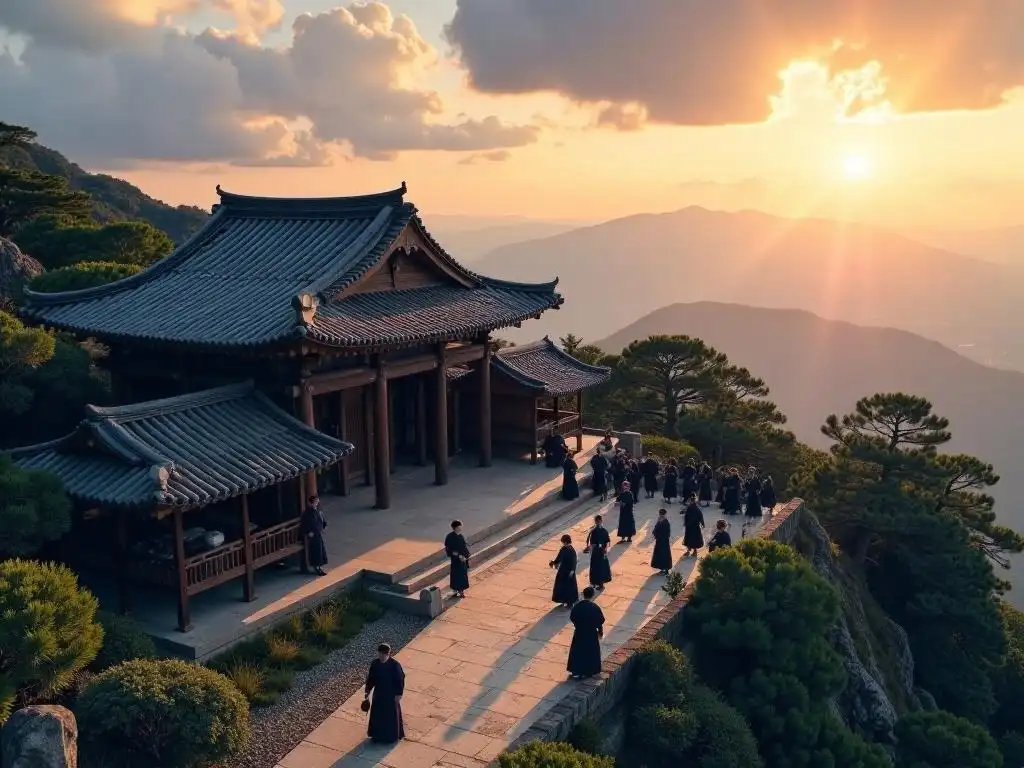
Embarking on a Bushido tour in Japan is a unique opportunity to immerse yourself in the rich history and culture of the samurai. However, with numerous options available, selecting the best tour can be challenging. Here are some essential tips to help you make an informed decision.
Factors to Consider When Selecting a Tour
When evaluating various Bushido tours in Japan, consider the following factors to ensure a fulfilling experience:
Duration, Activities, and Budget
- Duration of the Tour:
- Tours can range from half-day experiences to multi-day excursions. For a more profound understanding, consider longer tours that include overnight stays at historical sites.
- Activities Included:
- Look for tours that offer a mix of educational experiences, such as:
- Visiting historical sites: Castles, temples, and battlefields where samurai lived and fought.
- Cultural workshops: Engage in traditional arts like calligraphy, swordsmanship, or tea ceremonies.
- Guided storytelling: Learn about famous samurai and their codes of honor through expert-led narratives.
- Look for tours that offer a mix of educational experiences, such as:
- Budget Considerations:
- Prices can vary significantly based on the length of the tour and included activities. Set a budget beforehand and compare:
- Basic tours: Often cost-effective but may skimp on depth.
- Premium tours: Higher price point but often include exclusive experiences, such as private guides or access to restricted areas.
- Prices can vary significantly based on the length of the tour and included activities. Set a budget beforehand and compare:
Recommendations for First-Time Visitors
For those new to exploring Japan's feudal history and samurai culture, here are some tailored recommendations:
- Join a Group Tour:
- First-time visitors may benefit from structured group tours, which provide a social atmosphere and knowledgeable guides. This can be a great way to meet fellow travelers with similar interests.
- Seek Personalized Experiences:
- If you prefer a more intimate setting, consider private tours that can be customized to your interests, such as focusing on specific samurai clans or historical events.
- Incorporate Local Cuisine:
- Look for tours that include traditional meals. Dining at historical inns or restaurants that serve samurai-inspired dishes can enrich your experience and provide a taste of the era's culinary traditions.
- Research Tour Operators:
- Choose reputable operators with positive reviews. Look for those that emphasize educational content and have knowledgeable guides passionate about samurai history.
- Leverage Technology:
- Consider tours that use technology, such as augmented reality apps, to bring historical sites to life. This can provide a more interactive and engaging experience.
By keeping these tips in mind, you can navigate the diverse landscape of Bushido tours in Japan, ensuring a rich and memorable journey into the heart of samurai culture.
Conclusion: Embracing the Spirit of the Samurai Through Tours
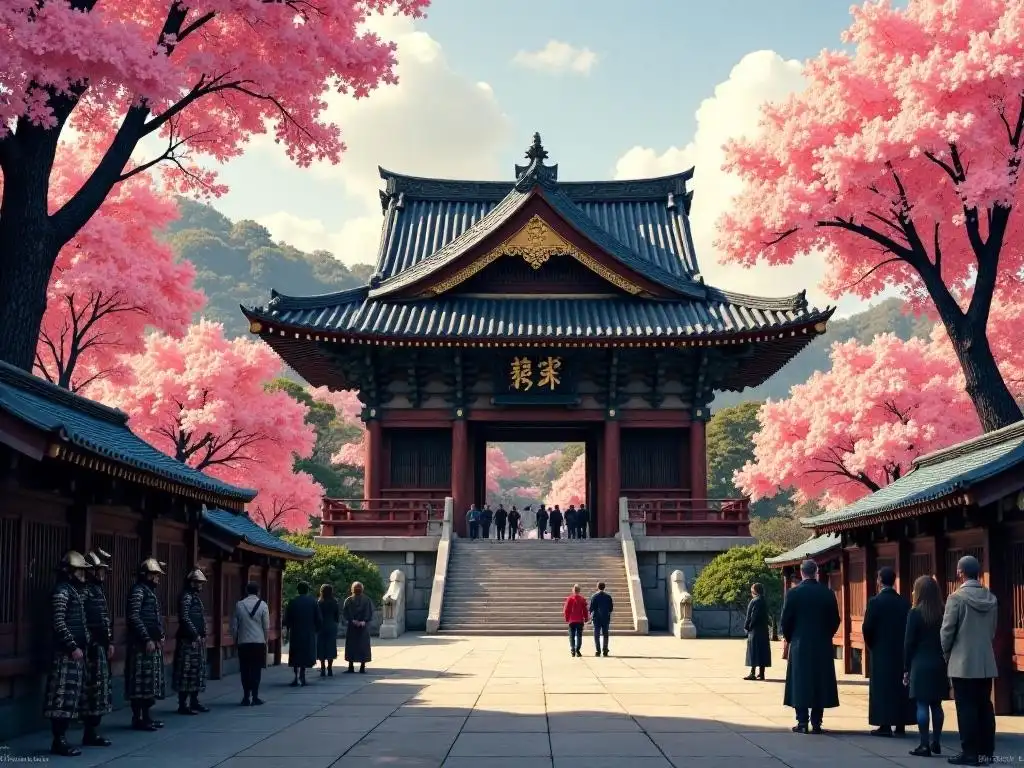
Final Thoughts on the Importance of Bushido Tours
Bushido, the code of the samurai, is not merely a historical artifact; it represents a profound set of values that resonate deeply within Japanese culture. Engaging in Bushido tours in Japan allows travelers to explore the ethical and philosophical foundations that shaped the samurai way of life. These tours often include visits to historical sites, temples, and museums that highlight the principles of honor, loyalty, and courage that samurai upheld.
Through guided experiences, participants can immerse themselves in the stories of legendary samurai, learning about their lives and the societal structures that supported their code. For example, visiting the Himeji Castle, a UNESCO World Heritage Site, can provide insights into the architectural marvels that served as strongholds for samurai warriors, revealing how these structures embodied the principles of Bushido.
Incorporating interactive elements like martial arts demonstrations or traditional tea ceremonies into these tours helps travelers connect more personally with the samurai legacy. Such experiences foster a deeper appreciation for the cultural significance of Bushido, making these tours not just educational but also transformative.
Encouragement to Explore Japan’s Rich Samurai Heritage
For those intrigued by the samurai's enduring legacy, embarking on a Bushido tour in Japan is an unparalleled opportunity to experience the country's rich heritage firsthand. Visitors are encouraged to delve into the various regions that played pivotal roles in the samurai era.
- Kyoto, once the capital of Japan, offers numerous temples and shrines dedicated to samurai culture.
- Kamakura features significant historical landmarks, including the Great Buddha and samurai-era temples.
- Nagoya is home to the Nagoya Castle, which showcases the grandeur of samurai architecture and lifestyle.
By participating in these tours, travelers can witness reenactments, partake in workshops, and even wear traditional samurai armor, all of which create lasting memories and a true connection to Japan’s feudal past.
Whether you are a history enthusiast, a martial arts practitioner, or simply curious about Japan's cultural depth, the exploration of Bushido through dedicated tours is a journey well worth undertaking. Embrace the spirit of the samurai and let it inspire your travels through the enchanting landscapes of Japan. 🏯
Call to Action: Book Your Bushido Tour Today!
Immerse yourself in the rich tapestry of Japan's feudal history by embarking on a Bushido tour. These unique experiences allow you to delve into the lives of the samurai, the principles of Bushido, and the profound cultural heritage that shaped modern Japan. Whether you're exploring ancient castles, visiting historic battlefields, or participating in traditional martial arts, each aspect of the journey brings you closer to understanding the values of honor, loyalty, and discipline that defined the samurai way of life.
Booking your Bushido tour is simple! Choose from a variety of specialized tour providers that offer tailored experiences. These tours are designed not only to educate but also to inspire, giving you a chance to walk in the footsteps of samurai warriors. Don't miss out on this opportunity to connect with Japan's past.
Links to Recommended Tour Providers
Here are some highly recommended providers that offer exceptional Bushido tours in Japan:
-
Samurai Experience Japan
Specializing in immersive samurai experiences, this provider offers hands-on activities such as sword handling and martial arts demonstrations. Their tours often include visits to significant historical sites associated with samurai culture.
-
Bushido Trails
Focused on the philosophy of Bushido, this provider offers guided tours that include discussions about samurai ethics and lifestyle. They incorporate visits to temples and shrines where samurai once sought guidance.
-
Sengoku Adventures
This company provides unique experiences that combine historical reenactments with cultural insights. Their tours are ideal for those interested in both the martial and spiritual aspects of the samurai.
-
Historic Japan Tours
A well-rounded provider that offers Bushido tours along with other historical themes. Their experienced guides bring the stories of the samurai to life, making history accessible and engaging.
Special Offers and Discounts on Bushido Tours in Japan
To enhance your experience and make your journey more affordable, several tour providers offer special promotions and discounts on Bushido tours. Here are some notable offers:
- Early Bird Discounts: Book your tour at least three months in advance to receive a 15% discount on your total package price.
- Group Rates: Traveling with friends or family? Many providers offer a reduced rate for groups of five or more, making it an excellent opportunity for shared adventures.
- Seasonal Promotions: During certain times of the year, such as cherry blossom season or the fall foliage period, providers may offer special packages that include additional activities at no extra charge.
- Loyalty Programs: Some companies have loyalty programs that reward repeat customers with discounts on future tours.
Be sure to check the specific tour provider's website for the latest offers and promotions, as these can vary widely. By taking advantage of these deals, you can enjoy a deeper exploration of Bushido and its impact on Japanese culture without breaking the bank.
Now is the perfect time to book your Bushido tour in Japan—experience the legacy of the samurai like never before!
Frequently Asked Questions
What is Bushido?
Bushido is the samurai code of conduct that emphasizes virtues such as loyalty, honor, and discipline. It played a pivotal role in shaping the ethical framework of the samurai class in feudal Japan.
What can I expect from Bushido tours in Japan?
On Bushido tours, you can expect to explore historical sites, engage in cultural experiences, and learn about the philosophical principles of the samurai. These tours often include visits to castles, temples, and museums.
Are Bushido tours suitable for families?
Yes, many Bushido tours are designed to be family-friendly, offering engaging activities for all ages. Families can enjoy hands-on experiences and educational content that make the history of feudal Japan accessible.
How do Bushido values influence modern Japan?
Bushido values such as discipline and respect continue to influence modern Japanese society, shaping business ethics and interpersonal relationships. This cultural legacy is often highlighted in Bushido tours.
Where can I find the best Bushido tours in Japan?
To find the best Bushido tours, consider checking travel agencies that specialize in cultural experiences in Japan, or look for online platforms that offer detailed itineraries focusing on the samurai's legacy and feudal history.
Final Reflection: Embracing the Spirit of Bushido in Modern Life
The exploration of Bushido and its profound impact on Japanese culture remains incredibly relevant today. As we navigate a world filled with rapid change and uncertainty, the principles of honor, loyalty, and self-discipline embodied in the Samurai code resonate deeply. The allure of Bushido tours in Japan not only offers a glimpse into a storied past but also serves as a reminder of the values that can guide us in our contemporary lives.
Cultural heritage shapes our identity and influences our actions, and the teachings of Bushido continue to inspire individuals across the globe. The Samurai's unwavering commitment to their principles encourages us to reflect on our own values and the legacies we wish to leave behind. The true warrior is one who is able to control his own mind.
This quote encapsulates the essence of Bushido, urging us to cultivate inner strength and resilience in the face of life's challenges.
As you consider the lessons of Bushido, I invite you to reflect on how these timeless principles can be integrated into your daily life. What values do you hold dear, and how can they guide your actions? Whether through a physical journey on a Bushido tour in Japan or a personal exploration of your own code, let the spirit of the Samurai inspire you to live with purpose and integrity. Embrace the opportunity to forge a path that honors both your heritage and your aspirations, and become a modern-day warrior in your own right.
Embrace the Spirit of Bushido: Take Action Today!
Thank you for diving into the fascinating world of Bushido with us! We hope this exploration has added depth to your understanding of the Samurai Code and its profound impact on Japanese culture. Now, it’s time to put that knowledge into action and connect with the spirit of the Samurai.
- Join a Guided Tour: Experience the rich history of Bushido firsthand by signing up for a local tour that showcases the legacy of the Samurai.
- Read a Book: Deepen your understanding by selecting a book on Samurai history or philosophies related to Bushido. Discover new perspectives that could inspire your daily life.
- Share Your Knowledge: Discuss what you've learned by sharing this article with friends or in your community. Encourage others to explore these themes and keep the conversation going!
What aspect of Bushido resonates with you the most, and how will you integrate its principles into your own life?