
The Impact of Zen Buddhism on Modern Japan: A Legacy of Mindfulness and Calm


Welcome to Feudal Japan History, where we invite you to embark on a captivating journey through the intricate tapestry of Japan's feudal era. In this exploration, we delve deep into the profound influence of Zen Buddhism on Japan, a force that has shaped not only the spiritual landscape but also the cultural and societal norms we see today.
As you uncover the layers of this rich heritage, prepare to be intrigued by how ancient philosophies continue to echo in modern practices of mindfulness and calm. Join us as we unravel the legacy of Zen Buddhism and its transformative role in the heart of Japan—your adventure begins now!
Introduction to Zen Buddhism Influence on Japan
Zen Buddhism, a profound and transformative spiritual tradition, has left an indelible mark on the cultural and societal fabric of modern Japan. Its influence can be observed in various aspects of Japanese life, from arts and aesthetics to the approach toward mindfulness and personal well-being.
This article seeks to explore the intricate relationship between Zen Buddhism and its impact on contemporary Japanese society, elucidating how this ancient practice continues to shape the values and behaviors of individuals today. By examining its historical roots and the key figures who contributed to its establishment, we can better understand the enduring legacy of Zen Buddhism and its relevance in fostering a sense of calm amidst the complexities of modern life.
Overview of Zen Buddhism
Zen Buddhism, known as "Zen" in Japan, is a school of Mahayana Buddhism that emphasizes meditation (zazen) and direct experience of enlightenment (satori) over doctrinal knowledge. The core tenets of Zen revolve around simplicity, mindfulness, and an appreciation for the present moment. Its practices encourage individuals to cultivate a deep awareness of their thoughts and surroundings, fostering a sense of tranquility that can be especially beneficial in today’s fast-paced world.
Zen's influence on Japanese culture is far-reaching, impacting not only spiritual practices but also traditional arts such as tea ceremony, calligraphy, and landscape gardening. These art forms reflect Zen principles of harmony, balance, and minimalism, serving as a testament to how the philosophy has permeated various facets of Japanese life.
Historical Context of Zen Buddhism in Japan
The introduction of Zen Buddhism to Japan during the Kamakura period (1185-1333) marked a significant turning point in the spiritual landscape of the nation. During this era, Japan was undergoing considerable political and social changes, leading to a growing interest in new forms of spirituality that could provide solace and guidance. Zen Buddhism resonated with the samurai class, offering a philosophy that emphasized discipline, loyalty, and the pursuit of inner peace.
The establishment of Zen monasteries and the patronage of influential samurai further solidified Zen's place in Japanese society. As Zen teachings spread, they began to influence various aspects of daily life, ultimately embedding themselves within the cultural identity of Japan.
The Origins of Zen Buddhism in Japan
Introduction of Zen Buddhism from China
Zen Buddhism's journey to Japan can be traced back to the late 12th century when it was introduced by Japanese monks who traveled to China to study under Chinese Zen masters. The most notable of these monks was Eisai, who returned to Japan in 1191 and played a crucial role in establishing the Rinzai school of Zen. Following Eisai, another important figure, Dogen, founded the Soto school of Zen, further enriching the philosophical landscape of Japanese Buddhism.
The teachings brought back from China emphasized meditation and the attainment of enlightenment through direct experience rather than through intellectual study. This approach significantly influenced the spiritual practices of the time, appealing to both the warrior class and the emerging merchant class who sought deeper meaning in life.
Key Figures in the Establishment of Zen Buddhism
Several key figures were instrumental in shaping Zen Buddhism in Japan:
- Eisai (1141-1215): As the founder of the Rinzai school, Eisai is celebrated for his promotion of Zen meditation and the integration of Zen practices into the samurai culture.
- Dogen (1200-1253): The founder of the Soto school, Dogen emphasized the importance of zazen (seated meditation) and the concept of "practice-enlightenment," which asserts that the act of practicing meditation is itself a form of enlightenment.
- Hakuin Ekaku (1685-1768): A revitalizer of Rinzai Zen, Hakuin introduced innovative practices that made Zen more accessible to laypeople, thus broadening its appeal and influence.
These figures not only established the foundations of Zen practice in Japan but also contributed to a unique Japanese interpretation of Zen philosophy that continues to resonate today. The legacy of their teachings endures, influencing modern concepts of mindfulness and calm, making Zen Buddhism a vital aspect of Japan's spiritual heritage.
Zen Buddhism's Philosophical Foundations
Zen Buddhism, originating in China as Chan Buddhism before spreading to Japan, emphasizes a direct experience of enlightenment and the cultivation of mindfulness. Its philosophical foundations are rooted in the teachings of the historical Buddha, focusing on meditation (zazen), the nature of reality, and the importance of the present moment. Unlike other forms of Buddhism that may rely heavily on scriptures and rituals, Zen encourages practitioners to seek insight through personal experience and introspection. This approach has not only shaped spiritual practices but also permeated various aspects of Japanese society, influencing everything from art to daily life practices.
The essence of Zen lies in its simplicity and directness. Zen practitioners often engage in koan practice—riddles or paradoxical statements that challenge logical reasoning—aiming to transcend ordinary thinking and tap into profound truths. This emphasis on experiential understanding fosters a unique perspective on life, urging individuals to be present, fully engaged, and aware of their surroundings, which has become a hallmark of Japanese culture.
Core Principles of Zen Buddhism
The core principles of Zen Buddhism can be distilled into several key tenets:
- Zazen (Seated Meditation): The cornerstone of Zen practice, zazen involves sitting in stillness and observing one's thoughts, leading to deeper awareness and insight.
- Satori (Enlightenment): A sudden realization of one's true nature, satori is the ultimate goal of Zen practice, often achieved through meditation or the contemplation of koans.
- Impermanence (Anicca): Recognizing the transient nature of all things encourages acceptance of change and fosters a sense of peace.
- Interconnectedness: Zen teaches that all beings are interrelated, prompting compassion and a sense of unity with the universe.
- Mindfulness: This principle emphasizes being fully present in each moment, which can be applied to everyday activities, fostering a calm and focused mindset.
These principles not only guide personal practice but also resonate deeply within Japanese culture, shaping social interactions and artistic expressions.
The Concept of Mindfulness in Zen Practice
Mindfulness in Zen practice is about cultivating a heightened awareness of the present moment, free from distractions and judgments. It encourages individuals to observe their thoughts, emotions, and sensations without attachment, allowing for a clearer understanding of their inner experiences. This practice is typically developed through zazen, where practitioners focus on their breath or a specific koan, gently returning their attention to the present whenever their minds wander.
The application of mindfulness extends beyond meditation sessions; it becomes a way of life. Zen practitioners strive to maintain this awareness throughout their daily activities, whether it’s during mundane chores or engaging in conversations. This approach not only enhances personal well-being but also promotes a sense of calmness and clarity in interactions with others, fostering a more compassionate society.
The Influence of Zen Buddhism on Japanese Culture
Zen Buddhism's profound influence on Japanese culture is evident in various domains, including art, tea ceremonies, and architecture. Its principles have shaped a distinct aesthetic and lifestyle that resonate with the values of simplicity, harmony, and tranquility.
Art and Aesthetics: Zen's Impact on Japanese Art
Zen Buddhism has significantly influenced Japanese art, particularly in the realms of painting, calligraphy, and garden design. Artists often seek to express the Zen ideals of simplicity and naturalness, resulting in works that evoke a sense of calm and contemplation.
- Sumi-e (Ink Wash Painting): This form of painting emphasizes brush strokes that capture the essence of subjects with minimal detail, reflecting the Zen principle of simplicity.
- Calligraphy: Zen calligraphy, known as shodō, is not merely about the written characters but the expression of the artist's state of mind, embodying mindfulness and presence.
- Zen Gardens: These meticulously designed landscapes use rocks, gravel, and minimal vegetation to create serene environments for meditation and reflection.
Zen-inspired art invites viewers to pause and engage with the work on a deeper level, encouraging mindfulness and presence.
Zen Buddhism and Japanese Tea Ceremony
The Japanese tea ceremony, or chanoyu, is deeply rooted in Zen principles. This meditative practice transforms the act of preparing and drinking tea into a ritual of mindfulness, emphasizing simplicity, harmony, and respect.
- Mindful Preparation: Every movement during the tea ceremony is intentional and deliberate, fostering a deep sense of presence for both the host and guests.
- Aesthetic Simplicity: The utensils and environment reflect Zen aesthetics, emphasizing natural materials and understated beauty.
- Connection and Community: The tea ceremony serves as a moment of connection, bringing people together in a shared experience of mindfulness and appreciation for the present moment.
Through this ceremony, Zen Buddhism instills a sense of tranquility and mindfulness that resonates throughout Japanese culture.
Architectural Influence: Zen Gardens and Temples
Zen Buddhism has left an indelible mark on Japanese architecture, particularly through the design of Zen gardens and temples. These spaces embody the principles of Zen, creating environments conducive to meditation and reflection.
- Zen Gardens (Karesansui): Characterized by carefully raked gravel, rocks, and minimal vegetation, these gardens are designed to evoke natural landscapes and provide a meditative space for contemplation.
- Zen Temples: Architecture emphasizes simplicity and harmony with nature, often featuring wooden structures, shoji screens, and tatami mat flooring, fostering a sense of tranquility and openness.
- Integration with Nature: Zen architecture promotes a seamless connection between indoor and outdoor spaces, allowing natural elements to influence the ambiance of meditation and reflection.
These architectural elements reflect the Zen ideals of peace and mindfulness, contributing to the overall cultural landscape of Japan.
Zen Buddhism's Role in Japanese Society
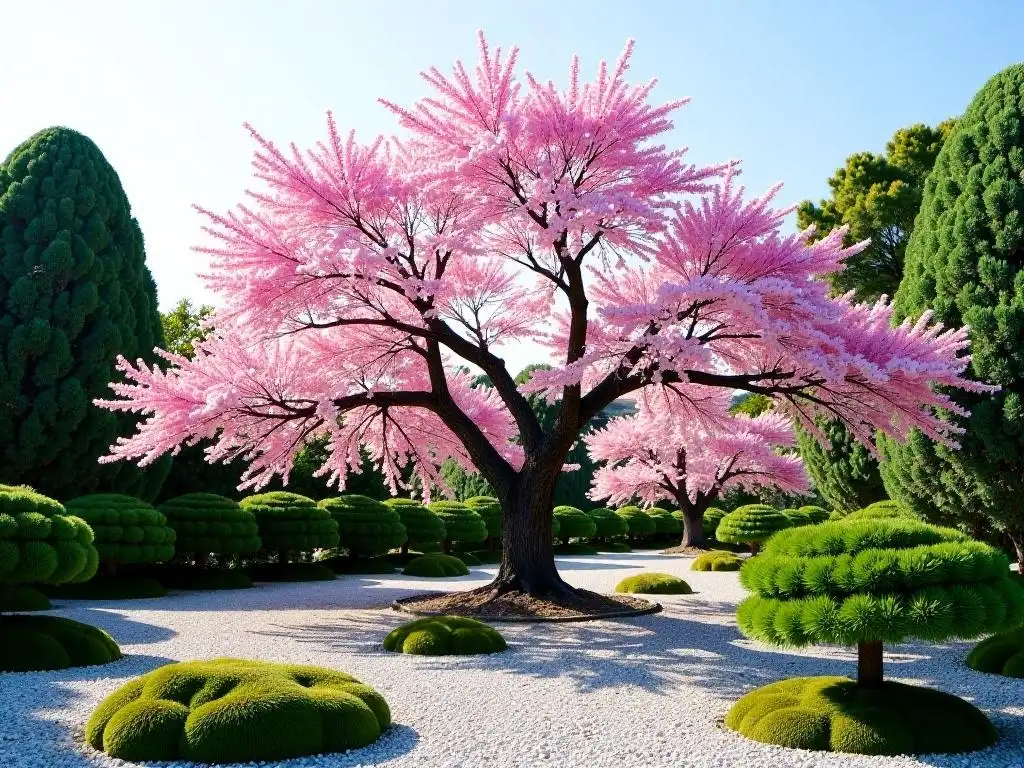
Zen Buddhism has played a pivotal role in shaping the cultural and social fabric of Japan. Emerging during the 12th century, it emphasized direct experience and meditation, which resonated deeply with the Japanese ethos. This school of Buddhism introduced a unique perspective that valued simplicity, discipline, and a profound connection with nature, all of which have become integral components of Japanese life.
The practices and teachings of Zen have not only influenced religious practices but have also permeated various aspects of daily life, from art and gardening to tea ceremonies and martial arts. The Zen concept of mindfulness encourages individuals to be fully present, fostering a societal inclination towards introspection and awareness that continues to influence modern Japanese culture. Furthermore, Zen's focus on impermanence and the transitory nature of life aligns with traditional Japanese aesthetics, promoting a sense of harmony and balance that is evident in everything from architecture to seasonal festivals.
Zen Buddhism and the Samurai Code
The samurai, Japan's warrior class, were significantly influenced by Zen Buddhism, which provided them with a philosophical framework that shaped their ethical and moral codes. The principles of Zen, particularly those emphasizing discipline, focus, and the acceptance of death, became integral to the samurai’s way of life, known as Bushido (the Way of the Warrior).
Bushido is characterized by virtues such as loyalty, honor, and courage, which were deeply rooted in Zen teachings. The practice of meditation helped samurai cultivate mental clarity and emotional resilience, enabling them to remain calm and composed in the face of battle.
Zen's influence extended to the samurai's approach to conflict resolution and personal conduct, promoting a sense of inner peace that was essential for achieving excellence in martial arts. This unique relationship between Zen and the samurai not only shaped the warriors' identities but also left a lasting legacy on Japan's cultural heritage, influencing the country's view on honor, discipline, and respect.
Influence on Modern Japanese Work Ethic and Mindfulness Practices
The principles of Zen Buddhism have profoundly influenced the modern Japanese work ethic, contributing to a culture of dedication and mindfulness in professional settings. The emphasis on being present and fully engaged in tasks aligns with the Japanese notion of "kaizen," or continuous improvement. This philosophy encourages employees to focus on small, incremental changes, fostering an environment of productivity and innovation.
Incorporating Zen practices into the workplace has also led to the adoption of mindfulness techniques, which have become increasingly popular in Japan's corporate culture. These practices, including meditation and deep-breathing exercises, help reduce stress and enhance focus, allowing workers to maintain a sense of calm amid the fast-paced nature of modern business. As a result, companies are recognizing the value of mental well-being, leading to the integration of wellness programs that promote a balanced approach to work and life.
Contemporary Expressions of Zen Buddhism in Japan
Zen Buddhism continues to be a vibrant part of Japanese society, manifesting in various contemporary expressions that reflect its enduring relevance. From spiritual practices to artistic endeavors, Zen principles remain influential in modern Japan.
Zen Buddhism in Modern Japanese Spirituality
In contemporary Japan, Zen Buddhism coexists with various other spiritual traditions, including Shinto and other Buddhist sects. Many people engage with Zen practices as a means of personal growth and spiritual exploration, often integrating them into their daily lives. Zen meditation, or zazen, has gained popularity as a tool for self-reflection and stress reduction, attracting individuals seeking solace in an increasingly complex world.
Furthermore, Zen temples have adapted to the modern landscape by offering retreat programs and workshops, allowing both locals and tourists to experience the teachings of Zen firsthand. These initiatives not only preserve the essence of Zen practices but also promote a deeper understanding of mindfulness and tranquility in a contemporary context.
Zen Influence on Popular Culture: Literature and Media
The influence of Zen Buddhism extends into Japan's popular culture, permeating literature, film, and other media forms. Writers such as Matsuo Bashō and Ryōkan have drawn upon Zen themes, exploring concepts of nature, existence, and the transient beauty of life through their poetry and prose. The simplicity and depth of Zen philosophy resonate with modern authors who seek to capture the essence of human experience.
In film and animation, Zen aesthetics can be observed in the works of renowned directors, such as Akira Kurosawa and Hayao Miyazaki. These creators often incorporate Zen principles, such as harmony with nature, the importance of mindfulness, and the acceptance of impermanence, into their narratives, providing audiences with a glimpse into the profound influence of Zen on Japanese storytelling.
As contemporary Japan grapples with the complexities of modern life, the legacy of Zen Buddhism remains a guiding force, inspiring individuals to cultivate mindfulness and tranquility amidst chaos.
The Legacy of Zen Buddhism in Japan Today
The influence of Zen Buddhism in modern Japan is profound and multifaceted, shaping various aspects of society, culture, and personal practice. Rooted in the principles of mindfulness, simplicity, and direct experience, Zen continues to resonate with the Japanese people, manifesting in everyday life, art, and even the corporate world. The aesthetic of Zen is evident in traditional practices such as tea ceremonies, calligraphy, and garden design, where the emphasis on harmony and tranquility reflects Zen ideals.
Moreover, Zen Buddhism has played a crucial role in the wellness movement, promoting mental health and emotional well-being. Modern Japanese society, characterized by its fast pace and high stress, has found solace in Zen teachings, leading to the incorporation of mindfulness practices into daily routines. This legacy is not just historical; it is an active and evolving aspect of contemporary life in Japan.
Continuing Practices of Mindfulness and Meditation
In Japan, the practice of mindfulness and meditation is deeply ingrained in various aspects of life. Zen meditation, or Zazen, remains a popular practice among individuals seeking peace and clarity. Many Zen temples offer meditation sessions and retreats, attracting both locals and tourists who wish to experience the tranquility and depth of Zen practice.
The influence of Zen can also be seen in the educational system, where mindfulness practices are increasingly integrated into schools as a way to promote emotional intelligence and resilience among students. Workshops on meditation and mindfulness are becoming commonplace, providing tools to help individuals cope with the pressures of modern life.
Furthermore, the corporate world has embraced Zen principles, with many companies implementing mindfulness training and meditation sessions for employees. This shift aims to enhance focus, productivity, and overall well-being, illustrating how Zen Buddhism's legacy continues to evolve and adapt in a modern context.
Global Influence of Zen Buddhism Beyond Japan
Zen Buddhism's impact is not confined to Japan; its teachings and practices have traveled across the globe, influencing various cultures and spiritual practices. In the West, Zen has become synonymous with mindfulness and meditation, leading to a widespread adoption of these concepts in therapeutic practices, yoga, and holistic health.
The global interest in Zen philosophy has also sparked a resurgence of traditional arts and crafts, such as Japanese tea ceremony and flower arrangement (Ikebana), as enthusiasts seek to connect with the deeper meanings behind these practices. Books, workshops, and online courses on Zen principles have proliferated, making the teachings accessible to a broader audience.
Moreover, Zen's emphasis on simplicity and presence resonates with contemporary movements advocating for minimalism and sustainable living. This cross-cultural exchange highlights the universal appeal of Zen Buddhism and its relevance in addressing modern existential concerns.
Conclusion: The Enduring Impact of Zen Buddhism on Japan
Zen Buddhism's influence on Japan is a testament to its resilience and adaptability over centuries. Its teachings have permeated various aspects of Japanese culture, fostering a mindset that values stillness, presence, and simplicity. This impact is reflected in the arts, daily practices, and even corporate environments, showcasing how Zen principles have successfully integrated into and enriched modern life.
Reflection on Zen Buddhism’s Role in Shaping Modern Japan
Reflecting on Zen Buddhism's role in shaping modern Japan reveals a complex interplay between tradition and modernity. Zen's emphasis on mindfulness offers a counterbalance to the chaos of contemporary life, providing individuals with tools to navigate stress and uncertainty. The cultural practices rooted in Zen continue to play a significant role in identity formation and social cohesion among the Japanese populace.
Furthermore, Zen teachings inspire a collective consciousness that values harmony and respect for nature, influencing Japan's approach to environmental and social issues. The legacy of Zen Buddhism serves as a guiding light, reminding society of the importance of inner peace and the interconnectedness of all living beings.
Future Prospects of Zen Philosophy in a Global Context
Looking ahead, the future prospects of Zen philosophy in a global context are promising. As the world grapples with increasing mental health challenges, the teachings of Zen offer valuable insights into cultivating resilience and mindfulness. The ongoing globalization of spirituality allows for the exchange of ideas and practices, paving the way for a renewed interest in Zen across diverse cultures.
In an era marked by technological advancements and rapid change, the timeless wisdom of Zen Buddhism can provide a grounding force, encouraging individuals to slow down, reflect, and reconnect with their inner selves. As more people seek balance amidst the noise of modern life, the relevance of Zen philosophy is likely to grow, fostering a deeper understanding of its principles and their application in everyday living.
- Introduction to Zen Buddhism Influence on Japan
- The Origins of Zen Buddhism in Japan
- Zen Buddhism's Philosophical Foundations
- The Influence of Zen Buddhism on Japanese Culture
- Zen Buddhism's Role in Japanese Society
- Contemporary Expressions of Zen Buddhism in Japan
- The Legacy of Zen Buddhism in Japan Today
- Conclusion: The Enduring Impact of Zen Buddhism on Japan
- What is the main focus of the article on Zen Buddhism's influence on Japan?
- How did Zen Buddhism shape Japanese culture?
- What are some modern practices influenced by Zen Buddhism in Japan?
- How does the article connect Zen Buddhism to Japan's historical context?
- Why is Zen Buddhism considered relevant in today's Japan?
Frequently Asked Questions
What is the main focus of the article on Zen Buddhism's influence on Japan?
The article explores the impact of Zen Buddhism on modern Japanese society, emphasizing its role in promoting mindfulness and calm.
How did Zen Buddhism shape Japanese culture?
Zen Buddhism significantly influenced Japanese aesthetics, including art, architecture, and tea ceremonies, promoting a sense of simplicity and tranquility.
What are some modern practices influenced by Zen Buddhism in Japan?
Modern practices include meditation, mindfulness training, and various wellness programs that emphasize inner peace and mental clarity, reflecting Zen principles.
How does the article connect Zen Buddhism to Japan's historical context?
The article provides a historical overview of Zen Buddhism's introduction to Japan and its evolution, highlighting its cultural significance over the centuries.
Why is Zen Buddhism considered relevant in today's Japan?
Zen Buddhism remains relevant as it addresses contemporary issues of stress and anxiety, offering tools for cultivating mental well-being in fast-paced modern life.
Final Reflection: The Enduring Influence of Zen Buddhism on Modern Japan
Zen Buddhism's influence on Japan today is more profound than ever, as it permeates various aspects of daily life, from art and architecture to mental well-being and social interactions. In a world increasingly characterized by chaos and distraction, the principles of mindfulness and calm that Zen Buddhism espouses resonate deeply with contemporary society. This ancient practice not only offers a refuge from the noise of modern life but also serves as a guiding philosophy for navigating the complexities of existence.
Culturally, Zen Buddhism continues to shape Japan's identity, fostering a sense of tranquility and introspection that is reflected in its art, tea ceremonies, and even business practices. The teachings of Zen encourage individuals to cultivate awareness and presence, which is essential in a fast-paced world. As the renowned Zen master Thich Nhat Hanh once said, Mindfulness is the energy that helps us recognize the conditions of happiness that are already present in our lives.
This ongoing influence highlights the relevance of Zen principles in promoting mental health and emotional resilience, making it a vital part of Japan's cultural fabric.
As we reflect on the teachings and legacy of Zen Buddhism, I invite you to consider how these principles can be integrated into your own life. In a time when stress and anxiety are prevalent, embracing mindfulness and calm can transform not only your personal well-being but also your interactions with others.
Take a moment to breathe, observe, and appreciate the present—allow the wisdom of Zen to guide you toward a more centered and fulfilling existence. The journey of mindfulness is not just a personal endeavor; it is a collective movement that can foster peace and understanding in our increasingly interconnected world.
Embrace Zen: Transform Your Mindfulness Journey Today!
Thank you for diving into the serene world of Zen Buddhism and its profound influence on modern Japan! You've uncovered valuable insights into how mindfulness shapes our lives today. Now, let's take those lessons and put them into action.
- Start a daily mindfulness practice: Dedicate just 5 minutes each day to meditation or mindful breathing. Notice how this small commitment can transform your perspective and enhance your emotional well-being.
- Explore Zen-inspired activities: Engage in activities such as calligraphy, tea ceremonies, or nature walks to deepen your connection to Zen philosophy.
- Share your journey: Connect with friends or join online communities to discuss your mindfulness experiences and inspire others to participate.
What steps will you take this week to invite more mindfulness into your daily life?