
Zen Buddhism and the Aesthetics of Simplicity: A Deep Dive into WabiSabi

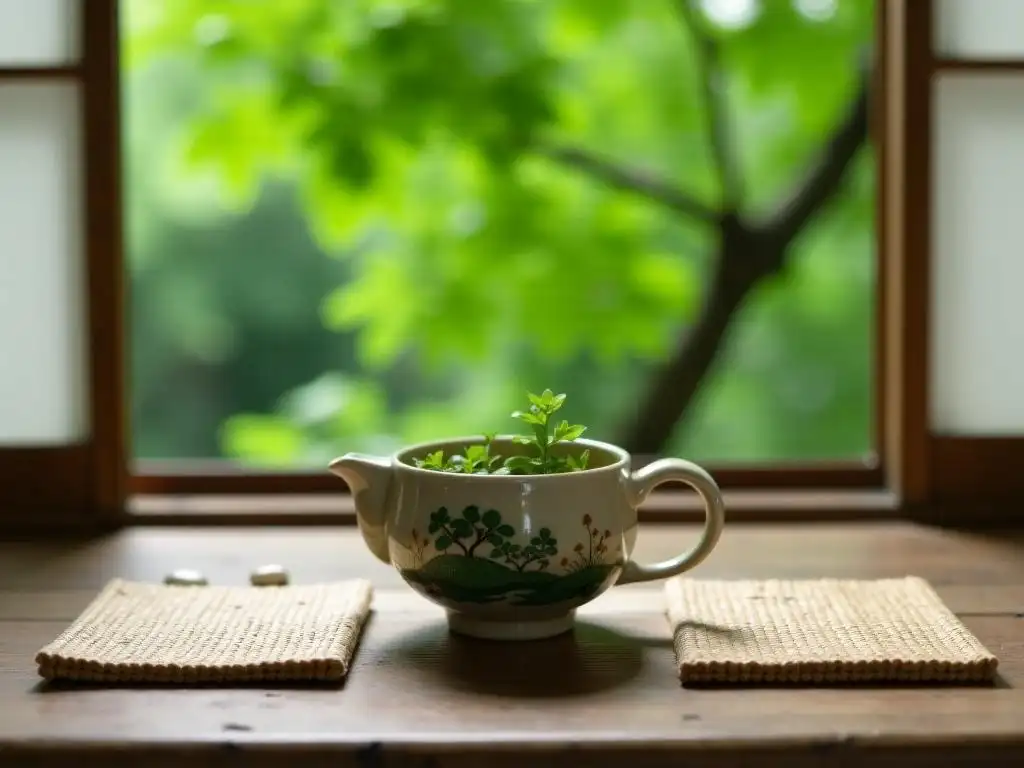
Welcome to Feudal Japan History, where we invite you to embark on a riveting journey through the rich tapestry of Japan's feudal era. Here, we delve into the intricate layers of historical, cultural, and societal influences that shaped this remarkable period. In our featured article, “Zen Buddhism and the Aesthetics of Simplicity: A Deep Dive into Wabi Sabi,” we explore the profound beauty and philosophy behind Wabi Sabi Zen aesthetics.
What does it mean to find beauty in imperfection? Join us as we unravel the secrets of this captivating concept, and discover how it continues to resonate in today's world. Your exploration begins now!
- Introduction to Wabi Sabi Zen Aesthetics
- The Philosophical Foundations of Wabi Sabi
- Historical Evolution of Wabi Sabi in Japan
- Elements of Wabi Sabi Zen Aesthetics
- Wabi Sabi in Japanese Arts and Crafts
- Modern Interpretations of Wabi Sabi Zen Aesthetics
- Wabi Sabi and Mindfulness
- Challenges and Misconceptions about Wabi Sabi
- Conclusion: Embracing Wabi Sabi in Daily Life
- Frequently Asked Questions
- Final Reflection: Embracing the Beauty of Imperfection in Wabi Sabi
- Embrace the Beauty of Imperfection!
Introduction to Wabi Sabi Zen Aesthetics
Wabi Sabi represents a profound aesthetic and philosophical concept deeply rooted in Zen Buddhism, encapsulating the beauty found in imperfection, transience, and the natural world. As we embark on this exploration of Wabi Sabi Zen aesthetics, we will uncover how this unique perspective has shaped various aspects of Japanese culture, art, and design. By understanding Wabi Sabi, we embrace a mindset that appreciates simplicity and authenticity, encouraging a deeper connection with our surroundings. This article aims to provide a comprehensive examination of Wabi Sabi within the context of Zen Buddhism, revealing its historical significance and cultural resonance.
Understanding the Concept of Wabi Sabi
Wabi Sabi is an intricate and multifaceted concept that intertwines two distinct yet complementary ideas: Wabi and Sabi.
- Wabi refers to a rustic simplicity, a sense of humble beauty found in the ordinary and unadorned aspects of life.
- Sabi, on the other hand, embodies the beauty of age and wear, highlighting the natural cycle of growth and decay.
Together, Wabi Sabi encourages an aesthetic appreciation of life's impermanence, urging us to find beauty in the flawed and the ephemeral. This philosophy invites individuals to embrace the present moment, recognizing that everything is in a constant state of change.
In practical terms, the principles of Wabi Sabi manifest in various forms, including:
- Art and Design: The use of natural materials, asymmetrical shapes, and muted colors in pottery, tea ceremonies, and architecture.
- Everyday Life: A lifestyle that celebrates simplicity, mindfulness, and a connection to nature.
The Historical Context of Wabi Sabi in Zen Buddhism
The origins of Wabi Sabi can be traced back to the aesthetic sensibilities of Zen Buddhism, which flourished in Japan during the Kamakura period (1185-1333). Zen philosophy emphasizes a deep connection to nature, mindfulness, and the acceptance of impermanence, all of which align seamlessly with the tenets of Wabi Sabi.
During the Muromachi period (1336-1573), Wabi Sabi began to gain prominence within the cultural milieu of Japan, particularly through the tea ceremony, known as Chanoyu. This ritual, influenced by Zen principles, celebrated the beauty of simplicity and the use of rustic, handmade utensils. The tea ceremony became a medium through which practitioners could experience the essence of Wabi Sabi, fostering a sense of tranquility and mindfulness.
The Edo period (1603-1868) further solidified Wabi Sabi's significance in Japanese art and culture, as artists and craftsmen began to embrace the philosophy in their work. Notable examples include:
- Ceramics: The rise of tea bowls that showcased imperfections and irregularities, embodying the spirit of Wabi Sabi.
- Literature: Poets and writers explored themes of transience and beauty in their works, reflecting the influence of Zen thought.
As Wabi Sabi continued to evolve, it became an integral part of Japan's cultural identity, influencing not only art and aesthetics but also broader societal values, encouraging individuals to find peace in simplicity and acceptance in imperfection.
The Philosophical Foundations of Wabi Sabi
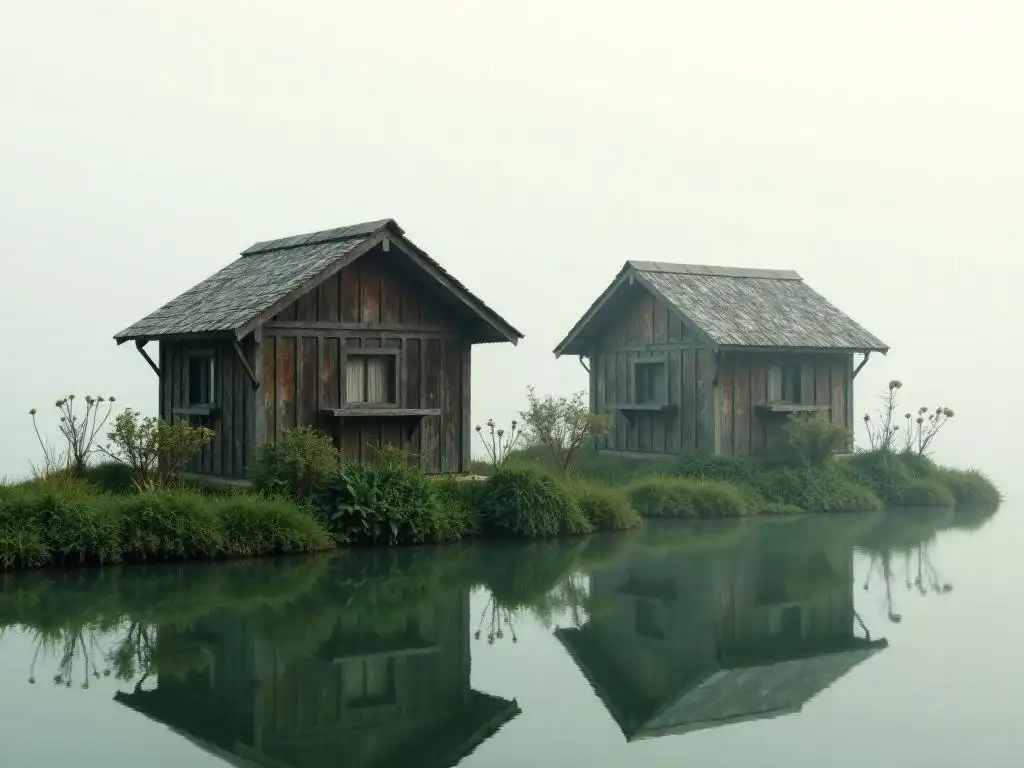
Wabi Sabi represents a profound philosophical concept that intertwines with the core tenets of Zen Buddhism. This aesthetic philosophy emphasizes beauty found in imperfection, transience, and the natural cycle of growth and decay. It invites an appreciation for the simple, the rustic, and the unpretentious, which contrasts sharply with the often polished and idealized forms found in Western aesthetics.
-
Simplicity (Kanso)
At the heart of Zen aesthetics is simplicity, or Kanso, which advocates for the elimination of unnecessary elements. This principle is a guiding force in Wabi Sabi, suggesting that true beauty lies in an uncluttered existence. The minimalist approach encourages individuals to focus on the essentials, fostering a sense of peace and clarity.
-
Naturalness (Shizen)
Shizen denotes a connection to nature and the organic. In Wabi Sabi, this principle is paramount, as it encourages the embrace of natural forms and materials. Items like hand-thrown pottery or weathered wood evoke a sense of authenticity and history, reflecting the beauty inherent in nature's imperfections.
-
Austerity (Kōge)
Austerity is about restraint, which manifests in a preference for unadorned, humble forms. Wabi Sabi aesthetics celebrate the raw and the unembellished, often finding beauty in objects that are worn or have a story to tell. This aligns closely with Zen's emphasis on mindfulness, encouraging observers to appreciate the fleeting moments of beauty in everyday life.
-
Asymmetry (Fukinsei)
Asymmetry is another central concept in Zen aesthetics that underscores the value of irregularity. Unlike traditional Western ideals that often favor symmetry and balance, Wabi Sabi finds elegance in the unexpected. This principle invites a deeper engagement with the object, prompting one to explore the unique character and charm found in its irregularities.
-
Transience (In’ei-Riki)
The notion of transience, or the impermanence of all things, is a fundamental aspect of both Zen Buddhism and Wabi Sabi. Recognizing that beauty is fleeting enhances the appreciation for the present moment. This reflects a broader understanding of life, where one learns to find joy in the ephemeral, whether it be in a wilting flower or a fleeting sunset.
The Role of Impermanence in Wabi Sabi
Impermanence is not merely a concept but a lived experience that shapes the essence of Wabi Sabi. This principle is steeped in the Buddhist understanding of the ever-changing nature of existence. The acknowledgment that nothing lasts forever invites a profound sense of acceptance and appreciation for the here and now.
Embracing Change
Wabi Sabi teaches that embracing change can lead to a deeper understanding of life itself. The beauty in a cracked teacup or a faded garden reveals a history often overlooked. This aesthetic encourages individuals to find value in these signs of age and wear, as they are emblematic of life’s journey, filled with experiences and memories.
Cultivating Mindfulness
Mindfulness, a cornerstone of Zen practice, is enhanced through the lens of Wabi Sabi. By focusing on the present moment and acknowledging the beauty in impermanence, individuals can cultivate a sense of gratitude and connection to their surroundings. This practice transforms mundane experiences into opportunities for reflection and appreciation.
The Cycle of Life
Wabi Sabi reflects the cyclical nature of life, where decay and beauty coexist. This perspective allows individuals to recognize the interconnectedness of all things, fostering a sense of humility and respect for nature. The understanding that every beginning has an end encourages a holistic view of existence, where each moment is treasured.
The aesthetics of Wabi Sabi, deeply rooted in Zen Buddhist principles, offers a rich tapestry of insights into beauty, simplicity, and the acceptance of impermanence. This philosophy not only shapes artistic expression but also enriches the way we perceive and interact with the world around us.
Historical Evolution of Wabi Sabi in Japan
The concept of Wabi Sabi, deeply rooted in Zen Buddhism, embodies a unique aesthetic that celebrates imperfection and transience. This philosophy has evolved significantly throughout Japan's history, particularly during the feudal era, which played a crucial role in shaping its principles and aesthetic nuances.
Influence of Feudal Japan on Zen Aesthetics
Feudal Japan, spanning from the late 12th century to the 19th century, was characterized by a rigid social hierarchy and a strong influence of military governance. During this period, Zen Buddhism began to permeate various aspects of life, particularly among the samurai class. The aesthetic of Wabi Sabi emerged as a reflection of the values and experiences of this era, emphasizing simplicity, minimalism, and a profound appreciation for nature.
The samurai's life was marked by a constant awareness of mortality, which deeply influenced their perception of beauty. This awareness fostered a sense of aesthetic simplicity, where the beauty of objects and experiences lay in their imperfections and fleeting nature. Key elements of Wabi Sabi that emerged during this time included:
- Natural Materials: Use of wood, stone, and clay that highlighted their inherent flaws and irregularities.
- Asymmetry: Embracing unevenness and irregular shapes, moving away from the symmetrical and perfect forms prevalent in other art styles.
- Aged Beauty: Valuing objects that showed signs of wear and age, reflecting the passage of time and the beauty that comes with it.
The cultural practices surrounding tea ceremonies, which became prominent during the Muromachi period (1336-1573), also played a significant role in propagating Wabi Sabi principles. In these ceremonies, the simplicity of utensils and the humble setting underscored the importance of mindfulness and the appreciation of small, often overlooked details.
Major Figures in Zen Buddhism and Their Contributions to Wabi Sabi
Several influential figures in Zen Buddhism contributed significantly to the development and popularization of Wabi Sabi aesthetics during the feudal era. Their philosophies and artistic expressions helped shape the understanding and appreciation of this unique aesthetic. Some notable figures include:
-
Sen no Rikyū (1522-1591)
A pivotal figure in the evolution of the Japanese tea ceremony, Sen no Rikyū emphasized the principles of simplicity, humility, and subtlety. His approach to tea practice advocated for the use of rustic tea utensils and the appreciation of natural beauty, laying the groundwork for Wabi Sabi aesthetics in everyday life.
-
Yamamoto Tsunetomo (1659-1719)
The author of the famous work Hagakure, Tsunetomo explored the samurai's way of life and the acceptance of impermanence. His writings reflected a deep understanding of the transient nature of beauty and the importance of embracing life's fleeting moments, which resonated with the Wabi Sabi philosophy.
-
Ikkyū Sōjun (1394-1481)
A Zen master known for his unorthodox teachings and poetry, Ikkyū's work often celebrated the beauty found in imperfection and the mundane. His writings and artwork, characterized by a playful yet profound approach, contributed to the broader acceptance of Wabi Sabi in Zen aesthetics.
-
Miyamoto Musashi (1584-1645)
Renowned as a swordsman and philosopher, Musashi's writings in The Book of Five Rings reflect a deep awareness of the beauty of simplicity and the inevitability of change. His duality of mastery in both martial and artistic pursuits exemplified the Wabi Sabi ethos.
The contributions of these figures not only enriched the cultural landscape of feudal Japan but also cemented Wabi Sabi as a vital aspect of Zen aesthetics, influencing art, design, and philosophy in profound ways. Their legacies continue to resonate in contemporary practices, demonstrating the enduring appeal of embracing imperfection and the beauty of the ephemeral.
Elements of Wabi Sabi Zen Aesthetics
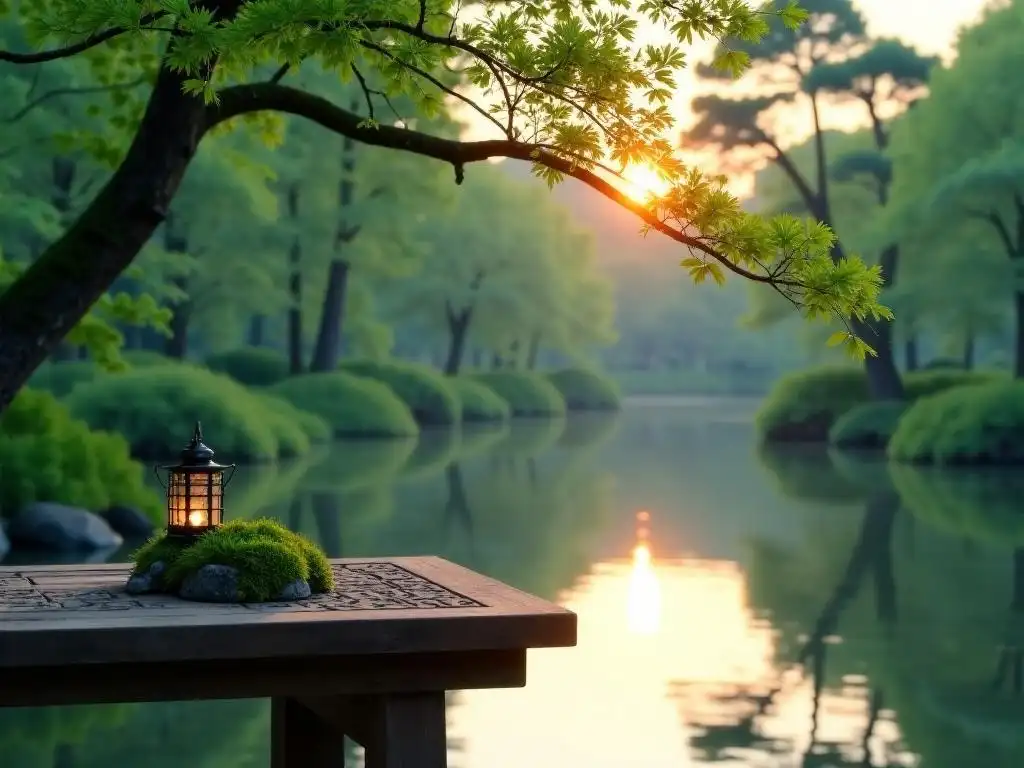
Wabi Sabi Zen aesthetics encapsulates a philosophy that finds beauty in imperfection and transience. This aesthetic principle emerged from Zen Buddhism and has profoundly influenced various aspects of Japanese culture, including art, architecture, and everyday life. At its core, Wabi Sabi teaches us to embrace the natural cycle of growth and decay, revealing the inherent beauty in life’s imperfections.
The Beauty of Imperfection: Kintsugi and Other Practices
One of the most poignant expressions of Wabi Sabi is the art of Kintsugi, which translates to "golden joinery." This practice involves repairing broken pottery with lacquer mixed with powdered gold, silver, or platinum. Rather than disguising the flaws, Kintsugi highlights them, celebrating the object's history and uniqueness.
- Philosophical Underpinnings: Kintsugi embodies the Wabi Sabi philosophy by acknowledging the beauty in scars and imperfections. Each repaired piece tells a story, representing resilience and the passage of time.
- Cultural Significance: This art form has roots in the Japanese tea ceremony, where imperfect vessels were often favored for their character and history. Kintsugi teaches us that flaws enhance an object's value rather than detract from it.
In addition to Kintsugi, other practices reflect Wabi Sabi aesthetics:
- Wabi Sabi in Interior Design: Emphasizing simplicity and natural materials, Wabi Sabi interiors often feature handmade furniture, rough textures, and a muted color palette. These elements create a tranquil space that fosters mindfulness.
- Nature-Inspired Art: Artists influenced by Wabi Sabi often incorporate natural materials such as wood, stone, and clay into their work, allowing the organic forms and textures to shine without excessive embellishment.
Natural Materials and Their Significance in Wabi Sabi Design
Natural materials play a crucial role in Wabi Sabi design, serving as a bridge between the aesthetic and the philosophy itself. The choice of materials reflects an understanding of nature's cycles and a respect for the environment.
Key Materials in Wabi Sabi Design:
- Wood: Often left untreated or minimally finished, wood showcases its grain, knots, and imperfections. This approach emphasizes the material's organic qualities.
- Clay: Utilized in pottery and ceramics, clay pieces celebrate the earthiness of the material. Glazes may be uneven and unpredictable, highlighting the beauty of nature’s randomness.
- Stone: Used in landscaping and architecture, stones are appreciated for their natural shapes and textures. They symbolize strength and permanence amid the impermanence of life.
The Role of Texture and Color
- Texture: Emphasizing tactile experiences, Wabi Sabi design prioritizes texture over polish. Rough, uneven surfaces invite touch and engagement, fostering a deeper connection to the object.
- Color Palette: The colors in Wabi Sabi design are often muted and earthy, reflecting the natural world. Shades of brown, gray, and green dominate, creating a harmonious and calming environment.
The elements of Wabi Sabi Zen aesthetics encourage us to find beauty in life's imperfections, embrace the transient nature of existence, and appreciate the profound simplicity of natural materials. Through practices like Kintsugi and a thoughtful selection of materials, Wabi Sabi offers a pathway to mindfulness and deeper connection with the world around us.
Wabi Sabi in Japanese Arts and Crafts
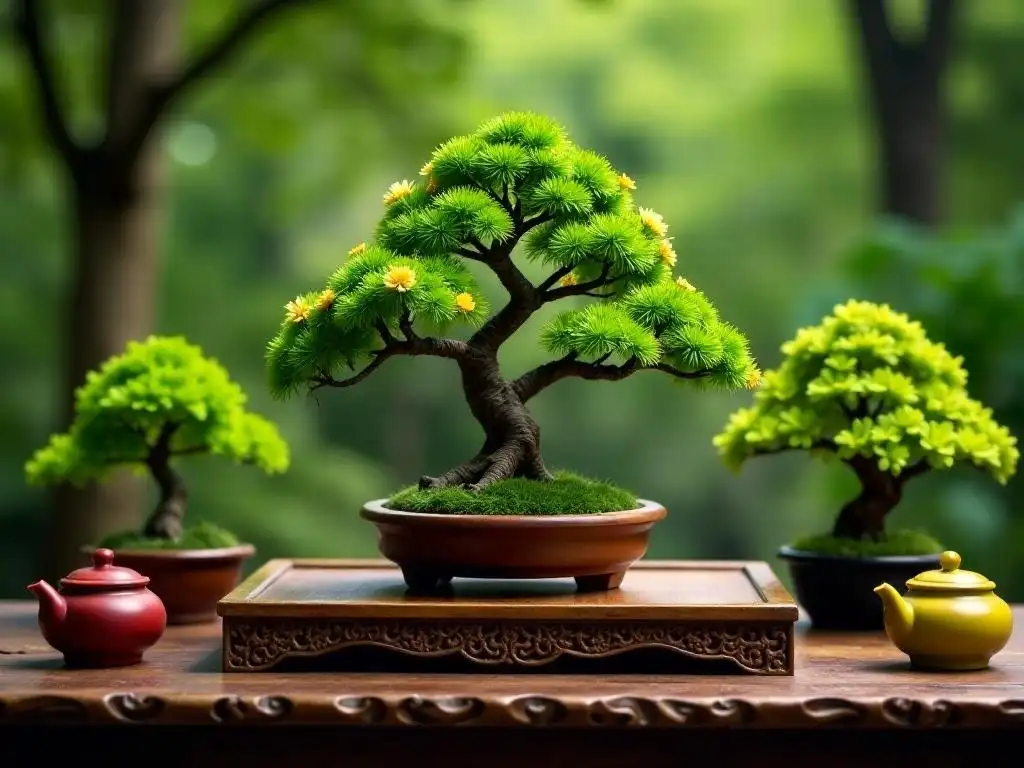
Wabi Sabi is an aesthetic philosophy deeply rooted in Zen Buddhism, characterized by its appreciation for the beauty found in imperfection, transience, and the natural cycle of growth and decay. This ethos significantly influences various forms of Japanese arts and crafts, shaping the cultural landscape of Japan throughout the feudal era and beyond.
Craftsmanship in Japan often embodies Wabi Sabi principles, where the focus lies on the intrinsic qualities of materials and the process of creation rather than on the final product. The imperfection of a handmade object, a slight irregularity in shape, or the muted colors of natural materials are celebrated rather than viewed as flaws. This approach fosters a deeper connection to the object and its history, inviting contemplation and mindfulness.
The Impact of Wabi Sabi on Traditional Japanese Ceramics
Traditional Japanese ceramics serve as a quintessential representation of Wabi Sabi aesthetics. The concept manifests in various styles, notably Raku and Shino pottery, where the unpredictability of the firing process enhances the uniqueness of each piece.
- Raku Pottery:
- Originating in the 16th century, Raku pottery is characterized by its hand-shaped forms and the use of glazes that produce unpredictable results. The firing method often involves removing the ceramics from the kiln while still hot and placing them in combustible materials, which creates a dynamic contrast of colors and textures. This process emphasizes the beauty of imperfection and the ephemeral nature of art.
- Shino Ware:
- Known for its rich, earthy glazes and soft, rounded forms, Shino ware dates back to the 16th century as well. The glazes often exhibit a range of textures and colors, from vibrant oranges to muted whites, reflecting the natural elements involved in their creation. The unpredictability of the glazes further embodies Wabi Sabi, as each piece tells a unique story through its imperfections.
These ceramic forms not only showcase aesthetic beauty but also embody a philosophy that values the natural cycle of life, encouraging appreciation for the momentary and the transient.
Wabi Sabi in Architecture: Embracing Nature and Simplicity
Wabi Sabi extends beyond the realm of arts and crafts and profoundly influences traditional Japanese architecture. The design of spaces often reflects a harmonious relationship with nature, emphasizing simplicity and the natural environment.
- Use of Natural Materials:
- Traditional Japanese architecture prominently features materials like wood, bamboo, and stone, which age gracefully and gain character over time. The natural weathering of these materials is embraced, revealing their inherent beauty and connection to the environment.
- Tatami and Shoji:
- The use of tatami mats and shoji screens exemplifies Wabi Sabi principles in interior design. Tatami mats, made from rice straw and covered with woven rush grass, provide a natural texture and warmth, while shoji screens allow soft, diffused light to penetrate spaces, creating a serene atmosphere. Both elements highlight simplicity and functionality, aligning with the Wabi Sabi philosophy.
- Gardens and Outdoor Spaces:
- Japanese gardens are often designed to reflect Wabi Sabi aesthetics, emphasizing asymmetry and the natural landscape. The deliberate placement of stones, water features, and plants creates a tranquil, contemplative environment. The seasonal changes in the garden further illustrate the beauty of impermanence, a core tenet of Wabi Sabi.
Wabi Sabi Zen aesthetics permeate various aspects of Japanese culture, promoting a profound appreciation for simplicity, nature, and the beauty found in imperfection. This philosophy not only shapes artistic expressions but also influences architectural practices, fostering a deeper connection between individuals and their environment.
Modern Interpretations of Wabi Sabi Zen Aesthetics
How Wabi Sabi Influences Contemporary Art and Design
Wabi Sabi Zen aesthetics, rooted in the principles of impermanence and natural beauty, have permeated contemporary art and design, inspiring a shift towards authenticity and simplicity. This influence can be observed across various mediums, from visual arts to interior design, where the appreciation of the imperfect and the transient is celebrated.
- Visual Arts: Many contemporary artists are embracing Wabi Sabi by incorporating raw, unrefined materials into their work. For example, ceramicists like Hiroshi Suzuki create pieces that highlight the beauty in irregular forms and textures, often showcasing the natural qualities of clay and glaze. This approach aligns with the Wabi Sabi philosophy of valuing the handmade and the unique.
- Interior Design: In modern interiors, Wabi Sabi aesthetics manifest through the use of natural materials, muted color palettes, and an emphasis on open space. Designers often choose reclaimed wood, stone, and textiles that show signs of wear and aging, reflecting the beauty of imperfection. The concept encourages the creation of spaces that foster tranquility and mindfulness, inviting occupants to appreciate the simplicity and beauty of their surroundings.
- Fashion: Wabi Sabi has also made its mark on the fashion industry, with designers promoting sustainable practices and timeless pieces over fast fashion. Brands like Issey Miyake focus on creating clothing that celebrates natural fabrics and forms, allowing each piece to age gracefully and develop its own character over time.
This modern interpretation of Wabi Sabi serves as a counterbalance to the often superficial nature of contemporary culture, reminding us to find beauty in the mundane and to embrace the flaws that make life uniquely human.
The Relevance of Wabi Sabi in Modern Minimalism
The principles of Wabi Sabi are intrinsically linked to the modern minimalist movement, which seeks to declutter and simplify living spaces and lifestyles. While minimalism emphasizes functionality and the removal of excess, Wabi Sabi adds a nuanced perspective that celebrates the beauty of imperfection and the passage of time.
- Philosophical Alignment: Both Wabi Sabi and minimalism advocate for a mindful approach to consumption and aesthetics. By focusing on what is essential and meaningful, individuals can create living environments that resonate with their values and experiences. This integration fosters a deeper connection to one’s surroundings.
- Sustainable Living: In an era increasingly concerned with sustainability, Wabi Sabi encourages an appreciation of materials that age gracefully and tell a story. This perspective aligns with the minimalist ethos of reducing waste and embracing quality over quantity. For instance, choosing handcrafted furniture that shows wear and tear can evoke a sense of history and character, contributing to a more sustainable lifestyle.
- Emotional Resonance: The acceptance of imperfection and change inherent in Wabi Sabi can lead to greater emotional well-being. By incorporating elements that reflect personal journeys and experiences, such as family heirlooms or art pieces with visible signs of aging, individuals can create spaces that evoke feelings of nostalgia and comfort—core tenets of both Wabi Sabi and modern minimalism.
The relevance of Wabi Sabi in modern minimalism highlights a profound cultural shift towards valuing authenticity and simplicity, encouraging individuals to find beauty in their everyday lives while fostering a deeper connection with their environment.
Wabi Sabi and Mindfulness

Wabi Sabi, a fundamental concept in Japanese aesthetics, encapsulates the beauty found in imperfection, transience, and the natural cycle of growth and decay. This philosophy is deeply intertwined with Zen Buddhism, particularly in its emphasis on mindfulness and the appreciation of the present moment. By embracing Wabi Sabi, practitioners cultivate a heightened awareness of their surroundings and an acceptance of life's imperfections, fostering a more profound connection to the world around them.
The Connection Between Wabi Sabi and Zen Meditation
The relationship between Wabi Sabi and Zen meditation is rooted in the shared principles of simplicity and presence. Zen meditation, or Zazen, encourages practitioners to focus on the breath, quieting the mind and fostering an acute awareness of the moment. This meditative practice aligns seamlessly with Wabi Sabi, as both emphasize the importance of recognizing beauty in the ordinary and the transient.
- Impermanence: Central to both Wabi Sabi and Zen is the notion of impermanence. In Zen meditation, awareness of the fleeting nature of thoughts and sensations allows practitioners to let go of attachments. Similarly, Wabi Sabi teaches that beauty is found in the ephemeral, whether in the changing seasons or the aging of objects.
- Non-attachment: Wabi Sabi encourages an acceptance of imperfection, leading to a non-attachment to ideals of perfection. In Zen practice, this non-attachment is essential for achieving a state of inner peace, as it frees the mind from the burdens of expectation.
- Mindful Observation: The aesthetics of Wabi Sabi promote mindful observation of the world. By engaging with everyday objects—such as a cracked ceramic bowl or a weathered wooden beam—practitioners of Zen can cultivate a deeper appreciation for the beauty in the mundane.
Practicing Mindfulness through Wabi Sabi Aesthetics
Incorporating Wabi Sabi aesthetics into daily life can enhance mindfulness practices, allowing individuals to experience a more profound sense of presence and appreciation for their surroundings. Here are some practical ways to embrace Wabi Sabi:
- Creating a Wabi Sabi Space: Design your living environment with Wabi Sabi principles in mind. This might include using natural materials, allowing for some wear and tear, and intentionally curating spaces that feel authentic rather than perfect.
- Mindful Consumption: Choose objects that reflect Wabi Sabi aesthetics, such as handmade pottery or textiles with natural dyes. These items often carry the marks of their creation, telling a story through their imperfections.
- Nature Walks: Engage in mindful walks through nature, observing the beauty of aging trees, fallen leaves, and the shifting colors of the sky. Allow yourself to be present with these natural elements, acknowledging their impermanence.
- Meditative Practices: Incorporate Wabi Sabi into your meditation sessions by focusing on the beauty of your surroundings. Whether it's the light filtering through a window or the texture of a nearby object, use these elements to anchor your mindfulness practice.
By embracing Wabi Sabi Zen aesthetics, individuals not only cultivate a deeper appreciation for the world around them but also foster a mindful approach to life, celebrating the beauty found in imperfection and the fleeting moments that define our existence.
Challenges and Misconceptions about Wabi Sabi
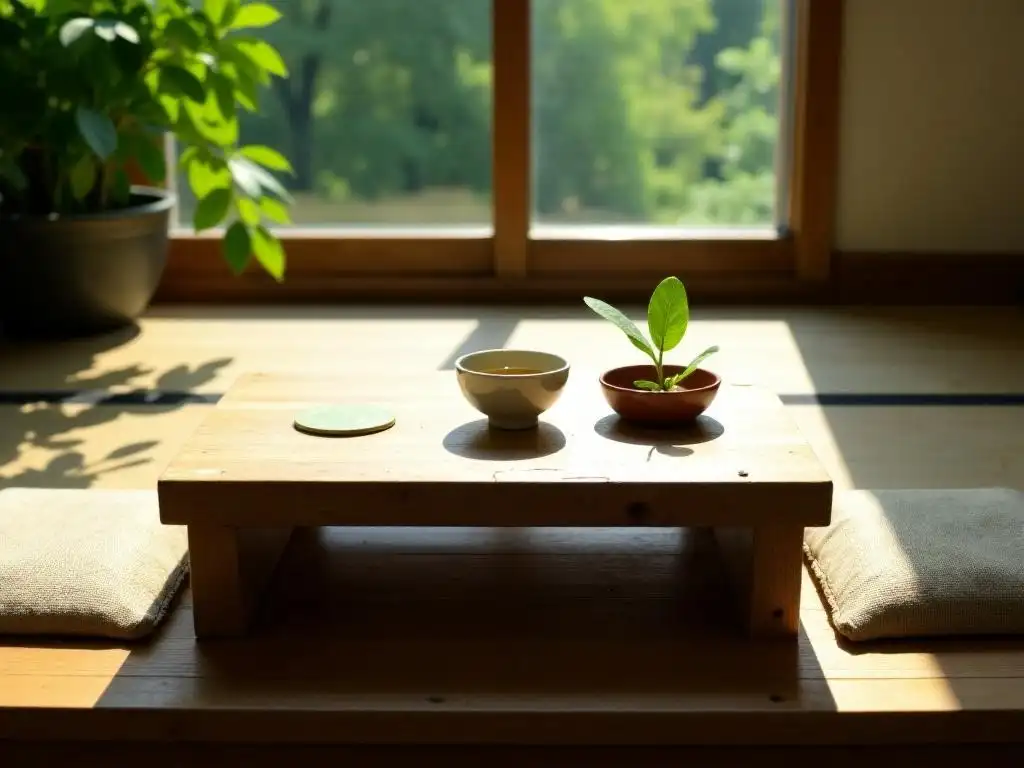
Wabi Sabi is a profound concept rooted in Zen Buddhism that embraces the beauty of imperfection, transience, and simplicity. However, despite its rich history and aesthetic significance, Wabi Sabi often faces numerous challenges and misconceptions that can obscure its true essence. Understanding these challenges is crucial for a deeper appreciation of Wabi Sabi Zen aesthetics and its application in contemporary life and art.
Common Myths Surrounding Wabi Sabi Zen Aesthetics
-
Wabi Sabi is Just About Aesthetics
A prevalent myth is that Wabi Sabi solely pertains to visual beauty and design. While it certainly influences aesthetic values, Wabi Sabi encompasses a broader philosophical perspective. It invites individuals to embrace the ephemeral nature of life, fostering a sense of acceptance and mindfulness towards imperfections.
-
Wabi Sabi Equals Messiness
Another misconception is that Wabi Sabi promotes disorder or messiness. In reality, Wabi Sabi emphasizes a harmonious balance of simplicity and naturalness. It celebrates the beauty found in organic forms and textures while advocating for a sense of serenity and intentionality in one's surroundings.
-
Wabi Sabi is Nihilistic
Some interpret Wabi Sabi as a form of nihilism, suggesting that it encourages a bleak view of existence. However, Wabi Sabi actually highlights the fleeting nature of life, encouraging appreciation for the present moment and the beauty inherent in change. This perspective fosters a sense of gratitude and deeper connection to one's environment.
-
Wabi Sabi is Exclusively Japanese
While Wabi Sabi has its roots in Japanese culture, its principles resonate globally. The appreciation of imperfection and transience can be found in many cultures, making Wabi Sabi a universal philosophy that transcends geographical boundaries.
-
Wabi Sabi is Easily Defined
Many believe that Wabi Sabi can be neatly defined or categorized. In reality, it is a fluid and dynamic concept that varies greatly from person to person. Each individual's interpretation is shaped by personal experiences, cultural background, and artistic sensibilities.
Understanding the True Nature of Simplicity in Wabi Sabi
The essence of simplicity in Wabi Sabi is often misunderstood as mere minimalism. While both philosophies appreciate the reduction of excess, Wabi Sabi goes deeper into the emotional and spiritual realms.
-
Embracing Imperfection
Simplicity in Wabi Sabi encourages you to embrace the charm of imperfections. This acceptance allows for a more profound connection to objects and experiences, celebrating their unique histories and the stories they tell.
-
Transience and Change
Wabi Sabi teaches that simplicity is rooted in the acknowledgment of change. Everything is in a constant state of flux; recognizing this can transform how we engage with the world. By appreciating the ephemeral nature of life, individuals can cultivate a sense of peace and fulfillment.
-
Mindfulness and Presence
The true nature of simplicity in Wabi Sabi is tied to mindfulness. It invites individuals to slow down and appreciate the present moment. This intentional engagement allows for a deeper connection to one’s surroundings, fostering a sense of tranquility and gratitude.
-
Natural Materials and Form
Wabi Sabi aesthetics often prioritize natural materials that age gracefully over time. The simplicity found in these materials—such as wood, stone, and clay—reflects their organic qualities, celebrating the beauty that emerges from wear, tear, and the passage of time.
-
Personal Interpretation
Ultimately, simplicity in Wabi Sabi is highly subjective. Each person brings their own perspective to the concept, allowing for a rich tapestry of interpretations that reflect individual experiences and values. This personal connection makes Wabi Sabi a deeply resonant philosophy that can enrich our lives.
By unraveling the challenges and misconceptions surrounding Wabi Sabi Zen aesthetics, one can appreciate its depth and significance beyond mere visual appeal. Understanding the true nature of simplicity reveals a pathway to mindfulness, acceptance, and a more profound connection to the world around us.
Conclusion: Embracing Wabi Sabi in Daily Life
The Lasting Impact of Wabi Sabi on Personal Philosophy
Wabi Sabi Zen aesthetics champion the beauty found in imperfection and transience, influencing personal philosophies across various spectrums of life. This philosophy encourages individuals to appreciate the simple, the natural, and the fleeting. By embracing Wabi Sabi, one can cultivate a mindset that values authenticity over perfection. This shift can enhance emotional well-being and foster a deeper connection with oneself and one's surroundings.
- Impermanence: Recognizing that everything is temporary allows individuals to cherish moments as they come. For instance, the changing seasons can remind us of life's cycles and the beauty in each phase.
- Embracing Flaws: Accepting imperfections in ourselves and others can lead to greater compassion and understanding. This acceptance fosters stronger relationships based on authenticity rather than superficial ideals.
- Simplicity: The minimalist principles of Wabi Sabi encourage decluttering both physical spaces and mental landscapes. Simplifying one’s belongings and thoughts can lead to a more focused and tranquil life.
The integration of Wabi Sabi aesthetics into personal philosophy not only enriches individual perspectives but also creates a ripple effect, influencing community values and cultural practices.
Encouraging a Life of Simplicity and Presence through Wabi Sabi
Living in accordance with Wabi Sabi Zen aesthetics entails fostering a lifestyle that prioritizes simplicity and mindfulness. Here are some actionable ways to incorporate these principles into daily life:
- Mindful Living: Engage fully in each moment. Instead of rushing through tasks, savor the experience, whether it's enjoying a cup of tea or taking a walk in nature. This practice aligns with the Wabi Sabi perspective of valuing the present.
- Creating Simple Spaces: Design living and working environments that reflect Wabi Sabi aesthetics. Use natural materials, embrace asymmetry, and allow space for light and shadows to play. This can create a calming atmosphere that resonates with simplicity.
- Curating Meaningful Items: Surround yourself with objects that tell a story or hold sentimental value, rather than accumulating things for the sake of appearance. Choose items that resonate with your personal journey and evoke a sense of connection.
- Practicing Gratitude: Regularly acknowledge and appreciate the small, often overlooked aspects of life. This can range from the beauty of a weathered surface to the warmth of a shared smile, reinforcing the idea that beauty is present in the mundane.
By consciously integrating Wabi Sabi Zen aesthetics into daily practices, individuals can cultivate a lifestyle rich in meaning, presence, and appreciation for the beauty inherent in simplicity. This approach not only transforms personal experiences but also contributes to a broader cultural understanding of beauty and existence.
Frequently Asked Questions
What is Wabi Sabi in Zen aesthetics?
Wabi Sabi is a Japanese aesthetic that embraces imperfection and transience. It celebrates the beauty found in simplicity, naturalness, and the inherent flaws of objects.
How does Zen Buddhism influence Wabi Sabi?
Zen Buddhism promotes mindfulness and an appreciation for the present moment, which aligns with Wabi Sabi principles. It encourages a deeper connection to nature and the acceptance of impermanence.
Can you provide examples of Wabi Sabi in art and architecture?
Wabi Sabi can be found in traditional Japanese tea houses, rustic pottery, and landscape gardens. These examples often highlight natural materials, irregular forms, and a sense of tranquility.
How is Wabi Sabi applied in modern design?
In modern design, Wabi Sabi influences minimalist approaches that prioritize functionality and natural materials. Designers often incorporate rustic elements and focus on creating spaces that evoke a sense of peace.
Why is understanding Wabi Sabi important for appreciating Japanese culture?
Understanding Wabi Sabi is crucial as it reflects the Japanese worldview that values humility, simplicity, and a connection to nature. It offers insights into the philosophical foundations of Japanese art and lifestyle.
Final Reflection: Embracing the Beauty of Imperfection in Wabi Sabi
Wabi Sabi Zen aesthetics resonate profoundly in our fast-paced, perfection-driven world, reminding us that true beauty lies in the transient and imperfect. As we navigate through life, the principles of Wabi Sabi encourage us to appreciate the fleeting moments and the unique character that imperfections bring to our experiences. In a society that often equates success with flawlessness, embracing Wabi Sabi offers a refreshing perspective that celebrates authenticity and the natural cycle of growth and decay.
Culturally, the influence of Wabi Sabi extends beyond mere aesthetics; it has permeated our understanding of mindfulness and appreciation for the present moment. This philosophy invites us to slow down and find joy in simplicity, fostering a deeper connection with ourselves and our surroundings. As the poet Leonard Cohen beautifully articulated, “There is a crack in everything, that’s how the light gets in.” This sentiment encapsulates the essence of Wabi Sabi, urging us to find beauty in our flaws and the imperfections of life, ultimately enriching our experiences.
As we reflect on the lessons of Wabi Sabi, I invite you to consider how you can incorporate these principles into your daily life. Take a moment to appreciate the beauty in simplicity, to find joy in the imperfect, and to embrace the transient nature of existence. By doing so, you not only cultivate a deeper sense of mindfulness but also foster a more profound appreciation for the world around you. Let the aesthetics of Wabi Sabi inspire you to live authentically and to celebrate the unique journey that is your life.
Embrace the Beauty of Imperfection!
Thank you for exploring the intricate world of Zen Buddhism and the captivating aesthetics of simplicity through Wabi-Sabi with us! We hope you’ve gained valuable insights into how embracing imperfection can profoundly enrich your life and surroundings. Now, let’s take actionable steps to incorporate these powerful concepts into your everyday routine.
- Start a Wabi-Sabi Journal: Begin documenting the imperfect beauty you encounter daily—capture photos of decaying leaves, write reflections on unique pottery, or simply take a moment to appreciate the beauty found in simplicity.
- Create a Wabi-Sabi Space: Redesign a corner of your home using natural materials, vintage decor, or handmade items that tell a story. Celebrate uniqueness over perfection!
- Share Your Journey: Connect with others by inviting friends to join you for a day of Wabi-Sabi appreciation or sharing your discoveries on social media with the hashtag #WabiSabiJourney.
What unique imperfections have you encountered today that made you pause and appreciate the beauty around you?