
The Historical Evolution of Shinto: From Ancient Beliefs to Modern Practices

Welcome to Feudal Japan History, where we embark on an intriguing journey through the annals of Japan’s feudal era. Delve deep into the captivating world of Shinto beliefs in feudal Japan, a fascinating exploration that unravels the intricate tapestry of spirituality that shaped a nation.
From ancient rituals to the profound influence on modern practices, our featured article, "The Historical Evolution of Shinto: From Ancient Beliefs to Modern Practices," invites you to discover how these enduring traditions have evolved over time. Prepare to ignite your curiosity and uncover the hidden gems of Japan’s rich cultural heritage as you navigate through our comprehensive collection of expert-driven insights!
Introduction to Shinto Beliefs in Feudal Japan
Shinto, the indigenous spirituality of Japan, has undergone a remarkable transformation from its earliest origins to its current practices. This article delves into the historical evolution of Shinto, particularly during the feudal era, a time when Japan's cultural and societal structures were profoundly influenced by religion. Understanding Shinto beliefs in feudal Japan is essential not only to grasp the spiritual landscape of the time but also to appreciate how these beliefs shaped various aspects of Japanese life, including governance, social hierarchies, and cultural traditions.
As we explore this evolution, we will examine the core tenets of Shinto, its significance in daily life, and the intricate connections between Shinto practices and the natural world. This comprehensive exploration will illuminate how Shinto has persisted and adapted, influencing modern Japanese identity and spirituality.
Overview of Shinto as a Religion
Shinto is characterized by its polytheistic nature, where various deities, known as kami, are revered. These kami are often associated with natural elements, such as mountains, rivers, and trees, reflecting the deep connection between the Japanese people and their environment. Unlike many organized religions, Shinto lacks a central scripture or dogma, allowing for a diverse range of beliefs and practices that have evolved over time.
The rituals and ceremonies within Shinto are integral to the faith, emphasizing the importance of purification, offerings, and festivals. During the feudal era, these practices were not only spiritual in nature but also served to reinforce social order and community cohesion.
Importance of Shinto in Japanese Society
The role of Shinto in Japanese society during the feudal period cannot be overstated. It acted as a unifying force, providing shared cultural touchstones for various clans and communities. Shinto shrines became centers of social interaction and political power, often linked to the ruling samurai class. The celebration of seasonal festivals and rituals at these shrines fostered a sense of belonging and identity among the populace.
Moreover, Shinto beliefs were closely intertwined with Japanese governance, as leaders often claimed divine right or ancestry from kami. This connection between the divine and the earthly realm reinforced the legitimacy of feudal rulers and their policies, shaping the political landscape of the time.
Origins of Shinto Beliefs
Ancient Roots of Shinto Practices
Shinto's origins trace back to prehistoric Japan, where animistic beliefs and rituals were practiced by early inhabitants. These ancient practices were rooted in the reverence for nature and the acknowledgment of a spiritual essence in all things. Over time, these beliefs coalesced into a more organized system of worship, laying the groundwork for what would become Shinto.
The Kofun period (circa 300–600 CE) marked a significant development in Shinto, as the construction of burial mounds and the establishment of kami worship became prominent. This period saw the rise of powerful clans, which further shaped the religious landscape through their patronage of specific kami, leading to regional variations in worship and beliefs.
Influence of Nature and Kami Worship
At the heart of Shinto is the profound connection between the Japanese people and the natural world. Nature is not merely a backdrop for human activity; it is imbued with spiritual significance. The kami are often thought to inhabit natural features, such as mountains, rivers, and even certain animals, highlighting the belief that divinity is inherently intertwined with the environment.
This deep-seated reverence for nature is evident in various Shinto practices, such as ritual offerings made at shrines, where gifts of rice, sake, and seasonal produce are presented to the kami. Such practices not only honor the spirits but also reinforce the community's relationship with the land, emphasizing sustainability and respect for the environment.
The historical evolution of Shinto from ancient beliefs to modern practices encapsulates a rich tapestry of spirituality that has shaped and been shaped by the Japanese experience. As we continue this exploration, we will further unpack the intricate layers of Shinto beliefs and their enduring impact on Japanese culture.
Shinto in the Feudal Era
Shinto, the indigenous spirituality of Japan, underwent significant transformations during the feudal era, shaping its practices and beliefs. This period, spanning from the 12th to the 19th centuries, saw Shinto evolve in response to the sociopolitical landscape of Japan. The rise of samurai culture, the establishment of military governments, and interactions with Buddhism all contributed to the reformation of Shinto beliefs and their integration into daily life.
The feudal era marked the transition from a predominantly rural society to a more structured hierarchy. Shinto adapted to these changes by emphasizing loyalty, honor, and the connection between the divine and the ruling class. As a result, Shinto not only served as a religious framework but also reinforced the social order, intertwining spiritual beliefs with the responsibilities of governance and military service.
During this time, Shinto shrines became central to community life, acting as both spiritual and social hubs. Festivals and rituals associated with these shrines were vital for maintaining the relationship between the people and the kami (deities). The era also saw the codification of Shinto practices, as scholars sought to formalize and preserve the teachings and rituals, leading to a richer and more diverse religious landscape.
Development of Shinto During the Kamakura Period
The Kamakura Period (1185-1333) was a crucial era for the evolution of Shinto beliefs, characterized by the rise of the samurai class and the establishment of the Kamakura shogunate. During this time, Shinto began to differentiate itself from Buddhism, which had previously dominated the religious landscape. The samurai, who were deeply influenced by Zen Buddhism, sought to legitimize their power through Shinto, positioning it as a vital component of their identity.
This period saw the emergence of the concept of "Shinto as a state religion," where Shinto beliefs were linked to the legitimacy of the ruling shogunate. The ritual practices and the veneration of ancestral spirits became increasingly important, reinforcing the value of loyalty and sacrifice among the samurai class. The idea of kami as protectors of the nation began to take root, establishing a belief system that emphasized national identity intertwined with spirituality.
Additionally, the development of Shinto shrines during the Kamakura Period reflected the increasing prestige of Shinto. New shrines were built, and existing ones were renovated, often funded by samurai families seeking to gain favor with the kami. This era laid the groundwork for future Shinto practices, merging traditional beliefs with the emerging values of the samurai culture.
The Role of Samurai and Shinto Beliefs
The samurai played a pivotal role in shaping Shinto beliefs during the feudal era. As the military aristocracy, samurai were not only warriors but also custodians of cultural and spiritual practices. They embraced Shinto as a means to express their loyalty to the emperor and their commitment to the protection of the land and its people.
Samurai rituals often included offerings to the kami, seeking guidance and blessings for success in battle. The practice of "kamikaze," or divine winds, was rooted in the belief that the kami would intervene on behalf of the samurai in times of crisis. This deep connection between samurai and Shinto reinforced the idea that the samurai were divinely ordained protectors of Japan, further solidifying their social status.
Moreover, the concept of bushido, or the "way of the warrior," was heavily influenced by Shinto beliefs. The principles of loyalty, honor, and courage found their foundations in both Shinto and the samurai ethos, creating a unique synthesis of spiritual and martial values. This blend of beliefs would continue to influence Japanese culture long after the feudal era ended.
Shinto Shrines and Their Cultural Significance
Shinto shrines serve as the physical embodiment of Shinto beliefs and practices, providing a space for worship and community gathering. These shrines, known as "jinja," are often located in natural settings, symbolizing the connection between the kami and the natural world. The architectural design of shrines, featuring torii gates and sacred spaces, reflects the reverence for nature that is central to Shinto.
During the feudal era, shrines became significant cultural landmarks, often serving as centers for festivals, rituals, and communal activities. They played a crucial role in marking important agricultural events, seasonal changes, and life milestones, such as births and marriages. The festivals, or "matsuri," held at these shrines, were vibrant expressions of community identity and spiritual devotion.
The relationship between the samurai and Shinto shrines was particularly noteworthy. Many samurai families established their own shrines to honor their ancestors and seek blessings for their lineage. This practice not only reinforced their social status but also emphasized the importance of ancestry and heritage in Shinto beliefs.
Major Shinto Texts and Philosophies
Shinto, while primarily an oral tradition, is supported by several key texts that have shaped its beliefs and practices. These texts provide insight into the mythology, rituals, and philosophical underpinnings of Shinto. Understanding these works is essential for grasping the complexities of Shinto beliefs during the feudal era and beyond.
The Kojiki and Nihon Shoki: Key Texts in Shinto
The Kojiki, or "Records of Ancient Matters," and the Nihon Shoki, or "Chronicles of Japan," are the two foundational texts of Shinto. Compiled in the early 8th century, they serve as critical sources for understanding Japan's mythology, history, and the pantheon of kami.
The Kojiki is the older of the two texts, detailing the creation myths of Japan and the genealogy of the imperial family. It emphasizes the divine origins of the Japanese people and the sacred connection between the emperor and the kami. The Nihon Shoki, on the other hand, presents a more chronological account of Japan's history and includes influences from Chinese historiography. This text elaborates on the role of kami in historical events and emphasizes the legitimacy of the imperial line.
Both texts are instrumental in the formation of Shinto identity, providing a narrative that connects the spiritual and historical aspects of Japanese culture. They also highlight the significance of rituals and festivals, reinforcing the idea that honoring the kami is essential for maintaining harmony within society.
Understanding Shinto Myths and Legends
Shinto is rich with myths and legends that convey moral lessons, cultural values, and the relationship between humanity and the divine. These stories often feature kami, ancestral spirits, and mythical creatures, illustrating the complexities of existence and the interconnectedness of all living beings.
Key myths, such as the tale of Izanagi and Izanami, who created the islands of Japan, or the story of Amaterasu, the sun goddess, encapsulate the themes of life, death, and renewal. These narratives not only serve to explain natural phenomena but also provide a framework for understanding human behavior and societal norms.
Shinto myths have been passed down through generations, often adapted to reflect contemporary values while retaining their core teachings. The legends serve as a reminder of the importance of harmony, respect for nature, and the reverence for ancestors, which are foundational elements of Shinto beliefs in feudal Japan and continue to resonate in modern practices.
The Relationship Between Shinto and Buddhism
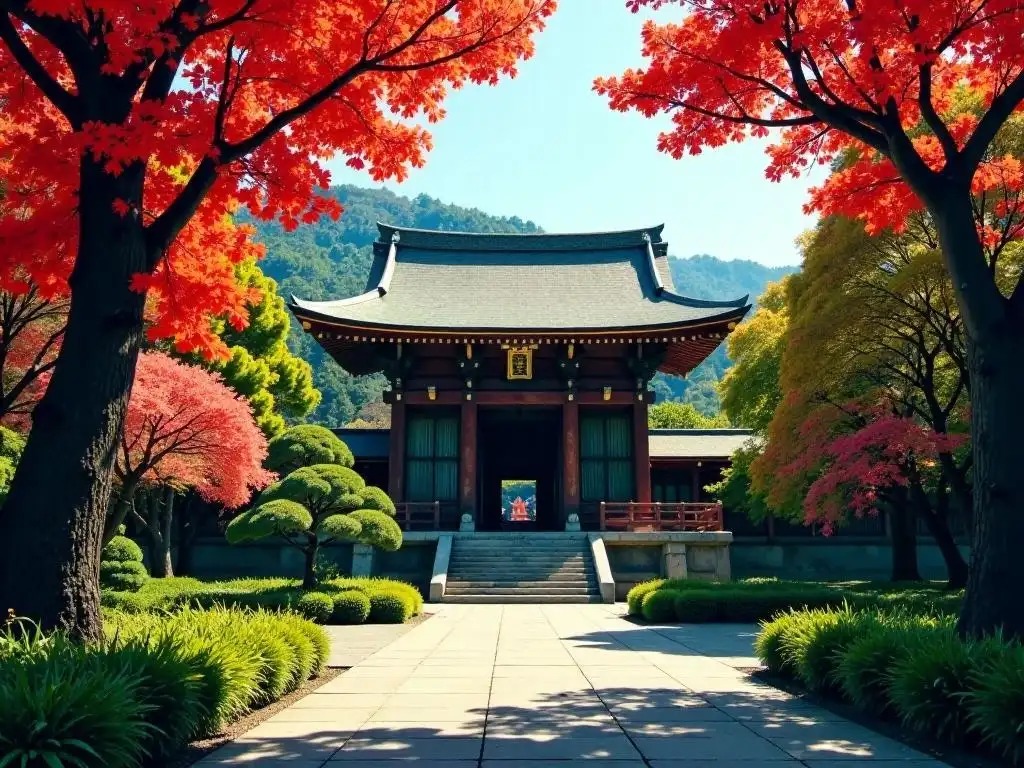
The relationship between Shinto and Buddhism is a fascinating aspect of Japan's spiritual landscape. Emerging in different eras, Shinto, the indigenous faith of Japan, has coexisted with Buddhism since its introduction from the mainland in the 6th century. The interaction between these two religions has shaped Japan's cultural, social, and spiritual identity, with Shinto evolving alongside Buddhist practices.
Historically, Shinto and Buddhism were often seen as complementary rather than contradictory. While Shinto focused on kami worship and the reverence of nature, Buddhism introduced concepts such as enlightenment and the cycle of rebirth. This coexistence allowed for a rich tapestry of beliefs and practices that reflected the diversity of Japanese spirituality during the feudal era. The blend of these two religions not only influenced religious practices but also affected art, literature, and philosophy.
Coexistence of Shinto and Buddhist Practices
Throughout feudal Japan, the coexistence of Shinto and Buddhist practices was evident in various aspects of daily life. Many people engaged in both Shinto rituals and Buddhist ceremonies, often without distinguishing between the two. Temples and shrines, which were the focal points of each faith, frequently existed in close proximity, allowing practitioners to seamlessly navigate their spiritual lives.
Festivals often featured elements from both religions. For instance, many Shinto festivals incorporated Buddhist rituals, such as offerings to the kami alongside prayers for the deceased. This blending fostered a unique cultural identity, where both Shinto and Buddhist traditions were celebrated in harmony, reflecting the Japanese ethos of adaptability and integration.
Syncretism: The Blending of Shinto and Buddhist Beliefs
Syncretism played a pivotal role in shaping Shinto beliefs in feudal Japan. This blending was not merely a superficial amalgamation; it resulted in the creation of new practices and beliefs that enriched both religions. One prominent example is the concept of Shinbutsu shūgō, which means the "union of kami and Buddhas." This belief system posited that kami and Buddhist deities could coexist and influence one another, leading to the worship of both in a single context.
The syncretism also manifested in art and architecture, where Shinto shrines might feature Buddhist motifs, and vice versa. Additionally, religious leaders often held dual roles, serving as both Shinto priests and Buddhist monks, further facilitating the blending of these traditions. This cultural synthesis contributed to the development of a unique Japanese religious identity that continues to influence modern practices.
Shinto Rituals and Practices in Feudal Japan
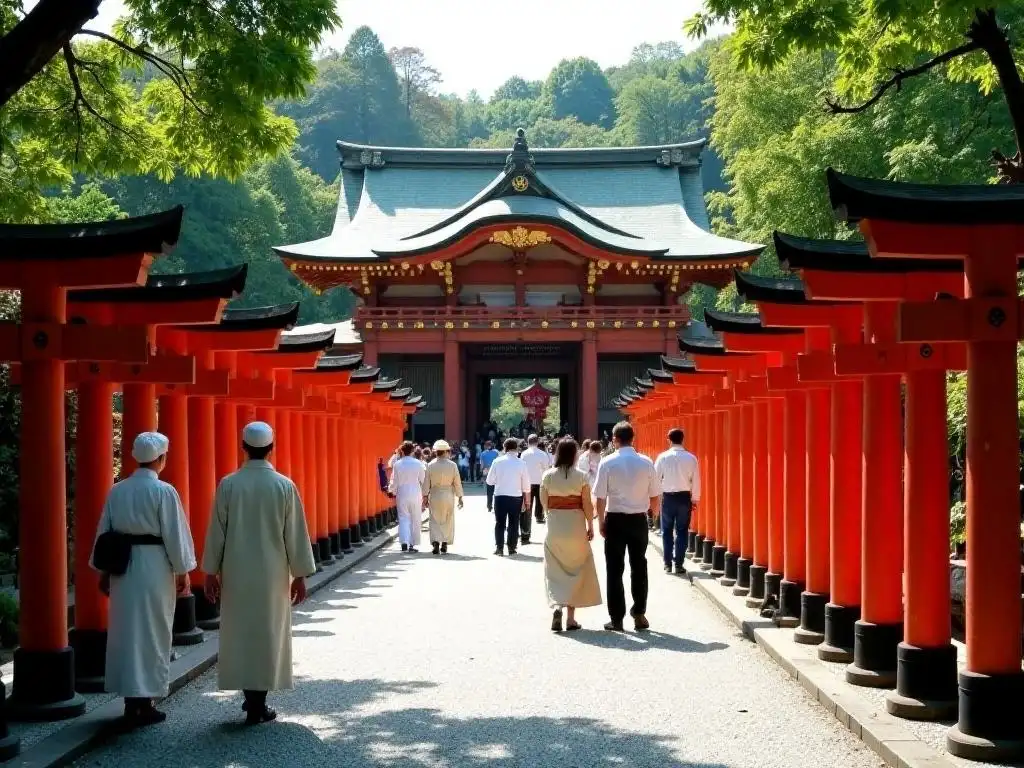
Shinto rituals and practices during the feudal era were integral to the everyday lives of the Japanese people. These rituals were not only religious in nature but also served as community bonding events. Regular offerings to the kami, such as rice, sake, and seasonal fruits, were made at shrines, reinforcing the connection between the people and the divine.
Festivals, or matsuri, played a significant role in Shinto practice. These celebrations often marked agricultural cycles, seasonal changes, and community milestones. They included lively processions, music, and dance, creating a vibrant atmosphere that fostered unity and joy among participants. Such rituals were essential for ensuring the blessings of the kami and maintaining harmony within the community.
Daily Practices and Festivals in Shinto
Daily practices in Shinto varied widely among individuals and communities, but they typically included simple offerings and prayers at home altars or local shrines. Families would often display household kami, known as kamidana, where they offered rice, water, and seasonal produce. These daily rituals reinforced the belief in kami's presence in everyday life and encouraged a sense of gratitude and respect for nature.
Festivals held significant importance in feudal Japan, often coinciding with agricultural activities. Major festivals, such as Aoi Matsuri and Gion Matsuri, involved elaborate rituals, including processions, purification rites, and dances to appease the kami. Such events not only celebrated the divine but also served to strengthen community ties, as people gathered to participate in the shared experience of worship and festivity.
The Role of Priests and Ritual Specialists
In feudal Japan, priests and ritual specialists held crucial roles within Shinto practices. Shinto priests, known as kannushi, were responsible for performing rituals, maintaining shrines, and communicating with the kami. Their training involved not only spiritual education but also practical skills in agriculture and community organization, ensuring that rituals were performed correctly and that the community's needs were met.
Ritual specialists, such as miko (shrine maidens), played essential roles in conducting rituals, particularly those involving purification and divination. Miko engaged in various tasks, including performing dances and offering prayers, thus acting as intermediaries between the kami and the people. Their presence in rituals contributed to the vibrancy of Shinto practices and highlighted the importance of female figures in the spiritual life of feudal Japan.
The Impact of Political Changes on Shinto
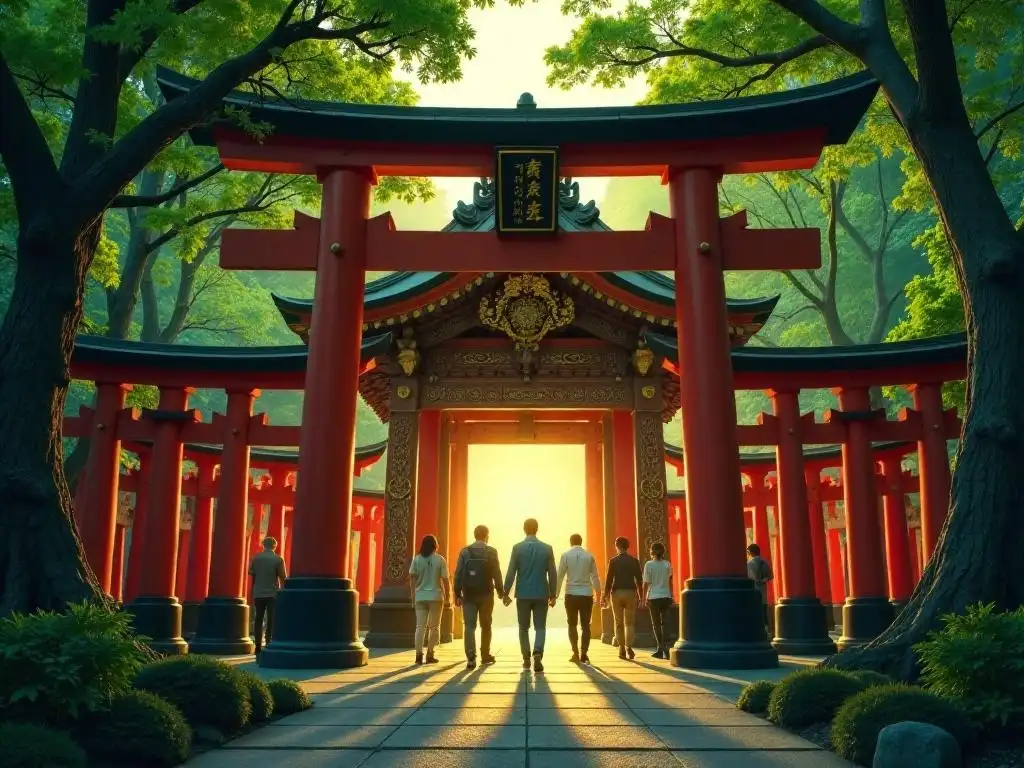
The political landscape of Japan has profoundly influenced the evolution of Shinto beliefs and practices throughout history. As a native religion, Shinto has been closely tied to the imperial family and the state, which has led to significant shifts in its role and perception during various political regimes.
During the Heian period (794-1185), Shinto was integrated with Buddhist practices, reflecting a syncretism that characterized the era. The rise of the samurai class during the Kamakura period (1185-1333) saw Shinto being used to justify the warrior ethos, leading to a more militaristic interpretation of the faith. The establishment of the Ashikaga shogunate introduced the idea of the divine right of rulers, further intertwining Shinto beliefs with political authority.
The unification of Japan under the Tokugawa shogunate in the early 17th century solidified the role of Shinto as a state religion. The shogunate promoted Shinto shrines and rituals to legitimize its power, creating a formal relationship between Shinto practices and governance. However, the Meiji Restoration in 1868 marked a pivotal moment, as the new government sought to redefine Shinto, emphasizing its role as the national religion and distancing it from Buddhism.
Shinto During the Edo Period
The Edo period (1603-1868) was marked by a unique development of Shinto beliefs, characterized by a strong connection to the state and a flourishing of cultural practices. Under Tokugawa rule, a rigid social structure was established, and Shinto was promoted as a means of fostering national identity and loyalty.
During this time, local shrines gained prominence, and the practice of pilgrimage became widespread. The shogunate encouraged the construction of grand shrines, such as the Ise Grand Shrine, as symbols of national pride. Festivals, rituals, and community gatherings became central to local culture, reinforcing Shinto's role in everyday life and providing a sense of continuity and stability during a period of relative peace.
Despite its integration with the state, the Edo period also saw the emergence of various Shinto sects that sought to reform and return to what they viewed as purer forms of practice. This led to a rich tapestry of beliefs and practices, blending traditional elements with new interpretations that would later influence modern Shinto.
The Meiji Restoration and Shinto's Transformation
The Meiji Restoration in 1868 heralded a transformative phase for Shinto, as the new government sought to establish a distinctly Japanese identity in the face of Western influence. This period marked the official separation of Shinto from Buddhism, leading to the establishment of State Shinto—a form of Shinto that served the interests of the government.
State Shinto emphasized the divine nature of the emperor, portraying him as a direct descendant of the sun goddess Amaterasu. This shift was integral to Japan's militaristic expansion, as Shinto rituals and symbols were utilized to foster nationalism and loyalty to the state. The government established the Shrine Bureau to oversee Shinto shrines, standardizing practices and promoting national unity.
However, after Japan's defeat in World War II, the Allied Occupation led to the disestablishment of State Shinto. The new constitution guaranteed freedom of religion, resulting in a significant re-evaluation of Shinto's role in Japanese society. Modern Shinto emerged as a more individualistic and community-centered practice, distancing itself from the political machinations of the past.
Modern Shinto Practices
Modern Shinto practices reflect a blend of ancient traditions and contemporary values, showcasing the adaptability of the religion in the face of societal changes. Today, Shinto is practiced by millions in Japan, often as a part of life events such as births, weddings, and funerals, emphasizing its deep-rooted connection to personal and communal milestones.
Modern shrines continue to serve as places of worship and community gathering, often incorporating elements of traditional festivals and celebrations. The use of technology, such as online offerings and virtual rituals, has also become more commonplace, allowing for a broader engagement with Shinto beliefs.
Continuity and Change in Contemporary Shinto
Contemporary Shinto practices demonstrate a remarkable continuity of ancient beliefs while also adapting to modern society. Many traditional rituals, such as the New Year’s celebrations (Shogatsu) and seasonal festivals (Matsuri), continue to thrive, fostering a sense of community and cultural identity.
However, contemporary Shinto is also marked by changes in societal values. There is a growing emphasis on personal spirituality and a shift away from institutionalized practices. Many practitioners now engage with Shinto in a more individualized manner, seeking personal connections to the kami (deities) and nature rather than adhering strictly to traditional rituals.
The influence of globalization and cultural exchange has also led to the incorporation of diverse practices and beliefs, enriching the Shinto landscape while maintaining its core principles. This adaptability ensures that Shinto remains relevant in modern Japan, allowing it to coexist with other religions and philosophies.
The Revival of Ancient Shinto Beliefs Today
In recent years, there has been a notable revival of ancient Shinto beliefs, as practitioners seek to reconnect with their cultural heritage. This resurgence is characterized by a renewed interest in traditional rituals, folklore, and the worship of specific kami that embody natural elements and ancestral spirits.
Many individuals and groups are striving to preserve ancient practices, such as the veneration of local deities and the celebration of seasonal changes, reflecting a growing environmental consciousness. This revival is often intertwined with movements aimed at promoting sustainable living and a deeper appreciation for nature, aligning modern values with ancient beliefs.
Furthermore, the rise of neo-Shinto movements and the incorporation of Shinto elements into popular culture—such as literature, film, and art—has sparked a broader interest in Shinto beliefs. This cultural renaissance is not only a reflection of nostalgia for the past but also an acknowledgment of the timeless relevance of Shinto in addressing contemporary spiritual and societal challenges.
Conclusion: The Enduring Legacy of Shinto Beliefs in Feudal Japan
The evolution of Shinto beliefs throughout the feudal era of Japan illustrates not only the adaptability of these ancient practices but also their profound influence on the cultural, social, and political fabric of Japanese society. Emerging from a rich tapestry of animism and ancestor worship, Shinto transformed into a cohesive belief system that played a critical role in unifying the nation under the imperial rule during the feudal period.
As samurai culture flourished, Shinto became intertwined with the warrior ethos, emphasizing loyalty, honor, and the divine right of the emperor. Temples and shrines proliferated, becoming not only places of worship but also centers for community gathering and cultural exchange. The rituals and festivals that characterized Shinto practices during this time fostered a sense of identity and continuity among the Japanese people, linking them to their ancestors and the natural world.
The legacy of Shinto beliefs from feudal Japan extends into contemporary society, where traditional practices continue to influence Japanese customs, arts, and national identity. Even as Japan modernized and embraced Western influences, the core tenets of Shinto—respect for nature, ancestor veneration, and communal harmony—remain integral to the cultural landscape.
Summary of Key Points
- Origins and Evolution: Shinto beliefs originated from ancient animistic practices and ancestor worship, evolving significantly during the feudal era.
- Integration with Samurai Culture: The samurai adopted Shinto as a moral and ethical framework, intertwining it with their code of conduct, emphasizing loyalty and honor.
- Cultural Significance: Shinto shrines and rituals played a vital role in community cohesion, serving as centers for social interaction and cultural continuity.
- Enduring Influence: The principles of Shinto have persisted into modern Japanese culture, impacting contemporary customs, arts, and national identity.
Reflection on Shinto's Influence on Modern Japanese Culture
The influence of Shinto on modern Japanese culture is both profound and pervasive. Many traditional practices, such as the celebration of New Year (Shōgatsu) and the participation in local festivals (matsuri), are deeply rooted in Shinto beliefs and rituals. These events serve as a bridge between the past and the present, allowing contemporary society to connect with its historical and spiritual heritage.
Moreover, the aesthetic principles of Shinto, which emphasize simplicity, nature, and harmony, have permeated various aspects of Japanese arts, including architecture, literature, and visual arts. The concept of kami, or spirits, particularly resonates in modern Japanese spirituality, where people often seek blessings from shrines for personal and communal well-being.
The enduring legacy of Shinto beliefs from feudal Japan continues to shape the identity of the Japanese people today, fostering a unique cultural landscape that honors tradition while embracing modernity. The respect for nature and the veneration of ancestors, central to Shinto, remain vital components of Japanese life, ensuring that these ancient beliefs will persist in the consciousness of future generations.
- Introduction to Shinto Beliefs in Feudal Japan
- Origins of Shinto Beliefs
- Shinto in the Feudal Era
- Major Shinto Texts and Philosophies
- The Relationship Between Shinto and Buddhism
- Coexistence of Shinto and Buddhist Practices
- Syncretism: The Blending of Shinto and Buddhist Beliefs
- Shinto Rituals and Practices in Feudal Japan
- Daily Practices and Festivals in Shinto
- The Role of Priests and Ritual Specialists
- The Impact of Political Changes on Shinto
- Modern Shinto Practices
- Conclusion: The Enduring Legacy of Shinto Beliefs in Feudal Japan
Frequently Asked Questions
What are Shinto beliefs in feudal Japan?
Shinto beliefs in feudal Japan centered around the worship of kami, or spirits, which were thought to inhabit natural elements and ancestors. This deep spiritual connection influenced daily life and societal norms.
How did Shinto influence the samurai culture?
Shinto played a crucial role in shaping samurai values, emphasizing loyalty, honor, and the connection to the divine. Samurai often sought blessings from kami to ensure success in battle and uphold their duty.
What role did rituals play in Shinto practices during the feudal era?
Rituals were essential in Shinto practices, serving to purify individuals, celebrate seasons, and honor ancestors. These rituals fostered community ties and reinforced social cohesion.
How did Shinto beliefs coexist with Buddhism in feudal Japan?
Shinto beliefs coexisted with Buddhism through a process of syncretism, where elements of both religions were blended. This allowed for a unique cultural landscape that respected spiritual diversity.
What are some modern practices that stem from Shinto in Japan today?
Modern Shinto practices include visiting shrines, participating in festivals, and performing purification rituals. These practices reflect the enduring legacy of Shinto beliefs from the feudal era to contemporary Japan.
Final Reflection: The Enduring Legacy of Shinto Beliefs in Feudal Japan
The historical evolution of Shinto beliefs in feudal Japan remains remarkably relevant today, as it highlights the intricate relationship between spirituality and culture. In a world increasingly driven by technology and globalization, the core tenets of Shinto remind us of the importance of nature, community, and tradition in shaping our identities. The resilience of these ancient beliefs serves as a striking testament to their power and relevance in contemporary society.
Cultural practices rooted in Shinto continue to influence modern Japan and beyond, fostering a sense of belonging and continuity. As we navigate the complexities of our lives, the teachings of Shinto encourage us to honor our ancestors and the natural world. The essence of Shinto is to live in harmony with nature and to appreciate the beauty of the world around us.
This ongoing influence invites us to reflect on how ancient beliefs can inform our modern values and practices, bridging the past with the present.
As we conclude this exploration of Shinto, I invite you to reflect on your own beliefs and practices. Consider how the principles of Shinto—respect for nature, reverence for ancestors, and the importance of community—can enrich your life. Embrace the opportunity to integrate these timeless values into your daily routine, fostering a deeper connection with the world around you and honoring the legacy of those who came before us.
Embrace the Spirit: Nurture Your Journey into Shinto Today!
Thank you for taking the time to explore the fascinating evolution of Shinto, where ancient beliefs intertwine with modern practices. By delving into this rich tradition, you’ve uncovered insights that can enhance your understanding of culture and spirituality. Now, let’s take that knowledge further with some meaningful actions you can embrace.
- Dive deeper: Visit a local shrine or engage with Shinto practices in your community to experience the serenity and connection firsthand.
- Share your journey: Discuss Shinto with friends or connect with others in online forums—your insights could spark enlightening conversations and broaden their perspectives.
- Reflect creatively: Start a journal or blog to express your thoughts on spirituality, weaving in elements of what you've learned about Shinto and how it influences your life.
What aspect of Shinto resonates most with you, and how do you plan to incorporate it into your daily life?