
Gender Roles in Shinto: Female Priests and Their Empowering Traditions

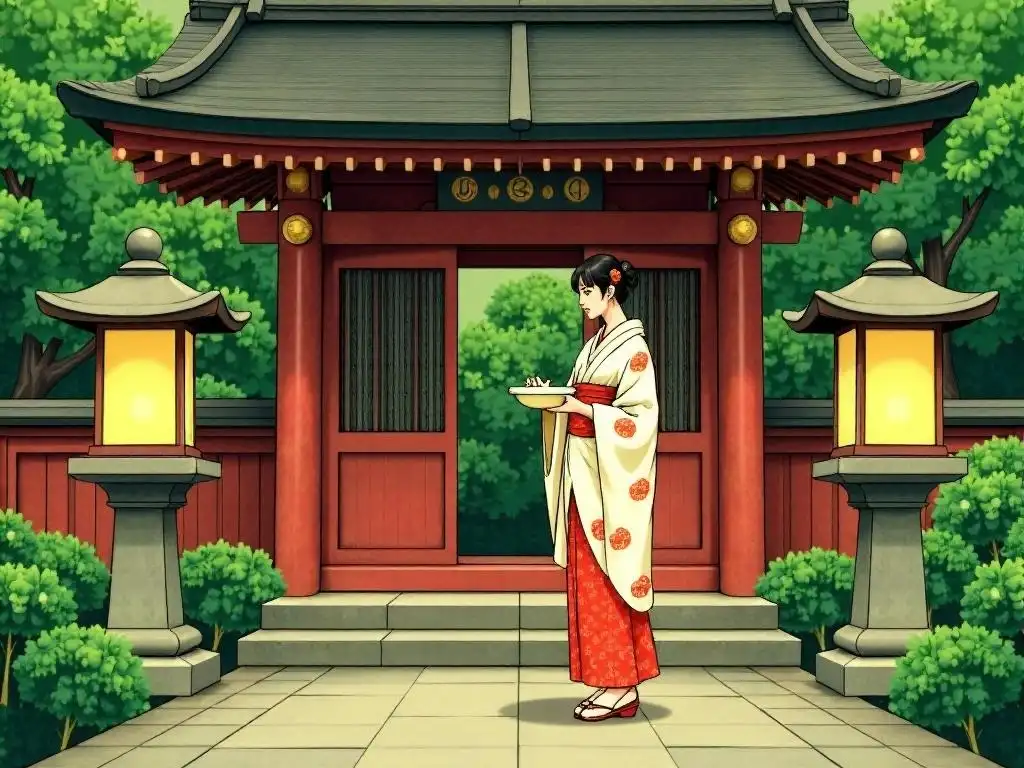
Welcome to Feudal Japan History, where we delve deep into the rich tapestry of Japan’s feudal era, exploring its historical, cultural, and societal intricacies. In this fascinating journey, we invite you to uncover the empowering traditions of female priests in Shinto, who played a pivotal role in shaping spiritual practices and community life. What unique insights do these women offer about gender roles in religion? Prepare to be intrigued as we unravel the layers of tradition and belief that continue to influence contemporary Japan. Join us on this enlightening exploration and discover the powerful stories waiting to be told!
Introduction to Female Priests in Shinto Tradition
The role of female priests in Shinto tradition is a fascinating narrative that intertwines spirituality, history, and societal dynamics. Shinto, Japan's indigenous religion, is rich in rituals and practices that have evolved over centuries. Within this context, female priests, known as miko, have held significant positions that both reflect and challenge the gender norms of their times. This article explores the empowering traditions associated with female priests in Shinto, examining their historical roots and the evolving perceptions of gender roles within this spiritual framework.
Overview of Shinto Practices and Beliefs
Shinto practices are deeply embedded in Japanese culture, characterized by a reverence for kami (spirits or deities) that inhabit the natural world. Rituals often involve offerings, purification ceremonies, and festivals that honor these kami. The presence of female priests, or miko, is integral to many of these rituals. Traditionally, miko are responsible for performing sacred dances, offering prayers, and facilitating communication between the kami and the community. Their roles underscore the belief that both men and women can serve as spiritual intermediaries, although the perception of their authority has fluctuated throughout history.
Importance of Gender Roles in Shinto
The exploration of gender roles in Shinto is essential for understanding the broader societal implications of this religion. While Shinto has, at times, reinforced patriarchal structures, it has also provided avenues for women to exercise power and agency. Female priests, through their rituals and ceremonies, have contributed to the spiritual life of their communities, challenging conventional gender norms. This interplay between tradition and gender roles offers valuable insights into the evolving status of women in Japanese society.
Historical Context of Female Priests in Shinto
To fully appreciate the significance of female priests in Shinto, it is crucial to delve into the historical context that shaped their roles. This exploration reveals how socio-political changes and cultural shifts have influenced the status of women within Shinto practices.
The Origins of Female Priests in Shinto
The origins of female priests in Shinto can be traced back to ancient times when women were often seen as embodiments of the divine. Early texts and archaeological findings indicate that women played vital roles in religious practices, serving as conduits for kami. This historical backdrop sets the stage for understanding the unique position of miko within Shinto, as they have long been associated with rituals of purification, fertility, and healing. Their presence in these sacred practices reflects a cultural acknowledgment of women's spiritual significance.
Evolution of Gender Roles within Shinto Traditions
Over the centuries, the roles of female priests in Shinto have undergone significant transformations, influenced by various socio-political factors. During the Nara and Heian periods, female priests enjoyed considerable authority and were integral to the religious landscape. However, as Japan entered the medieval and early modern periods, the rise of a more hierarchical and patriarchal structure led to a decline in the prominence of female priests. Despite these challenges, female priests have continued to adapt and assert their roles in contemporary Shinto practices, navigating a complex terrain where tradition and modernity intersect.
Through this exploration, we aim to shed light on the empowering traditions of female priests in Shinto, highlighting their enduring legacy and the vital roles they play in the spiritual and cultural fabric of Japan.
The Role of Female Priests in Shinto Practices
Female priests, known as Miko, play a vital role in Shinto practices, serving as intermediaries between the divine and the community. Historically, their presence has been significant in maintaining the spiritual and cultural fabric of Japanese society. Unlike many other religious traditions, Shinto has embraced female priests in various capacities, allowing them to participate in rituals, ceremonies, and shrine management. The role of Miko is multifaceted, encompassing spiritual, ceremonial, and community-focused responsibilities. This inclusivity highlights the unique position women hold within Shinto and emphasizes the respect afforded to female spiritual leaders.
Miko traditionally engaged in various activities, ranging from performing rituals to assisting in shrine maintenance. Their unique contributions to Shinto practices have ensured that women have a visible presence in a religion often dominated by male priests, known as Kannushi. The balance of male and female roles within Shinto allows for a richer understanding of the divine, as both genders contribute to the sacred practices that define Shinto spirituality.
Responsibilities of Female Priests in Shinto Shrines
The responsibilities of female priests in Shinto shrines are diverse and culturally significant. Miko are primarily tasked with performing rituals, maintaining the purity of the shrine, and engaging with the community through various activities. These responsibilities often include:
- Ritual Performances: Miko are trained to conduct traditional rituals, such as purification rites and offerings to deities. Their participation ensures that these rituals are performed correctly, preserving the sanctity of the ceremonies.
- Assisting in Shrine Management: Female priests often help in the upkeep and administration of the shrine, ensuring that it remains a sacred space for worship and community gatherings. This includes tasks such as cleaning, organizing events, and managing visitors.
- Cultural Preservation: Miko play a critical role in passing down traditional knowledge and practices related to Shinto, ensuring that the cultural heritage of Japan is preserved for future generations.
- Community Engagement: Female priests frequently engage with the local community, providing spiritual guidance and support during festivals and other communal events.
These responsibilities illustrate the importance of Miko in not only maintaining the religious practices of Shinto but also in fostering a sense of community and cultural identity.
Rituals Exclusively Performed by Female Priests
Certain rituals within Shinto are exclusively performed by female priests, showcasing their unique abilities and the sacredness attributed to their role. Some of these rituals include:
- Kagura: This is a traditional Shinto dance performed to entertain the gods. Miko often perform Kagura during festivals and ceremonies, embodying the spirit of the ritual through their movements and offerings.
- Purification Rites: Female priests conduct rituals of purification, known as harai, which are essential for ensuring that individuals and spaces are cleansed of impurities. This act is vital in maintaining the spiritual cleanliness that Shinto emphasizes.
- Divination Practices: Miko are also involved in divination, known as omikuji, where they interpret signs and communicate messages from the deities to the worshippers. Their interpretations hold significant weight within the community.
These rituals highlight the specialized knowledge and skills that female priests possess, reinforcing their importance in the Shinto tradition.
The Significance of Female Priests in Community Life
The presence of female priests in Shinto is crucial to the community's spiritual and social dynamics. Miko often serve as figures of comfort and guidance, helping to foster a sense of belonging among community members. Their roles extend beyond the spiritual realm, as they often engage in educational activities and cultural events, strengthening community ties.
In times of celebration and festivals, female priests play a central role, embodying the spirit of the event and encouraging community participation. Their involvement in local traditions helps to maintain cultural practices and ensures that the community remains connected to its heritage. Moreover, the approachable nature of female priests makes them accessible figures for individuals seeking spiritual support and guidance.
Empowerment through Female Priesthood
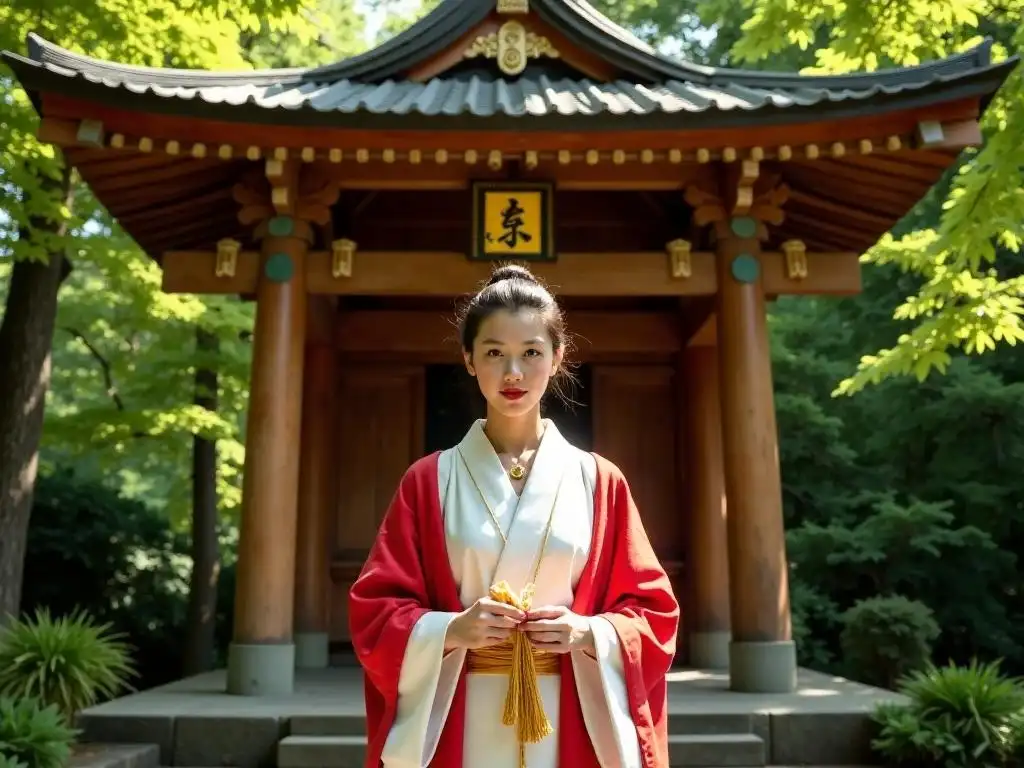
The empowerment of female priests within the Shinto tradition reflects broader societal changes regarding gender roles in Japan. Miko have historically challenged conventional expectations, asserting their place within a religious framework that respects and values their contributions. This empowerment is significant, as it allows women to occupy positions of authority and influence within a spiritual context.
Historical Figures: Influential Female Priests in Shinto
Throughout history, several female priests have left a lasting impact on Shinto and its practices. Notable figures include:
- Princess Takamuko: A prominent Miko during the Heian period, she was known for her wisdom and ability to communicate with the gods, earning her respect among the community and the imperial court.
- Kōfuku-ji Miko: These female priests played a significant role in the development of Shinto practices during the Nara period, contributing to the establishment of important rituals that are still performed today.
These historical figures exemplify the strength and influence female priests have had in shaping Shinto traditions and their enduring legacy in the community.
How Female Priests Challenge Traditional Gender Norms
Female priests in Shinto challenge traditional gender norms by occupying roles that are often reserved for men in other religious contexts. Their active participation in spiritual and community leadership defies the stereotype of women being relegated to subordinate positions. Miko demonstrate that women can hold significant authority and influence within the religious sphere, thus inspiring future generations to pursue leadership roles.
Moreover, the visibility of female priests in Shinto practices fosters a more inclusive environment within the religion. By normalizing the presence of women in positions of spiritual authority, Shinto provides a counter-narrative to restrictive gender norms prevalent in many cultures.
The Impact of Female Priests on Modern Shinto Practices
In contemporary Japan, female priests continue to influence Shinto practices, adapting traditions to suit modern societal needs while preserving their essence. Their roles have expanded to include educational outreach, community involvement, and interfaith dialogue, reflecting a broader understanding of spirituality that embraces inclusivity.
The modern Miko often engage with younger generations through workshops, festivals, and cultural events, ensuring that Shinto practices remain relevant and accessible. This evolution signifies a shift in how female priests are perceived, highlighting their adaptability and importance in contemporary spiritual life.
Female priests in Shinto tradition not only uphold age-old practices but also embody empowerment and cultural resilience, ensuring that the spirit of Shinto continues to thrive in today's society.
Contemporary Perspectives on Female Priests in Shinto Tradition
In recent years, the role of female priests in Shinto has garnered increased attention, particularly as discussions surrounding gender equality and women's rights have become more prevalent in Japanese society. Traditionally, female priests, known as miko, have been associated with various rituals and ceremonies, often serving as a bridge between the physical and spiritual worlds. Despite their historical significance, the contemporary perspective on female priests reflects a complex interplay of tradition, modernity, and evolving societal norms.
Today, many Shinto shrines are beginning to recognize the importance of female leadership within their communities. This shift is partly influenced by the broader feminist movements occurring globally, which have prompted a reevaluation of gender roles across various sectors, including religion. The emergence of female priests as prominent figures in Shinto rituals has not only revitalized interest in these traditions but has also empowered women within the religious sphere.
Current Status of Female Priests in Shinto Today
As of now, the status of female priests in Shinto is gradually improving, though challenges remain. While the majority of Shinto priests are male, the number of female priests has been slowly increasing. According to recent estimates, approximately 10% of Shinto priests in Japan are women. This surge in female representation is largely attributed to changing attitudes towards gender roles within religious institutions.
Many shrines are now actively promoting the inclusion of female priests in their ranks, recognizing their ability to connect with the community and fulfill spiritual needs. Female priests often play essential roles in rituals, such as purification ceremonies and blessings, and they are frequently involved in community outreach and education about Shinto practices. This visibility helps to challenge traditional gender norms and highlights the significant contributions women can make within Shinto tradition.
Movement Towards Gender Equality in Shinto Practices
The movement towards gender equality in Shinto practices is gaining momentum, reflecting broader societal changes in Japan. Initiatives aimed at promoting gender equity within religious institutions have been introduced, encouraging shrines to adopt more inclusive practices. This includes offering training programs for female priests, creating mentorship opportunities, and fostering environments where women's voices can be heard.
Moreover, there is a growing recognition among younger generations that gender should not dictate one's ability to serve in religious roles. Many young women are pursuing careers as priests, motivated by a desire to uphold traditions while also advocating for their rights and roles within Shinto. This generational shift is vital in redefining the narrative surrounding female priests and is contributing to a more balanced representation in Shinto practices.
Challenges Faced by Female Priests in the Modern Era
Despite the progress made, female priests in Shinto still face various challenges. One significant hurdle is the lingering traditional belief that views religious leadership as inherently male. This perception can lead to discrimination and resistance against female priests, particularly in more conservative regions. Additionally, female priests often encounter difficulties in gaining equal recognition and respect compared to their male counterparts, impacting their ability to lead significant rituals.
Another challenge is the balancing act many female priests must perform between their religious duties and family responsibilities. In a society where traditional gender roles still influence expectations, women may find it difficult to navigate the demands of their priestly roles alongside societal pressures to fulfill domestic responsibilities. This dual burden can discourage potential candidates from pursuing a career in Shinto priesthood.
Conclusion: The Future of Female Priests in Shinto Tradition
As the conversation around gender roles continues to evolve, the future of female priests in Shinto tradition appears hopeful yet complex. The growing acceptance of female priests within the Shinto community signifies a potential shift towards a more inclusive and equitable environment. With ongoing efforts to address gender disparities and promote female leadership, there is a strong possibility that the presence and influence of female priests will continue to expand.
Reflection on Gender Roles in Shinto and Society
Reflecting on gender roles in Shinto and society, it is evident that the path towards equality is fraught with challenges but also filled with opportunities. The historical underrepresentation of women in religious practices is slowly being rectified through concerted efforts and changing perceptions. As society increasingly embraces diversity and inclusion, Shinto practices are likely to mirror these values, allowing for a more balanced representation of genders.
The Continuing Legacy of Female Priests in Shinto Tradition
The legacy of female priests in Shinto tradition is one of resilience and empowerment. Their contributions to spiritual life and cultural practices serve as a testament to the vital role women have played throughout Japan's history. As contemporary perspectives shift and more women embrace the priesthood, the legacy of female priests will continue to evolve, ensuring that their influence remains an essential part of Shinto tradition for generations to come.
- Introduction to Female Priests in Shinto Tradition
- Historical Context of Female Priests in Shinto
- The Role of Female Priests in Shinto Practices
- Empowerment through Female Priesthood
- Contemporary Perspectives on Female Priests in Shinto Tradition
- Conclusion: The Future of Female Priests in Shinto Tradition
- What is the role of female priests in Shinto tradition?
- How do female priests challenge traditional gender roles in Japan?
- What are the historical origins of female priests in Shinto?
- Are there any modern movements supporting female empowerment in Shinto?
- How does the portrayal of female priests in Shinto differ from other religions?
Frequently Asked Questions
What is the role of female priests in Shinto tradition?
Female priests, known as miko, play a significant role in Shinto by conducting rituals, offering prayers, and preserving sacred traditions. Their presence highlights the importance of gender roles within the spiritual landscape of Japan.
How do female priests challenge traditional gender roles in Japan?
Female priests challenge traditional gender roles by actively participating in rituals and ceremonies, thus showcasing their empowerment and leadership within a historically male-dominated sphere. This reflects a shift in societal perceptions regarding women's positions in spiritual practices.
What are the historical origins of female priests in Shinto?
The origins trace back to ancient Japan, where female priests were integral to Shinto rituals. Their historical significance is evident through the continuity of their roles across centuries, adapting but maintaining their cultural importance.
Are there any modern movements supporting female empowerment in Shinto?
Yes, there are modern movements advocating for female empowerment in Shinto, encouraging more women to become priests and participate in leadership roles. This movement aims to promote gender equality and recognize the valuable contributions of women in the spiritual community.
How does the portrayal of female priests in Shinto differ from other religions?
The portrayal of female priests in Shinto is often more positive and empowering compared to other religions, where women may face restrictions. In Shinto, female priests are celebrated as spiritual leaders, emphasizing a unique aspect of gender dynamics in Japanese culture.
Final Reflection: Embracing Empowerment Through Female Priests in Shinto Tradition
The exploration of female priests in Shinto tradition highlights a profound and often overlooked aspect of gender roles that remains incredibly relevant today. In a world where discussions about gender equality and empowerment are at the forefront of social discourse, the traditions of female priests in Shinto serve as a powerful reminder of the strength and significance women have held within spiritual practices. This historical context not only enriches our understanding of Shinto but also challenges contemporary perceptions of gender roles in religious spaces.
The influence of female priests in Shinto extends beyond the confines of religious practice; it resonates deeply within the cultural and social fabric of Japan and beyond. Their roles as spiritual leaders and custodians of tradition illustrate a legacy of empowerment that continues to inspire women today. As we reflect on this, we are reminded of the words of feminist scholar bell hooks: Life-transforming ideas have always come to me through the women in my life.
This sentiment underscores the importance of recognizing and honoring the contributions of women, particularly in traditions that have historically marginalized their voices.
As we look to the future, let us take a moment to reflect on the lessons imparted by the female priests of Shinto. Consider how you can embody the spirit of empowerment in your own life and community.
Whether it’s advocating for gender equality, supporting women in leadership roles, or simply acknowledging the rich tapestry of female contributions in various traditions, each of us has the power to foster an environment where all voices are celebrated. Embrace this call to action, and let the legacy of female priests in Shinto inspire you to create positive change in your own sphere of influence.
Empower Your Understanding of Shinto Traditions!
Thank you for diving into the rich world of Shinto and discovering the powerful role of female priests within this vibrant tradition. Your interest in these topics not only fosters appreciation but also empowers others to understand cultural complexities. Now, it’s time to take your newfound knowledge a step further!
- Explore further: Visit your local library or explore reputable online resources to learn more about gender roles in various world religions.
- Share your insights: Engage in discussions about the significance of female empowerment in Shinto with friends or on social media to spark meaningful conversations.
- Engage with a community: Join a cultural or religious forum online to connect with others who share a passion for gender studies and Shinto traditions.
Have you ever considered how gender roles in different cultures influence contemporary views on empowerment and spirituality? Let's discuss!