
The Influence of Taoism on Samurai Philosophy and Bushido

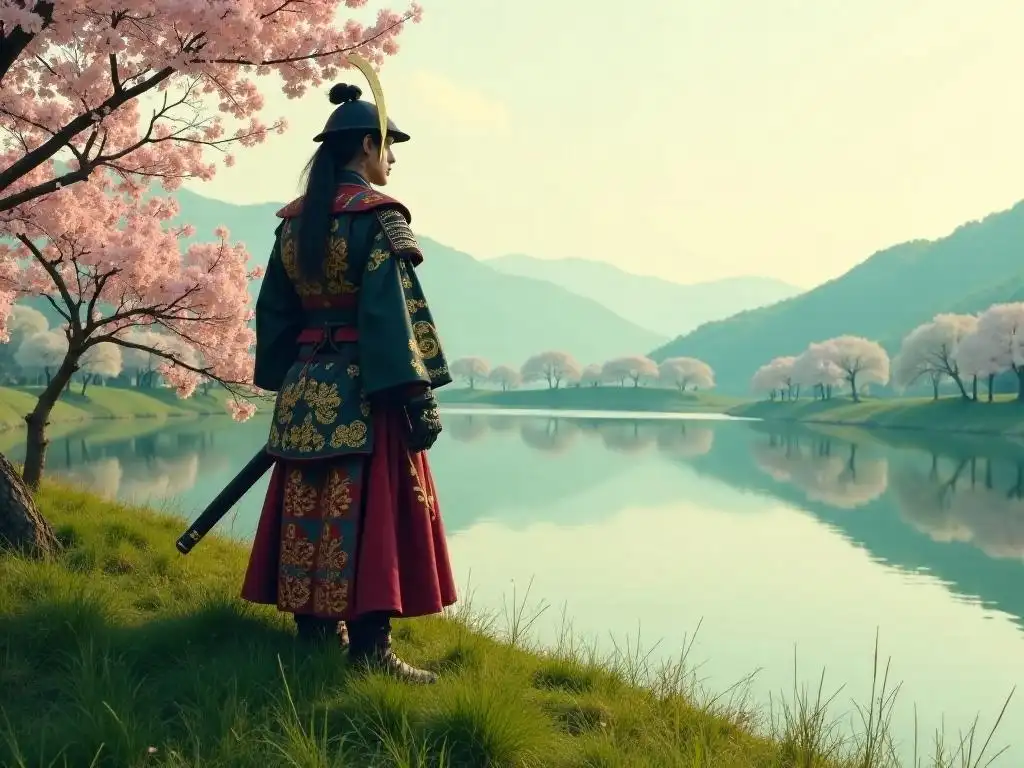
Welcome to Feudal Japan History, where we embark on an intriguing journey through the captivating world of Japan's feudal era. Here, we unravel the intricate tapestry of historical, cultural, and societal elements that shaped a nation. In our featured article, "The Influence of Taoism on Samurai Philosophy and Bushido," discover how ancient philosophies intertwined to mold the very essence of the samurai spirit.
Dive deeper as we explore the profound connections between Taoism and the revered code of Bushido, and prepare to be enlightened by insights that have echoed through the ages. Your adventure in understanding the complexities of feudal Japan begins now!
Introduction to Taoism and Samurai Philosophy
The intricate relationship between Taoism and Samurai philosophy provides a fascinating lens through which we can understand the development of Bushido, the code of conduct that governed the lives of the samurai in feudal Japan. As a philosophical and religious system originating from ancient China, Taoism emphasizes harmony with the Tao, or the natural order of the universe.
This principle of balance and flow resonated deeply with the samurai, who sought to cultivate both martial prowess and spiritual enlightenment. In this article, we will explore the foundational concepts of Taoism, provide an overview of Samurai philosophy, and examine how these ideas interconnect, shaping the ethos of the samurai and their approach to life and death.
Definition of Taoism
Taoism, known as Daoism in Chinese, is a philosophical and religious tradition that originated in China around the 4th century BCE. Central to Taoism is the concept of the Tao, which can be translated as "the Way." This holistic philosophy promotes living in accordance with the natural flow of the universe, emphasizing values such as simplicity, spontaneity, and compassion. Key texts, such as the Tao Te Ching by Laozi and the Zhuangzi, outline the principles of this philosophy, advocating for a life of harmony and balance.
Overview of Samurai Philosophy
The philosophy of the samurai, often referred to as Bushido, meaning "the way of the warrior," emerged during Japan's feudal era as a code of conduct for the elite warrior class. It encompasses a set of virtues that guided samurai behavior, including loyalty, honor, courage, and self-discipline. Bushido was influenced by various philosophical and religious traditions, including Confucianism, Buddhism, and notably, Taoism. The samurai aimed to embody these values not only in battle but also in their daily lives, seeking a path of righteousness and moral clarity.
The Interconnection Between Taoism and Samurai Philosophy
The interconnection between Taoism and Samurai philosophy is evident in the emphasis on harmony, balance, and the acceptance of life's impermanence. Samurai adopted Taoist principles to cultivate a mindset that allowed them to face the uncertainties of battle and life with equanimity. Key concepts such as wu wei (non-action or effortless action) resonate with the samurai's approach to combat, where fluidity and adaptability are paramount. Additionally, Taoism's focus on inner peace and self-cultivation complemented the samurai's quest for spiritual growth, enriching their understanding of honor and duty.
Historical Context of Taoism in Japan
Arrival of Taoism in Japan
Taoism made its way to Japan during the early centuries of the Common Era, primarily through the cultural exchanges between Japan and China. As Chinese thought and culture began to permeate Japanese society, Taoist ideas were integrated into local beliefs and practices, often blending with Shinto and Buddhism. This syncretism laid the groundwork for a unique Japanese interpretation of Taoism that would significantly influence various aspects of life, including the philosophy of the samurai.
Key Historical Figures Influencing Taoism
Several key figures played a crucial role in the propagation and development of Taoism in Japan. Among them was Kūkai, also known as Kōbō Daishi, a prominent monk who founded the Shingon school of Buddhism. His teachings emphasized the importance of esoteric practices that aligned closely with Taoist thought. Another influential figure was Mizuno Sōshun, who helped in translating Taoist texts, facilitating a better understanding and incorporation of Taoist philosophy into Japanese culture.
Integration of Taoism into Japanese Culture
The integration of Taoism into Japanese culture was not a straightforward process; rather, it involved a complex interplay of various religious and philosophical influences. Taoist elements can be observed in arts, literature, and even martial practices. For instance, the concept of ki (vital energy) from Taoism became central to Japanese martial arts, influencing techniques and training methods. Additionally, Taoist aesthetics, emphasizing naturalness and simplicity, found expression in Japanese gardens, poetry, and visual arts, further enriching the cultural tapestry of Japan.
Through this exploration of Taoism and Samurai Philosophy, we can appreciate how these profound influences shaped the moral and ethical framework of the samurai, leaving a lasting legacy on Japanese culture and thought.
Core Principles of Taoism
Taoism, a philosophical and religious tradition that originated in China, emphasizes living in harmony with the Tao, which is understood as the fundamental nature of the universe. The core principles of Taoism include simplicity, spontaneity, compassion, humility, and moderation. These principles guide individuals to align themselves with the natural flow of life, advocating for a balanced approach to existence.
Taoism also encourages an understanding of the interconnectedness of all things, urging practitioners to cultivate a sense of peace and tranquility. By embracing these principles, individuals can achieve a profound sense of inner peace and fulfillment, which resonated deeply with the samurai, who sought to embody these ideals within their own philosophical frameworks.
The Concept of Wu Wei (Effortless Action)
Wu Wei, often translated as "non-action" or "effortless action," is a central tenet of Taoism that advocates for a way of living that aligns with the natural order of things. Rather than striving forcefully towards goals, practitioners of Wu Wei are encouraged to flow with circumstances as they arise, allowing events to unfold organically. This approach promotes a sense of ease and reduces unnecessary struggle.
For the samurai, Wu Wei was integral to their martial practice and philosophy. The idea of responding to challenges fluidly and instinctively became a cornerstone of their training, allowing them to act decisively without overthinking or forcing outcomes. This principle reinforces the idea that true strength lies in adaptability and harmony with one's surroundings.
The Importance of Harmony with Nature
Harmony with nature is a key component of Taoist philosophy, emphasizing the significance of aligning oneself with the rhythms and cycles of the natural world. Taoists believe that understanding and respecting nature leads to a more profound comprehension of life itself. This relationship fosters a deep appreciation for the environment and a commitment to living sustainably.
For the samurai, this principle manifested in their connection to the land and the seasons, as well as their appreciation for natural beauty. The samurai's code of honor often included a respect for nature, which not only influenced their spiritual beliefs but also their artistic expressions, as seen in poetry, painting, and garden design. The pursuit of harmony with nature mirrored their quest for inner peace and balance in their lives.
The Taoist View on Life and Death
The Taoist perspective on life and death is deeply rooted in the belief that both states are integral parts of the same continuum. Rather than viewing death as an end, Taoism sees it as a transformation and a return to the Tao. This cyclical understanding of existence encourages a calm acceptance of mortality, allowing individuals to live fully and authentically.
For samurai, this view profoundly influenced their approach to life and warfare. Embracing the inevitability of death allowed them to confront their mortality with courage and composure. This acceptance shaped their philosophical outlook, motivating them to live honorably and with purpose, knowing that their actions and legacy would resonate beyond their physical existence.
Bushido: The Way of the Warrior
Bushido, often referred to as "the way of the warrior," embodies the ethical and moral code that governed the conduct of samurai in feudal Japan. Influenced by various philosophical and religious traditions, including Taoism, Bushido emphasized virtues such as loyalty, honor, and self-discipline. It served as a guiding framework for samurai behavior both in battle and in their daily lives.
Bushido was not merely a set of rules but a holistic way of life that shaped the samurai's identity, influencing their relationships with others and their understanding of duty and sacrifice. This code became a cornerstone of samurai culture, intricately woven into the fabric of their existence.
Definition and Origins of Bushido
The term "Bushido" translates to "the way of the warrior," and its origins can be traced back to the late Heian period (794-1185) in Japan. It developed as a response to the chaotic political landscape of feudal Japan, where warrior clans sought to establish codes of conduct that would govern their actions and ensure loyalty among their ranks.
Bushido evolved over centuries, drawing from various influences, including Confucianism, Shinto, and Buddhism. Each of these philosophies contributed to the formation of Bushido's ethical framework, which emphasized virtues such as loyalty, courage, and honor. As the samurai class solidified its power, Bushido became an essential part of their identity, guiding them in both warfare and peacetime.
Key Principles of Bushido
Bushido is characterized by several key principles that define the samurai's ethical conduct. These include:
- Loyalty: A fundamental aspect of Bushido, loyalty to one's lord and comrades was considered paramount. Samurai were expected to serve their masters with unwavering fidelity.
- Honor: Maintaining a sense of honor was crucial for samurai. They believed that personal integrity and reputation were essential, often leading to the practice of seppuku (ritual suicide) to preserve honor in the face of disgrace.
- Courage: Samurai were trained to face danger with bravery, demonstrating physical and moral courage in both battle and life decisions.
- Compassion: Despite their warrior status, the samurai were encouraged to show compassion and mercy, reflecting the influence of Buddhist teachings on their values.
- Discipline: Rigorous training and self-discipline were essential for samurai, shaping their skills in martial arts and their ability to control emotions.
These principles not only guided samurai behavior but also shaped the broader cultural values of Japanese society.
The Role of Honor and Loyalty in Bushido
Honor and loyalty form the bedrock of Bushido, reflecting the deep-seated values that guided samurai behavior. Honor was not merely a personal attribute but was closely linked to one's family and clan. Samurai were raised with the belief that their actions would reflect on their lineage, compelling them to uphold their family's reputation through honorable deeds.
Loyalty, especially to one's lord, was equally significant. Samurai were expected to demonstrate unwavering loyalty, often prioritizing their duties over personal desires. This loyalty was reciprocated by their lords, who were expected to protect and provide for their vassals.
The interplay between honor and loyalty created a profound sense of responsibility among samurai. This relationship, steeped in mutual respect and commitment, was essential for maintaining the social order of feudal Japan and contributed significantly to the legacy of the samurai warrior class.
The Influence of Taoism on Samurai Philosophy

Taoism, an ancient philosophical and spiritual tradition originating from China, has significantly influenced various aspects of Japanese culture, particularly during the feudal era. The samurai, Japan's warrior class, adopted numerous Taoist principles, integrating them into their philosophical framework known as Bushido, or "the way of the warrior." This integration helped shape the ethical and moral standards that governed samurai conduct, emphasizing harmony, balance, and the pursuit of a tranquil life. The influence of Taoism can be seen in the samurai’s approach to life and death, their understanding of nature, and their commitment to personal development.
Taoist Concepts Reflected in Samurai Ethics
At the heart of Taoism lies the concept of Wu Wei, or "non-action," which encourages individuals to align with the natural flow of the universe instead of forcing their will upon it. This principle resonated with samurai ethics, where restraint and the ability to remain calm in chaos were highly valued. Samurai were taught to act without unnecessary aggression, embodying the Taoist ideal of effortless action.
Moreover, the Taoist belief in Yin and Yang—the duality and interdependence of opposites—also found its way into samurai philosophy. The samurai understood that true strength comes from balance; a warrior must possess both fierceness and compassion. This equilibrium allowed them to navigate the complexities of their roles as protectors and enforcers, fostering a deep respect for life even amid their martial duties.
The Impact of Taoism on Samurai Decision-Making
Taoism significantly influenced the decision-making processes of samurai, encouraging a reflective approach grounded in intuition rather than rigid adherence to rules. The Taoist emphasis on understanding the natural cycles of life helped samurai leaders make strategic choices based on timing and context, adapting their actions to the ever-changing circumstances of battle and governance.
This intuitive decision-making is evident in the concept of Tao, which suggests following one's path and being true to oneself. Samurai who embraced Taoist philosophy often sought inner clarity before making critical decisions, weighing their personal values and the collective good. This alignment with one's true nature facilitated more effective leadership, fostering loyalty and respect among their peers and subordinates.
Case Studies of Prominent Samurai Influenced by Taoism
Several prominent samurai exemplify the influence of Taoism on their philosophy and actions. One notable figure is Miyamoto Musashi, a legendary swordsman and strategist. Musashi's writings, particularly in "The Book of Five Rings," reveal a strong Taoist influence, advocating for an understanding of the natural world and the importance of adapting one's strategy to the situation at hand.
Another example is Yamamoto Tsunetomo, author of "Hagakure," who emphasized the importance of living in accordance with nature and accepting the impermanence of life—core Taoist themes. His reflections highlight the samurai's quest for harmony and tranquility, demonstrating how Taoism shaped their worldview and approach to life and death.
Comparative Analysis: Taoism vs. Other Philosophical Influences on Samurai
Confucianism and Its Role in Samurai Ideology
Confucianism, another significant philosophical influence in feudal Japan, focuses on ethics, morality, and social harmony. Unlike Taoism, which emphasizes individual alignment with the universe, Confucianism stresses the importance of social roles and hierarchical relationships. Samurai adopted Confucian principles to reinforce their duties to their lords and society, promoting loyalty, righteousness, and self-discipline as vital virtues.
However, while Confucianism provided a framework for social order, Taoism offered a more personal, introspective approach, allowing samurai to explore their inner selves and maintain balance amidst external pressures. This duality enriched samurai philosophy, creating a nuanced perspective that integrated the virtues of both traditions.
Buddhism and Its Impact on Samurai Thought
Buddhism also played a critical role in shaping samurai thought. The teachings of impermanence and detachment encouraged samurai to confront mortality and embrace the transient nature of life. This perspective aligned with Taoist ideas about the fluidity of existence, fostering a sense of peace with the inevitability of death.
However, while Buddhism focused on overcoming suffering and achieving enlightenment through personal discipline and meditation, Taoism encouraged a more harmonious existence with nature and the cosmos. The interplay between these philosophies created a unique blend in samurai culture, allowing for both spiritual depth and practical application in their daily lives.
How Taoism Differentiates from Other Influences
Taoism distinguishes itself from other philosophical influences on samurai philosophy through its emphasis on naturalism and spontaneity. Unlike the structured moral frameworks of Confucianism and Buddhism, which often prescribe specific behaviors and rituals, Taoism promotes an organic approach to life, encouraging individuals to follow their instincts and be attuned to the natural world around them.
This focus on the individual's relationship with nature and the universe allowed samurai to cultivate a profound sense of freedom and creativity in their martial practices and personal lives. By embracing Taoist principles, samurai could navigate the complexities of their roles with grace and fluidity, ultimately enriching their philosophical foundation and enhancing their effectiveness as warriors and leaders.
The Legacy of Taoism in Modern Samurai Philosophy
The legacy of Taoism in modern samurai philosophy is profound, affecting not only the ethical frameworks of contemporary martial artists but also the broader context of Japanese culture. While the samurai class was disbanded in the late 19th century, the principles of Taoism continue to resonate within various martial arts disciplines. The emphasis on harmony, balance, and the natural flow of life encapsulated in Taoist teachings remains a guiding force for practitioners seeking to cultivate both physical and spiritual well-being.
Additionally, contemporary interpretations of Bushido are increasingly interwoven with Taoist ideals, promoting a path that values inner peace, self-control, and a deep connection to nature. This integration allows modern samurai practitioners to draw from a rich philosophical heritage that encourages personal growth and ethical living, reflecting the enduring relevance of Taoism in shaping samurai values.
Contemporary Interpretations of Samurai Philosophy
Modern interpretations of samurai philosophy often emphasize the importance of inner discipline and mental clarity, principles that are deeply rooted in Taoist thought. In today’s society, where rapid changes and stress are prevalent, the samurai's quest for tranquility and balance is particularly appealing. Contemporary martial artists and philosophers alike advocate for a lifestyle that mirrors the Taoist pursuit of simplicity and harmony with one's surroundings.
Moreover, the teachings of prominent figures such as Miyamoto Musashi, who integrated Taoist concepts into his writings, continue to influence modern samurai philosophy. His famous work, "The Book of Five Rings," explores the notion of fluidity and adaptability, qualities that are essential for both martial arts and life. This contemporary lens allows for a greater understanding of how samurai philosophy can be applied to personal development and conflict resolution in today's world.
Influence of Taoism on Modern Japanese Culture
The influence of Taoism on modern Japanese culture extends beyond martial arts; it permeates various aspects of daily life, art, and spirituality. Japanese aesthetics, such as Zen gardens and traditional tea ceremonies, reflect Taoist principles of simplicity, nature, and mindfulness. These practices encourage individuals to embrace the present moment, fostering a sense of peace and connection with the environment.
In literature and popular media, characters embodying samurai virtues often exhibit Taoist traits, such as humility, patience, and wisdom. This representation in Japanese films, anime, and literature showcases how the ethos of Taoism continues to shape cultural narratives, promoting values that resonate with audiences both in Japan and worldwide.
Lessons from Taoism for Modern Practitioners of Bushido
Modern practitioners of Bushido can draw numerous lessons from Taoism that enhance their training and personal lives. Key takeaways include:
- Embracing Flexibility: Taoism teaches the importance of adapting to circumstances, a principle that can help martial artists navigate both physical confrontations and life challenges.
- Pursuing Inner Peace: Cultivating a calm mind through meditation and reflection is essential for maintaining focus and clarity in combat and everyday situations.
- Respect for Nature: Taoism emphasizes living in harmony with nature, encouraging practitioners to respect their environment and understand their place within it.
By applying these lessons, contemporary samurai practitioners can create a holistic approach to their philosophy, merging martial discipline with a Taoist understanding of life.
Conclusion
Summary of Key Points
The exploration of Taoism's influence on samurai philosophy and Bushido reveals a rich interplay between these two traditions. Key points include:
- The enduring legacy of Taoism in shaping the ethical and spiritual dimensions of modern samurai philosophy.
- The contemporary adaptations of samurai values that resonate with modern society's quest for balance and inner peace.
- The continued relevance of Taoist principles in various facets of Japanese culture, from art to spirituality.
The Ongoing Relevance of Taoism and Samurai Philosophy
Taoism and samurai philosophy remain relevant in today's world, offering timeless wisdom for navigating the complexities of modern life. As individuals seek meaning and purpose, the principles of balance, harmony, and self-discipline inherent in these traditions provide a framework for personal development and ethical living. The synthesis of these philosophies encourages a deeper understanding of oneself and the environment, making them invaluable in contemporary society.
Final Thoughts on the Influence of Taoism on Bushido
The influence of Taoism on Bushido is a testament to the adaptability and resilience of these philosophies over time. As practitioners continue to explore their roots, the teachings of Taoism serve as a guiding light, leading them towards a path of self-discovery and ethical conduct. Ultimately, the fusion of these traditions not only enriches the martial arts community but also contributes to a broader cultural appreciation for the values of peace, wisdom, and harmony in our ever-changing world.
- Introduction to Taoism and Samurai Philosophy
- Historical Context of Taoism in Japan
- Core Principles of Taoism
- Bushido: The Way of the Warrior
- The Influence of Taoism on Samurai Philosophy
- Comparative Analysis: Taoism vs. Other Philosophical Influences on Samurai
- The Legacy of Taoism in Modern Samurai Philosophy
- Conclusion
Frequently Asked Questions
What is the main focus of the article on Taoism and Samurai Philosophy?
The article explores the influence of Taoism on Samurai philosophy and Bushido, emphasizing how these philosophical beliefs shaped the ethical and moral codes of the samurai warriors.
How did Taoism impact Samurai beliefs?
Taoism contributed to Samurai philosophy by promoting notions of harmony, balance, and naturalness, which were essential in developing the samurai's approach to life and combat.
Bushido is the code of conduct for samurai, and it incorporates Taoist principles such as self-discipline, simplicity, and the pursuit of inner peace, reflecting the integration of these philosophies.
Are there specific Taoist texts that influenced Samurai philosophy?
Yes, texts like the Tao Te Ching provided insights into Taoist thought, which resonated with samurai values, particularly in understanding virtue, leadership, and the nature of existence.
How does the article connect cultural aspects with Samurai philosophy?
The article illustrates that the cultural context of feudal Japan allowed Taoism to blend with Samurai philosophy, creating a unique framework that influenced art, literature, and societal values during that era.
Final Reflection: The Enduring Legacy of Taoism in Samurai Philosophy
The intricate relationship between Taoism and Samurai philosophy serves as a profound reminder of how ancient wisdom continues to shape modern values. In a world increasingly driven by chaos and competition, the principles of balance, harmony, and self-discipline found in Taoism resonate deeply with contemporary society. The teachings that once guided the Samurai in their quest for honor and virtue are as relevant today as they were centuries ago, offering a pathway to navigate the complexities of modern life.
The influence of Taoism on Samurai philosophy has left an indelible mark on cultural and social landscapes, fostering a sense of mindfulness and purpose. The Samurai's commitment to the way of the Tao encourages us to reflect on our own lives and the choices we make. As we strive for personal growth and ethical living, we can draw inspiration from the Samurai's adherence to their principles. The journey of a thousand miles begins with one step,
a reminder that every small action contributes to our greater path.
As you contemplate the lessons of Taoism and Samurai philosophy, I invite you to embrace the spirit of reflection and action in your own life. Consider how the values of balance, integrity, and respect can guide your decisions and interactions. In a world that often feels fragmented, let the wisdom of the Samurai inspire you to cultivate harmony within yourself and your community, forging a path that honors both tradition and personal growth.
Embrace the Wisdom of Taoism and Bushido Today!
Thank you for exploring the profound connections between Taoism and Samurai philosophy! By delving into these rich traditions, you've uncovered insights that can transform your understanding of balance, harmony, and discipline in life. Now, let's take those insights and put them into action!
Here are a few impactful steps you can take today:
- Start a daily meditation practice to cultivate mindfulness and inner peace, inspired by Taoist principles.
- Read a book on Bushido or Taoist teachings to deepen your understanding and explore how these philosophies can guide your personal life.
- Join a community group or online forum to discuss your insights and experiences with others who share a similar interest in these fascinating traditions.
How can you incorporate the teachings of Taoism and the spirit of Bushido into your daily life? **Share your thoughts and experiences! **