
Religious Artifacts as Symbols of Conflict in Feudal Japan

Welcome to Feudal Japan History, where we invite you to embark on a fascinating journey through the rich tapestry of Japan’s feudal era. In our latest article, "Religious Artifacts as Symbols of Conflict in Feudal Japan," we delve into the profound significance of religious artifacts and how they shaped not only spiritual practices but also the complex dynamics of power and conflict. What stories do these artifacts tell?
How did they influence the societal fabric of the time? Join us as we unravel the layers of history, culture, and philosophy, and discover the hidden narratives that have shaped Japan. Your exploration begins here—dive deeper with us!
- Introduction to Religious Artifacts in Feudal Japan
- Historical Context of Religious Artifacts in Feudal Japan
- Types of Religious Artifacts as Symbols of Conflict
- Case Studies of Religious Artifacts in Feudal Japan
- The Symbolic Meaning of Religious Artifacts in Feudal Conflicts
- Preservation and Legacy of Religious Artifacts
- Conclusion: The Role of Religious Artifacts in Feudal Japan's Conflicts
-
Frequently Asked Questions
- What are religious artifacts in feudal Japan?
- How did religious artifacts influence conflicts during this period?
- What role did Buddhism play in the creation of religious artifacts?
- Were there any specific artifacts that became symbols of political power?
- How can one learn more about religious artifacts in feudal Japan?
- Final Reflection: The Enduring Legacy of Religious Artifacts in Feudal Japan
- Unveil the Threads of Conflict Through Religious Artifacts!
Introduction to Religious Artifacts in Feudal Japan
The interplay of religion and conflict in feudal Japan presents a fascinating landscape where religious artifacts serve not only as symbols of belief but also as markers of social and political tension. This era, spanning from the 12th to the 19th centuries, was characterized by a complex web of power dynamics, with various religious sects vying for influence amidst the backdrop of feudal lords and samurai warriors.
Understanding the role of religious artifacts during this time offers valuable insights into how spiritual beliefs shaped societal norms and contributed to conflicts. As we explore the multifaceted nature of these artifacts, we will uncover their significance in both the spiritual realm and the socio-political context of feudal Japan, highlighting their dual role as objects of reverence and instruments of power.
Overview of Feudal Japan's Religious Landscape
The religious landscape of feudal Japan was marked by a rich tapestry of beliefs, including Shinto, Buddhism, and later, influences from Confucianism and Christianity. Each of these faiths contributed to the cultural identity of various regions and social classes, creating a diverse spiritual environment.
- Shinto: As the indigenous spirituality of Japan, Shinto emphasized the worship of kami (spirits) and ancestral deities. Shrines dedicated to these kami were often adorned with artifacts such as magatama and tamataregu, which held significant spiritual value.
- Buddhism: Introduced in the 6th century, Buddhism flourished during the feudal era, leading to the creation of numerous temples and the use of artifacts like Buddha statues and sutras. These items were often seen as conduits of enlightenment and played a critical role in rituals.
- Confucianism: Though primarily a philosophical system, Confucianism influenced governance and social hierarchy, affecting how religious artifacts were perceived and utilized within the feudal structure.
- Christianity: Introduced by European missionaries in the 16th century, Christianity brought new artifacts, such as crosses and Bibles, which were often met with resistance and led to significant conflict with existing religious practices.
This interplay of diverse beliefs resulted in a rich collection of religious artifacts that often reflected the ongoing struggles for power and influence among different factions.
Importance of Religious Artifacts in Cultural Identity
Religious artifacts in feudal Japan served as more than mere objects; they were integral to the cultural identity and societal values of the time. Their significance can be explored through several key aspects:
- Expression of Faith: Artifacts such as amulets, prayer beads, and ritual vessels were essential for personal and communal expressions of faith. These items often held profound meanings for individuals and communities, symbolizing protection, guidance, and spiritual connection.
- Cultural Heritage: Many artifacts were created with unique craftsmanship, representing regional styles and traditions. This craftsmanship not only reflected the artistic capabilities of the time but also contributed to a sense of local pride and identity.
- Political Power: The ownership and display of certain religious artifacts often signified status and authority. Feudal lords would commission lavishly decorated items to showcase their devotion and legitimacy, intertwining religion with the exercise of power.
- Conflict and Resistance: As different religious factions emerged, artifacts became tools in the struggle for dominance. For instance, the destruction or appropriation of religious items by opposing factions often served as a powerful statement of conflict, reflecting the contentious nature of religious belief in feudal society.
Religious artifacts in feudal Japan were not only crucial for spiritual practices but also played a significant role in shaping cultural identity and reflecting the complexities of social conflict. The exploration of these artifacts unveils the intricate relationships between belief, power, and societal values in a time of both creativity and strife.
Historical Context of Religious Artifacts in Feudal Japan
Overview of Religion in Feudal Japan
Religion played a pivotal role in shaping the social and political landscape of feudal Japan. The period, spanning from the 12th to the 19th century, witnessed the integration of various religious beliefs and practices, with Shinto and Buddhism being the most prominent. The interplay between these religions not only influenced cultural expressions but also served as a backdrop for conflicts and alliances among feudal lords, or daimyōs.
Shinto, the indigenous spirituality of Japan, emphasizes the worship of kami (spirits) linked to natural elements, ancestors, and sacred places. It fosters a sense of community and identity, manifesting through rituals and festivals. In contrast, Buddhism, which arrived from China and Korea, introduced concepts of enlightenment and the afterlife, significantly impacting the philosophical underpinnings of Japanese society.
Religious artifacts became crucial in both religions, serving as conduits for spiritual connection, community cohesion, and even political legitimacy. Temples, shrines, scriptures, and various ceremonial objects embodied the beliefs of their practitioners and often became symbols in the conflicts that arose during this tumultuous period.
Major Religions and Their Artifacts: Shinto and Buddhism
Shinto Artifacts
Shinto artifacts are deeply intertwined with the natural world and community rituals. Key artifacts include:
- Torii Gates: These structures mark the entrance to sacred spaces and symbolize the transition from the profane to the sacred. They often serve as a visual representation of the kami's presence.
- Kojiki Scrolls: The oldest chronicle of Japanese mythology, detailing the creation myths and the lineage of emperors, these scrolls are pivotal in understanding Shinto beliefs and practices.
- Gohei: Ritual offerings made of wooden sticks adorned with paper streamers, used in purification rituals to invoke the kami and ensure their favor.
Buddhist Artifacts
Buddhism introduced a wealth of artifacts that became central to spiritual practice and artistic expression:
- Sūtras: Sacred texts containing the teachings of the Buddha, often transcribed and meticulously illustrated. The production of these texts was seen as a way to attain merit and spiritual progression.
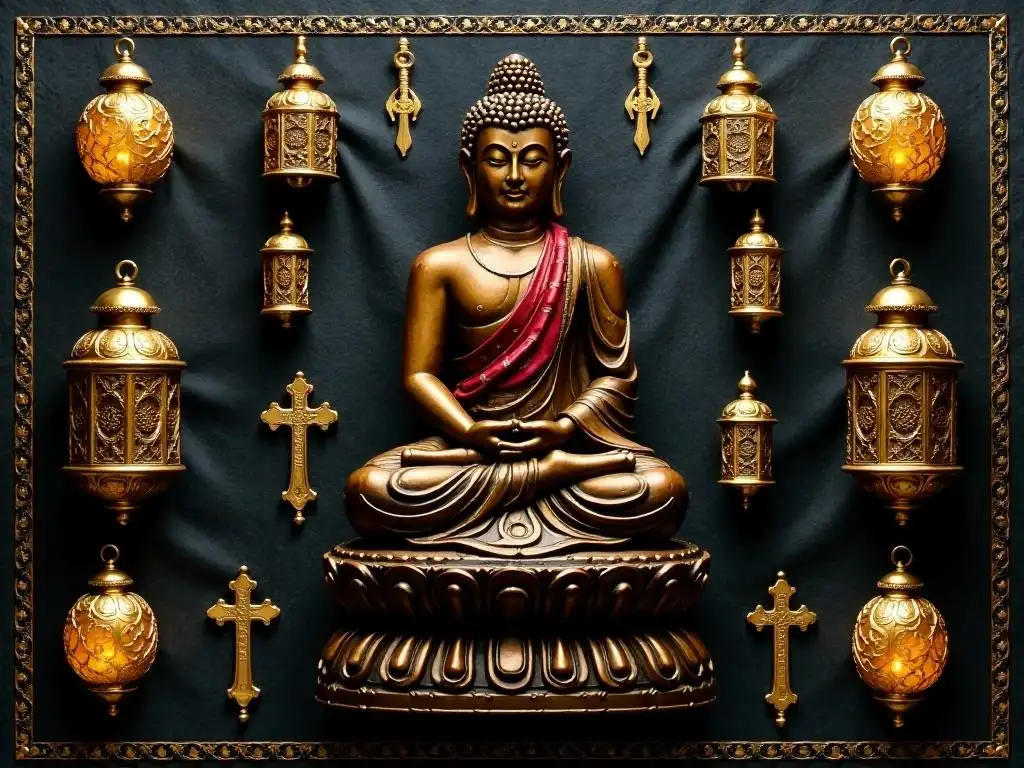
- Buddha Statues: Statues representing various forms of the Buddha serve as focal points for worship and meditation, each embodying different aspects of enlightenment.
- Stupas: Monumental structures that house relics, stupas became important pilgrimage sites, symbolizing the path to enlightenment.
Both Shinto and Buddhist artifacts not only serve religious functions but also acted as symbols of power and identity for the daimyōs, often utilized to assert their divine right to rule.
The Role of Religious Artifacts During Feudal Conflicts
Religious artifacts in feudal Japan were not merely objects of worship; they also played significant roles in the context of conflict. As feudal lords sought to establish their dominance, they often invoked religious symbols to legitimize their authority and rally support.
- Political Legitimacy: Many daimyōs claimed descent from deities or Buddhist figures, using artifacts like Buddha statues or Shinto relics to reinforce their perceived divine right to govern. For instance, the Kusanagi-no-Tsurugi, a legendary sword associated with the sun goddess Amaterasu, became a powerful symbol of legitimacy for rulers.
- Rituals of Warfare: Before battles, lords would often conduct rituals involving religious artifacts to seek blessings for victory. This included the use of gohei and offerings at shrines, aimed at invoking protection from the kami or ensuring the favor of the Buddha.
- Cultural Polarization: As conflicts arose, particularly during the Sengoku period (1467-1603), the Buddhist clergy sometimes took sides, aligning with specific daimyōs and using religious artifacts as symbols of their chosen factions. The Daitoku-ji temple, for example, became a stronghold for certain clans, utilizing its artifacts to galvanize troops.
The intertwining of religious artifacts and feudal conflicts in Japan illustrates the complex relationship between spirituality and power. These artifacts were not only expressions of faith but also significant tools in the political arena, shaping the course of Japan's history during the feudal era.
Types of Religious Artifacts as Symbols of Conflict
Statues and Icons: Representations of Deities
In feudal Japan, statues and icons were not merely artistic expressions; they served as critical representations of deities that influenced both spiritual beliefs and sociopolitical dynamics. Notably, the Buddhist and Shinto traditions produced an array of deities embodied in wood, stone, and metal. These artifacts often became focal points in conflicts, representing ideological divides.
- Buddhist Statues: Figures such as Kannon (the Goddess of Mercy) and Fudo Myoo (the Immovable One) were believed to offer protection in battle. During periods of warfare, warriors would often carry small amulets or talismans featuring these deities, reflecting their reliance on spiritual power for victory.
- Shinto Icons: Shrines dedicated to kami (spirits) were sites of both reverence and contention. The Tsurugaoka Hachimangu Shrine in Kamakura, for instance, became a symbol of the Minamoto clan's power, leading to conflicts with rival clans who sought to challenge their divine legitimacy.
These statues and icons were not only objects of worship but also served as propaganda tools in conflicts, asserting dominance and legitimacy over territories. When one clan captured a rival's shrine, it was a symbolic victory, often leading to the destruction or alteration of the original deities’ representations to reflect the new order.
Ritual Objects: Their Significance in Warfare
Ritual objects played a pivotal role in the conflicts of feudal Japan, often intertwined with military strategies and spiritual practices. These artifacts, which included weapons imbued with religious significance, were seen as conduits of divine favor.
- Tachi and Katana: These swords were more than mere weapons; they were considered sacred objects. The process of forging a sword involved rituals to appease the kami, ensuring the weapon was imbued with protective powers. Famous swords like the Kusanagi-no-Tsurugi were believed to provide invincibility to their wielders, thus heightening their importance in battle.
- Omamori and Ofuda: Amulets (omamori) and talismans (ofuda) were often used by samurai to invoke protection from specific deities during warfare. These items were typically inscribed with prayers or sacred symbols and were believed to carry the blessings of the kami. The loss of such artifacts in battle could be seen as a sign of divine abandonment, leading to further conflict and strife.
The significance of these ritual objects extended beyond the battlefield, influencing the morale of troops and the perceived legitimacy of leadership. Rituals involving these artifacts often preceded major battles, as leaders sought divine guidance and favor, illustrating the deep integration of religion and warfare in feudal Japan.
Manuscripts and Scrolls: Cultural Narratives and Propaganda
Manuscripts and scrolls from feudal Japan serve as vital records of the era’s religious conflicts and societal narratives. These texts often contained historical accounts, religious teachings, and propagandistic narratives that shaped public perception during tumultuous times.
- Historical Chronicles: Documents such as the Chronicles of Japan (Nihon Shoki) provided narratives that framed religious conflicts in a historical context, often emphasizing the divine right of rulers. These texts were instrumental in justifying wars, depicting conflicts as battles between the forces of good (aligned with the rightful ruler and their deities) and evil (rival factions).
- Religious Texts: Works like the Lotus Sutra and various Shinto texts conveyed teachings that were sometimes manipulated to support specific political agendas. Clans would sponsor the reproduction of these texts to disseminate their ideologies, reinforcing their claims to power and spiritual authority.
The role of manuscripts and scrolls as propaganda tools cannot be understated. They not only provided historical accounts but also shaped the cultural narratives that justified violence and conflict in the name of religion. These artifacts allowed for the preservation and dissemination of ideologies, influencing generations long after the conflicts had ended.
The diverse types of religious artifacts in feudal Japan—ranging from statues and icons to ritual objects and manuscripts—were deeply interwoven with the era's conflicts. They served not only as symbols of faith but also as instruments of power, propaganda, and cultural identity, reflecting the complex interplay of religion and warfare during this tumultuous period.
Case Studies of Religious Artifacts in Feudal Japan
The Taira and Minamoto Clans: Artifacts as Tools of Power
The struggle between the Taira and Minamoto clans during the late Heian period is one of the most significant conflicts in Japanese history, and religious artifacts played a central role in this power struggle. Both clans utilized religious symbols to legitimize their claims to authority and rally support from the populace. For instance, the Taira clan revered the Buddhist deity Kannon, which they believed granted them divine favor. They commissioned elaborate sculptures and temple buildings that not only served religious purposes but also acted as visual representations of their power.
- Artifacts as Legitimacy: The Taira clan's insistence on their divine connection was encapsulated in the Kannon statue, a pivotal artifact that they promoted as a symbol of their right to rule. This statue was displayed prominently during battles, serving as both a spiritual guide and a rallying point for troops.
- Minamoto Counteractions: In response, the Minamoto clan adopted artifacts that reflected their own religious affiliations. They invoked the deity Hachiman, seen as a protector of warriors. The Hachiman shrine, established during this time, became a crucial center of worship and a strategic symbol of the Minamoto's legitimacy.
The rivalry between these clans illustrates how religious artifacts in feudal Japan were not merely objects of veneration but powerful tools in the political arena. They shaped perceptions, mobilized troops, and altered the course of conflicts.
The Use of Religious Artifacts in the Onin War
The Onin War (1467-1477), a pivotal conflict in the Sengoku period, marked a significant decline in central authority and a rise in local power struggles. During this tumultuous time, religious artifacts were employed strategically by various factions to bolster their causes and galvanize support.
- Temples as Strongholds: Notably, temples like Ginkaku-ji became symbols of resistance and refuge for those opposing the Ashikaga shogunate. They housed religious artifacts that were believed to possess protective qualities. The Buddhist statues within these temples were often paraded during conflicts, serving as talismans to inspire courage among defenders.
- Divination and Artifacts: In the chaos of the Onin War, many factions resorted to the use of omikuji (fortune slips) that were inscribed with prophecies linked to specific religious artifacts. These slips were often tied to shrines and were believed to influence the outcome of battles. The reliance on such artifacts for divination highlighted the deep intertwining of religion and warfare during this era.
The Onin War exemplified how religious artifacts in feudal Japan served as focal points for communal identity and were crucial in shaping the motivations and morale of warriors. They not only provided spiritual support but also became symbols of resistance against oppressive powers.
Iconoclasm and Its Impact on Religious Artifacts
Iconoclasm, the deliberate destruction of religious icons and artifacts, emerged as a significant phenomenon during the feudal era. This practice was often driven by political motives and reflected the shifting dynamics of power within Japan.
- Historical Context: The rise of sectarian conflicts saw different religious groups targeting each other's sacred artifacts as a means of asserting dominance. For example, during the late 16th century, Christian missionaries and their followers faced intense scrutiny, leading to the desecration of Catholic artifacts by local warlords who sought to eliminate foreign influence.
- Cultural Ramifications: The destruction of religious artifacts not only disrupted religious practices but also symbolized the broader societal conflicts of the time. Temples and shrines that housed significant artifacts were attacked, leading to a loss of cultural heritage. The ramifications of such acts extended beyond the immediate destruction; they altered the landscape of religious practice in Japan and contributed to a sense of cultural fragmentation.
Iconoclasm in feudal Japan demonstrates the fragile nature of religious artifacts, serving as reminders of the conflicts that shaped the nation. These artifacts, once symbols of faith and power, became victims of the very struggles they represented, highlighting the intricate relationship between religion, culture, and conflict in this period.
The Symbolic Meaning of Religious Artifacts in Feudal Conflicts
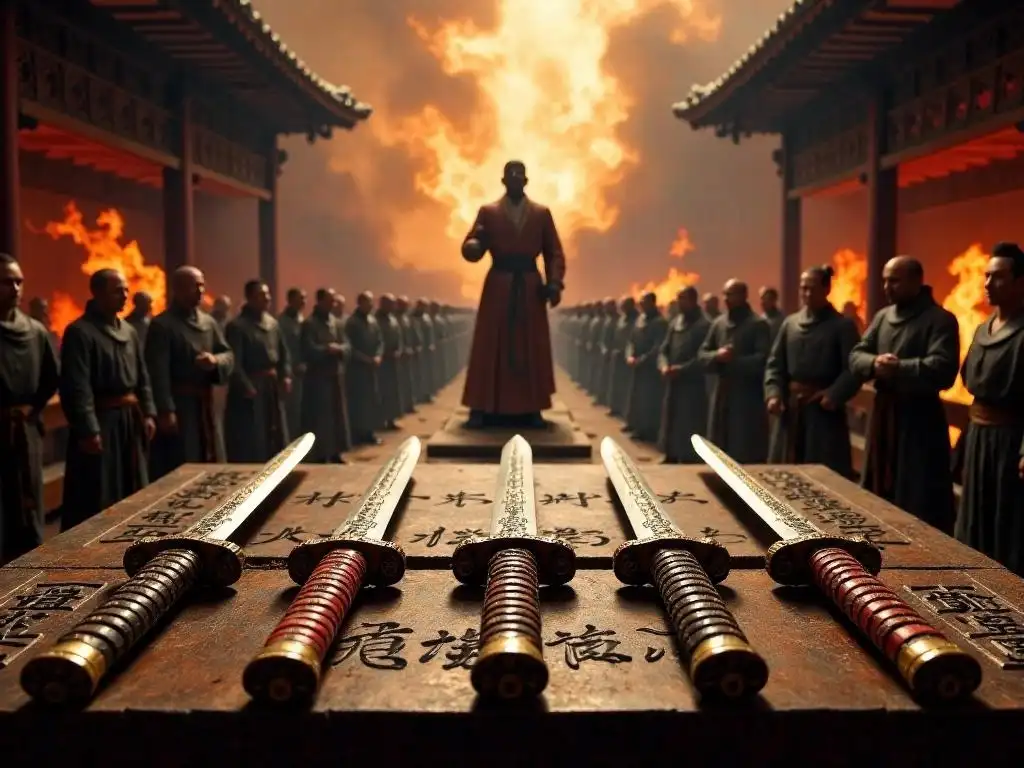
Religious artifacts in feudal Japan were not merely objects of devotion; they served as powerful symbols of authority, legitimacy, and identity during a time of profound conflict. The intertwining of religion and warfare created a complex landscape where artifacts transcended their spiritual significance to become instruments of power and control.
In feudal Japan, the samurai class often used religious artifacts to legitimize their rule and reinforce their social status. Items such as Buddhist statues, Shinto talismans, and ceremonial swords were not only spiritual objects but also visual assertions of power. The Kamakura Shogunate, for example, prominently displayed religious symbols to align themselves with divine authority, utilizing artifacts to gain the loyalty of their vassals and the populace.
- Buddhist Statues: Representing compassion and protection, these statues were frequently placed in battle areas or homes to invoke divine support.
- Shinto Talismans: Often used in rituals, these talismans were believed to provide blessings and protection, reinforcing the legitimacy of the ruling clan.
- Ceremonial Swords: The katana, imbued with spiritual significance, symbolized the warrior's honor and allegiance to their deity, making it a crucial artifact in asserting their identity in conflicts.
These artifacts served as visual cues for followers, reminding them of the divine mandate that sanctioned their leaders' authority. In this way, religious artifacts became vital tools in the political and social landscape of feudal Japan, shaping the perception of legitimacy amidst ongoing conflicts.
The Psychological Impact of Religious Symbols in Warfare
The presence of religious artifacts in warfare had a profound psychological impact on both soldiers and civilians. These symbols often invoked a sense of divine protection, courage, and purpose, encouraging warriors to engage in battle with heightened resolve. The effectiveness of religious artifacts in this context can be illustrated through several key aspects:
- Divine Justification of Violence: Artifacts were often interpreted as signs of divine favor, justifying the violence of war. Warriors believed they fought not only for their lords but also for the gods, heightening their commitment to battle.
- Rituals and Blessings: Before battles, rituals involving religious artifacts were common. These rituals served to fortify the morale of soldiers, as they sought blessings from the gods through specific artifacts, such as omamori (protective talismans) or gohei (ritual offerings).
- Cultural Unity: The shared belief in the power of religious artifacts fostered unity among warriors. Combatants from the same clan or allegiance often looked to these symbols for reassurance and solidarity, enhancing their collective identity in the face of conflict.
The psychological reinforcement provided by religious artifacts played a critical role in motivating and sustaining the warriors' spirit during the turbulent periods of feudal Japan, allowing them to confront the chaos of warfare with a sense of divine purpose.
The Transformation of Religious Artifacts Through Conflict
As conflicts raged across feudal Japan, many religious artifacts underwent significant transformations, both in form and function. These changes reflected the evolving nature of warfare and its impact on society. Some notable transformations include:
- Repurposing of Artifacts: During times of war, sacred items were often repurposed for military use. For instance, protective amulets that were originally intended for personal safety became symbols of group identity, used to rally troops before battles.
- Desecration and Restoration: Many religious sites were desecrated during conflicts, leading to the destruction of artifacts. However, this destruction often spurred movements for restoration and preservation, creating a cycle in which artifacts gained new meanings as symbols of resilience and faith amid turmoil.
- Emergence of New Symbols: The rise of new religious sects, such as the Ikko-ikki (a group of warrior monks), introduced new artifacts that represented their unique beliefs and resistance against established powers. These artifacts often embodied the struggle for social justice and religious freedom, further complicating the narrative of religious symbols in conflict.
The transformation of religious artifacts during feudal Japan reflects the dynamic interplay between faith, power, and the societal context of conflict. As artifacts evolved, they continued to serve as potent symbols of identity and resistance, influencing the course of history in profound ways.
Religious artifacts in feudal Japan were far more than mere objects of worship. They were deeply embedded in the fabric of conflict, reflecting the complexities of authority, psychology, and societal change. Their roles as symbols of power and legitimacy highlight the intricate relationship between religion and warfare during this tumultuous period in Japanese history.
Preservation and Legacy of Religious Artifacts
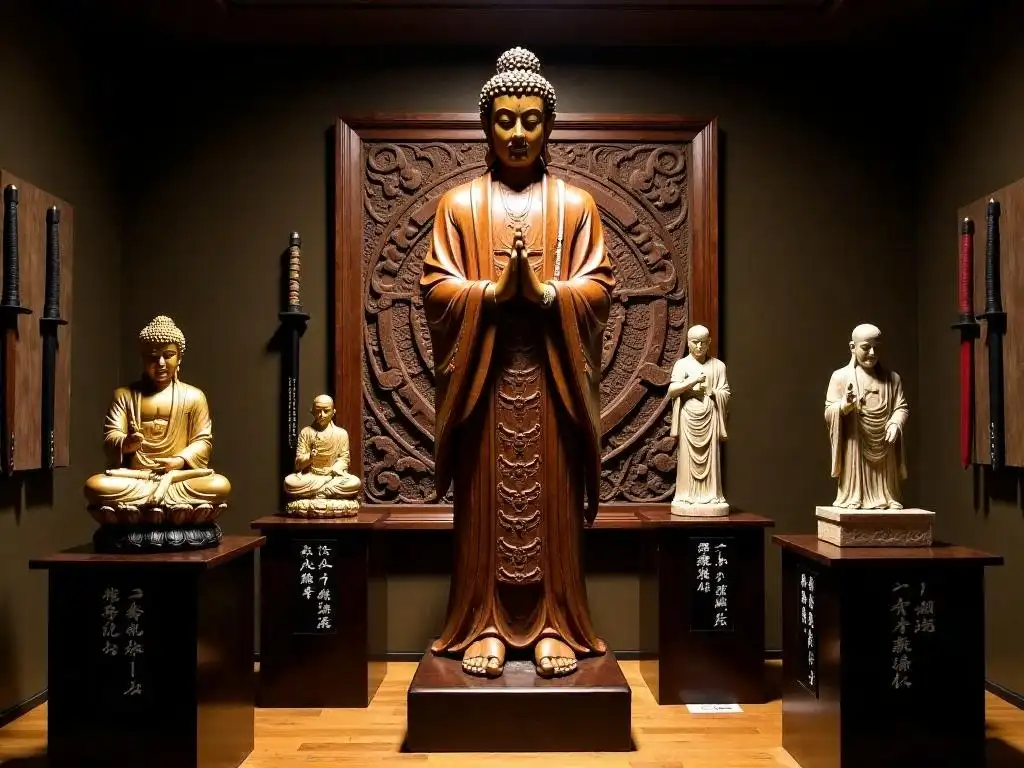
The preservation and legacy of religious artifacts in feudal Japan are crucial for understanding the historical context and cultural significance that these objects held during a time of profound religious conflict and societal transformation. As symbols of faith, power, and communal identity, these artifacts not only embody the spiritual beliefs of the era but also reflect the intricate interplay between religion and politics that characterized feudal Japan.
Efforts to Preserve Religious Artifacts from Feudal Japan
Efforts to preserve religious artifacts from feudal Japan have been ongoing since the Meiji Restoration, when the government began to recognize the importance of safeguarding cultural heritage. Key initiatives include:
- Legal Protections:
- The Cultural Properties Protection Act was enacted in 1950, which established guidelines for the preservation of artifacts deemed important to Japan’s cultural heritage. This legislation has been instrumental in preventing the destruction or neglect of religious artifacts.
- Restoration Projects:
- Various restoration projects have been undertaken by both governmental and non-governmental organizations. Notable examples include:
- The restoration of ancient temples and shrines, which often house a wealth of religious artifacts.
- The meticulous cataloging and preservation of Buddhist statues, scrolls, and ritual implements that date back to the feudal period.
- Various restoration projects have been undertaken by both governmental and non-governmental organizations. Notable examples include:
- Museums and Exhibitions:
- Museums across Japan, such as the Tokyo National Museum and the Nara National Museum, have dedicated sections for religious artifacts, providing educational opportunities and increasing public awareness about their historical significance. Regular exhibitions highlight the craftsmanship and spiritual importance of these items.
- Community Involvement:
- Local communities often play a significant role in the preservation efforts, with many temples and shrines relying on the support of volunteers to maintain and protect their religious artifacts. This grassroots involvement fosters a sense of ownership and pride in local heritage.
The Influence of Religious Artifacts on Modern Japanese Culture
The influence of religious artifacts in feudal Japan extends far beyond their historical context, permeating modern Japanese culture in various ways. Some key aspects include:
- Cultural Festivals:
- Many traditional festivals, or matsuri, still incorporate religious artifacts as central elements of celebration, linking contemporary practices to feudal traditions. Artifacts such as mikoshi (portable shrines) are paraded through towns, symbolizing the community's connection to its spiritual heritage.
- Art and Literature:
- Modern artists and writers often draw inspiration from religious artifacts from the feudal era, reflecting themes of spirituality, conflict, and identity. For example, contemporary literature frequently references the symbols and motifs found in ancient Buddhist and Shinto artifacts, exploring their meanings in today’s context.
- Spiritual Practices:
- Many modern Japanese individuals engage in spiritual practices that are influenced by the artifacts of feudal Japan. For example, the use of omamori (amulets) and other talismans reflects a continued reverence for the protective powers attributed to these objects, linking past beliefs to current spiritual practices.
Contemporary Interpretations of Religious Symbols
The interpretation of religious symbols from feudal Japan has evolved significantly in contemporary society. This shift can be observed in several areas:
- Artistic Reinterpretation:
- Contemporary artists often reinterpret traditional religious symbols to comment on modern societal issues. For instance, the depiction of Buddhist iconography in modern art can serve as a critique of contemporary consumer culture or environmental concerns, bridging the gap between the past and present.
- Cultural Critique:
- Scholars and critics examine the historical significance of religious artifacts, exploring how their meanings have changed over time. This includes discussions on how political power and religious authority were intertwined in feudal Japan, and how these artifacts may now represent both heritage and conflict.
- Global Perspectives:
- As Japan continues to engage with a global audience, the interpretation of its religious symbols has taken on new dimensions. The export of Japanese culture through mediums like anime, fashion, and design often incorporates these symbols, prompting discussions about their original meanings and their reinterpretation in global contexts.
The preservation and legacy of religious artifacts in feudal Japan not only illuminate the complexities of the past but also influence contemporary Japanese culture in profound ways. Through ongoing efforts to preserve these artifacts and interpret their meanings, we can better understand their significance in both historical and modern contexts.
Conclusion: The Role of Religious Artifacts in Feudal Japan's Conflicts
Summary of Key Points
Throughout the feudal era of Japan, religious artifacts played a crucial role not only as objects of devotion but also as powerful symbols of conflict. These artifacts, which included everything from sacred scrolls and statues to ceremonial tools, often became focal points around which tensions and rivalries could escalate. Key points regarding the significance of religious artifacts in feudal Japan include:
- Symbolism of Power: Religious artifacts were often seen as embodiments of divine authority. For example, Buddhist statues were not merely items of worship; they symbolized the legitimacy of the ruling class, especially during the rise of the samurai.
- Cultural Identity: Different factions within feudal Japan utilized religious artifacts to assert their cultural identities. The Shinto shrines and Buddhist temples each served as markers of territorial claims, reinforcing the spiritual connection to the land and people.
- Instruments of War: Artifacts were sometimes weaponized in ideological battles. The act of desecrating an enemy’s religious symbols could serve to demoralize opponents and rally one's own forces, showcasing the artifacts' dual role as sacred objects and tools of conflict.
- Conflict Mediation: Interestingly, while artifacts often incited conflict, they could also serve as instruments for peace. Religious leaders sometimes used these artifacts in rituals aimed at reconciling feuding factions, highlighting their multifaceted roles in feudal society.
Final Thoughts on the Importance of Religion and Artifacts in Japanese History
The exploration of religious artifacts in feudal Japan reveals a complex interplay between faith, power, and conflict. These artifacts were more than mere objects; they were imbued with cultural significance and served as both catalysts and mediators within the socio-political landscape of the time.
Understanding the role of religious artifacts in feudal Japan allows us to appreciate how deeply intertwined religion and politics were during this era. As symbols of conflict, they remind us that faith can both divide and unite. The legacy of these artifacts continues to influence modern Japanese culture, where the echoes of feudal conflicts and their religious dimensions still resonate.
In studying the artifacts of this period, we gain insight into the broader implications of religious beliefs on historical events, paving the way for a deeper understanding of how religion shapes societal dynamics. The examination of religious artifacts in feudal Japan serves as a vital reminder of the enduring power of belief systems in shaping human history.
Frequently Asked Questions
What are religious artifacts in feudal Japan?
Religious artifacts in feudal Japan refer to items used in ceremonies, rituals, and worship that symbolize the spiritual beliefs of the era. These artifacts often include statues, scrolls, and temple offerings.
How did religious artifacts influence conflicts during this period?
During feudal Japan, religious artifacts were often used to justify conflicts and assert power. They symbolized loyalty to a deity or clan, which could lead to rivalries and wars over sacred sites.
What role did Buddhism play in the creation of religious artifacts?
Buddhism significantly influenced the design and function of religious artifacts in feudal Japan. Temples and Buddhist statues became central to spiritual practices, reflecting the cultural and artistic values of the time.
Were there any specific artifacts that became symbols of political power?
Yes, certain artifacts, like shrine regalia and sacred swords, represented the legitimacy of rulers. These items were often used during ceremonies to reinforce the authority of the ruling class.
How can one learn more about religious artifacts in feudal Japan?
To explore more about religious artifacts in feudal Japan, consider reading expert-driven articles, visiting museums, or attending lectures that focus on this intriguing aspect of Japanese history and culture.
Final Reflection: The Enduring Legacy of Religious Artifacts in Feudal Japan
The exploration of religious artifacts in feudal Japan reveals their profound significance not only as objects of devotion but also as potent symbols of conflict. In a society where spiritual beliefs intertwined with political power, these artifacts served as both tools of unity and instruments of division. Today, as we navigate a world still rife with conflict rooted in cultural and religious differences, understanding the historical context of these artifacts can illuminate the complexities of our modern struggles.
Cultural artifacts are not merely remnants of the past; they are living narratives that shape our identities and influence our interactions. The religious artifacts of feudal Japan, from ornate temples to sacred scrolls, continue to resonate within contemporary discussions about faith, power, and societal values. As historian John W. Hall noted, The past is never dead. It’s not even past.
This sentiment underscores the ongoing relevance of these artifacts in understanding the dynamics of conflict and cooperation in our own time.
As you reflect on the lessons drawn from the religious artifacts in feudal Japan, consider how these insights can be applied to your own life and community. Embrace the opportunity to engage with the complexities of cultural heritage, recognizing that every artifact carries a story that can foster dialogue and understanding. Let us strive to honor the lessons of the past, using them as a compass to navigate the present and shape a more harmonious future.
Unveil the Threads of Conflict Through Religious Artifacts!
Thank you for diving into the intricate world of feudal Japan and exploring the profound significance of religious artifacts. Your curiosity enriches the understanding of how these objects shaped cultures and conflicts. Now, let’s take the next step to deepen your knowledge and appreciation!
Here’s how you can further engage with the fascinating history of feudal Japan:
- Dive Deeper: Visit a local museum or library to discover artifacts that resonate with the themes discussed in this article.
- Join the Conversation: Contribute your thoughts in our community forum! Discuss how you believe religious symbolism influenced social dynamics in feudal societies.
- Educate Others: Organize a discussion or presentation at your school or community center to highlight the role of artifacts in historical conflicts.
What connections do you see between religious artifacts and today’s societal conflicts? Let's spark a meaningful dialogue!