
The Role of Rituals in Zen Practice: Structures that Foster Spiritual Growth


Welcome to Feudal Japan History—your gateway to the intriguing tapestry of Japan’s feudal era! Here, we delve deep into the rich historical, cultural, and societal layers that shaped a nation. Prepare to embark on a journey through time as we uncover the profound significance of Zen rituals for spiritual growth.
In our featured article, "The Role of Rituals in Zen Practice: Structures that Foster Spiritual Growth," you will discover how these sacred traditions not only nurtured individual enlightenment but also wove a fabric of community and harmony. Join us as we explore the transformative power of rituals that have transcended centuries, inviting you to unlock the deeper meanings behind each practice. Your adventure into the heart of Zen awaits!
Introduction to Zen Rituals for Spiritual Growth
Zen Buddhism, a profound spiritual tradition that emerged in China and flourished in Japan, emphasizes direct experience and mindfulness as pathways to enlightenment. Central to this practice are Zen rituals, which serve as essential frameworks for fostering spiritual growth. These rituals, often steeped in symbolism and tradition, create structured environments where practitioners can deepen their understanding and experience of Zen teachings.
By engaging in these rituals, individuals cultivate mindfulness, presence, and a connection to the broader Zen community, all of which are vital for personal transformation. This article explores the intricate role of rituals within Zen practice, examining their historical evolution, cultural significance, and the profound impacts they have on spiritual growth.
Understanding Zen Buddhism and Its Practices
Zen Buddhism is characterized by its unique approach to spirituality that prioritizes meditation (zazen) and the cultivation of inner peace. Unlike more doctrinal forms of Buddhism, Zen encourages practitioners to transcend intellectual understanding and engage in direct, experiential insight. Key practices include:
- Zazen (Seated Meditation): The cornerstone of Zen practice, focusing on breath awareness and the stilling of the mind.
- Koan Study: Engaging with paradoxical questions or statements designed to stimulate deep thought and insight.
- Mindful Living: Integrating mindfulness into daily activities, fostering a continuous awareness of the present moment.
These practices are often complemented by rituals that reinforce the teachings and discipline necessary for spiritual development.
Importance of Rituals in Zen Philosophy
Rituals in Zen Buddhism are not merely ceremonial; they embody essential philosophical principles that enhance spiritual growth. Here are some key reasons why rituals hold significant importance in Zen philosophy:
- Cultivation of Mindfulness: Rituals serve as touchstones for mindfulness, anchoring practitioners in the present moment.
- Community and Connection: Participating in rituals fosters a sense of belonging and connection within the Zen community, promoting shared values and experiences.
- Symbolic Representation: Each ritual carries deep symbolic meanings that encapsulate Zen teachings, allowing practitioners to engage with complex ideas in a tangible way.
Through these elements, Zen rituals become powerful tools that support the journey toward enlightenment and personal transformation.
Historical Context of Zen Rituals
Understanding the historical context in which Zen rituals developed provides insight into their significance and evolution. Zen Buddhism was introduced to Japan in the 12th century, where it adapted and integrated with local customs and practices, giving rise to unique rituals that reflect Japan's cultural landscape.
Evolution of Zen Rituals in Feudal Japan
In feudal Japan, Zen rituals evolved as they interacted with the samurai culture and the broader societal norms of the time. Key aspects of this evolution include:
- Integration with Samurai Culture: Zen teachings were embraced by samurai, who found in Zen principles a way to cultivate discipline and focus, which were crucial for their martial practices.
- Formalization of Rituals: As Zen gained prominence, rituals became more formalized, with specific practices established in Zen temples that catered to both monastic and lay practitioners.
- Artistic Expressions: Zen rituals influenced various art forms, including tea ceremonies, calligraphy, and garden design, all of which reflect the Zen aesthetic and philosophy.
These developments illustrate how Zen rituals not only served spiritual purposes but also contributed to the cultural richness of feudal Japan.
Key Influences on Zen Ritual Practices
Several key influences shaped the development of Zen rituals throughout history, including:
- Chinese Chan Buddhism: As the precursor to Zen, Chan Buddhism introduced many foundational practices that were adapted in Japan.
- Shinto Beliefs: Native Shinto practices influenced the integration of rituals in Zen, allowing for a unique blend of spiritual traditions.
- Cultural Exchanges: The interaction with other Buddhist sects and philosophies contributed to the diversity of rituals, enriching the Zen tradition.
Through these influences, Zen rituals have become multifaceted structures that foster spiritual growth, connecting practitioners to a lineage that spans centuries while continuing to evolve in contemporary practice.
Types of Zen Rituals that Promote Spiritual Growth
Zen rituals are integral to the practice of Zen Buddhism, serving as structured activities that facilitate spiritual development and mindfulness. These rituals can be categorized into several types, each contributing uniquely to the practitioner's journey toward enlightenment. The primary categories include daily rituals, seasonal rituals, and life cycle rituals. Each type offers distinct practices that help individuals cultivate awareness, discipline, and a deeper connection to their spiritual path.
Daily Rituals in Zen Practice
Daily rituals form the backbone of Zen practice, providing a structured framework that cultivates mindfulness and concentration. These rituals typically include:
- Zazen (Seated Meditation): Central to Zen practice, zazen involves sitting in a specific posture and focusing on the breath. Practitioners aim to quiet the mind and become aware of their thoughts without attachment.
- Chanting: Reciting sutras or mantras serves to align the practitioner's intentions with their spiritual goals. This vocal expression deepens concentration and fosters a sense of calm.
- Bowings: Performing bows is a physical expression of respect and humility. It reinforces the practitioner's intention to cultivate gratitude and surrender to the moment.
- Tea Ceremony (Chado): This ritual emphasizes mindfulness in action. Practitioners engage in the meticulous preparation and serving of tea, allowing for a moment of reflection and presence.
These daily rituals not only ground practitioners in their practice but also encourage a routine that reinforces discipline and spiritual focus.
Seasonal and Life Cycle Rituals
Seasonal and life cycle rituals in Zen Buddhism mark important transitions and changes, both in nature and in the practitioner's life. These rituals often include:
- Obon Festival: A time to honor and remember deceased ancestors, this ritual fosters a connection to lineage and the impermanence of life. Practitioners engage in offerings and ceremonies that express gratitude and remembrance.
- New Year Celebrations: Rituals during this time often involve purification practices and setting intentions for the year ahead. It is a moment for reflection and renewal, emphasizing growth and transformation.
- Rites of Passage: Significant life events, such as coming of age or marriage, may be observed through Zen rituals. These ceremonies often include prayers, blessings, and community involvement, reinforcing the importance of interconnectedness in spiritual growth.
These rituals highlight the cyclical nature of life and encourage practitioners to reflect on their experiences, fostering a deeper understanding of their spiritual journey.
The Psychological Benefits of Zen Rituals
Engaging in Zen rituals not only aids spiritual growth but also offers numerous psychological benefits. These practices can enhance mental well-being and emotional resilience, making them valuable tools in everyday life.
Enhancing Mindfulness through Rituals
Zen rituals significantly enhance mindfulness, allowing practitioners to cultivate a heightened awareness of the present moment. Through repetitive and intentional actions, such as chanting or meditative practices, individuals develop the ability to focus their attention and reduce distractions. This mindfulness fosters:
- Increased Clarity: Practitioners can better observe their thoughts and feelings without judgment, leading to greater self-awareness.
- Heightened Sensory Awareness: Engaging fully in rituals sharpens the senses, allowing practitioners to appreciate the subtleties of their environment and experiences.
By incorporating these rituals into daily life, individuals can develop a more profound sense of presence and clarity.
The Role of Rituals in Emotional Regulation
Zen rituals also serve as effective tools for emotional regulation. By providing structured practices, these rituals help practitioners manage their emotions through:
- Grounding Techniques: Engaging in rituals can create a sense of stability during emotional turbulence, allowing individuals to return to a calm state.
- Expression of Emotion: Rituals often provide a safe space for individuals to express their emotions, whether through chanting, movement, or communal activities, fostering emotional release and understanding.
Ultimately, these practices help practitioners navigate their emotional landscapes more effectively, leading to increased resilience and well-being.
Building Community and Connection through Shared Practices
Zen rituals foster a sense of community and connection among practitioners. Participating in communal rituals, such as group meditation or ceremonies, cultivates:
- Shared Intentions: Engaging in rituals together creates a collective energy that enhances the spiritual experience, as individuals align their intentions and focus.
- Support Networks: Communities formed around shared practices provide emotional and social support, reinforcing the idea that spiritual growth is a communal journey.
Through these shared experiences, practitioners deepen their connections with others, fostering a sense of belonging and support that significantly enhances their spiritual growth.
Creating a Personal Zen Ritual for Spiritual Growth
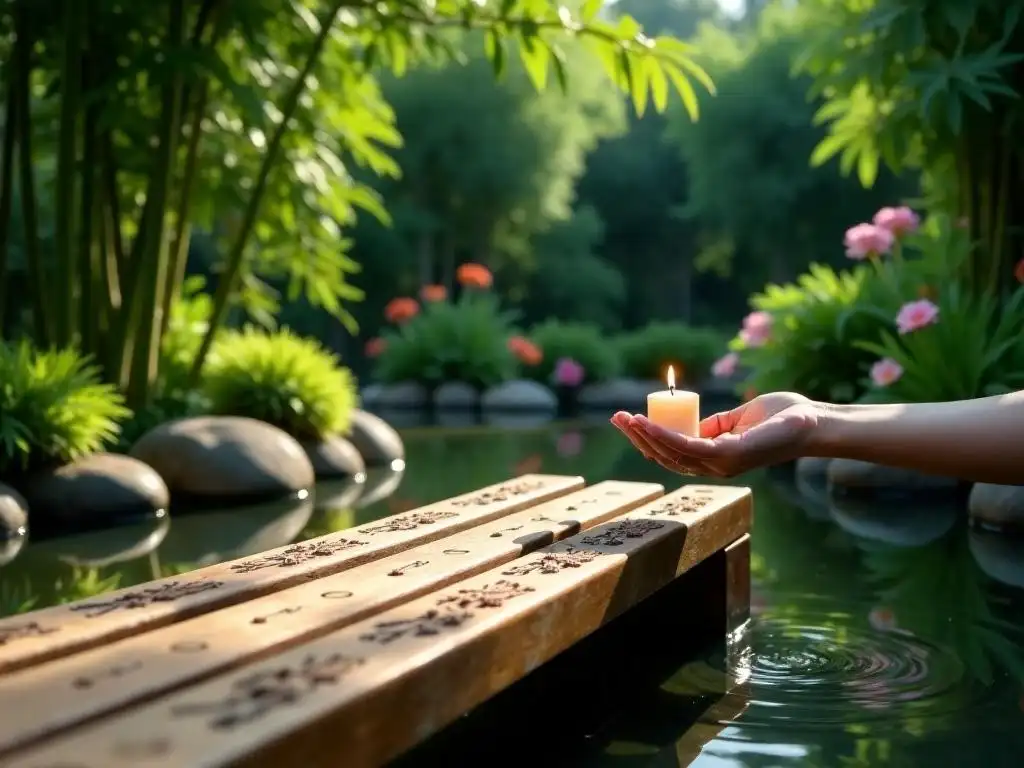
Creating a personal Zen ritual can be a profound way to deepen your spiritual practice and cultivate mindfulness in daily life. Zen rituals are designed to foster a connection to the present moment, allowing individuals to engage in practices that promote inner peace and awareness. By tailoring a ritual to your unique needs and lifestyle, you can create a structured yet flexible approach to nurture your spiritual growth.
To develop a personal Zen ritual, consider incorporating elements that resonate with you, such as meditation, mindful breathing, or nature walks. The goal is to create a practice that feels authentic and enriching, enabling you to connect with your inner self and the world around you. The ritual can be as simple or complex as you desire, but it should always encourage reflection and presence.
Steps to Design Your Own Zen Ritual
Designing your own Zen ritual involves a thoughtful approach that considers your personal preferences and spiritual aspirations. Here’s a step-by-step guide to help you craft a meaningful practice:
- Identify Your Intentions: Begin by contemplating what you hope to achieve through your ritual. Are you seeking peace, clarity, or a deeper connection to your spiritual self? Setting clear intentions will guide the structure of your ritual.
- Choose a Suitable Environment: Select a quiet and comfortable space where you can perform your ritual without distractions. This could be a corner of your home, a garden, or a serene outdoor setting.
- Incorporate Mindful Activities: Decide on the activities that will form the core of your ritual. This could include meditation, chanting, journaling, or even preparing a specific tea. The key is to choose activities that promote mindfulness and reflection.
- Set a Regular Schedule: Consistency is crucial for the effectiveness of your ritual. Designate a specific time each day or week to perform your ritual, creating a sense of routine and commitment.
- Reflect and Adjust: After practicing your ritual for a while, take time to reflect on its impact. Are you feeling more centered and connected? Be open to making adjustments as needed to better suit your evolving spiritual journey.
Examples of Simple Zen Rituals for Daily Life
Incorporating Zen rituals into your daily life can be both simple and rewarding. Here are a few examples to inspire you:
- Mindful Morning Routine: Begin your day with a few moments of mindfulness. As you wake, take deep breaths, express gratitude for the new day, and set a positive intention.
- Tea Ceremony: Engage in a simple tea ceremony, focusing on each step—boiling water, steeping the tea, and savoring the flavors. This practice encourages mindfulness and appreciation of the present moment.
- Walking Meditation: Take a slow, mindful walk in nature, paying attention to each step and the sensations of the earth beneath your feet. This practice can help ground you and foster a sense of connection with nature.
- Evening Reflection: Before bed, spend a few minutes journaling about your day. Reflect on moments of joy, challenges faced, and lessons learned. This ritual fosters self-awareness and closure.
Challenges and Misconceptions about Zen Rituals
Despite the benefits of Zen rituals, several challenges and misconceptions can hinder individuals from fully engaging in these practices. Understanding these issues can help foster a more genuine connection to Zen rituals and their purpose.
Common Myths about Zen Practices
- Zen is Only About Meditation: A prevalent myth is that Zen practice solely revolves around meditation. While meditation is a vital component, Zen rituals encompass various activities designed to cultivate mindfulness and awareness.
- Rituals Are Rigid and Dogmatic: Some believe that Zen rituals are inflexible and must be performed in a specific way. In reality, Zen encourages personal adaptation, allowing practitioners to create rituals that resonate with their unique experiences.
- Zen Practices Are Only for Monks: Another misconception is that Zen practices are reserved for monks or those in monasteries. Zen is accessible to everyone, regardless of their lifestyle or background, and personal rituals can be adapted for daily life.
Addressing Concerns about Rituals in Modern Zen
In a fast-paced, modern world, some individuals may express concerns about the relevance of rituals in Zen practice. Here are some points to consider:
- Relevance in Daily Life: Zen rituals can provide a much-needed pause in our hectic lives, offering individuals a framework for mindfulness amidst chaos. They serve as reminders to slow down and reconnect with ourselves.
- Evolving Practices: Modern Zen allows for flexibility and adaptation of rituals. Practitioners can incorporate contemporary elements while maintaining the essence of mindfulness and presence.
- Community and Connection: Engaging in Zen rituals can foster a sense of community and connection with others who share similar spiritual aspirations. Group practices can enhance the experience and provide support in one’s journey.
By understanding the role of rituals in Zen practice and addressing common misconceptions, individuals can cultivate meaningful spiritual growth through their unique rituals, enriching their lives with mindfulness and purpose.
Conclusion: The Lasting Impact of Zen Rituals on Spiritual Growth

Zen rituals play a pivotal role in fostering spiritual growth, acting as structures that support practitioners on their journey towards enlightenment. Through the repetition of specific practices, such as zazen (sitting meditation), chanting, and bowing, individuals cultivate mindfulness and a deeper connection to their inner selves. These rituals are not merely ceremonial; they serve as gateways to self-discovery and awareness, allowing practitioners to let go of distractions and immerse themselves in the present moment.
The impact of Zen rituals extends beyond individual practice. They create a sense of community and shared purpose among practitioners, reinforcing the collective experience of spiritual development. Participating in rituals within a group setting fosters a sense of belonging and mutual support, essential components of the Zen tradition. As practitioners engage in these rituals, they often report profound shifts in their perspectives and emotional well-being, illustrating the transformative power of these structured practices.
Integrating Rituals into Everyday Life
Integrating Zen rituals into daily routines can significantly enhance one’s spiritual journey. By adopting simple practices, individuals can cultivate a deeper sense of presence and mindfulness in their everyday activities. Here are some ways to incorporate Zen rituals into daily life:
- Mindful Breathing: Taking a few moments each day to focus on breath can serve as a grounding ritual. This practice helps in centering the mind and reducing stress.
- Daily Meditation: Setting aside time each day for zazen can establish a routine that deepens spiritual awareness. Whether it's five minutes or an hour, consistency is key.
- Chanting: Incorporating chanting of sutras or mantras during morning routines can elevate the spirit and focus intentions for the day ahead.
- Mindful Eating: Transforming meals into a ritual by eating slowly and with awareness can enhance gratitude and connection to the present moment.
- Gratitude Practices: Ending the day with reflections on what one is thankful for can be a simple yet powerful ritual to cultivate positivity and awareness.
By embedding these practices into daily life, individuals can create a continuous thread of mindfulness and spiritual growth throughout their day.
The Future of Zen Rituals in Contemporary Practice
As society evolves, so too does the practice of Zen rituals. The contemporary landscape presents both challenges and opportunities for the integration of these traditional practices. With the rise of mindfulness movements and the growing interest in mental health, Zen rituals are increasingly being recognized for their therapeutic benefits.
In the future, we may see:
- Innovative Adaptations: Modern practitioners are likely to adapt traditional rituals to fit contemporary lifestyles, ensuring that they remain relevant and accessible to a broader audience.
- Interdisciplinary Approaches: Collaborations between Zen teachers and mental health professionals could lead to new frameworks incorporating Zen rituals into therapeutic practices.
- Increased Accessibility: Online platforms and virtual communities are making Zen rituals more accessible, allowing individuals from various backgrounds to engage with these practices, regardless of geographic limitations.
- Cultural Fusion: The blending of Zen rituals with other spiritual and wellness traditions could foster a richer, more diverse practice that resonates with a wider audience.
Ultimately, the future of Zen rituals lies in their ability to adapt while remaining true to their core principles. As practitioners continue to explore and innovate, the enduring impact of these rituals on spiritual growth will undoubtedly prevail, inviting new generations to embark on their own journeys of discovery and enlightenment.
- Introduction to Zen Rituals for Spiritual Growth
- Historical Context of Zen Rituals
- Types of Zen Rituals that Promote Spiritual Growth
- The Psychological Benefits of Zen Rituals
- Creating a Personal Zen Ritual for Spiritual Growth
- Steps to Design Your Own Zen Ritual
- Examples of Simple Zen Rituals for Daily Life
- Challenges and Misconceptions about Zen Rituals
- Conclusion: The Lasting Impact of Zen Rituals on Spiritual Growth
- Integrating Rituals into Everyday Life
- The Future of Zen Rituals in Contemporary Practice
Frequently Asked Questions
What are Zen rituals?
Zen rituals are structured practices that facilitate spiritual growth and mindfulness. They often include meditation, chanting, and ceremonies designed to deepen one's understanding of Zen principles.
How do rituals contribute to spiritual growth in Zen?
Rituals in Zen serve as tools for discipline and focus, helping practitioners to cultivate awareness and inner peace. They create a supportive environment for exploring one's spiritual journey.
Can anyone practice Zen rituals?
Yes, Zen rituals are accessible to anyone interested in spiritual growth and mindfulness. Beginners are encouraged to approach these practices with openness and curiosity.
What is the significance of meditation in Zen rituals?
Meditation is a central component of Zen rituals, as it promotes self-reflection, clarity, and a deeper connection to the present moment. It is essential for fostering spiritual development.
How can I incorporate Zen rituals into my daily life?
You can start by dedicating a few moments each day to meditation, establishing a routine, and engaging in simple rituals like mindful breathing or gratitude practices to enhance your spiritual growth.
Final Reflection: Embracing Zen Rituals for Spiritual Growth
The exploration of Zen rituals for spiritual growth is not merely an academic exercise; it is a vital practice that resonates deeply in our contemporary lives. In a world often marked by chaos and distraction, these rituals serve as anchors, guiding us back to our true selves and fostering a sense of peace and clarity. The profound simplicity of Zen rituals reminds us that spiritual growth is not a destination but a continuous journey, one that is enriched by the structures we create in our daily lives.
Culturally and socially, the significance of Zen rituals extends far beyond the confines of meditation halls. They have permeated various aspects of modern life, influencing mindfulness practices, wellness movements, and even corporate environments seeking to cultivate a more balanced approach to work and life. As we engage with these practices, we find ourselves part of a larger narrative that values presence and intention. Rituals are the threads that weave together the fabric of our spiritual lives, connecting us to ourselves and to the universe.
This ongoing influence invites us to reflect on how we can incorporate these rituals into our daily routines, enhancing our spiritual journeys and fostering deeper connections with those around us.
As we conclude this exploration of Zen rituals, I invite you to consider how you might integrate these practices into your own life. Reflect on the rituals that resonate with you and think about how they can serve as tools for your spiritual growth. Whether it's through meditation, mindful breathing, or simple acts of gratitude, each ritual holds the potential to transform your daily experience. Embrace the opportunity to cultivate a deeper connection with yourself and the world, allowing Zen rituals to illuminate your path toward spiritual fulfillment.
Embrace the Power of Rituals in Your Zen Journey!
Thank you for taking the time to explore the profound impact rituals have in Zen practice. Understanding these structures enables you to foster your own spiritual growth and deepen your connection to tradition. Are you ready to put your insights into action? Here are some practical steps you can take today:
- Start your own daily ritual: Whether it’s meditation, a tea ceremony, or a simple mindful walk, commit to incorporating a meaningful practice into your day.
- Share your experiences: Connect with like-minded individuals by documenting your ritual journey on social media or in community forums; invite others to join you!
- Experiment with new rituals: Explore a different ceremonial practice each week, such as Zen gardening or Sumi-e painting, and discover what resonates with you.
Which ritual will you choose to embark on your journey towards deeper spiritual growth today?