
The Role of Shinto in Japanese Identity and Nationalism

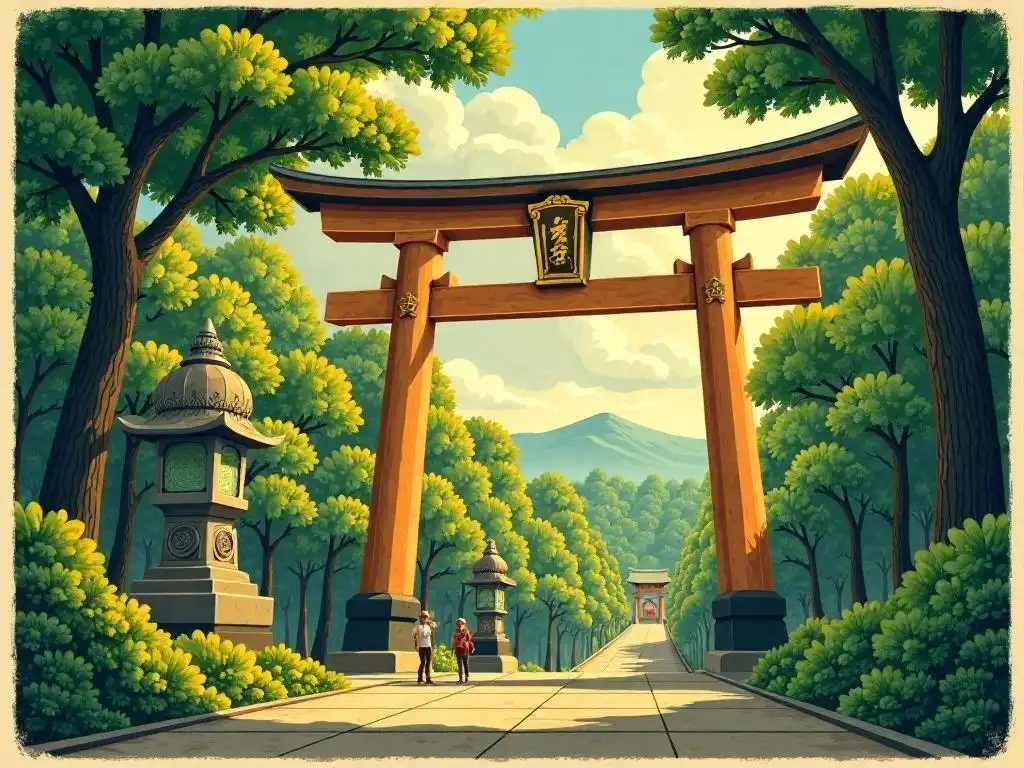
Welcome to Feudal Japan History, where we embark on a captivating journey through the intricate tapestry of Japan's feudal era. In today's exploration, we delve into the profound Shinto influence on Japanese identity, uncovering how this ancient belief system has shaped the nation's cultural and societal fabric. What role does Shinto play in the ever-evolving narrative of Japanese nationalism? Join us as we unravel the threads connecting spirituality and identity, igniting your curiosity and inviting you to discover more about this fascinating intersection of religion and philosophy.
Shinto, often described as the indigenous spirituality of Japan, plays an essential role in shaping Japanese identity and nationalism. This ancient belief system, rich in mythology and rituals, not only provides a framework for understanding the natural world but also fosters a shared cultural heritage among the Japanese people.
As we delve into the intricate relationship between Shinto and Japanese identity, we will explore its historical context, cultural practices, and the profound symbols that solidify its influence on national consciousness. Understanding Shinto’s impact is crucial in recognizing how it has been intertwined with Japan's national narrative, shaping the values, customs, and even the political landscape throughout history.
Introduction to Shinto and its Historical Context
Overview of Shinto as a Religion
Shinto, which translates to "the way of the gods," is not a religion in the conventional sense but a collection of practices and beliefs centered around kami, the spirits or deities revered in this tradition. It encompasses a deep respect for nature, ancestor worship, and rituals that emphasize purification and offerings. Unlike many organized religions, Shinto lacks a single sacred text or a formal doctrine, which allows for a fluidity of beliefs and practices that have evolved over centuries.
Key elements of Shinto include:
- Kami: Spirits that inhabit natural elements, ancestors, and important historical figures.
- Shrines (Jinja): Sacred spaces for worship and rituals.
- Rituals: Practices such as purification, offerings, and festivals that connect people with the kami.
Historical Development of Shinto Practices
Shinto's roots can be traced back to prehistoric Japan, evolving through interactions with other belief systems, particularly Buddhism, which was introduced in the 6th century. The syncretism of Shinto and Buddhism led to the development of unique practices and rituals, particularly during the Heian period (794-1185).
Over the centuries, Shinto has undergone significant transformations, especially during the Meiji Restoration (1868), when it was promoted as a state religion to foster national unity. This period marked a crucial turning point, as Shinto was redefined and institutionalized to support the imperial family and the nation-state.
Shinto's Role in Early Japanese Society
In early Japanese society, Shinto played a pivotal role in community cohesion and governance. It provided a framework for understanding natural phenomena, thus guiding agricultural practices and seasonal celebrations. The ritualistic aspect of Shinto helped foster a sense of community identity, as festivals and ceremonies brought people together, reinforcing social bonds.
Shinto Influence on Japanese Identity
Defining Japanese Identity Through Shinto Beliefs
Shinto has been instrumental in defining what it means to be Japanese, emphasizing values such as harmony with nature, respect for ancestors, and a collective sense of belonging. The belief in kami embodies the notion that every individual has a spiritual connection to the land and its history, forging a deep-rooted sense of national identity.
Cultural Practices Rooted in Shinto Traditions
Many cultural practices in Japan, including traditional arts, festivals, and ceremonies, are deeply influenced by Shinto beliefs. For instance:
- Matsuri (Festivals): Celebratory events held at shrines to honor kami.
- Kagura (Sacred Dance): Performances that convey myths and express gratitude to the kami.
- New Year Celebrations: Rituals that involve visiting shrines to pray for health and prosperity.
These practices not only uphold Shinto traditions but also serve to reinforce Japanese identity among individuals and communities.
Shinto Symbols and Their Meaning in Japanese Identity
Symbols such as the torii gate, which marks the entrance to sacred spaces, and the shide (zigzag paper streamers), commonly used in rituals, hold significant meaning in Shinto and Japanese identity. These symbols represent the transition from the mundane to the sacred, embodying the connection between the physical world and the spiritual realm. They serve as reminders of the cultural heritage and the values that bind the Japanese people together.
The intricate tapestry of Shinto beliefs, practices, and symbols plays a fundamental role in shaping Japanese identity and nationalism. As we continue to explore this topic, we will delve deeper into the specific aspects of Shinto that solidify its influence and relevance in contemporary Japanese society.
The Connection Between Shinto and Nationalism
The relationship between Shinto and nationalism in Japan is deeply intertwined and has evolved over centuries, particularly during pivotal moments in Japanese history. Shinto, as the indigenous spirituality of Japan, promotes the worship of kami, or spirits, which are often linked to the natural world and ancestral beings. This reverence for kami has fostered a sense of belonging and identity among the Japanese people, thus reinforcing national pride.
Nationalism in Japan has historically drawn upon Shinto to create a narrative that emphasizes the uniqueness of the Japanese race and culture. This connection has manifested in various ways, particularly during the Meiji Restoration, when Shinto was elevated to a state religion, serving both political and cultural purposes. The intertwining of Shinto with national identity has not only shaped cultural practices but has also influenced political ideologies and movements throughout Japan’s history.
Historical Roots of Nationalism in Japan
The historical roots of nationalism in Japan can be traced back to the formation of the Japanese state in the 7th century. The codification of laws and the establishment of a centralized government under the Yamato clan marked the beginning of a unified national identity. Early Shinto practices, which emphasized the divine nature of the emperor and the kami, played a significant role in legitimizing the authority of the ruling class.
As Japan engaged with Western powers in the 19th century, a wave of nationalism surged, prompting intellectuals and leaders to seek a unique cultural identity that distinguished Japan from the West. This period saw the revival of Shinto practices and the promotion of the idea that the Japanese people were divinely favored, laying the groundwork for a nationalistic sentiment that would be exploited in the years to come.
Shinto as a Tool for Nationalistic Ideologies
Shinto has often been utilized as a tool for promoting nationalistic ideologies in Japan. During the Meiji era, the government actively promoted Shinto as a way to consolidate power and unify the nation. This was achieved through the establishment of state Shinto, which positioned the emperor as a divine figure and the ultimate authority in Japan.
The ideological use of Shinto was particularly evident during World War II, where it was employed to justify militaristic expansion and the notion of Japan’s divine mission. The teachings of Shinto not only served to promote loyalty to the emperor but also fostered a spirit of sacrifice among the populace, aligning religious devotion with national duty. This instrumentalization of Shinto has left lasting impacts on Japanese identity, intertwining religious beliefs with national pride.
Key Events Linking Shinto and Japanese Nationalism
Several key events in Japanese history have significantly linked Shinto with nationalism. The Meiji Restoration in 1868 marked a crucial turning point, as the new government sought to modernize Japan while also reviving traditional Shinto practices to foster a sense of national unity.
Another pivotal moment was the establishment of the Imperial Rescript on Education in 1890, which integrated Shinto teachings into the national education system, emphasizing loyalty to the emperor and the importance of Shinto values. Additionally, the post-World War II period saw a critical examination of the Shinto-nationalism nexus, leading to reforms that separated religion from state affairs but also ignited debates on the role of Shinto in contemporary Japanese identity.
Shinto Shrines and Their Role in Japanese Society
Shinto shrines hold a central place in Japanese society, serving as focal points for religious practice and community gatherings. They are not merely places of worship; they embody the spirit of the kami and the cultural heritage of Japan. The architecture, rituals, and festivals associated with shrines are steeped in tradition, reinforcing a collective identity among visitors and worshippers.
The role of shrines extends beyond the spiritual realm; they are also integral to Japanese cultural practices, marking significant life events such as births, weddings, and seasonal festivals. This deep-rooted cultural significance further cements the relationship between Shinto and Japanese identity.
Importance of Shrines in Shinto Practices
Shrines are essential to Shinto practices, serving as the physical manifestations of kami and the spiritual heart of local communities. Each shrine is dedicated to specific kami, and rituals performed at these sites can vary widely, ranging from simple offerings to elaborate festivals.
The act of visiting a shrine, or "hijiri," is a common practice among Japanese people, especially during New Year celebrations and other significant occasions. These visits foster a sense of connection to the kami, ancestors, and the community, reinforcing cultural traditions and collective identity. Furthermore, shrines often serve as custodians of local history and lore, preserving the narratives that shape regional identities.
The Role of Shrines in Fostering National Identity
Shrines play a significant role in fostering national identity by serving as symbols of cultural continuity and heritage. Many shrines are associated with historical events or figures that are pivotal to Japan's national narrative. For instance, the Yasukuni Shrine commemorates soldiers who died for the nation, and its significance in discussions about nationalism and memory cannot be understated.
Moreover, national festivals and ceremonies often take place at shrines, reinforcing their role as sites of national pride and collective memory. The connection between shrines and the broader concepts of Japanese identity and nationalism is evident in the way these sacred spaces are revered and celebrated throughout the country.
Case Studies of Prominent Shinto Shrines and Their Impact
Several prominent Shinto shrines illustrate the profound impact of Shinto on Japanese identity and nationalism:
- Ise Grand Shrine: Considered the most sacred Shinto shrine, it is dedicated to the sun goddess Amaterasu, the mythological ancestor of the imperial family. The shrine's rituals and architecture symbolize Japan's cultural continuity and the divine right of the emperor.
- Meiji Shrine: Dedicated to Emperor Meiji and Empress Shoken, this shrine is a testament to the Meiji Restoration's legacy. It serves as a place of pilgrimage for those seeking to honor the modernization of Japan while connecting with its traditional roots.
- Yasukuni Shrine: This controversial shrine honors Japan's war dead, including those convicted of war crimes. It has become a focal point for discussions about nationalism, memory, and reconciliation in post-war Japan, highlighting the complex interplay between Shinto, identity, and national pride.
These case studies underscore the significant role that Shinto shrines play in shaping and reflecting Japanese identity, illustrating how spirituality intertwines with national consciousness.
Modern Perspectives on Shinto and National Identity
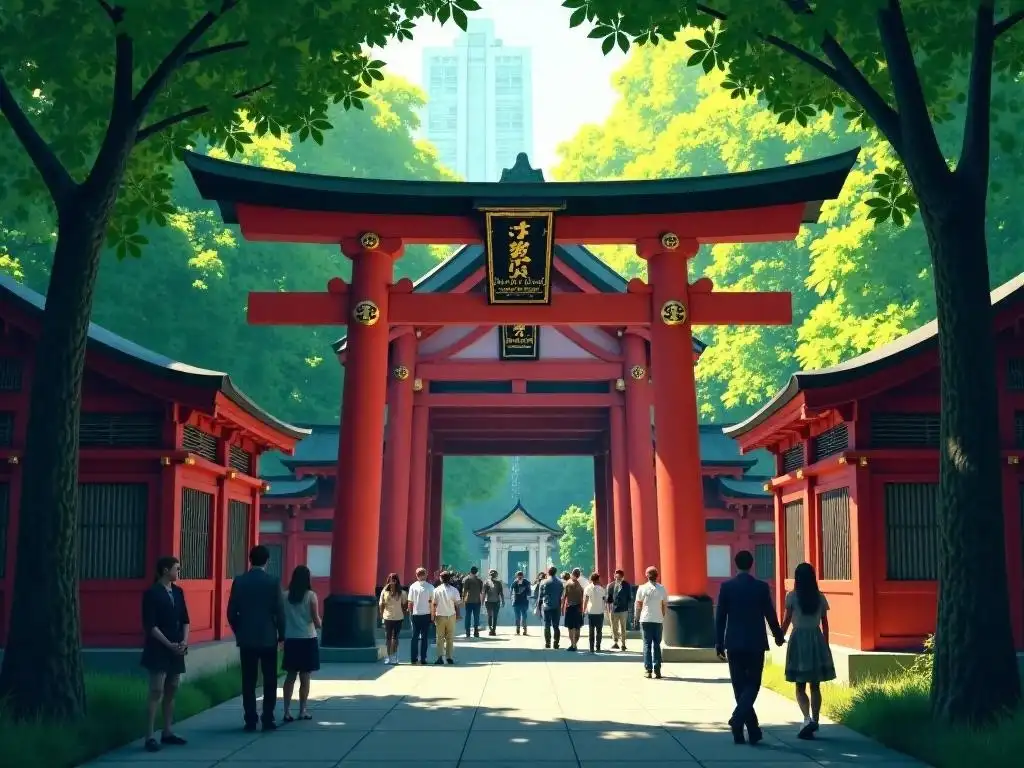
In modern Japan, the relationship between Shinto and national identity remains a complex and multifaceted topic. With a historical backdrop of Shinto's integration into the political system, particularly during the Meiji Restoration, contemporary perspectives often grapple with the balance between tradition and modernity.
The resurgence of interest in Shinto practices can be seen as a reaction to globalization and a quest for cultural roots, leading to a re-evaluation of what it means to be Japanese in today's society. As Japan continues to navigate its place in the world, Shinto practices serve as a cultural anchor, influencing social behavior, community cohesion, and national pride.
Shinto in Contemporary Japanese Culture
Shinto continues to play a significant role in the daily lives of many Japanese people, often manifesting during life events such as births, weddings, and festivals. Shrines, or jinja, remain central to community gatherings, where rituals and celebrations reinforce cultural identity. The practice of visiting shrines, especially during New Year celebrations, is a testament to the enduring presence of Shinto in the cultural fabric of Japan. Additionally, the incorporation of Shinto symbols and aesthetics in various aspects of Japanese art, literature, and popular culture—such as anime and manga—further illustrates its relevance in contemporary society.
The Evolution of Shinto's Role in Nationalism Today
The role of Shinto in nationalism has evolved significantly since the early 20th century. Historically, Shinto was utilized as a tool for state ideology, particularly during the militaristic expansionist period. However, in the post-World War II era, Shinto's political implications were largely curtailed, leading to a separation of religion and state.
Today, Shinto is often viewed more as a cultural identity rather than a political ideology. While some nationalist groups still invoke Shinto to promote a sense of ethnic purity and historical continuity, mainstream society generally embraces Shinto as a facet of cultural heritage rather than a vehicle for nationalism.
Critiques of Shinto's Influence on Japanese Identity
Despite its cultural significance, Shinto's influence on Japanese identity is not without critique. Some scholars argue that the romanticization of Shinto can lead to exclusionary practices that marginalize non-Japanese residents and other religious beliefs within Japan. The rise of nationalistic sentiments intertwined with Shinto practices raises concerns about xenophobia and the potential for historical revisionism. Critics emphasize the need for a more inclusive understanding of Japanese identity that acknowledges the country's diversity and the contributions of various cultural groups.
Conclusion: The Enduring Legacy of Shinto in Japan
Shinto's legacy in Japan is characterized by its resilience and adaptability throughout history. As a spiritual practice deeply intertwined with Japanese culture, Shinto continues to shape and reflect the values and beliefs of the Japanese people, even as society evolves.
Summary of Shinto's Impact on Japanese Identity and Nationalism
Shinto has significantly influenced Japanese identity, providing a framework for cultural expression and community cohesion. Its role in nationalism has transformed over time, moving from state-sponsored ideology to a more personal and cultural interpretation. As Japan faces contemporary challenges, the relevance of Shinto in shaping national identity remains a critical area of exploration.
Future Implications of Shinto Practices in Japan
Looking ahead, the future of Shinto practices in Japan will likely be shaped by ongoing societal changes, including the impacts of globalization and demographic shifts. As younger generations seek to connect with their heritage, Shinto may experience a revival in interest, potentially leading to new interpretations and practices. Additionally, the dialogue surrounding Shinto's role in national identity will continue to be relevant, particularly as Japan navigates its multicultural landscape and seeks to define what it means to be Japanese in a modern context.
References
The exploration of Shinto's influence on Japanese identity and nationalism is a multifaceted topic, drawing from a variety of sources that span historical texts, contemporary analyses, and cultural studies. Below is a curated list of references that provide insights into this intricate relationship, enhancing the understanding of Shinto's role in shaping Japanese identity throughout history.
Suggested Readings on Shinto and Japanese National Identity
-
"Shinto: The Kami Way" by Sokyo Ono
This foundational text offers a comprehensive overview of Shinto beliefs and practices, emphasizing its significance in Japanese culture and identity. Ono discusses how Shinto rituals and festivals foster a sense of community and national pride.
-
"Japan: A Cultural, Social, and Political History" by Ian Buruma
Buruma's work provides a broader context of Japan's history, examining the intersections of religion, culture, and politics, with specific attention to Shinto's role in shaping Japanese nationalism.
-
"Shinto and Japanese Nationalism" by John Breen and Mark Teeuwen
This book critically analyzes the complex relationship between Shinto and Japanese nationalism from the late 19th century to the present, exploring how Shinto has been utilized in the construction of national identity.
-
"The Making of Modern Japan" by Joshua A. Fogel
Fogel’s comprehensive history of modern Japan includes discussions on the evolution of Shinto practices and their implications for Japanese national identity, particularly during the Meiji Restoration and beyond.
-
"Shinto as a Historical and Cultural Phenomenon" by Nobutaka Inoue
Inoue delves into the historical development of Shinto and its cultural significance, providing insights into how these elements contribute to a distinct Japanese identity.
Academic Sources for Further Exploration
-
Journal of Japanese Studies
This peer-reviewed journal publishes articles that explore various aspects of Japanese culture, including religion and nationalism. Articles on Shinto's influence can provide scholarly insights and analyses relevant to understanding its role in Japanese identity.
-
"The Nature of Shinto: A Study of the Japanese Spiritual Experience" by David K. H. Tanaka
This academic work examines the spiritual dimensions of Shinto and how these elements intertwine with Japanese cultural identity. Tanaka's analysis offers a deep dive into the philosophical underpinnings of Shinto practices.
-
"Religion and National Identity in Japan" by Yoshiro Matsumoto
Matsumoto's research focuses on the interplay between religion and national identity in Japan, with particular emphasis on Shinto's historical context and its evolving role in modern society.
-
"Shinto and the State" by Richard S. Kim
This article discusses the historical relationship between Shinto and the Japanese state, particularly during the period of militarism and the role Shinto played in fostering a nationalist sentiment.
-
"Shinto and Modern Japan: A Historical Perspective" by Hiroshi Fujimoto
Fujimoto's work provides a historical overview of Shinto's adaptation in modern Japan, highlighting the ongoing influence of Shinto practices on contemporary Japanese identity and national consciousness.
These references serve as a valuable foundation for further exploration of Shinto's profound impact on Japanese identity and nationalism, offering diverse perspectives that enrich the understanding of this essential aspect of Japan's cultural heritage.
- Introduction to Shinto and its Historical Context
- Shinto Influence on Japanese Identity
- The Connection Between Shinto and Nationalism
- Shinto Shrines and Their Role in Japanese Society
- Modern Perspectives on Shinto and National Identity
- Conclusion: The Enduring Legacy of Shinto in Japan
- References
Frequently Asked Questions
What is the Shinto influence on Japanese identity?
Shinto, as Japan's indigenous religion, plays a significant role in shaping cultural values and national identity, fostering a sense of belonging among the Japanese people.
How did Shinto contribute to Japanese nationalism?
Shinto was used as a tool for nationalism, emphasizing the divine nature of the emperor and promoting the idea of Japan as a unique nation with a sacred origin.
In what ways has Shinto influenced Japanese society?
Shinto rituals and practices have permeated various aspects of daily life in Japan, from festivals to ceremonies, reinforcing community bonds and cultural traditions.
Are there any notable Shinto practices that reflect its influence on identity?
Yes, practices such as Matsuri (festivals) and purification rituals not only celebrate Shinto beliefs but also enhance a sense of collective identity among participants.
How does the historical context of Shinto affect modern Japan?
The historical evolution of Shinto, particularly during the Meiji Restoration, has left a lasting legacy on modern Japanese identity, intertwining spirituality with national consciousness.
Final Reflection: The Enduring Influence of Shinto on Japanese Identity
The exploration of Shinto's influence on Japanese identity reveals its profound relevance in today's society. As Japan navigates the complexities of modernity and globalization, the traditional values and spiritual practices rooted in Shinto continue to shape the cultural landscape. This ancient belief system not only fosters a sense of belonging but also reinforces the unique characteristics that define the Japanese spirit. In a world increasingly characterized by cultural homogenization, the significance of Shinto stands as a testament to the resilience of national identity.
The impact of Shinto on Japanese identity is not merely historical; it is a living force that informs contemporary social dynamics. From the rituals performed at shrines to the festivals that celebrate seasonal changes, Shinto practices are woven into the fabric of everyday life in Japan. This ongoing influence is evident in how the Japanese people engage with their heritage, fostering a deep connection to their ancestors and the natural world. As noted by cultural historian John Breen, Shinto is not just a religion; it is a way of life that embodies the values and traditions of the Japanese people.
This perspective underscores the importance of Shinto in maintaining cultural continuity amidst rapid change.
As we reflect on the lessons imparted by Shinto, let us consider how these principles can enrich our own lives. Take a moment to connect with your surroundings, honor your heritage, and embrace the values that resonate with your identity. In doing so, we not only preserve the essence of who we are but also contribute to a more diverse and harmonious world. By recognizing the significance of traditions like Shinto, we can cultivate a deeper appreciation for our own identities and the rich tapestry of cultures that surround us.
Embrace the Essence of Shinto: Connect, Explore, and Reflect!
Thank you for diving into our exploration of Shinto and its profound impact on Japanese identity and nationalism. By understanding these cultural threads, you’ve gained valuable insights into a rich historical fabric that shapes modern Japan. Now, let’s take the next steps to deepen your engagement with this fascinating topic!
- Join a local or online community centered around Japanese culture and history. Sharing perspectives is a great way to expand your understanding!
- Visit Shinto shrines in your area or plan a virtual tour to experience their beauty and significance firsthand.
- Reflect on your own cultural background—what elements shape your identity? Consider writing a personal essay about it to share with friends or on social media.
How do you think the values of Shinto resonate with contemporary society, both in Japan and around the world?