
Shinto's Influence on Japanese Cuisine: Food as a Spiritual Offering

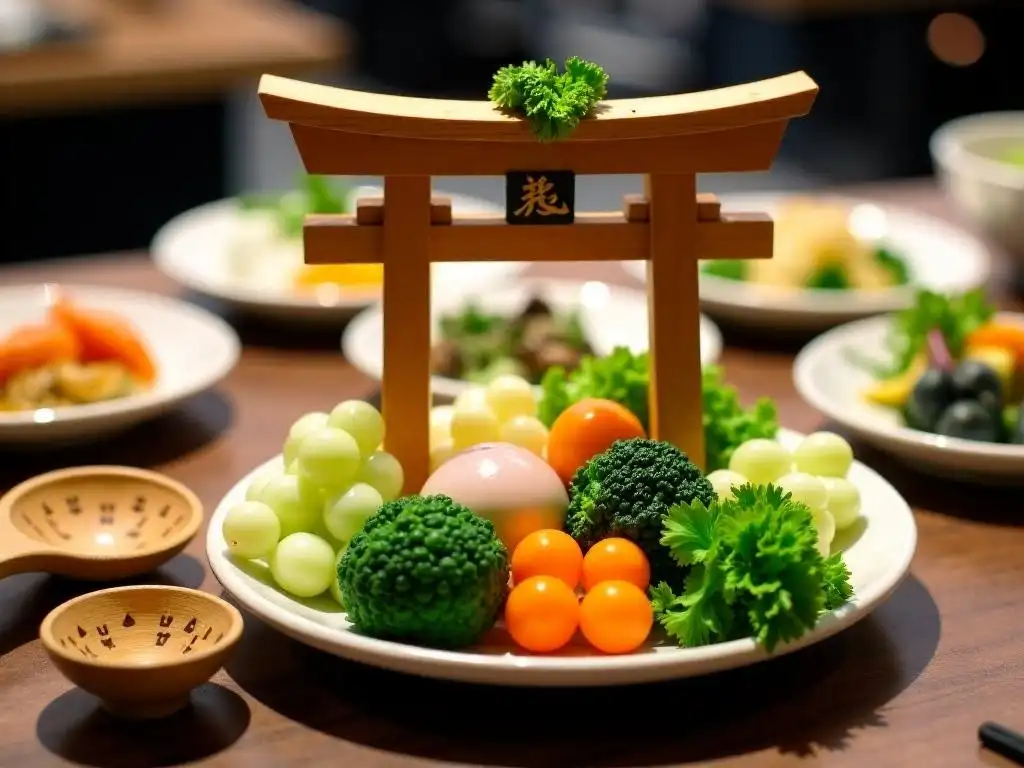
Welcome to Feudal Japan History! Here, we invite you to embark on a captivating journey through the intricate tapestry of Japan’s feudal era, where traditions and beliefs shaped the very fabric of society. In our featured article, “Shinto's Influence on Japanese Cuisine: Food as a Spiritual Offering,” we delve into the profound connection between spirituality and gastronomy, revealing how ancient rituals and Shinto practices have left an indelible mark on the culinary landscape of Japan.
Get ready to explore the flavors that transcend mere sustenance, drawing you deeper into a world where food becomes a sacred expression of devotion. What unseen forces shape the dishes we cherish? Discover the answers as you dive further into our exploration!
- Introduction to Shinto Influence on Japanese Cuisine
- Historical Context of Shinto and Japanese Cuisine
- Shinto Festivals and Culinary Offerings
- Ingredients and Symbolism in Shinto-Inspired Cuisine
- Shinto Influence on Modern Japanese Cuisine
- The Spiritual Aspect of Food in Shinto
- Conclusion: The Lasting Impact of Shinto on Japanese Cuisine
-
Frequently Asked Questions
- What is the main theme of the article on Shinto's influence on Japanese cuisine?
- How does Shintoism impact food preparation in Japan?
- What are some examples of dishes that reflect Shinto beliefs?
- Why is food considered a spiritual offering in Shinto?
- How does the article contribute to understanding Japan's feudal era?
- Final Reflection: The Spiritual Essence of Shinto in Japanese Cuisine
- Embrace the Spiritual Connection Through Japanese Cuisine!
Introduction to Shinto Influence on Japanese Cuisine
In exploring the rich tapestry of Japan's feudal era, the intersection of religion and culture emerges as a vital theme, particularly the influence of Shinto on various aspects of daily life, including cuisine. Shinto, the indigenous spirituality of Japan, underscores the deep connection between the divine and the natural world, with food serving not only as sustenance but also as a medium for spiritual expression and offering.
This article delves into the profound ways in which Shinto beliefs have shaped Japanese culinary practices, transforming food into a sacred ritual that reflects cultural identity and spiritual reverence. By examining the core tenets of Shinto and the significance of food within its rituals, we can gain a deeper understanding of how these elements intertwine, enriching the culinary landscape of Japan.
Overview of Shinto and Its Core Beliefs
Shinto, often described as a way of life rather than a formal religion, is characterized by its worship of kami—spirits associated with natural elements, ancestors, and sacred places. Central to Shinto is the belief in purity and harmony, which influences various aspects of Japanese culture, including art, architecture, and, notably, cuisine.
Key beliefs include:
- Kami Worship: The reverence for kami, which can be found in trees, rivers, mountains, and even specific objects, emphasizes a respect for nature that extends to how food is sourced and prepared.
- Purity and Cleanliness: Ritual purification (harai) is significant, influencing dietary practices and the preparation of food. Cleanliness is seen as essential for both physical and spiritual well-being.
- Ritual Offerings: Food offerings (shinsen) are made to kami during festivals and rituals, symbolizing gratitude and the desire for blessings. These offerings often include rice, seasonal vegetables, and fish, reflecting the bounty of nature.
By understanding these core beliefs, we can appreciate how Shinto shapes the culinary traditions of Japan, making food an integral part of spiritual practice.
The Significance of Food in Shinto Practices
Food holds a sacred place in Shinto practices, serving as a conduit between the physical and spiritual realms. This significance is manifested in various rituals and celebrations that emphasize the importance of sharing food with the kami and the community.
- Ritual Offerings:
- Shinsen: Traditional offerings presented to kami, often consisting of rice, fish, fruits, and vegetables.
- Seasonal Festivals: Celebrations such as the harvest festival (Niinamesai) highlight the connection between agriculture and spirituality, where the first fruits are offered in gratitude.
- Spiritual Connection:
- Communal Meals: Sharing food with family and community strengthens social bonds and reflects the communal aspect of Shinto.
- Blessings: Food is often blessed during Shinto ceremonies, believed to carry the kami's essence, thus elevating the meal to a spiritual experience.
- Culinary Practices:
- Seasonality: Shinto encourages the use of seasonal ingredients, aligning culinary practices with the rhythms of nature and the kami’s cycles.
- Simplicity: The aesthetic of simplicity in presentation mirrors the Shinto emphasis on purity and natural beauty.
In this way, food transcends mere nourishment; it becomes a vital expression of spiritual devotion, community, and cultural identity within the framework of Shinto practices. By appreciating the Shinto influence on Japanese cuisine, we can better understand the intricate relationship between food, spirituality, and culture in feudal Japan.
Historical Context of Shinto and Japanese Cuisine
The Development of Shinto in Japan
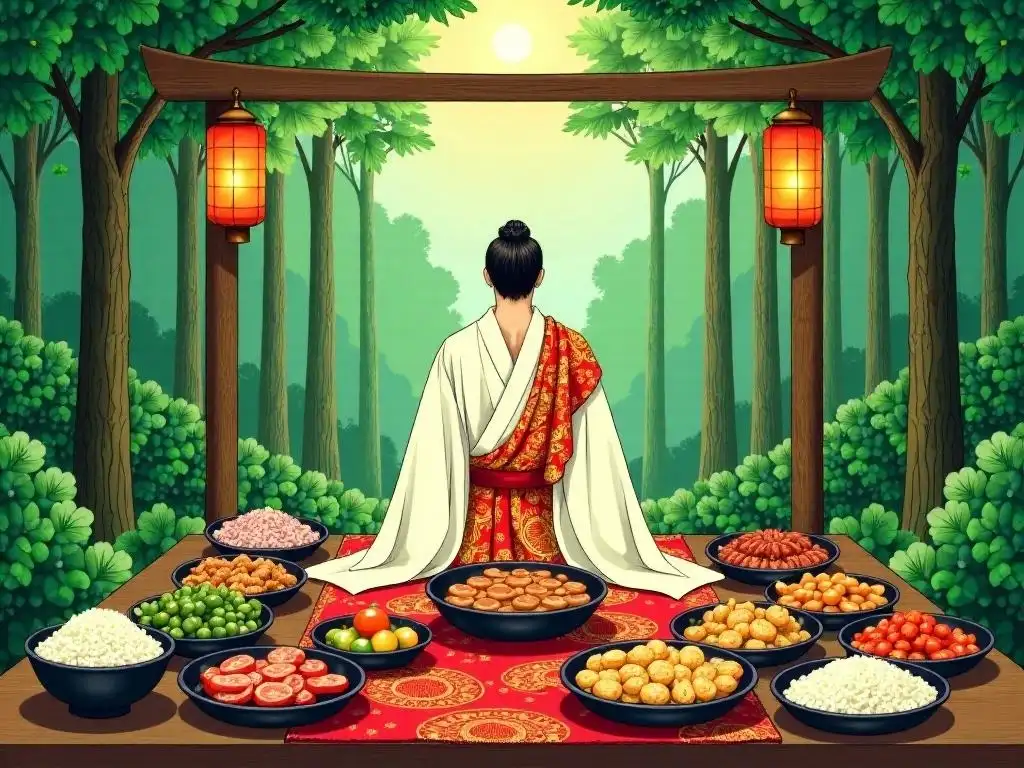
Shinto, as the indigenous spiritual practice of Japan, has deep roots that can be traced back to the prehistoric era. The term "Shinto" itself, meaning "the way of the gods," was coined to distinguish these native beliefs from Buddhism, which was introduced to Japan in the 6th century. Early Shinto was characterized by animism, where natural elements such as mountains, rivers, and trees were venerated as kami (gods or spirits). This reverence for nature laid the groundwork for a cultural connection between spirituality and the physical world, particularly in the realm of food.
Over the centuries, Shinto evolved to incorporate rituals and practices that emphasized purity and offerings to the kami. The Nara Period (710-794) marked a significant institutionalization of Shinto practices, with the establishment of shrines and a more organized religious structure. As these practices became more formalized, food offerings, known as shinsen, became integral to Shinto rituals, symbolizing gratitude and respect towards the kami.
Evolution of Japanese Cuisine Through the Ages
Japanese cuisine, or washoku, has a rich and varied history that reflects the country's cultural evolution. In its early stages, Japanese food was heavily influenced by the seasonal availability of local ingredients and the need for preservation methods, such as drying, pickling, and fermentation. The introduction of rice cultivation around the Yayoi Period (300 BC – 300 AD) marked a transformative moment in Japanese dietary habits, as rice became a staple food and a central element in Shinto rituals.
During the Heian Period (794-1185), the aristocracy began to develop a more sophisticated culinary culture, characterized by elaborate presentation and the use of seasonal ingredients. The concept of kagura, or Shinto music and dance, also emerged during this time, further intertwining culinary practices with spiritual expression. By the Edo Period (1603-1868), the development of distinct regional cuisines highlighted the diversity of ingredients and cooking techniques across Japan.
Throughout these historical periods, the Shinto influence on Japanese cuisine manifested in various forms, such as the preparation of meals for festivals and ceremonies, where specific foods were deemed purifying and were offered to the kami. The notion of seasonal eating also aligns with Shinto beliefs, as the changing seasons are celebrated and honored through food.
Interconnection Between Shinto Rituals and Food Preparation
The relationship between Shinto and food preparation is deeply rooted in the belief that food is not merely sustenance but a spiritual offering. Shinto rituals often involve specific foods that are prepared with care and intention, reflecting purity and respect for the kami.
In Shinto shrines, offerings such as rice, fish, vegetables, and fruits are presented to the kami during rituals. These offerings, called shinsen, are not just symbolic but are believed to embody the essence of the kami, and thus, they must be prepared with the highest standards of purity and quality. The act of preparing food for these offerings is considered a sacred task, emphasizing the spiritual significance of the ingredients used.
Moreover, traditional practices such as omikuji (fortune slips) and shide (zigzag paper) often involve food, illustrating how intertwined everyday life and spiritual beliefs are in Shinto. For example, during the New Year celebrations, families prepare special foods known as osechi to honor their ancestors and kami, reinforcing the connection between food, spirituality, and community.
The Shinto influence on Japanese cuisine is evident in the cultural practices surrounding food preparation and consumption. This influence emphasizes the importance of purity, seasonal ingredients, and the spiritual significance of food as an offering to the kami, highlighting the profound relationship between spirituality and sustenance in Japanese culture.
Shinto Festivals and Culinary Offerings
Major Shinto Festivals Celebrating Food
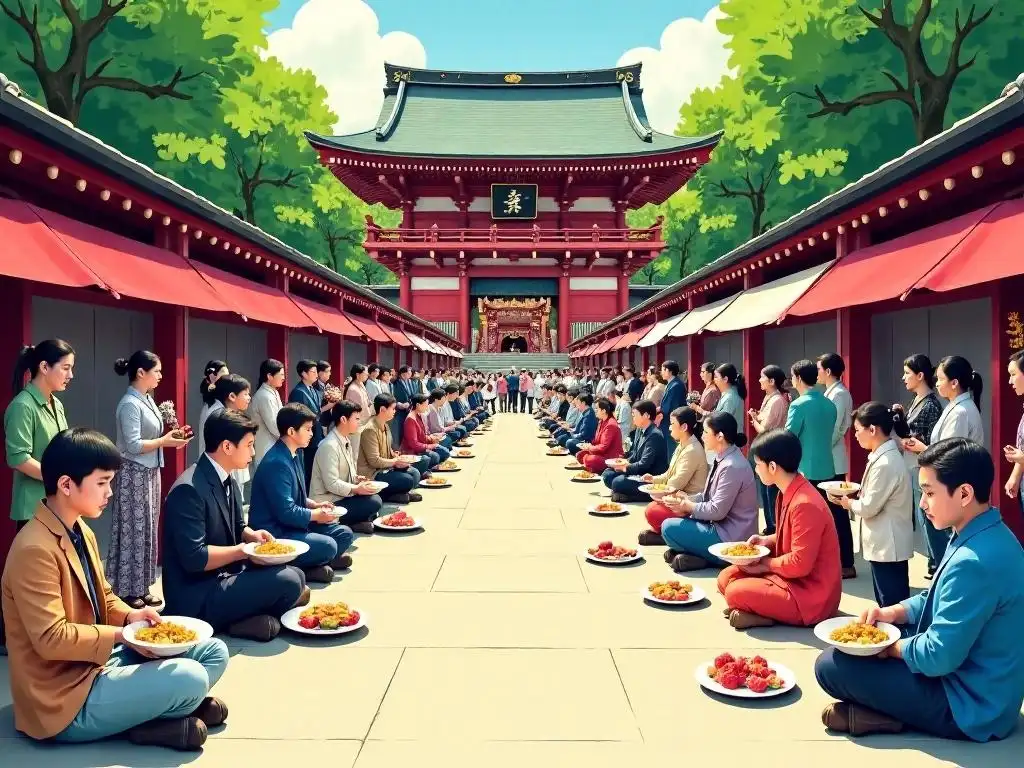
Shinto festivals, known as matsuri, play a significant role in Japanese culture and spirituality, often emphasizing the connection between food and divine offerings. These festivals serve as communal celebrations where food is not merely sustenance but a spiritual symbol of gratitude and reverence towards the kami (deities).
Some of the most notable festivals include:
- New Year’s Celebration (Shogatsu): This festival is marked by the preparation of special foods called osechi ryori, which are offerings to the deities for a prosperous year ahead. Each dish within the osechi has symbolic meanings, such as long life, happiness, and wealth.
- Rice Planting Festivals (Taue Matsuri): Celebrated across various regions, these festivals mark the planting of rice, a staple in Japanese cuisine. Rituals often involve offerings of rice to the kami, acknowledging their role in the agricultural cycle.
- Harvest Festival (Niinamesai): This festival celebrates the first harvest of the year, where freshly harvested rice is presented to the emperor and kami. The offerings typically include mochi (rice cakes) and other seasonal foods that symbolize gratitude for the bountiful harvest.
These festivals not only highlight the importance of food in spiritual practices but also foster community bonding through shared meals and rituals.
Types of Culinary Offerings in Shinto Rituals
Culinary offerings, known as shinsen, are integral to Shinto practices, serving as a means of communication between humans and kami. The types of offerings can vary widely, reflecting local customs and seasonal availability. Here are some key categories of culinary offerings:
- Rice: As the cornerstone of Japanese cuisine, rice is the most significant offering. It is often presented in its purest form, symbolizing purity and sustenance.
- Seasonal Vegetables: Fresh, locally sourced vegetables are often included in offerings, emphasizing the connection to the land and the kami of the harvest.
- Fish and Seafood: Given Japan's geographical setting, offerings of fish, particularly those caught in local waters, signify respect for the kami of the sea and the bounty it provides.
- Fruits: Seasonal fruits are also common in offerings, representing the cycles of nature and the blessings of the kami.
- Sake: This traditional rice wine is often used as a libation in rituals, symbolizing purity and the spirit of the rice.
These offerings are meticulously prepared and presented on altars, showcasing not only the importance of food in Shinto but also the artistry and care involved in culinary practices.
The Role of Rice as a Sacred Food in Shinto
Rice holds a preeminent position in Shinto and Japanese culture, often regarded as a sacred food. Its significance transcends mere dietary needs, embodying spiritual and cultural values deeply rooted in the Shinto belief system.
- Symbol of Life and Fertility: In Shinto, rice represents life and fertility. The act of planting and harvesting rice is intertwined with rituals that honor the kami, reflecting a deep reverence for the agricultural cycles that sustain the community.
- Link to the Kami: Rice is often considered a gift from the kami. Rituals involving rice offerings are believed to attract the blessings of the deities, ensuring prosperity and good fortune for the community.
- Culinary Practices: The preparation of rice is imbued with ritualistic elements, from washing the rice in pure water to the meticulous cooking methods employed. Each step is performed with care, reflecting respect for the sacredness of the food.
- Cultural Identity: Rice not only nourishes the body but also serves as a cultural symbol of Japanese identity. Its presence in various Shinto rituals reinforces its role as a cornerstone of both spirituality and community.
The Shinto influence on Japanese cuisine is profound, with rice standing as a central symbol of spirituality and offering, showcasing the intricate relationship between food, culture, and the divine.
Ingredients and Symbolism in Shinto-Inspired Cuisine
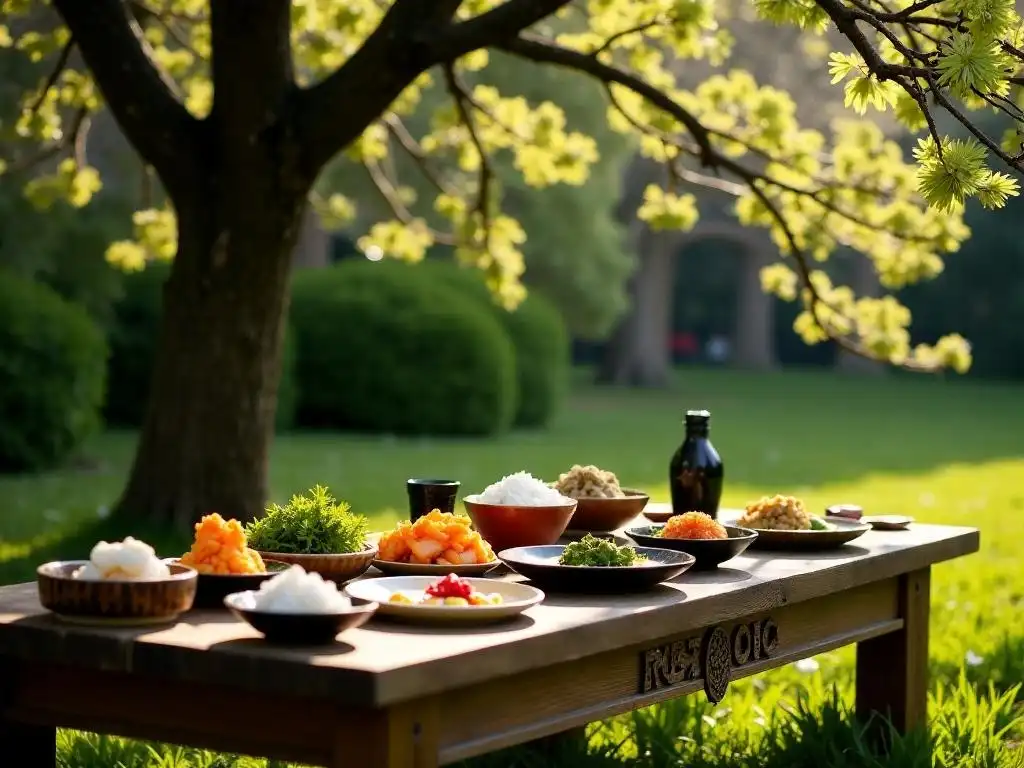
Shinto, Japan's indigenous spirituality, plays a significant role in shaping Japanese cuisine. This influence is not merely aesthetic; it permeates the very ingredients used, emphasizing the connection between food, nature, and spirituality. Understanding these ingredients and their symbolic meanings provides insight into how Shinto beliefs have shaped culinary practices throughout Japan's history.
Common Ingredients Associated with Shinto Practices
In Shinto-inspired cuisine, certain ingredients are particularly revered for their spiritual significance. These ingredients often find their way into offerings at shrines and festivals, reflecting the belief in the sanctity of food. Here are some common ingredients associated with Shinto practices:
- Rice (Gohan):
- Considered the staple of Japanese cuisine, rice symbolizes life and fertility. It is often offered to kami (gods) as a sign of respect and gratitude.
- The significance of rice is so profound that it is sometimes referred to as "shinjū" (神酒), or divine sake.
- Fish:
- Fish, especially those caught in local waters, are essential in Shinto offerings. They symbolize abundance and the blessings of the sea.
- Specific types of fish, such as mackerel and sardines, are often featured in rituals due to their traditional associations with good fortune.
- Vegetables:
- Seasonal vegetables, particularly those that are locally sourced, are celebrated for their connection to the earth.
- Root vegetables like daikon (radish) and taro are associated with the soil's nurturing properties, making them important for offerings.
- Salt:
- Salt is viewed as a purifying agent in Shinto. It is often sprinkled over food to cleanse it of impurities before offerings are made.
- The ritualistic use of salt underscores the belief in its ability to ward off evil spirits.
- Sake:
- Sake, a rice wine, is not only enjoyed during meals but also used in various rituals. It is offered to kami, symbolizing a bridge between the spiritual and physical worlds.
Symbolic Meanings of Food in Shinto Rituals
Food in Shinto is imbued with deep symbolic meanings, reflecting the relationship between humans and the divine. Each offering serves a purpose, often aimed at fostering a connection with kami. Here are some notable symbolic meanings:
- Purity and Cleanliness:
- Many Shinto rituals emphasize the importance of purity. Foods prepared with clean hands and in clean environments are believed to maintain spiritual integrity.
- This concept extends to the ingredients themselves, with a preference for fresh, natural, and organic products.
- Seasonal Harmony:
- The changing seasons dictate the types of food offered, symbolizing harmony with nature. Each season brings specific foods that are believed to enhance the connection between the divine and the earthly.
- For instance, in spring, fresh greens might be offered to celebrate rebirth and renewal.
- Gratitude:
- Offering food to kami reflects gratitude for the bounties of nature. This practice reinforces the belief that sustenance is a gift from the gods.
- Ritual meals, known as "naorai," are shared with the community to express thanks and foster togetherness.
- Cycle of Life:
- The presentation of food reflects the cyclical nature of life and death. Food offerings often include both raw and cooked items, symbolizing the continuum of existence.
- This duality serves as a reminder of the interconnectedness of all living beings.
Seasonal Foods and Their Spiritual Significance
Seasonal foods are a cornerstone of Shinto-inspired cuisine, each carrying its own spiritual significance. The alignment of food offerings with the changing seasons reflects the belief that nature's cycles are sacred. Here are examples of seasonal foods and their meanings:
- Spring:
- Sakura Mochi (cherry blossom rice cakes) symbolize renewal and beauty. The cherry blossoms are revered for their fleeting beauty, reminding adherents of the impermanence of life.
- Summer:
- Ayuge (sweetfish) is celebrated for its freshness and is believed to bring prosperity. Offering ayuge during summer festivals is thought to invite blessings for the upcoming harvest.
- Autumn:
- Kuri (chestnuts) are associated with gratitude for the harvest. They are often included in offerings to celebrate the abundance of the autumn season.
- Winter:
- Mikan (mandarin oranges) symbolize good fortune and prosperity. During New Year celebrations, mikan are commonly offered to kami as a wish for a prosperous year ahead.
The integration of these seasonal foods into Shinto rituals not only highlights the culinary diversity of Japan but also reinforces the spiritual connection between food, nature, and the divine. By appreciating these ingredients and their meanings, one gains a deeper understanding of the Shinto influence on Japanese cuisine.
Shinto Influence on Modern Japanese Cuisine
Contemporary Practices Reflecting Shinto Beliefs
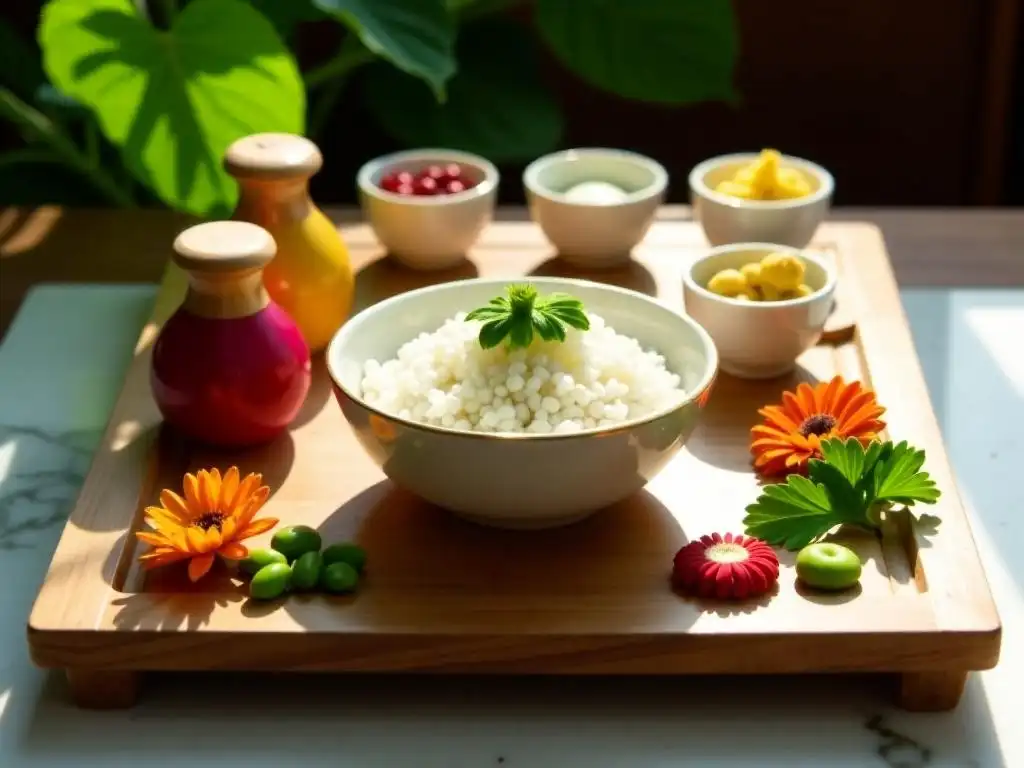
Shinto, as a deeply rooted religion in Japan, has significantly shaped various aspects of Japanese culture, including its cuisine. One of the most prominent ways this influence manifests is through the practice of offering food to kami (gods or spirits) during rituals and festivals. These offerings not only symbolize respect for the divine but also reflect the Japanese belief in the sanctity of nature and the importance of seasonal ingredients.
In contemporary Japanese cuisine, many chefs and home cooks pay homage to Shinto principles by emphasizing seasonal ingredients and local produce. This practice is often referred to as "shun," which translates to "the right season." The focus on seasonal eating aligns with the Shinto belief in the interconnection between humans and nature, where food is seen as a gift from the kami.
Some key contemporary practices include:
- Ceremonial meals: Traditional ceremonies, such as Shinto weddings, often feature specific dishes that are made to honor the kami.
- Seasonal festivals: Many local festivals celebrate the harvest with communal meals that incorporate offerings to the kami, showcasing a variety of seasonal ingredients.
- Simple presentation: The aesthetic of Japanese cuisine often reflects Shinto ideals, favoring simplicity and natural beauty over elaborate decorations, which emphasizes the intrinsic value of the ingredients themselves.
Fusion of Traditional and Modern Culinary Techniques
The fusion of traditional Japanese culinary techniques with modern practices has created a dynamic landscape for Japanese cuisine today. Chefs are increasingly experimenting with ways to incorporate Shinto beliefs into their cooking, creating a unique gastronomic experience that honors the past while embracing contemporary trends.
Some notable aspects of this fusion include:
- Umami and shinto: The use of umami—often derived from ingredients like dashi (broth made from kelp and bonito flakes)—is prevalent in Shinto-influenced cuisine. Chefs highlight umami flavors to create dishes that resonate spiritually and culturally.
- Sustainable practices: Many modern Japanese chefs are adopting sustainable practices that reflect Shinto's reverence for nature. This includes using organic ingredients and minimizing waste during food preparation.
- Innovative presentations: While traditional Japanese cuisine emphasizes simplicity, modern interpretations may incorporate artistic plating techniques that still honor Shinto values. For instance, using natural elements like leaves or stones in plating can evoke a sense of connection to nature.
This blend of old and new not only enriches the culinary landscape but also serves to deepen the spiritual connection that food has in Shinto practices.
Examples of Restaurants Incorporating Shinto Principles
Numerous restaurants across Japan and internationally are embracing Shinto principles in their culinary offerings. These establishments often focus on seasonal ingredients, traditional cooking methods, and a respectful approach to food preparation. Here are a few noteworthy examples:
- Kaiseki Ryori: This traditional multi-course meal embodies the essence of Shinto through its emphasis on seasonal ingredients and aesthetic presentation. Many kaiseki restaurants maintain a strong connection to Shinto practices by using locally sourced produce and offering meals during seasonal festivals.
- Miso-ya: A restaurant specializing in miso-based dishes, Miso-ya incorporates Shinto beliefs by highlighting the historical and spiritual significance of miso in Japanese culture. The menu often features dishes that include miso offerings, celebrating its role in rituals.
- Sushi Matsuri: This sushi restaurant integrates Shinto principles by offering a unique dining experience during specific festivals, where dishes are prepared as offerings to the kami. The chefs focus on serving the freshest seasonal fish, prepared with reverence for the ingredients.
These restaurants not only serve delicious cuisine but also act as cultural ambassadors, preserving and promoting the spiritual significance of food in Shinto practices. By dining at these establishments, patrons can experience the rich tapestry of flavors and traditions that embody the Shinto influence on Japanese cuisine.
The Spiritual Aspect of Food in Shinto
Food as a Means of Connecting with the Divine
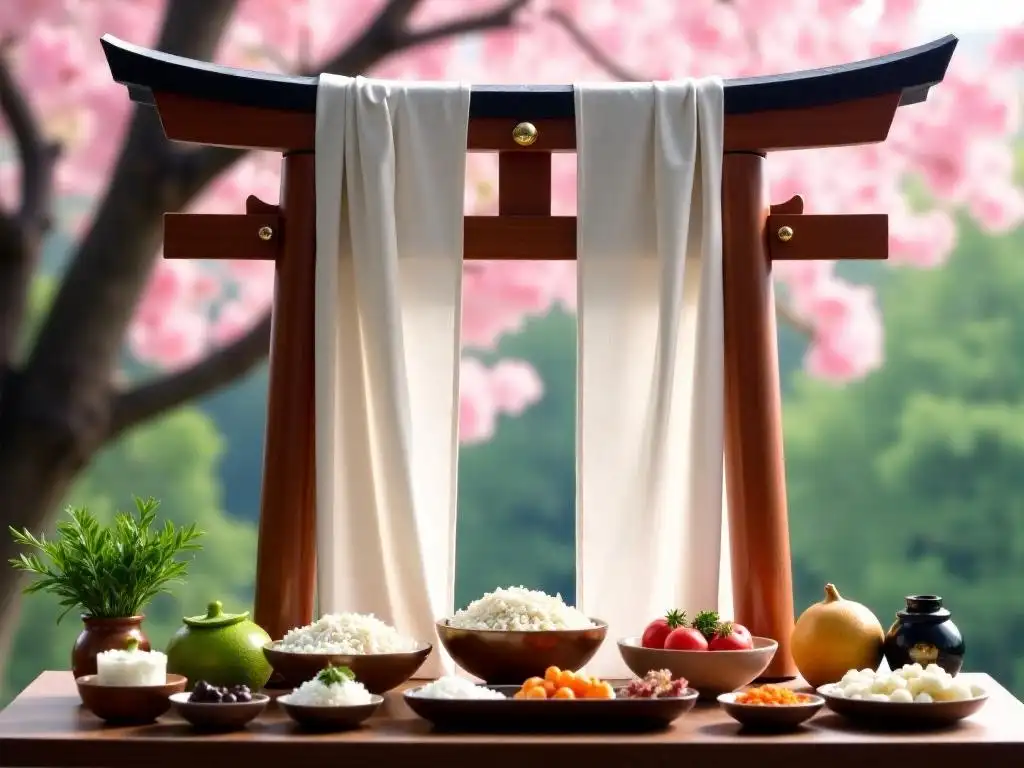
In Shinto, food is not merely a source of sustenance but a vital conduit for connecting with the divine. The Japanese believe that sharing meals with deities, or kami, serves to strengthen the bond between the earthly realm and the spiritual world. This practice is deeply rooted in the traditions of offering food during rituals and festivals, which are integral to Shinto practices.
Food offerings, or shinsen, often include rice, fish, fruits, and vegetables, symbolizing purity and the bounty of nature. These offerings are placed on altars during ceremonies, reflecting gratitude towards the kami for their blessings. For instance, during the New Year celebrations, families prepare special dishes known as osechi ryori, which are offered to the kami first before being enjoyed by the family members. This ritual emphasizes the belief that food is sacred and should be treated with respect.
Additionally, the act of preparing food for kami embodies the principles of mindfulness and gratitude, making each meal an opportunity for spiritual reflection. Such rituals not only enhance communal bonds but also foster a deeper appreciation for the natural world and its resources, reinforcing the connection between humans, food, and the divine.
Purification Rituals Involving Food and Drink
Purification is a fundamental aspect of Shinto, and it often extends to food and drink. The act of purification, known as harae, is essential before partaking in meals or conducting rituals. This practice underscores the importance of cleanliness in both body and spirit, with food serving as a central component of these rituals.
One prominent example of purification is the use of sake, a traditional Japanese rice wine. Before consuming sake, it is customary to perform a purification ritual that may involve washing hands and rinsing the mouth, symbolizing the removal of impurities. This ritual not only prepares individuals to partake in the sacred act of eating but also signifies respect for the food itself, which is considered a gift from the kami.
Moreover, certain foods are specifically designated for purification purposes. For instance, mochi (rice cakes) is often used in festivals and rituals, symbolizing new beginnings and the cleansing of spirits. The preparation of such foods is done with intentionality, ensuring that they are pure and suitable for offering to the kami.
The Concept of 'Kami' and Its Relation to Food
The concept of kami is central to Shinto beliefs, encompassing a wide range of spiritual entities, including gods, spirits of nature, and ancestors. Food plays a crucial role in honoring these kami, as it is believed that they reside in natural elements that provide nourishment. This belief fosters a deep respect for food and its origins, linking culinary practices to spiritual reverence.
In Shinto, each food item carries its own significance and is often associated with specific kami. For example, rice is not just a staple food but is also regarded as a sacred offering to the rice deity, Inari. The cultivation and consumption of rice reflect a broader acknowledgment of the kami's role in the agricultural cycle, from planting to harvest.
Furthermore, seasonal foods are celebrated in Shinto, with festivals like Matsuri showcasing the relationship between food and nature. These festivals often feature local ingredients, reinforcing the idea that food is a manifestation of the divine, shaped by the natural world. The cyclical nature of food production aligns with the Shinto belief in the interconnectedness of all life, emphasizing that every meal is an opportunity to honor the kami and express gratitude for their continuous support.
The Shinto influence on Japanese cuisine is profound, manifesting through rituals, offerings, and a deep respect for the ingredients derived from nature. By understanding these spiritual practices, we gain insight into the holistic relationship between food, culture, and spirituality in Japan.
Conclusion: The Lasting Impact of Shinto on Japanese Cuisine
The interplay between Shinto beliefs and Japanese cuisine has profoundly shaped the nation's culinary landscape. From the reverence for nature to the ceremonial practices surrounding food preparation and consumption, the Shinto influence on Japanese cuisine is both rich and multifaceted. Understanding this relationship helps us appreciate not only the flavors and aesthetics of Japanese food but also the spiritual significance embedded within them.
Summary of Key Points on Shinto Influence on Japanese Cuisine
- Spiritual Offerings: Shinto practices often incorporate food as a form of offering to kami (deities). Traditional dishes like omikoshi (portable shrines) and shinsen (offerings) are prepared with care and reverence, reflecting the belief that food is a bridge between the spiritual and physical worlds.
- Seasonal Ingredients: Shinto emphasizes harmony with nature, leading to a culinary tradition that values seasonal ingredients. This practice not only enhances the flavor and nutritional value of dishes but also aligns with the Shinto belief in celebrating the changing seasons.
- Purity and Cleanliness: The Shinto concept of harae (purification) is reflected in food preparation rituals. The use of fresh, clean ingredients and the avoidance of contamination are paramount, ensuring that meals are not only delicious but also spiritually pure.
- Cultural Festivals: Many Japanese festivals, or matsuri, include elaborate feasts that showcase local and seasonal foods. These celebrations often honor deities and ancestors, intertwining community, spirituality, and cuisine in a unique cultural tapestry.
- Symbolism in Food: Certain foods hold symbolic meanings in Shinto, such as rice representing prosperity and purity. These elements are often featured prominently in rituals and traditional dishes, adding layers of meaning to culinary practices.
Future Trends: Preserving Shinto Culinary Practices in Modern Japan
As Japan continues to modernize, the preservation of Shinto culinary practices faces several challenges and opportunities.
- Culinary Education: There is a growing interest in incorporating Shinto principles into culinary education. Chefs and culinary schools are beginning to teach the importance of spirituality in food preparation, emphasizing the connection between ingredients, nature, and their cultural significance.
- Sustainable Practices: The modern sustainability movement resonates with Shinto's respect for nature. As consumers become more environmentally conscious, there is potential for a revival of traditional Shinto practices that focus on seasonal and local ingredients, promoting a more sustainable approach to cuisine.
- Cultural Tourism: With an increase in cultural tourism, there is an opportunity to showcase Shinto culinary practices to a global audience. Festivals and culinary experiences that highlight Shinto rituals can educate visitors about the spiritual significance of food in Japanese culture.
- Fusion and Innovation: While traditional practices are essential, there is also room for innovation. Chefs may explore new ways to incorporate Shinto principles into modern cuisine, blending traditional and contemporary flavors while maintaining respect for the spiritual aspects of food.
The Shinto influence on Japanese cuisine serves as a profound reminder of the connection between food, spirituality, and culture. By fostering a deeper understanding of these practices, we can ensure that the legacy of Shinto continues to thrive in Japan's culinary future.
Frequently Asked Questions
What is the main theme of the article on Shinto's influence on Japanese cuisine?
The article explores how Shinto beliefs have shaped Japanese culinary traditions and practices, emphasizing food as a spiritual offering.
How does Shintoism impact food preparation in Japan?
Shintoism promotes ritual cleanliness and respect for nature, which influences the methods of food preparation and the choice of ingredients.
What are some examples of dishes that reflect Shinto beliefs?
Dishes like sacred rice and seasonal offerings (shinsen) are examples of how Shinto practices are integrated into Japanese cuisine.
Why is food considered a spiritual offering in Shinto?
In Shinto, food is seen as a way to connect with the spiritual realm and honor the kami (gods), making it an essential part of rituals and ceremonies.
How does the article contribute to understanding Japan's feudal era?
The article provides insights into the cultural and societal influences of Shinto on cuisine, illustrating the interconnection between spirituality and daily life during Japan's feudal era.
Final Reflection: The Spiritual Essence of Shinto in Japanese Cuisine
The intricate relationship between Shinto and Japanese cuisine reveals a profound truth: food is not merely sustenance, but a spiritual offering that connects us to the divine. As we navigate a world increasingly focused on convenience and speed, the timeless practices rooted in Shinto remind us of the importance of mindfulness and reverence in our culinary experiences. This connection to our food can transform our meals into sacred rituals, enriching our lives and deepening our appreciation for the cultural heritage that shapes our dining experiences.
Culture is a living tapestry, woven from the threads of tradition and innovation, and the influence of Shinto on Japanese cuisine continues to resonate today. The principles of purity, gratitude, and harmony that Shinto embodies are evident in the meticulous preparation and presentation of Japanese dishes. As we savor each bite, we partake in a legacy that honors nature and the spirits that reside within it. Food is a way of connecting with the world around us, a bridge between the physical and the spiritual.
This ongoing influence encourages us to reflect on our own relationship with food and the rituals we create in our daily lives.
As you consider the themes explored in this article, I invite you to embrace the idea of food as a spiritual offering in your own life. Take a moment to appreciate the origins of your meals, the hands that prepared them, and the stories they carry. Whether you are cooking for yourself or sharing a meal with loved ones, let each dish become an opportunity for gratitude and connection. By honoring the Shinto influence on Japanese cuisine, we can cultivate a deeper understanding of our own culinary practices and the profound impact they have on our lives and communities.
Embrace the Spiritual Connection Through Japanese Cuisine!
Thank you for exploring the intricate relationship between Shinto and Japanese cuisine with us! By delving into this topic, you've uncovered how food can be a profound form of spiritual offering and expression. Now, let’s take the next steps to incorporate this enriching perspective into your own life and culinary journey.
Here are a few actions you can take:
- Transform Your Cooking: Prepare a meal that honors seasonal ingredients, reflecting the Shinto belief in nature’s spirituality. Consider making a traditional dish that emphasizes simplicity and freshness.
- Share Your Experience: Invite friends or family over for a meal and share the insights you’ve gained about the connection between food and spirituality in Shinto. Enhance their understanding of Japanese culture!
- Engage with the Community: Participate in local cooking classes or online forums that focus on Japanese food appreciation and Shinto practices. Exchange recipes, stories, and cultural experiences with fellow enthusiasts.
How will you incorporate the spirit of Shinto into your next meal? We’d love to hear your thoughts and ideas in the comments!