
The Impact of Foreign Trade on Japanese Artisans and Merchants

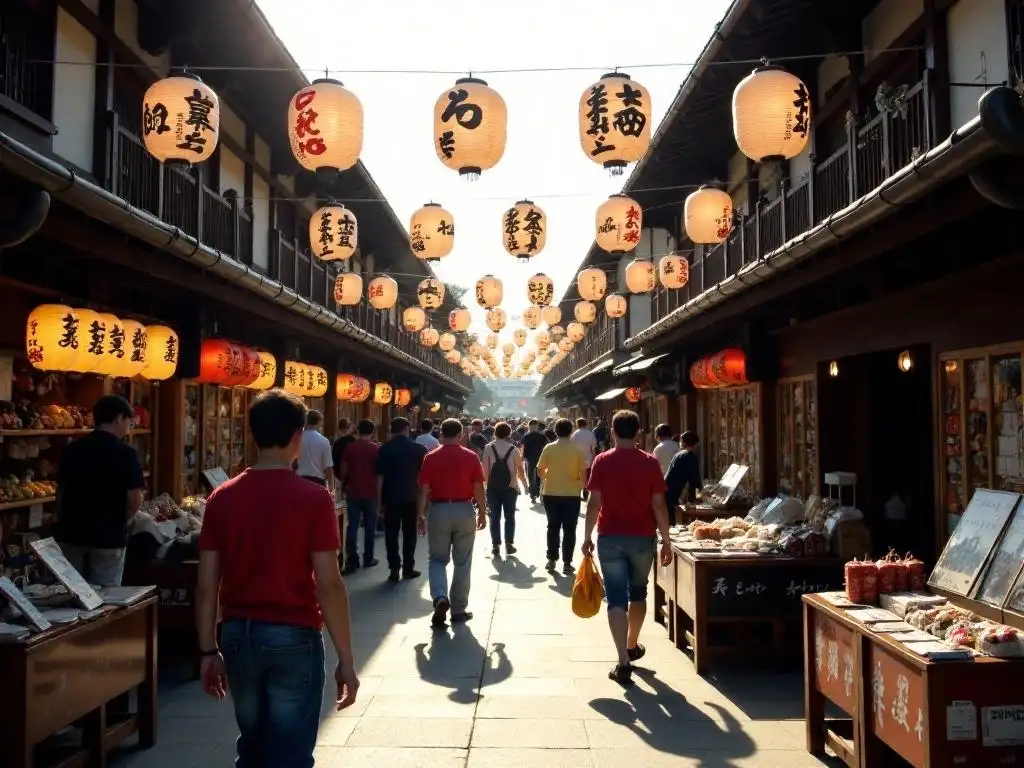
Welcome to Feudal Japan History, where we invite you to embark on a captivating journey through the intricate tapestry of Japan's feudal era. Here, we delve deep into the effects of foreign trade on Japanese artisans and merchants, revealing how external influences shaped their craft and livelihood. As you navigate our expert-driven articles, prepare to uncover the rich interplay between culture and commerce that transformed society during this fascinating period.
What secrets lie within the trade routes that connected Japan to the world? Join us as we explore the profound impact of these exchanges and their lasting legacy on Japanese artistry and commerce.
Introduction to Foreign Trade in Feudal Japan
The feudal era of Japan, spanning from the 12th to the 19th century, was marked by a profound transformation in its economic and social landscapes. One of the pivotal elements driving this transformation was foreign trade, which not only influenced the economy but also played a crucial role in shaping the identities and practices of Japanese artisans and merchants.
As Japan engaged with foreign nations, particularly during the late 16th century and onwards, the influx of new materials, techniques, and cultural exchanges significantly impacted the traditional craftsmanship and commercial practices that had been established for centuries. This article delves into the foreign trade effects on Japanese artisans, examining how these interactions fostered both innovation and competition within the artisan and merchant classes.
Overview of Foreign Trade Practices
During the feudal era, foreign trade in Japan primarily involved interactions with Portugal, Spain, the Netherlands, and China. Merchants and artisans alike were influenced by the products and techniques that came from these countries:
- Imports: Exotic goods such as silk, spices, and firearms were introduced to Japanese markets.
- Exports: Japanese artisans began exporting their own products, including ceramics, textiles, and lacquerware, which gained popularity abroad.
- Cultural Exchange: The arrival of European traders also brought new artistic influences, leading to a fusion of styles and techniques in local crafts.
The establishment of trading ports, most notably in Nagasaki, facilitated these exchanges, creating a vibrant marketplace where cultures collided and coalesced.
Importance of Trade Routes in Japan's Feudal Era
The strategic location of Japan in the Pacific made it an ideal hub for trade. Key routes and their significance included:
- Nagasaki: The primary port for foreign trade, allowing limited interactions with the West while maintaining a degree of isolation from excessive foreign influence.
- Trade with Asia: Connections with China and Korea were crucial, as they provided not only goods but also cultural and artistic inspiration that permeated Japanese craftsmanship.
- Land Routes: Internal trade networks also flourished, enabling artisans and merchants to distribute goods efficiently across regions.
These trade routes not only boosted the economy but also allowed artisans to enhance their skills and broaden their creative horizons.
Historical Context of Japanese Artisans and Merchants
To understand the impact of foreign trade on Japanese artisans and merchants, it is essential to explore their roles within the broader social context of feudal Japan.
The Role of Artisans in Japanese Society
Artisans were highly regarded in feudal Japan, often organized into guilds that regulated their craft and ensured quality. Their contributions included:
- Specialization: Artisans specialized in various crafts such as pottery, textiles, and metalwork, honing their skills over generations.
- Cultural Preservation: They played a vital role in preserving traditional techniques while also adapting to new influences brought by foreign trade.
- Economic Contribution: Artisans were integral to the local economy, providing employment and facilitating trade by producing high-quality goods for both domestic and foreign markets.
Their interaction with foreign traders encouraged innovation, allowing them to experiment with new materials and designs.
The Function of Merchants in Feudal Japan
Merchants, often considered of lower social status than artisans, nonetheless wielded significant influence in the economy:
- Trade Networks: Merchants facilitated the movement of goods between regions and established important trade connections with foreign entities.
- Financial Growth: The profits from foreign trade allowed merchants to amass wealth, leading to increased social mobility and influence within society.
- Cultural Exchange: As intermediaries, merchants were key players in the dissemination of foreign ideas and products, impacting local culture and consumer preferences.
The burgeoning trade relationships not only reshaped the merchant class but also revitalized artisan practices, creating a dynamic economic environment that reflected the complexities of feudal society.
Through this exploration, we can appreciate how foreign trade effects on Japanese artisans and merchants were profound, leading to a rich tapestry of cultural and economic evolution during this pivotal era in Japan's history.
Foreign Trade Effects on Japanese Artisans
The impact of foreign trade on Japanese artisans during the feudal era was profound and multifaceted. This interaction with outside markets reshaped traditional craftsmanship, introduced new materials and techniques, and influenced artistic styles. As Japan began to engage with Portuguese, Dutch, and other foreign traders in the 16th century, artisans were exposed to a range of foreign goods, ideas, and practices. This exchange not only diversified their craft but also allowed for the integration of Western aesthetics into Japanese art, resulting in a unique fusion that characterized the period.
Positive Impacts of Foreign Trade on Artisans
Foreign trade had several positive effects on Japanese artisans, enhancing their creativity and economic opportunities.
- Access to New Materials: Artisans gained access to foreign materials such as glass, metal, and textiles, which were previously unavailable in Japan. These materials allowed for more intricate designs and innovative production techniques. For example, the introduction of Western-style ceramics led to unique adaptations in Japanese pottery.
- Cultural Exchange: The influx of foreign ideas and artistic techniques stimulated creativity among Japanese artisans. They began to incorporate Western perspectives into their work, leading to new styles in painting, textiles, and architecture. This cultural syncretism is evident in the ukiyo-e prints that adapted European linear perspective and shading techniques.
- Increased Demand: The growing interest in Japanese goods abroad created new markets for artisans. For instance, items like lacquerware and textiles became highly sought after in international markets, providing artisans with lucrative opportunities to expand their businesses and reach beyond local consumers.
- Skill Development: Interaction with foreign artisans and their techniques spurred knowledge transfer, allowing Japanese craftsmen to learn new skills and refine their existing ones. This led to an overall improvement in the quality of Japanese products, which became recognized for their craftsmanship internationally.
Negative Impacts of Foreign Trade on Artisans
Despite the benefits, foreign trade also posed significant challenges for Japanese artisans, leading to various negative impacts.
- Competition with Imports: The influx of foreign goods sometimes led to competition that undermined local craftsmanship. Artisans faced challenges from cheaper, mass-produced items imported from Europe and other regions, making it difficult for them to compete on price and volume.
- Cultural Erosion: The introduction of foreign styles and techniques sometimes diluted traditional Japanese art forms. Some artisans felt pressured to change their practices to cater to foreign tastes, which could lead to a loss of cultural identity and the traditional skills that defined Japanese craftsmanship.
- Economic Disruption: As foreign trade grew, it altered the economic landscape. Artisans who relied on local markets found themselves struggling as demand shifted towards imported goods. This economic disruption often resulted in decreased income and job security for many traditional craftsmen.
- Dependency on Foreign Markets: The increasing reliance on foreign trade created a vulnerability in the artisan sector. Economic fluctuations or political tensions could jeopardize these trade relationships, impacting artisans' livelihoods who depended on these external markets for their survival.
Foreign Trade Effects on Japanese Merchants
The effects of foreign trade on Japanese merchants were equally significant, with trade routes transforming the socio-economic landscape of feudal Japan.
The Rise of Merchant Class Due to Trade
The increased volume of foreign trade facilitated the emergence of a wealthy merchant class in Japan. This newfound economic power shifted social dynamics and contributed to the development of a more complex market economy.
- Wealth Accumulation: Merchants capitalized on the growing demand for both imported and locally produced goods. Those who engaged in foreign trade amassed considerable wealth, allowing them to invest in their businesses and participate in social and political spheres.
- Urbanization: The rise of trade led to the growth of port cities and urban centers, where merchants congregated. Cities like Nagasaki became bustling trade hubs that attracted not only merchants but also artisans and laborers, further stimulating economic activity.
- Cultural Influence: As merchants gained wealth and influence, they began to sponsor cultural endeavors, such as art, theater, and literature. This patronage helped to cultivate a rich cultural environment, which contributed to the flourishing of the Edo period's arts and entertainment.
- Social Mobility: The rise of the merchant class allowed for increased social mobility, as wealth could overshadow traditional class boundaries. Some merchants were able to purchase land and attain samurai status, blurring the lines between classes that had been rigidly defined.
Challenges Faced by Merchants from Foreign Trade
While the merchant class experienced growth and opportunities, they also faced challenges resulting from foreign trade.
- Regulatory Challenges: The Japanese government implemented strict regulations on foreign trade, creating a complex bureaucratic environment for merchants. These regulations often limited trade interactions and imposed heavy taxation, which could hinder profitability.
- Competition and Market Saturation: As more merchants entered the trade market, competition intensified. This oversaturation led to price wars and reduced profit margins, forcing many merchants to seek innovative strategies to maintain their market share.
- Risk of Political Instability: Foreign trade was subject to the whims of political relations. Changes in foreign policy or conflicts could disrupt trade routes and lead to significant financial losses for merchants reliant on international commerce.
- Cultural Resistance: Some segments of society viewed the rise of the merchant class with suspicion or disdain, as merchants were traditionally regarded as lower in social hierarchy compared to samurai and farmers. This cultural resistance could manifest in social tensions and conflicts, complicating the merchants’ status in society.
Through foreign trade, Japanese artisans and merchants navigated a complex landscape of opportunities and challenges that significantly shaped their roles in society. While the effects were multifaceted, the legacy of this era continues to resonate in modern Japanese culture and economy.
Cultural Exchange Through Foreign Trade
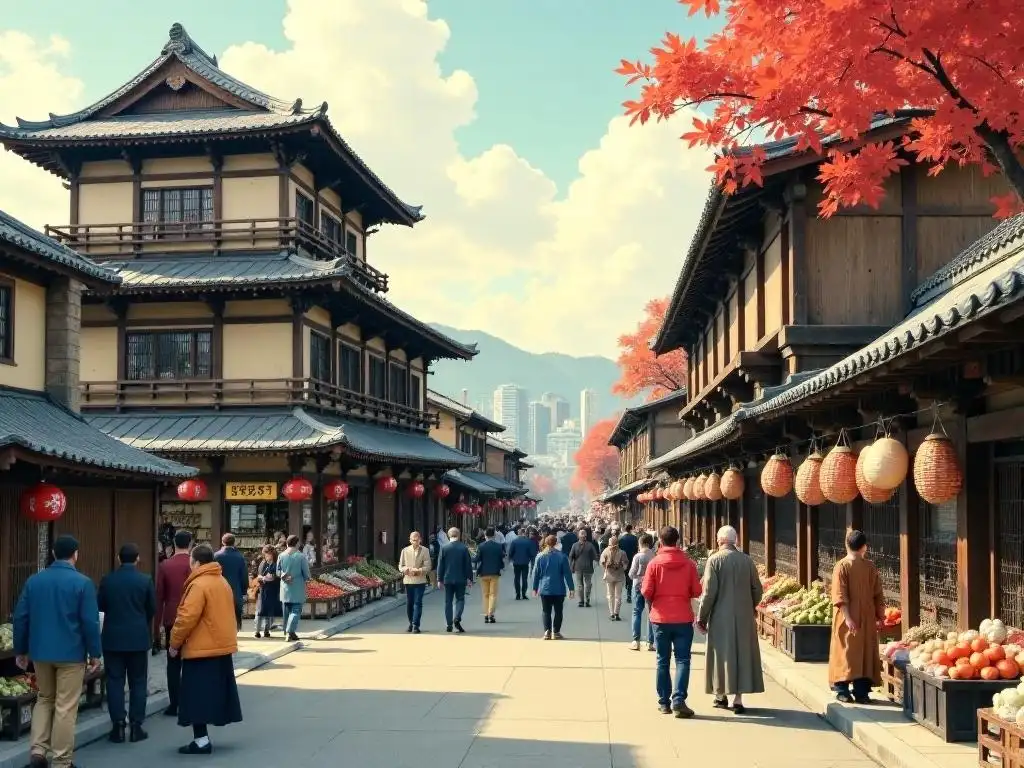
Foreign trade during Japan's feudal era significantly influenced the cultural landscape, facilitating a remarkable exchange of ideas, techniques, and artistic styles between Japan and various foreign cultures. This exchange was particularly pronounced during the Edo period (1603–1868), when Japan began to open up to international trade, particularly with the Dutch and the Chinese. The influx of foreign goods and ideas led to a blossoming of artistic innovation among Japanese artisans and merchants.
Through the importation of foreign materials such as textiles, ceramics, and metalwork, Japanese artisans were introduced to new aesthetic principles and craftsmanship techniques. Notably, the arrival of Western painting styles and techniques, including perspective and chiaroscuro, encouraged Japanese artists to experiment with their traditional methods, blending these influences into their work. This cultural interchange not only enriched Japanese art but also laid the groundwork for a distinctive style that would define Japanese aesthetics in subsequent centuries.
Influence of Foreign Art and Techniques on Japanese Craftsmanship
The influence of foreign art on Japanese craftsmanship is evident in various mediums, including painting, ceramics, and textiles. For instance, the introduction of blue-and-white porcelain from China inspired Japanese potters to create their own versions, leading to the development of distinctive styles like Arita and Imari ware. The techniques of glaze application and firing were adapted and innovated upon, resulting in unique products that reflected both local traditions and foreign influences.
In painting, the arrival of Western art techniques encouraged Japanese artists to explore new themes and perspectives. Artists such as Katsushika Hokusai incorporated Western elements into ukiyo-e woodblock prints, blending traditional Japanese subjects with new artistic techniques. This synthesis of styles not only broadened the scope of Japanese art but also attracted the interest of foreign collectors, further fueling the growth of the artisan economy.
The Role of Trade in Shaping Japanese Aesthetics
Trade played a pivotal role in shaping Japanese aesthetics, as it provided a conduit for the exchange of not only goods but also cultural ideas and artistic philosophies. The aesthetic principles derived from foreign influences introduced new concepts of beauty, form, and functionality within Japanese art and craft. For example, the concept of minimalism, which was prevalent in Chinese art, began to permeate Japanese design, leading to simpler, more elegant forms in pottery and architecture.
Moreover, the visibility of foreign goods in Japan led to a growing appreciation for craftsmanship and design among local consumers. This demand encouraged artisans to refine their techniques and innovate, leading to a flourishing of craftsmanship that focused on quality and artistic expression. As a result, foreign trade became a significant catalyst for artistic evolution, ultimately contributing to the formation of a unique Japanese aesthetic that continues to resonate in contemporary art and design.
Case Studies of Prominent Japanese Artisans and Merchants
The impact of foreign trade on Japanese artisans is best illustrated through the lives and works of prominent individuals who navigated this evolving landscape. Two notable case studies highlight the diverse contributions of artisans and merchants during this period.
Case Study 1: Ogata Korin and His Contributions to Nihonga
Ogata Korin (1658–1716) was a pivotal figure in the development of Nihonga, a traditional Japanese painting style that sought to integrate Western influences while remaining rooted in Japanese techniques. Korin's work was characterized by its innovative use of color and composition, blending traditional Japanese themes with elements inspired by foreign art. His famous "Red and White Plum Blossoms" screen exemplifies this synthesis, showcasing a unique approach that was both modern and distinctly Japanese.
Korin's role as an artisan extended beyond his paintings; he also influenced the decorative arts, particularly in the realms of textiles and ceramics. By incorporating foreign motifs and techniques into his work, he not only elevated the status of Japanese art but also established a new standard for craftsmanship that would inspire future generations of artists.
Case Study 2: Mitsui Family and Their Trade Practices
The Mitsui family emerged as one of Japan's most influential merchant families during the Edo period, playing a crucial role in shaping trade practices and economic structures. Their extensive network allowed them to engage in various forms of commerce, including the importation of foreign goods like textiles and ceramics. The Mitsui family's trading practices demonstrated a keen understanding of market demands, enabling them to adapt and innovate in response to foreign influences.
Furthermore, the Mitsui family’s involvement in trade facilitated the exchange of ideas and artistic styles that permeated their business endeavors. They supported local artisans by commissioning works that blended foreign techniques with traditional craftsmanship, thereby contributing to the growth of a vibrant artisan community. The family's ability to connect commerce with art exemplified the profound impact of foreign trade on Japanese artisans and merchants, highlighting their critical role in the cultural evolution of Japan during the feudal era.
Conclusion
The influence of foreign trade on Japanese artisans and merchants during the feudal era marked a transformative period in the nation’s economic and cultural landscape. The interactions with foreign entities brought not just goods but ideas, techniques, and artistic inspirations that significantly enriched Japanese craftsmanship and trade practices. This era illustrates how trade was not merely an economic activity but a conduit for cultural exchange, leading to the emergence of unique Japanese art forms and styles that integrated foreign influences while retaining local essence.
Summary of Foreign Trade's Impact on Artisans and Merchants
Foreign trade catalyzed several critical changes for Japanese artisans and merchants. Some of the most notable impacts include:
- Introduction of New Materials and Techniques: Artisans gained access to foreign materials such as silk from China and spices from Southeast Asia, which allowed them to expand their product offerings. Techniques from abroad, like oil painting and Western-style manufacturing methods, were also adopted, enhancing the quality and diversity of Japanese crafts.
- Economic Growth and Market Expansion: The influx of international trade led to the growth of merchant classes and the establishment of bustling trade ports. Cities like Nagasaki became thriving centers for commerce, where local artisans could sell their wares to foreign traders, thereby broadening their market reach.
- Cultural Exchange and Artistic Innovation: As artisans interacted with foreign merchants and travelers, they were exposed to different artistic traditions and cultural practices. This resulted in a fusion of styles, evident in the ukiyo-e woodblock prints that incorporated Western perspectives and themes, reflecting a unique blend of influences.
- Shift in Social Dynamics: The rise of commerce and wealth among merchants altered the traditional social hierarchy, empowering a new class that had significant influence over cultural and artistic developments. This shift also sparked competition among artisans, driving innovation and excellence in craftsmanship.
Reflection on the Legacy of Trade in Feudal Japan’s Economy and Culture
The legacy of foreign trade in feudal Japan extends far beyond the immediate economic benefits. It laid the groundwork for a rich cultural tapestry that continues to influence Japanese society today. The skills acquired and the relationships formed during this era contributed to a robust artisan community that cherished both innovation and tradition.
In contemporary Japan, the echoes of this historical period are evident in the appreciation for craftsmanship and the continuous evolution of traditional arts. The principles of trade established during the feudal era fostered a spirit of collaboration and adaptation that remains central to Japan's identity. Furthermore, the historical context of trade has informed modern economic policies and cultural exchanges, emphasizing the importance of global interaction.
The impact of foreign trade on Japanese artisans and merchants serves as a reminder of the powerful interplay between commerce and culture. This relationship not only shaped the artistic landscape of feudal Japan but also contributed to the enduring legacy that continues to resonate in Japan's economy and cultural identity today.
- Introduction to Foreign Trade in Feudal Japan
- Historical Context of Japanese Artisans and Merchants
- Foreign Trade Effects on Japanese Artisans
- Foreign Trade Effects on Japanese Merchants
- Cultural Exchange Through Foreign Trade
- Case Studies of Prominent Japanese Artisans and Merchants
- Conclusion
- What role did foreign trade play in the development of Japanese artisans?
- How did foreign influences affect traditional Japanese craftsmanship?
- Were Japanese merchants impacted by foreign trade during the feudal era?
- What specific goods were commonly traded with foreign countries?
- How did foreign trade influence the social structure of feudal Japan?
Frequently Asked Questions
What role did foreign trade play in the development of Japanese artisans?
Foreign trade significantly expanded markets for Japanese artisans, allowing them to access new materials and techniques. This interaction led to a fusion of styles and innovations in Japanese art.
How did foreign influences affect traditional Japanese craftsmanship?
The influx of foreign goods introduced new aesthetics and tools, which encouraged Japanese craftsmen to adapt their techniques. This blending of influences resulted in unique art forms that still resonate today.
Were Japanese merchants impacted by foreign trade during the feudal era?
Yes, merchants thrived due to foreign trade, as it created opportunities for importing and exporting goods. This economic activity helped elevate their status in society and enhanced their wealth.
What specific goods were commonly traded with foreign countries?
Japan exported items like silk, ceramics, and woodblock prints, while importing textiles, metals, and Western technologies. This exchange enriched the cultural landscape of Japan.
The rise of trade transformed the social hierarchy, with merchants gaining influence and status, which traditionally belonged to the samurai class. This shift led to a more dynamic society where commerce played a crucial role.
Final Reflection: The Enduring Legacy of Foreign Trade on Japanese Artisans
The intricate relationship between foreign trade and Japanese artisans continues to shape the cultural and economic landscape of Japan today. As we explore the effects of foreign trade on Japanese artisans, it becomes evident that this historical exchange has not only enriched artistic expression but also fostered innovation and adaptability in a rapidly changing world. The legacy of these interactions serves as a powerful reminder of how interconnected our global community truly is.
Cultural exchange through foreign trade has profoundly influenced the craftsmanship and market strategies of Japanese artisans. The infusion of diverse materials and techniques has led to a unique fusion of styles that resonate with both local and international audiences. As the renowned artist Takashi Murakami once said, Art is a reflection of the times, and it evolves with the world around it.
This sentiment underscores the ongoing impact of foreign trade, as artisans continue to adapt and thrive in an ever-evolving marketplace, blending tradition with modernity.
As we reflect on the lessons learned from the historical interplay between foreign trade and Japanese artisans, I invite you to consider your own role in this dynamic exchange. How can you embrace the spirit of innovation and adaptability in your own life?
Whether through supporting local artisans, exploring global influences in your work, or simply appreciating the rich tapestry of cultural heritage that surrounds us, each of us has the power to contribute to this ongoing narrative. Let us carry forward the legacy of creativity and collaboration that foreign trade has fostered, ensuring that the artistry of today continues to inspire future generations.
Unleash the Legacy of Japanese Trade Artisans!
Thank you for diving into the vibrant world of foreign trade and its profound impact on Japanese artisans and merchants! By exploring this fascinating intersection of culture and commerce, you've gained insight into how global influences shaped the art and economy of Japan. Now, let’s take this knowledge a step further and see how you can engage with this rich heritage.
Here are a few ways to deepen your exploration and appreciation of Japanese trade history:
- Join a local cultural event: Attend a festival or workshop that celebrates Japanese arts and crafts. Experience firsthand the traditions that were influenced by trade.
- Share your thoughts: Discuss this article with friends or in online communities. Encourage others to engage in the conversation about the importance of trade in cultural exchange.
- Discover more: Visit museums or exhibitions that feature Japanese art and artifacts influenced by foreign trade. This will help you see the physical manifestations of these connections.
What aspect of Japanese trade history intrigues you the most, and how do you think it shapes today’s global culture?