
Beyond the Battlefield: Unique Samurai Tours that Highlight Cultural Heritage

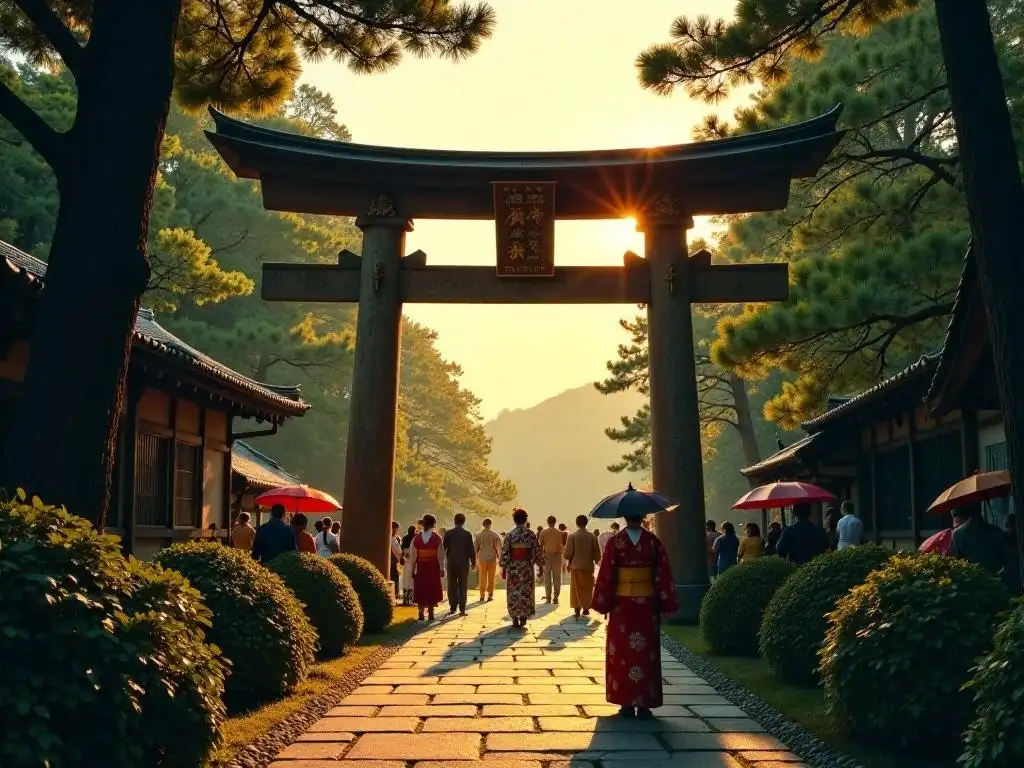
Welcome to Feudal Japan History, where we invite you to embark on a journey through the captivating tapestry of Japan's feudal era. Here, history comes alive as we delve into the rich cultural heritage of the Samurai, revealing secrets that extend far beyond the battlefield. In our featured article, "Beyond the Battlefield: Unique Samurai Cultural Heritage Tours," you’ll discover how these immersive experiences not only honor the legendary warriors but also celebrate the intricate traditions and societal nuances that shaped Japan.
Prepare to be inspired as you explore the profound legacy of the Samurai and uncover what makes these tours a must for any curious traveler. Are you ready to step into the past?
- Introduction to Samurai Cultural Heritage Tours
- Exploring the Unique Samurai Cultural Heritage Tours
- Top Samurai Cultural Heritage Tours in Japan
- Cultural Heritage and Its Impact on Modern Tourism
- Preparing for Your Samurai Cultural Heritage Tour
- Conclusion: Embracing Japan’s Samurai Legacy
- Call to Action: Book Your Samurai Cultural Heritage Tour Today!
- Frequently Asked Questions
- Final Reflection: Embracing the Legacy of Samurai Cultural Heritage
- Embark on Your Samurai Adventure Today!
Introduction to Samurai Cultural Heritage Tours
The allure of the samurai transcends mere combat prowess; it embodies a rich tapestry of culture, philosophy, and artistry that defined Japan's feudal era. Today, as travelers seek deeper connections with history, samurai cultural heritage tours emerge as a unique gateway to experience the legacy of these iconic warriors. These tours not only showcase the martial skills and battle tactics of the samurai but also delve into their ethical codes, the intricate arts they practiced, and the profound societal roles they played.
As visitors traverse ancient castles, historic temples, and traditional workshops, they uncover the multifaceted identity of the samurai, shedding light on how their legacy continues to influence modern Japan. In this article, we will explore the significance of samurai within Japanese history and the vital role of cultural heritage in tourism.
Understanding the Significance of Samurai in Japanese History
The samurai, often romanticized as noble warriors, were integral to the social and political fabric of feudal Japan. Emerging during the Heian period (794-1185), they initially served as armed retainers for powerful landowners. Over time, their role evolved, culminating in the establishment of the bushido code—an ethical framework emphasizing loyalty, honor, and discipline.
- Key Contributions of Samurai:
- Political Influence: Samurai played a crucial role in the governance of Japan, especially from the Kamakura period (1185-1333) onwards, when the shogunate system emerged.
- Cultural Patronage: Many samurai were patrons of the arts, supporting traditional practices such as tea ceremonies, calligraphy, and martial arts.
- Philosophical Ideals: The samurai's adherence to bushido influenced Japan's cultural values, emphasizing honor and respect, which remain prominent in Japanese society today.
As travelers embark on samurai cultural heritage tours, they gain insights into these historical significances, allowing them to appreciate the depth of the samurai's impact on Japanese culture.
Overview of Cultural Heritage and Its Importance in Tourism
Cultural heritage refers to the legacy of physical artifacts and intangible attributes of a group or society inherited from past generations. It encompasses traditions, languages, art, and historical sites, which together form a community's identity. In the context of tourism, cultural heritage has become increasingly important as travelers seek authentic experiences that connect them with local histories and traditions.
- Why Cultural Heritage Matters in Tourism:
- Educational Value: Tours that highlight cultural heritage provide educational insights, fostering understanding and appreciation among participants.
- Sustainable Tourism: Engaging with cultural heritage supports local communities and preserves traditions, promoting sustainable travel practices.
- Cultural Exchange: These tours facilitate meaningful interactions between visitors and locals, enhancing cultural exchange and mutual respect.
By participating in samurai cultural heritage tours, travelers not only explore Japan's storied past but also contribute to the preservation of its unique cultural identity, making these experiences profoundly enriching for both visitors and host communities.
Exploring the Unique Samurai Cultural Heritage Tours
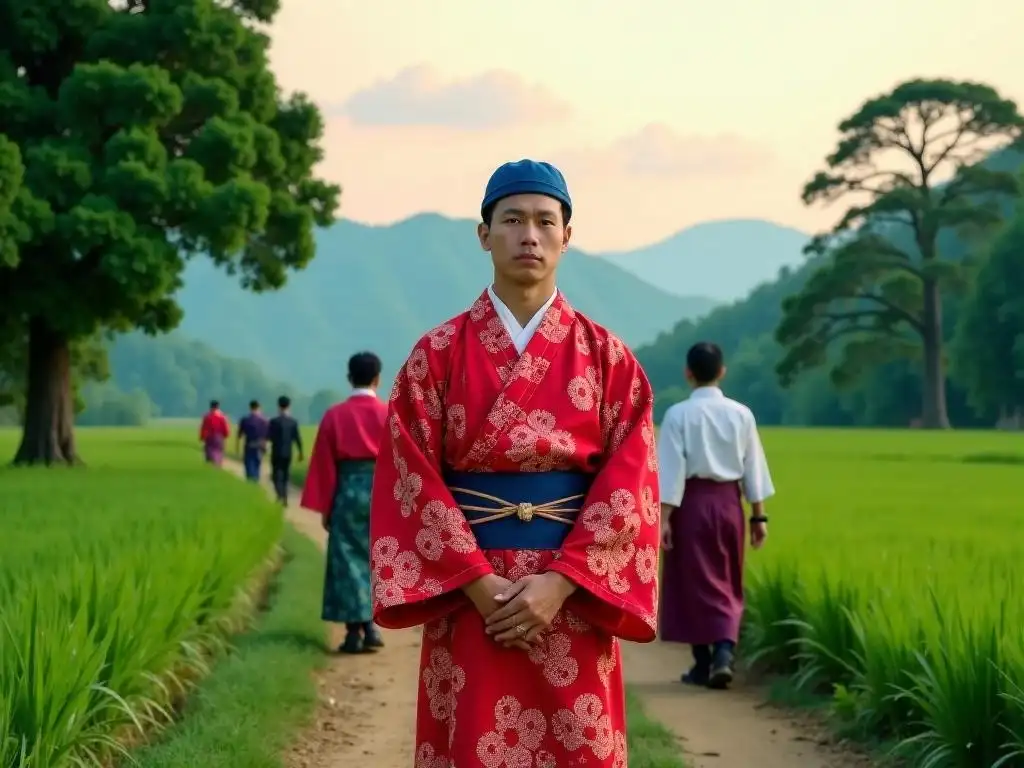
What Are Samurai Cultural Heritage Tours?
Samurai cultural heritage tours offer a captivating glimpse into the lives and traditions of Japan's legendary warriors. These tours go beyond mere battlefield visits, immersing participants in the rich tapestry of samurai history, art, and philosophy. They are expertly designed to showcase various aspects of samurai culture, including:
- Historical Sites: Participants can explore ancient castles, temples, and shrines that played significant roles in samurai history. These sites often feature guided tours that provide in-depth narratives about their historical importance and architectural styles.
- Martial Arts Demonstrations: Many tours include live demonstrations of traditional martial arts such as kendo, iaido, and naginatajutsu, allowing visitors to witness the skills and discipline that defined the samurai ethos.
- Cultural Workshops: Engaging in activities such as calligraphy, tea ceremonies, and kimono-wearing experiences provide a hands-on understanding of the cultural practices that were integral to samurai life.
- Local Cuisine: Culinary experiences often accompany these tours, featuring dishes that were historically enjoyed by samurai, enhancing the sensory connection to the era.
By participating in these tours, travelers gain a profound appreciation of samurai cultural heritage, understanding not just their role as warriors, but also their contributions to Japan's arts, philosophy, and societal structure.
The Rise of Cultural Tourism in Japan
The last few decades have seen a significant rise in cultural tourism within Japan, particularly focused on its unique historical narratives and traditions. This shift is attributed to several factors:
- Global Interest in Authentic Experiences: Travelers increasingly seek authentic interactions with local cultures. Samurai cultural heritage tours fulfill this desire by providing immersive experiences that resonate with both history enthusiasts and casual tourists alike.
- Government Initiatives: Japan's government has actively promoted cultural tourism as a way to diversify the economy and preserve historical sites. Programs aimed at revitalizing local communities often include samurai-themed activities, drawing attention to regions historically significant to samurai culture.
- Increased Accessibility: With the expansion of travel infrastructure, including transport services and accommodation options, remote areas rich in samurai history have become more accessible. This accessibility allows more visitors to engage with lesser-known sites that showcase samurai heritage.
- The Role of Technology: Advancements in technology have transformed how tourists access information about samurai culture. Apps and websites dedicated to samurai heritage provide detailed itineraries and resources, enhancing the overall experience.
The growth of cultural tourism centered around samurai heritage reflects a broader trend where travelers seek to connect deeply with the history and traditions of their destinations, ensuring that the legacies of these iconic warriors continue to thrive and inspire future generations.
Top Samurai Cultural Heritage Tours in Japan

Embarking on a journey through Japan's rich history offers a deep connection to the samurai's legacy. The following tours provide immersive experiences that illuminate the cultural heritage of the samurai, allowing travelers to appreciate the unique traditions and historical significance of this iconic period.
1. The Edo Period Experience Tour
The Edo Period, spanning from 1603 to 1868, was a time of peace and stability in Japan, during which the samurai class flourished. The Edo Period Experience Tour allows visitors to explore the customs, lifestyles, and art forms that defined this era.
Highlights of the Edo Period Tour
- Guided Visits to Historical Sites: Participants will explore key locations such as Edo Castle and the historic streets of Yanaka, where remnants of Edo culture still exist.
- Interactive Storytelling: Expert guides share fascinating tales about the samurai, their code of honor (Bushido), and the socio-political structure of the time.
- Cultural Performances: Attendees can witness traditional arts, including Noh theater and tea ceremonies, enhancing their understanding of Edo culture.
Cultural Activities Included
- Kimono Dressing: Tour participants can wear a kimono, immersing themselves in the aesthetic of the Edo period while strolling through historic districts.
- Martial Arts Demonstration: Learn about samurai weaponry and combat techniques through live demonstrations by skilled practitioners.
- Traditional Craft Workshops: Engage in hands-on activities, such as pottery or calligraphy, to gain insight into the daily lives of samurai and their families.
Pricing and Booking Information
- Tour Duration: Approximately 6 hours
- Pricing: Ranges from ¥15,000 to ¥25,000 per person, depending on group size and inclusions.
- Booking: Reservations can be made online through various travel agencies or directly with local tour operators. Early booking is recommended, especially during peak travel seasons.
2. Samurai Castle Adventure
The Samurai Castle Adventure tour provides a unique opportunity to explore some of Japan's most magnificent castles, which served as both military fortresses and symbols of samurai power.
Overview of the Tour Experience
Participants will journey through historic landscapes, visiting castles that played a pivotal role in Japan's feudal history. This tour combines breathtaking architecture with insights into the strategic importance of castles during samurai conflicts.
Historical Significance of Notable Castles (e.g., Himeji Castle)
- Himeji Castle: Often referred to as the "White Heron Castle" due to its stunning white exterior, Himeji Castle is a UNESCO World Heritage site. Built in the 17th century, it embodies the grandeur of samurai architecture.
- Matsumoto Castle: Known as the "Crow Castle" for its dark wooden exterior, Matsumoto Castle offers a glimpse into the defensive strategies of the samurai era, featuring a complex of moats and walls designed to thwart invaders.
The castles are not just architectural marvels; they are living museums that tell the stories of the samurai's endurance and cultural significance.
Recommended Tour Providers
- Japanican: Offers guided tours focusing on historical insights and cultural experiences at key castle sites.
- Viator: Provides customizable tour packages, including transportation and expert guides specializing in samurai history.
- GetYourGuide: Features a variety of options, from half-day excursions to full-day adventures, allowing travelers to select tours that fit their interests and schedules.
By participating in these samurai cultural heritage tours, travelers can gain a profound appreciation for the legacy of the samurai, enriching their understanding of Japan's history and traditions.
3. A Day in the Life of a Samurai Tour
Description of the Immersive Experience
The "A Day in the Life of a Samurai" tour offers a unique opportunity to step back in time and experience the daily routines and rituals of these noble warriors. Participants are dressed in authentic samurai armor, crafted to reflect the historical accuracy of the Edo period. The experience begins with a guided meditation session, reminiscent of the samurai's emphasis on mental discipline and focus. As the day progresses, tour-goers are taken through various traditional practices, including calligraphy and tea ceremony, which highlight the samurai's appreciation for art and culture.
This immersive journey allows guests to engage with local historians and cultural experts who share stories about samurai life, values, and the code of conduct known as Bushido. The ambiance is enriched with the sounds of traditional Japanese music, further enhancing the atmosphere and allowing participants to truly feel as though they are living the life of a samurai.
Activities and Workshops Included
During the tour, participants can expect a wide range of activities designed to provide a comprehensive view of samurai culture. Some key activities include:
- Archery: Guests have the chance to learn kyudo, the traditional Japanese art of archery, focusing on precision and calmness.
- Sword Handling: Participants can practice basic sword techniques under the guidance of experienced instructors, giving them a taste of the skill and discipline required in samurai training.
- Cultural Workshops: These may include lessons in calligraphy, where participants write kanji characters, and ikebana, the art of flower arrangement, both of which reflect the aesthetics valued by samurai.
- Traditional Cuisine: The experience often culminates in a meal featuring samurai-inspired dishes, allowing guests to savor the flavors of the era.
Customer Reviews and Testimonials
Feedback from past participants highlights the enrichment and enjoyment of the tour. Many rave about the authenticity of the experience, with one guest stating, “Wearing the armor made me feel connected to history in a way I never expected.” Others appreciate the knowledgeable guides, noting, “The stories shared about the samurai’s way of life were fascinating and educational.” Overall, the tour garners high ratings for both its cultural depth and interactive nature, creating lasting memories for all who partake.
4. Samurai Swordsmanship Workshops
Learning the Art of Kendo and Kenjutsu
Samurai swordsmanship workshops focus on two primary disciplines: Kendo and Kenjutsu. Kendo, often referred to as the "Way of the Sword," emphasizes the spiritual and philosophical aspects of sword fighting, teaching practitioners not only techniques but also principles of respect and discipline. Participants engage in sparring sessions while wearing protective gear, learning the importance of strategy and mental fortitude.
Kenjutsu, on the other hand, is the classical form of swordsmanship practiced by samurai. It focuses on practical techniques and forms (kata) that were used in actual combat. Workshops often include step-by-step instruction on stances, strikes, and defensive maneuvers, allowing participants to gain hands-on experience in this ancient martial art.
Expert Instructors and Their Background
The workshops are led by experienced instructors who have dedicated their lives to mastering these martial arts. Many of them hold advanced degrees in Kendo and Kenjutsu and have competed at national and international levels. Their expertise not only provides valuable insights into the techniques but also conveys the historical significance of these arts. Instructors often share personal anecdotes and philosophies that enrich the learning experience, making it both educational and profound.
Costs and Scheduling Options
Costs for participating in samurai swordsmanship workshops vary depending on the length and depth of the program. Generally, a single session may range from $50 to $150, while multi-day courses could be priced higher, reflecting the comprehensive nature of the training offered. Scheduling options are typically flexible, with workshops available throughout the week, accommodating both group and individual bookings. Advance reservations are recommended, especially during peak tourist seasons, to ensure a spot in these sought-after experiences.
5. Traditional Tea Ceremony and Samurai Culture
The traditional Japanese tea ceremony, known as chanoyu, embodies a rich tapestry of art, philosophy, and social interaction that has deep connections to samurai culture. This ritual, which focuses on the preparation and presentation of matcha (powdered green tea), is not just about drinking tea; it is a spiritual and aesthetic practice that reflects the samurai's values, such as discipline, respect, and harmony with nature.
The Connection Between Samurai and Tea Ceremony
The samurai class, known for their warrior ethos and strict codes of conduct, found solace and meaning in the tea ceremony. During the tumultuous periods of feudal Japan, tea gatherings served as a means of fostering camaraderie, strategizing alliances, and discussing important matters. The meticulous nature of the ceremony mirrored the samurai's dedication to their craft, emphasizing mindfulness and precision.
Furthermore, notable figures like Sen no Rikyū, who is regarded as the father of the tea ceremony, were deeply influenced by samurai aesthetics. His teachings integrated the principles of simplicity and tranquility, aligning perfectly with the samurai's quest for inner peace amidst chaos. Today, participating in a tea ceremony allows visitors to experience this profound connection to samurai culture, providing insights into their philosophy and way of life.
Tour Inclusions and Cultural Insights
Tours that focus on the traditional tea ceremony often include several enriching experiences that deepen the understanding of samurai cultural heritage. Typical inclusions in these tours are:
- Matcha Preparation Demonstration: Visitors witness the intricate process of preparing matcha, from the careful selection of tea leaves to the whisking technique that creates the perfect froth.
- Participation in the Ceremony: Guests are invited to partake in the ritual, allowing them to appreciate the significance of each movement and gesture.
- Historical Context: Guides provide narratives about the history of tea and its relevance to samurai culture, enhancing the experience with stories of famous tea masters and samurai patrons.
- Traditional Attire: Some tours offer the opportunity to wear a kimono or other traditional attire, further immersing participants in the cultural experience.
These elements collectively create a deep appreciation for the art of tea and its historical ties to the samurai, fostering a connection that transcends mere observation.
Popular Locations for Tea Ceremony Tours
Several locations across Japan are renowned for their traditional tea ceremony tours, each offering a unique glimpse into the cultural heritage of the samurai. Here are some popular destinations:
- Kyoto: Often considered the heart of Japanese culture, Kyoto is home to numerous tea houses and gardens where visitors can experience authentic tea ceremonies. The serene backdrop of temples enhances the experience, reflecting the historical significance of tea in samurai gatherings.
- Kanazawa: Known for its historic districts and well-preserved samurai residences, Kanazawa offers tea ceremony experiences that connect participants with the city's samurai past. The tours often include visits to traditional tea houses in the Higashi Chaya district.
- Tokyo: In the bustling metropolis, visitors can find tea ceremony experiences that blend modernity with tradition. Some tours are hosted in cultural centers that focus on the samurai's influence on contemporary Japanese society.
- Nara: As one of Japan's ancient capitals, Nara provides an atmospheric setting for tea ceremonies among historical temples and shrines, allowing participants to reflect on the samurai's legacy in this culturally rich environment.
Engaging in a tea ceremony tour not only offers a taste of Japan’s culinary delights but also serves as a profound journey into the heart of samurai cultural heritage, making it a must-do activity for any traveler interested in the feudal history of Japan.
Cultural Heritage and Its Impact on Modern Tourism
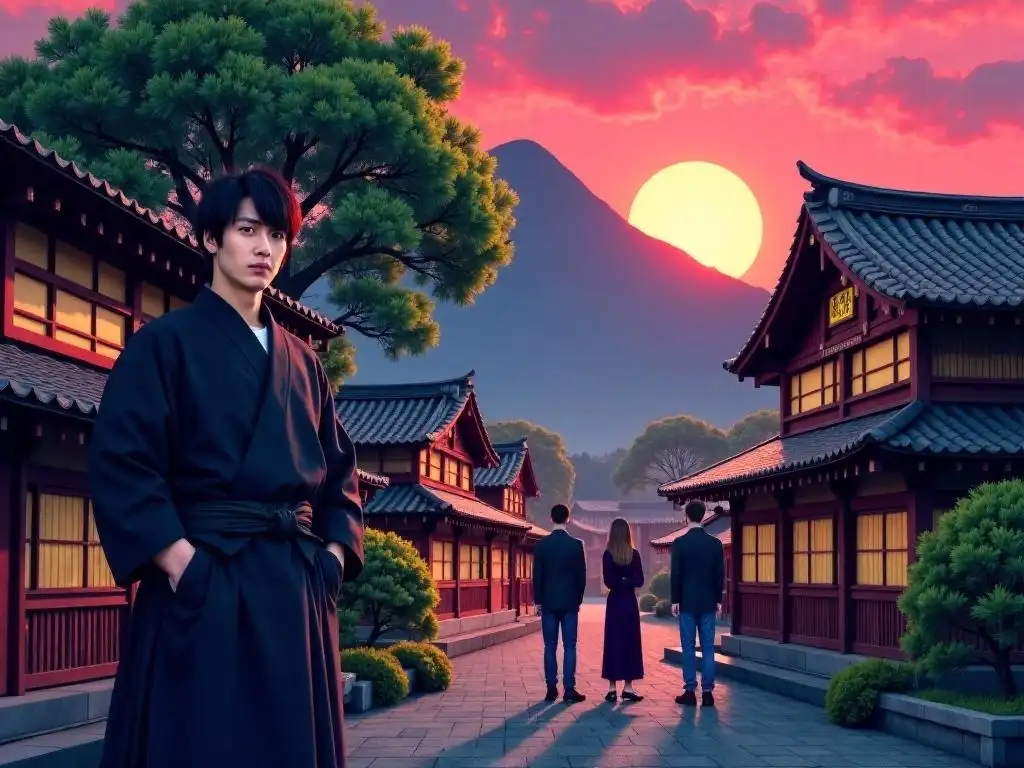
Cultural heritage plays a pivotal role in shaping modern tourism, particularly in regions with rich historical narratives like Japan. Understanding the cultural heritage of the samurai—their values, traditions, and way of life—can significantly enhance the experience of tourists who seek to connect with this past.
Tour operators are increasingly recognizing the importance of these narratives, incorporating them into the framework of samurai cultural heritage tours. These tours often include visits to historical sites, reenactments, and immersive experiences that resonate with the ethos of the samurai. This not only draws attention to the historical significance of these figures but also educates tourists about Japan’s feudal era, fostering a deeper appreciation of the culture.
The impact of cultural heritage on tourism can be seen in several key areas:
- Increased Interest and Engagement: As cultural heritage becomes a focal point of tourism, travelers are more inclined to engage deeply with the local customs and stories, leading to a more enriching experience.
- Sustainable Tourism Practices: Emphasizing cultural heritage encourages practices that preserve local traditions and environments, allowing communities to thrive while sharing their history with visitors.
- Cultural Exchange: Tours centered around samurai heritage foster cross-cultural dialogue, as tourists share their experiences and learn from local guides, enriching both parties.
How Samurai Cultural Heritage Tours Promote Historical Awareness
Samurai cultural heritage tours are instrumental in promoting historical awareness among both domestic and international tourists. By focusing on the samurai's unique cultural contributions and their complex societal roles, these tours provide a captivating narrative that connects visitors to Japan's past.
- Educational Programs: Many tours include educational components such as lectures, workshops, and guided tours led by historians and cultural experts. For example, participants might engage in traditional martial arts or participate in tea ceremonies, gaining firsthand insights into samurai practices.
- Authentic Experiences: Tours often feature visits to authentic historical sites such as castles, temples, and battlefields associated with samurai history. This immersive approach allows tourists to visualize and understand the historical context of the samurai era.
- Storytelling: The art of storytelling is central to samurai culture. Tour guides often weave compelling narratives about famous samurai figures and significant battles, instilling a sense of connection and curiosity in the audience.
- Community Involvement: Many tours involve local communities, enabling tourists to interact with residents who share their knowledge and perspective on samurai heritage. This enhances the educational experience while supporting local economies.
Economic Benefits of Samurai-Themed Tourism in Japan
The economic impact of samurai-themed tourism is significant, contributing to the growth of Japan's tourism industry. Here are some key benefits:
- Job Creation: Tours create employment opportunities in various sectors, including hospitality, transportation, and cultural education. This diversifies local economies and provides livelihoods for residents.
- Increased Revenue: Samurai cultural heritage tours attract both local and international tourists, resulting in higher spending on accommodations, food, and souvenirs. This influx of capital can be vital for small businesses and local artisans.
- Promotion of Local Businesses: Many tours partner with local businesses, enhancing the visibility of artisan crafts, local cuisine, and traditional practices. This collaboration fosters a sustainable tourism model that benefits the entire community.
- Infrastructure Development: Increased tourist traffic often leads to improved infrastructure, such as better roads, transportation services, and facilities. This not only enhances the tourist experience but also benefits residents.
- Cultural Preservation: Economic incentives encourage the preservation of historical sites and cultural practices. As tourism flourishes, communities are motivated to maintain their heritage, ensuring that future generations can enjoy and learn from it.
Samurai cultural heritage tours not only enhance historical awareness but also provide substantial economic benefits, making them a crucial component of Japan's tourism landscape.
Preparing for Your Samurai Cultural Heritage Tour

Essential Tips for Tourists
Embarking on a Samurai cultural heritage tour in Japan is an immersive experience that transcends mere sightseeing. To make the most of this journey, tourists should prepare adequately to appreciate the nuances of Japan’s rich samurai history. Here are some essential tips:
- Research Your Tour: Understand the specific elements of samurai culture that your chosen tour will cover. Some tours focus on martial arts, while others emphasize traditional crafts or historical narratives. Familiarizing yourself with the details will enhance your experience.
- Stay Open-Minded: Japanese culture may differ significantly from what you are accustomed to. Approach experiences with curiosity and respect, especially when interacting with local guides and artisans.
- Engage with Locals: Tours often provide opportunities to meet local craftsmen or historians. Engage in conversations to gain insights into their perspectives on samurai culture. This interaction can lead to a deeper understanding of the cultural heritage you are exploring.
What to Wear and Bring
When preparing for your Samurai cultural heritage tour, clothing and gear play a significant role in both comfort and respect for local customs. Here are some recommendations:
- Clothing: Opt for comfortable yet respectful attire. Loose-fitting garments are ideal for mobility, especially if your tour includes martial arts demonstrations. Traditional yukata or kimono can enhance your experience, but ensure you are comfortable moving in them.
- Footwear: Sturdy walking shoes are a must. Many tours involve walking through historical sites or rural landscapes, where uneven terrain is common. If you plan to participate in any traditional activities, consider bringing tabi socks (split-toe socks) for a more authentic experience.
- Essentials:
- Water bottle to stay hydrated.
- Notebook for jotting down insights or reflections.
- A camera with extra batteries to capture the breathtaking scenery and cultural moments.
Cultural Etiquette to Remember
Understanding local customs is crucial for a respectful and enriching experience during your samurai tour. Here are some cultural etiquette tips to keep in mind:
- Bowing: A simple bow can convey respect. When greeting locals or guides, a slight bow is appreciated.
- Silence in Sacred Spaces: Many historical sites, including temples and shrines, require silence and reverence. Observe the behavior of locals and follow suit.
- Respect for Tradition: If participating in a tea ceremony or traditional arts, adhere to the protocols and avoid rushing through the process. These rituals are steeped in history and require mindfulness.
Best Times to Experience Samurai Tours
Timing your visit can significantly influence your experience of samurai cultural heritage tours. Here are some insights into the best times to explore this unique aspect of Japan.
Seasonal Considerations and Festivals
Japan is known for its beautiful seasonal changes, each offering unique backdrops for samurai tours:
- Spring (March to May): The cherry blossom season enhances the beauty of historical sites. Festivals like the Hinamatsuri (Doll Festival) often feature samurai-related events.
- Summer (June to August): While warmer, summer hosts numerous matsuri (festivals) where you can witness samurai parades and traditional performances. The Gion Matsuri in Kyoto is particularly famous.
- Autumn (September to November): Fall foliage offers stunning views and cultural events related to samurai history, including reenactments of historical battles and festivals.
- Winter (December to February): Though colder, this season provides a unique atmosphere. Fewer tourists mean a more intimate experience, and some locations hold special winter events centered around samurai culture.
Recommendations for Off-Peak Travel
Traveling during off-peak seasons can enhance your experience of samurai cultural heritage tours. Here are some advantages:
- Fewer Crowds: Off-peak travel allows you to explore historical sites without the throngs of tourists, offering a more reflective and personal experience.
- Lower Prices: Many tours and accommodations offer discounted rates during off-peak seasons, making it a more budget-friendly option.
- Authentic Interactions: With fewer visitors, you can enjoy more meaningful interactions with local guides and artisans, allowing for a deeper connection to the samurai culture.
Thoughtful preparation and keen awareness of cultural nuances will ensure that your Samurai cultural heritage tour is not only enjoyable but also deeply enriching. Whether you visit during the vibrant spring blooms or the tranquil winter months, your adventure into Japan's samurai legacy awaits!
Conclusion: Embracing Japan’s Samurai Legacy

In the heart of Japan's feudal history, the samurai stand as enduring symbols of honor, discipline, and cultural richness. Their legacy transcends the battlefield, offering a unique lens through which to explore the intricate tapestry of Japanese heritage. Samurai cultural heritage tours not only illuminate the historical context of these warriors but also provide immersive experiences that connect participants with centuries of traditions, art, and philosophy.
As visitors engage with the stories of the samurai, they discover the values that shaped Japanese society. From the principles of bushido, which emphasize loyalty, courage, and respect, to the aesthetic appreciation found in tea ceremonies and calligraphy, these tours encapsulate the essence of samurai life. By participating in these experiences, travelers gain a deeper understanding of how samurai culture has influenced modern Japan and continues to resonate in the present day.
The Lasting Impact of Samurai Cultural Heritage Tours
Samurai cultural heritage tours leave a profound and lasting impact on participants. These tours foster appreciation for Japan's historical narratives, allowing visitors to connect with the past in a meaningful way. Here are some key aspects of their impact:
- Cultural Preservation: By engaging with local artisans and historians, tourists contribute to the preservation of samurai traditions, ensuring that these practices are passed down to future generations.
- Educational Value: These tours serve as educational platforms that provide insights into Japan's feudal era. Participants learn about the samurai's role in shaping the country’s political landscape and cultural identity.
- Community Engagement: Many tours involve collaborations with local communities, creating opportunities for cultural exchange and interaction. This fosters mutual respect and understanding between visitors and residents.
- Sustainable Tourism: Emphasizing cultural heritage, these tours promote sustainable tourism practices that respect local customs and environments, benefiting both tourists and host communities.
The impact of samurai cultural heritage tours extends beyond individual experiences; they contribute to a broader understanding of Japanese history and culture, making these journeys invaluable for anyone seeking to explore the essence of Japan.
Encouragement to Explore and Experience Samurai Culture
For those intrigued by the rich history of the samurai, embarking on a cultural heritage tour is an unparalleled opportunity. Here are a few compelling reasons to consider this unique adventure:
- Personal Connection: Engaging with historical sites, museums, and reenactments allows participants to form a personal connection with samurai culture. This interactive approach makes history come alive in a way that traditional study cannot.
- Unique Experiences: Many tours offer hands-on experiences, such as practicing martial arts, participating in traditional ceremonies, or crafting samurai-inspired art. These activities provide a deeper appreciation of the skills and aesthetics that defined the samurai way of life.
- Informed Guidance: Expert guides share their knowledge of samurai history, providing context and insights that enhance the overall experience. Their expertise ensures that travelers leave with a rich understanding of the cultural nuances.
- A Lasting Memory: The experiences gained from samurai cultural heritage tours often leave a lasting impression, inspiring a lifelong interest in Japan's history and culture.
Exploring Japan through the lens of samurai cultural heritage tours not only enriches the travel experience but also fosters a deeper appreciation for the intricate traditions that have shaped this remarkable nation. Embrace the opportunity to connect with Japan’s samurai legacy and discover the stories that await beyond the battlefield.
Call to Action: Book Your Samurai Cultural Heritage Tour Today!
Experience the rich tapestry of Japan’s feudal history through immersive Samurai cultural heritage tours. These unique journeys not only transport you back in time to the age of the samurai but also allow you to engage with the profound cultural practices and traditions that have shaped Japan. Whether you're drawn to the legendary warrior ethos, the elegant art of swordsmanship, or the serene beauty of traditional architecture, there's a tour that caters to your interests.
Don't miss out on the opportunity to witness firsthand the craftsmanship of ancient artisans, participate in traditional tea ceremonies, or explore historic castles and shrines that have stood the test of time. Each tour is designed to provide a holistic understanding of the samurai's role in shaping Japan’s past, offering a blend of history, culture, and adventure that you won't find anywhere else.
Links to Recommended Tour Providers and Booking Platforms
To make your planning seamless, here are some reputable companies and platforms specializing in Samurai cultural heritage tours:
- Samurai Experience: Offers personalized tours that include sword fighting lessons and visits to historical sites.
- Japanican: Provides a variety of packages ranging from day trips to multi-day tours focusing on samurai history and culture.
- Viator: A platform where you can find and book guided tours with local experts who have deep knowledge of samurai heritage.
- Klook: Features unique experiences including cultural workshops and exclusive access to samurai-related events.
Explore these providers to find the tour that best fits your interests and schedule.
Special Offers and Discounts on Samurai Tours
Many tour providers offer special promotions and discounts to enhance your travel experience. Here are some current offers you might find:
- Early Bird Discounts: Book your tour at least three months in advance and receive up to 15% off.
- Group Rates: If you're traveling with friends or family, inquire about group discounts that can save you money.
- Seasonal Promotions: Keep an eye out for special events or festivals in Japan that may feature limited-time tours at discounted rates.
- Loyalty Programs: Some providers have loyalty programs where repeat customers can earn points toward future tours.
Make sure to check the websites of the tour providers for the latest offers and availability. These opportunities can make your journey not only enriching but also cost-effective, allowing you to immerse yourself in the captivating world of samurai history and culture.
Frequently Asked Questions
What are Samurai cultural heritage tours?
Samurai cultural heritage tours are specialized travel experiences that allow visitors to explore the historical and cultural significance of the Samurai in Japan, often including visits to ancient castles, temples, and local festivals.
How do these tours enhance the understanding of Samurai history?
These tours provide an immersive experience, offering insights into the lifestyle, values, and traditions of the Samurai, helping participants connect with Japan's rich feudal past.
Are these tours suitable for families?
Yes, many Samurai cultural heritage tours are designed to be family-friendly, providing engaging activities and educational content that appeals to both adults and children, fostering a shared appreciation for history.
What can participants expect during a Samurai cultural heritage tour?
Participants can expect to engage in activities such as martial arts demonstrations, traditional crafts, and guided visits to historically significant sites, all aimed at enriching their understanding of Samurai heritage.
How can I find reputable Samurai cultural heritage tours?
To find reputable Samurai cultural heritage tours, consider checking online travel platforms, reading reviews, or consulting with travel agencies that specialize in Japanese history and culture.
Final Reflection: Embracing the Legacy of Samurai Cultural Heritage
The exploration of samurai cultural heritage tours is not just a journey through history; it is a vital connection to the values, artistry, and philosophies that shaped Japan. In today's fast-paced world, where cultures often blend and traditions can fade, these tours serve as a reminder of the importance of preserving our past. They invite us to engage with the stories and legacies of the samurai, encouraging a deeper understanding of their impact on contemporary society.
The influence of samurai culture extends far beyond the battlefield, permeating various aspects of Japanese life, from art and literature to martial arts and philosophy. These tours provide a unique opportunity to witness this legacy firsthand, fostering a sense of appreciation and respect for a rich cultural heritage. As the renowned philosopher Daisaku Ikeda once said, Culture is the foundation of peace.
This sentiment resonates deeply as we consider how understanding and honoring the past can lead to a more harmonious future.
As you reflect on the significance of samurai cultural heritage tours, I encourage you to consider how you can incorporate these lessons into your own life. Take the time to explore your own cultural heritage, engage with the stories that shape your identity, and promote the values of respect, honor, and community. By doing so, you not only enrich your own life but also contribute to the preservation of cultural legacies that deserve to be celebrated and shared with future generations.
Embark on Your Samurai Adventure Today!
Thank you for joining us on this journey through the fascinating world of samurai culture. We hope you’ve uncovered the depth of Japan’s rich history and feel inspired by the unique tours that allow you to experience this heritage firsthand. Now, it’s time to take action!
Here are some steps you can take to dive deeper into your samurai adventure:
- Book a samurai experience today and immerse yourself in the traditions that have shaped Japan’s culture.
- Join a local history group or online community to connect with fellow enthusiasts and share your newfound knowledge.
- Explore lesser-known samurai sites to uncover hidden gems and enrich your understanding of feudal Japan.
What unique aspect of samurai culture intrigues you the most, and how can you incorporate that into your next adventure?