
Religious Persecution in Feudal Japan: The Case of the Christians

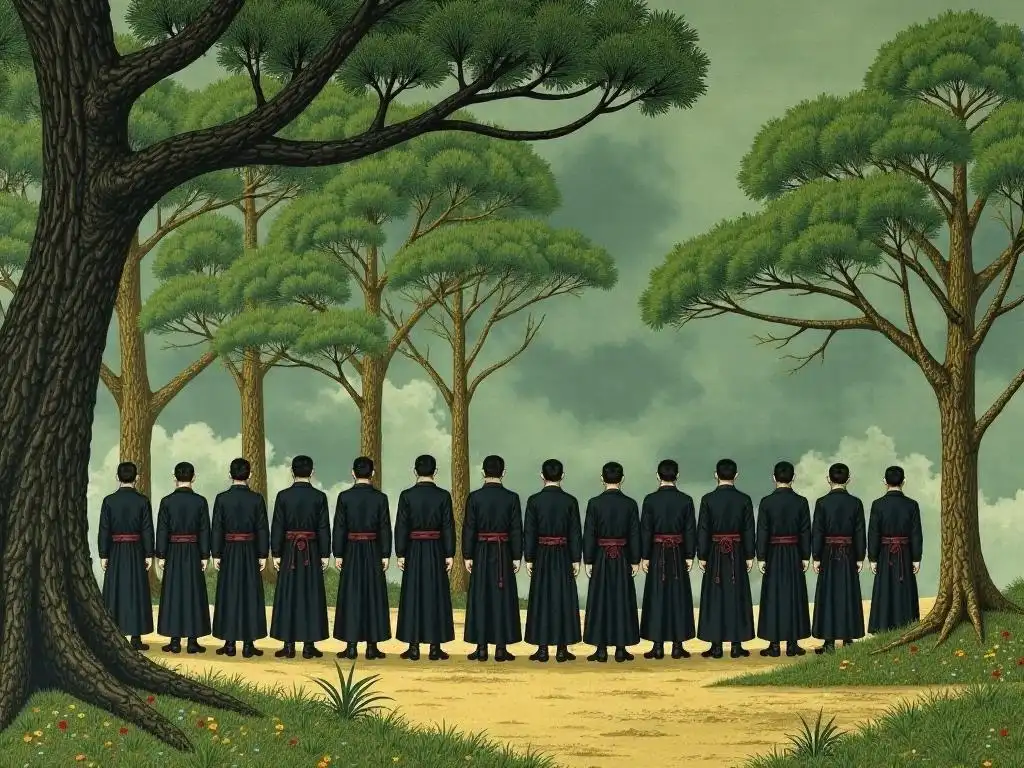
Welcome to Feudal Japan History, where we embark on a deep dive into the intriguing tapestry of Japan’s feudal era. Here, we unravel the complex narratives that shaped its historical, cultural, and societal fabric. Our featured article, "Religious Persecution in Feudal Japan: The Case of the Christians," sheds light on a lesser-known yet profoundly significant chapter of this period.
What drove the fervent opposition to Christianity during these tumultuous times? Join us as we explore the intricacies of faith, power, and survival, and discover the compelling stories that await you within our pages. Your journey into the heart of feudal Japan begins now!
- Introduction to Christian Persecution in Feudal Japan
- Historical Context of Christianity in Japan
- Understanding Feudal Japan's Religious Landscape
- The Rise of Persecution Against Christians
- Methods of Christian Persecution
- The Impact of Christian Persecution
- Resistance and Resilience of Christians
- Conclusion: Reflections on Christian Persecution in Feudal Japan
- Further Reading on Religious Conflicts in Feudal Japan
-
Frequently Asked Questions
- What was the main cause of Christian persecution in feudal Japan?
- How did the Japanese government respond to the arrival of Christian missionaries?
- What were some of the methods used to persecute Christians during this period?
- What impact did Christian persecution have on Japanese society?
- How does the history of Christian persecution in feudal Japan influence modern Japan?
- Final Reflection: The Enduring Legacy of Christian Persecution in Feudal Japan
- Unveil the Legacy: Take Action Against Religious Persecution!
Introduction to Christian Persecution in Feudal Japan
The history of Japan’s feudal era is marked by a complex interplay of power, culture, and belief systems. Among the myriad of religious conflicts that emerged during this time, the Christian persecution in feudal Japan stands out as a poignant chapter. Beginning in the 16th century, when Christianity first arrived on Japanese shores through European missionaries, this faith quickly gained a foothold, attracting a significant number of converts, including daimyos (feudal lords).
However, this burgeoning acceptance was met with fierce resistance from traditional Japanese authorities, leading to a tumultuous relationship characterized by suspicion, fear, and ultimately, violent repression. This article aims to delve deeply into the historical, cultural, and societal dimensions of the persecution faced by Christians in feudal Japan, revealing the factors that fueled this conflict and its lasting impact on Japanese society.
Overview of Religious Conflicts in Feudal Japan
Feudal Japan was a period rife with religious pluralism, where various belief systems coexisted, including Shintoism, Buddhism, and Confucianism. However, the introduction of Christianity not only challenged the existing religious landscape but also threatened the political stability of the ruling shogunate. Here are some key points regarding the broader context of religious conflicts during this era:
- Religious Tensions: The arrival of Christianity led to significant tension between the new faith and established religions.
- Political Intrigue: Many daimyos saw Christianity as a tool for gaining power and influence, complicating the political landscape.
- Cultural Resistance: The cultural differences between Christian teachings and Japanese traditions further fueled resistance from the populace and religious leaders.
Overall, the religious landscape of feudal Japan was a battleground for competing ideologies, where conflicts often escalated into persecution against minority groups, particularly Christians.
Importance of Studying Christian Persecution
Understanding the Christian persecution in feudal Japan is crucial for several reasons:
- Historical Insight: It provides a window into the socio-political dynamics of the time, illustrating how religion can influence power structures and societal norms.
- Cultural Awareness: By studying this persecution, we gain a deeper appreciation of the resilience of faith and its capacity to endure against oppression.
- Lessons for Today: The historical events surrounding Christian persecution can serve as a reminder of the importance of religious tolerance and the dangers of fanaticism, relevant in contemporary discussions about faith and freedom.
The exploration of Christian persecution in feudal Japan is not merely an academic pursuit; it is an essential part of understanding the intricate tapestry of Japanese history and the enduring impact of religious conflicts on society.
Historical Context of Christianity in Japan
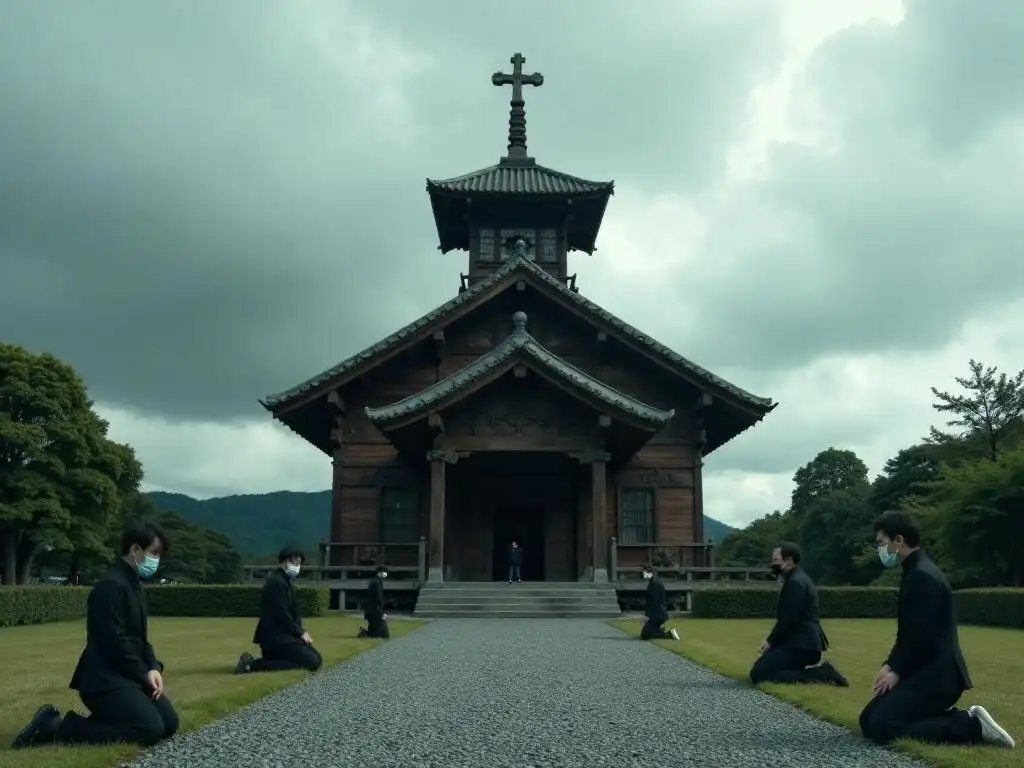
Arrival of Christianity in Japan
Christianity first arrived in Japan in the mid-16th century, primarily through the efforts of Portuguese missionaries, notably the Jesuit order. In 1549, Francis Xavier, one of the founders of the Jesuit order, landed in Kagoshima, marking the beginning of a significant missionary effort in the region. This period corresponded with Japan's Sengoku period, characterized by political fragmentation and social upheaval, which inadvertently created a fertile ground for new religious ideas.
The Jesuits initially focused on converting local leaders and influential figures, believing that winning the elite would facilitate the spread of Christianity among the general populace. By the early 1600s, the number of Christians in Japan had reportedly grown to around 300,000, with significant communities established in regions such as Kyushu and Nagasaki.
The arrival of Christianity introduced various Western influences, including education, technology, and trade. The missionaries established schools and translated texts, leading to a degree of cultural exchange. However, this also created friction with existing religious practices, particularly Shintoism and Buddhism, which were deeply embedded in Japanese culture.
Initial Reception of Christian Missionaries
The initial reception of Christian missionaries in Japan was largely positive, as they were seen as harbingers of knowledge and trade. Many daimyos (feudal lords) welcomed the missionaries, attracted by the potential benefits of trade with European nations. The Jesuits, for their part, adopted a strategy of cultural accommodation, respecting local customs and traditions while subtly introducing Christian teachings.
However, this situation began to change as the political landscape shifted. The Tokugawa shogunate (established in 1603) prioritized stability and cohesion within Japan, viewing the growing Christian influence as a threat to its authority. The shogunate's initial tolerance gradually evolved into suspicion and hostility, particularly as the number of converts grew and Christianity began to challenge the established religious order.
The turning point came in the early 17th century, when anti-Christian edicts were enacted. These laws not only restricted the activities of missionaries but also targeted converts, leading to widespread persecution. The shogunate's fear was fueled by reports of European colonial ambitions and the potential for rebellion among the Christian population, which was perceived as a political liability.
Key Figures in Early Japanese Christianity
Several key figures played pivotal roles in the early development of Christianity in Japan, shaping its trajectory and impact:
- Francis Xavier: As one of the first missionaries, his efforts laid the foundation for future missions. He emphasized the importance of understanding Japanese culture to facilitate conversions.
- Aloysius de Nobili: Known for his adaptation of Christian practices to fit local customs, he sought to present Christianity in a way that resonated with Japanese values, promoting dialogue and cultural exchange.
- Paul Miki: A Japanese Jesuit and martyr, Miki was a prominent figure in the early Christian community. His execution in 1597, alongside 25 other Christians, became a symbol of the persecution faced by Christians in Japan, galvanizing both local and international support for the faith.
- Dom Justo Takayama: A daimyō who converted to Christianity, Takayama became an important figure in advocating for the faith among the samurai class. His eventual persecution exemplified the dangers faced by converts.
These figures illustrate the complex interplay between faith, culture, and politics in feudal Japan, highlighting the challenges and resilience of early Japanese Christians. Despite the eventual decline of Christianity due to persecution, their legacy continues to influence Japan's religious landscape today.
Understanding Feudal Japan's Religious Landscape
Feudal Japan was characterized by a complex and dynamic religious landscape that reflected the varying beliefs and practices of its society. The era saw the coexistence of multiple religions, each contributing uniquely to the cultural and spiritual life of the Japanese people. Understanding this landscape is crucial to comprehending the context of religious persecution, particularly the persecution of Christians during this period.
Major Religions Practiced in Feudal Japan
Feudal Japan was predominantly influenced by three major religions: Shinto, Buddhism, and later, Christianity. Each of these religious traditions played a significant role in shaping the values, customs, and societal norms of the time.
- Shinto:
- Definition: Shinto, meaning "the way of the gods," is an ancient, indigenous religion of Japan that focuses on kami (spirits associated with natural elements and ancestors).
- Practices: Rituals and festivals (matsuri) celebrated the kami, emphasizing purification, offerings, and prayers.
- Impact: Shinto shaped the national identity and cultural practices, reinforcing the idea of Japan as a divine land.
- Buddhism:
- Introduction: Buddhism was introduced to Japan from Korea in the 6th century and gained significant traction during the Heian and Kamakura periods.
- Schools of Thought: Various schools, including Tendai, Shingon, and Zen, emerged, each offering distinct teachings and practices.
- Influence: Buddhism contributed to art, philosophy, and the political landscape, often intertwining with Shinto practices.
- Christianity:
- Arrival: Christianity was introduced to Japan in the 16th century by European missionaries, notably the Jesuits.
- Growth: Initially, it gained a following among the Japanese elite and commoners, leading to the establishment of numerous churches.
- Challenges: As Christianity spread, it faced increasing opposition from the established religious and political authorities.
Role of Shinto and Buddhism in Society
Shinto and Buddhism not only coexisted but also interacted in various ways, shaping the societal framework of feudal Japan.
-
Cultural Integration:
The integration of Shinto and Buddhism led to a syncretic culture where rituals from both religions were often blended. For instance, Shinto shrines began to adopt Buddhist imagery, while temples incorporated Shinto elements into their practices.
-
Political Authority:
The ruling samurai class often utilized both religions to legitimize their power. Shinto was employed to highlight the divine ancestry of the imperial family, while Buddhism was used to promote moral conduct and social order among the populace.
-
Community and Rituals:
Both religions played a vital role in community life, with festivals and rituals fostering social cohesion. Local communities often engaged in joint celebrations, reflecting a shared cultural heritage despite differing beliefs.
Interaction Between Different Religious Groups
The interaction between Shinto, Buddhism, and later, Christianity, was marked by both cooperation and conflict, illustrating the complexities of religious dynamics in feudal Japan.
-
Cooperative Practices:
Many Japanese people practiced a blend of Shinto and Buddhist rituals, attending Shinto shrines for life events (births, weddings) while turning to Buddhist temples for funerary rites. This coexistence fostered a degree of tolerance among practitioners.
-
Conflict and Persecution:
As Christianity began to gain followers, tensions arose. The Tokugawa shogunate, concerned about foreign influence and the potential undermining of traditional values, began to view Christianity as a threat. This led to a series of persecutions against Christians, marked by violent suppression and forced renunciations of faith.
-
Legacy of Religious Conflict:
The persecution of Christians during the late 16th and early 17th centuries serves as a stark example of the challenges faced by minority religions in a predominantly homogenous society. The legacy of this conflict continues to influence Japan's religious landscape today.
The religious landscape of feudal Japan was multifaceted, characterized by interactions that ranged from harmonious coexistence to intense persecution. Understanding the complexities of these relationships provides crucial context for the study of Christian persecution in feudal Japan.
The Rise of Persecution Against Christians

The rise of persecution against Christians in feudal Japan was a complex phenomenon influenced by various factors, including political, cultural, and religious dynamics. Although Christianity was introduced to Japan in the mid-16th century, it faced escalating hostility by the early 17th century. This shift marked a significant transformation in Japan's religious landscape, deeply intertwining with the socio-political fabric of the era.
The initial acceptance of Christianity was largely due to its association with European trade and diplomacy. However, as Christianity began to spread, it posed a challenge to the traditional beliefs and power structures, leading to growing concerns among the ruling classes. The Tokugawa shogunate, in particular, viewed Christianity as a threat to its authority and social order.
Factors Leading to Christian Persecution in Feudal Japan
Several factors contributed to the rise of Christian persecution in feudal Japan:
- Political Concerns:
- The Tokugawa shogunate sought to establish a centralized and stable government, fearing that foreign influence could disrupt their power.
- The association of Christianity with colonial ambitions of European powers heightened suspicions among Japanese leaders.
- Cultural Resistance:
- Shinto and Buddhism were deeply rooted in Japanese society, and the arrival of Christianity was perceived as an affront to these traditional beliefs.
- Many Japanese viewed the conversion of their countrymen to Christianity as a loss of cultural identity.
- Social Dynamics:
- As Christianity gained followers, it fostered a sense of community that sometimes conflicted with existing social hierarchies.
- The growing number of converts, including samurai and daimyō, raised alarms within the ruling elite, leading to fears of rebellion or dissent.
- Religious Intolerance:
- The shogunate's endorsement of Confucian ideals, which emphasized loyalty to the state and the importance of traditional practices, fueled intolerance towards other religions, particularly Christianity.
- The perceived exclusivity of Christian beliefs further alienated non-Christian populations.
Key Events Marking the Beginning of Persecution
The movement towards persecution began with a series of significant events:
- The Banishment of Jesuits (1614):
- The shogunate issued an edict banning Christianity and ordering the expulsion of foreign missionaries. This marked the official start of organized persecution against Christians in Japan.
- The Shimabara Rebellion (1637-1638):
- A Christian-led uprising against the shogunate was brutally suppressed, resulting in thousands of deaths. This rebellion underscored the shogunate’s resolve to eliminate Christianity from Japan.
- The Edicts of 1639:
- Further restrictive measures were enacted, including the prohibition of Christian practices, destruction of churches, and the execution of those refusing to renounce their faith.
Prominent Leaders Behind the Persecution Efforts
Several key figures played crucial roles in the persecution of Christians during feudal Japan:
- Tokugawa Ieyasu:
- The founder of the Tokugawa shogunate, Ieyasu's policies laid the groundwork for the persecution of Christians. His initial tolerance shifted to hostility as he recognized the potential threats posed by Christianity.
- Tokugawa Hidetada:
- Ieyasu's son and successor, Hidetada, continued the oppressive policies against Christians, reinforcing the ban on missionary activities and intensifying efforts to root out the faith.
- Mizuno Tadakuni:
- As a key advisor to the shogunate, Mizuno implemented harsh measures against Christians during the Edo period, leading to increased surveillance and persecution of suspected believers.
- Local Daimyō:
- Various regional lords actively participated in the suppression of Christianity, often motivated by personal ambitions or local power dynamics. Their actions contributed to widespread persecution across different domains.
The culmination of these factors and events created a climate of fear and repression for Christians in feudal Japan, leading to a significant decline in the faith's presence and influence in the country. The legacy of this persecution continues to resonate in the religious history of Japan.
Methods of Christian Persecution
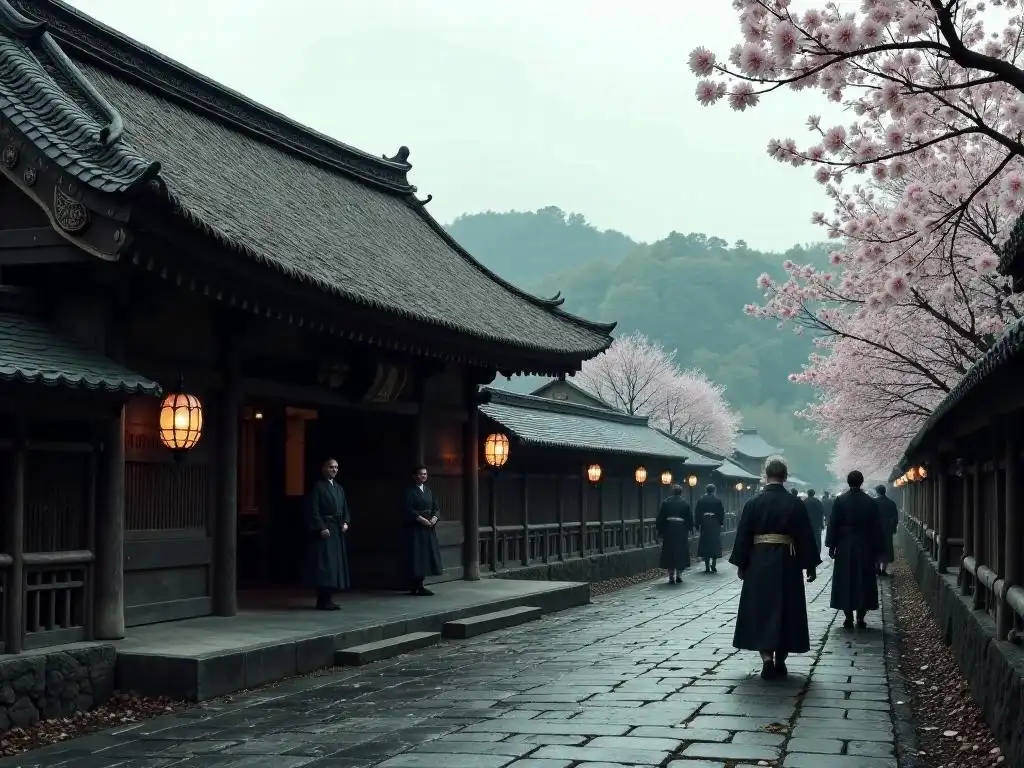
State Policies Against Christianity
During the feudal era in Japan, particularly from the late 16th century to the early 17th century, state policies played a crucial role in the systematic persecution of Christians. Following the initial introduction of Christianity by Jesuit missionaries in 1549, the Tokugawa shogunate began to view the growing Christian influence as a threat to their authority and the established social order.
- Edicts and Bans: The Tokugawa regime issued a series of edicts aimed at suppressing Christianity. The first major ban on Christianity came in 1612, prohibiting the practice of the faith and ordering the expulsion of foreign missionaries. This was followed by more stringent measures, including the Shinpu Shinto edict of 1635, which demanded that all Japanese subjects adhere to Shinto practices and publicly renounce Christianity.
- Surveillance and Control: Christian converts were monitored closely. Authorities implemented a system of registration where those suspected of practicing Christianity were required to report their faith to local officials. Failure to comply could result in severe penalties, including torture and execution.
- Enforcement through Local Leaders: The shogunate relied on local daimyos (feudal lords) to enforce these policies. Many daimyos were incentivized to root out Christians within their domains, often using violence and intimidation to compel compliance.
These state policies created an environment of fear and repression that sought to eradicate Christianity from Japanese society.
In addition to state policies, Christians in feudal Japan faced significant social and cultural repression that contributed to the persecution they endured. This repression manifested in various forms:
- Social Ostracism: Christians were often shunned by their communities. Families of converts faced isolation and were frequently disowned. The stigma associated with Christianity made it difficult for believers to engage in everyday social activities, leading to a profound sense of alienation.
- Cultural Discrimination: The cultural landscape of Japan was deeply entwined with Shinto and Buddhist practices. As Christianity grew, cultural repressions intensified. Public celebrations and festivals were often exclusively Shinto or Buddhist, creating a divide that marginalized Christian practices and customs.
- Religious Intolerance: The prevailing ideology of the time promoted a singular Japanese identity intertwined with Shinto beliefs. This intolerance fostered an atmosphere where any deviation from the norm was met with hostility. Christians were viewed not just as religious outsiders, but as threats to the national unity and cultural heritage of Japan.
This combination of social and cultural pressures made it increasingly difficult for Christians to practice their faith openly, leading many to practice in secret or abandon their beliefs altogether.
Notable Incidents of Violence and Suppression
The persecution of Christians in feudal Japan culminated in several notable incidents that highlighted the extreme measures taken by the state and society against believers. These incidents serve as stark reminders of the brutal reality faced by Christians during this era:
- The Shimabara Rebellion (1637-1638): One of the most significant uprisings involving Christians was the Shimabara Rebellion. This revolt began as a protest against heavy taxation and oppression, but it was also fueled by religious tensions. The shogunate responded with overwhelming military force, leading to the deaths of thousands of Christians and their sympathizers. The aftermath of the rebellion saw the shogunate intensify its crackdown on Christianity.
- Martyrdom of the 26 Saints of Japan: In 1597, twenty-six Christians, including missionaries and Japanese converts, were crucified in Nagasaki. This event was one of the first large-scale executions of Christians and served as a grim warning to others. The martyrdom of these individuals became a symbol of faith and resistance among Christians in Japan.
- Continued Suppression into the Edo Period: Throughout the Edo period (1603-1868), there were numerous documented instances of torture, execution, and forced renunciations of faith. Notable figures, such as St. Paul Miki, were executed for their beliefs, and many Christians were forced to practice their faith in secrecy, forming hidden Christian communities known as Kakure Kirishitan.
These incidents underscore the violent and systematic nature of Christian persecution in feudal Japan, reflecting both state-driven initiatives and societal intolerance that shaped the experience of believers during this tumultuous period.
The Impact of Christian Persecution
Effects on Christian Communities in Feudal Japan
The persecution of Christians in feudal Japan had profound effects on the communities that adhered to this faith. Initially introduced by Jesuit missionaries in the mid-16th century, Christianity quickly gained traction, especially in areas like Kyushu. However, as the Tokugawa shogunate solidified its power, the perception of Christianity shifted from a welcomed foreign influence to a dangerous ideology that threatened the established social order.
- Suppression and Isolation: As the Tokugawa regime sought to unify Japan under a singular cultural and religious identity, Christians faced severe oppression. Many were forced to renounce their faith or risk execution. The most notable example is the Sakoku Edict of 1635, which effectively isolated Japan from foreign influences, including Christianity. This led to:
- Underground Communities: Many Christians went underground, practicing their faith in secret, resulting in a hidden network of believers known as "Kakure Kirishitan" (Hidden Christians).
- Loss of Leadership: The execution or exile of prominent Christian leaders led to a decline in organized church activities, making it difficult for communities to maintain their religious practices.
- Martyrdom and Symbolism: The persecution also led to a culture of martyrdom among Christians. The execution of numerous believers, such as the 26 martyrs of Nagasaki in 1597, became symbolic for the faith. These events:
- Reinforced Faith: Stories of martyrdom inspired resilience and a renewed commitment to Christianity among surviving members.
- Cultural Legacy: The legacy of these martyrs contributed to a narrative of suffering and hope, which resonated through generations of hidden Christians.
- Cultural Syncretism: In response to persecution, many Kakure Kirishitan adapted their practices, integrating elements of Shinto and Buddhism into their worship to disguise their faith. This syncretism resulted in:
- Unique Rituals: Practices evolved, leading to the creation of unique rituals that blended Christian themes with local customs, which allowed believers to maintain their faith covertly.
- Artistic Expression: The clandestine nature of their worship often inspired artistic expressions, such as religious imagery and literature that subtly conveyed Christian themes.
Influence on Japanese Society and Culture
The implications of Christian persecution extended beyond the immediate effects on communities; it also influenced broader Japanese society and culture in several ways.
- Cultural Homogeneity: The Tokugawa shogunate's efforts to suppress Christianity aimed to create a homogenous cultural identity rooted in Shinto and Confucian values. This led to:
- Resurgence of Traditional Beliefs: Shinto practices were reinforced as the state religion, and the shogunate promoted Neo-Confucianism as the guiding philosophy for governance.
- Cultural Purity: The fear of foreign influences spurred a cultural purity movement, which sought to eliminate Christianity from the cultural landscape entirely.
- Literature and Art: The persecution inspired a wealth of literature and art that reflected the struggles faced by Christians. Many artists and writers:
- Symbolized Resistance: Works produced during this time often contained symbolic references to Christianity, serving both as a means of resistance and a way to communicate the faith covertly.
- Cultural Exchange: Despite the suppression, some Christian imagery and ideas subtly permeated Japanese art and literature, influencing secular works.
- Impact on Foreign Relations: The harsh treatment of Christians contributed to Japan's isolationist policies, which further defined its foreign relations. This era of persecution:
- Closed Japan: The shogunate's fear of foreign influence led to a strict policy of isolation from the outside world, lasting over 200 years.
- Long-term Implications: The perception of Christianity as a threat shaped Japan's interactions with Western powers, particularly during the later periods of contact in the 19th century.
Long-term Consequences of Religious Persecution
The long-term consequences of Christian persecution in feudal Japan are still felt today and have shaped the landscape of religion in the country.
- Legacy of Hidden Christians: The Kakure Kirishitan, who maintained their faith through centuries of persecution, left a significant legacy. Their survival illustrates:
- Resilience of Faith: The persistence of Christianity in Japan is a testament to the resilience of faith, even in the face of oppression.
- Cultural Identity: The hidden Christian communities contributed to a unique cultural identity that blends elements of Christianity with Japanese traditions.
- Post-Feudal Religious Landscape: Following the Meiji Restoration in the late 19th century, religious freedoms were reinstated, allowing Christianity to re-emerge in Japan. The effects of earlier persecution:
- Distrust and Skepticism: Many Japanese people still harbor skepticism towards Christianity due to its historical association with foreign domination and cultural imperialism.
- Blended Practices: Modern Japanese Christianity often incorporates elements from Shinto and Buddhism, reflecting the historical syncretism that emerged during the persecution.
- Continued Dialogue: The history of Christian persecution in feudal Japan has led to ongoing discussions about religious tolerance and freedom in contemporary society. This has resulted in:
- Interfaith Initiatives: Efforts to promote interfaith dialogue and understanding have been established, reflecting a more pluralistic approach to religion in Japan today.
- Historical Reflection: The exploration of this dark chapter in Japan's religious history serves as a reminder of the importance of tolerance and respect for diverse beliefs in a globalized world.
The persecution of Christians in feudal Japan not only affected individual communities but also had far-reaching implications for Japanese society and culture, the effects of which resonate to this day.
Resistance and Resilience of Christians

Stories of Martyrdom and Faith Among Persecuted Christians
The narrative of Christian persecution in feudal Japan is laden with stories of extraordinary faith and martyrdom. The arrival of Christianity in Japan during the 16th century, led primarily by Jesuit missionaries such as Francis Xavier, initially met with some acceptance. However, as the Tokugawa shogunate consolidated power, the situation drastically changed. By the early 17th century, Christians faced severe repression, leading to numerous accounts of martyrdom that serve as profound testimonies of faith.
Many Christians were subjected to brutal torture and execution. Notably, the Martyrs of Nagasaki in 1597 stand out as a poignant example. Twenty-six Christians, including missionaries and Japanese converts, were crucified in Nagasaki, symbolizing the violent backlash against the faith. These martyrs, often depicted in art and literature, became symbols of unwavering faith in the face of death.
The stories of these martyrs were not just tales of suffering; they were also narratives that inspired resilience among the remaining Christians. For instance, the story of St. Paul Miki, one of the martyrs, who preached forgiveness even as he faced death, reinforced the belief in enduring faith amid adversity. His last words before his execution—about the love of God—echoed the sentiments of many Christians who were willing to face persecution rather than renounce their beliefs.
As persecution intensified, many Christians in Japan went underground, forming what became known as Hidden Christians or Kakure Kirishitan. These groups managed to maintain their faith in secrecy, practicing their religious rituals in private to evade detection by the authorities.
The Hidden Christians developed unique practices that blended Catholic traditions with local customs. For example, they created their own versions of religious icons, often using materials that were easily concealed, such as wooden carvings or simple drawings. Their adaptation of prayers and rituals was crucial in preserving their faith and identity.
Furthermore, the resilience of these Hidden Christians is illustrated in their ability to pass down their traditions through generations. Even without access to formal clergy or sacraments, they maintained essential beliefs and practices, such as the observance of the Holy Week and the veneration of saints. Their survival is a testament to the profound commitment and ingenuity of those who sought to preserve their faith against overwhelming odds.
Legacy of Christian Resistance in Japan
The legacy of Christian resistance during the feudal era remains significant in contemporary Japan. The story of the Hidden Christians, alongside the martyrs, has become an integral part of Japan's cultural and historical narrative. Their struggle against oppression has been commemorated in various forms, such as literature, film, and art, serving not only as a reminder of the past but also as an inspiration for future generations.
In modern Japan, the sites associated with Christian persecution, such as the Nagasaki Martyrs' Museum and the Oura Church, attract both local and international visitors. These locations serve as poignant reminders of the sacrifices made by early Christians and the resilience of faith in the face of persecution.
Moreover, the history of Christian persecution in feudal Japan has sparked discussions about religious tolerance and freedom. The legacy of the Kakure Kirishitan prompts reflection on the importance of respecting diverse beliefs in a pluralistic society.
The resistance and resilience of Christians during the tumultuous times of feudal Japan exemplify a powerful narrative of faith, courage, and determination. Their stories not only highlight the historical realities of Christian persecution in feudal Japan but also inspire ongoing dialogues about faith, identity, and the enduring human spirit.
Conclusion: Reflections on Christian Persecution in Feudal Japan

Summary of Key Themes and Insights
The persecution of Christians in feudal Japan represents a complex intersection of religion, politics, and cultural identity. Key themes emerging from this period include:
- Political Motivations: The Tokugawa shogunate's consolidation of power led to a heightened suspicion of foreign influence, particularly from Western missionaries. This resulted in policies aimed at eliminating perceived threats to national unity.
- Cultural Resistance: The indigenous belief systems, such as Shinto and Buddhism, faced challenges from the introduction of Christianity. The response involved not only suppression but also a revival of traditional practices as a means of cultural preservation.
- Human Suffering and Resilience: The suffering endured by Christian converts, including torture, execution, and social ostracization, underscores the human cost of religious intolerance. However, the resilience demonstrated by these communities highlights the enduring nature of faith in the face of adversity.
These themes reveal the multifaceted nature of Christian persecution in feudal Japan, illustrating how religion was intricately linked to broader socio-political dynamics.
The Historical Significance of Religious Persecution in Japan
The historical significance of Christian persecution in feudal Japan cannot be overstated. It serves as a critical case study in understanding the broader implications of religious conflict. Key points include:
- Impact on Foreign Relations: The expulsion of missionaries and the persecution of Christians significantly altered Japan's relationship with Western powers. This shift contributed to Japan's isolationist policies during the Edo period, affecting trade and diplomacy.
- Legacy of Religious Intolerance: The events of this era laid the groundwork for future conflicts surrounding religious identity in Japan. The harsh measures taken against Christians fostered a long-standing environment of suspicion towards foreign religions, influencing policies even into the modern era.
- Cultural Memory and Identity: The persecution experienced by Christians has left an indelible mark on Japan’s cultural memory. It serves as a reminder of the dangers of intolerance and the importance of understanding diverse belief systems, especially in a globalized world.
Overall, the case of Christian persecution in feudal Japan not only highlights the struggles of minority faiths but also reflects significant historical lessons regarding the interplay of religion, culture, and power.
Further Reading on Religious Conflicts in Feudal Japan
Recommended Books and Articles
When delving deeper into the topic of Christian persecution in feudal Japan, several key texts stand out for their comprehensive analysis and historical insight. These works not only provide a contextual understanding of the era but also explore the broader implications of religious conflicts during this tumultuous period in Japanese history.
-
"The Christian Century in Japan 1549-1650" by J. Thomas E. O’Brien
This book offers a detailed exploration of the rise and fall of Christianity in Japan, focusing on the significant events of the 16th and 17th centuries. O’Brien meticulously documents the early missionary efforts and the subsequent backlash against Christianity, providing a nuanced perspective on the interactions between Japanese society and foreign influences.
-
"Christianity in Japan: A Historical and Cultural Perspective" by Klaus R. H. Beier
Beier’s work examines the cultural dynamics of Christianity’s introduction to Japan and the various responses from local populations. The book highlights the societal changes that sparked conflicts and the eventual persecution of Christians, making it a vital resource for understanding these religious tensions.
-
"Nagasaki: The City of the Cross" by Masashi Yoshizawa
This text focuses on Nagasaki, a pivotal city for Christianity in Japan. Yoshizawa delves into the historical significance of Nagasaki as a center of Christian activity and the eventual suppression faced by believers, providing a profound insight into the socio-political landscape of the time.
-
"Japan’s Christian Century: 1549-1650" by J. Thomas O’Brien, et al.
This collaborative book discusses the broader implications of the Christian mission in Japan, including the cultural exchanges and conflicts that arose. It is a valuable resource for understanding the complexities of religious life during the feudal era.
Additional Resources for Understanding the Era
To gain a more comprehensive understanding of the Christian persecution in feudal Japan, various additional resources can prove beneficial. These include documentaries, online databases, and scholarly journals that delve into the intricacies of religious conflicts during this period.
- Documentaries
- "Christianity in Japan: A Hidden History" - This documentary explores the hidden stories of Christians in Japan, their struggles, and the societal impacts of their faith.
- "The Samurai and Christianity" - Focusing on the relationship between samurai culture and Christianity, this film provides visual insights into the era's conflicts.
- Online Databases
- Japan National Diet Library Digital Collections - This database offers a wealth of primary sources, including historical documents, letters, and firsthand accounts related to the persecution of Christians.
- Digital Public Library of America - A valuable resource for accessing a range of articles and historical texts that address the broader context of religious conflicts in Japan.
- Scholarly Journals
- The Journal of Asian Studies - Featuring research articles that often explore religious dynamics in Japan, this journal is an excellent resource for academic perspectives.
- Japanese Journal of Religious Studies - This publication frequently includes articles discussing the historical and cultural implications of various religious movements, including Christianity.
By engaging with these recommended readings and resources, readers can develop a deeper understanding of the Christian persecution in feudal Japan, its causes, and its lasting impacts on Japanese society and culture.
Frequently Asked Questions
What was the main cause of Christian persecution in feudal Japan?
The primary cause of Christian persecution stemmed from the shogunate's fear of foreign influence and the potential for rebellion among converts, leading to strict measures against Christians.
How did the Japanese government respond to the arrival of Christian missionaries?
Initially, the Japanese government was tolerant, allowing Christian missionaries to spread their beliefs. However, as their numbers grew, the government began to restrict their activities due to concerns over loyalty and control.
What were some of the methods used to persecute Christians during this period?
Methods of persecution included executions, forced renunciation of faith, and social ostracism. Many Christians faced torture or were driven into hiding to avoid detection.
What impact did Christian persecution have on Japanese society?
The persecution led to a significant underground movement of Christians, resulting in a unique blend of faith and Japanese culture. It also fostered a legacy of resilience among believers that lasted for centuries.
How does the history of Christian persecution in feudal Japan influence modern Japan?
The history of Christian persecution has contributed to Japan's religious landscape today, shaping attitudes towards religion, tolerance, and the cultural integration of foreign beliefs within Japanese society.
Final Reflection: The Enduring Legacy of Christian Persecution in Feudal Japan
The historical narrative of Christian persecution in feudal Japan serves as a stark reminder of the fragility of religious freedom and the lengths to which societies may go to maintain cultural homogeneity. Today, as we witness a resurgence of religious intolerance in various parts of the world, the lessons from Japan's past resonate with an urgent clarity. The struggles faced by early Christians in Japan highlight the ongoing battle for acceptance and the need for vigilance in protecting the rights of all individuals to practice their faith freely.
Cultural and social landscapes are profoundly shaped by the narratives of persecution and resilience. The experiences of Christians in feudal Japan not only illustrate the harsh realities of religious oppression but also inspire a dialogue about tolerance and coexistence in contemporary society. As we reflect on this historical episode, we are reminded of the words of Martin Luther King Jr.: Injustice anywhere is a threat to justice everywhere.
This sentiment underscores the importance of recognizing and addressing religious persecution, not only in Japan's past but also in our present-day contexts.
As we conclude this exploration of Christian persecution in feudal Japan, I invite you to reflect on the implications of these historical events in your own life. Consider how you can contribute to a more inclusive society, where diverse beliefs are respected and celebrated. Let us take the lessons from the past to heart and strive to create a world where religious freedom is not just an ideal, but a lived reality for everyone. Your voice and actions can help shape a future that honors the dignity of all faiths, ensuring that history does not repeat itself.
Unveil the Legacy: Take Action Against Religious Persecution!
Thank you for exploring the profound history of religious persecution in feudal Japan, particularly through the experiences of Christians. Your engagement is crucial in ensuring these narratives are remembered and learned from. Now, let’s turn your newfound knowledge into meaningful action!
- Join a discussion group or forum dedicated to promoting religious freedom and understanding the history of persecution. Sharing insights can foster greater awareness and empathy among participants.
- Deepen your understanding by reading relevant literature or watching documentaries that shed light on the current religious challenges faced globally.
- Communicate your insights with others on social media or through a blog post to ignite conversations about the necessity of religious tolerance and acceptance.
How can you utilize the lessons from history to cultivate greater understanding and acceptance within your community today?