
Rituals and Beliefs: The Sacred Practices Behind Bushido

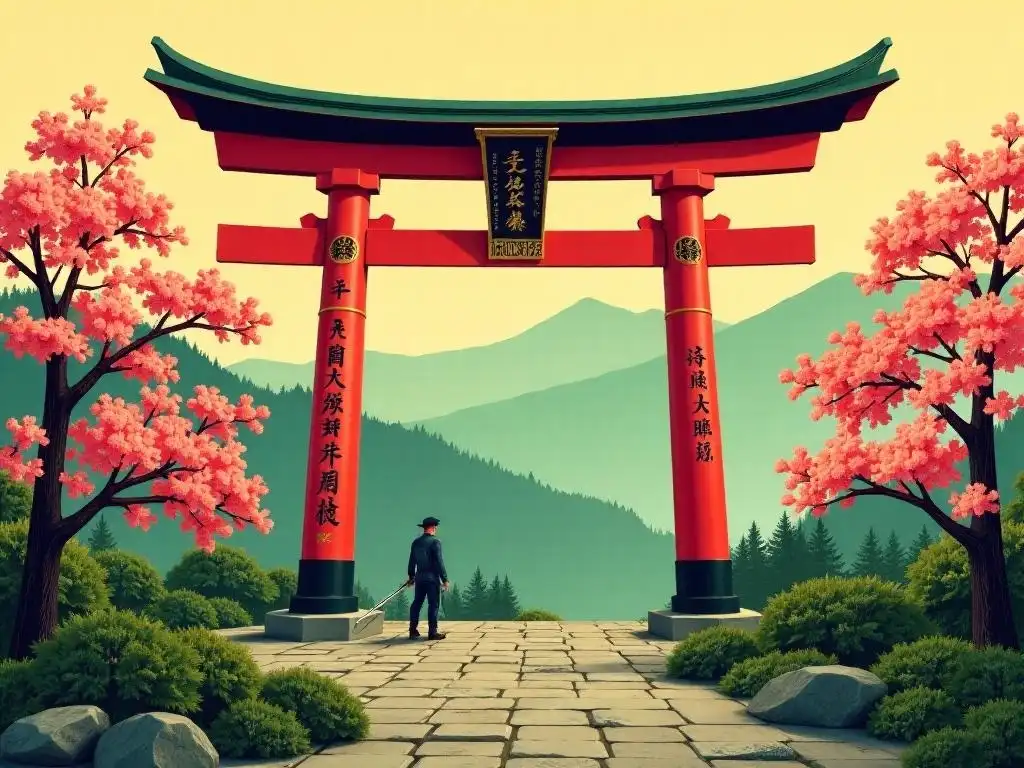
Welcome to Feudal Japan History, where we embark on an in-depth exploration of the rich tapestry that is Japan's feudal era. Here, you'll uncover the intricate Bushido rituals and beliefs that shaped the samurai's code, revealing a world steeped in honor, spirituality, and tradition. What sacred practices lay behind the warrior's ethos? As you delve into our featured article, "Rituals and Beliefs: The Sacred Practices Behind Bushido," prepare to be captivated by the profound philosophies that guided these noble fighters. Join us on this journey through time and discover the essence of a culture that continues to resonate today.
- Introduction to Bushido: Understanding Its Rituals and Beliefs
- Historical Context of Bushido
- Key Rituals in Bushido
- Beliefs Underpinning Bushido
- The Interconnection Between Rituals and Beliefs
- The Evolution of Bushido Rituals and Beliefs
- Conclusion: The Enduring Legacy of Bushido
- Frequently Asked Questions
- Final Reflection: The Enduring Legacy of Bushido Rituals and Beliefs
- Embrace the Spirit of Bushido Today!
Introduction to Bushido: Understanding Its Rituals and Beliefs
The concept of Bushido, often translated as "the way of the warrior," embodies the ethical code and philosophical underpinnings that guided the lives of samurai in feudal Japan. This intricate system of values was not merely a set of rules for conduct; it was a comprehensive framework influenced by various elements, including Shintoism, Buddhism, and Confucianism. Understanding Bushido requires delving into the rituals and beliefs that were integral to the samurai's life, shaping their identities and actions.
Through these sacred practices, samurai cultivated virtues such as loyalty, honor, and courage, which were paramount in maintaining their esteemed status within Japanese society. In this article, we will explore the profound significance of Bushido in Japanese culture, alongside an overview of the rituals and beliefs that undergirded this venerable code.
The Significance of Bushido in Japanese Culture
Bushido played a pivotal role in the cultural fabric of Japan, influencing not only the samurai class but also the broader societal norms. Rooted in the concept of honor, it provided a moral compass that dictated the samurai's behavior both on and off the battlefield. Key aspects of its significance include:
- Cultural Identity: Bushido fostered a sense of identity among samurai, linking their personal honor to the collective honor of their clan or lord.
- Social Hierarchy: It reinforced social structures, emphasizing loyalty to one's lord and the obligation to protect one's domain.
- Philosophical Influence: The teachings of Bushido incorporated elements of Zen Buddhism, promoting mindfulness and self-discipline, which were essential for a warrior's mental fortitude.
The rituals associated with Bushido, such as seppuku (ritual suicide) and various ceremonies honoring ancestors and the spirits, underscored the profound respect samurai had for life and death. By adhering to these practices, they sought to attain inner peace and demonstrate their unwavering commitment to their values.
Overview of Rituals and Beliefs in Feudal Japan
In the rich tapestry of feudal Japan, rituals and beliefs were not merely ceremonial; they were essential to the samurai's existence. These practices served several purposes, including:
- Spiritual Connection: Rituals often aimed to connect the samurai to the divine, invoking the favor of gods and ancestors.
- Discipline and Training: Daily practices such as meditation and martial arts training were rituals that honed both the body and mind, aligning with the Bushido ethos of self-improvement.
- Community and Solidarity: Participating in communal rituals fostered a sense of belonging and reinforced the bonds between samurai and their lords or peers.
Some notable rituals and beliefs include:
- Tea Ceremony: A meditative practice symbolizing harmony, respect, purity, and tranquility.
- Shrine Rituals: Regular offerings and prayers at Shinto shrines to seek guidance and protection.
- Ritual Combat: Engaging in martial arts as a way of life, reflecting the values of Bushido through disciplined practice.
By examining these aspects, we gain insight into how deeply embedded these rituals and beliefs were in the lives of the samurai and the cultural identity of feudal Japan. Ultimately, the sacred practices behind Bushido not only shaped the samurai's ethos but also left a lasting legacy on Japanese culture that continues to resonate today.
Historical Context of Bushido
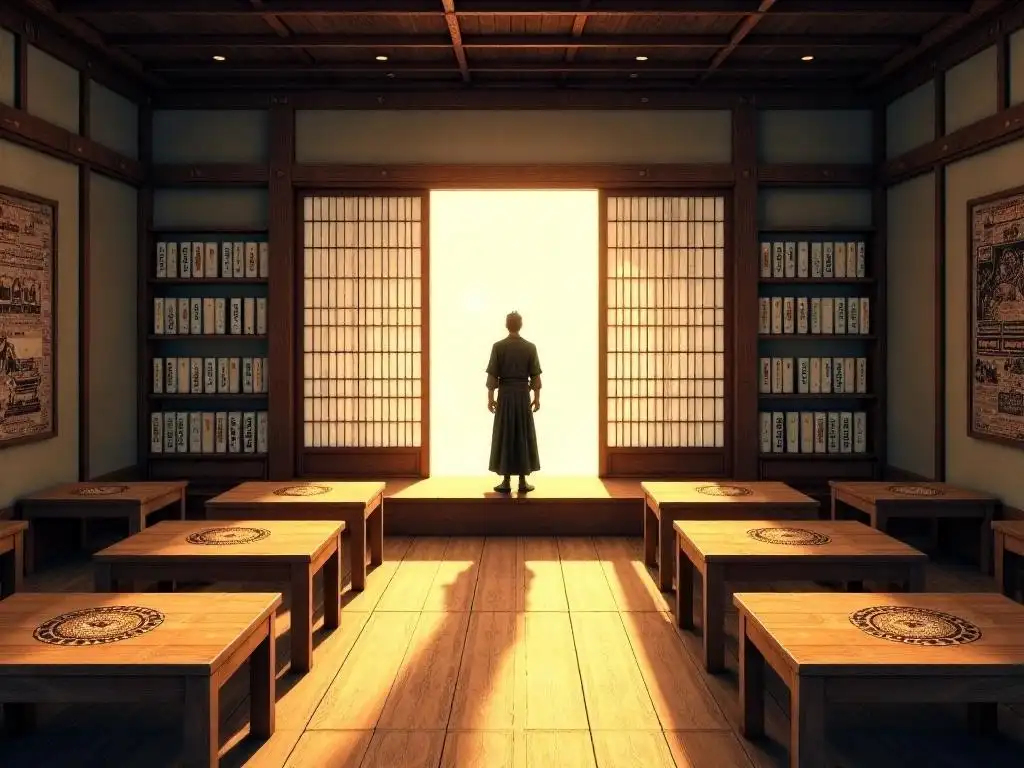
The Origins of Bushido: A Historical Perspective
Bushido, often translated as "the way of the warrior," is not merely a code of conduct but a complex set of rituals and beliefs deeply rooted in Japan's feudal history. Emerging during the late Heian period (794-1185), Bushido was shaped by a confluence of various philosophies, religions, and societal changes.
The roots of Bushido can be traced back to the samurai class, which arose as military nobility in response to the growing need for security and governance during a time of political fragmentation. The samurai were initially bound by loyalty to their lords, known as daimyōs, and this feudal loyalty laid the groundwork for the ethical and moral codes that would define Bushido.
As the samurai evolved, Buddhism and Confucianism began to influence their beliefs. Buddhism introduced concepts such as mindfulness and meditation, which emphasized the importance of inner peace, while Confucianism reinforced the values of loyalty, duty, and respect for hierarchy. These ideologies contributed to a more structured view of honor and morality within the samurai class.
The Role of Samurai in Feudal Japan
The samurai were not merely warriors; they were also custodians of a rich cultural heritage that intertwined martial prowess with profound philosophical beliefs. Their role extended beyond the battlefield, influencing various aspects of feudal society, including governance, arts, and spirituality.
- Cultural Guardians: Samurai were patrons of the arts, promoting practices such as tea ceremonies, calligraphy, and poetry. These cultural rituals were imbued with spiritual significance and were seen as vital expressions of Bushido. For example, the tea ceremony, or chanoyu, reflects the principles of harmony and respect, which are central to Bushido.
- Moral Exemplars: The samurai were expected to embody the virtues of honor and loyalty. They adhered to a strict code that dictated their behavior both on and off the battlefield. The importance of seppuku (ritual suicide) as a means of preserving honor illustrates the extremes to which they would go to uphold their values.
- Spiritual Seekers: Many samurai turned to Zen Buddhism as a source of spiritual guidance. The practice of Zen emphasized a disciplined mind and a strong sense of presence, which were essential qualities for a warrior. The rituals associated with Zen, such as meditation and mindfulness practices, became integral to the samurai's training, enhancing their focus and mental clarity in combat.
The samurai's role in feudal Japan was multifaceted, acting as both warriors and cultural influencers. The rituals and beliefs associated with Bushido were not only about martial skill but also about the pursuit of a noble life, reflecting the intricate relationship between duty, honor, and spirituality in the samurai ethos.
Key Rituals in Bushido
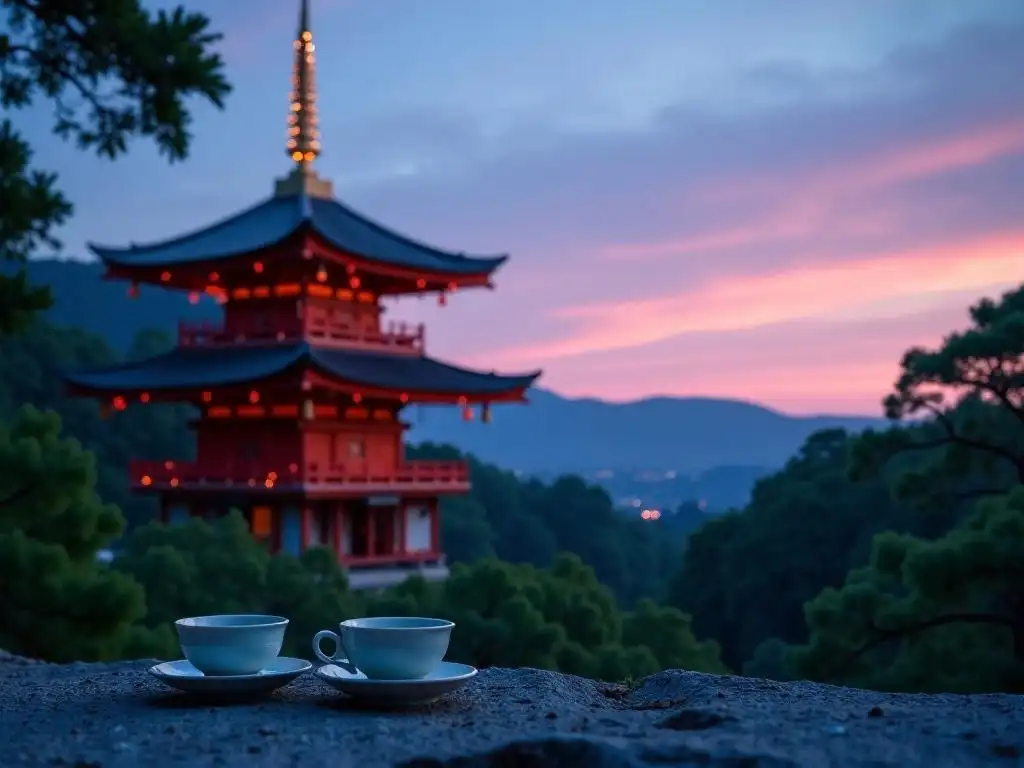
Bushido, the code of conduct for the samurai class in feudal Japan, is deeply intertwined with various rituals and beliefs that emphasize honor, loyalty, and spiritual discipline. These rituals not only guided the samurai in their daily lives but also shaped the cultural and ethical landscape of feudal Japan. Understanding these key rituals reveals the profound influence of Bushido on Japanese society and its enduring legacy.
Rituals of Honor and Loyalty in Bushido
At the heart of Bushido are rituals that reinforce the values of honor and loyalty. These rituals served as vital expressions of a samurai's commitment to their lord and community.
- Oath of Fealty: A significant ritual where a samurai pledged loyalty to their lord, often accompanied by a formal ceremony. This oath was not merely a verbal agreement but a sacred vow that emphasized the bond between the samurai and their daimyo (feudal lord).
- Gift Exchange: The act of exchanging gifts, particularly during special occasions, symbolized loyalty and respect. This practice fostered strong relationships between samurai and their lords, reinforcing the hierarchical structure of feudal Japan.
- Ceremonial Duels: Ritualized combat, such as the practice of kembu (a dance with swords), showcased a samurai's martial skills and honor. These duels were often conducted in front of an audience, emphasizing the importance of reputation and valor.
These rituals collectively underscored the samurai's dedication to their code, cultivating a culture where honor was paramount, and loyalty was a defining characteristic of their identity.
The Importance of Seppuku: A Ritual of Death
Seppuku, or ritual suicide, stands as one of the most profound and somber rituals within Bushido. This act was not merely a means to escape defeat or dishonor; it was a deeply rooted practice that reflected the samurai's values.
- Context of Seppuku: Often performed by a samurai who faced disgrace or failure, seppuku was seen as a way to restore honor not only for oneself but also for one's family and lord. This ritual involved a specific procedure, beginning with the samurai donning white garments, symbolizing purity.
- The Ritual Process: Typically, the samurai would use a short sword, known as a tanto, to perform the act. The ritual was often public, with witnesses present to honor the samurai's final moments. A second, known as a kaishakunin, would assist by beheading the samurai after the initial cut, ensuring a swift death.
- Cultural Significance: Seppuku transcended mere death; it became a powerful symbol of loyalty and courage. It was a way for the samurai to demonstrate their unwavering commitment to Bushido, elevating death to a noble act rather than a mere end to life.
Seppuku reflects the complexities of samurai culture, where the preservation of honor often demanded the ultimate sacrifice.
Daily Practices: Meditation and Reflection
Daily practices within the framework of Bushido included rituals of meditation and reflection, which played a crucial role in the mental and spiritual discipline of samurai.
- Zen Buddhism Influence: Zen practices, including meditation ( zazen), were integral to the samurai's daily routine. This form of meditation fostered a sense of calm and clarity, allowing samurai to hone their focus and mental resilience.
- Ritualistic Reflection: Samurai routinely engaged in reflective practices, contemplating their actions and intentions. This introspection reinforced the importance of ethical conduct and personal integrity within the Bushido framework.
- Ceremonial Tea: The tea ceremony ( chanoyu) was not just about drinking tea; it was a ritual steeped in mindfulness and appreciation of the present moment. This practice encouraged samurai to cultivate awareness and connection with their surroundings, embodying the principles of harmony and respect.
Through these daily rituals, samurai cultivated a disciplined mind, enabling them to navigate the complexities of their roles in society while adhering to the core values of Bushido.
The rituals and beliefs surrounding Bushido illustrate a rich tapestry of cultural significance that defined the samurai's existence in feudal Japan. By engaging in these sacred practices, samurai not only shaped their identities but also contributed to the broader societal values that continue to influence Japan today.
Beliefs Underpinning Bushido
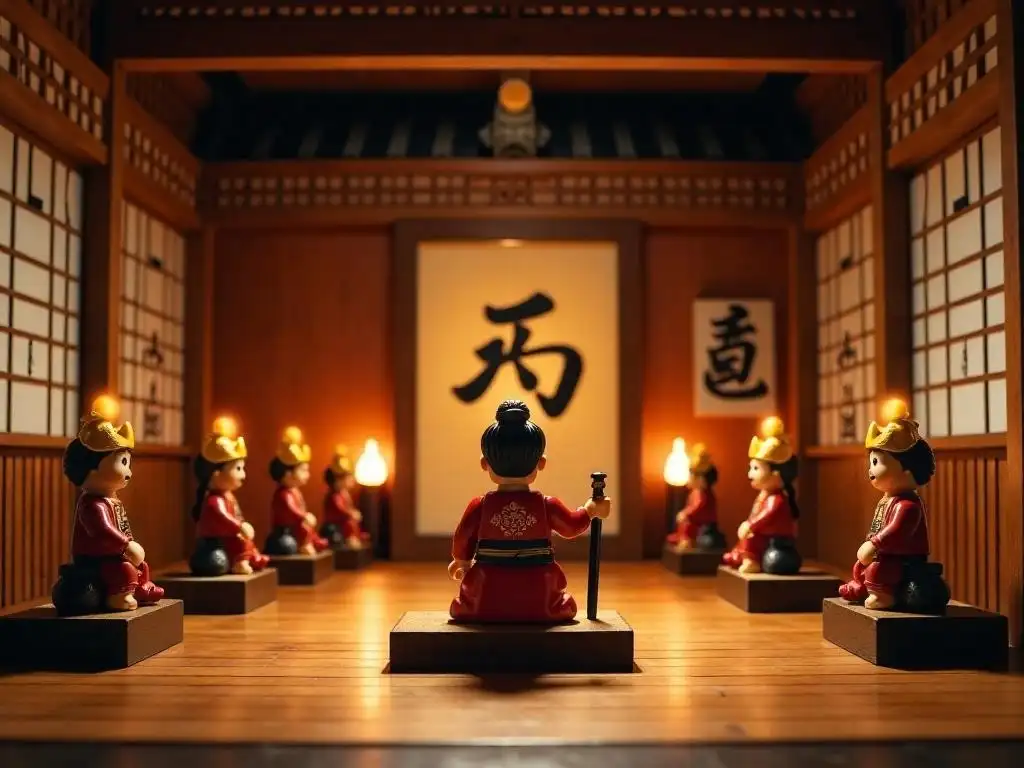
The concept of Bushido, often translated as "the way of the warrior," is intricately woven into the fabric of Japanese history and culture. At its core, Bushido represents a code of conduct that samurai adhered to, emphasizing virtues such as loyalty, honor, and courage. However, these principles did not emerge in isolation; they were significantly shaped by various religious and philosophical beliefs prevalent in feudal Japan. Understanding these influences is crucial to grasping the depth and complexity of Bushido rituals and beliefs.
The Influence of Shintoism on Bushido Beliefs
Shintoism, the indigenous religion of Japan, played a pivotal role in shaping the spiritual landscape of the samurai class. Central to Shinto beliefs is the veneration of kami, or spirits, which are believed to inhabit natural elements such as mountains, rivers, and trees. This connection to nature fostered a sense of respect for the environment, aligning with the samurai's duty to protect their land.
- Ritual Purity: Shinto rituals often emphasize the importance of purity and cleanliness. Samurai rituals, such as the purification rites before battle, reflect this belief. The act of cleansing body and spirit was seen as essential for approaching the kami with sincerity and respect.
- Sacred Loyalty: The concept of loyalty in Bushido can also be traced back to Shintoism. The samurai believed that their loyalty to their lord was akin to their loyalty to the kami, reinforcing the idea that serving one's lord was a sacred duty.
Ultimately, Shintoism instilled a profound sense of spirituality in the samurai, guiding their actions and reinforcing the ethical framework of Bushido.
Zen Buddhism's Role in Shaping Samurai Philosophy
Zen Buddhism emerged in Japan during the Kamakura period and profoundly influenced samurai philosophy. It introduced concepts that aligned closely with the samurai's ethos, particularly the notion of mindfulness and the acceptance of impermanence.
- Meditative Practices: Zen emphasized meditation (zazen) as a means to achieve clarity and focus. For samurai, this practice was instrumental in honing their mental discipline, allowing them to remain calm and composed in the face of danger. The ability to control one's mind was seen as equally important as physical prowess in battle.
- Acceptance of Death: One of the most significant contributions of Zen to Bushido was the acceptance of death. Samurai were taught to embrace mortality, understanding that life is fleeting. This belief encouraged them to act with honor and decisiveness, knowing that their actions could lead to their end at any moment.
The integration of Zen principles into Bushido rituals and beliefs fostered a unique warrior philosophy that valued inner strength and spiritual awareness alongside martial skill.
Confucian Principles in Bushido Ethics
The influence of Confucianism on Bushido is particularly evident in its ethical framework, emphasizing social harmony, filial piety, and moral integrity. Confucian ideals provided a structured approach to relationships and responsibilities within the samurai class.
- Hierarchical Relationships: Confucianism underscored the importance of hierarchy and respect for authority. In Bushido, this translated into a strict code of loyalty and duty to one's lord, reinforcing the samurai's role as a protector of their clan and community.
- Moral Conduct: The virtues of righteousness (gi) and benevolence (jin) are central to both Confucianism and Bushido. Samurai were expected to act justly, demonstrating compassion and fairness, particularly towards those weaker than themselves. This moral compass guided their interactions and decisions, both on and off the battlefield.
The melding of Confucian principles with Bushido created a comprehensive ethical system that governed the samurai way of life, highlighting the importance of duty, integrity, and moral rectitude in their sacred practices.
The Interconnection Between Rituals and Beliefs
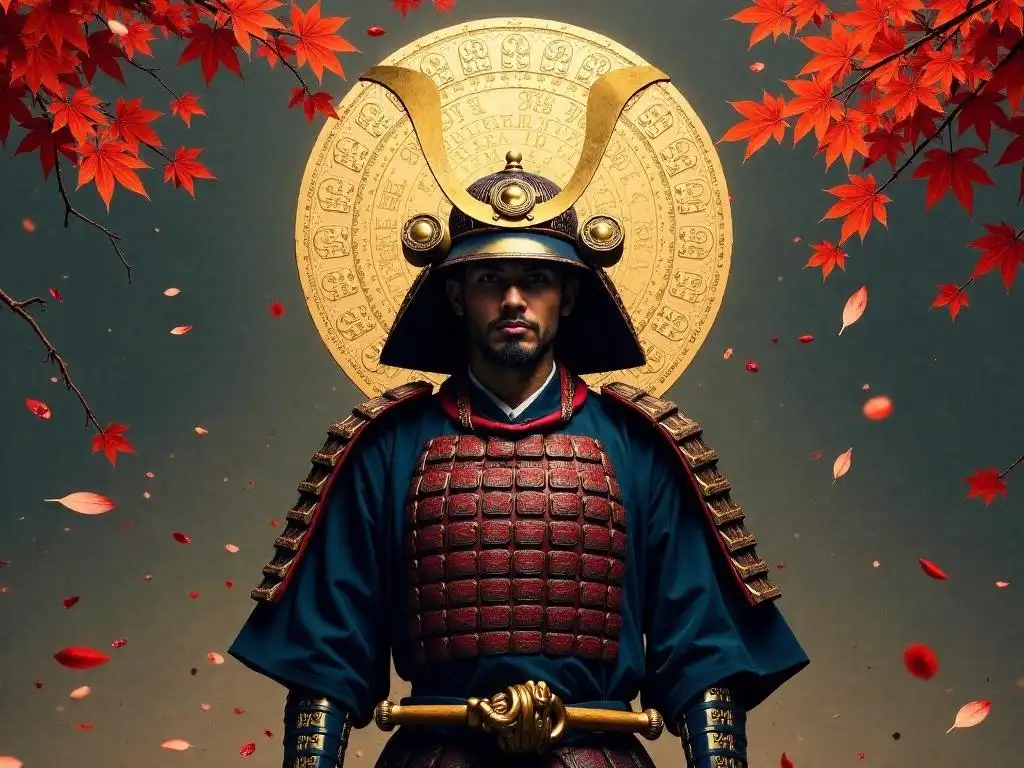
In feudal Japan, the concept of Bushido—the way of the warrior—was not merely a code of conduct for samurai but a comprehensive framework interwoven with rituals and beliefs that shaped their moral compass and societal roles. The intricate relationship between these rituals and beliefs is fundamental, as they reinforced the principles of Bushido while providing a spiritual foundation for the samurai's way of life.
Rituals served as a tangible expression of the underlying beliefs that samurai adhered to, allowing them to cultivate a sense of discipline, honor, and loyalty. Within this context, rituals were not mere ceremonial acts; they were vital practices that embodied the philosophical tenets of Bushido, such as courage, benevolence, and respect.
The samurai engaged in various rituals, from daily practices to significant life events, each designed to reinforce their identity and commitment to Bushido. By participating in these rituals, samurai were reminded of their duties and responsibilities, as well as the sacred values that governed their behavior. Thus, the interplay between rituals and beliefs created a cohesive framework that guided samurai conduct and decisions throughout their lives.
How Rituals Reinforce Bushido Beliefs
Rituals played a critical role in instilling and reinforcing the core beliefs of Bushido among samurai. These practices ranged from daily routines to elaborate ceremonies, each aimed at cultivating virtues that were essential to the samurai ethos.
- Daily Rituals:
- Morning meditations and physical training sessions served to align the samurai's mind and body with the principles of Bushido.
- Ritualized sword practice, known as kata, not only honed combat skills but also instilled a sense of discipline and focus.
- Ceremonial Practices:
- The tea ceremony ( chanoyu) was a significant ritual that emphasized harmony, respect, and tranquility, reflecting the samurai's commitment to inner peace and mindfulness.
- Rituals associated with the honoring of ancestors, such as Obon, reinforced the samurai's loyalty to their family lineage and tradition.
- Sacred Offerings:
- Many samurai engaged in offerings at shrines, seeking blessings and guidance from the kami (spirits). These acts of devotion were pivotal in cultivating a sense of humility and reverence.
Through these rituals, samurai were able to internalize the values of Bushido, ensuring that their actions were aligned with their beliefs. As they performed these rituals, they not only honored their ancestors and the divine but also solidified their commitment to the samurai code.
The Impact of Spiritual Practices on Samurai Behavior
Spiritual practices deeply influenced the behavior and mindset of samurai during the feudal era. The integration of Buddhism, Shintoism, and Confucianism into the samurai’s spiritual life shaped their perceptions of honor, duty, and the afterlife, which were essential elements of Bushido.
- Buddhism:
- The Buddhist emphasis on mindfulness and the transient nature of life encouraged samurai to approach their duties with a sense of detachment and acceptance of mortality. This perspective fostered fearlessness in battle, as samurai learned to embrace death as part of their noble path.
- Shintoism:
- Shinto beliefs instilled a profound sense of connection to nature and the divine. Rituals such as purification rites allowed samurai to cleanse their spirits and prepare mentally for challenges, reinforcing their commitment to purity and righteousness.
- Confucianism:
- The Confucian focus on hierarchy and ethical relationships shaped the samurai's understanding of loyalty and duty towards their lord, family, and peers. This structure reinforced the concept of giri (duty), which was integral to Bushido.
The amalgamation of these spiritual practices created a robust framework that influenced samurai behavior. The rituals and beliefs associated with these religions provided samurai with a moral compass, guiding their actions and decisions in both personal and martial contexts. Ultimately, the spiritual dimension of Bushido rituals and beliefs not only defined the samurai's identity but also solidified their role as guardians of peace and order in feudal Japan.
The Evolution of Bushido Rituals and Beliefs
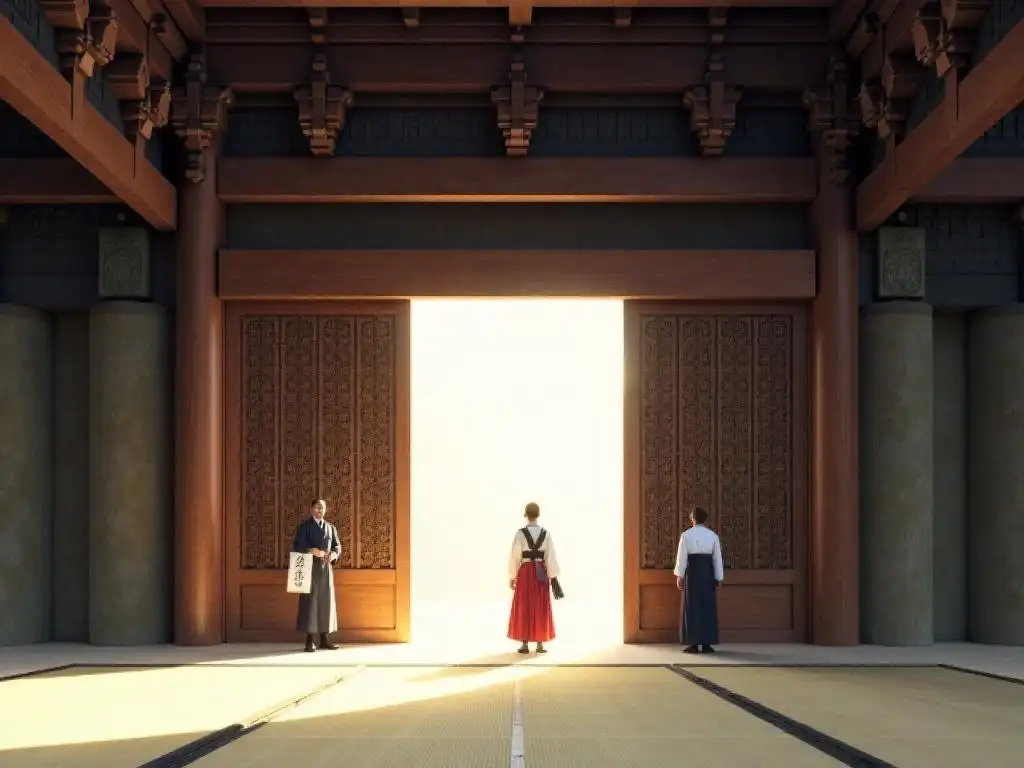
Bushido, often referred to as the "Way of the Warrior," encompasses a complex set of rituals and beliefs that were pivotal to the samurai ethos in feudal Japan. The evolution of these rituals reveals a deep connection between the samurai's martial duties and the spiritual dimensions of their lives, influenced by various philosophical and religious traditions over centuries.
Historically, Bushido rituals began to take shape during the Kamakura period (1185-1333) when the samurai class started to solidify its identity. Early rituals were heavily influenced by Shintoism, which emphasized the veneration of kami (spirits) and the natural world, as well as Zen Buddhism, which introduced concepts of meditation and mindfulness. These beliefs provided the samurai with a moral framework and a sense of purpose that transcended mere survival in battle.
As the centuries progressed, particularly during the Edo period (1603-1868), the rituals surrounding Bushido underwent significant transformations. With the establishment of relative peace under the Tokugawa shogunate, the focus shifted from martial prowess to the cultivation of personal virtue and ethical conduct. This led to the integration of Confucian ideals, which stressed loyalty, filial piety, and moral integrity, into the samurai’s code of conduct. The rituals became more introspective, emphasizing self-discipline and the pursuit of knowledge alongside martial skills.
Changes in Rituals Throughout the Edo Period
During the Edo period, the samurai's role evolved from that of a warrior to a bureaucratic class, and this shift significantly impacted Bushido rituals. The emphasis on combat diminished, and rituals became more ceremonial, reflecting the samurai's new status in society.
- Ceremonial Practices:
- Tea Ceremonies (Chadō): The art of tea drinking became a symbol of refinement and discipline, embodying the samurai's pursuit of tranquility and aesthetics.
- Calligraphy and Poetry: Engaging in these arts allowed samurai to cultivate a sense of beauty and express their inner thoughts, reinforcing the belief that true warriors were also cultured individuals.
- Rituals of Mourning and Honor:
- Seppuku (Ritual Suicide): This ritual, performed by a samurai facing disgrace, became a profound expression of loyalty and honor. The prescribed way of death symbolized a commitment to one's principles and an unwavering adherence to Bushido.
- Matsuri (Festivals): These community celebrations often involved samurai participation, reinforcing their role as protectors of society and linking them to the spiritual heritage of their ancestors.
- Education and Training:
- Dojo Practices: Training in martial arts became a ritualistic endeavor, emphasizing mental discipline alongside physical prowess. The dojo became a sacred space where samurai not only honed their skills but also engaged in philosophical discussions about life and death.
The transformation of Bushido rituals during the Edo period reflects broader societal changes and the samurai's adaptation to a peaceful yet structured environment.
Modern Interpretations of Bushido Rituals and Beliefs
In contemporary Japan and beyond, Bushido rituals and beliefs have been reinterpreted and romanticized. Modern interpretations often emphasize the ethical and philosophical dimensions of Bushido, separating them from their martial origins while still valuing their historical significance.
- Cultural Revivals:
- Various organizations and practitioners actively promote the study of Bushido as a means to instill values like discipline, respect, and honor in modern society. These revivals often incorporate traditional practices, such as iaido (the art of drawing the sword) and kendo (fencing), linking contemporary martial arts with historical beliefs.
- Philosophical Influence:
- Many modern thinkers draw on Bushido principles in discussions about leadership, ethics, and personal development. Concepts such as loyalty, courage, and self-control are highlighted as relevant in today’s corporate and personal arenas.
- Global Appreciation:
- The global phenomenon of martial arts has also contributed to the spread of Bushido beliefs. Practitioners outside Japan often adopt and adapt these principles, viewing them as a holistic approach to life that transcends cultural boundaries.
The evolution of Bushido rituals and beliefs reflects the dynamic interplay between historical contexts and cultural transformations. From the martial foundations of the samurai to contemporary interpretations, the essence of Bushido continues to inspire and resonate in various aspects of modern life. As we explore these sacred practices, we gain a deeper appreciation for the enduring legacy of Bushido in shaping not only the samurai but also the values that persist in society today.
Conclusion: The Enduring Legacy of Bushido
The legacy of Bushido, the way of the warrior, is intricately woven into the fabric of Japanese culture and ethos. This code of conduct, deeply rooted in various rituals and beliefs, has shaped not only the samurai class but also the broader societal values that persist in contemporary Japan. The principles of loyalty, honor, and self-discipline—core tenets of Bushido—continue to influence modern Japanese life, from business ethics to martial arts.
The rituals associated with Bushido, such as seppuku (ritual suicide for restoring honor), demonstrate the profound connection between life, death, and honor in the samurai’s worldview. These practices were not merely acts of desperation; they were deeply symbolic, reflecting a commitment to one’s lord and the samurai code. Additionally, rituals like the tea ceremony embody the samurai's appreciation of aesthetics and mindfulness, reinforcing the belief that every action carries significance.
In today’s world, the legacy of Bushido can be observed in various forms, including literature, film, and even corporate culture, where respect and loyalty are still held in high esteem. The Bushido rituals and beliefs serve as a reminder of the importance of integrity and moral fortitude, transcending time and evolving with society.
The Relevance of Bushido Rituals and Beliefs Today
Bushido rituals and beliefs remain relevant in modern society, serving as guiding principles for personal conduct and professional relationships. For instance, the emphasis on honor and loyalty can be seen in various aspects of Japanese business culture, where maintaining face and upholding commitments are paramount.
- Business Ethics:
- Loyalty: Employees often exhibit deep loyalty to their companies, mirroring samurai loyalty to their lords.
- Honor: Honesty in dealings is regarded as a reflection of one's character, paralleling the samurai's commitment to truth.
- Martial Arts:
- Traditional martial arts schools emphasize discipline, respect, and humility, echoing the teachings of Bushido.
- The rituals performed before and after training sessions, such as bowing, reflect the respect for the art and its practitioners.
- Cultural Practices:
- Festivals and memorial ceremonies honoring samurai ancestors highlight the continued reverence for the Bushido code.
- Literary and cinematic portrayals of samurai ideals continue to inspire and influence contemporary narratives about heroism and moral dilemmas.
Overall, the essence of Bushido persists, encouraging individuals to lead lives characterized by integrity, respect, and purpose.
Final Thoughts on the Sacred Practices of Bushido
The sacred practices surrounding Bushido are not merely historical artifacts; they are living traditions that offer insights into the values and beliefs that shaped a nation. Understanding these practices enriches our comprehension of Japanese history and culture, revealing how ancient rituals resonate with contemporary society.
The rituals and beliefs integral to Bushido foster a sense of identity and continuity, linking past to present. As Japan continues to navigate the complexities of modernity, the principles of Bushido remind us of the enduring human quest for meaning, honor, and connection.
As we explore the Bushido rituals and beliefs, we uncover a profound legacy that continues to inspire and guide individuals in their personal and professional lives, demonstrating that the spirit of the samurai lives on in the hearts of many.
Frequently Asked Questions
What is Bushido?
Bushido is the code of conduct followed by the samurai in feudal Japan, emphasizing virtues such as honor, loyalty, and courage.
What are some key rituals associated with Bushido?
Key rituals include seppuku (ritual suicide), tea ceremonies, and meditation, which reinforced the samurai's commitment to their values.
How did Bushido influence Japanese culture?
Bushido shaped not only the military ethos of Japan but also influenced arts, literature, and social behavior, embedding samurai values into the broader culture.
What role do beliefs play in Bushido?
The beliefs in Bushido encompass respect for nature, the importance of self-discipline, and a deep sense of responsibility, guiding samurai in their daily lives and decisions.
How can one learn more about Bushido rituals and beliefs?
To dive deeper into Bushido rituals and beliefs, check comprehensive resources like the Feudal Japan History website, which offers expert-driven articles and detailed explorations of this fascinating topic.
Final Reflection: The Enduring Legacy of Bushido Rituals and Beliefs
In a world increasingly driven by technology and rapid change, the principles of Bushido remind us of the importance of honor, discipline, and respect. The rituals and beliefs that underpin this ancient code are not merely relics of the past; they resonate deeply with contemporary values and ethics. As we navigate our complex lives today, the essence of Bushido serves as a guiding light, urging us to reflect on our own principles and the impact of our actions in a society that often prioritizes expediency over integrity.
The cultural and social landscape continues to be shaped by the teachings of Bushido, influencing everything from modern martial arts to leadership philosophies. The reverence for commitment and loyalty found in these rituals fosters a sense of community and purpose that is increasingly vital in our fragmented world. As the philosopher Yamamoto Tsunetomo once said, The way of the warrior is to be found in death.
This profound understanding of mortality encourages us to live with intention and to embrace the values that define our character, ultimately enriching our lives and those of others around us.
As you reflect on the teachings of Bushido, consider how these timeless rituals and beliefs can inspire you in your daily life. Challenge yourself to embody the principles of honor, courage, and respect in your interactions and decisions. By doing so, you not only pay homage to the legacy of the samurai but also contribute to a more compassionate and principled world. Let the spirit of Bushido guide you as you forge your own path, reminding you that every action carries the weight of your beliefs and the potential to create meaningful change.
Embrace the Spirit of Bushido Today!
Thank you for exploring the profound world of Bushido and its rituals with us! Your journey into these sacred practices not only enlightens you but also deepens your appreciation for the culture of feudal Japan. Now, let's take the next steps to immerse yourself even further in this inspiring legacy.
- Dive Deeper: Consider reading a book that delves into the history and significance of Bushido to understand how it has shaped modern values and ethical principles.
- Join the Discussion: Engage with fellow enthusiasts in our community forum, where you can share insights and explore more about Japanese traditions and history together.
- Practice a Ritual: Incorporate a Bushido-inspired practice into your daily routine, such as mindfulness or integrity, and observe how these principles can transform your perspective.
What aspect of Bushido resonates with you the most, and how do you envision applying its principles in your life?