
How Buddhism Influenced the Samurai's Approach to Life and Death


Welcome to Feudal Japan History, where we delve deep into the intricate tapestry of Japan's feudal era. Here, history breathes life into the past, revealing the profound interplay between Buddhism and Samurai Life Philosophy. Are you curious about how these spiritual teachings shaped the mighty samurai's view on life and death? Join us as we unravel the compelling connections between faith and the warrior code, offering insights that will inspire and provoke thought. The journey into the heart of feudal Japan begins now—don’t miss the chance to uncover the rich narratives that define this fascinating period!
- Introduction to Buddhism and Samurai Life Philosophy
- Historical Context of Buddhism in Japan
- Core Principles of Buddhism Influencing Samurai Life
- The Samurai Code: Bushido and Buddhism
- The Impact of Zen Buddhism on Samurai Practices
- Life and Death: A Buddhist Perspective for Samurai
- Conclusion: The Enduring Legacy of Buddhism in Samurai Philosophy
- Further Reading and Exploration
-
Frequently Asked Questions
- What is the main focus of the article "How Buddhism Influenced the Samurai's Approach to Life and Death"?
- How did Buddhism affect Samurai ethics?
- What role did Zen Buddhism play in Samurai culture?
- Were there any conflicts between Samurai values and Buddhist teachings?
- How can we see the influence of Buddhism in modern Japanese culture?
- Final Reflection: The Enduring Legacy of Buddhism in Samurai Life Philosophy
- Embrace the Wisdom of the Samurai Today!
Introduction to Buddhism and Samurai Life Philosophy
The intricate relationship between Buddhism and the samurai's approach to life and death is a fascinating subject that delves deep into the philosophical underpinnings of one of Japan's most iconic warrior classes. Understanding how Buddhism influenced samurai life philosophy requires examining the historical context of feudal Japan, a period characterized by a strict social hierarchy, martial prowess, and a unique blend of spiritual beliefs.
The samurai, known for their unwavering loyalty and martial skills, were not only warriors but also custodians of a profound ethical code known as Bushido, which was significantly shaped by Buddhist teachings. This article aims to explore the profound impact of Buddhism on the samurai's worldview, reflecting on how these teachings influenced their understanding of honor, death, and the pursuit of enlightenment.
Overview of Buddhism's Role in Japanese Culture
Buddhism was introduced to Japan from Korea in the mid-6th century and gradually permeated various aspects of Japanese culture and society. With its emphasis on meditation, enlightenment, and compassion, Buddhism provided a spiritual framework that resonated with the samurai's quest for meaning and purpose.
- Key Concepts of Buddhism:
- Impermanence (Anicca): This concept emphasizes the transient nature of life, encouraging samurai to accept change and the inevitability of death.
- Suffering (Dukkha): Understanding suffering as a fundamental aspect of existence led samurai to cultivate resilience and acceptance.
- Non-attachment (Aparigraha): By practicing non-attachment, samurai learned to detach from material possessions and worldly desires, focusing instead on their duties and responsibilities.
The integration of these principles into samurai culture fostered a unique approach to life and death, where the acceptance of mortality became a source of strength rather than fear.
Significance of Samurai in Feudal Japan
The samurai were more than just warriors; they were the embodiment of Japan's feudal system and cultural identity. Emerging during the Heian period and flourishing in the Kamakura and Muromachi periods, samurai played a pivotal role in shaping Japan's political landscape and social order.
- Roles and Responsibilities:
- Warriors: Tasked with the protection of their lords and land, samurai were skilled in various martial arts and strategies.
- Governors: Many samurai held administrative positions, managing local affairs and collecting taxes.
- Cultural Patrons: They were also patrons of the arts and philosophy, helping to foster the development of Japanese culture, including tea ceremonies, poetry, and Noh theater.
The samurai's adherence to Bushido, often influenced by Buddhist teachings, underscored the importance of loyalty, honor, and ethical behavior, shaping not only their own lives but also the societal norms of feudal Japan. Understanding the significance of the samurai in this historical context provides essential insights into the profound connections between Buddhism and samurai life philosophy.
Historical Context of Buddhism in Japan

Introduction of Buddhism to Japan
Buddhism first arrived in Japan during the mid-6th century, approximately around 552 AD, through the Korean kingdom of Baekje. The initial introduction was not merely a religious event but a cultural exchange that brought with it numerous influences, including art, philosophy, and governance. The Japanese imperial court, particularly under Emperor Kimmei, played a pivotal role in the acceptance of Buddhism. Historical records indicate that the emperor received a statue of the Buddha and various religious texts, marking the beginning of a profound transformation in Japanese spiritual life.
As Buddhism began to establish its presence, it faced resistance from the indigenous Shinto beliefs, which were deeply rooted in Japanese culture. This clash of ideologies led to a complex relationship where Buddhism was often viewed with skepticism. However, as it spread, it attracted the interest of various social classes, including the samurai, who would later incorporate Buddhist principles into their life and code of conduct.
Development of Buddhist Schools and Sects
The evolution of Buddhism in Japan led to the emergence of several schools and sects, each contributing uniquely to the samurai's life philosophy. Notable among these were:
- Tendai: Founded by Saichō in the late 8th century, Tendai Buddhism emphasized the importance of enlightenment through meditation and the study of scriptures. Its doctrines encouraged samurai to pursue a deeper understanding of life and death, aligning with their experiences in battle.
- Shingon: Established by Kōbō Daishi (Kukai), Shingon Buddhism introduced esoteric practices and rituals aimed at achieving enlightenment. The samurai were drawn to its emphasis on personal experience and the mystical aspects of life and death.
- Zen: Perhaps the most influential school concerning the samurai ethos, Zen Buddhism, emphasized meditation (zazen) as a means to achieve a direct experience of reality. Zen teachings on impermanence and detachment resonated deeply with the samurai's approach to life and death, fostering a mindset that valued discipline, focus, and the acceptance of mortality.
These schools not only provided spiritual guidance but also became integral in shaping the samurai's approach to their duties, encouraging a philosophy of resilience, honor, and a deep understanding of the transient nature of existence.
Buddhism's Integration with Shintoism
The relationship between Buddhism and Shintoism in Japan exemplifies a unique syncretism that significantly influenced samurai life philosophy. As Buddhism took root, it began to assimilate aspects of Shinto beliefs, leading to a harmonious coexistence that enriched both religions. Key features of this integration include:
- Kami and Buddha: Shinto deities (kami) were often revered alongside Buddhist figures, creating a dual worship system where samurai could seek guidance from both traditions. This blending allowed for a broader understanding of the spiritual world.
- Ritual Practices: Many Buddhist rituals adopted Shinto elements, leading to unique ceremonies that appealed to samurai. This fusion provided a sense of continuity and cultural identity amidst the changing landscape of Japanese spirituality.
- Philosophical Overlap: The concepts of purity and nature in Shintoism complemented Buddhist teachings on impermanence and enlightenment. The samurai, who often found themselves in the midst of conflict and death, embraced these philosophies as a way to navigate their own existence and responsibilities.
This integration not only shaped the samurai's worldview but also influenced their ethical conduct and approach to life and death, ultimately contributing to the complex tapestry of Bushido, the way of the warrior.
Core Principles of Buddhism Influencing Samurai Life
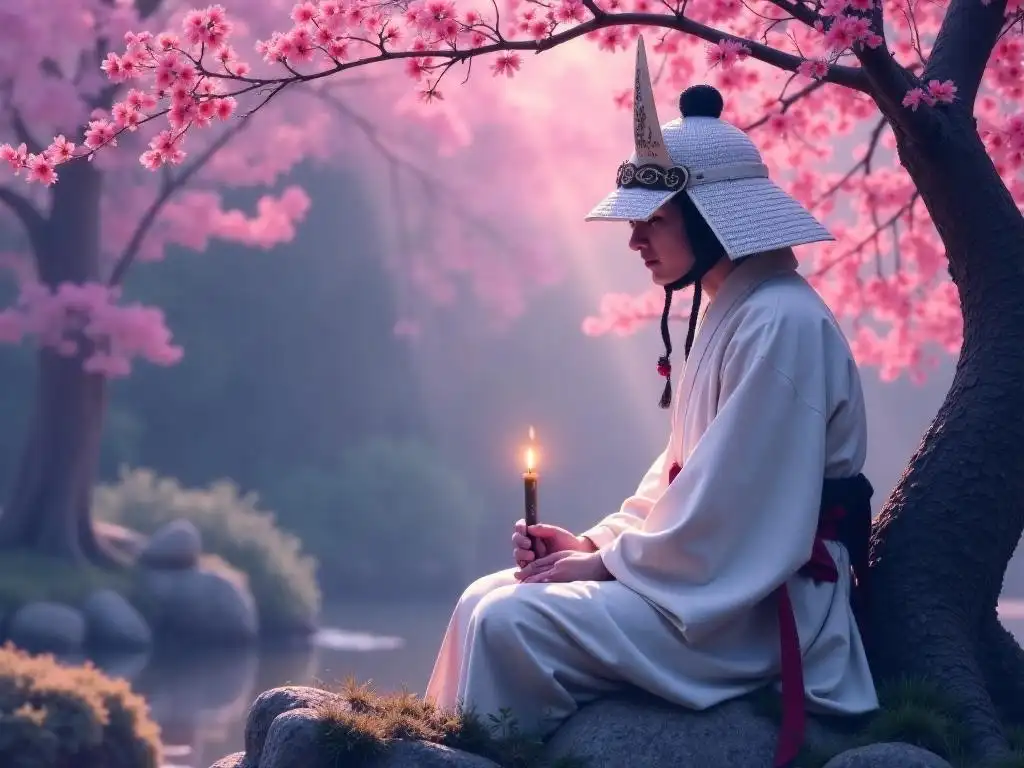
The Concept of Impermanence (Anicca)
One of the central tenets of Buddhism is the concept of impermanence, or anicca. This principle asserts that all things are transient and subject to change, which significantly influenced the samurai's approach to life and death. The awareness of impermanence encourages individuals to appreciate the present moment and to understand that life is fleeting. For the samurai, this understanding shaped their attitudes toward honor, duty, and the acceptance of death.
Key Aspects of Impermanence in Samurai Philosophy:
- Acceptance of Mortality: Samurai were trained to accept death as an inevitable part of life, leading to a more courageous and focused mindset in battle.
- Living in the Moment: The recognition of impermanence cultivated a deep appreciation for each moment, prompting samurai to act with intention and purpose.
- Buddhist Rituals: Many samurai engaged in Buddhist practices, such as attending memorial services and participating in funerary rites, to honor the transient nature of life.
This philosophical outlook not only shaped their combat strategies but also influenced their conduct in personal relationships and societal duties.
The Importance of Mindfulness and Meditation
Mindfulness and meditation are essential practices within Buddhism that played a crucial role in developing the samurai's mental discipline and emotional resilience. By practicing mindfulness, samurai learned to remain present and fully engaged in their actions, whether on the battlefield or in daily life.
Benefits of Mindfulness for the Samurai:
- Enhanced Focus: Mindfulness practices helped samurai sharpen their concentration, enabling them to make quick, effective decisions during combat.
- Emotional Control: The discipline gained through meditation allowed samurai to manage fear, anger, and anxiety, fostering a sense of calm during chaotic situations.
- Spiritual Development: Regular meditation encouraged introspection and spiritual growth, aligning samurai with the deeper philosophical teachings of Buddhism.
As a result, mindfulness became an integral component of the samurai life philosophy, emphasizing the importance of clarity and purpose in all endeavors.
The Path to Enlightenment and its Relevance to Samurai
The Buddhist path to enlightenment, known as Nirvana, offers profound insights into the nature of existence and suffering. For samurai, the pursuit of enlightenment was not merely a spiritual aspiration but also a guiding principle in their code of conduct and approach to life.
Key Elements of the Path to Enlightenment:
- Right Action: The samurai's commitment to ethical behavior and righteousness was influenced by the Buddhist precept of right action, which emphasizes morality and justice.
- Detachment from Desire: Samurai were taught to detach from personal desires and ego, fostering a sense of humility and service to their lord and country.
- Compassion and Non-violence: While samurai were warriors, the teachings of Buddhism encouraged them to cultivate compassion, often leading to a complex relationship with their roles as both protectors and killers.
The path to enlightenment deeply informed the samurai's life philosophy, intertwining their martial duties with a broader spiritual context that emphasized ethical living, compassion, and the pursuit of a higher purpose.
The Samurai Code: Bushido and Buddhism
Buddhism played a pivotal role in shaping the ethos of the samurai, intertwining with the principles of Bushido—the "Way of the Warrior." This code not only dictated the samurai's conduct in battle but also informed their approach to life, death, and the moral dilemmas they faced. The philosophical underpinnings of Buddhism offered a framework through which samurai could navigate the complexities of existence, emphasizing mindfulness, ethical conduct, and a deep understanding of impermanence.
Definition of Bushido: The Way of the Warrior
Bushido is a codified set of ethical principles that guided the samurai class in feudal Japan. Literally translated as "the way of the warrior," Bushido encompasses a spectrum of values including loyalty, honor, courage, and self-discipline. This code emerged during the Kamakura period (1185–1333) and evolved through the centuries, with Buddhism significantly influencing its development.
The key tenets of Bushido can be summarized as follows:
- Loyalty: Absolute fidelity to one's lord.
- Honor: Maintaining personal and family reputation.
- Courage: Facing challenges without fear.
- Self-Discipline: Mastery over oneself and one's emotions.
- Integrity: Adhering to moral principles.
Buddhism's focus on impermanence and the nature of suffering resonated deeply with samurai, informing their understanding of life and death and instilling a sense of purpose in their martial endeavors.
How Buddhist Values Shaped Bushido Principles
Buddhism introduced several core values that significantly influenced the principles of Bushido. These values not only shaped samurai behavior but also provided a philosophical context for their actions. The integration of Buddhist teachings into Bushido can be observed through various aspects:
Courage and Honor in the Face of Death
Buddhism teaches the acceptance of death as a natural part of life, which instilled courage in the samurai. This acceptance allowed samurai to confront mortality without fear, fostering a mindset that valorized bravery in battle. A samurai trained in Buddhist philosophy perceived death not as an end but as a continuation of the cycle of existence.
- Mindfulness of Mortality: The concept of "memento mori" (remember that you will die) encouraged samurai to live fully and honorably, knowing that their time was limited.
- The Art of Dying Well: Samurai believed that facing death with dignity and honor was paramount. This belief was reflected in rituals such as seppuku, a form of ritual suicide that allowed a samurai to die with honor rather than face disgrace.
Compassion and Benevolence in Warfare
Buddhism's emphasis on compassion profoundly impacted the samurai's approach to warfare. While samurai were warriors by nature, the Buddhist philosophy urged them to exercise restraint and compassion towards their enemies.
- Non-Harm Principle: The Buddhist ideal of ahimsa (non-violence) led some samurai to adopt a more humanitarian approach in battle, prioritizing the welfare of innocents.
- Benevolent Leadership: Many samurai were guided by the belief that a true warrior should protect the weak and uphold justice, reflecting the Buddhist virtue of karuna (compassion). This perspective often influenced their decisions in conflicts, leading to more measured and ethical conduct in warfare.
The interplay between Buddhism and the samurai's life philosophy is a rich tapestry that highlights the profound impact of spiritual beliefs on martial ethics. The principles of Bushido, deeply rooted in Buddhist values, guided samurai in their quest for honor, courage, and compassion, ultimately shaping the cultural legacy of feudal Japan.
The Impact of Zen Buddhism on Samurai Practices

Zen Buddhism played a pivotal role in shaping the philosophies and practices of the samurai during Japan's feudal era. As a branch of Mahayana Buddhism, Zen emphasizes direct experience and meditation, which resonated deeply with the samurai's values of discipline, focus, and mastery. The integration of Zen principles into the samurai's approach to life and death fostered a unique warrior ethos that prioritized mental clarity, emotional resilience, and a profound understanding of impermanence.
Zen Meditation and Its Role in Samurai Training
Zen meditation, or zazen, became an essential part of samurai training, offering a pathway to cultivate mental discipline and emotional stability. Samurai warriors engaged in meditation practices to hone their focus and enhance their combat skills. This mental fortitude was crucial during battles, where the ability to remain calm and composed could mean the difference between victory and defeat.
- Discipline and Focus: The rigorous practice of zazen instilled a strong sense of discipline in the samurai. Through prolonged periods of sitting meditation, they learned to control their thoughts and emotions, allowing them to act decisively in the heat of battle.
- Mindfulness in Action: Zen meditation encouraged the samurai to live in the present moment, a tenet that translated into their martial arts. This mindfulness was crucial in honing their reflexes and instincts, enabling them to react swiftly and accurately during combat.
- Acceptance of Impermanence: A core teaching of Zen is the acceptance of impermanence and the transient nature of life. This understanding helped the samurai embrace the inevitability of death, allowing them to fight with a sense of purpose and clarity, unburdened by fear.
The Influence of Zen Aesthetics on Samurai Culture
The aesthetic principles of Zen Buddhism significantly influenced the cultural practices and artistic expressions of the samurai. This influence can be observed in various facets of samurai life, including architecture, garden design, and the traditional arts.
- Simplicity and Minimalism: Zen aesthetics emphasize simplicity, which resonated with the samurai’s desire for a life of purity and clarity. This is reflected in the design of samurai residences, which often featured minimalist interiors that encouraged tranquility and contemplation.
- Nature and Harmony: Zen gardens, characterized by their meticulous arrangements of rocks, sand, and plants, served as spaces for meditation and reflection. Samurai often used these gardens to cultivate a sense of peace and connection to nature, reinforcing their understanding of life's fleeting beauty.
- Artistic Expression: The influence of Zen can also be seen in traditional Japanese arts such as tea ceremony ( chanoyu) and flower arrangement ( ikebana). These practices embodied the Zen ideals of mindfulness, balance, and harmony, which samurai incorporated into their daily lives.
Notable Samurai Influenced by Zen Buddhism
Several renowned samurai are celebrated for their deep connections to Zen Buddhism, which shaped their philosophies and approaches to life and death.
- Miyamoto Musashi: A legendary swordsman and strategist, Musashi was not only a master of combat but also a practitioner of Zen. His book, The Book of Five Rings, reflects his meditative insights and emphasizes the importance of mental discipline in martial practice.
- Yamamoto Tsunetomo: The author of Hagakure, Tsunetomo was a samurai who became a Zen monk. His writings underscore the significance of accepting death and living honorably, showcasing the profound impact of Zen teachings on samurai philosophy.
- Niten Ichi-ryū School: Founded by Musashi, this school of swordsmanship integrates Zen principles into its teachings, emphasizing the spiritual and philosophical aspects of combat, alongside physical techniques.
The fusion of Zen Buddhism with samurai life philosophy created a unique cultural and spiritual framework that guided the samurai through the complexities of existence. Their practices and beliefs provide a profound understanding of how Buddhism influenced their approach to life and death, contributing to the rich tapestry of feudal Japan's history.
Life and Death: A Buddhist Perspective for Samurai
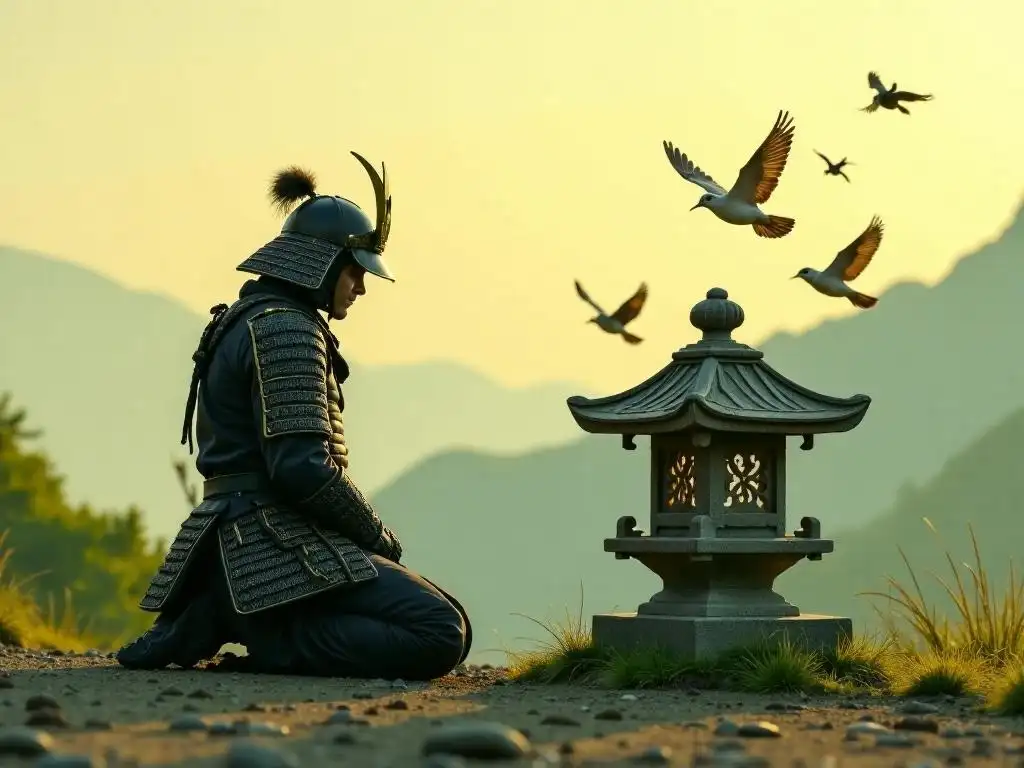
Understanding the Samurai's View on Mortality
The samurai's approach to life and death was profoundly shaped by Buddhist philosophy, particularly the teachings on impermanence and the nature of suffering. Central to this worldview is the concept of anicca, which signifies that all things are transient and subject to change. This belief instilled in the samurai a sense of acceptance regarding mortality, encouraging them to view death not as an end, but as a natural part of existence.
Buddhism taught that attachment to life could lead to suffering, a notion that resonated deeply with the samurai, who were often faced with the harsh realities of warfare and loss. The acceptance of death allowed them to approach their duties with courage and resolve. For instance, samurai were trained to remain composed in the face of danger, often reflecting on their mortality in moments of introspection. This acceptance is encapsulated in the phrase “death before dishonor,” emphasizing that a samurai would rather die honorably than live a life of shame.
Moreover, the teachings of Zen Buddhism further refined this perspective. Zen emphasized direct experience and mindfulness, encouraging samurai to live in the present moment. This focus on the here and now allowed them to cultivate a mindset that embraced the inevitability of death, carving a path to a more profound understanding of both life and death.
Rituals and Practices Surrounding Death in Samurai Culture
Rituals surrounding death played a crucial role in samurai culture, reflecting deep-seated Buddhist beliefs. These rituals were not merely performative; they served as vital processes through which samurai found meaning in loss and transition.
- Seppuku (Ritual Suicide):
- This act was not only a means of restoring honor but also a way to confront death directly, aligning with Buddhist teachings on impermanence.
- The ritual involved a precise series of actions, showcasing the samurai's composure and control in the face of death.
- Funerary Rites:
- Samurai funerals were elaborate, often involving monks who conducted ceremonies to guide the deceased's spirit.
- Offerings, such as food and incense, were made to ensure a favorable rebirth, reflecting beliefs in karma and reincarnation.
- Memorial Services:
- Regular memorial services were held to honor deceased ancestors, reinforcing the connection between the living and the dead.
- These services were rooted in the understanding that the spirit of the deceased continued to influence the lives of the living, a belief supported by Buddhist notions of interconnectedness.
Through these practices, samurai not only confronted death but also actively engaged with it, seeking to find peace and honor in the process of dying.
The Concept of Death as a Natural Transition
In Buddhist philosophy, death is often viewed as a transition rather than a definitive end. This perspective deeply influenced samurai thought, fostering a mindset that embraced the cyclical nature of life and death.
- Rebirth and Karma: The belief in reincarnation suggested that one's actions in life would determine their fate in future existences. This encouraged samurai to cultivate virtues such as loyalty, honor, and bravery, knowing that these qualities would positively impact their future lives.
- Meditative Practices: Samurai often engaged in meditation to reflect on the nature of life and death. Such practices allowed them to cultivate a sense of inner peace and acceptance, reducing the fear associated with mortality. These meditative practices were instrumental in helping them confront their own death, often leading to a more profound understanding of their place in the universe.
- Philosophical Teachings: Texts such as the "Hagakure" articulated the samurai’s relationship with death, emphasizing that true wisdom lies in recognizing death as an integral part of life. The notion of living fully in each moment, aware of one’s mortality, became a guiding principle for many samurai.
The Buddhist approach to life and death profoundly shaped the samurai's life philosophy, instilling in them a sense of honor, acceptance, and mindfulness that defined their existence during feudal Japan. By embracing the transient nature of life, they were able to forge a path that celebrated both life and death in equal measure.
Conclusion: The Enduring Legacy of Buddhism in Samurai Philosophy
The intersection of Buddhism and the Samurai's life philosophy is a profound testament to how spiritual beliefs can shape cultural practices and values. Throughout the feudal era in Japan, the Samurai adopted various tenets of Buddhism, intertwining them with their martial ethos. This convergence not only provided a framework for understanding life and death but also contributed to the formation of Bushido, the way of the warrior.
Summary of Key Influences on Samurai Life and Death
- Concept of Impermanence (Mujo):
- Understanding Mortality: One of the core beliefs in Buddhism is the notion of Mujo, or impermanence. Samurai warriors embraced this understanding, recognizing that life is fleeting. This acceptance of mortality instilled a sense of urgency in their actions and decisions, encouraging them to live with honor and purpose.
- Focus on the Present: The awareness of impermanence led to a strong emphasis on living in the moment, influencing Samurai practices in combat and daily life.
- Meditation and Mindfulness:
- Zen Buddhism Influence: The practice of Zen Buddhism introduced methods such as zazen (sitting meditation), which helped Samurai cultivate mental discipline and focus. This practice was crucial during battles, allowing them to maintain clarity amidst chaos.
- Emotional Control: Meditation also fostered emotional resilience, enabling Samurai to confront their fears regarding death and cultivate a tranquil mind.
- Compassion and Non-attachment:
- Buddhism’s Teachings: Samurai adopted the Buddhist principles of compassion and non-attachment, which encouraged them to transcend personal desires and ego. This was particularly evident in the way Samurai approached their enemies, often seeking to understand rather than simply destroy.
- Ethical Warfare: The concept of compassion influenced the Samurai code, advocating for ethical conduct in warfare and the treatment of adversaries.
- Rituals and Death:
- Death as a Transition: Buddhism’s perspective on death as a transition rather than an end impacted how Samurai approached their mortality. Rituals surrounding death reflected this belief, often emphasizing the importance of a peaceful passing and the proper conduct of the surviving warriors.
- Ceremonial Practices: Samurai engaged in various rituals, such as seppuku (ritual suicide), which were steeped in Buddhist philosophy, emphasizing honor and the preservation of one's spirit.
Reflection on the Lasting Impact of Buddhism on Modern Japanese Culture
The philosophical underpinnings derived from Buddhism continue to resonate within modern Japanese culture, reflecting a legacy that shapes contemporary values and practices.
- Cultural Traditions: Many aspects of Japanese culture, such as tea ceremonies, flower arranging, and martial arts, are heavily influenced by Zen principles, emphasizing mindfulness, simplicity, and the beauty of impermanence.
- Martial Arts Philosophy: Modern martial arts, including Kendo and Aikido, incorporate Buddhist philosophies into their practice, teaching practitioners to respect life, remain calm under pressure, and acknowledge the transient nature of existence.
- Mindfulness Practices: In contemporary society, the practice of mindfulness—rooted in Buddhist teachings—has gained popularity, influencing not only personal well-being but also corporate environments, promoting stress reduction and improved focus.
The interplay between Buddhism and Samurai life philosophy has left an indelible mark on Japan's cultural landscape. The principles of impermanence, meditation, compassion, and a profound understanding of life and death continue to shape the way individuals in Japan engage with their own existence and the world around them. This enduring legacy serves as a reminder of the profound impact that spiritual beliefs can have on societal values and practices across time.
Further Reading and Exploration
Suggested Books and Articles on Buddhism and Samurai Life Philosophy
For those interested in the profound relationship between Buddhism and the Samurai's life philosophy, a wealth of literature is available. Here’s a curated list of essential readings that delve into this intricate connection:
-
"Hagakure: The Book of the Samurai" by Yamamoto Tsunetomo
This classic text offers insights into the mindset of the Samurai during the Edo period, with references to Zen Buddhism and its impact on Samurai ethics.
-
"The Zen Way to the Martial Arts" by Taisen Deshimaru
Deshimaru explores the intersection of Zen Buddhism and martial arts, providing clarity on how these philosophies shaped the Samurai's approach to life and death.
-
"Bushido: The Soul of Japan" by Inazo Nitobe
This seminal work presents a comprehensive overview of the Bushido code, embedding the influence of Buddhist thought within the Samurai's ethical framework.
-
"The Book of Tea" by Okakura Kakuzo
While primarily focused on tea culture, this text intricately ties together aesthetics, Zen philosophy, and the Samurai's contemplative practices.
-
"Zen and the Art of Archery" by Eugen Herrigel
This book illustrates the application of Zen principles in the practice of archery, a martial discipline deeply rooted in Samurai culture.
The above readings provide a foundational understanding of how Buddhism shaped the Samurai's philosophies, particularly regarding concepts like impermanence, mindfulness, and the acceptance of death.
Additional Resources for Understanding Feudal Japan History
To further explore the historical context of Buddhism and Samurai life philosophy, consider the following resources:
- Online Databases and Archives
- National Diet Library of Japan: A treasure trove of historical documents and research papers related to feudal Japan.
- The Japan Center for Asian Historical Records: Offers access to historical records that help illuminate the period's cultural and social dynamics.
- Documentaries and Lectures
- "The Samurai: The Last Warrior": This documentary provides visual insights into the lives of the Samurai and their philosophical underpinnings.
- Lectures by Historians: Platforms like YouTube feature lectures by historians specializing in feudal Japan, discussing the interplay of Buddhism and Samurai ethics.
- Academic Journals
- The Journal of Japanese Studies: Contains peer-reviewed articles that explore various aspects of Japan's feudal era, including religion and philosophy.
- Asian Philosophy: This journal often publishes articles examining the philosophical implications of Buddhism in relation to Japanese culture.
By engaging with these resources, readers can deepen their understanding of the intricate tapestry of beliefs that influenced Samurai life philosophy during Japan’s feudal era.
Frequently Asked Questions
What is the main focus of the article "How Buddhism Influenced the Samurai's Approach to Life and Death"?
The article primarily explores how Buddhism shaped the Samurai's philosophy regarding life and death, highlighting its impact on their ethics, values, and actions during the feudal era.
How did Buddhism affect Samurai ethics?
Buddhism introduced concepts like compassion and mindfulness, which influenced Samurai to adopt a more reflective and disciplined approach to their martial practices and interactions with others.
What role did Zen Buddhism play in Samurai culture?
Zen Buddhism emphasized meditation and self-discipline, helping Samurai cultivate a state of mental clarity that was crucial for both combat and personal development.
Were there any conflicts between Samurai values and Buddhist teachings?
While Samurai values were often associated with honor and loyalty, some Buddhist teachings promoted non-violence, creating a complex dynamic that influenced Samurai behavior in various contexts.
How can we see the influence of Buddhism in modern Japanese culture?
The legacy of Buddhism in Samurai life philosophy continues to resonate in modern Japan, evident in practices such as meditation, art, and martial arts, reflecting the enduring importance of these principles.
Final Reflection: The Enduring Legacy of Buddhism in Samurai Life Philosophy
The profound connection between Buddhism and the Samurai's approach to life and death remains strikingly relevant today. In a world often characterized by chaos and uncertainty, the principles of mindfulness, impermanence, and compassion that Buddhism instilled in the Samurai can serve as guiding lights for navigating our own challenges. The Samurai's ability to confront mortality with grace and purpose offers a powerful lesson in resilience and acceptance that resonates across cultures and eras.
Cultural and social landscapes continue to be shaped by the teachings of Buddhism, influencing not only martial practices but also modern philosophies of life. The Samurai's integration of Buddhist principles into their code of conduct exemplifies a harmonious balance between strength and spirituality. As the renowned Zen master Thich Nhat Hanh once said, The present moment is filled with joy and happiness. If you are attentive, you will see it.
This observation underscores the ongoing relevance of these teachings, reminding us that the essence of life lies in our awareness and appreciation of the present.
As we reflect on the lessons drawn from the Samurai's life philosophy, let us invite ourselves to embrace the teachings of Buddhism in our daily lives. Consider how the principles of mindfulness and acceptance can transform your perspective on challenges and relationships. By cultivating a deeper understanding of life and death, we can foster a sense of peace and purpose that not only enriches our own lives but also positively impacts those around us. Embrace this journey of reflection and growth, and allow the wisdom of the Samurai to guide you toward a more fulfilling existence.
Embrace the Wisdom of the Samurai Today!
Thank you for joining us on this journey through the profound influence of Buddhism on the Samurai's approach to life and death. We hope you’ve gained valuable insights that inspire you to reflect on your own path and beliefs.
Now, it's time to put that knowledge into action! Here are some steps you can take to embody the lessons of the Samurai in your daily life:
- Practice Mindful Meditation: Set aside just 10 minutes each day to meditate and reflect on your thoughts. This practice will help you cultivate peace and resilience, much like the Samurai.
- Explore the Teachings of Zen Buddhism: Dive deeper into Zen practices and philosophies. Choose a book or resource that resonates with you to enhance your understanding and discover ways to incorporate these teachings into your daily routine.
- Join a Community: Seek out local or online groups that focus on meditation or Samurai philosophy. Engaging with others can reinforce your journey and offer fresh perspectives.
How might embracing the mindset of the Samurai transform the way you tackle challenges in your life? We invite you to share your thoughts in the comments below!