
The Spiritual Legacy of Bushido: Guiding Principles for Modern Life

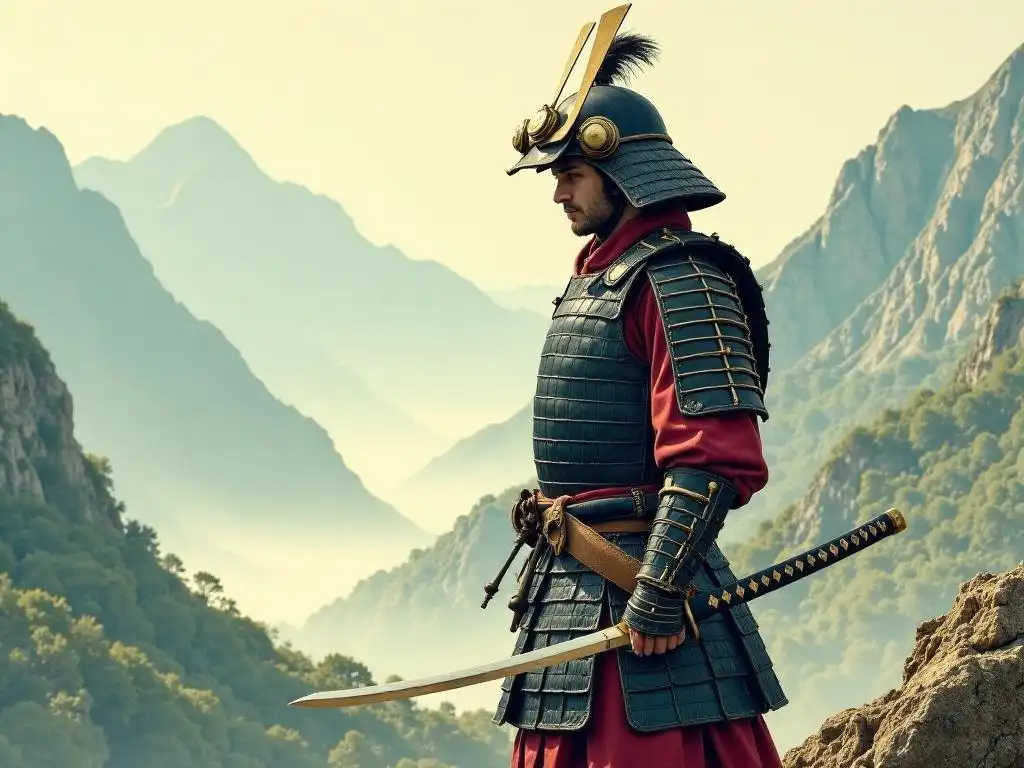
Welcome to Feudal Japan History, where we embark on a captivating journey through the intricate tapestry of Japan’s feudal era. Here, we delve into the rich historical, cultural, and societal aspects that shaped a nation. In our featured article, "The Spiritual Legacy of Bushido: Guiding Principles for Modern Life," we explore the timeless Bushido principles and their profound relevance in today’s world.
What lessons can the samurai code impart to us in our daily lives? Join us as we uncover these insights and more, inviting you to rethink the essence of honor, loyalty, and discipline in the modern age. Prepare to be inspired and intrigued!
Introduction to Bushido and Its Spiritual Legacy
The concept of Bushido, often referred to as the "Way of the Warrior," encapsulates the ethical code and spiritual framework that guided samurai conduct during Japan's feudal era. This code was not merely a set of behavioral guidelines; it represented a profound philosophical foundation that shaped the very fabric of Japanese culture and society.
As we delve into the spiritual legacy of Bushido, we will explore how its principles can transcend time, offering valuable insights and applications for modern life. Understanding these guiding tenets not only sheds light on the historical significance of Bushido but also highlights its relevance in today’s fast-paced world, where values such as honor, courage, and loyalty continue to resonate deeply.
Definition of Bushido
Bushido is defined as the code of moral principles that the samurai were expected to uphold. This code encompasses various virtues that dictate how to live honorably and justly. While the term itself translates to "the way of the warrior," its implications extend far beyond mere combat; it is a philosophy that promotes a holistic approach to living a noble life. The principles of Bushido are often studied to understand their impact on personal integrity, societal responsibilities, and the cultivation of inner strength.
Historical Context of Bushido in Feudal Japan
The origins of Bushido can be traced back to the tumultuous periods of Japan's feudal age, particularly during the 12th to 19th centuries. As warriors serving feudal lords, samurai were not only soldiers but also custodians of cultural and ethical traditions. They navigated a complex social hierarchy, where loyalty to one's lord was paramount.
The development of Bushido was influenced by various elements, including Zen Buddhism, Confucianism, and Shinto beliefs, which collectively emphasized discipline, respect for life, and the pursuit of moral excellence. Through the lens of history, Bushido served as a unifying philosophy that helped maintain order and stability in a fragmented society.
Importance of Spirituality in Bushido
Spirituality plays a crucial role in Bushido, serving as a guiding light for samurai in their personal and professional lives. The integration of spiritual practices, such as meditation and mindfulness, allowed samurai to cultivate inner peace and clarity, essential for making sound decisions in the face of adversity.
This spiritual dimension of Bushido not only fostered resilience but also encouraged a deep sense of connection to a higher purpose, aligning the warrior's actions with the ethical standards of their code. In essence, spirituality in Bushido provides a framework for understanding one's place in the universe, guiding individuals toward a path of moral righteousness and fulfillment.
Core Bushido Principles and Their Spiritual Significance
The core principles of Bushido embody timeless values that remain applicable today. Each principle serves as a beacon of guidance, not only for warriors of the past but also for individuals seeking to enhance their moral compass in contemporary society.
Honor (Meiyo)
Honor, or Meiyo, is perhaps the most pivotal principle of Bushido. It signifies the importance of reputation and integrity. For samurai, honor dictated their actions, ensuring that they acted with dignity and respect, both for themselves and others. In modern life, the pursuit of honor encourages individuals to uphold their values and act ethically, fostering trust and respect in personal and professional relationships.
Courage (Yū)
Courage, or Yū, is the bravery to confront challenges and make difficult decisions. Samurai exemplified courage not only in battle but also in standing up for their beliefs and protecting the vulnerable. In today's context, cultivating courage can empower individuals to face fears, advocate for justice, and embrace change, ultimately leading to personal growth and resilience.
Benevolence (Jin)
The principle of benevolence, or Jin, emphasizes compassion and kindness towards others. Samurai were expected to protect those who could not protect themselves, embodying a spirit of generosity. In modern life, practicing benevolence fosters community, strengthens relationships, and contributes to a more empathetic society.
Respect (Rei)
Respect, or Rei, is fundamental to interpersonal interactions. Samurai practiced respect through rituals and formalities that acknowledged the dignity of others. In contemporary settings, demonstrating respect can enhance communication, build rapport, and create harmonious environments, whether at home, work, or in social settings.
Honesty (Makoto)
Honesty, or Makoto, underscores the importance of truthfulness. Samurai held honesty in high regard, believing that a lack of honesty could lead to dishonor and disgrace. In today's world, embracing honesty builds credibility and fosters genuine relationships, forming the bedrock of trust in various facets of life.
Loyalty (Chūgi)
Loyalty, or Chūgi, reflects unwavering commitment to one's principles, family, and community. Samurai exhibited loyalty to their lords and comrades, often at great personal sacrifice. In modern times, loyalty can manifest in devotion to one's values, relationships, and responsibilities, creating a sense of belonging and stability.
The spiritual legacy of Bushido offers profound insights and guiding principles that are not only relevant but essential for navigating the complexities of modern life. By embracing the values of honor, courage, benevolence, respect, honesty, and loyalty, individuals can cultivate a meaningful existence, rooted in integrity and purpose.
The Relevance of Bushido Principles in Modern Life
The principles of Bushido, the samurai code of conduct, transcend time and continue to hold significance in our modern society. As we navigate the complexities of contemporary life, the values encapsulated in Bushido—honor, courage, benevolence, respect, honesty, and loyalty—can serve as guiding lights. These principles not only foster personal growth but also enhance interpersonal relationships and community engagement. By integrating these ancient ideals into our daily lives, we can cultivate a moral framework that encourages integrity and purpose.
Applying Honor in Contemporary Society
In a world where ethical dilemmas and moral ambiguity often arise, the principle of honor serves as a crucial touchstone. Honor in modern society can manifest in various forms, such as maintaining one's word, upholding ethical standards, and taking responsibility for one’s actions. For example, business leaders who prioritize ethical decision-making over profit maximization embody the Bushido principle of honor. Such actions inspire trust and respect among peers and clients, fostering a culture of integrity that benefits everyone involved. By consciously choosing to act honorably, individuals can influence others and promote a more principled society.
Cultivating Courage in Daily Challenges
Courage, a core tenet of Bushido, is vital for facing the challenges of modern life. Whether standing up against injustice, voicing unpopular opinions, or embracing personal fears, courage empowers individuals to take action. This principle encourages us to push beyond our comfort zones, leading to growth and resilience. For instance, activists who advocate for social change demonstrate courage by confronting societal norms and fighting for what they believe is right. By cultivating courage in our daily lives—whether in small acts of bravery or significant life decisions—we can overcome obstacles and inspire others to do the same.
Embracing Benevolence in Community Engagement
Benevolence, or compassion for others, is another essential Bushido principle that can significantly impact community engagement. In a world that often feels fragmented, acts of kindness and generosity can bridge divides and foster a sense of belonging. Engaging in volunteer work, donating to charities, or simply offering support to those in need are ways to embody benevolence. For example, community initiatives that encourage mentorship and support for underprivileged youth reflect the spirit of benevolence in action. By embracing this principle, individuals can contribute positively to their communities, creating a ripple effect of goodwill and solidarity.
The Role of Respect in Modern Interpersonal Relationships
Respect is foundational to healthy relationships, both personal and professional. In the context of Bushido, respect is not merely about politeness; it encompasses recognizing the inherent dignity of every individual. In practice, this means actively listening, valuing diverse perspectives, and treating others with fairness. In the workplace, fostering a culture of respect can lead to increased collaboration and innovation. For instance, organizations that prioritize diversity and inclusion demonstrate respect for all employees, enhancing workplace morale and productivity. By nurturing respect in our interactions, we build stronger, more harmonious relationships.
Practicing Honesty in Professional Environments
Honesty is a pillar of integrity, and its practice is essential in both personal and professional contexts. In the spirit of Bushido, honesty entails transparency, accountability, and truthfulness. In business dealings, being honest fosters trust and credibility, crucial for long-term success. For example, companies that openly communicate their practices and are transparent about their values often enjoy greater loyalty from customers and employees. By committing to honesty in our professional interactions, we not only enhance our reputations but also contribute to a culture of trust that benefits everyone involved.
Fostering Loyalty in Personal and Professional Commitments
Loyalty, a key principle of Bushido, is about dedication to others, whether in personal relationships or professional commitments. In modern life, fostering loyalty involves being reliable, supportive, and committed to the well-being of others. This principle can be seen in lifelong friendships, devoted familial relationships, and employees who stand by their employers through challenges. For instance, companies that prioritize employee welfare and demonstrate loyalty to their workforce often see higher retention rates and employee satisfaction. By nurturing loyalty, we create a network of support that enriches our lives and the lives of those around us.
Spiritual Practices Inspired by Bushido
The spiritual dimensions of Bushido offer practical approaches to enrich our lives today. By incorporating specific practices inspired by these principles, individuals can cultivate a deeper sense of purpose and connection to the values that guide them. Spiritual practices drawn from Bushido not only enhance personal growth but also promote a collective sense of responsibility toward the community and oneself.
Meditation and Mindfulness Techniques
Meditation and mindfulness are powerful practices that align with the Bushido principles of inner peace and self-discipline. Engaging in regular meditation can help individuals cultivate a focused mind, enabling them to act with clarity and intention. Techniques such as breath awareness, visualization, and reflective journaling allow practitioners to explore their thoughts and emotions deeply. For instance, samurai often practiced meditation to enhance their mental acuity and emotional resilience before engaging in battle. Similarly, modern practitioners can use these techniques to navigate the stresses of contemporary life, fostering a sense of tranquility and balance.
Rituals for Cultivating Honor and Respect
Rituals play a significant role in embodying the principles of honor and respect. Simple acts such as bowing in greeting, expressing gratitude, and acknowledging the contributions of others can reinforce these values in daily life. In Japan, the tea ceremony exemplifies a ritual that emphasizes respect and mindfulness, transforming an ordinary act into a profound expression of honor. By incorporating similar rituals into our everyday routines, we can cultivate a deeper appreciation for the people around us and establish a culture of respect in our communities.
Community Service as an Expression of Benevolence
Community service is a tangible expression of the Bushido principle of benevolence. By volunteering time and resources to help others, individuals manifest compassion and commitment to their communities. Engaging in community service can take many forms, from participating in local clean-up efforts to mentoring youth or supporting charitable organizations. For instance, many samurai engaged in acts of service to uplift their communities, viewing it as a duty and privilege. Today, individuals who contribute to community initiatives not only foster a spirit of benevolence but also inspire others to join in the effort, creating a collective impact.
Challenges in Integrating Bushido Principles Today

Integrating the principles of Bushido into modern life presents a range of challenges that stem from both societal changes and individual perceptions. As the world evolves, the historical context of Bushido, which was deeply rooted in the samurai culture of feudal Japan, can often become obscured or misrepresented. The following factors illustrate the complexities involved in adapting these age-old principles to contemporary society.
Misinterpretations of Bushido in Modern Contexts
One of the primary challenges in integrating Bushido principles today is the frequent misinterpretation of its core tenets. Many modern depictions of Bushido, particularly in popular media, emphasize notions of violence and aggression, overshadowing its fundamental values such as honor, loyalty, and self-discipline. This skewed representation can lead individuals to adopt a superficial understanding of Bushido, viewing it merely as a martial code rather than a comprehensive moral framework.
In business and personal conduct, this misinterpretation can manifest as an endorsement of ruthlessness or cutthroat competition, which contradicts the true essence of Bushido that promotes ethical behavior and respect for others. Consequently, individuals striving to embody Bushido principles may find themselves at odds with prevailing cultural narratives that prioritize individual success over collective well-being.
The Conflict Between Modern Values and Traditional Principles
Modern values often emphasize individualism, self-expression, and personal freedom, which can conflict with the communal and hierarchical principles foundational to Bushido. The samurai code traditionally prioritized the needs of the group and adherence to a hierarchical structure, where loyalty to one's lord and family was paramount. This can clash with contemporary ideals that celebrate personal autonomy and challenge authority.
As individuals navigate their spiritual and ethical paths, reconciling these conflicting values can be daunting. For example, the Bushido principle of loyalty may be perceived as outdated in environments that advocate for transparency and questioning authority. Thus, individuals seeking to integrate Bushido into their lives must critically evaluate which aspects of this ancient philosophy resonate with modern ethical standards without compromising its integrity.
Case Studies: Individuals Embodying Bushido Principles in Modern Life
Despite the challenges outlined, there are contemporary figures and organizations that exemplify the principles of Bushido, demonstrating its relevance in today's world. These case studies illustrate how individuals and groups can embody these guiding principles through their actions and philosophies.
Case Study 1: Masahiro Tanaka
Masahiro Tanaka, a renowned Japanese professional baseball player, exemplifies several Bushido principles in his approach to sportsmanship and personal conduct. Known for his dedication and discipline, Tanaka applies the samurai ethos of perseverance and resilience in both practice and competition. His commitment to excellence and respect for his teammates and opponents alike mirrors the Bushido values of honor and loyalty.
Tanaka's philosophy extends beyond the baseball field; he actively engages in community service and mentorship, reflecting the Bushido principle of altruism. By prioritizing the betterment of his community, he embodies the spirit of Bushido in a modern context, inspiring others to live with integrity and purpose.
Case Study 2: The Shoshin Society
The Shoshin Society is an organization dedicated to promoting the principles of Bushido through education and community engagement. Founded by a group of martial artists and historians, the society aims to preserve the cultural heritage of Japan while adapting its teachings to modern ethical frameworks.
Through workshops, seminars, and cultural events, the Shoshin Society empowers individuals to explore the relevance of Bushido in contemporary life. Participants learn to apply principles such as respect, courage, and self-discipline in various aspects of their lives, from personal development to professional conduct. By fostering a community centered around these values, the Shoshin Society demonstrates that the spiritual legacy of Bushido can indeed guide modern life, offering individuals a robust framework for ethical decision-making and personal growth.
Conclusion: Embracing the Spiritual Legacy of Bushido
The spiritual legacy of Bushido extends well beyond the historical context of the samurai; it has woven itself into the fabric of modern life and continues to resonate with individuals seeking guidance in their ethical and moral pursuits. The principles of Bushido—integrity, honor, respect, courage, and loyalty—offer a framework that can help individuals navigate the complexities of contemporary society. By embracing these tenets, we can cultivate a deeper understanding of our responsibilities to ourselves and to others, promoting a more harmonious coexistence.
Summary of Bushido's Influence on Modern Ethics
Bushido's influence on modern ethics can be seen in various spheres, including personal conduct, leadership, and community engagement. The emphasis on integrity and honor encourages individuals to act in ways that are transparent and just, fostering trust within relationships. The principle of respect cultivates an appreciation for diversity and promotes empathy, essential traits in our increasingly interconnected world.
Moreover, the courage to face challenges and the loyalty to one's values and community are vital in the pursuit of personal and collective well-being. These principles serve as a moral compass, guiding individuals toward making decisions that reflect their core values and contribute positively to society.
Encouragement to Adopt Bushido Principles in Everyday Life
Incorporating Bushido principles into everyday life is both a personal and communal endeavor. Individuals are encouraged to reflect on their own values and how they align with the tenets of Bushido. Simple practices, such as maintaining honesty in daily interactions, showing respect to others regardless of their status, and demonstrating loyalty to family and community, can have profound impacts.
Additionally, embracing the spirit of courage can empower individuals to take risks in their personal and professional lives, fostering growth and resilience. By consciously adopting these principles, we can not only enhance our own lives but also inspire those around us to do the same, creating a ripple effect of positive change within our communities.
Additional Resources for Exploring Bushido Principles
For those interested in delving deeper into the principles of Bushido and their relevance in modern life, a variety of resources are available that provide insightful perspectives and practical applications.
Recommended Reading on Bushido and Modern Life
-
"Bushido: The Soul of Japan" by Inazo Nitobe
This classic text provides an in-depth exploration of the philosophy behind Bushido and its implications for ethical living.
-
"The Book of Five Rings" by Miyamoto Musashi
A treatise on strategy and philosophy, this book touches on the martial aspects of Bushido while offering wisdom applicable to various life situations.
-
"Hagakure: The Book of the Samurai" by Yamamoto Tsunetomo
A practical guide to the samurai way of life, this book presents insights into the daily application of Bushido principles.
Courses and Workshops Focused on Bushido Philosophy
-
Bushido Philosophy Workshops
Many cultural and martial arts centers offer workshops that focus on the principles of Bushido, blending historical context with modern applications.
-
Online Courses on Japanese Philosophy
Platforms like Coursera and Udemy host courses that explore Japanese philosophy, including Bushido, providing a comprehensive understanding of its significance and relevance today.
-
Seminars on Ethical Leadership
Various institutions offer seminars that draw parallels between Bushido and contemporary ethical leadership, emphasizing the importance of integrity and respect in modern organizations.
- Introduction to Bushido and Its Spiritual Legacy
- Core Bushido Principles and Their Spiritual Significance
- The Relevance of Bushido Principles in Modern Life
- Spiritual Practices Inspired by Bushido
- Challenges in Integrating Bushido Principles Today
- Case Studies: Individuals Embodying Bushido Principles in Modern Life
- Conclusion: Embracing the Spiritual Legacy of Bushido
- Additional Resources for Exploring Bushido Principles
Frequently Asked Questions
What are Bushido principles?
Bushido principles refer to the ethical code of the samurai, emphasizing values such as honor, courage, loyalty, and self-discipline. These principles guided samurai behavior during feudal Japan and continue to influence modern Japanese culture.
How can Bushido principles be applied in modern life?
In modern life, Bushido principles can encourage individuals to cultivate integrity, resilience, and a strong sense of duty. By adopting these values, people can enhance their personal and professional relationships.
Why is the spiritual legacy of Bushido important today?
The spiritual legacy of Bushido serves as a reminder of the importance of ethical conduct and moral clarity. It encourages individuals to reflect on their values and strive for excellence in their personal and professional lives.
How does the cultural significance of Bushido manifest today?
The cultural significance of Bushido is evident in martial arts, literature, and even corporate cultures in Japan. These influences promote the underlying values of respect, discipline, and commitment in various aspects of life.
What role does honor play in the Bushido code?
Honor is a central tenet of the Bushido code, dictating that samurai must act with integrity and uphold their reputation. This concept remains relevant today, encouraging individuals to maintain ethical standards and stand by their convictions.
Final Reflection: Embracing the Bushido Principles in Modern Life
The teachings of Bushido resonate profoundly in today's fast-paced world, reminding us that honor, respect, and integrity are not merely relics of the past but essential virtues for navigating contemporary challenges. In a society often driven by superficial success and fleeting trends, the timeless principles of Bushido offer a moral compass, guiding us toward a life of purpose and authenticity. The relevance of these principles is undeniable; they serve as a beacon of light amidst the chaos, urging us to cultivate a deeper understanding of ourselves and our responsibilities to others.
Culture and society are in a constant state of flux, yet the essence of Bushido continues to shape our interactions and aspirations. The principles of loyalty, courage, and self-discipline are not only historical artifacts but living ideals that inspire individuals to strive for excellence in their personal and professional lives. As we navigate the complexities of modern existence, we can find solace in the words of the samurai philosopher Yamamoto Tsunetomo: The way of the warrior is to be found in dying.
This profound statement encourages us to embrace vulnerability and authenticity, reminding us that true strength lies in our ability to confront our fears and remain steadfast in our values.
As you reflect on the teachings of Bushido, consider how you can integrate these principles into your daily life. Challenge yourself to embody honor in your actions, cultivate respect in your relationships, and practice self-discipline in your pursuits. The journey of personal growth is ongoing, and by embracing the Bushido principles, you can create a meaningful legacy that not only enriches your life but also positively impacts those around you. Let the spirit of Bushido guide you as you forge your path, inspiring others to do the same in a world that desperately needs the wisdom of the past.
Embrace the Bushido Spirit Today!
Thank you for delving into the profound world of Bushido with us! We hope this exploration has illuminated its timeless principles and how they can enrich your modern life. Now, it's time to take action and integrate these values into your everyday experience.
- Reflect on your own values: Set aside a few moments to contemplate how principles like **honor** and **loyalty** resonate with your life. Writing down your thoughts in a journal can help you clarify your personal code.
- Join a local community: Seek out groups that focus on martial arts or philosophies rooted in Bushido ethics. Engaging with like-minded individuals can deepen your understanding and commitment.
- Share your insights: Discuss what you’ve learned about Bushido with friends or family. Sparking a conversation about how its teachings can be applied today might inspire someone else!
What aspect of the Bushido philosophy do you find most relevant to your life right now? We’d love to hear your thoughts!