
The Aesthetics of Bushido: How Philosophy Shaped Samurai Art

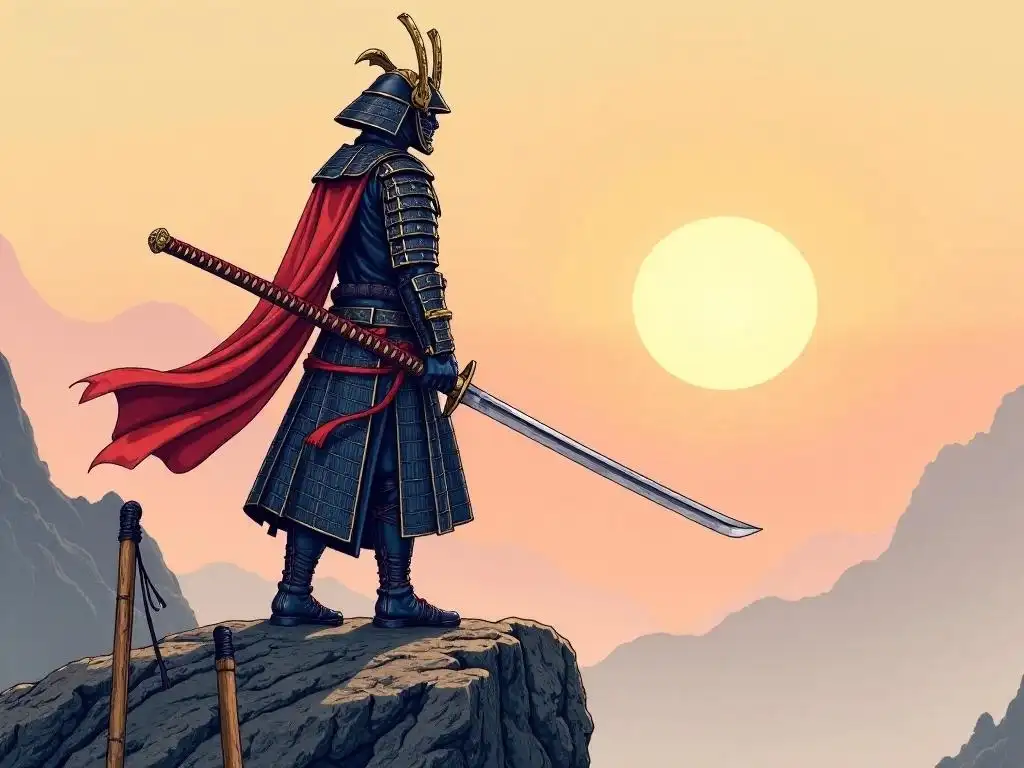
Welcome to Feudal Japan History, where we embark on an intriguing journey through the captivating world of Japan’s feudal era. Here, the interplay between Bushido philosophy and samurai art unfolds, revealing how these profound ideals shaped not only the warriors' code but also the very aesthetics of their craft. Prepare to dive into a rich tapestry of historical nuances and cultural insights that will spark your curiosity and deepen your understanding of this fascinating period. Join us as we explore the elegant fusion of ethics and artistry that defines the spirit of the samurai—your adventure begins now!
Introduction to Bushido Philosophy and Samurai Art
The intricate relationship between Bushido philosophy and samurai art serves as a profound reflection of Japan's feudal era, where ethics and aesthetics were deeply intertwined. Bushido, often translated as "the way of the warrior," encompasses a code of conduct that emphasizes loyalty, honor, and personal discipline. This philosophy not only guided the samurai in battle but also profoundly influenced their artistic expression. Through the lens of Bushido, samurai art transcended mere decoration; it became a medium for conveying values, emotions, and a deep connection to nature.
In this article, we will embark on a comprehensive exploration of how Bushido philosophy shaped samurai art, examining its historical roots, aesthetic significance, and the cultural implications that arise from this intersection. By delving into the aesthetics of Bushido, we aim to unveil the layers of meaning that define samurai art forms, from sword-making and calligraphy to painting and poetry.
Overview of Bushido Philosophy
At its core, Bushido philosophy is a complex framework of ethical principles that governed the lives of samurai warriors. Rooted in Confucianism, Shinto, and Zen Buddhism, Bushido emphasizes virtues such as loyalty, courage, veracity, and compassion. Here are some key principles associated with Bushido:
- Loyalty (Chūgi): The unwavering allegiance to one's lord and comrades.
- Courage (Yū): The bravery to confront challenges, both in battle and in life.
- Honor (Meiyo): The importance of maintaining a good reputation and moral integrity.
- Compassion (Jin): The duty to show kindness and empathy, even towards adversaries.
These principles not only shaped the samurai's conduct on the battlefield but also influenced their approach to art and culture, encouraging a pursuit of beauty that resonates with the ideals of Bushido.
The Importance of Aesthetics in Samurai Culture
In samurai culture, aesthetics played a crucial role in expressing the values of Bushido. The pursuit of beauty was seen as a reflection of one’s inner character. Samurai art, therefore, was not merely ornamental; it was a manifestation of the warrior’s spirit and philosophy. Key elements that highlight the importance of aesthetics in samurai culture include:
- Simplicity and Elegance: The samurai favored understated beauty, valuing simplicity that conveyed deeper meanings.
- Nature Themes: Many artworks incorporated natural elements, reflecting the Zen influence and the samurai's connection to the world around them.
- Symbolism: Every artistic choice, from colors to materials, was imbued with symbolic significance that echoed the tenets of Bushido.
The aesthetic choices made by samurai artists underscore the belief that art should elevate the spirit and convey the profound values of honor and integrity.
Historical Context of Bushido and Samurai Art
To fully appreciate the aesthetics of Bushido in samurai art, it is essential to understand the historical context that birthed these concepts. The evolution of Bushido philosophy and its integration into artistic expression occurred over centuries, shaped by social, political, and cultural changes.
The Origins of Bushido Philosophy
Bushido emerged during the Heian period (794-1185) and solidified during the Kamakura period (1185-1333), when the samurai class began to rise in prominence. Influenced by various philosophical traditions:
- Confucianism instilled the values of loyalty and moral duty.
- Zen Buddhism encouraged mindfulness and an appreciation for the transient beauty of life.
- Shinto connected the samurai to the spiritual forces of nature.
These influences coalesced into a cohesive ideology that defined the samurai's way of life and their artistic expressions.
The Evolution of Samurai Art through the Ages
Samurai art evolved alongside the changing socio-political landscape of Japan. From the decorative sword fittings of the Kamakura period to the intricate ink paintings of the Edo period, each era contributed unique styles and techniques that reflected the prevailing interpretations of Bushido.
- Kamakura Period: Focused on martial prowess, art often depicted battles and heroic figures.
- Muromachi Period: Introduced more introspective themes, emphasizing the beauty of nature.
- Edo Period: Flourished with diverse artistic expressions, including ukiyo-e prints that depicted samurai life and culture.
Key Historical Figures Influencing Samurai Aesthetics
Throughout history, several influential figures have played pivotal roles in shaping the aesthetics of samurai art. Notable examples include:
- Yamamoto Tsunetomo: Author of "Hagakure," which elaborated on the spiritual aspects of Bushido and its impact on samurai life.
- Miyamoto Musashi: Renowned swordsman and artist, whose writings on strategy and aesthetics continue to inspire.
- Sen no Rikyū: The tea master who cultivated the art of tea ceremony, blending aesthetics with Zen philosophy.
These figures not only contributed to the understanding of Bushido but also enriched the artistic landscape, leaving a lasting legacy on samurai art.
Through this exploration, we will continue to uncover the intricate dance between Bushido philosophy and samurai art, revealing the beauty that arises from a life dedicated to honor and aesthetics.
Core Principles of Bushido Philosophy
Bushido, often translated as "the way of the warrior," is an ethical code that guided the samurai class in feudal Japan. Rooted in various philosophical and religious traditions, including Shintoism, Confucianism, and Zen Buddhism, Bushido emphasizes several core principles that shaped the moral and ethical conduct of samurai.
Among these principles are honor, courage, loyalty, self-discipline, and compassion. Honor was paramount; a samurai's reputation depended on their actions and adherence to the Bushido code. Courage encouraged samurai to face adversity and danger without fear. Loyalty was not merely a duty but a deeply ingrained sense of obligation to one's lord and comrades. Self-discipline fostered personal growth and mastery of martial skills, while compassion emphasized the importance of benevolence towards others, even in the face of conflict.
These principles collectively influenced not only the warriors' behavior but also the cultural expressions of their society, including art, literature, and architecture, reflecting the values embedded in Bushido.
The Seven Virtues of Bushido
The Seven Virtues of Bushido encapsulate the essence of this warrior code, providing a framework that samurai adhered to throughout their lives. These virtues include:
- Gi (Rectitude): The commitment to justice and making ethical choices.
- Yū (Courage): The ability to confront fears and challenges head-on.
- Jin (Benevolence): The practice of kindness and compassion towards others.
- Rei (Respect): The importance of courtesy and respect in interactions.
- Makoto (Sincerity): The value of honesty and authenticity in words and actions.
- Chū (Loyalty): The unwavering allegiance to one's lord, family, and comrades.
- Tei (Honor): The pursuit of a life that upholds personal and familial honor.
These virtues served as guiding principles for samurai, influencing their social conduct and relationships, as well as their artistic expressions, as they sought to embody these ideals in every aspect of their lives.
How Bushido Influences Artistic Expression
The influence of Bushido philosophy on artistic expression is profound and multifaceted. Samurai artists and craftsmen sought to embody the virtues of Bushido through their works, emphasizing the ideals of honor, discipline, and beauty.
In visual arts such as ink painting, calligraphy, and even sword-making, the meticulous attention to detail and the pursuit of perfection reflect the samurai's commitment to their code. Each stroke of a brush or hammering motion in crafting a blade was not merely a technical act but a spiritual endeavor, aiming to align the artist's mind and spirit with the principles of Bushido.
Furthermore, the aesthetics of simplicity and elegance often found in samurai art resonate with the Zen principles that permeate Bushido, promoting a sense of harmony and balance that reflects the samurai's inner discipline and ethical convictions.
The Relationship Between Ethics and Aesthetics in Samurai Art
The relationship between ethics and aesthetics in samurai art is intricately woven, with each influencing the other. The ethical principles of Bushido informed the aesthetic choices made by samurai artists, as they sought to create works that not only showcased technical skill but also conveyed deeper moral messages.
For instance, a sword crafted by a samurai blacksmith was not simply a weapon; it was a manifestation of the samurai's personal honor and ethical commitment. Each design element, from the shape of the blade to the engraving on the tsuba (guard), reflected the samurai's values and aspirations.
Moreover, the aesthetic ideals of harmony, balance, and simplicity found in samurai art often served as a visual representation of the ethical virtues of Bushido. This synergy between ethics and aesthetics fostered a unique cultural identity, where art became a medium for expressing the samurai's philosophical beliefs and life experiences.
The Impact of Zen Buddhism on Samurai Art
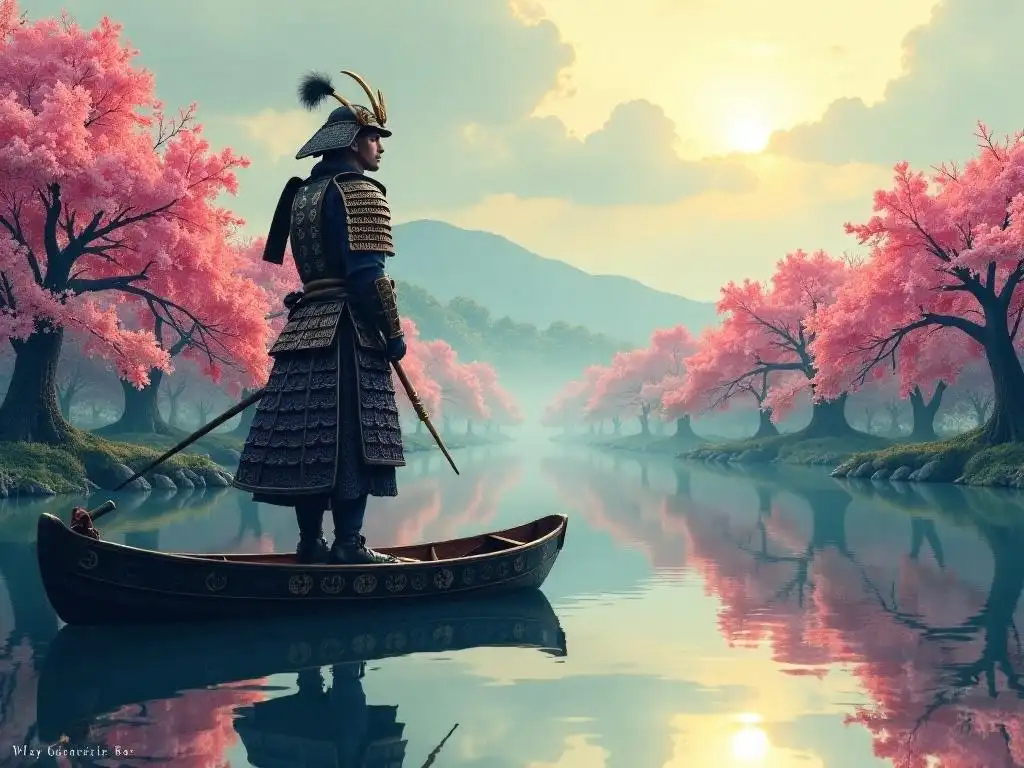
Zen Buddhism significantly impacted samurai art, providing a philosophical framework that emphasized mindfulness, simplicity, and the pursuit of enlightenment. The integration of Zen principles into the lives of samurai fostered a unique artistic expression that resonated with their philosophical ideals.
Zen's focus on the present moment and the appreciation of beauty in simplicity found expression in various art forms, including ink painting, pottery, and garden design. This influence shaped the samurai's approach to art, where the process of creation became as important as the final product.
Zen Principles in Bushido Philosophy
Zen principles, such as mindfulness and the concept of "no-mind" (mushin), seamlessly integrated into the Bushido philosophy. These principles taught samurai to remain present and focused, allowing for heightened awareness and clarity in both combat and artistic endeavors.
Mindfulness encouraged samurai to cultivate a deep appreciation for their surroundings, leading to a greater understanding of beauty and nature. This understanding informed their artistic choices, as samurai sought to capture the essence of the world around them in their works.
Additionally, the practice of "no-mind" promoted a state of mental clarity, freeing the artist from distractions and enabling them to express their innermost thoughts and feelings through their art. This convergence of Zen and Bushido principles led to a profound transformation in the way samurai approached artistic creation.
The Influence of Zen on Aesthetic Choices in Samurai Art
Zen's influence on aesthetic choices in samurai art is evident in the emphasis on simplicity, naturalness, and asymmetry. The Zen philosophy celebrated imperfection, encouraging artists to embrace the beauty found in the transient and the unfinished.
This aesthetic approach is most clearly illustrated in the concept of wabi-sabi, which finds beauty in the imperfect and ephemeral. Samurai artists often employed wabi-sabi principles in their works, choosing materials and techniques that reflected the natural state of objects, highlighting their authenticity and character.
As a result, samurai art became characterized by a sense of serenity and tranquility, often evoking a deep emotional response from the viewer. The interplay of light, shadow, and form in Zen-influenced art offered a glimpse into the samurai's inner world, revealing the philosophical underpinnings that guided their creative expressions.
Case Studies: Zen-Inspired Samurai Artworks
Numerous artworks exemplify the profound impact of Zen on samurai art. One notable case is the ink paintings of Sesshū Tōyō, a 15th-century master known for his ability to convey the essence of nature through minimalistic brushstrokes. His works embody the Zen principle of capturing the moment, allowing viewers to experience the tranquility of the landscape.
Another example is the Tea Ceremony (Chanoyu), which reflects the Zen influence on the samurai's cultural practices. The aesthetics of the tea ceremony, characterized by simplicity and mindfulness, resonate with the values of Bushido and serve as an artistic expression of tranquility and discipline.
Additionally, the craftsmanship of katana (samurai swords) showcases the marriage of functionality and artistry. The intricate designs and the attention to detail in each blade reflect both the technical prowess and the spiritual dedication of the artisans, embodying the principles of Zen and Bushido alike.
These case studies illustrate how Zen's influence permeated samurai art, creating a rich tapestry of cultural expression that continues to resonate in contemporary interpretations of Japanese aesthetics.
Bushido Philosophy and Different Art Forms
Bushido philosophy, the ethical code of the samurai, profoundly influenced various art forms in Japan. This philosophy emphasized virtues such as loyalty, courage, honor, and self-discipline, which were not only integral to the samurai's way of life but also served as thematic foundations for artistic expression. The aesthetics of Bushido manifested in diverse art forms, reflecting the samurai's inner values and their relationship with society, nature, and spirituality. From painting and calligraphy to martial arts, each medium presented unique interpretations of Bushido ideals.
Painting: Visual Representations of Samurai Values
In the realm of painting, samurai values were vividly depicted through various styles and themes. Traditional Japanese painting often showcased scenes of battle, heroic acts, and the embodiment of loyalty and honor. Notable artists like Kano Eitoku and Hokusai utilized their work to reflect the samurai ethos, illustrating not just physical prowess but also the emotional and spiritual dimensions of samurai life.
The use of color and composition in these paintings often served to symbolize the virtues of Bushido. For example, the color red frequently represented courage and sacrifice, while serene landscapes depicted the inner peace sought by samurai. The attention to detail in armor, weaponry, and attire showcased the samurai's pride in their identity, further reinforcing their values through artistic representation.
Calligraphy: The Art of Writing in Bushido
Calligraphy, known as shodō, is another significant art form influenced by Bushido philosophy. The practice of calligraphy was more than merely writing; it was a meditative discipline that required focus, precision, and a deep understanding of the flow of ink. Samurai often practiced calligraphy as a means of cultivating their mental discipline and expressing their character.
Characters and phrases embodying Bushido virtues, such as 忠 (chū, loyalty) and 義 (gi, righteousness), were commonly practiced and displayed. The brush strokes themselves conveyed emotion and intent, reflecting the calligrapher's state of mind. The aesthetics of calligraphy intertwined with samurai philosophy, emphasizing the importance of clarity, elegance, and the pursuit of perfection.
Martial Arts as a Form of Artistic Expression
Martial arts, a core aspect of the samurai's training, also served as a profound form of artistic expression. Disciplines such as kendo, iaido, and jiu-jitsu not only focused on combat techniques but also embodied principles of Bushido. Each movement in martial arts was executed with grace and intention, reflecting the philosophical underpinnings of honor and discipline.
The practice of martial arts became a visual performance, where the fluidity and precision of movements illustrated the samurai's mastery over their body and mind. This artistic expression extended beyond the battlefield, as samurai often engaged in demonstrations that showcased their skills as a form of art, inviting admiration while simultaneously embodying the essence of Bushido.
The Role of Nature in Samurai Aesthetics
Nature played a central role in samurai aesthetics, deeply intertwining with the philosophy of Bushido. The natural world was viewed as a source of inspiration, tranquility, and a reflection of the samurai's inner virtues. This relationship led to a rich integration of natural elements within the artistic expressions of the samurai, influencing everything from painting to poetry.
Nature as a Reflection of Bushido Philosophy
The samurai’s respect for nature was tied to their understanding of life and death, mirroring the transient nature of existence. This philosophy found expression in various art forms, where natural elements symbolized the core tenets of Bushido. For instance, cherry blossoms, often seen as a metaphor for the fleeting nature of life, resonated with the samurai's acceptance of mortality and their commitment to living honorably.
Artworks often depicted scenes of nature that aligned with the samurai's values, portraying moments of beauty intertwined with themes of bravery and sacrifice. Such depictions served to remind both the samurai and the viewer of the harmony between human existence and the natural world.
Symbolism of Nature in Samurai Art
Nature was imbued with symbolic meanings in samurai art, serving as a canvas for expressing deeper philosophical concepts. Different elements of nature, including mountains, rivers, and animals, each held specific connotations. For example, the crane symbolized longevity and fidelity, while the tiger represented strength and courage.
Artists utilized these symbols to convey messages of resilience and virtue. By incorporating nature into their works, samurai artists created layers of meaning that echoed the ideals of Bushido, inviting contemplation on how these values manifested in both life and art.
The Connection Between Samurai and Natural Landscapes
The connection between the samurai and natural landscapes is evident in numerous artistic forms, where landscapes often served as backdrops for samurai figures or narratives. This representation highlighted the bond between the samurai and their environment, emphasizing the importance of harmony and balance.
In traditional Japanese gardens, designed with careful consideration of natural elements, the aesthetics of Bushido were reflected in the arrangement of rocks, water, and plant life. These gardens served as spaces for meditation and reflection, allowing samurai to connect with nature and contemplate their principles. Thus, the influence of nature on samurai aesthetics not only enriched their art but also reinforced the philosophical foundations of Bushido.
Modern Interpretations of Bushido Philosophy in Art
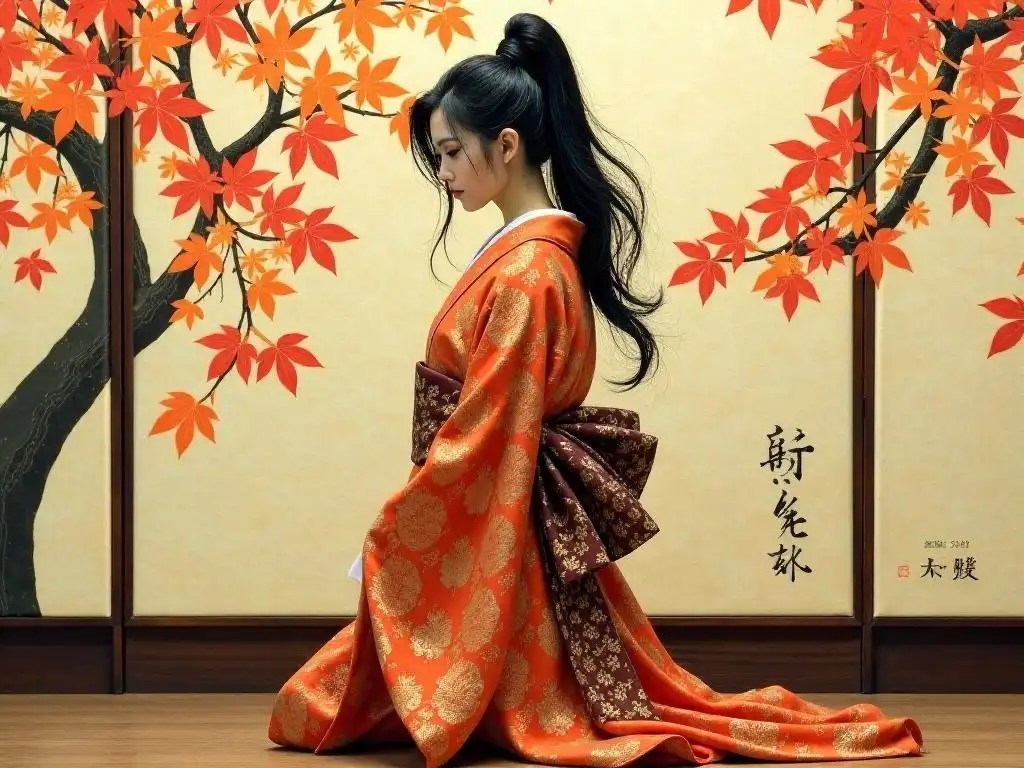
The influence of Bushido philosophy on art continues to resonate in contemporary society, providing a framework for understanding not only the samurai's aesthetic but also the broader implications of honor, loyalty, and discipline in creative expression. Modern interpretations often reflect a blend of traditional values and contemporary themes, showcasing how the samurai spirit can inspire new artistic movements. Artists today draw upon the principles of Bushido as they explore complex concepts such as identity, conflict, and resilience, creating works that invite reflection on both personal and collective experiences.
The aesthetics rooted in Bushido manifest in various art forms, including visual arts, literature, and performance. By embodying the samurai's ethos, contemporary artworks often challenge viewers to reconsider their own values and the role of art in society. The deep connection between Bushido and the quest for beauty, truth, and virtue continues to inspire artists aiming to communicate profound messages through their works.
Contemporary Artists Inspired by Samurai Aesthetics
Numerous contemporary artists have embraced samurai aesthetics, drawing inspiration from the visual and philosophical elements of Bushido. For instance, Takashi Murakami, a renowned figure in the contemporary art scene, often incorporates traditional Japanese motifs in his work, merging them with modern pop culture. His art reflects a dialogue between old and new, echoing the samurai’s adaptability and resilience.
Similarly, the works of Yoshitomo Nara, who combines childlike imagery with darker themes, can be seen as a reflection on the duality present in samurai culture—innocence intertwined with the harsh realities of life. These artists showcase how samurai aesthetics can be interpreted through a contemporary lens, allowing for a re-examination of Bushido's values in the context of modern life.
The Revival of Bushido Philosophy in Modern Japanese Culture
In recent years, there has been a resurgence of interest in Bushido philosophy within modern Japanese culture. This revival is marked by a renewed appreciation for traditional values, which have been integrated into various cultural practices, including martial arts, crafts, and literature. Events, workshops, and exhibitions celebrating samurai culture have emerged, fostering a deeper understanding of Bushido's significance in contemporary society.
This revival is not limited to Japan; it has also sparked global interest, influencing international art and cultural practices. The principles of Bushido—such as integrity, respect, and courage—resonate universally, making them relevant in discussions about ethics and aesthetics in art today.
How Bushido Shapes Current Artistic Movements
Bushido philosophy serves as a foundational element in several current artistic movements, especially those focusing on themes of identity and cultural heritage. Artists are increasingly exploring the concepts of honor and loyalty, often juxtaposing them with modern existential challenges. This intersection between tradition and contemporary issues is particularly evident in the fields of performance art and multimedia installations, where artists use the samurai narrative to engage with themes of conflict, resolution, and personal growth.
Furthermore, the influence of Bushido can be seen in movements that emphasize minimalism and simplicity, reflecting the samurai's appreciation for understated beauty. By channeling these philosophies, artists create works that invite viewers to contemplate their own values and the connections between past and present.
Conclusion: The Enduring Legacy of Bushido in Art
The legacy of Bushido philosophy continues to profoundly shape artistic expression, bridging the historical context of the samurai with modern interpretations. As artists explore the rich tapestry of samurai culture, they bring to light the enduring principles that have influenced generations. The aesthetics of Bushido not only inform the visual representation of samurai art but also resonate deeply within contemporary discourse on ethics, identity, and resilience.
Summary of Key Influences of Bushido on Samurai Art
Bushido has left an indelible mark on samurai art, influencing various aspects, including:
- Visual Aesthetics: Emphasis on simplicity, elegance, and natural beauty.
- Thematic Exploration: Representation of honor, loyalty, and sacrifice.
- Cultural Narratives: Storytelling that captures the duality of samurai life—both its beauty and brutality.
These influences have shaped artistic practices that reflect both the historical significance of the samurai and the philosophical underpinnings of their way of life.
The Relevance of Bushido Philosophy in Today’s Art Scene
Bushido philosophy remains highly relevant in today’s art scene, serving as a source of inspiration for artists seeking to convey deeper meanings in their work. The principles of Bushido encourage exploration of themes such as ethics, personal integrity, and the pursuit of beauty, making it a powerful framework for contemporary artistic expression. As artists continue to draw from this rich heritage, they contribute to a broader understanding of how philosophy shapes art, ensuring that the spirit of Bushido endures in the modern world.
References
Academic Sources on Bushido and Samurai Art
The study of Bushido philosophy and its impact on samurai art is grounded in a variety of academic sources that provide critical insights into the intricate relationship between these two domains. Notable works include:
-
"Bushido: The Soul of Japan" by Inazo Nitobe
This seminal text offers an English-speaking audience an understanding of Bushido's principles and their manifestations in samurai culture. Nitobe’s exploration of ethics, honor, and duty serves as a foundation for understanding how these values influenced artistic expressions.
-
"The Samurai: A Military History" by Stephen Turnbull
Turnbull details the historical context of the samurai warrior class and their cultural significance, linking the tenets of Bushido with various artistic forms, including poetry, painting, and martial arts.
-
"A History of Japanese Art" by Tadao Takemoto
This comprehensive overview of Japanese art history provides essential context about how the aesthetics of samurai art evolved alongside the philosophy of Bushido, highlighting significant works and artists that embody these principles.
These sources, along with various journal articles and papers focusing on the interdisciplinary study of philosophy and art, contribute to a deeper understanding of how Bushido shaped samurai artistic expression.
Historical Texts and Art Collections Related to Samurai Aesthetics
Several historical texts and art collections serve as vital resources for exploring the aesthetics of Bushido and samurai art. These include:
-
"The Tale of the Heike"
This epic narrative chronicles the rise and fall of the Taira and Minamoto clans during the Genpei War, illustrating the Bushido ideals of loyalty, bravery, and honor. The text not only documents historical events but also reflects the emotional and philosophical depth of samurai culture.
-
"The Book of Five Rings" by Miyamoto Musashi
Musashi, a legendary swordsman, articulated his philosophy on martial arts, strategy, and aesthetics in this text. His reflections on the warrior's mindset reveal how art and combat are intertwined within the framework of Bushido.
-
Art Collections at Museums
Prominent museums such as the Tokyo National Museum and the Kyoto National Museum house extensive collections of samurai armor, weapons, and artworks. These artifacts, ranging from intricate sword fittings to beautifully painted screens, reveal the aesthetic philosophies that underpin samurai culture.
-
Japanese Calligraphy and Ink Paintings
Calligraphy and ink paintings (sumi-e) created by samurai artists also exemplify the aesthetic values of Bushido. Works by artists such as Sesshū Tōyō reflect the contemplative nature of samurai philosophy, embodying principles of simplicity, harmony, and natural beauty.
Together, these historical texts and art collections provide a rich tapestry of the samurai's artistic legacy, showcasing how Bushido philosophy influenced their aesthetic expressions and cultural heritage.
- Introduction to Bushido Philosophy and Samurai Art
- Historical Context of Bushido and Samurai Art
- Core Principles of Bushido Philosophy
- The Impact of Zen Buddhism on Samurai Art
- Bushido Philosophy and Different Art Forms
- The Role of Nature in Samurai Aesthetics
- Modern Interpretations of Bushido Philosophy in Art
- Conclusion: The Enduring Legacy of Bushido in Art
- References
Frequently Asked Questions
What is Bushido philosophy?
Bushido is the code of conduct followed by the samurai, emphasizing virtues such as honor, loyalty, and courage. It shaped not only their behavior but also their artistic expressions.
How did Bushido influence samurai art?
The values of Bushido deeply influenced samurai art, leading to a focus on aesthetic beauty and spiritual depth that reflected the samurai's commitment to their ideals.
What are some forms of samurai art affected by Bushido?
Samurai art includes swordsmanship, calligraphy, and tea ceremonies, all of which embody the principles of Bushido and showcase the samurai's dedication to their craft and philosophy.
Why is understanding Bushido important in studying feudal Japan?
Understanding Bushido provides insight into the cultural and societal dynamics of feudal Japan, revealing how philosophical beliefs shaped the daily lives of samurai and their artistic endeavors.
Can the principles of Bushido still be seen in modern Japan?
Yes, traces of Bushido philosophy can still be observed in modern Japan, influencing contemporary martial arts, business ethics, and even artistic expressions, highlighting its lasting impact on Japanese culture.
Final Reflection: The Enduring Legacy of Bushido Philosophy in Samurai Art
The intricate relationship between Bushido philosophy and samurai art resonates powerfully in today's world, reminding us of the timeless values of honor, discipline, and beauty. As we navigate a fast-paced and often chaotic modern life, the principles embodied in Bushido offer a profound guide for personal integrity and artistic expression. The samurai's commitment to their code not only shaped their martial practices but also infused their art with a depth of meaning that continues to inspire contemporary creators and thinkers alike.
Culture is a living tapestry, woven from the threads of history, philosophy, and art. The influence of Bushido philosophy on samurai art is a testament to how ideals can transcend time and space, shaping societal values and personal identities. As we observe the resurgence of interest in traditional arts and philosophies, we see how the samurai's dedication to their craft serves as a model for modern artisans and individuals seeking purpose. Art is the most beautiful of all lies.
This quote encapsulates the essence of samurai art, where beauty is not merely aesthetic but a reflection of deeper truths and values.
As you reflect on the lessons of Bushido and its impact on samurai art, consider how these principles can be woven into your own life. Whether through the pursuit of excellence in your craft, the cultivation of discipline in your daily routines, or the embrace of honor in your relationships, the spirit of the samurai can guide you toward a more meaningful existence. Let the aesthetics of Bushido inspire you to create, to reflect, and to live with intention, ensuring that the legacy of this profound philosophy continues to thrive in our contemporary world.
Embrace the Spirit of Bushido in Your Life!
Thank you for immersing yourself in the fascinating world of Bushido and its profound influence on Samurai art. Your exploration of this remarkable philosophy is sure to inspire deeper connections to your own life and creativity. Now, let's take some actionable steps!
- Dive into traditional Japanese art forms: Start practicing calligraphy, brush painting, or martial arts to connect more intimately with the philosophy of Bushido.
- Join a community: Engage with fellow enthusiasts in forums or local clubs focused on Japanese culture, art, or martial traditions to expand your understanding and application of these principles.
- Share your insights: Write a blog post or share your reflections on social media about how the aesthetics of Bushido have influenced your views or practices, sparking discussion with others.
As you reflect on this journey, consider: How can you incorporate the principles of Bushido into your daily life for greater resilience and creativity?