
The Silent Code: Unveiling the Spiritual Foundations of Bushido


Welcome to Feudal Japan History, where the intricate tapestry of Japan's feudal era comes to life! In our latest exploration, “The Silent Code: Unveiling the Spiritual Foundations of Bushido,” we delve deep into the profound principles that shaped the samurai's ethos and the very fabric of Japanese society. What lies beneath the surface of this revered warrior code?
Join us as we peel back the layers of history and philosophy, revealing the spiritual beliefs that guided a nation. Are you ready to embark on a journey through time to uncover the secrets of Bushido? Dive in and let your curiosity lead the way!
The code of Bushido, often referred to as the "Way of the Warrior," embodies the ethical and moral framework that guided the samurai class in feudal Japan. This intricate code not only dictated the behavior and duties of the samurai but also intertwined deeply with the spiritual beliefs prevalent during the era. Understanding the spiritual foundations of Bushido is crucial for comprehending its evolution and significance in Japanese history.
This exploration will delve into the various philosophical and religious influences that shaped Bushido, highlighting the interplay between these spiritual doctrines and the warrior ethos. By examining the spiritual dimensions of this code, we can appreciate how it guided samurai conduct and influenced societal values, ultimately leaving a lasting legacy in Japanese culture.
Introduction to Bushido
Definition and Historical Context of Bushido
Bushido, literally translating to "the way of the warrior," is a term that encapsulates the ethical beliefs and guiding principles of the samurai class in Japan. Emerging during the late Heian period (794-1185) and solidifying during the Kamakura period (1185-1333), Bushido was influenced by various philosophical and spiritual traditions.
It served as a moral compass for samurai, emphasizing values such as loyalty, honor, and discipline. The historical context of Bushido is essential to understand its evolution; it was a response to the chaotic political landscape of feudal Japan, where personal valor and adherence to a strict ethical code became vital for survival and status among the warring clans.
Importance of Spiritual Foundations in Bushido
The spiritual foundations of Bushido are integral to its principles, as they provide the deeper meanings and motivations behind the samurai's actions. These foundations are not merely theoretical; they are lived experiences that were practiced and embodied by the samurai. Understanding these spiritual aspects is crucial because they informed the samurai's view of life and death, loyalty to their lords, and unwavering commitment to justice. The intersection of spirituality with martial prowess created a unique warrior identity that transcended mere physical combat, allowing samurai to approach their duties with a profound sense of purpose and moral responsibility.
The Spiritual Foundations of Bushido
Overview of Key Spiritual Concepts
At the core of Bushido lies a series of spiritual concepts that guide the samurai's conduct. These include:
- Honor (Meiyo): The concept of honor is paramount, dictating that a samurai must live a life worthy of respect.
- Loyalty (Chūgi): Absolute loyalty to one's lord is non-negotiable; betrayal is seen as the ultimate disgrace.
- Courage (Yū): The ability to face danger with bravery is a defining trait of the samurai.
- Integrity (Seijitsu): Living truthfully and with integrity is essential for maintaining personal honor.
These concepts are deeply entrenched in the spiritual beliefs of the time, manifesting in both personal conduct and societal expectations.
Influence of Zen Buddhism on Bushido
Zen Buddhism significantly shaped the spiritual foundations of Bushido. Its emphasis on mindfulness, meditation, and direct experience resonated with the samurai's quest for self-discipline and mental clarity. The practice of Zen helped samurai cultivate a calm mind, allowing them to face the chaos of battle with composure. Additionally, the Zen principle of accepting death as a natural part of life instilled a profound sense of purpose in the samurai, influencing their approach to honor and sacrifice.
Shintoism and Its Role in Shaping Bushido Values
Shintoism, Japan's indigenous spirituality, played a critical role in informing the values of Bushido. The reverence for nature, ancestors, and kami (spirits) fostered a deep sense of connection to the land and one’s lineage. Rituals and practices rooted in Shinto allowed samurai to seek divine guidance and blessings for their actions. The spiritual connection to their heritage further reinforced their commitment to loyalty and honor, as samurai viewed their duties as not just obligations to their lords, but also to their ancestors and the divine.
Confucianism: Social Harmony and Moral Duty in Bushido
Confucianism introduced essential ideas of social harmony, respect for authority, and moral duty that significantly influenced the samurai's worldview. The emphasis on filial piety and loyalty in Confucian teachings complemented the samurai’s code, reinforcing the importance of loyalty not only to their lords but also to family and society. This philosophical underpinning encouraged samurai to act with integrity and responsibility, shaping their identity as both warriors and moral exemplars within their communities.
The spiritual foundations of Bushido are multifaceted and deeply rooted in the philosophical and religious traditions of Japan. By exploring these elements, we gain a clearer understanding of how Bushido transcended mere martial practice to become a comprehensive way of life for the samurai, influencing not only their actions in battle but also their roles as leaders, family members, and custodians of Japanese culture.
Historical Development of Spirituality in Bushido
The spiritual foundations of Bushido can be traced back to the early samurai culture in Japan, which emerged during the Heian period (794-1185). Initially, the samurai were primarily warriors focused on martial prowess and loyalty to their lords. However, as the feudal system matured, a deeper spiritual layer began to develop. This evolution was influenced by several philosophical and religious traditions, including Shinto, Buddhism, and Confucianism, which collectively shaped the ethical and moral framework of Bushido.
As the samurai class solidified its status in society, the need for a guiding philosophy became apparent. The principles of loyalty, honor, and bravery were emphasized, but they were also infused with spiritual significance. The rise of Zen Buddhism during the Kamakura period (1185-1333) introduced concepts like mindfulness and meditation, which became integral to the samurai's daily life and practice. This period marked a significant transformation where spirituality began to intertwine with the samurai's code of conduct, ultimately leading to a more holistic understanding of honor and duty.
The Evolution of Bushido Through the Ages
The evolution of Bushido is marked by significant historical events and philosophical shifts. During the Sengoku period (1467-1568), a time characterized by social upheaval and constant warfare, the samurai were compelled to adopt a more pragmatic approach to their spiritual beliefs. The chaotic environment necessitated a deeper understanding of loyalty and honor, leading to the codification of Bushido principles.
With the unification of Japan under Tokugawa Ieyasu in the early 17th century, Bushido became more formalized. The Tokugawa shogunate instituted a peace that allowed the samurai to transition from warriors to bureaucrats and scholars. This shift facilitated the integration of Confucian ethics, emphasizing loyalty and filial piety, into the samurai code, reinforcing the spiritual foundations of Bushido.
Throughout the Edo period (1603-1868), Bushido continued to evolve, incorporating teachings from various schools of thought, including Neo-Confucianism and Shinto. The interplay of these philosophies created a rich tapestry of spiritual beliefs that influenced the samurai's conduct, propelling the spiritual foundations of Bushido into a central role in Japanese culture.
Significant Texts and Teachings on Bushido's Spiritual Aspects

Several texts have played a crucial role in articulating the spiritual dimensions of Bushido. One of the most notable is "Hagakure" (Hidden Leaves), written by Yamamoto Tsunetomo in the early 18th century. This work encapsulates the essence of samurai philosophy, emphasizing the importance of living in accordance with one's principles and the acceptance of death as an integral part of life. The reflections within "Hagakure" delve deeply into the spiritual understanding of loyalty, honor, and the transient nature of existence.
Another significant text is "The Book of Five Rings" by Miyamoto Musashi, a renowned swordsman and philosopher. Musashi's treatise on strategy explores the mind and spirit necessary for a warrior, highlighting the importance of self-awareness and mental discipline. His teachings encourage the practitioner to cultivate an inner strength that aligns with the spiritual foundations of Bushido.
Additionally, works such as "The Unfettered Mind" by Takuan Soho, a Zen monk, provide insights into the integration of Zen principles into the samurai lifestyle. Takuan's teachings emphasize the importance of mindfulness and clarity of thought, further illuminating the spiritual aspects of Bushido.
Notable Figures Influencing the Spiritual Foundations of Bushido
Throughout history, various figures have significantly influenced the spiritual foundations of Bushido. One such figure is Miyamoto Musashi, whose mastery of swordsmanship and philosophical writings have left an indelible mark on samurai culture. His teachings not only focus on martial skills but also on the cultivation of a warrior's spirit, stressing the connection between physical and spiritual mastery.
Another influential figure is Yamamoto Tsunetomo, whose work in "Hagakure" has become a cornerstone of Bushido literature. Tsunetomo’s insights into the samurai's relationship with death and honor provide a profound understanding of the underlying spiritual beliefs that guided the samurai's actions.
Zen Buddhist monks, such as Takuan Soho, also played a pivotal role in shaping the spiritual landscape of Bushido. Their teachings promoted the integration of meditation and mindfulness, encouraging samurai to seek inner peace and clarity amidst the chaos of their lives.
Core Principles Derived from Spiritual Foundations
The spiritual foundations of Bushido give rise to several core principles that define the samurai's ethical conduct. These principles, deeply rooted in spirituality, guide the behavior and mindset of those who adhere to the code.
Honor and Loyalty: Spiritual Dimensions in Bushido
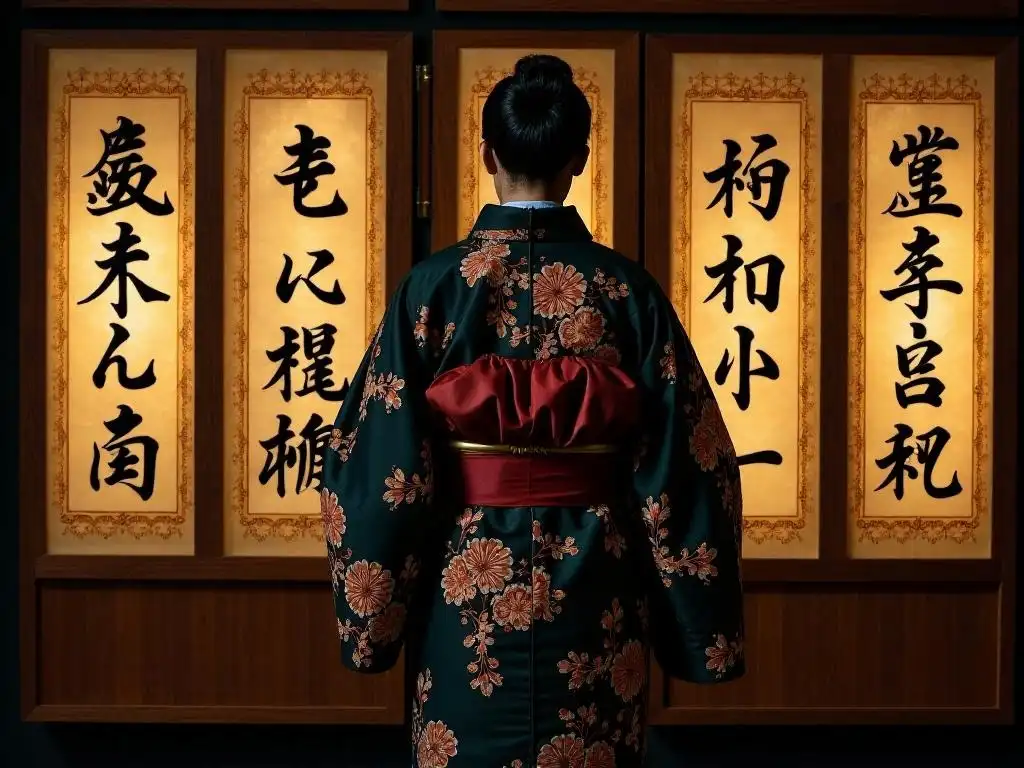
At the heart of Bushido lies the principle of honor, which is often intertwined with loyalty. The samurai's commitment to their lord and their clan is not merely a matter of duty; it is a spiritual bond that reflects their identity and purpose. Honor is viewed as a reflection of one's inner integrity, and a samurai's actions are guided by a deep sense of responsibility towards their family, community, and ancestors.
This spiritual dimension of loyalty transcends mere obedience; it embodies a profound respect for one's commitments and an unwavering dedication to uphold one's principles. The samurai's willingness to sacrifice their life for their lord is seen as the ultimate expression of loyalty, underlining the spiritual significance of this principle within Bushido.
Courage and Discernment: A Spiritual Perspective
Courage in Bushido is not simply the absence of fear; it is the ability to confront one's fears and act with resolve. This requires a deep spiritual understanding of oneself and the world. The samurai's courage is rooted in their principles and beliefs, allowing them to face adversity with strength and clarity.
Discernment, closely related to courage, involves the ability to make wise decisions in challenging situations. This spiritual aspect encourages samurai to cultivate awareness and insight, enabling them to navigate complex moral landscapes. By developing discernment, samurai can align their actions with their spiritual values, leading to a more profound understanding of their place in the world.
The Role of Self-Discipline and Meditation in Bushido Practice
Self-discipline and meditation are essential components of Bushido practice, fostering the spiritual growth of the samurai. Through rigorous training and self-control, samurai cultivate not only physical prowess but also mental and spiritual strength. This discipline helps them maintain focus and clarity, essential qualities for a warrior.
Meditation, particularly influenced by Zen Buddhism, offers samurai a means to achieve inner peace and mindfulness. Regular meditation practice allows them to reflect on their actions and intentions, deepening their understanding of the spiritual foundations of Bushido. This introspective journey aids in reinforcing their commitment to the principles of honor, loyalty, and courage, ultimately guiding their conduct both on and off the battlefield.
The Impact of Spiritual Foundations on Samurai Culture

The spiritual foundations of Bushido profoundly influenced samurai culture, shaping not only the ethical code that defined the samurai but also their way of life. Rooted in a blend of Shintoism, Buddhism, and Confucianism, these spiritual aspects provided the samurai with a sense of purpose, duty, and connection to a higher moral order. The samurai were not just warriors; they were expected to embody virtues such as loyalty, honor, and self-discipline, all of which were deeply intertwined with their spiritual beliefs.
The notion of honor (名誉, meiyo) was paramount in samurai culture, and this was often seen through a spiritual lens. For samurai, maintaining honor was not merely about personal reputation but was viewed as a reflection of their inner virtue and adherence to their spiritual convictions. This connection to spirituality infused their actions with meaning, reinforcing their commitment to their lords and families, and guiding their conduct in both battle and peaceful times.
Furthermore, the spiritual foundations fostered a sense of community among samurai. Rituals, such as meditation and tea ceremonies, served as communal practices that helped to solidify bonds between warriors. These gatherings not only allowed for the sharing of strategies and experiences but also created a space for spiritual reflection and growth, deepening their collective identity as a warrior class.
Spirituality and the Samurai Code of Ethics
The samurai code of ethics, known as Bushido, is deeply rooted in spiritual principles. Central to this code is the concept of rectitude or justice (義, gi), which calls for the samurai to act with moral integrity and righteousness. This principle is not merely a societal expectation but is viewed as a spiritual obligation, compelling samurai to align their actions with the greater good and the moral order of the universe.
Additionally, courage (勇, yū) is celebrated within Bushido as a spiritual virtue that transcends mere physical bravery. The courage of a samurai is not only about facing enemies in battle; it embodies the strength to uphold one’s ethical beliefs in the face of adversity. This deeper understanding of courage illustrates how spirituality permeated the samurai's ethical framework, urging them to act with conviction and honor even in the most challenging circumstances.
Moreover, compassion (仁, jin) and politeness (礼, rei) are integral to the samurai's ethical code, indicating the importance of empathy and respect in their interactions. These virtues reflect a spiritual awareness that extends beyond self-interest, promoting harmony and understanding within their communities. The spiritual dimensions of these ethical principles made them not only rules to follow but pathways to personal and collective enlightenment.
The Integration of Spiritual Practices in Samurai Daily Life
Daily life for samurai was infused with spiritual practices that reinforced their values and helped cultivate a disciplined mindset. Meditation, or zazen, was a common practice that enabled samurai to find clarity and focus, allowing them to connect with their inner selves and the spiritual world. This practice was crucial not just for preparing for battle but for maintaining mental and emotional balance in everyday life.
The tea ceremony ( chanoyu) is another significant ritual that reflects the integration of spirituality in samurai culture. Far beyond a simple social activity, the tea ceremony emphasizes mindfulness, respect, and the beauty of simplicity. Engaging in this ritual allowed samurai to cultivate an appreciation for the transient nature of life, echoing Buddhist teachings on impermanence.
Additionally, samurai often participated in rituals honoring their ancestors and deities, seeking guidance and protection. These practices reinforced their cultural identity and spiritual beliefs, reminding them of their responsibilities as warriors and members of a larger community. By integrating these spiritual practices into their daily lives, samurai were able to embody the principles of Bushido holistically.
Legacy of Spiritual Foundations in Modern Japanese Culture
The spiritual foundations of Bushido continue to resonate within modern Japanese culture, influencing societal values and practices. Concepts such as honor, duty, and respect for others remain integral to Japanese identity, reflecting the enduring legacy of the samurai ethos. Many contemporary Japanese still adhere to the values associated with Bushido, although they may express them in different contexts outside of the warrior class.
In modern Japan, martial arts such as Kendo, Aikido, and Iaido serve as a means of connecting with the spiritual and ethical teachings of Bushido. Practitioners engage in these arts not only for physical training but also for personal development, discipline, and spiritual growth. This reflects a continued commitment to the principles that guided the samurai, demonstrating how these values have transcended their historical context.
Furthermore, the influence of Bushido can be seen in various aspects of Japanese arts, literature, and philosophy. Themes of sacrifice, honor, and the quest for self-improvement are prevalent in contemporary Japanese storytelling, whether in film, literature, or anime. The spiritual foundations of Bushido continue to inspire and shape the cultural narrative of Japan, ensuring that the lessons of the samurai endure.
Conclusion
Summary of Key Insights on the Spiritual Foundations of Bushido
The spiritual foundations of Bushido have profoundly shaped samurai culture and continue to influence modern Japanese society. Key insights include the integration of ethical principles such as honor, justice, and compassion into the samurai code, as well as the importance of spiritual practices like meditation and the tea ceremony in daily life. These elements not only defined the samurai as warriors but also as individuals committed to a higher moral and spiritual order.
The Continued Relevance of Bushido's Spiritual Aspects in Contemporary Society
The relevance of Bushido's spiritual aspects in contemporary society is evident in the way values derived from this code resonate within modern Japanese culture. Concepts of loyalty, respect, and community remain vital in various sectors, from business to personal relationships. As individuals and society navigate the complexities of modern life, the spiritual teachings of Bushido provide a guiding framework that emphasizes integrity, self-discipline, and a collective sense of responsibility. Thus, the spiritual foundations of Bushido continue to be a source of inspiration and guidance, bridging the past with the present.
References
The spiritual foundations of Bushido, the code of the samurai, are deeply rooted in various philosophical, religious, and cultural traditions of Japan. Exploring these foundations requires a comprehensive understanding of both primary and secondary sources that have shaped the narrative of Bushido throughout history. Below are several suggested readings and academic sources that provide valuable insights into the spiritual underpinnings of this formidable code.
Suggested Readings on Bushido and Spirituality
-
"Bushido: The Soul of Japan" by Inazo Nitobe
This classic work provides a detailed examination of Bushido and its ethical principles, highlighting the integration of Shinto, Buddhism, and Confucianism in shaping samurai values. Nitobe's perspective as both a Westerner and a Japanese scholar offers a unique lens on the spiritual dimensions of Bushido.
-
"The Book of Five Rings" by Miyamoto Musashi
Written by the legendary swordsman, this text delves into the philosophy of martial arts and the samurai spirit. Musashi emphasizes the importance of inner strength and spiritual discipline, making it a vital read for understanding the deeper aspects of Bushido.
-
"Hagakure: The Book of the Samurai" by Yamamoto Tsunetomo
This book serves as a guide for samurai conduct, intertwining practical advice with profound spiritual reflections. Tsunetomo’s insights into loyalty, duty, and the transient nature of life provide an essential context for the spiritual foundations of Bushido.
-
"The Way of the Samurai" by Stephen Turnbull
This modern analysis of samurai culture incorporates historical narratives, illustrations, and discussions on the ethical code that governed the samurai's way of life. Turnbull's work is accessible and informative, making it a great starting point for those new to the topic.
-
"Zen and the Art of Archery" by Eugen Herrigel
Although focused on archery, this book explores the Zen philosophy that significantly influenced the samurai's spiritual practices. Herrigel’s experiences reflect how Zen teachings cultivate mental discipline and focus, which are essential in the practice of Bushido.
Academic Sources and Historical Texts on Feudal Japan
-
"Samurai, Warfare and the State in Early Medieval Japan" by Karl Friday
This scholarly work examines the evolution of the samurai class and their martial practices over time. Friday discusses how the spiritual aspects of Bushido were influenced by historical shifts and the socio-political landscape of feudal Japan.
-
"The Samurai: A Military History" by Stephen Turnbull
This comprehensive history outlines the military practices of the samurai while also addressing the philosophical and spiritual beliefs that underpinned their actions in battle. Turnbull's detailed accounts provide an in-depth understanding of how spirituality intertwined with martial prowess.
-
"The Spirit of the Samurai" by John H. Dower
Dower’s book explores the cultural and spiritual ethos of the samurai, focusing on their values of honor, loyalty, and discipline. This text is essential for grasping the broader socio-religious context of Bushido.
-
"Confucianism and the Japanese Way of Life" by Yoko Nagashima
This text offers insights into how Confucian values permeated Japanese society, including the samurai class. It discusses the moral and ethical frameworks that contributed to the spiritual foundations of Bushido.
-
"Japanese Religion: A Cultural Perspective" by Joseph Kitagawa
Kitagawa’s work provides a detailed overview of Japan’s religious landscape, including Shinto, Buddhism, and Confucianism. Understanding these faiths is crucial for comprehending the spiritual underpinnings of Bushido.
These readings and resources serve as a foundation for exploring the intricate spiritual dimensions of Bushido, offering a well-rounded understanding of its cultural significance during Japan's feudal era.
- Introduction to Bushido
- The Spiritual Foundations of Bushido
- Historical Development of Spirituality in Bushido
- The Evolution of Bushido Through the Ages
- Significant Texts and Teachings on Bushido's Spiritual Aspects
- Notable Figures Influencing the Spiritual Foundations of Bushido
- Core Principles Derived from Spiritual Foundations
- Honor and Loyalty: Spiritual Dimensions in Bushido
- Courage and Discernment: A Spiritual Perspective
- The Role of Self-Discipline and Meditation in Bushido Practice
- The Impact of Spiritual Foundations on Samurai Culture
- Conclusion
- References
Frequently Asked Questions
What is Bushido?
Bushido, often referred to as the "Way of the Warrior," is a code of conduct that emphasizes virtues such as loyalty, honor, and courage among the samurai of feudal Japan.
How did spiritual beliefs influence Bushido?
The spiritual foundations of Bushido were deeply rooted in Zen Buddhism and Shinto, which promoted values of self-discipline, mindfulness, and respect for nature, shaping the samurai's way of life.
What are the key virtues of Bushido?
The key virtues include rectitude, courage, benevolence, politeness, veracity, honor, and loyalty, which together form the moral framework guiding samurai behavior.
How did Bushido impact Japanese culture?
Bushido significantly influenced Japanese culture, emphasizing discipline, respect, and loyalty, which are still valued in contemporary society, shaping the national identity and ethos.
Is Bushido still relevant today?
Yes, the principles of Bushido continue to resonate in modern Japan, influencing various aspects of society, including business ethics, martial arts, and personal development, promoting a sense of integrity and responsibility.
Final Reflection: Embracing the Spiritual Foundations of Bushido
The spiritual foundations of Bushido resonate deeply in today's world, reminding us that honor, integrity, and self-discipline are not just relics of the past but essential virtues for modern living. In a time when values can often feel diluted or overshadowed by the chaos of contemporary life, the principles of Bushido offer a guiding light. They challenge us to cultivate a sense of purpose and ethical responsibility, urging us to reflect on how we can embody these timeless ideals in our daily interactions and decisions.
Culture is a living tapestry, woven from the threads of our beliefs and actions, and the spiritual foundations of Bushido continue to shape our societal landscape. The teachings of Bushido encourage us to seek balance and harmony, fostering a sense of community and respect for others. As we navigate the complexities of modern existence, we can draw inspiration from the wisdom of the samurai, who understood that true strength lies not only in martial prowess but in the cultivation of the spirit. The ultimate aim of the martial arts lies not in victory or defeat, but in the perfection of the character of its participants.
– Gichin Funakoshi.
As we conclude this exploration of the spiritual foundations of Bushido, I invite you to reflect on how these principles can be integrated into your own life. Consider how you can embody honor, courage, and compassion in your daily actions, and strive to cultivate a deeper understanding of your own values.
Let the legacy of Bushido inspire you to forge a path of integrity and purpose, not just for yourself, but for those around you. Together, we can honor the spirit of the samurai and create a world that values the profound connection between our actions and our inner selves.
Embrace the Spirit of Bushido Today!
Thank you for taking the time to explore the intricate spiritual foundations of Bushido with us. You’ve uncovered the essence of this age-old warrior code—now it’s time to embody it in your own life. Here’s how you can take action and deepen your understanding:
- Start a daily practice of reflection: Dedicate just a few minutes each day to meditate on the values of the Bushido code—**honor**, **courage**, and **respect**. Allow these principles to guide your daily decisions.
- Connect with like-minded individuals: Seek out a local or online community that shares your interest in Bushido and its principles. Engage in discussions about how these ancient teachings can enrich modern life.
- Share your insights: Consider writing a blog post or updating your social media about what Bushido means to you and the inspiration it has provided. By sharing your perspective, you can motivate others to explore these timeless virtues.
What aspect of Bushido resonates with you the most, and how will you integrate its principles into your daily routine?