
The Influence of Kendo and Spirituality on Bushido Practices

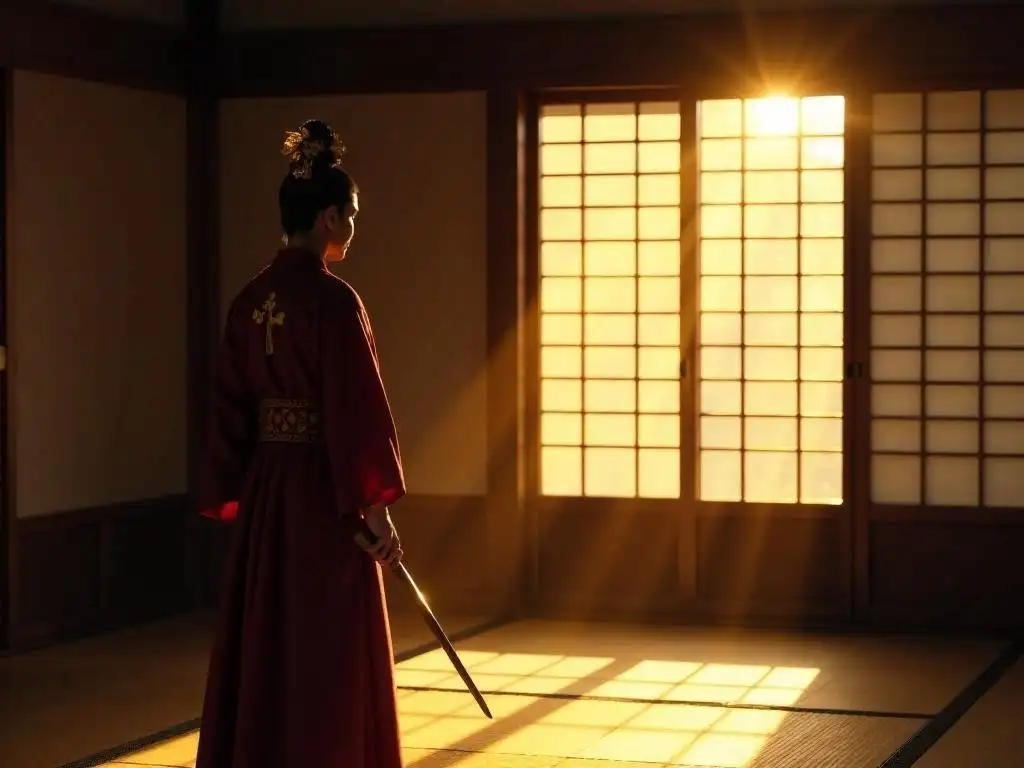
Welcome to Feudal Japan History! Immerse yourself in the captivating world of Japan’s feudal era, where the art of Kendo intertwines with the profound principles of Bushido. In our featured article, "The Influence of Kendo and Spirituality on Bushido Practices," we delve deep into the spiritual dimensions that shaped the warrior code and explore how these martial traditions continue to resonate today.
Prepare to uncover the intricate layers of philosophy and practice that defined an era, igniting your curiosity to learn more about the profound connections between mind, spirit, and sword. Join us on this enlightening journey and discover the timeless legacy of feudal Japan!
Introduction to Kendo and Bushido
The intricate relationship between Kendo, spirituality, and Bushido practices forms a cornerstone of Japan's rich cultural heritage, particularly during the feudal era. Kendo, often referred to as "the way of the sword," is not merely a martial art; it embodies a philosophy that intertwines physical prowess with spiritual development.
Similarly, Bushido, the code of the samurai, encapsulates the ethical principles and moral values that guided warriors in their conduct and way of life. This article delves into the profound impact that Kendo and its spiritual dimensions have on the practices of Bushido, highlighting how these elements converge to shape the identity and values of individuals in feudal Japan.
Understanding Kendo as a Martial Art
Kendo is deeply rooted in the techniques of swordsmanship practiced by samurai during Japan’s feudal period. It evolved from Kenjutsu, the traditional combat techniques of the samurai, into a modern sport that emphasizes not only skill but also character development.
Key Aspects of Kendo:
- Physical Training: Kendo practitioners engage in rigorous physical conditioning, enhancing their strength, agility, and reflexes.
- Swordsmanship Techniques: The art involves various techniques such as strikes (men, kote, and do) and defensive maneuvers, which are refined through repetitive practice.
- Mindset and Focus: A crucial aspect of Kendo training is the development of mental clarity and focus, essential for effective performance in both practice and competition.
The Concept of Bushido in Feudal Japan
Bushido, which translates to "the way of the warrior," is a code of conduct that emerged among the samurai class in feudal Japan. It encompasses a set of values including loyalty, honor, and discipline, which have been foundational to the samurai ethos.
Core Principles of Bushido:
- Loyalty: A samurai's unwavering loyalty to their lord and comrades was paramount.
- Honor: Maintaining personal and familial honor often dictated a samurai's actions, leading to a culture where shame was deeply feared.
- Courage: The willingness to face danger and act decisively in the face of adversity is a hallmark of the samurai spirit.
The Spiritual Foundations of Kendo
The spiritual aspect of Kendo is often overlooked, yet it plays a significant role in shaping the practice. It extends beyond mere physical combat to encompass a holistic approach to self-discipline and personal growth.
Historical Roots of Kendo Spirituality
Kendo's spiritual foundations can be traced back to the samurai's reliance on spiritual practices to enhance their martial capabilities. The integration of philosophical teachings from various traditions has enriched Kendo's spiritual dimension.
The Role of Zen Buddhism in Kendo Practices
Zen Buddhism has profoundly influenced Kendo, providing practitioners with a framework for achieving mental clarity and tranquility. The principles of Zen, such as mindfulness and presence in the moment, are integral to Kendo training, allowing practitioners to cultivate a deep sense of focus and awareness during practice.
Meditation and Mindfulness in Kendo Training
Meditation and mindfulness are essential elements in Kendo, serving to enhance concentration and emotional control. Practitioners often incorporate breathing techniques and meditative practices into their training regimen, fostering a deeper connection between mind and body. This spiritual discipline not only improves performance but also promotes a sense of inner peace and balance.
In exploring the intersection of Kendo, spirituality, and Bushido practices, one gains a richer understanding of how these elements coalesce to form a distinctive aspect of Japan's feudal history. The blend of martial skill and spiritual depth exemplifies the profound wisdom inherent in these traditions, offering valuable insights into the mindset and philosophy of the samurai.
Kendo's Impact on Bushido Philosophy
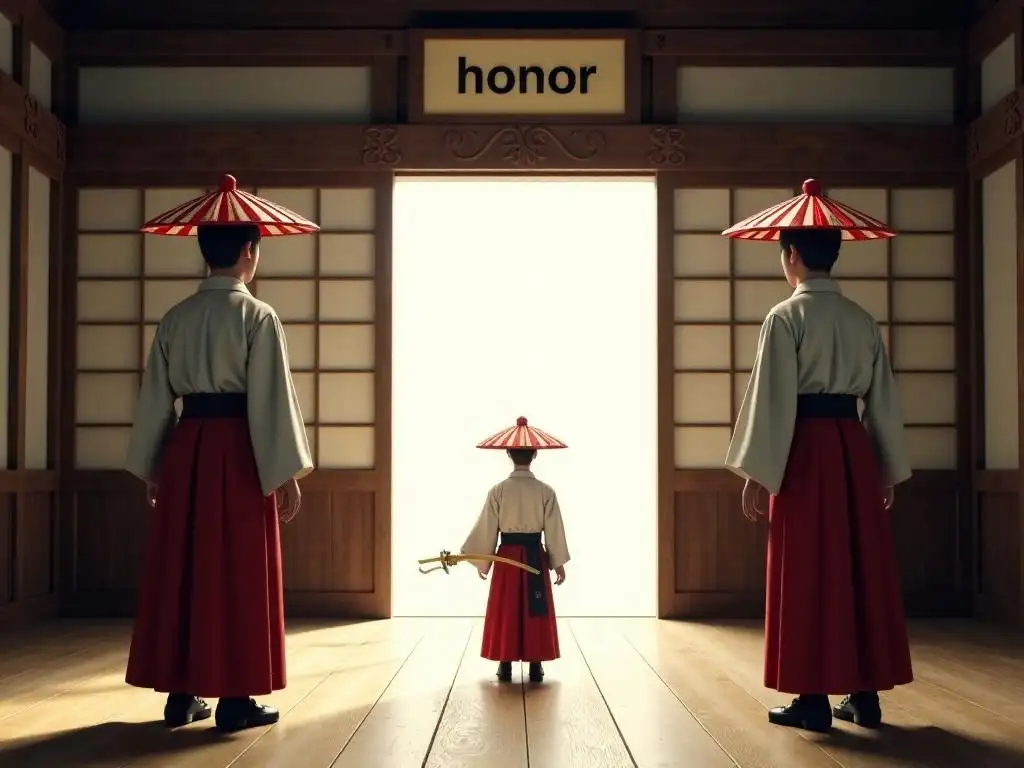
Kendo, the "way of the sword," is not only a martial art but also a profound reflection of the philosophical underpinnings of Bushido, the way of the warrior. Emerging from traditional samurai swordsmanship, Kendo embodies the ethical principles that define Bushido. The practice of Kendo fosters an environment where practitioners can cultivate virtues such as loyalty, honor, and courage, which are foundational to the samurai ethos.
Through rigorous training, Kendo practitioners learn to confront their fears and insecurities, which mirrors the samurai's journey towards self-mastery and discipline. This journey is characterized by the pursuit of perfection not only in combat techniques but also in character. The essence of Kendo is rooted in the concept of "kata" (forms), which emphasizes the importance of tradition and respect for the past, thereby reinforcing the historical ties that bind Kendo to Bushido.
How Kendo Shapes Moral Values in Samurai Culture
Kendo plays a critical role in shaping the moral framework of samurai culture by instilling values that transcend mere physical combat. The training regimen in Kendo is designed to promote qualities like integrity, perseverance, and humility. These moral values are essential for samurai, who were expected to uphold high ethical standards in their conduct.
The practice of Kendo encourages practitioners to reflect on their actions and decisions, fostering a sense of accountability that aligns with the principles of Bushido. For example, the concept of "sei" (purity) in Kendo underscores the importance of having a clear mind and intent, which translates to maintaining moral clarity in one's life. This deep connection between Kendo and moral education is crucial in understanding how these practices shaped the samurai's identity and societal role.
The Interconnection Between Kendo Techniques and Bushido Principles
The techniques employed in Kendo are not just about physical prowess; they are steeped in the principles of Bushido. Each strike, parry, and defensive move reflects a deeper understanding of strategy, timing, and the mental fortitude necessary for combat. This interconnection is evident in the concept of "zanshin," or the state of relaxed alertness, which is pivotal in both Kendo and Bushido.
Moreover, Kendo techniques often embody the principles of respect and etiquette, essential components of Bushido. For instance, the ritual bowing before and after matches signifies respect for opponents and acknowledges the shared journey of martial growth. This practice reinforces the idea of mutual honor among warriors, a core tenet of Bushido.
The Role of Discipline and Respect in Both Practices
Discipline and respect are central tenets in both Kendo and Bushido, forming the backbone of samurai training and lifestyle. Kendo training requires unwavering dedication, as practitioners must engage in repetitive drills and sparring sessions to refine their skills. This discipline cultivates a mindset aligned with the samurai's commitment to lifelong learning and self-improvement.
Respect is manifested in various aspects of Kendo, from the way practitioners address their instructors to the manner in which they engage with their peers. This respect extends beyond the dojo, influencing samurai interactions with all individuals, thereby fostering a culture of honor and dignity. The intertwining of discipline and respect in both Kendo and Bushido creates a holistic framework that guides the samurai in their personal and public lives.
Spirituality as a Core Element of Bushido
Spirituality is a vital component of Bushido, providing a philosophical and ethical foundation for samurai conduct. The spiritual beliefs of the samurai were influenced by various religious traditions, including Shinto and Confucianism, which shaped their understanding of honor, duty, and the greater good. This spiritual dimension adds depth to the samurai's commitment to their values and responsibilities.
The integration of spirituality into Bushido practices fosters a sense of purpose and connection to something greater than oneself. The samurai's spiritual journey often involved introspection and the pursuit of enlightenment, which guided their actions both on and off the battlefield. This profound connection between spirituality and Bushido practices is essential to understanding the samurai's worldview and ethical framework.
The Influence of Confucianism on Bushido Values
Confucianism has significantly influenced the development of Bushido values, particularly in terms of ethical conduct and social responsibility. The Confucian emphasis on filial piety, loyalty, and righteousness resonated deeply with the samurai ethos. These principles not only shaped the samurai’s relationships with their families and lords but also defined their roles within society.
The Confucian ideal of the "junzi" or "gentleman" aligns closely with the samurai's pursuit of moral integrity and self-cultivation. This influence can be seen in the samurai’s dedication to serving their lord with unwavering loyalty and honor, which are core components of both Confucian and Bushido philosophies. The blending of these traditions highlights the profound impact of Confucianism on the moral landscape of feudal Japan.
Shinto Beliefs and Their Connection to Samurai Ethics
Shinto, Japan's indigenous spirituality, has profoundly shaped samurai ethics, intertwining with the principles of Bushido. The reverence for kami (spirits) and the belief in the sacredness of nature instilled a sense of duty among samurai to protect their land and people. This connection to the divine reinforced the idea that their actions had moral and spiritual consequences.
Shinto rituals and practices, such as purification and offerings, were integral to the samurai's spiritual life, providing a framework for understanding their purpose and responsibilities. The emphasis on harmony with nature and the spiritual world influenced the samurai’s approach to conflict and governance, guiding them to act with a sense of responsibility and respect for the balance of life.
The Importance of Honor and Loyalty in Bushido Spirituality
Honor and loyalty are paramount in the spirituality of Bushido, forming the essence of the samurai’s identity. The concept of "on" (obligation) and "giri" (duty) encapsulates the samurai's commitment to their lord, family, and community. This sense of obligation is not merely a social contract but a spiritual calling that demands unwavering loyalty and sacrifice.
The samurai's pursuit of honor is deeply intertwined with their spiritual beliefs, as maintaining honor is seen as a path to spiritual purity and fulfillment. This pursuit often meant facing death with dignity and courage, as the samurai believed that a life lived with honor would lead to a meaningful afterlife. The intertwining of honor and loyalty within Bushido spirituality highlights the profound impact these values had on the samurai's actions and legacy.
Comparative Analysis of Kendo and Bushido Practices
Kendo and Bushido, while distinct in their practices, share an intrinsic relationship rooted in the cultural fabric of Japan. Kendo, often referred to as "the way of the sword," is a modern martial art that emphasizes the use of bamboo swords (shinai) and protective armor (bogu). Bushido, on the other hand, is the moral code of the samurai, dictating their conduct and guiding their actions both in battle and in life. This section delves into the similarities and differences between these two influential systems, highlighting how they interconnect and influence one another.
Similarities Between Kendo and Bushido Spiritual Principles
Both Kendo and Bushido are deeply intertwined with spiritual principles that emphasize respect, discipline, and self-improvement.
- Respect and Honor: At the heart of both practices is a profound respect for others. In Kendo, practitioners bow to their opponents and instructors, embodying the Bushido principle of respect (rei) as a fundamental aspect of their training.
- Discipline and Self-Control: Practitioners of both Kendo and Bushido are taught the importance of discipline. The rigorous training in Kendo mirrors the samurai's relentless pursuit of perfection in their skills and character.
- Spiritual Growth: Kendo training is often viewed as a path to spiritual enlightenment, echoing the way of the samurai, who sought not only martial prowess but also moral and spiritual fortitude. This pursuit of inner peace and clarity plays a crucial role in both practices.
Differences in Training Approaches and Philosophical Outlooks
Despite their similarities, Kendo and Bushido also exhibit significant differences in their training methodologies and philosophical orientations.
- Training Structure: Kendo training is highly structured and competitive, focusing on techniques, drills, and sparring (jigeiko) to develop physical skills and mental fortitude. In contrast, Bushido emphasizes a broad spectrum of virtues and ethics, guiding personal behavior rather than formalized training regimens.
- Philosophical Focus: Kendo tends to emphasize the physical and mental aspects of martial arts, including strategy and timing, whereas Bushido encompasses a wider moral and ethical framework, including loyalty, bravery, and benevolence. This difference reflects the evolution of Kendo from a battlefield skill to a modern sport with philosophical roots.
- Influence of Zen: Kendo often integrates Zen principles, encouraging practitioners to achieve a state of "no-mind" (mushin) during combat. Bushido, while also influenced by Zen, encompasses broader spiritual and ethical dimensions that include Confucian and Shinto elements.
Case Studies of Notable Samurai Practicing Kendo and Bushido
To illustrate the interplay between Kendo and Bushido, we can examine notable historical figures who embodied these principles.
- Miyamoto Musashi: A legendary swordsman and strategist, Musashi's life exemplifies the synthesis of Kendo and Bushido. His writings, particularly "The Book of Five Rings," explore not only combat techniques but also the philosophical aspects of martial arts and personal development.
- Yamamoto Tsunetomo: The author of "Hagakure," Tsunetomo's work reflects the essence of Bushido and illustrates the spiritual depth of the samurai life. Kendo practices were integral to the samurai's training, representing a means to cultivate both skill and spiritual insight.
- Niten Ichi-ryū School: Founded by Musashi, this Kendo school integrates principles of Bushido into its training, emphasizing the importance of character development alongside martial skill.
The Modern Relevance of Kendo Spirituality and Bushido Practices
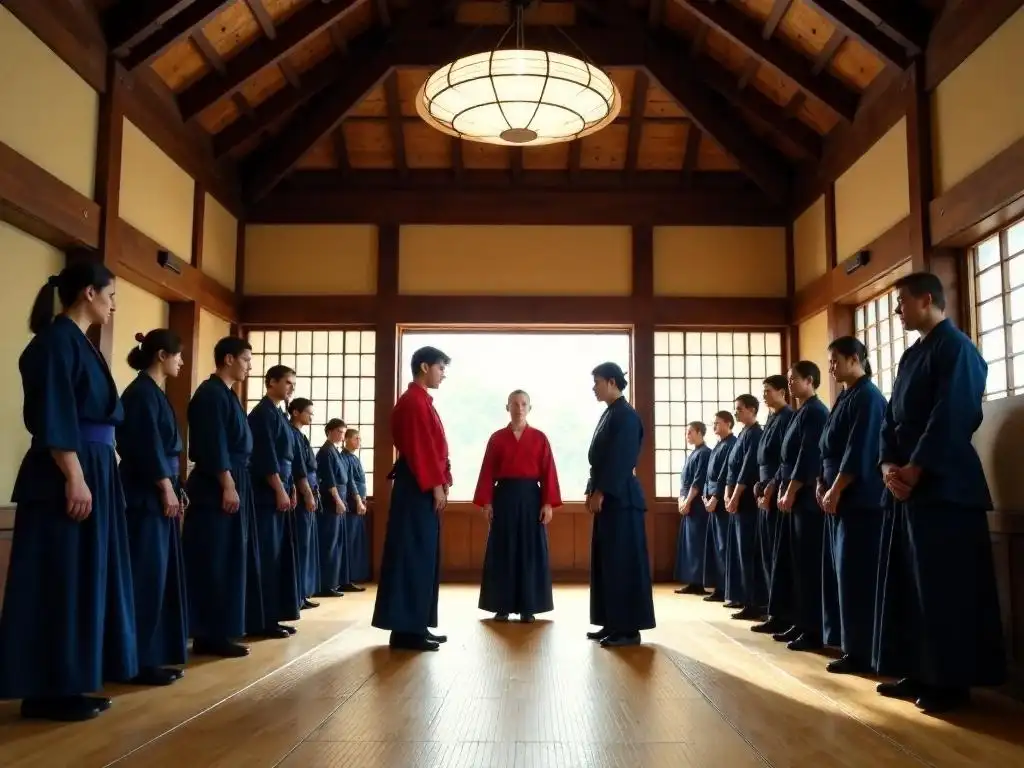
In contemporary society, the principles of Kendo and Bushido continue to resonate, influencing various aspects of life, culture, and martial arts.
Kendo in Contemporary Japanese Society
Kendo has evolved into a popular sport in Japan and worldwide, retaining its traditional roots while adapting to modern practices. It is taught in schools and universities, promoting physical fitness, mental discipline, and character development among students. The values of respect, humility, and perseverance inherent in Kendo training serve as a foundation for the broader societal ethos, shaping the moral character of individuals.
How Kendo and Bushido Influence Modern Martial Arts
The philosophies of Kendo and Bushido have significantly impacted contemporary martial arts practices globally. Many martial arts schools incorporate elements of these traditions, emphasizing respect, discipline, and a holistic approach to training. The emphasis on mental fortitude and ethical conduct has become a common thread among various martial arts disciplines, fostering a deeper understanding of the martial arts' philosophical roots.
The Legacy of Kendo and Bushido in Global Culture
Kendo and Bushido have transcended geographical boundaries, influencing global culture and inspiring countless practitioners outside Japan. The ethical teachings of Bushido resonate with individuals seeking personal development, while Kendo's sporting aspect has garnered international recognition, with tournaments and competitions held worldwide. This cross-cultural exchange highlights the universal appeal of Kendo spirituality and Bushido practices, ensuring their legacy continues to thrive in the modern world.
Conclusion: The Lasting Influence of Kendo and Spirituality on Bushido
The intertwining of Kendo, spirituality, and Bushido represents a rich tapestry of Japanese culture that has evolved over centuries. Kendo, as a modern martial art, not only embodies the physical techniques of swordsmanship but also emphasizes the importance of mental discipline and spiritual growth. This connection to spirituality is deeply rooted in the principles of Bushido, the way of the warrior, which upholds values such as honor, loyalty, and self-discipline.
Through rigorous training and the pursuit of mastery in Kendo, practitioners engage in a path that fosters personal reflection and self-improvement. This journey is not merely about defeating an opponent but about transcending one's limitations, which aligns with the spiritual aspects of Bushido. The philosophies that underpin both Kendo and Bushido continue to influence individuals and society, promoting a framework for ethical behavior and personal integrity.
Summary of Key Insights on Kendo, Spirituality, and Bushido
- Interconnectedness: Kendo serves as a bridge between physical prowess and spiritual development. The practice encourages practitioners to cultivate a state of mindfulness, enhancing their connection to the principles of Bushido.
- Mental Discipline: Spirituality in Kendo involves fostering a calm and focused mind, essential for effective decision-making in both practice and life. This mental discipline reflects the Bushido tenets of clarity and purpose.
- Cultural Legacy: The historical evolution of Kendo has preserved many aspects of Samurai culture, ensuring that the ethical and spiritual lessons of Bushido remain relevant in contemporary society.
- Holistic Development: The integration of Kendo’s physical training with spiritual exploration promotes a holistic approach to personal growth, aligning physical skills with moral and ethical considerations inherent in Bushido.
Final Thoughts on the Evolution of Samurai Practices
The evolution of Samurai practices, particularly through Kendo, illustrates a dynamic adaptation of tradition in response to modernity. As society evolved, so too did the interpretation of Bushido; it grew beyond mere combat skills to encompass a broader philosophical framework applicable to various aspects of life. Today, Kendo practitioners are not just warriors in the traditional sense; they are individuals seeking harmony between their physical capabilities and spiritual well-being. This shift reflects a deeper understanding of what it means to be a modern Samurai, where the essence of Bushido is maintained while adapting to the ethos of contemporary life.
References and Further Reading
Recommended Books on Kendo and Bushido
-
"Bushido: The Soul of Japan" by Inazo Nitobe
This classic text explores the moral code of the Samurai and its relevance to modern Japanese culture, providing insights into the spiritual foundations of Bushido.
-
"Kendo: The Definitive Guide" by S. John Sweeney
A comprehensive look at Kendo, this book covers its techniques, philosophy, and the spiritual journey of practitioners.
-
"The Way of the Sword: A History of Kendo" by David E. H. Brooks
This book chronicles the history of Kendo, detailing its evolution and connection to Samurai practices.
Articles and Journals for In-Depth Study on Spirituality in Martial Arts
-
"The Role of Meditation in Martial Arts Training"
An academic article examining how meditation practices enhance the spiritual aspects of various martial arts, including Kendo.
-
"Bushido and Zen: The Spiritual Foundations of the Samurai"
A journal article that delves into the relationship between Zen Buddhism and the development of Bushido philosophy.
-
"Kendo and Spirituality: A Path to Self-Discovery"
This article discusses the personal growth aspects of Kendo training, highlighting the spiritual journey of practitioners and its alignment with Bushido ideals.
- Introduction to Kendo and Bushido
- Understanding Kendo as a Martial Art
- The Concept of Bushido in Feudal Japan
- The Spiritual Foundations of Kendo
- Kendo's Impact on Bushido Philosophy
- Spirituality as a Core Element of Bushido
- Comparative Analysis of Kendo and Bushido Practices
- The Modern Relevance of Kendo Spirituality and Bushido Practices
- Conclusion: The Lasting Influence of Kendo and Spirituality on Bushido
- References and Further Reading
- What is the relationship between Kendo and Bushido practices?
- How does spirituality enhance the practice of Kendo?
- What are the core principles of Bushido that are reflected in Kendo?
- Can Kendo be considered a form of spiritual practice?
- How do historical aspects of feudal Japan influence modern Kendo?
Frequently Asked Questions
What is the relationship between Kendo and Bushido practices?
Kendo, as a modern martial art, embodies the spirituality and discipline that are central to Bushido, the code of ethics followed by samurai. Both emphasize honor, respect, and self-improvement.
How does spirituality enhance the practice of Kendo?
Spirituality in Kendo encourages practitioners to cultivate mindfulness and inner peace, fostering a deeper connection with the art and tradition of martial arts. This enhances not only their skills but also their overall character.
What are the core principles of Bushido that are reflected in Kendo?
The core principles of Bushido such as loyalty, courage, and honor are deeply ingrained in Kendo practice. These principles guide practitioners in their training and competitions, shaping their moral and ethical outlook.
Can Kendo be considered a form of spiritual practice?
Yes, many practitioners view Kendo as a form of spiritual practice that promotes self-discipline and personal growth, enabling individuals to explore their inner selves while also adhering to the values of Bushido.
How do historical aspects of feudal Japan influence modern Kendo?
Modern Kendo retains many elements from feudal Japan, including its rituals, weapons, and philosophies. This historical influence enriches the practice, reminding practitioners of the tradition and cultural heritage associated with Bushido.
Final Reflection: The Enduring Legacy of Kendo Spirituality in Bushido Practices
The intricate relationship between Kendo spirituality and Bushido practices remains profoundly relevant today, as we navigate a world that often seems devoid of purpose and discipline. In an era marked by rapid change and uncertainty, the principles of honor, respect, and self-discipline that are central to these martial traditions serve as a guiding light. The essence of Bushido, intertwined with the meditative practices of Kendo, offers a pathway to personal growth and resilience, reminding us that true strength lies not just in physical prowess, but in the cultivation of one's spirit.
The influence of Kendo and its spiritual dimensions extends far beyond the dojo, permeating various aspects of contemporary culture and social interactions. As we witness a resurgence of interest in mindfulness and mental well-being, the teachings of Kendo resonate deeply with those seeking balance and clarity in their lives. The ultimate aim of Kendo is not to defeat others, but to conquer oneself.
This quote encapsulates the ongoing journey of self-discovery and mastery that Kendo practitioners undertake, illustrating how these ancient practices continue to shape our understanding of personal integrity and community.
As we reflect on the lessons embedded within Kendo spirituality and Bushido practices, I invite you to explore how these principles can be woven into your own life. Consider the virtues of discipline, respect, and self-reflection as tools for navigating your personal challenges. Embrace the spirit of Kendo not just as a martial art, but as a philosophy that encourages you to strive for excellence in all endeavors. Let us carry forward the legacy of these traditions, allowing them to inspire us to cultivate a more harmonious and purposeful existence.
Unveil Your Inner Warrior and Embrace the Spirit of Bushido!
Thank you for immersing yourself in the fascinating intersection of Kendo, spirituality, and the practices of Bushido. Your curiosity highlights the powerful lessons these traditions offer! Now, it’s time to harness that insight and take actionable steps to deepen your journey.
- Join a local Kendo dojo! Immerse yourself in the discipline and philosophy firsthand.
- Explore various resources on Bushido and its relevance to modern living to expand your understanding.
- Share your insights with friends or a community group to spark meaningful conversations about these ancient traditions.
How will you integrate the principles of Bushido into your daily life? We’d love to hear your thoughts!