
The Philosophical Underpinnings of Bushido: A Religious Analysis


Welcome to Feudal Japan History, where we delve into the intricate tapestry of Japan's feudal era, revealing the profound historical, cultural, and societal nuances that shaped this fascinating period. In our featured article, "The Philosophical Underpinnings of Bushido: A Religious Analysis," we invite you to uncover the compelling connections between Bushido philosophy and religion. What lies beneath the warrior code that has captured the imagination of many?
Join us as we embark on an enlightening journey through the ideals and beliefs that defined a generation, prompting you to explore the depths of a legacy that continues to influence modern thought. Your exploration starts here—dare to venture further into the world of feudal Japan!
Introduction to Bushido Philosophy and Religion
Bushido, often translated as the "Way of the Warrior," is a complex code of conduct that emerged during Japan's feudal era, intertwining deeply with both philosophical tenets and religious beliefs. This intricate blend of ethics, spirituality, and martial discipline shaped the samurai's identity, informing their actions, decisions, and worldview. Understanding Bushido requires delving into its philosophical foundations and the religious contexts that influenced its evolution. This exploration reveals how the samurai navigated their moral obligations and the spiritual dimensions of their lives, providing insights into the broader societal impacts of this warrior code.
Overview of Bushido in Feudal Japan
Bushido was not merely a set of rules but a comprehensive guide that dictated the samurai's lifestyle and responsibilities. Rooted in the warrior class's ethos, it emphasized virtues such as loyalty, honor, courage, and self-discipline. These principles were not universally defined; rather, they evolved through interactions with various philosophical and religious traditions, including Confucianism, Buddhism, and Shintoism.
- Loyalty: The samurai's unwavering loyalty to their lord was paramount, often overshadowing personal interest.
- Honor: Maintaining one's honor was a matter of life and death, often leading to the practice of seppuku (ritual suicide) to restore dignity.
- Courage: The samurai were expected to face dangers without fear, embodying bravery in the face of adversity.
- Self-Discipline: A commitment to rigorous training and self-improvement was essential for mastering the martial arts.
Importance of Religion in Shaping Bushido Ideals
Religion played a crucial role in shaping the philosophy of Bushido. The synthesis of Shinto beliefs, Buddhist principles, and Confucian ethics created a unique moral framework for the samurai.
- Shinto Influence: Shinto, Japan's indigenous spirituality, emphasized a deep connection to nature and the importance of ancestral spirits. This connection fostered a sense of duty and respect towards one's heritage, which was essential in the samurai's worldview.
- Buddhist Principles: Buddhism introduced concepts such as impermanence and enlightenment, urging samurai to seek inner peace while grappling with the transient nature of life.
- Confucian Ethics: Confucianism reinforced social hierarchy and duty, promoting loyalty and respect within the feudal structure.
These religious influences collectively molded the samurai's character, guiding their ethical decisions and behaviors in both personal and societal contexts.
Historical Context of Bushido Philosophy
To fully appreciate the philosophical underpinnings of Bushido, it is essential to explore its historical roots and the circumstances that fostered its development.
Origins of Bushido: A Historical Perspective
The origins of Bushido can be traced back to the Kamakura period (1185-1333), a time when the samurai emerged as a distinct social class. Initially, the samurai were primarily warriors, but as their role evolved, so did their responsibilities, leading to the integration of ethical and philosophical considerations into their martial practices.
- Feudal Warfare: Continuous warfare necessitated a code that would govern not just combat but the conduct of life itself.
- Cultural Exchange: The interaction between different philosophies and religions during this period enriched Bushido, allowing it to evolve into a nuanced ethical system.
Key Influences on Bushido Development
Several key factors influenced the development of Bushido, marking its transformation from a practical code of conduct into a philosophical ideal.
- Literature and Poetry: Works such as "The Tale of the Heike" and "The Book of Five Rings" provided narratives and reflections that enriched Bushido's philosophical dimensions.
- Zen Buddhism: The introduction of Zen Buddhism emphasized mindfulness and the concept of 'no-mind,' which profoundly impacted the samurai's approach to both combat and life.
- Political Shifts: The rise and fall of various shogunates led to changes in social structures, impacting the way Bushido was interpreted and practiced.
The philosophical underpinnings of Bushido are deeply interwoven with historical events, religious beliefs, and cultural influences, making it a fascinating subject for exploration within the broader context of Japan's feudal history.
Core Principles of Bushido Philosophy
Bushido, often translated as "the way of the warrior," serves as a moral code guiding samurai behavior and ethos throughout Japan's feudal era. This philosophy emphasizes a harmonious blend of martial prowess and ethical conduct. The core principles of Bushido revolve around loyalty, honor, courage, compassion, and respect, which collectively shape the samurai's identity and responsibilities.
- Loyalty (Chūgi): Loyalty is paramount within Bushido, reflecting the samurai's duty to serve their lord unconditionally. This loyalty is not merely contractual; it is a deep-seated commitment that extends beyond life, often leading to acts of seppuku (ritual suicide) to preserve honor in the face of failure or betrayal.
- Honor (Meiyo): Honor is intricately tied to one's reputation and moral standing. Samurai were expected to uphold their family's name and their own by acting justly and with integrity. Dishonor could lead to ostracization or worse, prompting a samurai to take their own life rather than live with shame.
- Courage (Yū): Courage in Bushido is not just physical bravery but also the strength to face moral dilemmas. Samurai were trained to confront their fears and make difficult choices, often prioritizing the greater good over personal safety.
- Compassion (Jin): Despite the martial focus, compassion is a vital element of Bushido. Samurai were encouraged to demonstrate benevolence and empathy, particularly towards the vulnerable and those unable to defend themselves.
- Respect (Rei): Respect towards others, including peers, superiors, and even adversaries, is a foundational aspect of Bushido. This respect fosters an environment of mutual understanding and honor, essential for maintaining social harmony.
These principles not only defined samurai conduct but also influenced broader societal norms in feudal Japan, intertwining martial valor with ethical living.
The Seven Virtues of Bushido
The Seven Virtues of Bushido serve as a comprehensive framework that encapsulates the core values samurai aspired to embody. These virtues are:
- Gi (Righteousness): The practice of justice and moral integrity in all actions.
- Yū (Bravery): The courage to act rightly, even in the face of fear.
- Jin (Benevolence): The commitment to compassion and kindness towards others.
- Rei (Respect): The importance of treating others with dignity and honor.
- Makoto (Honesty): The virtue of being truthful and sincere in one’s dealings.
- Chūgi (Loyalty): The unwavering faithfulness to one’s lord and comrades.
- Tei (Self-Control): The ability to master oneself and maintain discipline.
These virtues collectively emphasize a holistic approach to life, where a samurai's actions reflect not just personal honor but also a commitment to the welfare of their community. Each virtue reinforces the others, creating a balanced ethical system that guided samurai in their daily lives and decisions.
Religious Influence on Bushido Philosophy
The philosophical underpinnings of Bushido are deeply influenced by various religious traditions in Japan, notably Shintoism, Buddhism, and Confucianism. Each of these faiths contributed distinct elements that shaped the moral and ethical framework of the samurai.
- Shintoism: As Japan's indigenous spirituality, Shintoism emphasizes harmony with nature and the veneration of kami (spirits). This belief system instilled a sense of duty towards the land and ancestors, fostering a deep spiritual connection that influenced samurai loyalty and honor.
- Buddhism: Particularly Zen Buddhism, introduced in the 12th century, encouraged samurai to cultivate mindfulness and self-discipline. The Zen influence helped develop a stoic acceptance of death and the transient nature of life, central to the samurai's understanding of honor and duty.
- Confucianism: This philosophy, which values social harmony and ethical governance, reinforced the importance of loyalty and filial piety. Confucian ideals shaped the samurai's relationship with their lords and families, emphasizing duty over personal desires.
Thus, the interplay of these religions provided a rich tapestry of beliefs that informed the samurai's worldview, blending martial ethics with spiritual depth.
The Interplay Between Religion and Samurai Life
The relationship between religion and samurai life was profound and multifaceted. Samurai were not merely warriors; they were also custodians of cultural and spiritual traditions. Their adherence to Bushido philosophy was often intertwined with religious practices and beliefs.
- Rituals and Practices: Samurai engaged in various religious rituals, including prayers and offerings to kami, as well as Buddhist meditation practices. These rituals served to reinforce their commitment to the principles of Bushido, instilling a sense of purpose and alignment with their values.
- Moral Guidance: Religious teachings provided a moral compass for samurai, guiding them in their decisions and behavior. The ethical dilemmas faced by samurai were often navigated through the lens of their religious beliefs, promoting a sense of duty and righteousness.
- Community and Identity: The blend of martial and religious life fostered a unique sense of identity among samurai. Their roles as warriors were inseparable from their responsibilities as spiritual leaders within their communities, creating a framework of respect and honor that transcended mere combat.
Through this interplay, samurai not only upheld their martial traditions but also served as embodiments of the cultural and religious values of feudal Japan.
The Role of Ancestor Worship in Bushido Beliefs
Ancestor worship plays a crucial role in the spiritual landscape of Bushido, highlighting the importance of lineage and heritage in samurai culture. This practice emphasizes respect and reverence for one's forebears, influencing samurai values and actions.
- Cultural Significance: Ancestors are considered protectors and guides, and honoring them is seen as a way to maintain familial strength and integrity. Samurai believed that their actions reflected not only on themselves but also on their ancestors, which instilled a sense of accountability.
- Ceremonial Practices: Rituals dedicated to ancestors, such as offerings and prayers during festivals, were commonplace. These practices reinforced the samurai's connection to their lineage and affirmed their commitment to uphold the family's honor.
- Legacy and Identity: The emphasis on ancestor worship shaped the samurai's understanding of identity. A samurai's worth was often measured by their family heritage, driving them to live honorably and courageously to honor their ancestors and ensure their legacy endured.
In this way, ancestor worship intertwined with the philosophical constructs of Bushido, enriching the samurai's moral framework and reinforcing their dedication to duty, honor, and loyalty.
Comparative Analysis of Bushido and Other Philosophies
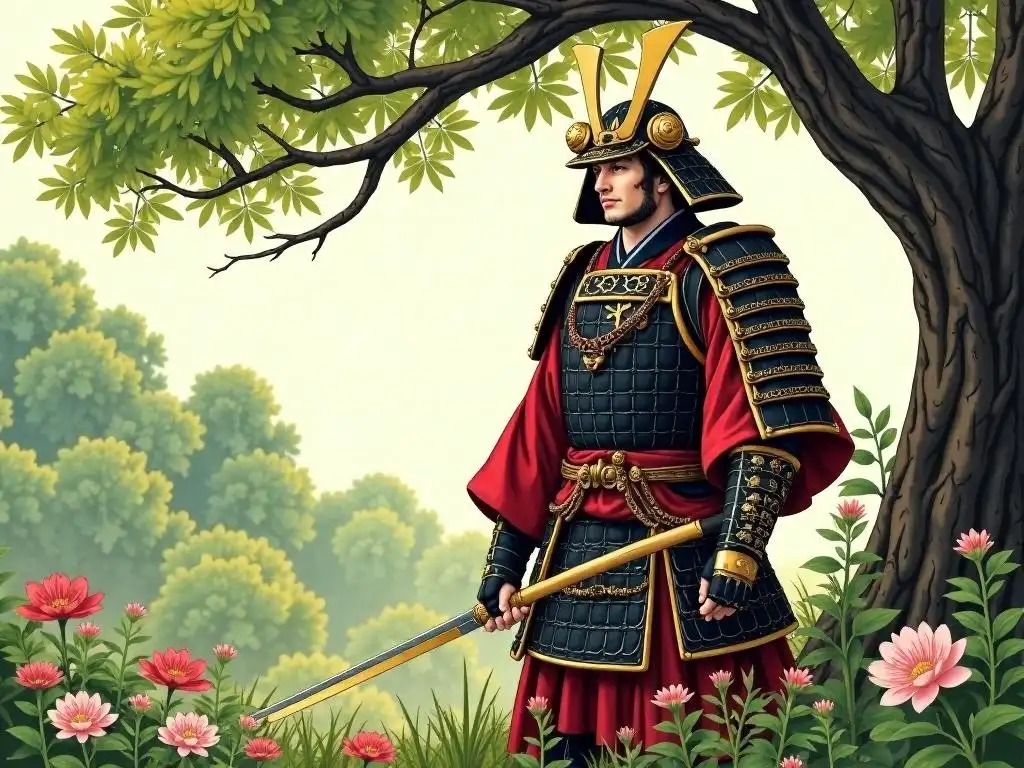
Bushido, the code of conduct for samurai warriors, is deeply intertwined with various philosophical and religious traditions. This examination of Bushido philosophy and religion reveals not only its unique characteristics but also its shared elements with other ethical frameworks. By comparing Bushido with Western chivalry and other philosophies, we gain a clearer understanding of its distinctive qualities and enduring legacy.
Bushido vs. Western Chivalry: Similarities and Differences
Bushido and Western chivalry both emerged as ethical codes guiding the behavior of warriors in their respective cultures. At the core of both codes lies a commitment to honor, loyalty, and valor. However, several fundamental differences distinguish them:
- Cultural Roots:
- Bushido is heavily influenced by Zen Buddhism, Confucianism, and Shinto, which emphasize virtues such as self-discipline, respect, and harmony with nature.
- Western chivalry, on the other hand, draws from Christian ethics, which prioritize compassion, justice, and humility alongside martial prowess.
- Moral Focus:
- In Bushido, the warrior's duty to his lord and family often supersedes personal desires, reflecting a collectivist approach.
- Chivalry emphasizes individual honor and personal integrity, often promoting a more individualistic ethos within the framework of service to God and country.
- Spiritual Dimensions:
- Bushido integrates a spiritual aspect where samurai warriors practice meditation and mindfulness, seeking inner peace and enlightenment through their actions.
- Meanwhile, chivalry is often more overtly religious, linking knightly virtues directly to the will of God and the Church.
These differences highlight how Bushido philosophy and religion operate within a unique cultural and spiritual context, while still sharing common ground with Western ideals.
The Unique Aspects of Bushido Philosophy in a Religious Context
Bushido philosophy stands out for its incorporation of various religious elements that shape its ethical framework. Central to this is the belief in Mizukagami or "reflected water," symbolizing purity and clarity of purpose. This reflects the Zen Buddhist influence that encourages samurai to maintain a clear mind and disciplined spirit.
Key unique aspects include:
- Harmony with Nature: Bushido advocates for a deep respect for nature, often viewing the samurai’s duty as aligned with the natural order. This perspective encourages a spiritual connection to the land and its cycles, which is less emphasized in other warrior codes.
- Concept of Death: The samurai's acceptance of death as a natural and honorable part of life imbues Bushido with a unique spiritual depth. This acceptance is closely tied to Zen Buddhism, which teaches the impermanence of existence.
- Ritual and Ceremony: Rituals such as the tea ceremony and the art of flower arranging (ikebana) are infused with Bushido values, demonstrating the integration of daily life with philosophical and spiritual practices.
These elements highlight how Bushido philosophy not only served as a code of conduct for warriors but also as a comprehensive spiritual guide deeply rooted in Japan's religious traditions.
The Legacy of Bushido Philosophy and Religion
The legacy of Bushido philosophy and religion continues to resonate within contemporary Japanese culture, influencing various aspects of life, art, and social conduct.
Lasting Impact of Bushido on Modern Japanese Culture
Bushido’s principles of loyalty, honor, and discipline have permeated modern Japanese society, shaping cultural norms and values. In business, for instance, the samurai spirit is reflected in corporate loyalty and the work ethic that values group harmony over individual ambition.
Additionally, the aesthetic values derived from Bushido are evident in traditional arts, including calligraphy, martial arts, and theater, emphasizing grace, precision, and discipline. The enduring popularity of samurai films and literature showcases the romanticization of Bushido, keeping its philosophy alive in popular culture.
The Revival of Bushido Principles in Contemporary Society
In recent years, there has been a resurgence of interest in Bushido principles, particularly in the context of personal development and ethics. Various groups and organizations have sought to revive the teachings of Bushido as a means to foster discipline and resilience in modern life.
This revival can be seen in:
- Martial Arts Schools: Many schools emphasize the philosophical teachings of Bushido alongside physical training, encouraging students to embody the virtues of the samurai.
- Leadership Programs: Business leaders and educators are increasingly integrating Bushido principles into leadership training, promoting values such as integrity, respect, and perseverance.
- Cultural Festivals: Events celebrating samurai culture, including reenactments and exhibitions, help keep the spirit of Bushido alive, educating new generations about its significance.
The philosophical underpinnings of Bushido, deeply rooted in Japan's religious and cultural contexts, continue to influence both historical and contemporary perspectives, illustrating its lasting impact on society.
Conclusion: The Enduring Significance of Bushido Philosophy and Religion
The philosophical underpinnings of Bushido are deeply intertwined with various religious and ethical traditions that shaped Japan's feudal society. This intricate blend of values, beliefs, and practices has created a framework that continues to resonate in contemporary Japan, influencing not only martial arts but also leaders, educators, and everyday citizens. Bushido embodies principles such as loyalty, honor, and self-discipline, which transcend time and culture, making it a significant aspect of Japanese identity.
As society evolves, the essence of Bushido remains relevant, providing guidance in moral dilemmas and personal conduct. Its enduring significance lies in its ability to adapt to modern values while retaining its core principles, reflecting the dynamic interplay between tradition and contemporary life.
Reflection on the Philosophical and Religious Dimensions of Bushido
Bushido philosophy is not merely a set of martial codes; it is a profound reflection of the religious and spiritual beliefs that permeated feudal Japan. Drawing from Shintoism, Zen Buddhism, and Confucianism, Bushido integrates concepts of spirituality and ethics into a cohesive moral framework.
- Shintoism emphasizes the connection to nature and ancestral spirits, fostering a sense of loyalty to one's family and community. This is evident in the samurai's commitment to their lord and the land they protected.
- Zen Buddhism introduces the notions of mindfulness and self-awareness, helping samurai cultivate mental discipline, which is crucial in both combat and decision-making.
- Confucianism contributes the emphasis on social harmony, respect for hierarchy, and the importance of duty, shaping the samurai's understanding of their role within society.
These philosophical and religious dimensions create a rich tapestry that informs the samurai's way of life, promoting an ethos that values integrity, courage, and service. The legacy of these teachings can be seen in various aspects of Japanese culture today, from business ethics to the arts, where the spirit of Bushido continues to inspire individuals in their personal and professional endeavors.
Final Thoughts on the Influence of Bushido in Modern Contexts
In contemporary Japan and beyond, the influence of Bushido philosophy extends far beyond the battlefield. It has permeated various aspects of life, including business, education, and personal development. The principles of Bushido—such as loyalty, respect, and ethical conduct—resonate with the ideals of modern leadership and corporate culture.
In martial arts, for instance, the teachings of Bushido continue to guide practitioners, promoting not only physical prowess but also mental fortitude and moral integrity. Schools and organizations often reference Bushido to instill values of discipline and respect among students and professionals alike.
Moreover, the resurgence of interest in traditional Japanese culture has led to a renewed appreciation for the tenets of Bushido, influencing literature, film, and popular media. This cultural renaissance reflects a collective yearning for a deeper understanding of identity and values in an increasingly globalized world.
Ultimately, the philosophical underpinnings of Bushido serve as a timeless guiding light, encouraging individuals to navigate the complexities of modern life while remaining grounded in principles that honor both personal integrity and social responsibility. The legacy of Bushido philosophy and religion thus continues to thrive, shaping the moral landscape of contemporary society.
- Introduction to Bushido Philosophy and Religion
- Historical Context of Bushido Philosophy
- Core Principles of Bushido Philosophy
- Religious Influence on Bushido Philosophy
- Comparative Analysis of Bushido and Other Philosophies
- The Legacy of Bushido Philosophy and Religion
- Conclusion: The Enduring Significance of Bushido Philosophy and Religion
Frequently Asked Questions
What is Bushido?
Bushido is the code of conduct and ethics developed by the samurai class in Japan, emphasizing virtues such as loyalty, honor, and self-discipline.
How does religion influence Bushido philosophy?
The Bushido philosophy is deeply intertwined with religious beliefs, particularly Shinto and Zen Buddhism, which emphasize principles of nature, spirituality, and inner peace.
What are the main values of Bushido?
The main values of Bushido include courage, compassion, respect, honesty, and integrity, which together guide the moral conduct of samurai and can be seen as a reflection of their religious and philosophical beliefs.
How did Bushido evolve over time?
Bushido evolved from a warrior code into a more complex set of moral guidelines, influenced by changing societal norms, religious practices, and interactions with other cultures during the feudal era.
Is Bushido relevant today?
Today, Bushido remains relevant as a source of inspiration for many in Japan and beyond, promoting values of discipline, respect, and integrity in various aspects of life, including business and personal development.
Final Reflection: The Enduring Legacy of Bushido Philosophy and Religion
The exploration of Bushido philosophy and its religious underpinnings is not merely an academic exercise; it resonates profoundly in today's world. As we navigate an era marked by ethical dilemmas and cultural conflicts, the principles of Bushido—honor, loyalty, and self-discipline—serve as a guiding light. The relevance of these values is undeniable, reminding us that the essence of Bushido transcends time and geography, urging us to reflect on our own moral compass in a rapidly changing society.
Culture and society are continuously shaped by the philosophies we embrace, and Bushido remains a potent influence in contemporary discussions around ethics and personal conduct. The tenets of Bushido inspire individuals to cultivate virtues that foster resilience and integrity. As philosopher Daisaku Ikeda once said, The true warrior is one who conquers himself.
This notion underscores the importance of self-mastery and the internal struggle that lies at the heart of Bushido, encouraging us to engage in a lifelong journey of self-improvement and ethical reflection.
As you consider the teachings of Bushido, I invite you to reflect on how these principles can be integrated into your daily life. What does honor mean to you in your personal and professional relationships? How can you embody loyalty and self-discipline in your actions?
By embracing the philosophy of Bushido, we can cultivate a deeper understanding of ourselves and our place in the world, ultimately contributing to a more harmonious society. Let the legacy of Bushido inspire you to forge your own path of integrity and purpose, ensuring that its timeless wisdom continues to resonate through our actions and choices.
Embrace the Spirit of Bushido: Take Action Today!
Thank you for diving into the profound world of Bushido and its philosophical roots. You've gained insights into the values that shaped the samurai spirit, and now it’s time to put those principles into practice in your own life!
Here are some actionable steps to deepen your understanding and connection to Bushido:
- Adopt a Bushido Principle: Choose one core value of Bushido, such as honor or courage, and reflect on how you can incorporate it into your daily actions.
- Explore Further: Read literature or watch documentaries about the samurai to uncover more about their philosophies and lifestyle.
- Share Your Thoughts: Discuss the relevance of Bushido in modern life with friends or on social media—start a conversation about how these ancient values can inspire us in today's challenges.
What do you believe is the most important lesson we can learn from Bushido to enhance our lives today?