
How Ritual Combat Reflects the Spirituality of Bushido

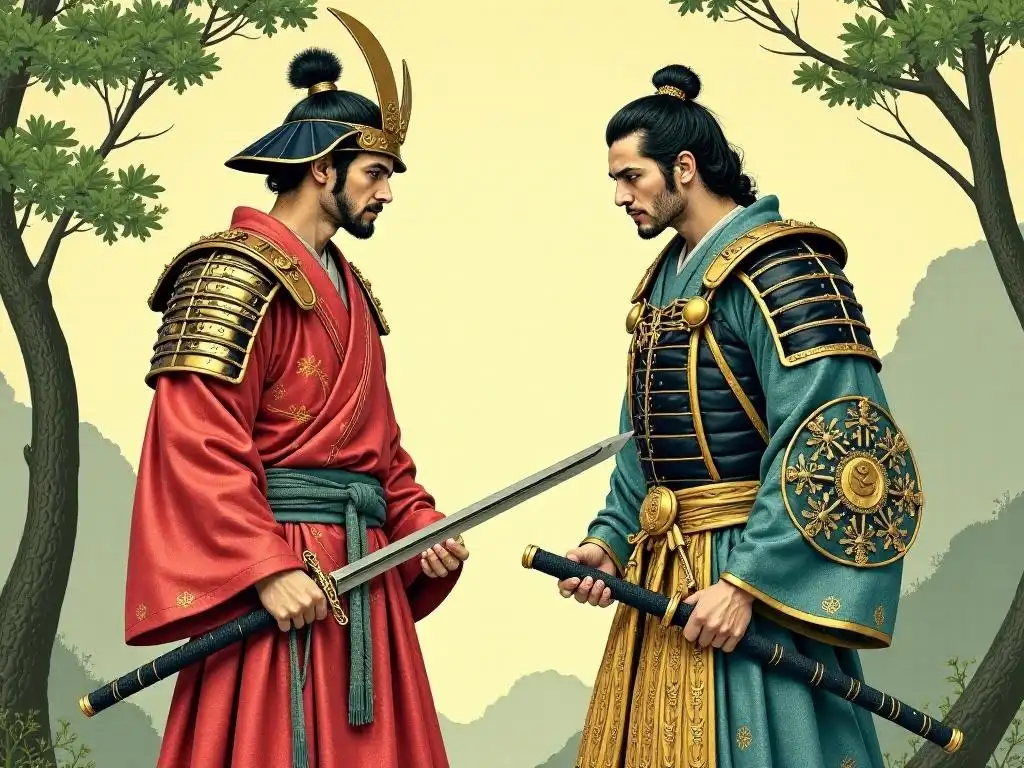
Welcome to Feudal Japan History, where we invite you to embark on a captivating journey through the intricate tapestry of Japan’s feudal era. Here, we delve into the profound depths of Bushido spirituality and ritual combat, exploring how these elements not only shaped the warrior's path but also reflected the very essence of Japanese culture. Prepare to uncover the rich traditions and philosophies that governed the samurai, as we reveal how ritual combat served as a sacred expression of their spiritual beliefs.
Curious about the intertwining of honor, discipline, and spirituality? Read on to discover the secrets that lie within the heart of Bushido.
Introduction to Bushido Spirituality and Ritual Combat
The concept of Bushido, often translated as the "way of the warrior," is a multifaceted philosophy that guided the samurai class in feudal Japan, intertwining martial prowess with deep spiritual values. This code of conduct not only dictated how samurai should engage in battle but also emphasized the importance of ethical behavior, loyalty, and respect.
The practice of ritual combat during this era served as a critical reflection of Bushido spirituality, illustrating how deeply embedded these principles were in the samurai's approach to warfare and life itself. By understanding the intricate relationship between Bushido and the ceremonial aspects of combat, we can gain insight into the broader cultural and spiritual milieu of feudal Japan.
Definition of Bushido and Its Importance in Feudal Japan
Bushido was more than just a set of rules for combat; it was a way of life that encompassed a samurai's conduct both on and off the battlefield. The origins of Bushido can be traced back to the 12th century, solidifying its influence throughout the Edo period (1603-1868). This code emphasized virtues such as:
- Loyalty to one's lord
- Honor in all actions
- Courage in the face of adversity
The importance of Bushido in feudal Japan cannot be overstated, as it shaped the identity and purpose of the samurai, who were seen as the elite warrior class. Adhering to Bushido was essential for maintaining one's social standing and fulfilling one's duty to serve.
Overview of Ritual Combat in Historical Context
Ritual combat, or "kenjutsu," was not merely a means of warfare but also a spiritual practice that allowed samurai to hone their skills while engaging in a philosophical exploration of life and death. These combat practices often occurred in controlled environments, emphasizing technique and discipline over sheer violence. Key aspects of ritual combat included:
- Duels that tested personal honor
- Formalized training that integrated spiritual and physical elements
- Ceremonial practices that highlighted respect for the opponent
These rituals served as a way to cultivate the samurai's mindset, reinforcing the idea that combat was as much about the spirit as it was about the sword.
The Core Principles of Bushido Spirituality
Bushido spirituality is grounded in several core principles that reflect the samurai's approach to life, combat, and their relationship with the world. Understanding these principles is crucial for appreciating how ritual combat served as a manifestation of this unique spiritual landscape.
Loyalty and Honor in Bushido
At the heart of Bushido lies the principle of loyalty, not only to one's lord but also to family and comrades. A samurai's honor was paramount, with any dishonorable act potentially leading to a loss of identity and purpose. This loyalty was often tested in the arena of ritual combat, where the stakes were high, and the warrior's reputation was on the line.
The Role of Courage and Integrity in Combat
Courage and integrity were essential qualities for any samurai, guiding their actions both in battle and in daily life. Ritual combat provided an opportunity to demonstrate these virtues, as samurai faced their fears in a controlled yet challenging environment. Courage was not just about physical bravery; it also encompassed the ability to maintain one’s integrity even under duress.
The Significance of Compassion and Respect
Despite the martial nature of the samurai, compassion and respect were also integral to Bushido spirituality. Ritual combat often included elements of respect for one's opponent, acknowledging their skills and humanity. This aspect of Bushido fostered a sense of camaraderie among warriors, even amidst competition, and reinforced the idea that the true fight was not just against the enemy, but also against one’s own limitations and fears.
In this article, we will delve deeper into these themes, exploring how ritual combat not only reflected the spirituality of Bushido but also served as a cornerstone of samurai identity in feudal Japan.
The Nature of Ritual Combat in Bushido

Ritual combat in Bushido is not merely a physical contest; it embodies a profound spiritual practice that reflects the values and principles of the samurai code. Rooted in the belief that martial skill is inseparable from the warrior's spiritual development, ritual combat serves as a rite of passage, a means of self-discipline, and a way to connect with the greater universe. The samurai believed that through combat, they could transcend the physical realm and experience a sense of unity with their surroundings, embodying the very essence of Bushido—honor, loyalty, and self-control.
The nature of ritual combat is deeply intertwined with the samurai's understanding of life and death. Combatants approached these encounters not just as fights to the finish but as sacred engagements where both participants sought mutual respect and understanding. This emphasis on honor and respect transformed each encounter into a spiritual experience, allowing samurai to cultivate their inner selves alongside their martial prowess.
Historical Origins of Ritual Combat Practices
The historical origins of ritual combat practices in Japan can be traced back to the early samurai clans during the Heian period (794-1185). As the samurai class began to solidify its role in society, the need for a formalized approach to combat emerged. Early martial arts, influenced by Chinese philosophies and indigenous Japanese traditions, began to take shape, integrating elements of spirituality and ritual.
During the Kamakura period (1185-1333), the establishment of the samurai code of conduct, known as Bushido, further formalized these practices. Ritual combat became a way to demonstrate loyalty and skill, as well as a means of settling disputes without resorting to outright violence. This period saw the rise of various martial arts schools, which began to codify techniques and philosophies that emphasized the spiritual aspects of combat, laying the groundwork for future generations of warriors.
Types of Ritual Combat in Feudal Japan
Ritual combat in feudal Japan can be categorized into several distinct types, each serving unique purposes and embodying specific spiritual principles. Some of the most notable forms include:
- Kendo: A modern descendant of traditional swordsmanship, Kendo emphasizes discipline, respect, and spiritual growth through the practice of sword fighting.
- Iaido: Focused on the smooth and controlled drawing of the sword, Iaido represents the samurai's ability to react to life-threatening situations with calmness and precision.
- Judo and Jujutsu: While primarily known for their grappling techniques, these martial arts also incorporate elements of spiritual reflection and the importance of yielding, mirroring the principles of Bushido.
- Sōjutsu: The art of spear fighting, which highlights the importance of distance and timing, reflecting a deeper understanding of one's place in the world.
Each of these practices not only honed physical abilities but also served as a means for samurai to cultivate their inner spirituality, demonstrating the deep interconnection between ritual combat and the samurai ethos.
The Interconnection Between Spirituality and Ritual Combat
The spiritual dimension of ritual combat is a fundamental aspect of Bushido, as it emphasizes the importance of the warrior's mindset and the journey toward enlightenment. This interconnection can be seen through various practices and beliefs that have evolved over centuries.
How Ritual Combat Embodies Bushido Values
Ritual combat embodies the core values of Bushido through its emphasis on honor, loyalty, and self-discipline. Each encounter is seen as a test of character, where combatants must remain true to their principles while facing challenges. The act of engaging in ritual combat is a demonstration of one's commitment to these values, reinforcing the samurai's duty to uphold honor not just in battle, but in all aspects of life.
Moreover, ritual combat serves as a reminder of the impermanence of life, encouraging warriors to confront their mortality head-on. This acceptance of death fosters a sense of clarity and purpose, allowing samurai to transcend the fear of loss and approach combat with a mindset rooted in courage and equanimity.
The Spiritual Journey of a Samurai Through Combat
The spiritual journey of a samurai through combat is one of self-discovery and transformation. As warriors engage in ritual combat, they undergo a process of introspection, learning to confront their fears, desires, and limitations. Each bout becomes an opportunity for growth, as samurai reflect on their actions and motivations, seeking to align themselves more closely with the ideals of Bushido.
This journey is not solely about victory or defeat; it is about the lessons learned along the way. The samurai’s ability to maintain composure and humility in the face of adversity is a testament to their spiritual development. Through this continuous cycle of combat and reflection, samurai cultivates a deep sense of self-awareness, ultimately leading them toward a more profound understanding of their place in the world.
Ritual Combat as a Form of Meditation and Reflection
Ritual combat also functions as a form of meditation and reflection, allowing samurai to enter a state of heightened awareness and focus. The intense concentration required during combat fosters a deep connection between the body and mind, promoting mindfulness that is essential for both martial success and personal growth.
In many traditional practices, the moments before and after combat are viewed as sacred. Samurai often engage in breathing exercises and mental preparation rituals to center themselves, clearing their minds of distractions. This meditative approach not only enhances their performance but also reinforces the spiritual significance of combat as a pathway to enlightenment.
Ultimately, ritual combat serves as a powerful reminder of the interconnectedness of physical skill, mental discipline, and spiritual growth, encapsulating the essence of Bushido spirituality.
Case Studies of Ritual Combat in Bushido
Ritual combat in Bushido, the way of the warrior, serves as a profound reflection of the spiritual and ethical values held by samurai. This section examines key examples that illuminate how ritual combat shaped the identity and spirituality of these warriors.
Examination of Prominent Samurai Ritual Combat Examples
One of the most significant examples of ritual combat is the practice of kembu, a ceremonial sword dance that was often performed by samurai before engaging in battle. Kembu was not merely a display of martial skill but a spiritual preparation, allowing warriors to align themselves with the divine will and embody the principles of Bushido. This practice highlighted the connection between physical prowess and spiritual readiness, a theme prevalent throughout samurai culture.
Another noteworthy instance is the duels of honor, known as shinken shobu. These duels were often fought to the death but were conducted with a strict code of conduct that emphasized respect and honor. The outcome of such duels was seen as a reflection of the samurai's inner virtue and spiritual strength. The ritual surrounding these duels, including the formal challenge and the conduct of the participants, reinforced the idea that true strength was derived from a deep spiritual foundation.
Additionally, the tea ceremony, or chanoyu, has roots in samurai culture and showcases the connection between ritual and spirituality. Though primarily a social practice, the tea ceremony embodies principles of mindfulness, respect, and harmony—key tenets of Bushido. The meticulous preparation and execution of the ceremony serve as a metaphor for the mental discipline and spiritual focus integral to a samurai's martial practice.
Impact of Ritual Combat on Samurai Identity and Spirituality
Ritual combat significantly shaped the samurai's identity, intertwining their martial skills with their spiritual beliefs. Engaging in ritualized forms of combat allowed samurai to cultivate not only their physical abilities but also their inner virtues. The practice of ritual combat fostered a sense of community among warriors, creating bonds forged through shared experiences and spiritual aspirations.
The emphasis on honor, respect, and self-discipline inherent in ritual combat helped samurai forge a robust identity centered around their role as protectors of their lords and the populace. This connection to their spiritual beliefs reinforced their commitment to the warrior ethos, ensuring that martial prowess was balanced with moral integrity.
Moreover, the rituals served to remind samurai of their mortality and the transient nature of life, prompting a deeper reflection on their purpose and place within the cosmos. This understanding facilitated a greater connection to the spiritual realm, as samurai sought to embody the ideals of Bushido through their actions in both combat and daily life.
Lessons Learned from Historical Ritual Combat Practices
Examining historical practices of ritual combat in Bushido offers valuable lessons that resonate even today. One of the primary lessons is the importance of discipline and commitment. The rigorous preparation for ritual combat demanded unwavering focus and perseverance, traits that are essential for success in any endeavor.
Another key takeaway is the significance of honor and respect. The rituals surrounding combat emphasized the need for integrity and ethical conduct in all interactions, not just on the battlefield. This principle can be applied to modern life, encouraging individuals to uphold their values in both personal and professional realms.
Additionally, the spiritual aspects of ritual combat highlight the necessity of cultivating a strong inner life. The samurai recognized that true strength comes not only from physical ability but also from mental and spiritual fortitude. This holistic approach to personal development is relevant to contemporary practices, such as mindfulness and emotional intelligence.
Modern Interpretations of Bushido Spirituality and Ritual Combat
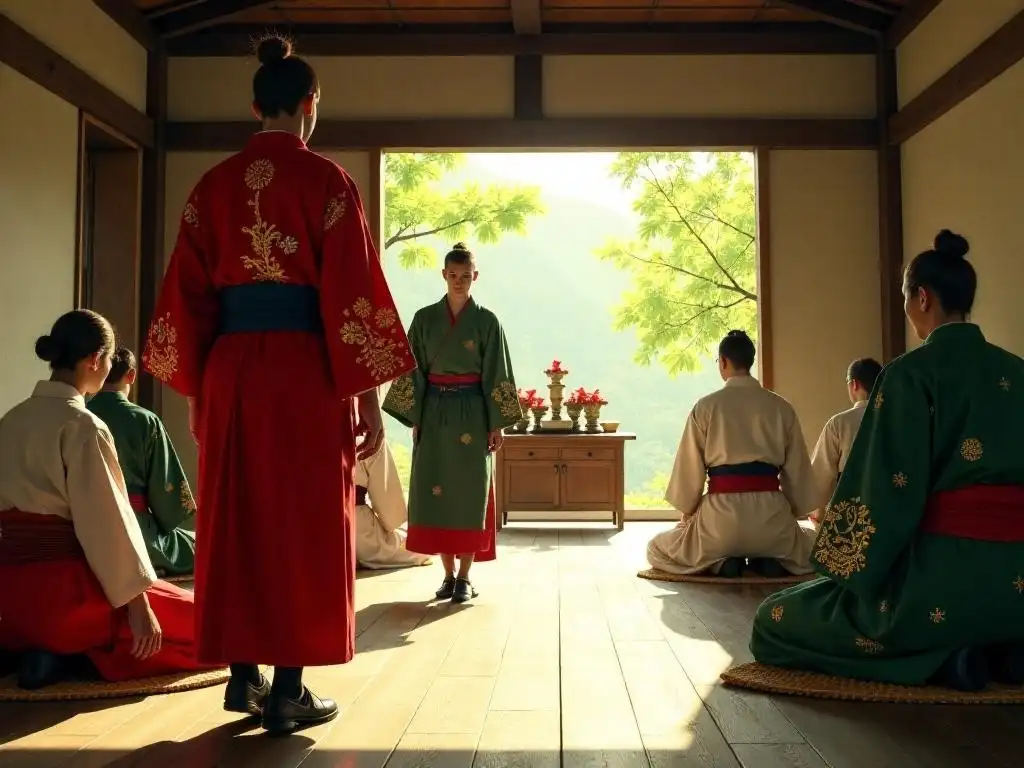
As we delve into modern interpretations of Bushido spirituality and ritual combat, it becomes clear that these ancient practices continue to influence contemporary martial arts and cultural expressions.
How Contemporary Martial Arts Reflect Bushido Values
Many modern martial arts, such as Kendo, Aikido, and Iaido, draw heavily from the principles of Bushido. Practitioners of these arts often engage in rituals that enhance their spiritual connection to the practice. For instance, Kendo practitioners bow to their opponent and to the dojo before and after matches, embodying the respect and honor central to samurai culture.
Moreover, the emphasis on self-discipline and continuous improvement in these martial arts echoes the samurai's commitment to personal development. The spiritual training involved in these practices fosters not just physical skill but also emotional resilience and ethical behavior, mirroring the values upheld by the samurai.
The Influence of Bushido Spirituality on Modern Combat Practices
Bushido spirituality continues to shape modern combat practices, particularly in the realm of military training and law enforcement. Techniques emphasizing discipline, honor, and respect are integrated into training programs, fostering a warrior ethos among contemporary combatants.
Furthermore, the mental and spiritual preparation that samurai engaged in before battle has found its way into modern practices, such as visualization and meditation techniques used by athletes and military personnel. This focus on mental conditioning and the cultivation of a warrior mindset reflects the enduring legacy of Bushido.
Ritual Combat in Today's Cultural Context
In today's cultural context, the essence of ritual combat is often seen in various forms of competitive sports and martial arts exhibitions. Events such as tournaments and demonstrations not only showcase physical skill but also pay homage to the traditions of Bushido. The rituals associated with these events—such as the opening ceremonies and the respectful bowing between competitors—reinforce the cultural significance of honor and respect.
Moreover, the resurgence of interest in traditional Japanese arts, including the ceremonial aspects of martial training, reflects a broader cultural appreciation for the spirituality inherent in Bushido. This renewed interest underscores the timelessness of these values and their relevance in fostering a sense of community and shared purpose in a modern world.
The interplay between ritual combat and Bushido spirituality remains a powerful influence, shaping identities and practices both in historical and contemporary contexts.
Conclusion: The Enduring Legacy of Bushido Spirituality and Ritual Combat
The legacy of Bushido spirituality and ritual combat remains a profound aspect of Japan's cultural identity, influencing various facets of modern society. At its core, Bushido encapsulates a code of ethics and principles guiding samurai behavior, intertwining martial prowess with spiritual depth.
The practice of ritual combat, whether through formal duels or training sessions, served not only to hone physical skills but also to cultivate a warrior's inner virtues, such as honor, loyalty, and discipline. This synthesis of spirituality and martial practice created a framework that resonated deeply within the samurai class and continues to inspire contemporary interpretations of martial arts and ethical conduct.
Today, the principles of Bushido can be observed in various aspects of Japanese culture, from martial arts to business practices, reflecting a societal yearning for balance between physical capability and moral integrity. As modern practitioners of martial arts explore their roots, they often revisit the spiritual teachings of Bushido, emphasizing the need for mindfulness, respect, and self-discipline. The enduring legacy of Bushido spirituality and ritual combat is a testament to the timeless quest for self-improvement and ethical living, providing valuable lessons for individuals and societies alike.
Summary of Key Insights on Bushido and Ritual Combat
- Integration of Spirituality and Martial Arts: Bushido spirituality emphasizes the moral and ethical dimensions of combat, fostering a holistic approach to martial training that transcends mere physicality.
- Ritual Combat as a Reflection of Character: The practice of ritual combat is not just about defeating an opponent; it serves as a medium for self-reflection and personal growth, aligning with the core values of honor and integrity.
- Cultural Transmission: The teachings of Bushido have been passed down through generations, influencing not only martial arts but also broader societal norms and values within Japanese culture.
- Relevance to Contemporary Practices: Modern martial artists and practitioners often draw upon the principles of Bushido, adapting its teachings to fit contemporary contexts, thereby keeping the spirit of the samurai alive.
The Relevance of Bushido Spirituality in Contemporary Society
In today's fast-paced world, the relevance of Bushido spirituality is more pronounced than ever. As individuals seek ways to navigate challenges, the principles inherent in Bushido—such as resilience, respect, and ethical behavior—offer a guiding framework. Many martial arts schools worldwide incorporate Bushido teachings into their curricula, highlighting the importance of mental discipline alongside physical training.
Moreover, the resurgence of interest in mindfulness and self-improvement aligns closely with the values of Bushido. Practitioners are encouraged to cultivate awareness not only of their physical actions but also of their intentions and the impact they have on others. This holistic approach resonates with contemporary movements advocating for personal development, mental health, and ethical leadership, affirming the timeless wisdom embedded in the samurai code.
Further Reading on Bushido Spirituality and Ritual Combat
Recommended Books and Resources on Bushido
-
"Bushido: The Soul of Japan" by Inazo Nitobe
A classic text that explores the ethical framework of Bushido, offering insights into the samurai's way of life and spiritual beliefs.
-
"The Book of Five Rings" by Miyamoto Musashi
A philosophical treatise that delves into the mindset of a warrior, Musashi’s work reflects the principles of strategy and spirituality in combat.
-
"Hagakure: The Book of the Samurai" by Yamamoto Tsunetomo
This text provides a glimpse into the thoughts and practices of samurai life, emphasizing the importance of loyalty and the spiritual journey of a warrior.
Suggested Articles for Deeper Understanding of Samurai Culture
-
"The Role of Zen Buddhism in Shaping Samurai Ethics"
An exploration of how Zen principles influenced the moral landscape of the samurai, linking spirituality to daily practices.
-
"Ritual Combat: A Historical Overview of Samurai Duels"
This article examines the significance of dueling in samurai culture, highlighting its role in both martial training and spiritual expression.
-
"The Influence of Bushido on Modern Martial Arts"
A discussion on how the teachings of Bushido have permeated contemporary martial arts disciplines, shaping philosophies and training methods worldwide.
- Introduction to Bushido Spirituality and Ritual Combat
- Definition of Bushido and Its Importance in Feudal Japan
- Overview of Ritual Combat in Historical Context
- The Core Principles of Bushido Spirituality
- The Nature of Ritual Combat in Bushido
- The Interconnection Between Spirituality and Ritual Combat
- Case Studies of Ritual Combat in Bushido
- Modern Interpretations of Bushido Spirituality and Ritual Combat
- Conclusion: The Enduring Legacy of Bushido Spirituality and Ritual Combat
- Further Reading on Bushido Spirituality and Ritual Combat
Frequently Asked Questions
What is Bushido?
Bushido is the code of conduct and ethics followed by the samurai class in feudal Japan, emphasizing values such as honor, courage, and loyalty.
How does ritual combat relate to Bushido spirituality?
Ritual combat serves as a reflection of Bushido spirituality by encapsulating the mental discipline, respect, and honor that samurai embodied in their daily lives.
What are some key rituals in Bushido combat?
Key rituals in Bushido combat include kata (forms), meditation, and prayer, each designed to enhance a warrior's focus, spirituality, and connection to their craft.
How did ritual combat influence samurai culture?
Ritual combat was crucial in shaping samurai culture, as it reinforced the values of discipline and self-control, while also serving as a platform for demonstrating one's skill and integrity.
Why is understanding Bushido spirituality important today?
Understanding Bushido spirituality today offers insights into the historical and cultural foundations of Japan, and emphasizes the significance of honor, commitment, and self-discipline in modern life.
Final Reflection: The Enduring Legacy of Bushido Spirituality in Ritual Combat
The intricate dance of ritual combat is not merely a physical confrontation; it embodies the very essence of Bushido spirituality that continues to resonate in our modern world. As we explore the depths of this ancient code, we uncover its relevance in today’s society, where the principles of honor, discipline, and respect are often overshadowed by the chaos of contemporary life. The lessons drawn from ritual combat serve as a reminder that true strength lies not just in physical prowess but in the spiritual fortitude that guides our actions.
Culture and society are deeply influenced by the ideals of Bushido, as they encourage a profound connection to one’s inner self and the world around us. The practice of ritual combat transcends mere tradition; it is a pathway to self-discovery and enlightenment. As the philosopher Daisaku Ikeda once said, The true warrior is one who conquers himself.
This sentiment encapsulates the ongoing influence of Bushido spirituality, urging individuals to engage in a lifelong journey of personal growth and self-mastery through the principles of ritual combat.
As you reflect on the teachings of Bushido and the significance of ritual combat, I invite you to consider how these principles can be woven into the fabric of your daily life. Embrace the spirit of Bushido by cultivating honor, respect, and discipline in your actions. Let the lessons of the past guide you toward a future where spirituality and strength coexist harmoniously. In doing so, you not only honor the legacy of Bushido but also empower yourself to become a beacon of inspiration in a world that craves authenticity and purpose.
Embrace the Spirit of Bushido Today!
Thank you for exploring the profound connection between ritual combat and the spirituality of Bushido. Your interest in this fascinating aspect of feudal Japan brings you one step closer to understanding the values that shaped a warrior's life. Now, let's take that knowledge and turn it into action!
Here are a few ways you can deepen your connection with this rich heritage:
- Practice Mindfulness: Incorporate a daily ritual that allows you to reflect on the principles of Bushido, such as honor and respect. This could be through meditation, journaling, or training in martial arts.
- Join a Community: Engage with local martial arts schools or historical societies dedicated to the practices of Bushido. Connecting with like-minded individuals can provide valuable insights and enhance your understanding.
- Share Your Insights: Discuss this article with friends or on social media, inviting others to join the conversation about Bushido and its significance in the modern world.
As you explore these steps, consider this: How can the principles of Bushido influence your daily life and decisions? Your journey into the spirit of Bushido starts now!