
Confucian Values in Bushido: The Interplay of Honor and Duty

Welcome to Feudal Japan History, where we embark on a captivating journey through the intricate tapestry of Japan’s feudal era. Our exploration delves deep into the profound interplay of Confucianism and Bushido values, revealing how these philosophies shaped the very fabric of honor and duty in samurai culture. What drives a warrior to uphold loyalty at all costs?
What role does moral integrity play in their lives? Prepare to uncover the answers as you dive into our expert-driven articles that illuminate the historical, cultural, and societal nuances of this fascinating period. Continue reading to unveil the secrets behind the honor that defined an era!
The intricate relationship between Confucianism and Bushido, the way of the warrior, lays the foundation for understanding how ethical and moral principles shaped the samurai's conduct during Japan's feudal era. Confucianism, with its emphasis on values such as honor, duty, and loyalty, significantly influenced the samurai code of conduct, intertwining these principles into the fabric of Japanese society. This article will delve into the profound interplay of Confucian values in shaping Bushido, illustrating how these philosophical ideals not only guided personal conduct but also dictated the social hierarchy and governance of the time.
In exploring this topic, we will uncover the following key aspects:
- The origins and core tenets of Confucianism.
- How these values were absorbed and adapted by the samurai.
- The significance of honor and duty in both philosophical traditions.
- The lasting impact of these intertwined ideologies on Japanese culture and society.
As we embark on this comprehensive exploration, the objective is to provide readers with a deeper understanding of how Confucianism and Bushido values coalesced, creating a moral framework that governed the lives of warriors and the fabric of feudal Japan.
- Introduction to Confucianism and Bushido Values
- Historical Context of Confucianism in Japan
- Core Confucian Values Reflected in Bushido
- The Interplay of Honor and Duty in Bushido
- Comparative Analysis of Confucianism and Bushido Values
- The Enduring Legacy of Confucianism and Bushido Values
- Conclusion: The Lasting Interplay of Confucian Values and Bushido
-
Frequently Asked Questions
- What are Confucian values, and how do they relate to Bushido?
- How did Confucianism influence Japanese culture during the feudal era?
- What is Bushido, and why is it important in Japanese history?
- How do honor and duty manifest in the lives of samurai?
- In what ways are Confucianism and Bushido values still relevant today?
- Final Reflection: The Enduring Legacy of Confucianism and Bushido Values
- Embrace the Legacy of Honor and Duty Today!
Introduction to Confucianism and Bushido Values
Confucianism, a philosophical system rooted in the teachings of Confucius, significantly influenced various aspects of Japanese society, particularly during the feudal era. This influence is most prominently observed in the development of Bushido, the samurai code of conduct that emphasized values such as honor, loyalty, and duty. The interplay between Confucian values and Bushido created a unique ethical framework that guided the behavior of samurai warriors and shaped the societal structure of feudal Japan.
Understanding the connection between Confucianism and Bushido values is essential to grasp the complexities of Japanese culture and the moral imperatives that defined the samurai ethos. This section explores the foundations of Confucian thought in Japan, the origins of Bushido, and the critical role of honor and duty in shaping the samurai's identity.
Overview of Confucianism in Japanese Society
Confucianism was introduced to Japan from China around the 6th century and gradually became a cornerstone of Japanese education, politics, and social values. The core tenets of Confucianism—such as the importance of family, respect for authority, and the cultivation of moral virtues—resonated deeply with the Japanese ethos.
- Family and Filial Piety: Confucianism places a strong emphasis on familial relationships and the duty of children to honor their parents. This concept of filial piety (孝, kō) became integral to Japanese culture, influencing social hierarchies and the samurai's sense of loyalty to their lord and family.
- Meritocracy and Governance: The Confucian idea of merit-based governance encouraged the samurai class to pursue education and self-cultivation. This led to the establishment of a bureaucratic system where officials were selected based on their knowledge and moral integrity, aligning with the Confucian belief in the "gentleman" or junzi as the ideal leader.
- Moral Development: Confucianism advocates for the cultivation of personal virtues such as righteousness ( 義, gi), propriety ( 礼, rei), and wisdom ( 知, chi). These virtues were not only essential for personal development but also for maintaining societal harmony, which was a fundamental aspect of the samurai's role in feudal society.
Definition and Origins of Bushido
Bushido, often translated as "the way of the warrior," is a code of conduct that evolved among the samurai class in Japan. Its roots can be traced back to the samurai's need for a distinct identity and moral framework that would guide their actions during a time of constant warfare and social upheaval.
- Development of Bushido: The formalization of Bushido occurred during the late Kamakura period (1185-1333) as the samurai began to adopt Confucian values alongside their indigenous beliefs, such as Shintoism and Zen Buddhism. This synthesis helped create a cohesive framework that emphasized loyalty to one's lord, bravery in battle, and self-discipline.
- Key Principles of Bushido: The principles of Bushido include:
- Loyalty: A samurai's unwavering loyalty to their lord was paramount, often leading to the concept of seppuku (ritual suicide) as a means of preserving honor in the face of failure.
- Courage: The willingness to face danger and adversity was celebrated, reflecting the Confucian ideal of moral fortitude.
- Honor: Maintaining personal and family honor was crucial, as it not only affected the samurai but also their lineage and clan.
- Influence of Confucianism: Confucian values infused Bushido with a moral dimension that emphasized duty and ethics, guiding samurai behavior in both war and peace. The resulting code was not only a set of rules for combat but also a comprehensive ethical system that dictated social interactions and governance.
The Significance of Honor and Duty in Feudal Japan
Honor and duty were central to the samurai's identity and served as guiding principles that shaped their actions and decisions throughout feudal Japan.
- Cultural Importance of Honor: Honor was viewed as a critical aspect of an individual's identity. The concept of meiyo (名誉), or honor, dictated that a samurai must act with integrity and uphold their reputation. This cultural significance of honor was reinforced through various societal rituals and expectations, ensuring that the samurai maintained their status and respect within the community.
- Duty to the Lord and Family: Duty, expressed through the Japanese term giri (義理), encompassed the obligations that a samurai had towards their lord, family, and society. This sense of duty was so profound that it often took precedence over personal desires, leading samurai to make significant sacrifices for the sake of their obligations.
- Consequences of Dishonor: The samurai's understanding of honor and duty was so intense that failure to uphold these values could lead to a loss of status, shame, and even death. The practice of seppuku was a way to restore honor after disgrace, illustrating the extreme measures samurai would take to align their actions with their values.
The interplay of Confucianism and Bushido values created a robust ethical framework that not only defined the samurai identity but also influenced the broader societal norms of feudal Japan. The significance of honor and duty remains a critical aspect of understanding the samurai's role in history and the lasting impact of these values on Japanese culture.
Historical Context of Confucianism in Japan
The Introduction of Confucian Thought
Confucianism, originating from the teachings of Confucius (Kongzi) in ancient China, began to influence Japan during the Asuka period (538-710 CE). The arrival of Buddhism also played a significant role in opening Japan to Chinese cultural and philosophical ideas, including Confucianism. By the Nara period (710-794 CE), Confucian texts were translated into Japanese, allowing the principles of Confucian thought to permeate Japanese society, particularly among the ruling elite.
The Tokugawa shogunate (1603-1868) marked a pivotal era for the institutionalization of Confucianism in Japan. During this period, Confucian scholars gained prominence, and Confucian values were integrated into the governance and education systems. The focus on moral conduct, familial loyalty, and societal harmony resonated deeply with the samurai code of Bushido, establishing a framework that intertwined governance with ethical behavior.
Key Figures Influencing Confucianism in Japan
Several key figures played a crucial role in shaping the interpretation and application of Confucianism within the Japanese context:
- Sugawara no Michizane (845-903): A scholar and politician, Sugawara is often credited with promoting Confucian ideals within the imperial court. His advocacy for meritocracy and education influenced the bureaucratic structure of Japan.
- Mizuno Tadakuni (1806-1864): A reformer during the late Edo period, Mizuno sought to apply Confucian principles to alleviate economic and social issues. His policies emphasized the importance of moral governance and social responsibility.
- Yamaga Sokō (1622-1685): A samurai and Confucian scholar, Yamaga integrated Confucian ethics into the samurai code of conduct. His writings on loyalty and duty significantly shaped the understanding of Bushido, aligning it closely with Confucian values.
These individuals, among others, contributed to the evolution of Confucian thought in Japan, adapting its tenets to local customs and societal structures.
The Adoption of Confucian Principles by Samurai
The samurai class, who were the military nobility of feudal Japan, adopted Confucian principles that shaped their identity and moral framework. Central to this adoption were several core values:
- Loyalty (忠, chū): Confucianism emphasizes loyalty to family and state. For the samurai, loyalty to their lord (daimyō) was paramount, often regarded as a sacred duty that transcended personal interests.
- Righteousness (義, gi): The concept of righteousness reflects the importance of moral integrity and justice. Samurai were expected to act with honor and uphold justice, resonating with Confucian ideals of ethical behavior.
- Filial Piety (孝, kō): Confucian thought places a strong emphasis on respect for one's parents and ancestors. This value was mirrored in the samurai's duty towards their family and their lineage, reinforcing the importance of heritage and honor.
- Education and Self-Cultivation: Confucianism advocates for continuous learning and self-improvement. Samurai were encouraged to pursue education, mastering both martial and scholarly pursuits, which aligned with the ideal of becoming a well-rounded individual.
The interplay of Confucianism and Bushido created a robust ethical system that guided the samurai’s conduct in both peace and war, fostering a culture that valued honor, duty, and respect. This synthesis not only defined the samurai identity but also left a lasting legacy on Japanese society, influencing its cultural and social norms for centuries to come.
Core Confucian Values Reflected in Bushido
Filial Piety and Its Role in Samurai Culture
Filial piety, a cornerstone of Confucian values, emphasizes respect and loyalty to one's parents and ancestors. In the context of samurai culture, this principle was not just a moral guideline but a vital aspect of a samurai's identity. The samurai were expected to uphold the honor of their family name, often placing familial obligations above personal desires. This duty to one's family fostered a sense of belonging and continuity, deeply ingraining the values of respect and loyalty in the samurai ethos.
The practice of filial piety influenced the samurai's behavior in various ways:
- Loyalty to Family: Samurai were often driven by the need to protect their family’s honor and legacy. This loyalty translated into their loyalty to their lord and the broader social structure.
- Rituals and Ancestral Worship: Rituals honoring ancestors were commonplace among samurai. These practices not only reinforced their commitment to family but also deepened their understanding of duty within the feudal hierarchy.
- Education and Training: The emphasis on education in Confucianism led samurai families to train their sons in both martial and moral disciplines, ensuring that they could uphold the family name and adhere to societal expectations.
In essence, filial piety provided a framework through which samurai could navigate their obligations, blending personal honor with the broader values of loyalty and duty that defined their lives.
The Concept of Loyalty in Confucianism and Bushido
Loyalty, or chūgi, is a fundamental value in both Confucianism and Bushido, serving as a linchpin in the relationship between a samurai and their lord. In Confucian thought, loyalty extends beyond mere allegiance; it encompasses a deep sense of responsibility and moral obligation. This perspective heavily influenced samurai conduct, shaping their interactions within the feudal system.
The duality of loyalty in Confucianism and Bushido can be illustrated through several key aspects:
- Loyalty to the Lord: Samurai were expected to demonstrate unwavering loyalty to their feudal lords, often risking their lives in service. This loyalty was not only a matter of duty but also a reflection of personal honor and integrity.
- Betrayal and Honor: The concept of betrayal was viewed with severe disdain. A samurai's failure to uphold loyalty could result in disgrace, not only for themselves but also for their family and clan. This cultural expectation created a profound sense of accountability among samurai.
- Reciprocal Loyalty: Confucian principles dictated that loyalty should be reciprocal. A loyal lord was expected to care for and protect their samurai in return. This mutual obligation fostered a bond of trust that was essential for maintaining order and stability within feudal society.
The interplay between loyalty in Confucianism and Bushido highlights the moral and ethical dimensions of samurai life, serving as a guiding principle that shaped their actions and decisions.
The Importance of Righteousness and Justice
Righteousness, or gi, is another core value that permeated both Confucianism and Bushido. In Confucian thought, righteousness is the moral compass that guides individuals toward virtuous action, emphasizing the importance of doing what is right over what is expedient. For the samurai, this principle was integral to their identity and their role within society.
The significance of righteousness and justice in Bushido can be explored through these facets:
- Moral Integrity: Samurai adhered to a strict code of conduct that prioritized ethical behavior. This moral integrity was rooted in the teachings of Confucianism, which advocated for justice as a means to achieve harmony within society.
- Social Responsibility: Righteousness extended beyond personal conduct; it encompassed a duty to maintain justice in the wider community. Samurai were often seen as protectors of the weak, using their skills and authority to uphold social order.
- Judgment and Decision-Making: The concept of righteousness influenced samurai decision-making, particularly in matters of life and death. A samurai was expected to weigh their actions against the principles of justice, ensuring that their choices were not only honorable but also fair.
The intertwining of righteousness and justice within the framework of Bushido reflects the profound impact of Confucian values, shaping the moral landscape of samurai culture and their interactions within the feudal system.
The Interplay of Honor and Duty in Bushido

The concept of Bushido, often translated as "the way of the warrior," is deeply intertwined with the values of Confucianism. During Japan's feudal era, the samurai class adhered to a strict moral code that emphasized honor and duty, both to their lord and society. This interplay between honor and duty was not merely a personal ethos but a societal expectation shaped significantly by Confucian ideals.
Confucianism, introduced to Japan from China, emphasized moral integrity, loyalty, and the importance of relationships within a hierarchical structure. These principles found resonance with the samurai, who were expected to embody loyalty (忠, chū) to their feudal lords and demonstrate righteousness (義, gi) in their actions. The integration of these values created a robust framework within which samurai navigated their roles as both warriors and members of society.
How Confucian Values Shaped Samurai Honor Codes
Confucian values played a pivotal role in shaping the honor codes of the samurai. The samurai's commitment to loyalty and duty can be traced back to Confucian teachings that stressed the importance of filial piety (孝, kō) and loyalty to one's superiors. These values translated into the samurai's unwavering fidelity to their lords, often at the cost of their own lives.
- Loyalty to Superiors: Confucianism taught that loyalty to one's superiors was paramount. For the samurai, this meant unwavering service to their daimyo (feudal lord). The expectation was that a samurai would sacrifice personal desires and even life itself to uphold this loyalty.
- Ritual and Conduct: The samurai code, known as Bushido, incorporated rituals that reflected Confucian values. For instance, the practice of seppuku (ritual suicide) was seen as an honorable way to restore one's dignity and loyalty after a failure or disgrace. This act was deeply rooted in the Confucian idea of maintaining personal integrity and fulfilling one's duty.
- Moral Education: Confucianism emphasized the cultivation of virtue and moral education. Samurai were often educated in Confucian texts, which reinforced their commitment to ethical behavior and social responsibilities. This education shaped their worldview and reinforced their adherence to the Bushido code.
The samurai's duty to their lord often created a complex dynamic between personal honor and social obligations. This balance was critical in ensuring that the samurai maintained their status as respected warriors while also contributing to the broader social order.
- Social Hierarchy: The feudal system in Japan established a clear hierarchy, and samurai were expected to fulfill their roles within this structure. This meant that their personal honor was often secondary to their duty to their lord and the social order. The samurai had to navigate these expectations carefully, often prioritizing communal well-being over individual aspirations.
- Conflict of Interests: There were instances where the personal honor of a samurai conflicted with their duty. For example, a samurai might be compelled to act against their personal beliefs or desires in order to fulfill the orders of their lord. This tension illustrates the profound impact of Confucian values, which often dictated that duty to the community supersedes individual honor.
- Collective Responsibility: The samurai viewed their actions as part of a larger social fabric. The concept of collective responsibility was rooted in Confucian thought, leading samurai to consider the broader implications of their actions on their clan and society. Their personal honor, therefore, was intrinsically linked to their ability to uphold their social obligations.
Case Studies of Notable Samurai and Their Adherence to Confucian Principles
Several notable samurai exemplified the interplay of Confucian values and Bushido, illustrating how these principles guided their lives and decisions.
- Minamoto no Yoshitsune: A legendary figure in Japanese history, Yoshitsune is often celebrated for his loyalty and military prowess. His relationship with his brother, Minamoto no Yoritomo, showcases the Confucian ideal of loyalty. Despite their eventual conflict, Yoshitsune's actions were primarily driven by a sense of duty and honor towards his clan.
- Saigo Takamori: Known as the "last true samurai," Saigo Takamori embodied the principles of Bushido interwoven with Confucian values. His leadership during the Satsuma Rebellion was rooted in a deep sense of duty to protect the samurai way of life. His commitment to his beliefs and the samurai code exemplifies the balance between personal honor and the duty to society.
- Tokugawa Ieyasu: Founder of the Tokugawa shogunate, Ieyasu's life reflects the integration of Confucian principles within the samurai code. He emphasized the importance of loyalty and duty among his followers, establishing a regime that valued social harmony and stability. His policies were informed by Confucian ideals, reinforcing the notion that personal honor must align with one's obligations to society.
The interplay of Confucian values in the development of Bushido created a complex moral landscape for samurai, where honor and duty were inextricably linked. This relationship not only shaped individual samurai but also influenced the broader societal structure of feudal Japan, demonstrating the enduring impact of Confucian thought on Japanese culture and history.
Comparative Analysis of Confucianism and Bushido Values
Similarities Between Confucian and Bushido Ethics
The ethical frameworks of Confucianism and Bushido share a number of fundamental principles that underline their value systems. Both philosophies emphasize the importance of honor, loyalty, and duty to one's family and society. Key similarities include:
-
Emphasis on Hierarchical Relationships:
Both Confucianism and Bushido stress the significance of hierarchical relationships. In Confucianism, the concept of filial piety (孝, xiao) underscores respect towards parents and ancestors, while in Bushido, the samurai's loyalty to their lord embodies a similar respect for authority.
-
The Role of Virtue:
Virtue is central to both systems. Confucianism promotes virtues such as ren (仁, benevolence) and li (礼, propriety), which align with the Bushido ideals of courage, integrity, and honor. The samurai's conduct was often guided by a sense of moral duty akin to Confucian ethics.
-
Collective Welfare:
Both philosophies prioritize the collective over the individual. Confucianism advocates for the well-being of society through moral governance, while Bushido encourages samurai to act in ways that uphold the honor of their clan and the broader community.
Differences in Application and Interpretation
Despite their similarities, Confucianism and Bushido exhibit distinct differences in their application and interpretation:
-
Focus on Personal Conduct vs. Martial Duty:
Confucianism is primarily centered on moral conduct in everyday life and governance, advocating for ethical relationships and social harmony. In contrast, Bushido is specifically tailored to the samurai class and emphasizes martial prowess, loyalty in battle, and readiness to sacrifice oneself for one's lord.
-
Philosophical vs. Practical Orientation:
Confucianism can be seen as a philosophical and ethical system with a broad application across various aspects of life, while Bushido is a practical code of conduct that governs the behavior of warriors. This difference leads to varying interpretations of duty and honor, with Bushido often placing greater emphasis on the readiness to engage in violence if necessary.
-
Temporal vs. Eternal Values:
Confucian values tend to focus on the cultivation of virtues that are applicable across generations and contexts, while Bushido values are often more immediate, relating directly to the warrior’s role in society and the expectations of samurai conduct in specific situations.
The Impact on Japanese Society and Culture
The interplay of Confucianism and Bushido values has had a profound impact on Japanese society and culture, shaping everything from governance to social norms:
-
Influence on Governance:
Confucian ideals informed policies during the Edo period (1603-1868), promoting a stable, moral government. The samurai, as enforcers of these ideals through their code of conduct, helped maintain order and protect the community.
-
Cultural Practices:
The values derived from both philosophies are reflected in various aspects of Japanese culture, including literature, art, and theater. The notion of giri (義理, duty) and ninjo (人情, human emotion) exemplifies the balance sought between personal feelings and social obligations, a recurring theme in Japanese narratives.
-
Modern Relevance:
Even in contemporary Japan, the legacies of Confucianism and Bushido continue to influence societal expectations regarding honor, respect, and duty, particularly in business and interpersonal relationships. The cultural respect for hierarchy and group harmony finds its roots in these historical value systems.
The relationship between Confucianism and Bushido values has shaped the ethical landscape of Japan, influencing societal structures and cultural expressions throughout history. The adherence to duty, honor, and loyalty remains a testament to their lasting impact on Japanese identity.
The Enduring Legacy of Confucianism and Bushido Values
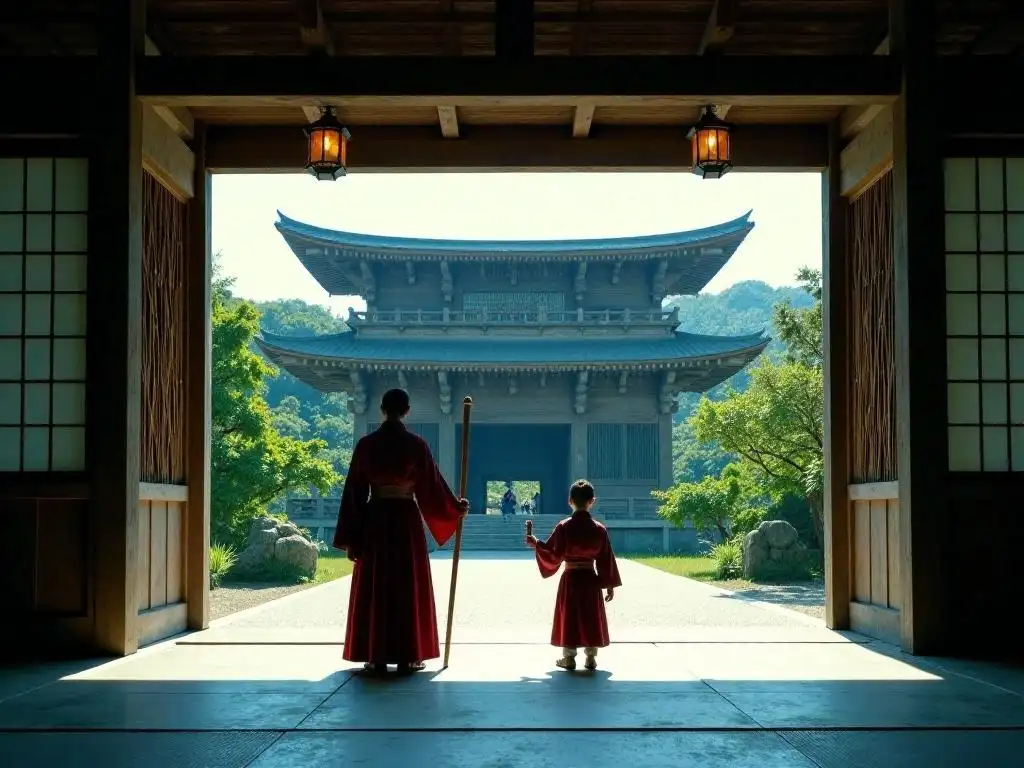
Influence on Modern Japanese Ethics and Morality
The synthesis of Confucianism and Bushido has had a profound impact on modern Japanese ethics and morality. As Japan transitioned from the feudal era to the modern state, the core principles of both systems began to intertwine, shaping the moral framework of contemporary society.
- Collectivism vs. Individualism
- Confucianism emphasizes the importance of community and familial relationships, which resonates with the collective nature of Japanese society. This collective spirit is evident in various aspects of life, including:
- Business Ethics: Loyalty to the company and teamwork are highly valued, reflecting Confucian ideals of group harmony.
- Social Behavior: The concept of "wa" (和), or harmony, is a guiding principle in interpersonal relationships.
- Confucianism emphasizes the importance of community and familial relationships, which resonates with the collective nature of Japanese society. This collective spirit is evident in various aspects of life, including:
- Respect for Hierarchy and Authority
- Both Confucianism and Bushido uphold respect for authority, which remains significant in modern Japan. This respect manifests in:
- Workplace Dynamics: Employees often show deference to senior staff, reflecting Confucian teachings.
- Educational Systems: Hierarchical relationships between teachers and students emphasize discipline and respect.
- Both Confucianism and Bushido uphold respect for authority, which remains significant in modern Japan. This respect manifests in:
- Moral Integrity and Duty
- The values of honesty and duty, central to both Confucianism and Bushido, continue to guide personal conduct today. Key aspects include:
- Personal Responsibility: The expectation to fulfill one's duties without fail is a strong societal norm.
- Public Service: There is a cultural expectation for individuals in positions of power to act in the public's best interest, echoing the Confucian ideal of benevolence.
- The values of honesty and duty, central to both Confucianism and Bushido, continue to guide personal conduct today. Key aspects include:
The Role of Confucianism in Contemporary Discussions of Honor and Duty
In contemporary Japan, discussions around honor and duty are often framed through the lens of Confucianism, particularly in contexts that involve ethical dilemmas and personal conduct. The principles derived from Confucian thought serve as a reference point for navigating complex social situations.
-
Restoration of Honor
Situations that threaten personal or familial honor are approached with a Confucian mindset, advocating for:
- Self-Reflection: Individuals are encouraged to analyze their actions and restore balance.
- Community Support: The role of family and community in supporting individuals during crises is emphasized, reinforcing the bonds of loyalty.
-
Duty to Society
The notion of duty extends beyond personal honor to encompass broader societal responsibilities:
- Civic Engagement: There is a growing emphasis on participating in community service as an expression of duty, aligning with Confucian values of social responsibility.
- Interpersonal Relationships: Modern discussions often highlight the importance of maintaining harmonious relationships, drawing from the Confucian ideal of "ren" (仁), or humaneness.
Future Perspectives on Confucian and Bushido Values in Japan
Looking ahead, the interplay of Confucianism and Bushido values will continue to evolve, influencing Japanese culture and society in various ways. Several trends may shape this evolution:
-
Globalization and Cultural Exchange
With increasing interaction with global cultures, there is potential for a re-interpretation of traditional values:
- Adaptation of Values: Younger generations may blend Confucian and Bushido values with Western ideals of individualism and personal freedom.
- Cultural Resilience: Despite globalization, there remains a strong desire among many to preserve and promote traditional values in various aspects of life.
-
Revival of Traditional Practices
As Japan grapples with modernization, there may be a resurgence of interest in traditional practices that embody Confucian and Bushido values:
- Martial Arts and Philosophy: Increased participation in martial arts can serve as a conduit for teaching honor, discipline, and respect.
- Education Systems: Educational reforms may integrate teachings that emphasize ethics rooted in Confucian thought, reinforcing moral education.
-
Societal Challenges and Values
As modern Japan faces challenges such as declining birth rates and an aging population, the values of duty and honor may take on new significance:
- Family Responsibility: The traditional view of familial duty may be revitalized as younger generations confront the realities of caring for aging relatives.
- Community Solidarity: In times of crisis, such as natural disasters, the principles of collectivism and mutual aid inherent in Confucianism may guide societal responses.
The enduring legacy of Confucianism and Bushido values continues to shape the ethical landscape of modern Japan, informing discussions of morality, duty, and honor while adapting to the challenges of contemporary society.
Conclusion: The Lasting Interplay of Confucian Values and Bushido
The interplay between Confucian values and Bushido has left an indelible mark on the cultural and societal fabric of feudal Japan. This relationship not only shaped the conduct of samurai but also influenced the broader societal norms and values of the time. Understanding this interplay is crucial to grasp the complexities of Japanese history and the ethical frameworks that governed behavior during the feudal era.
Summary of Key Points
- Core Confucian Values: Confucianism emphasized the importance of ren (benevolence), li (proper conduct), and xiao (filial piety). These principles provided a framework that guided samurai behavior and interactions within their families and communities.
- Integration into Bushido: The samurai code of Bushido incorporated these Confucian ideals, emphasizing honor, loyalty, and duty. This integration created a unique ethical system that shaped the identity of the samurai class.
- Cultural Influence: The synthesis of Confucianism and Bushido not only informed individual conduct but also influenced governance and social hierarchies in Japan. Rulers often invoked Confucian principles to legitimize their power and promote societal harmony.
- Legacy: The legacy of this interplay continues to resonate in modern Japanese society, where the values of honor and duty remain pivotal in personal and professional conduct.
Final Thoughts on the Importance of Honor and Duty in Feudal Japan
The concepts of honor and duty, deeply rooted in both Confucianism and Bushido, were essential to the samurai's identity and societal role. Honor was not merely a personal trait but a collective responsibility that affected family and clan reputation. Duty, on the other hand, underscored the samurai's commitment to their lord, community, and the ethical principles derived from Confucian teachings.
The importance of these values can be seen in various aspects of feudal life, from military service to social interactions. The samurai's unwavering adherence to these principles fostered a sense of loyalty and obligation that was crucial for maintaining order and stability in a tumultuous period.
As we reflect on the significance of Confucianism and Bushido values, it becomes clear that their interplay shaped not only the samurai's life but also the broader historical narrative of Japan. Understanding this relationship provides invaluable insights into the moral and ethical underpinnings that defined an era, offering lessons that continue to resonate in contemporary discussions about honor, duty, and societal values.
Frequently Asked Questions
What are Confucian values, and how do they relate to Bushido?
Confucian values emphasize honor, duty, and moral integrity, which significantly influenced the Bushido code of the samurai, intertwining ethical principles with their warrior lifestyle.
How did Confucianism influence Japanese culture during the feudal era?
During the feudal era, Confucianism shaped societal structures by promoting hierarchical relationships and the importance of loyalty, which were essential in the formation of feudal allegiances.
What is Bushido, and why is it important in Japanese history?
Bushido is the code of conduct for samurai, emphasizing courage, honor, and loyalty. It played a crucial role in defining the moral framework of the samurai class and their responsibilities.
How do honor and duty manifest in the lives of samurai?
In samurai culture, honor and duty were paramount, often leading to self-sacrifice and loyalty to their lords, demonstrating a commitment to the Bushido code and Confucian ideals.
In what ways are Confucianism and Bushido values still relevant today?
The principles of Confucianism and Bushido values continue to influence modern Japanese society through concepts of respect, loyalty, and ethical behavior, shaping interpersonal and professional relationships.
Final Reflection: The Enduring Legacy of Confucianism and Bushido Values
The interplay of Confucianism and Bushido values remains profoundly relevant in today's world, where the principles of honor and duty continue to shape personal and societal ethics. In a time when moral clarity often seems elusive, the teachings of Confucius and the samurai code offer a compass for navigating the complexities of modern life. Their emphasis on integrity, respect, and responsibility serves as a reminder that our actions have consequences that extend beyond ourselves.
The fusion of these two philosophies has not only influenced historical contexts but also continues to resonate in contemporary culture. As we witness a resurgence of interest in ethical leadership and personal accountability, the values of Bushido, rooted in Confucian ideals, remind us of the importance of character in our daily interactions. Honor is not the absence of fear, but the presence of integrity.
This quote encapsulates the essence of both traditions, urging us to uphold our commitments even in the face of adversity.
As you reflect on the lessons drawn from Confucianism and Bushido, consider how you can embody these values in your own life. Embrace the call to honor and duty, not just as historical concepts, but as guiding principles that can shape your actions and decisions. Let this reflection inspire you to cultivate a life marked by integrity, respect, and a commitment to the greater good, ensuring that the legacy of these profound philosophies continues to thrive in our modern world.
Embrace the Legacy of Honor and Duty Today!
Thank you for diving into the rich interplay of Confucian values and Bushido! Your interest in these profound principles sheds light on how honor and duty can shape our lives. Now, it's time to take this knowledge and transform it into action!
Here are some steps you can take to deepen your understanding and connect with these timeless concepts:
- Reflect on your values: Take a moment to write down what honor and duty mean to you. Consider ways to incorporate these principles into your daily life.
- Join a community discussion: Share your insights and engage with others who are passionate about feudal history by participating in our forums on Feudal Japan History !
- Explore further readings: Delve into texts that investigate the philosophical roots of Bushido and its connections to Confucian teachings; be sure to check our recommended reading list on the site.
What **single principle** of honor or duty will you commit to practicing in your life this week? Let's start a conversation!