
The Samurai’s Inner Conflict: Balancing Faith with Martial Duty

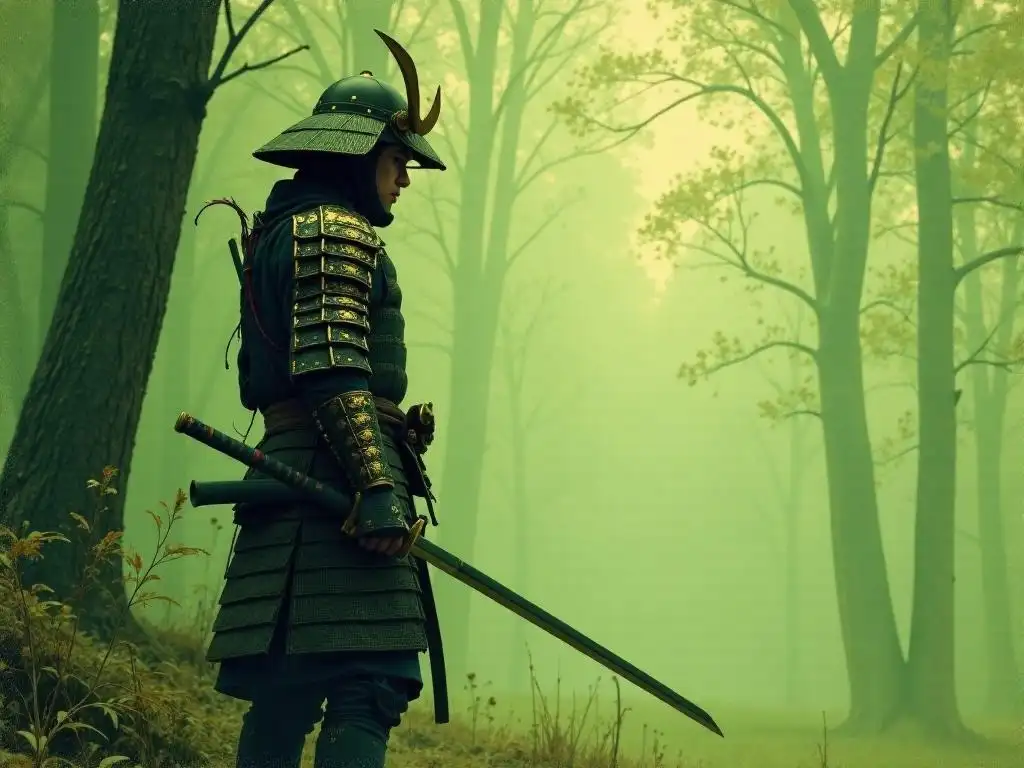
Welcome to Feudal Japan History, where we embark on an enthralling journey through the complexities of Japan’s feudal era. Here, we delve deep into the intricate tapestry of the samurai's inner conflict, exploring how the warrior's unwavering sense of duty often collided with profound philosophical beliefs. In our featured article, “The Samurai’s Inner Conflict: Balancing Faith with Martial Duty,” you will uncover the emotional and spiritual struggles that shaped these legendary figures.
What drives a samurai to uphold honor while grappling with their deepest convictions? Join us as we unravel these questions and more, inviting you to explore the rich historical and cultural narratives that define this captivating period.
Introduction to Samurai Inner Conflict and Duty
The samurai, often romanticized as noble warriors of Feudal Japan, faced profound inner conflicts that shaped their lives and the societal structures around them. At the core of their existence lay the delicate balance between faith—rooted in spiritual and philosophical teachings—and martial duty, which demanded unwavering loyalty and prowess in combat.
This intricate relationship not only influenced their personal choices but also left a lasting impact on the development of Bushido, the code of conduct that guided these esteemed warriors. In this article, we will delve into the complexities of the samurai's inner conflict, exploring how their obligations and beliefs intertwined, and how this dynamic shaped their identity throughout the feudal era.
Overview of the Samurai's Role in Feudal Japan
The samurai were not merely warriors; they were integral to the social fabric of Feudal Japan. Serving as the military elite, they upheld the interests of their lords, known as daimyōs, and played a pivotal role in maintaining order during a time of political instability. Their responsibilities extended beyond the battlefield, encompassing duties such as:
- Governance: Many samurai were tasked with administrative roles, overseeing lands and ensuring the welfare of their subjects.
- Cultural Patronage: Samurai often supported the arts, literature, and philosophy, which flourished under their auspices.
- Moral Leadership: They were expected to embody the virtues of loyalty, honor, and courage, serving as role models for the populace.
Despite their esteemed position, the samurai faced a continual struggle to reconcile their martial duties with the spiritual beliefs that guided their lives.
Importance of Duty in Samurai Culture
In samurai culture, duty (or "giri") was paramount. It dictated their actions and decisions, often at the expense of personal desires or beliefs. The concept of giri was deeply ingrained in their psyche, compelling them to fulfill obligations to their lords, family, and society. This sense of duty manifested in various ways:
- Loyalty to the Daimyō: Samurai were bound to serve their lords with unwavering fidelity, often leading them to make significant personal sacrifices.
- Sacrifice for Honor: The samurai's reputation was intrinsically linked to their sense of duty, making it essential to uphold their honor even in the face of death.
- Ritual Suicide (Seppuku): When faced with failure or dishonor, samurai adhered to the ultimate duty of restoring their honor through seppuku, a ritual act that exemplified their commitment to their principles.
Historical Context of Samurai Faith and Duty
To understand the samurai's inner conflict, it is crucial to explore the historical context that shaped their faith and duty. As Japan transitioned through various periods, the ideals and beliefs of the samurai evolved, influenced by the prevailing religious and philosophical doctrines of the time.
The Evolution of Samurai Ideals and Beliefs
The samurai's belief system underwent significant transformation from the Heian period (794-1185) to the Edo period (1603-1868). Initially, their values were influenced by the warrior ethos of the early samurai, which emphasized bravery and loyalty. However, as Buddhism and Confucianism gained prominence, the samurai began to adopt more complex ideals, including:
- Zen Buddhism: This philosophy introduced concepts of mindfulness and self-discipline, which helped samurai cultivate mental clarity in battle.
- Confucian Ethics: The teachings of Confucius emphasized moral duty, hierarchy, and social harmony, further shaping the samurai's understanding of their responsibilities.
These evolving beliefs fostered a deeper inner conflict between their martial obligations and spiritual aspirations, creating a rich tapestry of ideals that defined samurai identity.
Influence of Shintoism and Buddhism on Samurai Values
The dual influence of Shintoism and Buddhism played a critical role in shaping the samurai's values and their inner conflict.
- Shintoism: As Japan's indigenous religion, Shintoism instilled a sense of connection to nature and the ancestors, reinforcing the samurai's duty to protect their land and people. The reverence for kami (spirits) fostered a strong sense of loyalty to one's roots and heritage.
- Buddhism: The emphasis on impermanence and the quest for enlightenment offered a counterbalance to the warrior's life of violence, prompting many samurai to reflect on the moral implications of their duties. The teachings of compassion and non-attachment encouraged them to seek harmony between their obligations and their spiritual journeys.
This intricate interplay of faith and duty not only defined the samurai's inner conflict but also enriched the cultural landscape of Feudal Japan, leaving an indelible mark on its history.
The Concept of Bushido and Inner Conflict
The concept of Bushido, or "The Way of the Warrior," is deeply intertwined with the martial and ethical code that governed the lives of samurai during Japan's feudal era. This code not only dictated their conduct in battle but also shaped their spiritual and philosophical outlook. The inner conflict faced by samurai often arose from the necessity to balance their martial responsibilities with their personal beliefs and the moral imperatives instilled by their faith. Understanding this complex interplay is crucial to comprehending the samurai's role in society and the profound dilemmas they encountered.
Defining Bushido: The Way of the Warrior
Bushido is a term that encapsulates the ethical framework within which samurai operated. It emphasizes virtues such as loyalty, honor, courage, and self-discipline, which were regarded as essential qualities for a warrior. Rooted in both Shintoism and Zen Buddhism, Bushido encourages samurai to cultivate a sense of duty not only to their lords but also to their own moral compass.
The principles of Bushido are often summarized through key tenets, including:
- Loyalty: Devotion to one's lord and the samurai class.
- Courage: The bravery to confront challenges and adversaries.
- Honor: The importance of reputation and integrity.
- Compassion: The necessity of empathy towards others.
- Self-Control: The ability to master one's emotions and impulses.
These values forged a powerful identity for samurai, yet they also created tensions as individuals grappled with the demands of their duty versus their personal beliefs and ethical considerations.
The Intersection of Faith and Martial Duty in Bushido
Within the framework of Bushido, the intersection of faith and martial duty presents a compelling narrative of the samurai's inner conflict. Many samurai found themselves torn between their obligations to their lords and the spiritual teachings of Buddhism, which often advocated for peace and non-violence. This dichotomy became particularly pronounced during times of civil strife, where the call to arms could clash with deeply held beliefs about the sanctity of life.
For instance, the teachings of Zen Buddhism encouraged mindfulness and self-reflection, fostering a desire for inner peace. Yet, the samurai’s duty demanded readiness to engage in battle, potentially leading to actions that contradicted their spiritual aspirations. This conflict was further complicated by the hierarchical structure of feudal Japan, where loyalty to one's lord often superseded personal convictions, creating a profound moral dilemma for warriors.
The Duality of Faith and Martial Duty
The duality of faith and martial duty manifests in the lives of samurai, revealing the complexities of their existence. Navigating between these two realms often resulted in significant psychological and emotional turmoil. The conflicting demands could lead to a sense of alienation, as samurai struggled to reconcile their inner beliefs with the expectations imposed upon them by society.
Exploring Personal Beliefs vs. Societal Expectations
Samurai were often expected to embody the ideals of Bushido in their daily lives, but personal beliefs could diverge from societal expectations. This divergence was particularly evident in cases where samurai questioned the righteousness of their lords’ commands or the ethical implications of their actions in warfare.
For many samurai, personal belief systems were influenced by family traditions, religious teachings, and encounters with different philosophical schools. As they engaged with these influences, they might have felt compelled to act against their conscience, leading to an internal struggle that could manifest in various forms, including doubt, remorse, or even rebellion. This tension between adherence to duty and personal integrity continues to resonate in discussions about the samurai ethos today.
Case Studies of Notable Samurai and Their Conflicts
Several notable samurai exemplify the inner conflict between faith and martial duty. For instance, Yamamoto Tsunetomo, author of Hagakure, reflects on the samurai's duty to his lord while grappling with the deeper philosophical implications of death and loyalty. His writings highlight the paradox of a warrior's life, where the pursuit of duty often led to profound existential reflections.
Another example is Miyamoto Musashi, a famed swordsman and philosopher, who navigated his own internal battles between the path of the warrior and the ideals of Zen Buddhism. Musashi’s dual life as a fighter and a contemplative thinker illustrates the complexity of balancing martial prowess with spiritual introspection.
These case studies not only illuminate individual conflicts but also underscore the broader theme of how samurai navigated the intricate web of personal beliefs, societal expectations, and the unwavering call of duty, shaping the legacy of Bushido and its enduring influence on Japanese culture.
Psychological Aspects of Samurai Inner Conflict

The inner conflict faced by samurai was deeply rooted in their psychological makeup, shaped by the dual demands of martial duty and personal faith. This conflict often arose from competing values: the warrior's obligation to uphold their clan and the ethical dilemmas posed by their actions on the battlefield. Samurai were not merely warriors; they were expected to embody the ideals of honor, loyalty, and righteousness. This created a dichotomy where the fulfillment of their martial duties could sometimes clash with their religious or philosophical beliefs.
Moreover, the samurai's training emphasized stoicism and emotional restraint, which complicated their ability to process feelings of guilt or remorse. The principles of Bushido, the way of the warrior, dictated that samurai should accept death and face adversity with courage, often leading to a suppression of personal emotions. Consequently, many samurai experienced a profound psychological struggle as they attempted to reconcile the violence inherent in their role with their spiritual and moral beliefs.
The Impact of Honor and Shame on Decision-Making
Honor and shame were pivotal in shaping the samurai's decision-making processes. In feudal Japan, a samurai's reputation was paramount, and the fear of dishonoring oneself or their family could lead to drastic actions, such as seppuku (ritual suicide). The pressure to maintain honor influenced not only personal choices but also the broader dynamics within clans and among peers. This societal expectation often forced samurai to prioritize their duty to their lord over their personal convictions, leading to inner turmoil.
For instance, a samurai might be ordered to carry out an act that conflicts with their moral beliefs, such as executing a prisoner or betraying an ally. The realization that failure to comply could result in shame and loss of honor could compel them to act against their better judgment. Thus, the interplay of honor and shame significantly shaped the samurai's internal battles, often dictating the path they chose to follow, even if it contradicted their inner beliefs.
Coping Mechanisms for Resolving Inner Conflict
To navigate the complexities of their inner conflict, samurai employed various coping mechanisms. One significant approach was the practice of meditation and reflection, which allowed them to contemplate their actions and realign their duties with their spiritual beliefs. Zen Buddhism, in particular, played a vital role in this process, helping samurai cultivate mindfulness and emotional resilience. Through meditation, they sought clarity and understanding, enabling them to reconcile their martial responsibilities with their ethical obligations.
Additionally, samurai often turned to their mentors or peers for guidance. The camaraderie among warriors provided a support system where they could share their struggles and seek advice. This exchange of experiences fostered a sense of community and solidarity, allowing samurai to feel less isolated in their conflicts. Rituals and ceremonies also served as outlets for expressing emotions and reaffirming loyalty and duty, helping samurai to cope with the burdens of their responsibilities.
The Role of Cultural and Societal Norms
The cultural and societal norms of feudal Japan played a crucial role in shaping the samurai's inner conflict between faith and duty. The rigid social hierarchy demanded unwavering loyalty to one's lord, which often overshadowed personal beliefs and desires. This societal structure created an environment where samurai were expected to prioritize their martial responsibilities above all else, reinforcing the notion that honor and duty were synonymous.
Moreover, the cultural emphasis on collective identity over individualism implied that personal desires were secondary to the greater good of the clan. This pressure created a complex dynamic where samurai had to navigate their roles within the context of societal expectations, often leading to a profound sense of inner conflict.
How Society Influenced Samurai's Faith and Duty
The societal framework of feudal Japan significantly influenced the samurai's perception of faith and duty. The integration of Buddhism and Shinto beliefs into the samurai's worldview provided a spiritual context for their actions, but it also added layers of complexity to their inner struggles. Samurai were often torn between their religious convictions and the demands of their martial obligations, leading to a multifaceted understanding of duty.
For instance, the concept of "giri," or obligation, dictated that samurai fulfill their duties to their lords and families, often at the expense of their personal beliefs. This cultural expectation created a tension between the need to adhere to societal norms and the desire to remain true to one's faith. The result was a cycle of conflict, as samurai attempted to balance their loyalty to their clan with their spiritual convictions, often leading to feelings of guilt and confusion.
The Importance of Loyalty in Samurai Culture
Loyalty was the cornerstone of samurai culture, intricately woven into the fabric of their identity. The expectation of unwavering loyalty to one's lord was paramount, shaping not only their actions on the battlefield but also their personal relationships and moral compass. Samurai were trained to view loyalty as a virtue that transcended personal desires, reinforcing the notion that their duty to their lord was their highest calling.
This intense loyalty often resulted in a tragic paradox, where samurai might be compelled to act against their own beliefs for the sake of their lord. For example, a samurai might find themselves in a situation where they must choose between betraying a friend or upholding their loyalty to their lord. Such dilemmas exemplified the profound internal conflict that arose from the rigid adherence to loyalty, illustrating how deeply entrenched this value was in the samurai psyche.
The interplay of faith, duty, honor, and loyalty created a rich tapestry of inner conflict for samurai. Understanding these psychological and cultural dimensions provides valuable insight into their experiences and the broader implications for society during feudal Japan.
Resolutions to Samurai Inner Conflict
The inner conflict experienced by samurai was a complex interplay of their martial responsibilities and spiritual beliefs. To navigate this dichotomy, samurai often sought resolutions that allowed them to harmonize their duties with their faith. This balancing act was not merely a personal struggle; it reflected broader societal values rooted in the principles of bushido, the way of the warrior. The resolutions varied among individual samurai, often influenced by their personal experiences, the teachings of their mentors, and the specific historical context in which they lived.
Many samurai turned to philosophical schools, such as Zen Buddhism and Confucianism, to find guidance. Zen, in particular, offered practices like meditation that helped samurai cultivate a sense of inner peace and clarity, allowing them to approach their martial duties with a calm and focused mind. Through these teachings, samurai were encouraged to view their lives as a continuous journey of self-improvement, wherein their martial prowess could serve a higher purpose.
Furthermore, samurai often engaged in rituals and ceremonies that reinforced their spiritual beliefs while also adhering to their martial obligations. These practices acted as a bridge between the two worlds, allowing for a sense of unity and purpose. The integration of faith into their daily routines helped mitigate feelings of guilt or conflict, fostering a sense of fulfillment as they executed their duties.
Strategies Employed by Samurai to Balance Faith and Duty
To effectively manage their inner conflicts, samurai employed various strategies that reflected their cultural and philosophical backgrounds. Key strategies included:
- Meditation and Mindfulness: Many samurai practiced Zen meditation to cultivate mindfulness. This practice allowed them to achieve a state of mental clarity, which was essential when facing the dual pressures of combat and spiritual obligations.
- Philosophical Reflection: Engaging with philosophical texts and teachings provided samurai with frameworks to understand their responsibilities. The writings of Confucius and other philosophers offered insights into ethics and morality, helping samurai align their actions with their beliefs.
- Training and Discipline: Rigorous training was not only a method to hone martial skills but also served as a form of spiritual discipline. The physical rigor of martial arts training instilled values of perseverance and focus, reinforcing the samurai’s connection to their duties.
- Community and Mentorship: Samurai often relied on their peers and mentors for support. Sharing experiences and insights within the samurai community fostered mutual understanding and provided a space for discussing the challenges of balancing duty and faith.
- Ritual Practices: Rituals, such as tea ceremonies and religious observances, provided samurai with structured opportunities to reflect on their commitments. These practices served as reminders of their spiritual obligations, reinforcing their dedication to both faith and duty.
Examples of Successful Resolutions in Samurai History
Throughout history, certain samurai exemplified the successful resolution of their inner conflicts, demonstrating how faith and duty could coexist harmoniously. Notable examples include:
- Miyamoto Musashi: A renowned swordsman and philosopher, Musashi integrated Zen principles into his martial practice. His book, The Book of Five Rings, reflects his journey to harmonize his inner self with his external martial pursuits, emphasizing the importance of mental discipline alongside physical skill.
- Niten Ichi-ryū School: Founded by Musashi, this school not only focused on swordsmanship but also incorporated spiritual teachings. Students learned to approach combat with a clear mind, reflecting the balance between martial duty and philosophical inquiry.
- Taira no Masakado: A samurai who became a legendary figure in Japanese folklore, Masakado’s life illustrates the conflict between loyalty to the emperor and personal ambition. His path exemplifies the struggle many samurai faced, ultimately leading to his deification as a protective deity, thus merging his martial legacy with spiritual reverence.
Conclusion: The Legacy of Samurai Inner Conflict
The legacy of the samurai’s inner conflict is profound, impacting both historical narratives and modern cultural practices. Their ability to balance faith with martial duty has left a lasting mark on Japanese society, influencing not only the samurai class but also the broader cultural and philosophical landscape of Japan. This legacy can be observed in contemporary discussions around duty, honor, and personal belief systems.
Lasting Impact on Modern Japanese Culture and Philosophy
The samurai's struggle to reconcile their inner conflicts has permeated modern Japanese culture, influencing literature, film, and philosophy. The themes of honor, loyalty, and the quest for balance resonate deeply within contemporary narratives. Movies like The Last Samurai and Harakiri explore these themes, showcasing the enduring relevance of the samurai ethos.
Furthermore, the principles of bushido continue to inform modern Japanese business practices and societal values. Concepts such as loyalty to one’s employer and a commitment to excellence reflect the samurai's dedication to duty and honor, demonstrating how these ancient ideals remain pertinent in today’s world.
Reflection on the Balance Between Faith and Duty in Today’s World
In an increasingly complex and fast-paced world, the balance between faith and duty remains a relevant and critical issue. Many individuals grapple with competing responsibilities, whether in their professional lives, personal relationships, or spiritual journeys. The samurai's approach to resolving inner conflict—through mindfulness, philosophical reflection, and community support—offers valuable insights.
Today, individuals can draw inspiration from samurai philosophies to navigate their challenges. By embracing practices that encourage reflection, such as meditation or engaging in meaningful rituals, people can cultivate a sense of balance in their lives. Ultimately, the samurai's legacy serves as a reminder of the importance of harmonizing our duties with our beliefs, encouraging a thoughtful approach to life’s complexities.
- Introduction to Samurai Inner Conflict and Duty
- Historical Context of Samurai Faith and Duty
- The Concept of Bushido and Inner Conflict
- The Duality of Faith and Martial Duty
- Psychological Aspects of Samurai Inner Conflict
- The Role of Cultural and Societal Norms
- Resolutions to Samurai Inner Conflict
- Conclusion: The Legacy of Samurai Inner Conflict
- What is the main theme of the article "The Samurai’s Inner Conflict: Balancing Faith with Martial Duty"?
- How did samurai culture influence their sense of duty?
- What role did religion play in the samurai's inner conflict?
- Can you explain the concept of bushido in relation to inner conflict?
- What were some common resolutions to the samurai's inner conflict?
Frequently Asked Questions
What is the main theme of the article "The Samurai’s Inner Conflict: Balancing Faith with Martial Duty"?
The article explores the complexity of the samurai’s inner conflict, highlighting how they balanced personal faith with their martial duties during Japan's feudal era.
How did samurai culture influence their sense of duty?
Samurai culture emphasized honor, loyalty, and duty, which often led to a conflict between personal beliefs and the obligations of their warrior roles.
What role did religion play in the samurai's inner conflict?
Religion provided a framework for samurai to understand their moral dilemmas, often leading to tensions between spiritual beliefs and the harsh realities of their martial responsibilities.
Can you explain the concept of bushido in relation to inner conflict?
Bushido, the way of the warrior, shaped the samurai's ethical code, presenting a challenge when personal emotions clashed with the expectations of loyalty and courage.
What were some common resolutions to the samurai's inner conflict?
Samurai often resolved their conflicts through self-reflection, adherence to bushido, or even through acts of seppuku (ritual suicide) as a means to restore honor when faced with irreconcilable duties.
Final Reflection: The Samurai's Inner Conflict and Duty
The struggle between faith and martial duty remains a poignant theme in today's world, illustrating how deeply personal beliefs can clash with societal expectations. In examining the samurai's inner conflict, we uncover timeless lessons about the human experience that resonate with our modern dilemmas. The samurai's journey reflects the ongoing battle many face in reconciling personal convictions with the demands of their roles in society, reminding us that this struggle is not confined to the past but is a living, breathing challenge we all encounter.
Cultural narratives surrounding the samurai continue to shape our understanding of honor, loyalty, and the complexities of duty. The samurai's inner conflict serves as a powerful metaphor for the choices we make when our values are tested. As we navigate our own lives, we often find ourselves at a crossroads where our beliefs and responsibilities collide. The true test of a warrior is not in the battles fought, but in the peace found within.
This quote encapsulates the essence of the samurai's journey, emphasizing that the resolution of internal conflict is as vital as any external victory.
As we reflect on the lessons drawn from the samurai's inner conflict, I invite you to consider your own life and the duties you uphold. What personal beliefs challenge you in your daily responsibilities? Embrace the opportunity to explore this dynamic within yourself, recognizing that the balance between faith and duty is a continuous journey. Let the samurai's legacy inspire you to seek harmony in your own conflicts, fostering a deeper understanding of who you are and the path you choose to walk.
Cultivate Your Inner Warrior: Embrace the Balance!
Thank you for diving into the fascinating world of the samurai’s inner conflict! By exploring the delicate interplay between faith and martial duty, you’ve gained insight into a timeless struggle that resonates through the ages. Now, let’s take those lessons and apply them to your own journey.
Here are some actions you can take right now:
- Reflect on Your Beliefs: Take a moment to journal about what drives you. Consider the values that are most important to you and explore how they align with your daily responsibilities.
- Practice Mindfulness: Set aside time for meditation or quiet reflection. This practice can help you connect more deeply with your inner self and find harmony in your life.
- Share Your Insights: Engage in conversations with friends or online communities about the balance between personal beliefs and duties. Your unique perspective may inspire others to embark on their own journeys of self-discovery.
What inner conflicts are you currently navigating, and how can the lessons from the samurai guide you in finding that balance?