
Bushido and the Quest for Enlightenment: A Religious Exploration


Welcome to Feudal Japan History, where the echoes of a bygone era resonate through the pages of our meticulously curated content. Here, we delve into the intricate tapestry of Japan's feudal past, offering you an unparalleled journey into its historical, cultural, and societal dimensions. In our featured article, “Bushido and the Quest for Enlightenment: A Religious Exploration,” we invite you to uncover the profound Bushido spiritual practices in Japan—a pathway that intertwines honor, discipline, and a quest for higher understanding.
Prepare to ignite your curiosity and embark on a voyage of discovery that promises to reveal the soul of an extraordinary epoch. Continue reading to unlock the secrets that shaped a nation!
- Introduction to Bushido and Enlightenment in Feudal Japan
- Historical Background of Bushido
- Key Spiritual Practices Associated with Bushido
- The Quest for Enlightenment through Bushido
- Philosophical Influences on Bushido Spiritual Practices
- Case Studies of Bushido Practitioners
- Modern Interpretations of Bushido Spiritual Practices
- Conclusion: The Lasting Legacy of Bushido and Spiritual Enlightenment
- Frequently Asked Questions
- Final Reflection: The Enduring Spirit of Bushido in the Quest for Enlightenment
- Embark on Your Own Quest for Enlightenment!
Introduction to Bushido and Enlightenment in Feudal Japan
In the intricate tapestry of Feudal Japan, Bushido, or "the way of the warrior," emerges not only as a code of conduct for the samurai but also as a profound spiritual journey. This article delves into the relationship between Bushido and the quest for enlightenment, examining how spiritual practices shaped the ethos of the samurai and influenced their actions.
As we navigate through the historical landscape of Japan, we will uncover the intricate connections between martial discipline, ethical conduct, and the spiritual beliefs that permeated the lives of warriors. Understanding Bushido in this light offers valuable insights into the cultural and societal frameworks of feudal Japan, revealing how these spiritual practices served as a guiding force for the samurai on their path to enlightenment.
Understanding the Concept of Bushido
Bushido is best understood as a multifaceted philosophy that encompasses various virtues such as loyalty, honor, courage, and self-discipline. These principles were not only essential for a samurai's life on the battlefield but also served as a moral compass guiding their everyday interactions and decisions. The origins of Bushido can be traced back to earlier warrior codes, but it evolved significantly during the Kamakura period (1185-1333) when the samurai class began to solidify its power.
At its core, Bushido is deeply intertwined with Zen Buddhism, which emphasizes mindfulness, meditation, and the pursuit of enlightenment. This connection highlights the spiritual dimension of the samurai's life, where the mastery of martial skills was complemented by a quest for inner peace and understanding. The practices of meditation and contemplation were integral to this journey, allowing warriors to cultivate a calm mind and a focused spirit, essential qualities for both combat and personal growth.
Key Tenets of Bushido include:
- Loyalty: A samurai’s unwavering dedication to their lord and comrades.
- Honor: The importance of reputation and moral integrity.
- Courage: The willingness to face danger and adversity without fear.
- Compassion: The need for empathy and benevolence towards others.
Through these principles, Bushido not only defined the samurai's identity but also established a framework for achieving spiritual enlightenment amidst the chaos of feudal warfare.
The Role of Spiritual Practices in Japan's Historical Context
Spiritual practices in Japan during the feudal era were diverse and included influences from Shinto, Buddhism, and Confucianism. These belief systems intermingled, providing a rich spiritual landscape that profoundly influenced Bushido. The samurai, as practitioners of Bushido, often sought to harmonize these spiritual teachings with their martial practices, creating a unique synthesis that guided their lives.
- Shintoism: As the indigenous religion of Japan, Shinto emphasized the importance of nature and ancestral spirits. Samurai often engaged in rituals to honor these deities, believing that their actions would be judged by the spirits. This connection to Shinto reinforced their sense of duty and the pursuit of a noble life.
- Zen Buddhism: The influence of Zen cannot be overstated. Samurai adopted Zen meditation practices to develop mental discipline and clarity. The act of facing death in battle was often seen as a moment of enlightenment, where the warrior transcended fear and ego, reaching a state of pure awareness.
- Confucianism: This philosophy introduced the ideals of loyalty and filial piety, reinforcing the samurai's commitment to their lord and family. The Confucian emphasis on ethical conduct aligned closely with the principles of Bushido, making it an essential element of the samurai's spiritual framework.
The spiritual practices of feudal Japan played a crucial role in shaping the ethos of Bushido. By integrating these diverse influences, samurai were able to navigate the complexities of their existence, striving for both martial prowess and enlightenment in their lives. Exploring these dimensions reveals the depth of Bushido as not merely a code of conduct but as a holistic approach to life, emphasizing the profound connection between the physical and spiritual realms.
Historical Background of Bushido
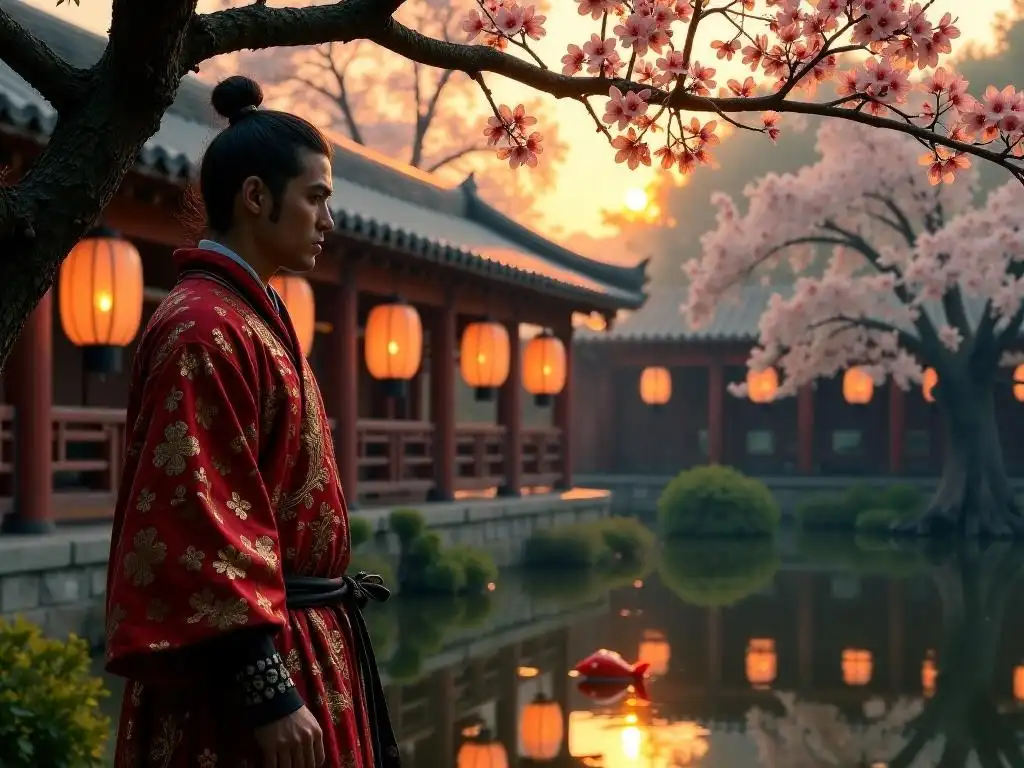
The concept of Bushido, often translated as "the way of the warrior," is deeply rooted in Japan's feudal history, particularly during the Kamakura period (1185-1333). This ethical code guided the samurai class, shaping their conduct and spiritual practices. Understanding the historical context of Bushido is essential for appreciating its spiritual dimensions and the quest for enlightenment that underpinned its principles.
The emergence of Bushido coincided with the rise of the samurai as a distinct social class. Initially, the samurai were warriors serving feudal lords, but over time, they evolved into a ruling elite, influencing governance, culture, and religion. The code of Bushido was not static; it transformed in response to the sociopolitical landscape and the integration of various religious philosophies, particularly Shintoism and Buddhism.
Origins of Bushido in the Samurai Class
Bushido's origins can be traced back to the late Heian period (794-1185) when the samurai began to formalize their identity and values. The samurai were primarily motivated by loyalty, honor, and martial prowess. Early texts, such as "The Tale of Heike," illustrate the samurai's dedication to their lords and the importance of honor in battle.
As the samurai class solidified its power, their ethical code began to incorporate elements of Confucianism, which emphasized moral integrity and social harmony. This was significant in shaping the samurai's worldview, promoting virtues such as loyalty, courage, and benevolence. Furthermore, the samurai's close ties to their lords created a hierarchical structure that reinforced loyalty as a core tenet of Bushido.
The development of Bushido was also influenced by the historical context of constant warfare. The need for discipline and ethical conduct in battle led to a more formalized set of practices and beliefs. This period saw the codification of samurai values, leading to a comprehensive framework that would guide their actions both on and off the battlefield.
Influence of Zen Buddhism on Bushido Practices
Zen Buddhism played a pivotal role in shaping the spiritual aspects of Bushido, particularly in the late medieval period. The integration of Zen practices into samurai culture introduced a new dimension to their understanding of life, death, and the pursuit of enlightenment. Samurai adopted Zen principles to cultivate a mindset that emphasized mindfulness, meditation, and the acceptance of impermanence.
Zen's influence can be seen in the way samurai approached combat. The concept of "no-mind" (mushin) became integral to their martial training, allowing warriors to act instinctively and without hesitation. This mental state was crucial in battles, as it enabled samurai to remain calm and focused, free from the distractions of fear or doubt.
Moreover, Zen teachings encouraged samurai to seek inner peace and enlightenment through rigorous self-discipline and meditation. These spiritual practices were not only about improving martial skills but also about fostering a deeper understanding of one's self and the universe. The practice of Zen meditation became a means for samurai to reconcile their violent lifestyle with the quest for spiritual purity.
The intertwining of Zen Buddhism and Bushido created a unique spiritual framework that shaped the samurai's identity. This synthesis of martial prowess and spiritual enlightenment exemplifies the duality of the samurai experience—one that sought to harmonize the warrior's life with profound philosophical inquiry and moral integrity. As such, Bushido became more than just a code of conduct; it evolved into a holistic approach to life that reflected the complexities of the feudal era in Japan.
Key Spiritual Practices Associated with Bushido

Bushido, the way of the warrior, is not merely a code of conduct for samurai but also encompasses various spiritual practices that shape a warrior's moral and ethical framework. These practices aim to cultivate inner peace, discipline, and a sense of duty that transcends the physical realm, connecting the individual to a higher purpose. Here, we will explore some of the key spiritual practices associated with Bushido, highlighting their significance in the quest for enlightenment.
Meditation and Mindfulness in Bushido
Meditation is a fundamental practice within Bushido, serving as a means to achieve clarity of mind and emotional stability. Samurai warriors employed various forms of meditation, such as:
- Zazen (Seated Meditation): This traditional practice involves sitting in silence, focusing on the breath, and letting go of distracting thoughts. Zazen cultivates a state of mindfulness, allowing warriors to prepare mentally for battle and develop a deeper understanding of their inner selves.
- Kinhin (Walking Meditation): This practice combines movement with mindfulness. During Kinhin, warriors walk slowly and deliberately, synchronizing their breath with each step. This form of meditation enhances focus and grounding, ensuring that the samurai remains present in both combat and daily life.
The integration of meditation into the lives of samurai emphasizes the importance of mental discipline. Mindfulness fosters an awareness of one's actions and thoughts, enabling warriors to act with intention rather than react impulsively.
Rituals and Ceremonies: A Path to Enlightenment
Rituals and ceremonies played a pivotal role in the spiritual life of samurai, reinforcing their commitment to the principles of Bushido. These practices often held deep symbolic meaning and served as a connection to the divine. Some notable rituals include:
- Tea Ceremony (Chanoyu): More than just a beverage, the tea ceremony symbolizes harmony, respect, purity, and tranquility. Participating in this ritual allowed samurai to cultivate a sense of mindfulness and appreciation for beauty in simplicity.
- Seppuku (Ritual Suicide): While a somber practice, seppuku is a profound demonstration of honor and loyalty. It served as a way for a samurai to restore their honor in the face of disgrace. This ritual emphasizes the connection between life, death, and spiritual enlightenment—an acceptance of the impermanence of existence.
Through these rituals, samurai sought to align their actions with the ideals of Bushido, reinforcing their commitment to honor, loyalty, and spiritual growth.
The Importance of Honor and Loyalty in Spirituality
At the heart of Bushido lies the concepts of honor and loyalty, which profoundly influence its spiritual practices. These values are not merely societal expectations but are deeply spiritual in nature:
- Honor (Meiyo): In Bushido, honor is paramount; it reflects the warrior's integrity and ethical standing. Upholding one’s honor leads to a life of righteousness and respect. The pursuit of honor can be seen as a spiritual journey, where the samurai strives to align their actions with their beliefs and values.
- Loyalty (Chūgi): Loyalty transcends personal relationships and extends to one’s lord, family, and country. This deep-seated loyalty fosters a sense of belonging and purpose, guiding warriors in their actions. The spiritual aspect of loyalty encourages samurai to act selflessly, prioritizing the greater good over individual desires.
The spiritual practices associated with Bushido are integral to the samurai's quest for enlightenment. Through meditation, rituals, and the embodiment of honor and loyalty, the samurai cultivated a rich spiritual life that informed their actions and decisions, ultimately leading to a profound connection with their purpose in the world.
The Quest for Enlightenment through Bushido
Bushido, often referred to as the "Way of the Warrior," is not merely a code of conduct for samurai; it embodies a spiritual journey towards enlightenment. This quest intertwines moral integrity, self-discipline, and a deep connection with nature, all of which are integral to the samurai's way of life. Through various spiritual practices, samurai sought to transcend the mundane, achieving a state of clarity and purpose aligned with their duties and responsibilities.
Defining Enlightenment in the Context of Bushido
In the context of Bushido, enlightenment can be understood as a profound realization of one's true self and purpose within the universe. This state of awareness is often described using concepts from Zen Buddhism, which heavily influenced samurai spirituality. Enlightenment involves:
- Awareness of the Present Moment: Samurai practiced mindfulness to remain grounded, fully engaging in each moment without distraction.
- Moral Clarity: The samurai believed that enlightenment came through ethical living, adhering to virtues such as loyalty, honor, and courage.
- Harmony with Nature: A connection to the natural world was seen as essential for achieving spiritual fulfillment, encouraging samurai to reflect on their existence in relation to the environment.
The interplay between these elements nurtured a mindset conducive to enlightenment. The samurai's journey was fundamentally about aligning their actions with their spiritual ideals, fostering a sense of peace and understanding amidst the chaos of the world.
The Journey of Self-Discovery: A Samurai's Path
The path to enlightenment for a samurai was deeply personal and often fraught with challenges. This journey involved several critical stages:
- Training and Discipline
- Samurai underwent rigorous physical and mental training, which included martial arts, meditation, and philosophical study. This discipline cultivated resilience and focus, essential traits for personal growth.
- Meditation and Reflection
- Regular meditation was a cornerstone of samurai practice. Techniques such as Zazen (sitting meditation) helped warriors quiet their minds, allowing them to confront their fears and desires. This introspection was vital for self-discovery.
- Engagement with Zen Buddhism
- Many samurai adopted Zen principles, finding in them a framework for understanding the nature of existence. The teachings emphasized impermanence and the importance of living authentically, guiding warriors towards enlightenment.
- Confronting Mortality
- The samurai's acceptance of death played a crucial role in their spiritual journey. By embracing the inevitability of death, they cultivated a sense of urgency and purpose in their lives, motivating them to seek deeper meaning in their actions.
- The Role of Nature
- Nature served as both a teacher and a mirror for the samurai. Through activities like flower arranging (ikebana) or poetry (haiku), they expressed their inner experiences, reflecting on their emotions and connection to the world around them.
The culmination of this journey was not a destination but an ongoing process of growth and understanding. As samurai navigated their lives through the principles of Bushido, they continually sought to refine their character and deepen their spiritual practices, embodying the essence of enlightenment in their daily existence.
Bushido spiritual practices in Japan were not only about martial prowess but also a holistic approach to personal and spiritual development, shaping the samurai's quest for enlightenment.
Philosophical Influences on Bushido Spiritual Practices
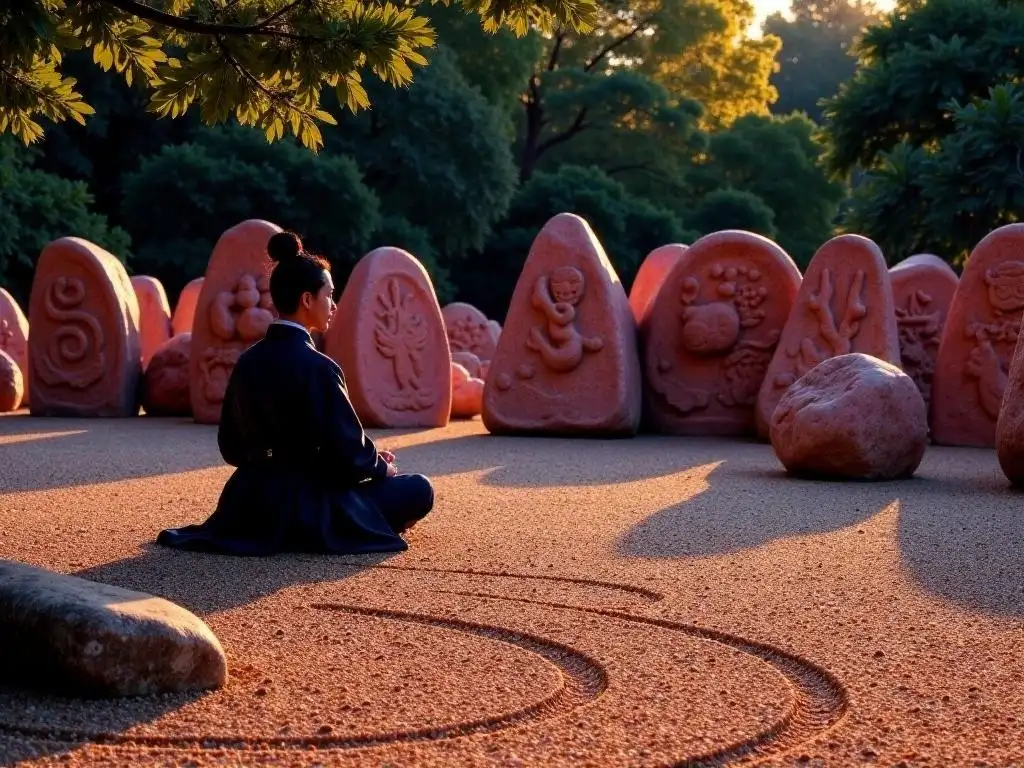
Confucianism and Its Impact on Samurai Ethics
Confucianism, a philosophical system rooted in the teachings of Confucius, significantly shaped the ethical framework of samurai culture in feudal Japan. Confucian principles emphasized virtues such as loyalty, filial piety, and moral integrity, which resonated deeply with the samurai's code of conduct.
- Loyalty (Chū): A cornerstone of both Confucianism and Bushido, loyalty manifests as unwavering devotion to one's lord. The samurai's loyalty extended beyond mere duty; it was a profound moral obligation that defined their existence. This commitment often required samurai to make the ultimate sacrifice for their lords, reinforcing the notion of honor within their spiritual practices.
- Filial Piety (Xiào): This concept underlines the importance of respect and duty towards one's parents and ancestors. In the context of samurai, filial piety translated into a broader loyalty to the clan and family, creating a sense of identity and purpose. This connection to ancestry became a spiritual anchor for samurai, intertwining personal honor with familial legacy.
- Ritual and Education: Confucianism promoted a structured approach to education and moral development. Samurai were often educated in Confucian texts, which instilled a sense of discipline and ethical reasoning. The integration of these teachings into Bushido helped cultivate not only martial prowess but also a robust moral compass, guiding samurai in their spiritual quests.
By embracing Confucian ideals, the samurai forged a distinct ethical identity that harmonized martial skill with moral integrity, shaping the spiritual practices inherent in Bushido.
Shinto Beliefs and Their Integration into Bushido
Shinto, Japan's indigenous spirituality, played a pivotal role in shaping the spiritual landscape of Bushido. The animistic beliefs and practices of Shinto provided a rich tapestry of rituals and concepts that complemented the samurai's code.
- Kami and Spiritual Connection: Central to Shinto is the belief in kami, the spirits that inhabit natural elements and ancestors. Samurai viewed themselves as protectors of both their lords and the kami, fostering a deep spiritual connection with the land and its deities. This relationship encouraged a sense of responsibility and reverence, which permeated their martial practices.
- Ritual Purification (Misogi): Rituals of purification, such as misogi, were integral to Shinto and were adopted by samurai as a means to cleanse themselves spiritually before engaging in battle. This practice not only reinforced the importance of maintaining a pure spirit but also provided a framework for approaching combat with a clear mind and focused intentions.
- Nature and Harmony: Shinto emphasizes the beauty and sanctity of nature, which resonated with samurai ideals. The appreciation of nature cultivated a sense of harmony that influenced their worldview and spiritual practices. Samurai often sought enlightenment through meditation in natural settings, promoting a deep understanding of their place within the universe.
- Amulets and Talismans: Shinto practices included the use of talismans for protection and guidance, which many samurai adopted. These amulets were believed to confer blessings from the kami, reinforcing the spiritual dimension of their martial duties and enhancing their sense of purpose.
Through the integration of Shinto beliefs, Bushido evolved into a comprehensive spiritual practice that emphasized a harmonious relationship with nature, respect for the divine, and a deep commitment to duty and honor. This synthesis of philosophy and spirituality enriched the samurai's quest for enlightenment, weaving together the threads of ethics, duty, and reverence in their lives.
Case Studies of Bushido Practitioners
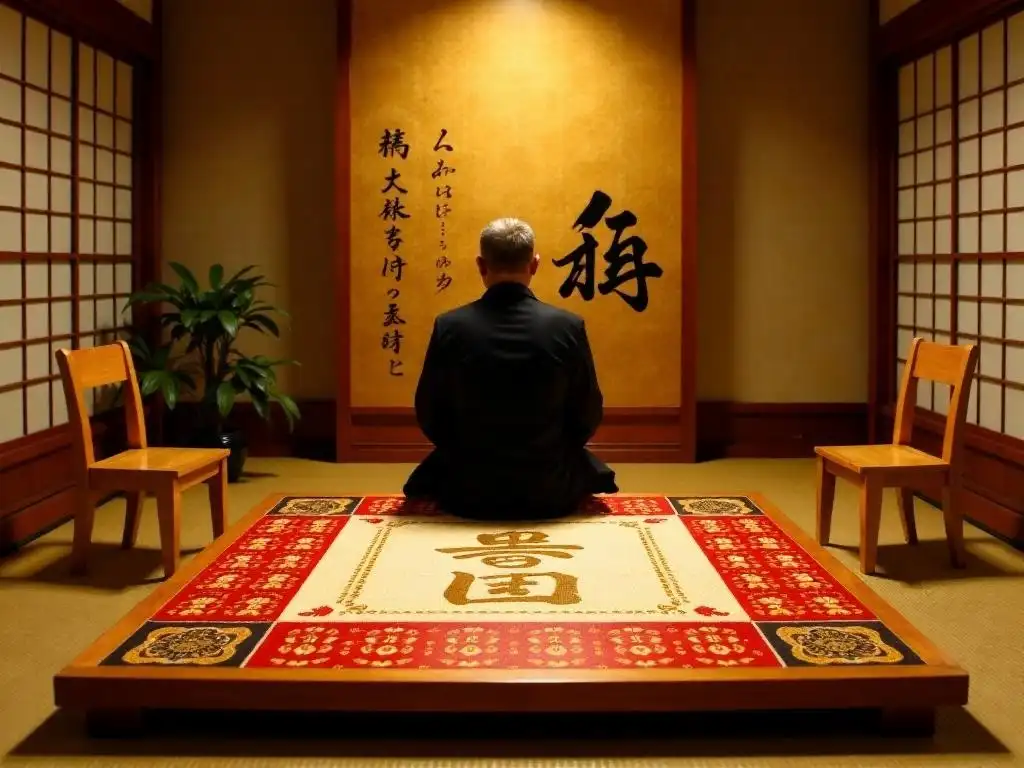
Exploring the spiritual dimensions of Bushido through the lives of notable samurai provides valuable insights into how these warriors integrated their martial practices with profound spiritual beliefs. The following sections delve into the journeys of distinguished samurai and the historical texts that shaped their understanding of Bushido and its spiritual practices in Japan.
Notable Samurai and Their Spiritual Journeys
The lives of samurai are often rich with tales of valor, loyalty, and complex spiritual beliefs. Here are a few notable figures whose journeys exemplify the intertwining of Bushido with spiritual practices:
- Miyamoto Musashi
- Background: A renowned swordsman and strategist, Musashi is famous for his unique two-sword technique and undefeated record in his 61 duels.
- Spiritual Journey: Musashi's spirituality was deeply influenced by Zen Buddhism. He sought enlightenment through meditation and introspection, culminating in his famous work, The Book of Five Rings, where he outlined not only martial strategies but also philosophical insights on life and combat.
- Taira no Kiyomori
- Background: A leading figure of the Taira clan during the late Heian period, Kiyomori was pivotal in the Genpei War.
- Spiritual Journey: Kiyomori's life reflects the connection between power and spirituality. He sought legitimacy and divine favor through Shinto rituals, believing that his military prowess was a reflection of his spiritual standing. His dedication to the protection of the capital and its temples underlines the integration of Bushido with religious duty.
- Oda Nobunaga
- Background: A unifying force in Japan during the late 16th century, Nobunaga was known for his innovative military tactics and ruthless political strategies.
- Spiritual Journey: Nobunaga’s approach to Bushido was complex. He was influenced by Buddhist teachings but also sought to break away from the traditional confines of samurai spirituality. His destruction of certain temples exemplifies a pursuit of a new spiritual path that emphasized pragmatism over tradition.
- Toyotomi Hideyoshi
- Background: The successor of Nobunaga, Hideyoshi is remembered for unifying Japan and establishing a new social order.
- Spiritual Journey: Hideyoshi's spiritual practices were marked by a blend of Shinto and Buddhist elements. He promoted the idea of the divine right to rule, channeling Bushido principles to legitimize his leadership. His patronage of temples illustrates the symbiotic relationship between governance and spirituality.
Analysis of Historical Texts and Their Insights on Bushido
Historical texts provide a wealth of knowledge regarding the spiritual practices associated with Bushido. They serve as windows into the philosophies and ethical frameworks that guided samurai conduct. Here are a few key texts and their insights:
- The Book of Five Rings by Miyamoto Musashi
- This text is not only a manual for martial arts but also a philosophical treatise. Musashi emphasizes the importance of mental discipline, self-reflection, and the pursuit of enlightenment through combat. The intertwining of physical and spiritual training is a cornerstone of his teachings.
- Hagakure (Hidden by the Leaves)
- Written by Yamamoto Tsunetomo, this text serves as a guide to the samurai way of life. It contains reflections on loyalty, the nature of death, and the importance of living with purpose. Tsunetomo advocates for a life committed to Bushido principles, highlighting the spiritual fulfillment that comes from devotion and discipline.
- The Tale of the Heike
- An epic narrative detailing the rise and fall of the Taira and Minamoto clans, this text encapsulates the samurai ethos. Themes of honor, loyalty, and the transient nature of life reflect Buddhist influences, illustrating how spirituality permeated the samurai experience.
- Shinran’s Teachings
- Although primarily focused on Pure Land Buddhism, Shinran’s writings influenced samurai thought by emphasizing faith and the impermanence of life. His teachings encouraged samurai to find solace in spiritual belief amidst the chaos of battle, reinforcing the idea that Bushido was not solely a martial code but also a path to spiritual enlightenment.
Through these notable practitioners and the analysis of historical texts, it becomes evident that Bushido spiritual practices in Japan were deeply interwoven with the cultural and philosophical currents of the time. The samurai sought not only martial prowess but also a profound understanding of the self and the universe, illustrating a quest for enlightenment that transcended the battlefield.
Modern Interpretations of Bushido Spiritual Practices
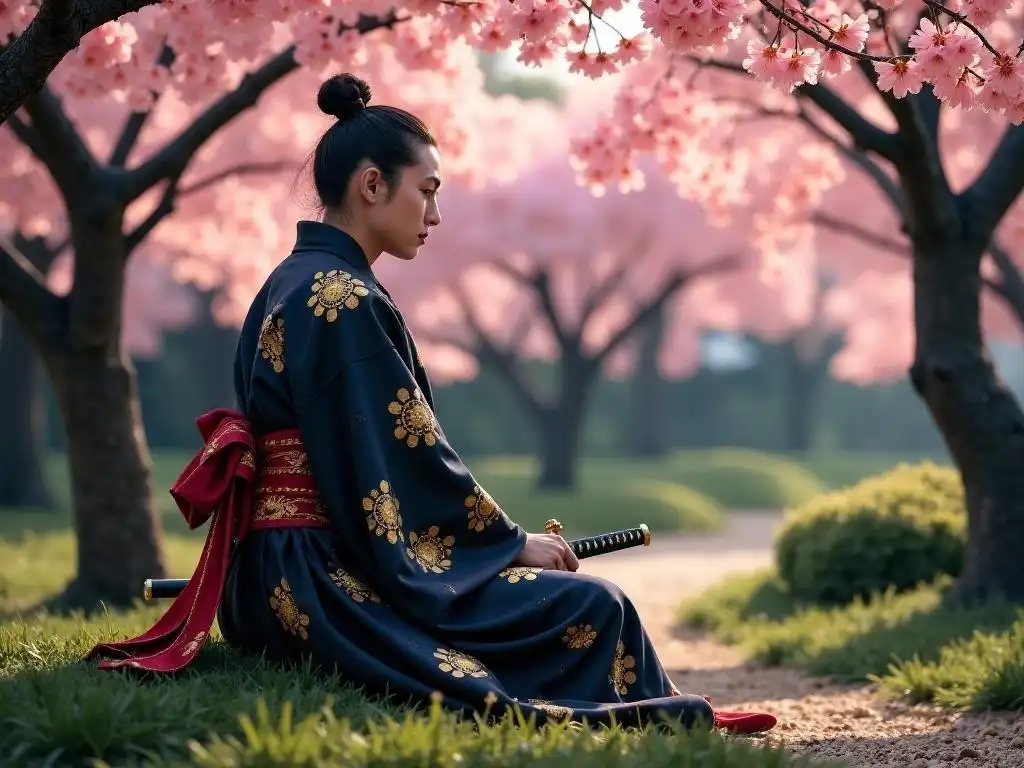
The concept of Bushido, often translated as "the way of the warrior," has evolved significantly since its inception in feudal Japan. Today, it is not only a historical relic but also a living philosophy that finds relevance in various aspects of modern Japanese spirituality and culture. The spiritual practices associated with Bushido have been reinterpreted and adapted to fit contemporary life, promoting values such as discipline, honor, and humility.
How Bushido Influences Contemporary Spirituality in Japan
In contemporary Japan, the spiritual practices rooted in Bushido have permeated various facets of life, influencing religious beliefs, martial arts, and even corporate ethics. Some key influences include:
- Martial Arts Philosophy: Many modern martial arts, such as Kendo and Aikido, incorporate Bushido principles, emphasizing respect, self-control, and the pursuit of personal excellence. Practitioners engage not only in physical training but also in meditation and self-reflection, nurturing both body and spirit.
- Zen Buddhism: The intertwining of Bushido and Zen Buddhism has led to a unique spiritual synthesis. Bushido's emphasis on mindfulness and presence resonates deeply with Zen practices. Warriors often sought enlightenment through Zen meditation, fostering a sense of calm and focus that enhanced their combat effectiveness.
- Corporate Culture: In the corporate sphere, the values of Bushido are echoed in the Japanese work ethic, which emphasizes loyalty, perseverance, and sacrifice for the greater good of the company. This alignment of Bushido principles with business practices creates a framework for spiritual growth within the workplace.
- Cultural Festivals and Rituals: Many cultural events in Japan, such as the Shinto rituals performed at shrines, embody Bushido values. These rituals often honor the spirits of ancestors and emphasize community, reflecting the warrior's connection to their lineage and duty.
The Relevance of Bushido in Modern Society
Bushido's spiritual practices continue to resonate within modern Japanese society, offering a moral compass in an increasingly complex world. Some areas of relevance include:
- Ethical Framework: In a time of rapid globalization and technological change, the ethical teachings of Bushido provide a counterbalance to modern dilemmas. Values such as integrity, respect, and responsibility are vital as individuals navigate personal and professional challenges.
- Personal Development: The quest for self-improvement, a core tenet of Bushido, encourages individuals to pursue lifelong learning and personal growth. This pursuit often manifests in various forms, including education, arts, and community service, fostering a sense of purpose.
- Mental Resilience: The practices associated with Bushido, such as meditation and disciplined training, contribute to mental resilience. In a fast-paced society, these practices help individuals cultivate patience and clarity, mitigating stress and anxiety.
- Cultural Identity: Bushido represents a significant part of Japan's cultural heritage. Embracing these spiritual practices helps individuals connect with their history and identity, fostering a sense of belonging and continuity in a rapidly changing world.
The modern interpretations of Bushido spiritual practices in Japan not only retain their historical significance but also adapt to contemporary needs, enriching the spiritual landscape of today's society. The principles derived from Bushido continue to guide individuals in their quest for enlightenment and ethical living, ensuring that these ancient teachings remain relevant in the present day.
Conclusion: The Lasting Legacy of Bushido and Spiritual Enlightenment
Reflecting on the Spiritual Lessons of Bushido
The philosophy of Bushido, often referred to as the "Way of the Warrior," encapsulates a myriad of spiritual lessons that transcend mere martial prowess. Rooted in the samurai's journey, Bushido intricately weaves concepts from Zen Buddhism, Shinto, and Confucianism to cultivate a holistic approach to life and death.
-
Discipline and Self-Control
The tenets of Bushido emphasize rigorous discipline, which is regarded as essential for personal growth and enlightenment. Samurai were trained not only in combat but also in the arts, poetry, and philosophy, reflecting the harmony between mind and body. This duality fosters a balanced life where self-control becomes a pathway to spiritual awakening.
-
The Impermanence of Life
Influenced by Buddhist teachings, Bushido also embraces the notion of impermanence, encouraging practitioners to appreciate the fleeting nature of existence. This perspective allows warriors to confront mortality with dignity and grace, fostering a deep sense of inner peace and acceptance.
-
Loyalty and Honor
The values of loyalty and honor are central to Bushido, promoting a sense of duty that extends beyond oneself. This commitment to family, lord, and community reinforces the interconnectedness of life, urging individuals to seek a purpose greater than their own. Such a mindset cultivates compassion and empathy, essential components of spiritual enlightenment.
-
Meditation and Mindfulness
Integral to the spiritual practices associated with Bushido is the practice of meditation. Samurai often engaged in Zen meditation to clear their minds, enhance focus, and cultivate a deeper awareness of the present moment. This mindfulness is crucial for transcending the chaos of daily life, allowing practitioners to connect with their true selves.
The Future of Bushido Spiritual Practices in Japan
As Japan navigates the complexities of modernity, the spiritual practices rooted in Bushido continue to evolve, adapting to contemporary contexts while preserving their core teachings.
-
Revival of Traditional Practices
In recent years, there has been a resurgence of interest in Bushido principles, especially among martial arts practitioners and historians. Dojos and cultural organizations are increasingly integrating traditional teachings into their curriculums, emphasizing not only physical training but also the spiritual dimensions of Bushido. This revival encourages a new generation to explore the rich heritage of samurai culture.
-
Integration with Modern Spirituality
The spiritual aspects of Bushido are also finding resonance in broader spiritual movements within Japan, where elements of mindfulness and meditation are celebrated. Many practitioners are blending Bushido principles with modern practices such as yoga and holistic wellness, creating a unique fusion that appeals to a diverse audience seeking spiritual fulfillment.
-
Global Influence
The global fascination with Japanese culture has led to a wider dissemination of Bushido principles beyond Japan's borders. Through literature, martial arts, and cultural exchanges, the spiritual practices associated with Bushido are inspiring individuals worldwide to explore their own paths of discipline and enlightenment. This international interest not only preserves the legacy of Bushido but also enriches the global dialogue on spirituality and ethics.
-
Challenges and Adaptations
Despite the positive trends, the future of Bushido spiritual practices faces challenges. The rapid pace of technological advancement and societal changes may dilute the traditional values if not thoughtfully integrated. Nonetheless, the adaptability of Bushido allows it to resonate with contemporary issues, offering timeless wisdom that encourages resilience, ethical living, and a commitment to personal and communal growth.
The legacy of Bushido's spiritual practices continues to flourish, offering profound insights into the quest for enlightenment in both historical and modern contexts. By embracing the lessons of discipline, honor, and mindfulness, practitioners can navigate their spiritual journeys with clarity and purpose, ensuring that the essence of Bushido remains a vital part of Japan's cultural fabric for generations to come.
Frequently Asked Questions
What is Bushido?
Bushido is the samurai code of conduct in feudal Japan, emphasizing virtues such as honor, loyalty, and discipline. It guided samurai behavior both in battle and in daily life.
How did Bushido influence Japanese culture?
The principles of Bushido significantly shaped Japanese culture, fostering a sense of community, respect, and resilience. Its ideals continue to resonate in modern Japanese society.
What are the spiritual practices associated with Bushido?
Bushido incorporates various spiritual practices, including meditation, ritual, and martial arts. These practices aim to cultivate inner peace, discipline, and a deeper understanding of one's self and purpose.
How does Bushido relate to enlightenment?
Bushido is often seen as a pathway to enlightenment, guiding individuals towards self-realization and moral integrity. The spiritual journey within Bushido emphasizes the balance between mind, body, and spirit.
Can Bushido practices be applied today?
Yes, many of the principles of Bushido can be applied in contemporary life to foster leadership, ethical behavior, and personal development. Its teachings remain relevant for self-improvement and character building.
Final Reflection: The Enduring Spirit of Bushido in the Quest for Enlightenment
The exploration of Bushido's spiritual practices in Japan remains profoundly relevant today, as it intertwines the values of honor, discipline, and self-awareness with the quest for personal enlightenment. In a world often clouded by chaos and distraction, the principles of Bushido offer a guiding light, reminding us of the importance of integrity and the pursuit of a higher purpose. The timeless nature of these teachings serves as a beacon for those seeking to navigate the complexities of modern life.
The influence of Bushido extends beyond the samurai class, permeating various aspects of Japanese culture and society. Its teachings resonate in contemporary practices, from martial arts to mindfulness, shaping the way individuals approach their personal and spiritual growth. As the philosopher Daisaku Ikeda once said, The true warrior is one who conquers his own mind.
This notion underscores the ongoing relevance of Bushido, encouraging us to reflect on our inner battles and the virtues we embody in our daily lives.
As you ponder the lessons of Bushido and its spiritual practices, I invite you to embrace the journey of self-discovery and personal growth. Consider how the principles of honor, loyalty, and self-discipline can be woven into your own life. Let the spirit of Bushido inspire you to cultivate a deeper understanding of yourself and your place in the world, fostering a commitment to enlightenment that transcends time and culture.
Embark on Your Own Quest for Enlightenment!
Thank you for diving into the profound world of Bushido and the spiritual pathways it offers. Your journey through this article has provided you with unique insights into this compelling philosophy and its impact on personal growth. Now that you've explored these rich themes, it's time to take meaningful steps towards your own enlightenment.
Here are some actionable suggestions for you to consider:
- Join a local dojo or martial arts class to experience the principles of Bushido firsthand and cultivate discipline and respect.
- Reflect on your own values by journaling about how the concepts of honor and loyalty resonate in your daily life.
- Engage in discussions! Share your thoughts on Bushido with friends or participate in online communities to foster a spirit of learning and reflection.
What personal values resonate with you, and how will you integrate the wisdom of Bushido into your life moving forward?