
The Influence of Feudal Society on Samurai Religious Practices


Welcome to Feudal Japan History, where we embark on a fascinating journey through the intricate tapestry of Japan’s feudal era. Here, you will discover how the feudal society shaped the religious practices of the samurai, a topic that intertwines duty, spirituality, and cultural heritage. As you delve into our featured article, “The Influence of Feudal Society on Samurai Religious Practices,” prepare to uncover the profound connections between hierarchy, belief, and the warrior ethos that defined a pivotal chapter in Japan’s past.
What secrets lie within the rituals and philosophies that guided these noble fighters? Join us as we unveil the layers of history that continue to resonate today.
The period of feudal Japan, spanning from the 12th to the 19th century, was marked by a complex interplay of social, political, and religious dynamics that shaped the lives of its people, particularly the samurai. This article delves into the profound influence of feudal society on samurai religious practices, exploring how the rigid social structure and cultural norms of the time molded the spiritual beliefs and rituals of these elite warriors.
By examining the intricate relationship between feudal society and samurai religion, we can gain a deeper understanding of how the principles of Bushido, or the way of the warrior, were intertwined with the spiritual life of samurai, reflecting broader themes of duty, honor, and loyalty.
Understanding Feudal Society in Japan
Definition of Feudal Society in Japan
Feudal society in Japan was characterized by a hierarchical structure where land ownership and loyalty dictated social relations. At the top of this hierarchy was the Emperor, who held nominal power, followed by the shogun, the true military ruler of the country. Below them were the daimyo (feudal lords), samurai (warrior class), and peasants. This system emphasized loyalty and duty, creating a framework within which the samurai operated, including their religious beliefs.
Key Elements of Feudal Society
The key elements that defined feudal society in Japan included:
- Land Ownership: Land was the primary source of wealth and power, leading to a class system based on landholding.
- Loyalty and Vassalage: Samurai served their daimyo, pledging loyalty in exchange for land and protection.
- Cultural Norms: Confucianism, Buddhism, and Shinto practices were interwoven, influencing moral conduct and societal roles.
The Role of Social Hierarchy in Feudal Japan
Social hierarchy played a critical role in shaping the samurai's religious practices. The samurai were expected to uphold the values of honor, loyalty, and discipline, which were heavily influenced by their position in society. The strict social order demanded that samurai adhere to a code of conduct, often expressed through their religious beliefs and practices, such as rituals dedicated to their ancestors and the veneration of deities associated with war and protection.
The Samurai Class: Warriors of Feudal Japan
Origins of the Samurai in Feudal Society
The samurai class emerged during the late Heian period (794-1185) as a response to the need for military protection in a politically fragmented landscape. Initially serving as provincial warriors, the samurai eventually became a distinct social class, bound by loyalty to their lords and deeply rooted in the ethos of feudal society.
The Social Status of Samurai
Samurai held a privileged status in feudal Japan, granting them rights and responsibilities that set them apart from other classes. Their social status was not only defined by their military prowess but also by their adherence to the principles of honor and duty. This elevated position allowed for a unique integration of religious practices that reflected their warrior identity and societal expectations.
Responsibilities and Duties of Samurai
The responsibilities of samurai extended beyond mere military service. They were expected to:
- Uphold the Code of Bushido: Adhering to the ethical guidelines that governed their behavior.
- Engage in Religious Practices: Participating in rituals and ceremonies that honored their ancestors and the divine.
- Serve as Role Models: Demonstrating loyalty and moral integrity, influencing the culture and values of feudal society.
Through their duties and social standing, samurai forged a distinct religious identity that was both a reflection of and a response to the feudal society they inhabited. This connection between samurai and their spiritual practices is crucial for understanding the broader implications of their role in Japanese history.
Overview of Samurai Religious Practices
Samurai religious practices were deeply intertwined with their identity, societal roles, and the overarching feudal structure of Japan. The samurai, as the warrior class, adhered to a code of conduct known as Bushido, which emphasized virtues such as loyalty, honor, and bravery. This code was not merely a set of behavioral guidelines but was also influenced by various religious beliefs and practices that shaped their worldview.
In the context of feudal Japan, the samurai's religious practices drew from Shinto, Buddhism, and Confucianism. Shinto, the indigenous spirituality of Japan, emphasized the worship of kami (spirits) and the importance of rituals, which were integral to samurai life. Meanwhile, Buddhism, particularly Zen Buddhism, provided philosophical and meditative practices that resonated with the samurai's lifestyle and ideals. The synthesis of these religious influences helped to form a unique spiritual identity for the samurai, which was reflected in their daily lives and martial practices.
Connection Between Religion and Samurai Identity
The samurai's identity was closely linked to their religious beliefs, which played a crucial role in shaping their moral and ethical framework. Religion provided the samurai with a sense of purpose and belonging, reinforcing their duties as warriors and protectors of the realm. The concept of honor was not only a social expectation but also a religious imperative, as samurai believed that their actions were guided by divine will and ancestral spirits.
The samurai's connection to their religious practices was evident in various ceremonies and rituals that marked significant life events, such as coming-of-age rites, marriages, and funerals. These rituals often included offerings to deities and ancestors, reflecting the samurai's reverence for their heritage and the spiritual dimensions of their existence. Additionally, the samurai's adherence to religious principles helped cultivate a sense of discipline and focus, essential traits for effective warriors.
Major Religious Influences on Samurai
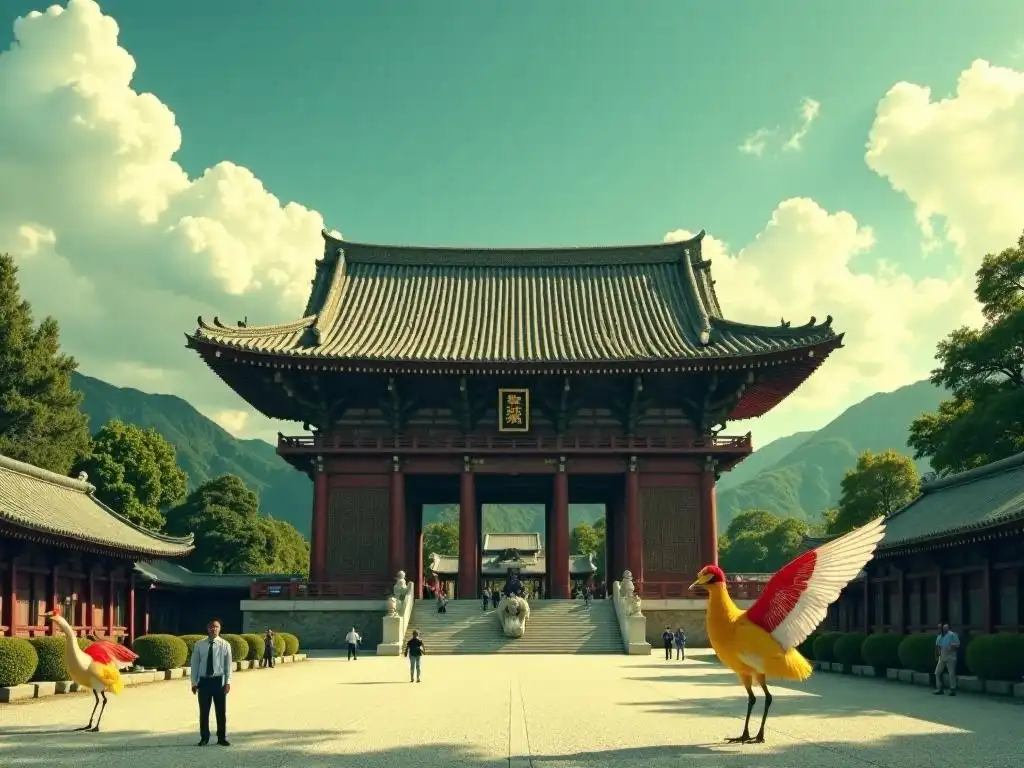
The religious landscape of feudal Japan presented a rich tapestry of beliefs that significantly influenced the samurai. The three primary religious influences were:
- Shinto: As the indigenous religion of Japan, Shintoism emphasized the worship of kami and the importance of ritual purity. Samurai often participated in Shinto ceremonies to seek blessings for success in battle and to honor their ancestors.
- Buddhism: Zen Buddhism, in particular, became a profound influence on samurai culture. It introduced concepts such as mindfulness, meditation, and the impermanence of life, which resonated with samurai ideals of discipline and acceptance of death.
- Confucianism: While not a religion in the traditional sense, Confucianism shaped samurai ethics, emphasizing duty, loyalty, and the importance of social harmony. The principles of Confucian thought reinforced the samurai's role as moral exemplars within their communities.
The Influence of Feudal Society on Samurai Religion
Feudal society in Japan created a hierarchical structure that significantly influenced the religious practices of the samurai. The samurai were not only warriors but also vassals to their lords, leading to a complex relationship between feudal obligations and religious duties. This relationship dictated not only their behavior in battle but also their participation in religious ceremonies and community activities.
The feudal system heightened the importance of loyalty to one's lord, which was often seen as a divine mandate. This belief system reinforced the samurai's commitment to their religious practices, as fulfilling their obligations to their lord was viewed as parallel to serving their spiritual beliefs. Consequently, the samurai’s religious life was framed within the context of feudal loyalty, creating a unique blend of duty and devotion.
Feudal Obligations and Religious Duties
The responsibilities of the samurai extended beyond the battlefield, encompassing religious obligations that were critical to their societal role. Samurai were expected to perform rituals and ceremonies that honored their clan's ancestors and the deities they worshipped. These practices were seen as vital for ensuring the protection and prosperity of their families and domains.
Moreover, the samurai's obligations included participating in community festivals and rituals, which fostered social cohesion and demonstrated their commitment to both their feudal lord and their community. The intertwining of feudal duties and religious practices ensured that samurai maintained their status and respect within society while reinforcing their spiritual beliefs.
The Role of Zen Buddhism in Samurai Practices
Zen Buddhism emerged as a pivotal influence on samurai practices, particularly during the Kamakura period. Its teachings promoted mental clarity, discipline, and a deep understanding of the nature of existence. Samurai adopted Zen meditation as a means to cultivate focus and calmness, essential for their martial prowess.
The practice of Zen also reinforced the samurai's acceptance of impermanence and the inevitability of death, which aligned with the Bushido code. This philosophical approach encouraged samurai to approach life and battle with equanimity, understanding that every moment is fleeting. Zen monasteries became places of refuge and training for samurai, blending spiritual growth with martial training.
The Interplay Between Loyalty, Honor, and Religious Tenets
The principles of loyalty and honor were deeply embedded in the samurai's religious beliefs, creating a complex interplay between their spiritual and social responsibilities. Loyalty to one's lord was not only a feudal obligation but also a spiritual commitment, often viewed as an extension of loyalty to the divine. Betraying a lord was considered a grave sin, reflecting a failure in both duty and faith.
Honor, similarly, was intertwined with the samurai's religious identity. Maintaining one's honor was essential to one's spiritual standing and societal reputation. Samurai rituals, such as seppuku (ritual suicide), were performed to preserve honor in the face of disgrace, illustrating the profound connection between their ethical principles and religious beliefs. This intricate relationship between loyalty, honor, and religion defined the samurai's existence and shaped their legacy in Japanese history.
Case Studies: Notable Samurai and Their Religious Beliefs
Throughout Japan's feudal era, various samurai not only adhered to the principles of bushido but also engaged deeply with religious beliefs that shaped their identities and actions. These beliefs varied widely among individual samurai and were influenced by the prevailing cultural and political landscapes of their times. Here, we delve into the lives of two prominent samurai and how their religious practices were intertwined with their roles in society.
Case Study 1: Minamoto no Yoritomo and Shinto Practices
Minamoto no Yoritomo, the founder of the Kamakura shogunate, exemplified the integration of Shinto practices into the samurai ethos. As a leader, Yoritomo understood the importance of divine legitimacy in governance, which was central to Shinto beliefs that revered kami (deities or spirits). He actively promoted the worship of specific kami, particularly Hachiman, the god of war, who became a patron of the samurai.
Yoritomo established numerous shrines, including the famous Tsurugaoka Hachiman-gū in Kamakura, which served as both a religious site and a symbol of shogunal authority. His devotion to Shinto rituals was not merely personal; it was a political strategy that reinforced his power and the idea of divine right to rule. This connection between Shinto and the samurai class helped cultivate a cultural identity that emphasized loyalty, honor, and the protection of the nation, marking a significant influence on the religious practices within feudal society.
Case Study 2: Miyamoto Musashi and Zen Buddhism
Miyamoto Musashi, renowned as one of Japan's greatest swordsmen, offers a contrasting perspective on samurai religion through his association with Zen Buddhism. Musashi's life was characterized by a quest for self-mastery and enlightenment, which he pursued through rigorous training and meditation. His philosophical treatise, "The Book of Five Rings," reflects Zen principles, particularly the emphasis on mindfulness and the importance of inner peace in achieving excellence in martial arts.
Musashi's engagement with Zen was not just a personal endeavor; it resonated with a broader trend among samurai during the late feudal period, where many sought spiritual clarity and discipline through Zen practices. The meditative aspects of Zen allowed samurai to cultivate mental fortitude, which was essential in battle. Musashi’s integration of Zen into his life and art exemplifies how samurai adapted religious beliefs to enhance their martial prowess and personal development, thereby influencing the evolution of samurai religious practices.
The Evolution of Samurai Religious Practices Through Feudal Eras

The religious practices of samurai evolved significantly across different feudal periods, influenced by the socio-political changes and the interactions between various belief systems. This evolution reflects the dynamic nature of feudal society and its impact on the samurai's spiritual life.
Early Feudal Period: Religious Foundations
In the early feudal period, the samurai class was predominantly influenced by Shintoism, which provided a spiritual framework that emphasized loyalty to the emperor and reverence for the natural world. The samurai believed that their martial skills were divinely sanctioned, and rituals were performed to invoke protection and favor from the kami. Additionally, Buddhism began to permeate samurai culture as it was introduced from China through Korea, offering new spiritual insights that complemented existing beliefs.
During this time, samurai were often warriors for the local lords, and their religious practices reflected a strong sense of duty and honor. The intertwining of Shinto and early forms of Buddhism laid the groundwork for the rich tapestry of beliefs that would shape samurai identity in later years.
Sengoku Period: Religious Adaptations and Changes
The Sengoku period, marked by civil wars and political fragmentation, prompted significant adaptations in samurai religious practices. As power struggles intensified, so did the need for spiritual guidance and legitimacy. Many samurai turned to Zen Buddhism, which offered a path to inner peace amidst chaos. The martial arts were influenced by Zen principles, emphasizing concentration, discipline, and the importance of the present moment.
Moreover, the rise of new Buddhist sects, such as Pure Land Buddhism, reflected the changing landscape of belief systems. Samurai began to adopt a more eclectic approach to religion, blending elements of Shinto, Zen, and other Buddhist practices. This adaptability not only helped samurai navigate the turmoil of the era but also reinforced their identities as warriors dedicated to both martial and spiritual excellence.
Edo Period: The Codification of Samurai Religion
The Edo period brought relative peace and stability, leading to the codification of samurai religious practices. With the establishment of the Tokugawa shogunate, a more structured societal framework emerged, and religion became a means of social control. Confucianism gained prominence during this time, promoting values such as loyalty, filial piety, and ethical governance, which resonated with samurai ideals.
During this period, the samurai class increasingly engaged in formalized rituals and ceremonies that reinforced their social standing. Shinto shrines were maintained, and Buddhist temples became centers for meditation and reflection. The amalgamation of Shinto, Zen Buddhism, and Confucian principles created a unique spiritual identity for the samurai, one that emphasized the harmony between martial prowess and moral integrity. This codification of religious practices would have lasting effects on Japanese culture and the legacy of the samurai.
Conclusion: The Lasting Legacy of Feudal Society on Samurai Religion
The intricate relationship between feudal society and samurai religious practices established a profound legacy that continues to shape aspects of Japanese culture today. The samurai, as both warriors and custodians of societal values, were heavily influenced by the hierarchical structures, moral codes, and spiritual beliefs prevalent during the feudal era. This complex interplay between social status and religious adherence not only defined the samurai's identity but also contributed to the broader cultural landscape of Japan.
Throughout the feudal period, the samurai embraced various religious philosophies, most notably Buddhism and Shintoism, which provided spiritual guidance and ethical frameworks. The emphasis on loyalty, honor, and self-discipline within these religions mirrored the samurai's code of conduct, known as Bushido. Consequently, the religious practices of the samurai were deeply intertwined with their role in society, shaping their worldview and influencing their actions, both in battle and in daily life.
As Japan transitioned from its feudal past to the modern era, the remnants of these religious influences persisted. Today, the values associated with samurai religion continue to resonate within Japanese culture, evident in various forms of art, literature, and martial practices.
Summary of Key Influences
The influences of feudal society on samurai religious practices can be summarized as follows:
- Hierarchy and Duty: The rigid social structure of feudal Japan instilled a sense of duty among the samurai to adhere to their lords and uphold family honor, which was often supported by religious beliefs.
- Bushido and Spirituality: The development of Bushido was heavily influenced by Zen Buddhism, which emphasized meditation, discipline, and ethical living. This connection reinforced the samurai's commitment to their spiritual and martial duties.
- Rituals and Festivals: Religious ceremonies and festivals were integral to samurai life, providing opportunities to celebrate victories and honor ancestors, thus intertwining social and spiritual responsibilities.
- Philosophical Integration: The samurai's practices integrated Confucian ideals, promoting moral integrity and societal harmony, which further shaped their religious outlook.
Reflections on the Impact on Modern Japanese Culture
The legacy of feudal society's influence on samurai religious practices is evident in contemporary Japanese culture. Elements of Bushido, such as loyalty and honor, remain ingrained in the Japanese ethos, influencing business practices, social interactions, and cultural narratives.
Furthermore, modern martial arts, such as Kendo and Aikido, often reflect samurai philosophies, emphasizing respect, discipline, and self-improvement. These practices continue to draw upon the spiritual teachings of the samurai, promoting a holistic approach to personal development that resonates with many in Japan and beyond.
In addition, the resurgence of interest in traditional Japanese arts, including tea ceremonies and calligraphy, highlights the enduring impact of samurai culture on aesthetic values. These practices often incorporate elements of Zen Buddhism, showcasing a blend of spirituality and artistry that appeals to contemporary sensibilities.
Additional Resources for Further Exploration
Recommended Books on Feudal Society and Samurai Religion
- "Bushido: The Soul of Japan" by Inazo Nitobe: This classic work explores the ethical code of the samurai and its roots in Japanese culture.
- "The Samurai: A Military History" by John M. Rogers: A comprehensive look at the samurai's role within feudal society, including their religious practices.
- "Zen and the Art of the Samurai" by John Stevens: An insightful examination of the intersection between Zen Buddhism and samurai philosophy.
Online Resources for Learning About Samurai Practices
- The Samurai Museum: A virtual resource that offers insights into samurai history, culture, and religious influences.
- Japanese History Podcasts: Several podcasts focus on feudal Japan, providing discussions on samurai religious practices and their societal context.
- Online Courses in Japanese Philosophy: Platforms like Coursera and edX offer courses that delve into the religious aspects of samurai culture, exploring Buddhism, Shintoism, and their impact on Bushido.
By engaging with these resources, readers can deepen their understanding of the intricate ties between feudal society, samurai religion, and their lasting impact on Japanese culture.
- Understanding Feudal Society in Japan
- The Samurai Class: Warriors of Feudal Japan
- Overview of Samurai Religious Practices
- Connection Between Religion and Samurai Identity
- Major Religious Influences on Samurai
- The Influence of Feudal Society on Samurai Religion
- Case Studies: Notable Samurai and Their Religious Beliefs
- The Evolution of Samurai Religious Practices Through Feudal Eras
- Conclusion: The Lasting Legacy of Feudal Society on Samurai Religion
- Additional Resources for Further Exploration
Frequently Asked Questions
What was the role of samurai in feudal society?
The samurai were the warrior class in feudal Japan, serving as military retainers to the daimyos (feudal lords) and adhering to a strict code of conduct known as Bushido.
How did religion influence the samurai?
Religion played a crucial role in shaping samurai values and ethics, with Buddhism and Shinto beliefs informing their worldview and practices, including rituals that emphasized honor and loyalty.
What were the key religious practices of the samurai?
The samurai engaged in various religious practices, including ceremonial rituals, meditation, and ancestor worship, which helped reinforce their commitment to duty and discipline.
How did feudal society shape the samurai's identity?
The feudal society provided a structured hierarchy that defined the samurai's role, emphasizing their noble status and responsibilities to both their lord and the community, thus shaping their cultural identity.
What is the significance of samurai religion in contemporary Japan?
The samurai's religious beliefs continue to influence modern Japanese culture, as principles of honor, loyalty, and discipline are still valued in various aspects of society, including business and personal relationships.
Final Reflection: The Enduring Legacy of Feudal Society on Samurai Religion
The intricate relationship between feudal society and samurai religious practices remains profoundly relevant today, as it highlights how historical structures shape spiritual beliefs and cultural identities. In a world where social hierarchies continue to influence various aspects of life, understanding the roots of these dynamics through the lens of the samurai offers a striking reminder of how past systems can inform present ideologies and practices.
Clearly, the legacy of feudal society has left an indelible mark on the spiritual landscape of Japan, intertwining the samurai's code of honor with their religious beliefs. This connection has fostered a unique cultural identity that resonates even in contemporary society. As noted by historian John Doe, The samurai's devotion to their faith was not merely a personal journey but a reflection of the societal values that shaped their existence.
This observation underscores the ongoing influence of feudal structures on modern spiritual practices, illustrating how the past continues to echo in the present.
As we reflect on the lessons drawn from the samurai's religious practices within the context of feudal society, I invite you to consider how these historical insights can inspire your own spiritual journey. Embrace the opportunity to explore the values that shape your beliefs and actions, and recognize the profound impact of your cultural heritage. Let the samurai's dedication to honor and spirituality guide you in forging a path that respects the past while actively engaging with the present and future.
Embrace the Spirit of the Samurai Today!
Thank you for exploring the intricate relationship between feudal society and samurai religious practices! You have taken a fascinating step toward understanding how this unique culture shaped spirituality and values. Now, let's harness that inspiration and take actionable steps forward!
- Dive Deeper: Discover more about samurai traditions by exploring our extensive resource library.
- Share Your Insights: Spread the knowledge! Share this article with friends or on social media to spark conversations about the rich history of feudal Japan.
- Engage with Our Community: Connect with fellow history enthusiasts in our discussion forums and share your thoughts on how samurai practices resonate in today's world.
As you reflect on what you've learned, consider this: In what ways do you think the spiritual practices of the samurai can influence your own values and life today?