
The Role of Meditation in Developing the Samurai Spirit


Welcome to Feudal Japan History, where we embark on a captivating journey through the intricate tapestry of Japan’s feudal era. Delve into the profound meditation practices for samurai, a cornerstone of their spiritual and philosophical development. Discover how these ancient rituals shaped the indomitable spirit of the samurai, influencing not just their combat skills but also their approach to life and honor. As we peel back the layers of history, prepare to uncover the transformative power of meditation that forged the legendary warriors of Japan. Your exploration begins here—dare to delve deeper!
Introduction to Meditation Practices for Samurai
In the intricate tapestry of Feudal Japan, the samurai emerged not only as skilled warriors but also as profound thinkers and spiritual practitioners. Central to their development was the practice of meditation, which played a pivotal role in shaping the samurai spirit, influencing their mental discipline, ethical behavior, and overall approach to life and warfare.
This article delves into the meditation practices for samurai, exploring how these techniques were integral to their training and mindset, and how they contributed to the development of Bushido—the way of the warrior. By understanding the profound connection between meditation and the samurai, we can appreciate the depth of their philosophy and the unique spiritual landscape of their era.
Understanding Meditation in the Context of Feudal Japan
Meditation in Feudal Japan was not merely a method of relaxation but a vital discipline that cultivated focus and inner peace. While its roots can be traced back to various religious traditions, including Buddhism and Shintoism, samurai meditation was characterized by its emphasis on mindfulness and clarity of thought.
- Mindfulness and Awareness: Samurai utilized meditation to enhance their awareness both on and off the battlefield. This heightened state of consciousness allowed them to remain calm under pressure and make decisive choices swiftly.
- Mental Training: The practice was also seen as a way to train the mind, sharpening concentration and fostering a greater understanding of one's self and surroundings.
Through these practices, samurai learned to confront their fears and cultivate a sense of detachment from the chaos of life, thus embodying the essence of the samurai spirit.
Importance of Meditation in Samurai Training
The importance of meditation in samurai training cannot be overstated. It served as a cornerstone of their mental and emotional conditioning, providing several key benefits:
- Emotional Regulation: Meditation helped samurai manage their emotions, allowing them to respond to fear, anger, and stress with composure.
- Focus and Clarity: Regular practice enhanced their ability to focus, a crucial trait for success in both combat and strategy.
- Spiritual Connection: Meditation facilitated a deeper connection to their spiritual beliefs, reinforcing their commitment to the principles of Bushido.
By integrating meditation into their daily routines, samurai were able to develop a holistic approach to their training, balancing physical prowess with mental acuity.
Historical Background of Meditation Practices in Japan
The historical context of meditation practices in Japan reveals a rich interplay between various philosophical and religious influences that shaped the samurai's spiritual landscape. Understanding this background is essential to grasp the full significance of meditation in their lives.
Early Influences of Buddhism on Samurai Meditation
Buddhism, particularly Zen Buddhism, played a crucial role in shaping the meditation practices of the samurai. Introduced to Japan in the 6th century, Zen emphasized direct experience and enlightenment through meditation. Key aspects include:
- Zazen (Seated Meditation): This practice became a central form of meditation, focusing on posture and breath to cultivate inner stillness.
- Koans: These paradoxical questions or statements were used to challenge logical thinking, prompting deeper introspection and insight.
As samurai began to adopt Zen principles, they found that meditation not only enhanced their martial skills but also provided a framework for understanding their place in the world.
The Evolution of Meditation Techniques during the Feudal Era
Throughout the feudal era, meditation techniques evolved, influenced by both internal developments within Japan and external interactions with other cultures.
- Integration of Shinto Practices: Alongside Buddhist meditation, Shinto practices emphasizing nature and purification rituals began to merge, creating a unique blend that resonated with the samurai's connection to the land.
- Military Meditation Schools: By the late feudal period, dedicated schools emerged that taught martial arts alongside meditation, fostering a comprehensive approach to training.
This evolution not only enriched the samurai's spiritual practices but also cemented meditation as an integral part of their identity, further reinforcing the ideals of Bushido.
Key Meditation Practices for Samurai
The samurai, revered as noble warriors, recognized the integral role of meditation in cultivating their spirit and enhancing their martial prowess. Various meditation practices were adopted, each designed to foster qualities such as mindfulness, compassion, and concentration. These practices served not only as a means of self-discovery but also as a foundational element of Bushido, the samurai code of honor. Understanding these meditation practices sheds light on how they shaped the samurai's character and their approach to life and combat.
Zazen: The Art of Sitting Meditation
Zazen, or "seated meditation," is a fundamental practice in Zen Buddhism that emphasizes stillness and awareness. Samurai engaged in zazen to cultivate a state of deep concentration and clarity. The practice involves sitting in a specific posture, typically cross-legged, with the back straight and hands resting in the lap. As thoughts arise, practitioners are encouraged to acknowledge them without attachment, allowing them to pass by like clouds drifting across the sky.
The benefits of zazen extend beyond mere relaxation; it serves as a powerful tool for developing mental resilience. By training the mind to focus and remain present, samurai could enhance their decision-making skills in the heat of battle. Furthermore, zazen fosters a connection to the present moment, enabling warriors to harness their instincts and respond instinctively to threats, a crucial aspect of their martial training.
Shikantaza: Just Sitting for Mindfulness
Shikantaza, often translated as "just sitting," is a form of meditation that emphasizes the simplicity of being in the moment without striving for specific goals or outcomes. This practice encourages samurai to fully immerse themselves in their experience, allowing them to cultivate a profound sense of awareness and acceptance.
Unlike some meditation techniques that involve focusing on a particular object or thought, shikantaza invites practitioners to simply be. This approach aids in developing an unshakeable presence of mind, which is essential for samurai as they navigate both the complexities of warfare and the intricacies of their personal lives. By regularly engaging in shikantaza, samurai could foster a deep sense of calm and focus, empowering them to act decisively and honorably in all circumstances.
Metta Meditation: Cultivating Compassion and Loving-Kindness
Metta meditation, or the practice of loving-kindness, is a transformative approach that encourages the practitioner to develop feelings of compassion toward themselves and others. For samurai, who often faced the harsh realities of combat, metta meditation provided a counterbalance to the violence inherent in their lives. This practice involves silently repeating phrases of goodwill and compassion, starting with oneself and gradually extending these wishes to loved ones, acquaintances, and even adversaries.
Engaging in metta meditation allowed samurai to cultivate empathy and understanding, qualities that are vital for maintaining honor and integrity in their actions. By fostering a mindset of compassion, samurai could temper their aggression and approach conflicts with a sense of humanity, ultimately reinforcing the principles of Bushido.
The Connection Between Meditation and Bushido
The samurai code of honor, known as Bushido, is deeply intertwined with various philosophical and spiritual practices, including meditation. The principles of Bushido—such as loyalty, bravery, and honor—are significantly influenced by the insights gained through meditation. As samurai cultivated their inner virtues through meditation, they were able to live out the ideals of Bushido more fully.
How Meditation Shapes the Samurai Code of Honor
Meditation plays a crucial role in shaping the moral and ethical framework of the samurai. Through practices like zazen and shikantaza, samurai developed self-discipline, introspection, and a heightened awareness of their thoughts and actions. This self-awareness is essential for adhering to the tenets of Bushido, as it allows samurai to reflect on their motivations and the impact of their choices.
Furthermore, the calming effects of meditation help samurai maintain composure in the face of adversity, enabling them to act with honor rather than succumbing to fear or anger. This alignment of mind and spirit reinforces their commitment to the principles of Bushido, allowing them to navigate the complexities of loyalty and duty with grace and integrity.
The Role of Meditation in Enhancing Mental Discipline
Mental discipline is a cornerstone of the samurai ethos, and meditation serves as a powerful tool for developing this essential quality. Regular meditation practice instills a sense of control over one's thoughts and emotions, enabling samurai to remain focused and composed in high-pressure situations. This mental fortitude is critical for warriors who must make split-second decisions during battle.
Moreover, meditation fosters perseverance and resilience. By facing and acknowledging their inner struggles on the meditation cushion, samurai learn to confront challenges with courage and determination. This ability to maintain mental clarity and emotional balance in the face of adversity is what ultimately allows samurai to embody the spirit of Bushido, becoming not only formidable warriors but also exemplary human beings.
Psychological Benefits of Meditation for Samurai
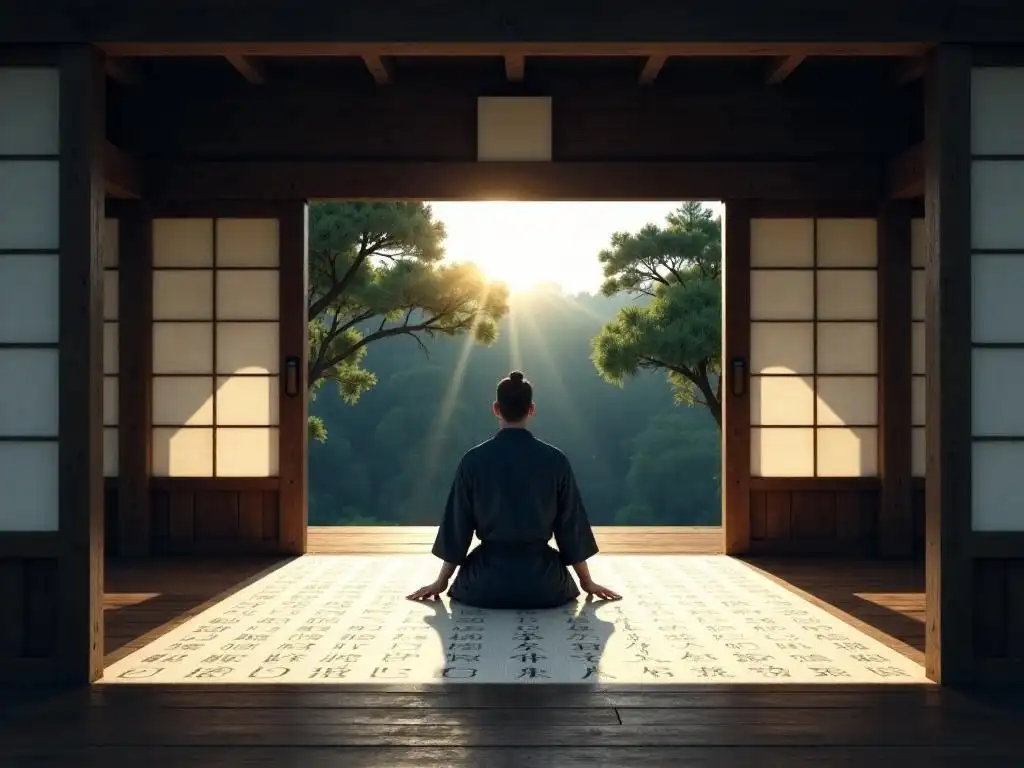
Meditation played a critical role in shaping the psychological landscape of the samurai, serving as both a mental discipline and a practical tool for enhancing their effectiveness in battle and daily life. By engaging in meditation practices, samurai cultivated a mindset that allowed them to navigate the complexities of their roles as warriors and leaders. The psychological benefits that stemmed from these practices were multifaceted, impacting their emotional state, cognitive abilities, and overall well-being.
Stress Reduction and Emotional Resilience
The life of a samurai was fraught with danger, uncertainty, and the constant pressure of warfare. Meditation provided a sanctuary for these warriors, allowing them to retreat into a space of tranquility amidst the chaos. Through techniques such as zazen (seated meditation), samurai learned to calm their minds, reducing stress and anxiety levels significantly.
This reduction in stress translated into enhanced emotional resilience, enabling samurai to face challenges with greater composure. Research has shown that regular meditation practice can decrease cortisol levels, the hormone associated with stress, leading to improved emotional regulation. For samurai, this meant the ability to maintain clarity of thought during intense battle scenarios, ultimately enhancing their combat effectiveness.
Fostering Clarity and Focus in Combat Situations
In the heat of battle, the ability to maintain focus can be the difference between life and death. Meditation practices helped samurai sharpen their concentration and develop a heightened state of awareness. By training their minds through meditation, they were able to hone their ability to remain present in the moment, a skill known as mindfulness.
Mindfulness not only improved their reaction times but also allowed samurai to anticipate their opponents' moves more effectively. This clarity of thought was crucial in combat situations where split-second decisions could determine the outcome of a fight. The practice of meditation fostered a mental environment conducive to strategic thinking, enabling samurai to analyze their surroundings and make informed choices on the battlefield.
Meditation as a Tool for Spiritual Development
Beyond its psychological benefits, meditation served as a profound means of spiritual development for samurai. It was a way for them to connect with deeper philosophical principles that governed their lives and actions. Through meditation, samurai engaged in self-reflection and contemplation, paving the way for a more profound understanding of their existence and purpose.
Cultivating a Deeper Understanding of Self and Others
Meditation encouraged samurai to look inward, fostering a deeper understanding of their own motivations, fears, and desires. This introspective practice allowed them to confront their inner conflicts and achieve greater self-awareness, which was essential for personal growth.
Moreover, this heightened self-awareness extended to their relationships with others. Samurai learned to cultivate empathy and compassion, recognizing the shared humanity of their fellow warriors and adversaries alike. This understanding contributed to the development of a more nuanced approach to conflict and honor, aligning with the principles of Bushido, the code of the samurai.
The Influence of Meditation on Samurai Ethics and Morality
Meditation not only influenced individual samurai but also had a broader impact on their ethical frameworks and moral compass. As samurai engaged in regular meditation, they internalized values such as humility, integrity, and respect for life. These values were crucial in shaping their conduct both on and off the battlefield.
The practice of meditation helped to instill a sense of responsibility, prompting samurai to reflect on the consequences of their actions. This introspection reinforced the importance of ethical behavior in their roles as protectors of society. The meditative journey ultimately contributed to the cultivation of a warrior spirit that was not just about physical prowess but also about moral fortitude, aligning with the ideals of Bushido that prioritized honor and righteousness.
Modern Interpretations of Samurai Meditation Practices
In contemporary society, the meditation techniques historically practiced by samurai have been reinterpreted and adapted by various groups and individuals. These modern interpretations often focus on the core principles of mindfulness, discipline, and focus that were central to samurai meditation. Many practitioners of martial arts, yoga, and other forms of self-improvement now integrate these ancient practices into their routines to cultivate mental clarity and emotional stability.
Modern samurai meditation practices may not strictly adhere to the exact methods of the past, but they retain the essence of these techniques. For instance, seated meditation, or zazen, is often incorporated into martial arts training, allowing practitioners to deepen their focus and enhance their situational awareness. In addition, elements of visualization, which were important to samurai training, are often used in modern practices to help individuals mentally prepare for challenges and cultivate a warrior mindset.
Moreover, the rise of mindfulness and meditation apps has introduced aspects of samurai meditation to a broader audience. These tools often emphasize breathing techniques and mental exercises that echo the samurai’s pursuit of inner peace and concentration, making these ancient practices accessible to anyone seeking personal growth.
How Contemporary Practitioners Incorporate Historical Techniques
Contemporary practitioners often draw from historical samurai techniques while adapting them to fit modern lifestyles. One popular method is the use of guided meditation sessions that incorporate principles from samurai practices, such as breath control and mindfulness. These sessions may focus on themes like resilience, discipline, and the warrior's mindset, enabling participants to cultivate a sense of calm and focus reminiscent of the samurai spirit.
In martial arts schools, instructors might include meditation as part of their training curriculum. For example, practitioners may engage in seated meditation before or after physical training sessions to center themselves and reflect on their practice. This not only enhances physical performance but also fosters a deeper understanding of the mental aspects of martial arts, echoing the samurai’s holistic approach to combat.
Additionally, workshops and retreats centered around samurai meditation techniques are gaining popularity. These events often combine traditional practices with modern therapeutic approaches, allowing participants to explore the emotional and psychological benefits of meditation. As a result, individuals can experience a more profound connection to the historical roots of their practice while gaining insight into their personal development.
The Relevance of Samurai Meditation in Today's Society
In today's fast-paced world, the relevance of samurai meditation practices is more significant than ever. As individuals face increasing stress and distractions, the samurai's emphasis on mental fortitude and clarity offers valuable insights. Many people are turning to these practices as a means to develop resilience and improve their overall well-being.
Samurai meditation encourages a focus on the present moment, which can lead to enhanced productivity and better decision-making. By cultivating mindfulness, individuals can learn to manage their emotions more effectively, leading to healthier relationships and improved mental health. Additionally, the discipline instilled by these practices can enhance self-control and perseverance, qualities that are essential in both personal and professional realms.
Furthermore, the philosophical underpinnings of samurai meditation resonate with contemporary movements advocating for mental health awareness and self-care. The principles of Bushido, the way of the warrior, emphasize honor, loyalty, and integrity, which align with modern values of ethics and personal responsibility. Thus, samurai meditation serves not only as a tool for personal growth but also as a framework for ethical living in today's society.
Conclusion: The Lasting Legacy of Meditation in the Samurai Spirit
The legacy of meditation in developing the samurai spirit continues to influence individuals and practices around the world. By embodying the principles of mindfulness, discipline, and emotional resilience, samurai meditation remains relevant in contemporary contexts, providing a pathway for personal development and inner peace.
Summary of Key Points on Meditation Practices for Samurai
- Historical Significance: Samurai meditation practices were essential for cultivating mental clarity and focus, crucial for warriors.
- Modern Adaptation: Contemporary practitioners have incorporated historical techniques into martial arts, mindfulness practices, and self-improvement routines.
- Personal Development: The principles of samurai meditation foster resilience, emotional stability, and a warrior mindset, relevant in today's society.
- Ethical Framework: The values of Bushido, intertwined with meditation practices, promote integrity and discipline in personal and professional life.
Final Thoughts on the Integration of Meditation in Bushido Values
The integration of meditation within the framework of Bushido not only enhances the samurai spirit but also enriches our understanding of personal growth and ethical living. As we navigate the complexities of modern life, embracing these ancient practices can provide clarity and purpose. The samurai's commitment to inner peace and mental discipline remains a powerful source of inspiration, encouraging us to cultivate our own resilience and integrity in the pursuit of excellence. Ultimately, the legacy of samurai meditation serves as a timeless guide for those seeking to embody the spirit of the warrior in their everyday lives.
- Introduction to Meditation Practices for Samurai
- Historical Background of Meditation Practices in Japan
- Key Meditation Practices for Samurai
- The Connection Between Meditation and Bushido
- Psychological Benefits of Meditation for Samurai
- Meditation as a Tool for Spiritual Development
- Modern Interpretations of Samurai Meditation Practices
- Conclusion: The Lasting Legacy of Meditation in the Samurai Spirit
Frequently Asked Questions
What were the primary meditation practices for samurai?
Samurai engaged in various meditation practices such as Zazen and Shikantaza to cultivate focus, discipline, and mental clarity, essential for their martial training.
How did meditation contribute to the samurai spirit?
Meditation helped develop the samurai spirit by fostering inner peace, enhancing self-awareness, and promoting emotional resilience, which were crucial attributes for warriors in battle.
Were meditation practices influenced by Buddhism?
Yes, many samurai meditation practices were influenced by Zen Buddhism, which emphasized mindfulness and the importance of meditative states in achieving mastery over oneself.
Did meditation have any impact on samurai culture?
Absolutely, meditation played a significant role in shaping samurai culture, reinforcing values such as honor, discipline, and a deep connection to nature, which were central to their way of life.
Can modern practitioners learn from samurai meditation?
Yes, modern practitioners can learn from samurai meditation techniques to improve focus, reduce stress, and cultivate a sense of balance in their daily lives, drawing inspiration from ancient traditions.
Final Reflection: Embracing the Samurai Spirit Through Meditation
The practice of meditation is not just a historical artifact; it is a vital tool for cultivating resilience and focus in our modern lives. As we navigate the complexities of contemporary existence, the principles rooted in the samurai spirit remind us of the importance of mental clarity and emotional strength. In a world filled with distractions and chaos, the ancient art of meditation offers a pathway to inner peace and fortitude, echoing the discipline and dedication of the samurai warriors.
Cultural narratives surrounding the samurai have long influenced our understanding of honor, discipline, and the pursuit of excellence. The integration of meditation into this ethos highlights its enduring relevance, shaping not only individual lives but also the broader social landscape. As we embrace these practices, we can draw inspiration from the words of the renowned martial artist Bruce Lee: The successful warrior is the average man, with laser-like focus.
This focus, cultivated through meditation, empowers us to face challenges with a calm and centered mind, much like the samurai of old.
As you reflect on the teachings of meditation and the samurai spirit, consider how you can incorporate these practices into your daily life. Take a moment to pause, breathe, and connect with your inner self. Allow the wisdom of the samurai to guide you in your journey towards personal growth and resilience. By embracing these meditation practices for samurai, you not only honor a rich tradition but also equip yourself with the tools to navigate the complexities of the modern world with grace and strength.
Unleash Your Inner Warrior Today!
Thank you for joining us on this journey to explore the profound impact of meditation on developing a resilient spirit. Your dedication to understanding this powerful practice is the first step towards embracing personal growth and strength. Now, let’s transform that knowledge into action!
Here’s how you can start cultivating your own warrior spirit through meditation:
- Start a daily meditation practice: Dedicate just 10 minutes each day to meditate, focusing on your breath to foster inner peace and clarity.
- Join a local meditation group or online community: Connect with others who share your interest, exchanging experiences and insights that can deepen your practice.
- Explore the art of mindfulness: Integrate moments of mindfulness into your everyday activities—whether you're walking, eating, or working—bringing a focused mindset to all that you do.
Before you go, we’d love to hear your thoughts: What do you believe is the biggest benefit of meditation in today's fast-paced world? Share your insights in the comments below!