
The Intersections of Religion and Art in Feudal Japan’s Conflicts

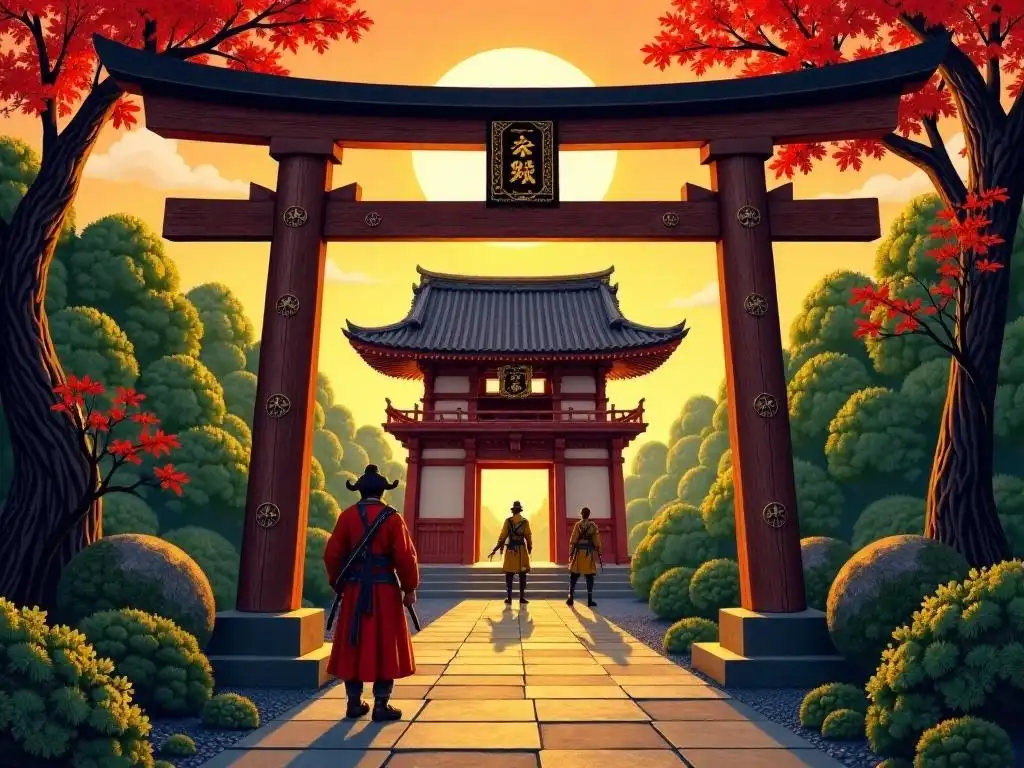
Welcome to Feudal Japan History, where we embark on a profound journey through the intricate tapestry of Japan's feudal era. Here, we delve into the captivating intersections of religion and art, exploring how these powerful elements shaped the landscape during tumultuous times. Did you know that the conflicts of this period not only influenced warfare but also birthed remarkable artistic expressions that embodied spiritual beliefs?
Join us as we uncover the hidden narratives and cultural transformations that defined this era. Your exploration begins with our in-depth article on this fascinating subject, promising insights that will leave you eager for more!
Introduction to Religion and Art in Feudal Japan
The feudal era of Japan, spanning from the late 12th century to the 19th century, was a period marked by significant social, political, and cultural transformations. Central to this epoch were the intricate relationships between religion and art, which often intersected in profound ways during times of conflict.
The interplay of these elements not only shaped the visual landscape of Japan but also influenced societal values and conflicts. This article aims to explore the multifaceted connections between religion and art in Feudal Japan, shedding light on how these domains coexisted, influenced each other, and played critical roles during periods of strife and upheaval.
Overview of Feudal Japan’s Historical Context
Feudal Japan was characterized by a hierarchical structure led by the shogunate, where power was concentrated in the hands of military rulers. This era was marked by constant warfare among rival clans, which played a crucial role in shaping both the religious and artistic landscape. As various factions vied for control, the arts became a medium through which power dynamics were expressed and contested. In this context, religious institutions often served as both sanctuaries and battlegrounds for ideological conflicts, influencing artistic patronage and themes.
Significance of Religion in Japanese Society
Religion in Feudal Japan encompassed a rich tapestry of beliefs, with Shintoism and Buddhism at the forefront. Shinto, the indigenous spirituality of Japan, emphasized the worship of kami (spirits) and the importance of rituals and festivals, fostering a deep connection to nature and ancestry. Buddhism, introduced from China and Korea, brought profound philosophical teachings that emphasized the impermanence of life and the pursuit of enlightenment.
The significance of religion extended beyond mere spiritual practice; it was deeply intertwined with daily life, politics, and culture. Religious establishments were often pivotal in local governance, education, and community cohesion, providing stability amid the tumultuous backdrop of feudal conflicts.
The Role of Art in Cultural Expression
Art in Feudal Japan served as a powerful means of cultural expression, reflecting the prevailing religious beliefs and societal norms. Various art forms, including painting, sculpture, and architecture, were heavily influenced by religious themes and iconography. Temples and shrines became not only spiritual havens but also centers for artistic innovation, where the sacred and the aesthetic converged.
The artistic expressions of this period often depicted narratives of conflict, virtue, and the divine, allowing artists to communicate complex ideas and emotions. Through their work, artists contributed to a shared cultural identity, reinforcing the significance of both religion and art in the collective consciousness of Japanese society.
Religious Influences on Art During Feudal Japan
Shintoism and Its Artistic Representations
Shintoism's impact on the arts is particularly evident in the creation of shrines, rituals, and festivals that celebrate the kami. The architectural design of Shinto shrines, characterized by simplicity and harmony with nature, embodies spiritual beliefs and reverence for the divine. Additionally, traditional crafts such as pottery and textile art often feature motifs and symbols derived from Shinto mythology, illustrating the interconnection between spiritual practice and artistic creativity.
Buddhism’s Impact on Visual Arts and Architecture
Buddhism profoundly influenced the visual arts of Feudal Japan, inspiring a wealth of sculptures, paintings, and architecture that conveyed spiritual narratives. Notable examples include the intricate wood carvings of Buddhist deities and the serene beauty of Zen gardens, which reflect the philosophy of mindfulness and tranquility. Temples such as Hōryū-ji and Tōdai-ji stand as testaments to the architectural advancements driven by Buddhist principles, showcasing the harmonious blend of spirituality and artistic expression.
Confucianism and Its Influence on Aesthetic Values
While not as dominant as Shintoism and Buddhism in Japan, Confucianism played a significant role in shaping the aesthetic values of Feudal Japan, particularly in the realms of poetry, literature, and moral philosophy. The Confucian emphasis on harmony, respect for tradition, and social order found expression in various art forms, leading to a more structured approach to artistic creation. This influence can be seen in the refinement of Japanese poetry, calligraphy, and the tea ceremony, where the ideals of simplicity, elegance, and respect permeated through art and culture.
Through these lenses, the intersections of religion and art during Feudal Japan reveal a complex interplay that not only enriched the cultural landscape but also shaped the identity of a nation amidst the challenges of conflict and change.
Major Conflicts and Their Artistic Reflections
The feudal era of Japan was characterized by a series of significant conflicts deeply interwoven with the religious beliefs and artistic expressions of the time. The intersection of religion and art during these tumultuous periods not only provides insight into the societal values and conflicts but also reveals how art served as a form of spiritual and ideological expression.
Major conflicts such as the Genpei War and the Onin War illustrate the ways in which artistic endeavors were influenced by and responded to the prevailing religious tensions. Through various forms of art, including painting, sculpture, and literature, the spiritual narratives and moral dilemmas of these conflicts were both represented and transformed.
Overview of Major Religious Conflicts in Feudal Japan
Feudal Japan experienced numerous religious conflicts that reflected the power struggles between various clans and the influence of Buddhist and Shinto beliefs. The rise of different sects within Buddhism, such as Pure Land Buddhism, generated tension as they competed for followers and influence.
Notable conflicts, including the Genpei War (1180-1185) between the Taira and Minamoto clans, and the Onin War (1467-1477), which marked the beginning of the Sengoku period, were often fueled by both political ambition and religious fervor. These conflicts were not merely battles for land and power; they were also struggles to assert religious dominance, showcasing the interdependence of religious identity and political power in feudal Japan.
The Genpei War: Art and Spirituality Intertwined
The Genpei War, a pivotal conflict that ultimately led to the establishment of the Kamakura shogunate, was marked by profound artistic expressions that intertwined with the spiritual beliefs of the time. During this war, the Taira and Minamoto clans both harnessed religious symbolism to bolster their claims and rally support. Artworks from this period often depicted the warriors not only as soldiers but also as embodiments of divine will, showcasing their connections to Buddhist deities and Shinto kami.
One of the most significant artistic reflections of this conflict was the "Tale of the Heike," an epic narrative that chronicled the rise and fall of the Taira clan. This work utilized various artistic mediums, including illustrations and performances, to convey themes of impermanence and the moral consequences of ambition. The blending of spirituality and art during the Genpei War served to deepen the cultural narrative surrounding the conflict, allowing for a collective understanding of the struggles faced by the clans.
The Onin War: Artistic Responses to Religious Tensions
The Onin War, which epitomized the breakdown of central authority and the fragmentation of power, also prompted a significant artistic response. As the war ravaged Kyoto, artists sought to document the chaos and the human experience of suffering that accompanied this period of conflict. The art produced during and after the Onin War often reflected a shift towards more somber themes, emphasizing the transient nature of life.
In particular, the emergence of the "ink wash" technique in painting allowed for a more expressive representation of emotions and landscapes devastated by war. Artists began to focus on themes of loss, despair, and the search for solace, often incorporating religious imagery that resonated with the populace's yearning for peace. The artistic responses to the Onin War not only captured the immediate reality of conflict but also served to remind viewers of the spiritual dimensions of suffering and the hope for renewal through religious faith.
The Role of Art as a Medium in Religious Conflicts
Art in feudal Japan was not merely a reflection of aesthetic values; it was a vital medium through which religious narratives and ideologies were communicated. During times of conflict, art became a powerful tool for propaganda, helping to shape public perception and mobilize support for various factions. The role of art in religious conflicts transcended mere representation; it actively participated in the cultural and spiritual dialogues of the time.
The Use of Art for Propaganda and Religious Messaging
Throughout feudal Japan, art served as a means of propaganda, often employed by clans to promote their religious affiliations and justify their actions in the name of spiritual legitimacy. Temple paintings, scrolls, and sculptures were meticulously crafted to convey specific messages that resonated with the beliefs of the populace. For instance, the depiction of deities in battle scenes was used to inspire warriors and instill a sense of divine purpose in their struggle.
Moreover, the use of religious iconography in art allowed clans to assert their claims to power. The Minamoto clan, for example, often depicted themselves as protectors of the Buddhist faith, thereby legitimizing their military campaigns against rival factions. This strategic use of art not only influenced the spiritual beliefs of the people but also played a crucial role in shaping the political landscape during periods of conflict.
Iconography: How Art Depicted Religious Narratives
The intricate iconography of feudal Japan played a significant role in depicting religious narratives that were intertwined with the sociopolitical conflicts of the time. Iconographic representations of deities, bodhisattvas, and historical figures were imbued with layers of meaning that conveyed moral lessons and spiritual ideals. These works often served as visual storytelling devices, allowing viewers to engage with complex religious concepts.
For instance, the portrayal of the warrior as a protector of Buddhism was a recurring theme in many artworks. This iconography not only highlighted the martial virtues of bravery and loyalty but also reinforced the idea that the warrior class had a divine mandate to uphold the faith. Such representations were crucial in shaping the collective consciousness and reinforcing the values of society during times of unrest.
The Transformation of Artistic Styles Amidst Conflict
As conflicts unfolded, artistic styles in feudal Japan underwent significant transformations, reflecting the changing cultural and religious landscape. The chaos of war often led to innovations in artistic techniques and themes, as artists sought to capture the realities of their time. The transition from the classical court style to more expressive forms, such as the emergence of the "Nihonga" style, exemplifies how artists adapted to the shifting needs of society.
Moreover, the influence of Zen Buddhism during the Sengoku period brought about a minimalist aesthetic that emphasized simplicity and introspection. Artists began to focus on the inner experience of conflict rather than merely depicting external violence. This shift not only enriched the artistic heritage of Japan but also provided a new lens through which to understand the spiritual dimensions of human existence amid turmoil.
The intersections of religion and art in feudal Japan during periods of conflict reveal a complex tapestry of cultural expression that shaped both spiritual beliefs and societal values. Through major conflicts like the Genpei War and the Onin War, art emerged as a vital medium that influenced and reflected the fervent struggles of the time, leaving a lasting impact on Japan's artistic and religious landscape.
Case Studies of Notable Works of Art
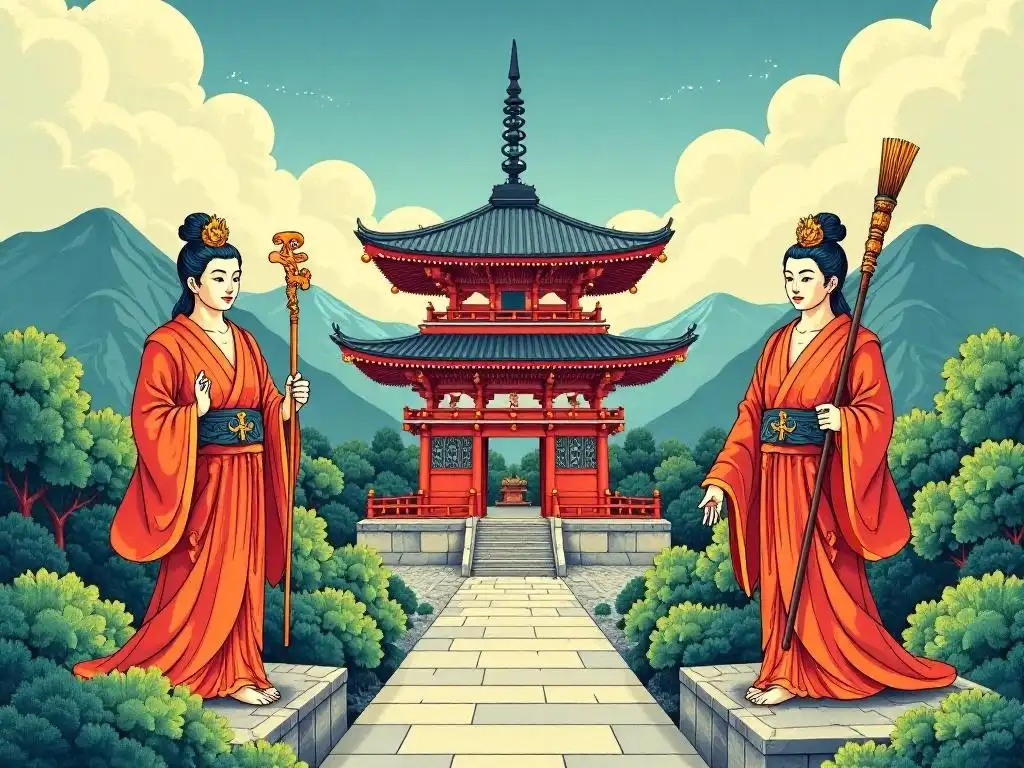
Feudal Japan was a period rich in religious and artistic expression, where various art forms served as reflections of spiritual beliefs and societal conflicts. By examining notable works of art from this era, we can gain insight into the intersections of religion and art, and how they influenced each other throughout tumultuous times.
The Great Buddha of Nara: Symbol of Peace and Conflict
The Great Buddha of Nara, or Nara's Daibutsu, is one of the most iconic representations of Buddhist art in Japan. Completed in 752 AD, this colossal bronze statue stands at approximately 15 meters tall and embodies the aspirations of peace during a time of political strife. Commissioned by Emperor Shōmu, the statue was intended to unify the nation under Buddhism's teachings, promoting harmony and spiritual enlightenment.
However, the creation of the Great Buddha was also fraught with conflict. The immense resources required for its construction, including labor and materials, caused tensions among the samurai class and local populations. The statue's completion coincided with the rise of sectarian divisions within Buddhism, leading to power struggles between various sects and the ruling elite. Despite these conflicts, the Great Buddha has endured as a symbol of reconciliation and a reminder of the enduring influence of religion in art.
The Tōdai-ji Temple: Art and Architecture in a Religious Context
Tōdai-ji Temple, which houses the Great Buddha, exemplifies the intricate relationship between art and architecture in feudal Japan. Established in the early 8th century, Tōdai-ji was not only a religious site but also a center of cultural and political power. The temple's construction featured innovative architectural techniques that reflected the Buddhist cosmology and ideals of harmony.
The temple's Great South Gate (Nandaimon) is adorned with impressive wooden statues of Nio guardians, which serve as protectors of the sacred space. These sculptures are remarkable examples of the artistry of the period, showcasing intricate craftsmanship and conveying the religious fervor of the time. The temple itself became a focal point for pilgrimage and worship, illustrating how religious architecture was a canvas for artistic expression, often intertwined with the political narratives of the feudal era.
Zen Gardens: Art as a Reflection of Spiritual Struggles
Zen gardens, or karesansui, emerged as a distinct form of art that reflected the spiritual struggles and philosophies of Zen Buddhism during the feudal period. These minimalist landscapes, characterized by gravel, rocks, and carefully placed plants, serve as meditative spaces designed to inspire contemplation and inner peace. The aesthetic simplicity of Zen gardens contrasts sharply with the complexity of the socio-political climate in which they were created.
The design of these gardens often symbolizes deeper spiritual concepts, such as the cosmos, the cycle of life, and the quest for enlightenment. For instance, the Ryoan-ji garden in Kyoto is renowned for its carefully arranged stones and raked gravel, which encourage viewers to engage in personal reflection. As such, Zen gardens represent a unique intersection of art and religion, providing a space for individual spiritual exploration amidst the chaos of feudal conflicts.
Conclusion: The Legacy of Religion and Art in Feudal Japan
The interplay between religion and art during feudal Japan has left a lasting legacy that continues to resonate within Japanese culture. The artistic expressions of this era not only served religious purposes but also provided insights into the societal dynamics of the time.
Lasting Impact on Japanese Culture and Society
The influence of religious art from feudal Japan is evident in contemporary Japanese culture, where traditional themes and motifs still pervade various art forms. Modern artists often draw inspiration from the spiritual philosophies of Zen Buddhism, while the architectural styles of temples and shrines continue to shape urban landscapes. Festivals and rituals rooted in this rich artistic heritage further preserve the connections between art and spirituality, ensuring that the legacies of the past remain relevant.
Reflection on the Relationship Between Religion and Art Today
Today, the relationship between religion and art continues to evolve, yet echoes of feudal Japan persist. Many contemporary artists explore themes of spirituality, conflict, and identity, often referencing historical art forms and religious practices. This ongoing dialogue reflects a deeper understanding of how art can serve as a conduit for exploring complex spiritual and societal issues. As we reflect on the intersections of religion and art in feudal Japan, we recognize their enduring power to shape cultural narratives and inspire future generations.
Further Reading on Religion and Art in Feudal Japan
To deepen your understanding of the intricate relationship between religion and art during Japan's feudal era, a variety of academic texts and online resources can provide valuable insights. These materials explore the various dimensions of how religious beliefs and artistic expressions influenced one another, particularly in the context of conflicts and societal changes throughout this period.
Recommended Academic Texts and Resources
- "The Art of Japan: A Cultural History" by Yasuji Watanabe
- This comprehensive study covers the evolution of Japanese art, including its religious influences. Watanabe examines how Buddhism and Shintoism shaped artistic practices and expressions during feudal times.
- "Buddhism and Japanese Art" by John McRae
- McRae delves into the development of Buddhist art in Japan, discussing how different sects and teachings influenced artistic styles and iconography, especially during times of conflict.
- "Religion and the Arts in Japan" edited by Patricia Graham
- This collection of essays explores the multifaceted interactions between religious practices and various art forms in Japan, providing a broad perspective on their historical significance.
- "Japanese Painting: A History" by Masako Kawai
- Kawai’s work offers insights into the historical context of Japanese painting, highlighting how religious themes were represented in art and the implications of these representations during feudal conflicts.
- "Warriors, Gods, and the Buddha: The Interplay of Religion and Art in Medieval Japan" by Richard J. Smethurst
- This text specifically focuses on the dynamic relationships between warriors, religious beliefs, and artistic expression, particularly in the context of warfare and power struggles.
Online Archives and Collections for Exploration
- Tokyo National Museum Digital Archives
- This online collection provides access to a vast range of artifacts, including artworks and religious items from the feudal period. Users can explore detailed descriptions and high-resolution images of significant pieces.
- The National Diet Library of Japan
- The library hosts a selection of digitized resources, including historical texts and artworks that illustrate the connections between religion and art during feudal Japan.
- The British Museum Collection Online
- This resource features a variety of artifacts from Japan, including religious art pieces. The collection allows for a deeper exploration of how art served as a medium for religious expression and conflict representation.
- Heibonsha Digital Library
- This library offers access to a range of academic publications and visual materials related to Japanese art and religion, focusing on their historical contexts and societal impacts.
- Google Arts & Culture: Japanese Art
- Through this platform, users can explore curated exhibits showcasing the influence of religion on Japanese art, with interactive features that enhance the learning experience.
These resources will not only enrich your knowledge of the intersections of religion and art in feudal Japan but also provide an engaging way to explore the complexities that shaped this fascinating era.
- Introduction to Religion and Art in Feudal Japan
- Religious Influences on Art During Feudal Japan
- Major Conflicts and Their Artistic Reflections
- The Role of Art as a Medium in Religious Conflicts
- Case Studies of Notable Works of Art
- Conclusion: The Legacy of Religion and Art in Feudal Japan
- Further Reading on Religion and Art in Feudal Japan
- What role did religion play in Feudal Japan?
- How did art reflect the conflicts of Feudal Japan?
- What are some examples of artistic styles influenced by religion?
- How did warfare impact the development of religious art?
- What is the significance of temple architecture in reflecting Feudal Japan's societal values?
Frequently Asked Questions
What role did religion play in Feudal Japan?
Religion was central to life in Feudal Japan, influencing art, governance, and social structure. Shinto and Buddhism were the primary faiths, shaping cultural practices and values.
How did art reflect the conflicts of Feudal Japan?
Art during Feudal Japan often depicted themes of conflict, illustrating battles, samurai, and spiritual beliefs. These works served both as historical records and as religious expressions.
What are some examples of artistic styles influenced by religion?
Key artistic styles included ink painting, temple architecture, and ceramics influenced by Buddhist iconography. These styles often conveyed spiritual messages or cultural narratives.
How did warfare impact the development of religious art?
The conflicts of Feudal Japan led to the commissioning of religious art for temples and shrines, reflecting the need for divine protection and spiritual guidance amid chaos.
What is the significance of temple architecture in reflecting Feudal Japan's societal values?
Temple architecture served as a physical manifestation of the societal values of Feudal Japan, showcasing the importance of religion in daily life and the patronage of powerful feudal lords.
Final Reflection: The Enduring Legacy of Religion and Art in Feudal Japan
The intricate relationship between religion and art in Feudal Japan continues to resonate in today's cultural landscape. As we explore the profound impact of spiritual beliefs on artistic expression during a time of conflict, we uncover a timeless narrative that speaks to the human experience. The way these two realms intertwined not only shaped the aesthetics of the era but also offered solace and meaning amidst turmoil. This dynamic interplay reminds us that art is not merely a reflection of society but a powerful vehicle for spiritual and emotional expression.
Clearly, the legacy of religion and art in Feudal Japan has left an indelible mark on our cultural consciousness. The themes of devotion, conflict, and creativity continue to inspire contemporary artists and thinkers alike. As we reflect on this rich history, we recognize that the lessons learned from the past remain relevant today. Art is the most beautiful of all lies.
This quote encapsulates the essence of how art, influenced by religious thought, can transcend mere representation and evoke deeper truths about our existence.
As we conclude this exploration, I invite you to reflect on how the themes of religion and art intersect in your own life. Consider the ways in which your beliefs shape your creative expressions or how art influences your understanding of spirituality. Let the stories of Feudal Japan inspire you to seek connections between your passions and your values, fostering a deeper appreciation for the transformative power of art and faith in our ever-evolving world.
Unveil the Rich Tapestry of Feudal Japan!
Thank you for taking the time to explore the fascinating intersections of religion and art during the conflicts of Feudal Japan. You've gained valuable insights into how these elements shaped the culture and society of the time. Now, it’s your turn to dive deeper and engage with this vibrant history!
Here are some simple steps to take right now:
- Join our community! Connect with fellow history enthusiasts by signing up for our newsletter to receive exclusive content and insights about Feudal Japan.
- Explore further! Visit our website to discover a wealth of articles and resources that delve into the cultural and artistic expressions of this remarkable era.
- Share your thoughts! Post your reflections or favorite art pieces inspired by this period on social media and tag us. Alternatively, leave a comment below to spark a discussion!
What aspect of Feudal Japan’s intricate culture resonates most with you, and how does it inspire your understanding of art and religion today?