
The Role of Aesthetics in Feudal Japanese Philosophy: Beauty and Meaning


Welcome to Feudal Japan History, where we invite you to embark on an enthralling journey through the intricate tapestry of Japan’s feudal era. Here, you will uncover the profound impact of Feudal Japanese aesthetics philosophy on the cultural and societal fabric of the time. In our featured article, "The Role of Aesthetics in Feudal Japanese Philosophy: Beauty and Meaning," we delve deep into how beauty shaped thought and life during this fascinating period.
Prepare to be captivated as we explore the delicate interplay between aesthetics and meaning, an essential thread woven into the very essence of feudal Japan. Your adventure into the past begins now—dare to discover the elegance and complexity that await!
Introduction to Feudal Japanese Aesthetics Philosophy
In the intricate tapestry of Feudal Japan, aesthetics played a pivotal role not only in art and architecture but also in shaping the very fabric of philosophical thought. The concept of beauty was deeply intertwined with notions of morality, spirituality, and the natural world, creating a unique framework that defined the cultural landscape of the era.
This exploration seeks to unpack the layers of Feudal Japanese aesthetics philosophy, revealing how beauty and meaning coalesce to inform various aspects of life, art, and social interaction during this transformative period. By examining the philosophical underpinnings of aesthetics, we can gain insight into how the Japanese perceived their environment and their place within it, paving the way for a deeper understanding of their historical and cultural identity.
Understanding Aesthetics in Feudal Japan
Feudal Japanese aesthetics philosophy is characterized by several key principles that reflect the values and beliefs of the time.
- Wabi-sabi: Embracing imperfection and transience, wabi-sabi encourages an appreciation for the beauty found in the natural cycle of growth and decay.
- Mono no aware: This concept highlights the awareness of the impermanence of things, fostering a sense of empathy towards the fleeting nature of life.
- Shibui: Aesthetic simplicity that possesses a subtle, understated beauty, emphasizing minimalism and the essence of form.
These principles shaped not only artistic expressions but also influenced everyday life, guiding individuals in their behavior, interactions, and even spiritual practices.
Importance of Aesthetics in Japanese Culture
The significance of aesthetics in Japanese culture extends beyond superficial beauty. It acted as a lens through which people perceived and interacted with the world around them. Aesthetic values permeated various domains, including:
- Art and Literature: The appreciation for beauty is evident in classical literature, poetry (such as haiku), and visual arts (like ink painting).
- Architecture: Traditional structures reflect aesthetic principles, with an emphasis on harmony with nature and the surrounding environment.
- Ceremonies and Rituals: From tea ceremonies to flower arranging, aesthetic considerations play a critical role in the expression of cultural identity and values.
By incorporating aesthetics into these aspects of life, the people of Feudal Japan cultivated a rich cultural heritage that continues to resonate today.
Historical Context of Feudal Japanese Aesthetics
To fully appreciate the role of aesthetics in Feudal Japanese philosophy, it is essential to understand the historical backdrop against which these ideas developed.
Overview of the Feudal Era in Japan
The Feudal Era, spanning from the late 12th century to the 19th century, was marked by a complex social hierarchy dominated by samurai culture and military governance. This period saw the emergence of various social classes, with rigid distinctions between the ruling elite and the peasantry. Amidst this backdrop, aesthetic philosophies flourished, providing a counterbalance to the harsh realities of feudal life.
Key Philosophical Schools Influencing Aesthetics
Several philosophical schools emerged during the Feudal Era, each contributing to the development of aesthetics:
- Zen Buddhism: Promoted simplicity and the beauty of nature, influencing art forms such as ink wash painting and garden design.
- Confucianism: Emphasized moral beauty and ethical conduct, impacting social interactions and artistic expressions.
- Shinto: Rooted in a deep reverence for nature, Shinto beliefs fostered an appreciation for the natural beauty surrounding everyday life.
These schools collectively shaped a distinct philosophical landscape that emphasized the importance of aesthetics in both personal and communal contexts.
Prominent Figures in Feudal Japanese Aesthetics
Several influential figures played vital roles in articulating and developing the aesthetic philosophies of the time:
- Miyamoto Musashi: A renowned swordsman and philosopher whose writings on strategy also reflected aesthetic sensibilities.
- Sen no Rikyū: The father of the tea ceremony, whose principles of simplicity and mindfulness deeply influenced Japanese aesthetics.
- Yamamoto Tsunetomo: Author of "Hagakure," his reflections on the samurai’s way of life intertwine aesthetic appreciation with ethical living.
These figures not only contributed to the philosophical discourse surrounding aesthetics but also left a lasting legacy that continues to inform contemporary Japanese culture.
Core Concepts of Feudal Japanese Aesthetics Philosophy
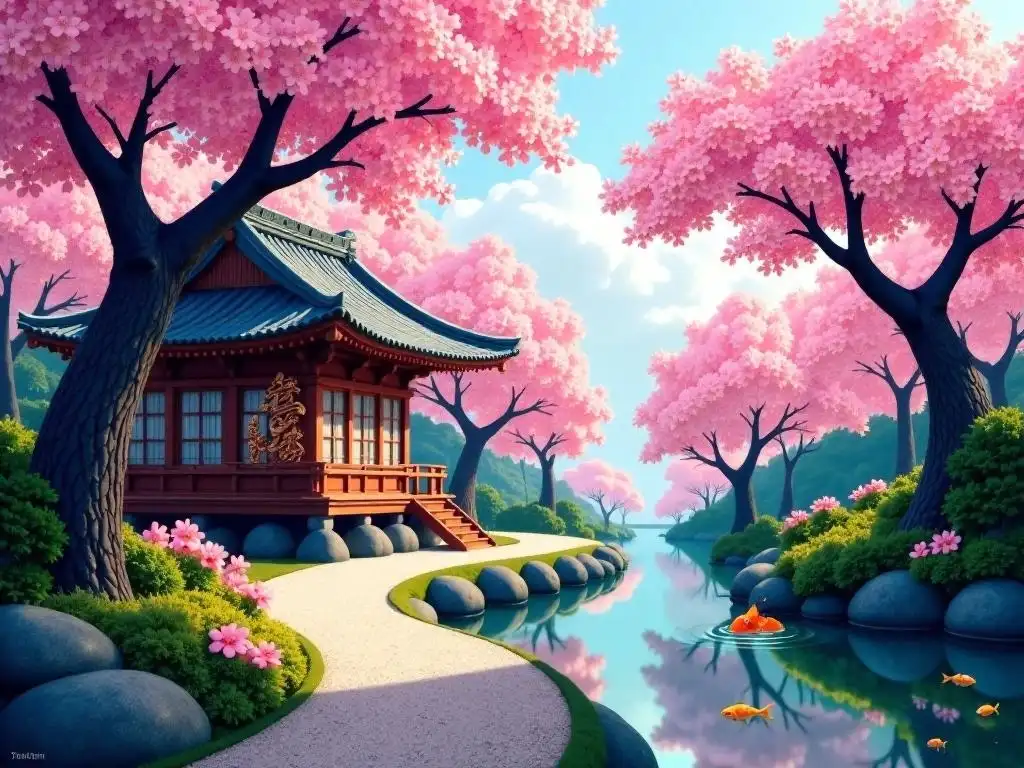
Feudal Japanese aesthetics philosophy is a rich tapestry woven from various cultural, spiritual, and artistic threads that shaped the values and beliefs of the time. Central to this philosophy are concepts that define beauty, art, and the natural world, reflecting a deep connection between human experience and the environment. The appreciation of beauty in feudal Japan was not merely superficial but intertwined with spiritual and existential inquiries, influencing how people lived and created. This philosophy emphasized the importance of impermanence, emotion, and the intrinsic value of simplicity, guiding the artistic expressions that flourished during this era.
The Notion of Beauty in Feudal Japan
In feudal Japan, beauty was perceived as a multifaceted concept that transcended mere appearance. It was closely linked to notions of harmony, balance, and the transient nature of life. The aesthetic ideal often sought to capture the essence of nature and the human experience, highlighting emotions and the passage of time. This deeper understanding of beauty was influenced by Buddhist and Shinto beliefs, which emphasized the interconnectedness of all things. Beauty was not just an attribute of objects but a quality that resonated with the observer's spirit, thereby fostering a sense of appreciation that went beyond the visual.
Wabi-Sabi: Embracing Imperfection and Transience
Wabi-sabi is a fundamental principle in feudal Japanese aesthetics that celebrates the beauty of imperfection and the ephemeral nature of life. It encourages an appreciation for the rustic, the weathered, and the incomplete, finding value in the flaws that make objects unique. This concept challenges the Western notion of perfection, instead suggesting that true beauty lies in the natural cycles of growth and decay.
Wabi-sabi can be seen in various forms of art, from tea ceremonies to pottery, where simplicity and authenticity are paramount. The philosophy inspires individuals to embrace life's transience, fostering a deeper connection to the world around them.
Mono no Aware: The Pathos of Things
Mono no aware, often translated as "the pathos of things," is a poignant aspect of feudal Japanese aesthetics philosophy that highlights the beauty found in the transient moments of life. This concept encourages an emotional response to the fleeting nature of existence, evoking a sense of nostalgia and empathy towards the impermanence of all things.
It is reflected in traditional Japanese poetry, such as haiku, where the beauty of a cherry blossom's brief bloom becomes a metaphor for human experiences. Mono no aware deepens one’s appreciation for the present moment, fostering a sense of mindfulness and connection to the world and its cycles.
Yūgen: Profound Grace and Subtlety
Yūgen encapsulates the idea of profound grace and subtlety in feudal Japanese aesthetics. It refers to an elusive beauty that transcends the visible, inviting contemplation and a deeper understanding of existence. Yūgen is often associated with natural phenomena, where the interplay of light, shadow, and movement reveals a deeper truth. It encourages an appreciation for the mysteries of life and the universe, often expressed in art forms such as Noh theater and traditional poetry. This concept reflects a desire to evoke emotions and thoughts that lie beyond rational understanding, emphasizing the importance of intuition and perception in experiencing beauty.
Aesthetics and Its Influence on Feudal Japanese Art
Feudal Japanese aesthetics philosophy profoundly influenced various art forms, shaping their development and expression. Artists and craftsmen drew upon these aesthetic principles to create works that not only depicted beauty but also conveyed deeper meanings and emotions. The interplay of aesthetics and art in feudal Japan resulted in creations that resonated with the philosophical ideals of the time, enriching the cultural landscape and leaving a lasting legacy.
Traditional Art Forms: Calligraphy, Painting, and Ceramics
Traditional art forms such as calligraphy, painting, and ceramics were deeply influenced by feudal Japanese aesthetics philosophy. Calligraphy, for instance, was not only about the technical skill of writing but also about expressing one's inner self and emotions through brush strokes. Each character embodies a sense of balance and harmony, reflecting the calligrapher's spirit.
Similarly, Japanese painting often emphasized natural themes, capturing the beauty of landscapes and seasonal changes, while ceramics valued simplicity and the unique characteristics of materials, embodying the principles of wabi-sabi. These art forms illustrate how aesthetics served as a medium for expressing philosophical ideas and capturing the essence of the world.
The Role of Aesthetics in Japanese Garden Design
Japanese garden design exemplifies the principles of feudal Japanese aesthetics philosophy, particularly wabi-sabi and mono no aware. Gardens were meticulously crafted to create harmonious environments that reflected the beauty of nature. Elements such as asymmetry, natural materials, and the careful arrangement of plants and stones invite visitors to contemplate their surroundings and embrace the changing seasons. The design encourages a sense of tranquility and mindfulness, allowing individuals to connect with the natural world on a deeper level. Through this lens, gardens become living artworks, embodying philosophical ideals and offering spaces for reflection and appreciation.
Aesthetic Principles in Architecture: Temples and Castles
The aesthetic principles of feudal Japanese philosophy are evident in the architecture of temples and castles, where beauty and functionality coexist. Japanese temples often showcase simplicity and elegance, featuring wooden structures that harmonize with their natural surroundings. The use of sliding doors and tatami mats allows for flexible spaces that invite the outdoors in, reflecting the philosophy of unity with nature.
Castles, on the other hand, combine defensive functionality with aesthetic appeal, often adorned with intricate details and surrounded by carefully designed landscapes. This architectural synthesis highlights the importance of aesthetics in creating spaces that resonate with both beauty and purpose, embodying the philosophical ideals of the era.
The Intersection of Aesthetics and Spirituality
In feudal Japan, aesthetics and spirituality were closely intertwined, forming a philosophical framework that emphasized the significance of beauty in understanding deeper truths. This intersection is vividly expressed in various cultural practices, rituals, and art forms. The Japanese concept of mono no aware, which translates to "the pathos of things," reflects an acute awareness of the beauty of transient moments, thereby linking aesthetic appreciation with a spiritual understanding of impermanence.
Feudal Japanese aesthetics philosophy asserts that beauty is not merely a visual or sensory experience but also a reflection of the inner self and the universe. This idea is often manifested in the simplicity and asymmetry found in traditional art forms, such as tea ceremonies, calligraphy, and garden design. These practices encourage mindfulness and an appreciation for the moment, fostering a spiritual connection between the observer and the observed.
Furthermore, the aesthetic principles derived from Zen Buddhism, which permeated various aspects of feudal society, cultivated a sense of harmony and peace. By embracing minimalism and natural materials, practitioners sought to create environments that reflected both external and internal tranquility, illustrating how aesthetics can serve as a path to spiritual enlightenment.
Aesthetics in Zen Buddhism and Its Philosophical Implications
Zen Buddhism significantly influenced feudal Japanese aesthetics philosophy, promoting a unique understanding of beauty that transcends mere appearance. Central to Zen is the concept of satori, or sudden enlightenment, which is often experienced through aesthetic means, such as meditation or the appreciation of art. This moment of clarity reveals the interconnectedness of all things, a core tenet of Zen thought.
The aesthetics of Zen are characterized by simplicity, subtlety, and the use of natural elements. For instance, the Zen garden, with its raked gravel and strategically placed rocks, is designed to evoke a sense of calm and contemplation. This careful arrangement reflects the Zen belief that true beauty lies in the essence of things rather than their superficial qualities. The philosophy encourages individuals to look beyond the surface and engage deeply with the world around them, fostering a profound spiritual connection.
Moreover, Zen aesthetics embrace the concept of wabi-sabi, which celebrates imperfection and transience. This philosophy teaches that beauty can be found in the incomplete or the aged, promoting a deeper appreciation for the natural cycles of life. Through this lens, feudal Japanese art, whether in ceramics, poetry, or architecture, reflects a philosophy where beauty is inextricably linked to spiritual insight and understanding.
The Role of Nature in Feudal Japanese Aesthetics Philosophy
Nature plays a pivotal role in feudal Japanese aesthetics philosophy, serving as both a source of inspiration and a fundamental component of artistic expression. The reverence for nature is rooted in Shinto beliefs, which regard natural elements as embodiments of the divine. This spiritual connection is reflected in various art forms, where nature is not only depicted but revered as a guiding force.
The concept of shizen, or naturalness, emphasizes the importance of authenticity in artistic expression. In feudal Japan, artists sought to emulate the beauty of nature in their work, creating pieces that resonated with the natural world. This is evident in traditional landscape paintings and pottery, where the imperfections and irregularities of natural forms are celebrated, aligning with the aesthetic principles of wabi-sabi.
Additionally, nature's seasonal changes profoundly influenced Japanese aesthetics, leading to a deep appreciation for fleeting beauty. The cherry blossom, for example, symbolizes the transient nature of life and is a recurring motif in literature and art, embodying the philosophical idea of mono no aware. By integrating these natural elements into their work, feudal Japanese artists and philosophers conveyed a sense of harmony and balance, underscoring the belief that human existence is intricately connected to the natural world.
Aesthetics in Feudal Japanese Literature and Poetry
Feudal Japanese literature and poetry serve as vital expressions of aesthetic philosophy, reflecting the cultural values and spiritual insights of the era. Through poetic forms such as haiku, literary works encapsulate complex emotions and philosophical ideas in concise, evocative language. The aesthetics of literature during this period often emphasize simplicity, depth, and a profound connection to nature.
The interplay between aesthetic expression and philosophical thought is evident in the careful choice of imagery and language. For instance, the use of seasonal references not only situates a poem in a specific time but also evokes a sense of beauty that resonates with the reader's emotions, bridging the gap between the external world and internal experience.
Moreover, literary techniques employed in feudal Japanese writings reveal the underlying aesthetic values that shaped the philosophical landscape of the time. Through the lens of aesthetic philosophy, literature becomes a medium for spiritual exploration, inviting readers to reflect on their own experiences and perceptions of beauty.
The Importance of Aesthetic Expression in Haiku
Haiku stands out as one of the most significant poetic forms in feudal Japanese literature, encapsulating aesthetic philosophy in its brevity and depth. Traditionally composed of just three lines, haiku captures a moment in time, often drawing inspiration from nature. This focus on simplicity allows for profound emotional and philosophical reflections, making haiku a powerful vehicle for aesthetic expression.
The aesthetic quality of haiku lies in its ability to evoke a sense of immediacy and presence. By employing vivid imagery and sensory details, poets create a snapshot of experience that resonates with readers on multiple levels. The seasonal references and the evocation of natural beauty serve to connect the reader with the larger themes of impermanence and the beauty of everyday life.
Moreover, the practice of writing haiku encourages mindfulness and observation, echoing the meditative aspects of Zen philosophy. By immersing oneself in the moment and capturing its essence in a few words, poets engage in an aesthetic practice that reflects a deeper spiritual understanding of the world around them.
Literary Techniques Reflecting Aesthetic Values
Feudal Japanese literature employs various literary techniques that reflect the aesthetic values of the time, enhancing the philosophical depth of the works. One such technique is the use of metaphor and symbolism, where natural elements are often used to convey complex emotions and ideas. For instance, the imagery of a flowing river might symbolize the passage of time, while the blooming cherry blossom evokes the fleeting nature of beauty and life.
Another significant aspect is the use of kireji, or cutting words, in poetry. These words serve as a linguistic pause, creating a moment of reflection that invites deeper contemplation. This technique aligns with the aesthetic philosophy of encouraging mindfulness and awareness, allowing readers to engage with the text on a more profound level.
Additionally, the structure of poetry often reflects an aesthetic appreciation for form and balance. The careful arrangement of words, sounds, and rhythm fosters a sense of harmony and beauty, echoing the principles found in visual art and philosophy. By intertwining these literary techniques with aesthetic values, feudal Japanese literature not only entertains but also serves as a medium for spiritual exploration and philosophical inquiry.
Contemporary Relevance of Feudal Japanese Aesthetics Philosophy
Feudal Japanese aesthetics philosophy continues to resonate in contemporary society, bridging the past with the present through its profound understanding of beauty, simplicity, and the transient nature of life. The principles established during the feudal era, particularly in art, architecture, and daily life, have laid a foundation that still influences modern thought and practice in Japan and beyond. Concepts such as wabi-sabi, which appreciates the beauty in imperfection and transience, encourage a mindful approach to living and appreciating nature.
In today’s fast-paced world, where consumerism often overshadows genuine appreciation for craftsmanship, the values rooted in feudal aesthetics serve as a reminder to find beauty in simplicity and authenticity. As individuals and communities seek deeper meaning in their lives, the philosophy of aesthetics from feudal Japan offers a lens through which they can explore their own relationship with beauty and existence.
Influence on Modern Japanese Culture and Design
The influence of feudal Japanese aesthetics philosophy is palpable in various aspects of modern Japanese culture and design. Traditional arts such as ikebana (flower arranging), tea ceremony, and calligraphy continue to embody the principles of harmony, balance, and simplicity. In architecture, contemporary Japanese homes often reflect the minimalist aesthetic, utilizing natural materials and open spaces to create tranquility and connection with the environment.
Moreover, fashion designers and contemporary artists frequently draw inspiration from historical aesthetics, blending traditional motifs with modern sensibilities. This fusion highlights the adaptability of feudal aesthetic principles, allowing them to thrive in contemporary expressions. The resurgence of interest in handcrafted goods and artisanal practices also echoes the feudal appreciation for skill and detail, emphasizing that beauty often emerges from the imperfections of the handmade.
Global Impact of Feudal Aesthetics in Contemporary Art
Feudal Japanese aesthetics have transcended cultural boundaries, influencing global art movements and contemporary practices. Artists worldwide have embraced concepts such as wabi-sabi and the appreciation of impermanence, using these ideas to challenge conventional notions of beauty. The minimalist art movement, for example, reflects the same values found in feudal Japan, emphasizing simplicity and the essence of a work rather than excessive ornamentation.
Additionally, international exhibitions and cultural exchanges have showcased Japanese art, allowing global audiences to engage with its aesthetic philosophy. Contemporary artists, influenced by the fluidity of traditional Japanese art forms, often incorporate elements of Japanese aesthetics into their work, fostering a dialogue between past and present. This fusion creates a rich tapestry of artistic expression that highlights the universal relevance of feudal aesthetics.
Conclusion: The Enduring Legacy of Aesthetics in Feudal Japanese Philosophy
The legacy of aesthetics in feudal Japanese philosophy is not merely a historical relic but an ongoing dialogue that informs and enriches contemporary thought. The nuanced understanding of beauty as a reflection of life’s impermanence provides a philosophical framework for contemporary individuals seeking meaning in an ever-changing world. By embracing the principles of feudal aesthetics, one can cultivate a deeper appreciation for the subtleties of existence and the beauty that surrounds us.
Summary of Key Philosophical Insights
Feudal Japanese aesthetics philosophy offers several key insights that remain relevant today:
- Impermanence: Emphasizes the beauty of transient moments and the acceptance of life's fleeting nature.
- Simplicity: Encourages minimalism and the elimination of excess, fostering a deeper connection with the essence of objects and experiences.
- Nature: Recognizes the intrinsic beauty of the natural world, promoting harmony between human life and the environment.
- Craftsmanship: Values skill and attention to detail, celebrating the beauty found in handmade objects and traditional practices.
These insights form a cohesive understanding of beauty and meaning that continues to inspire and guide individuals across cultures.
Final Thoughts on Beauty and Meaning in Feudal Japan
The exploration of beauty and meaning in feudal Japan reveals a rich philosophical landscape that invites contemplation and appreciation. As we navigate the complexities of modern life, the aesthetics derived from this era offer valuable lessons about mindfulness, connection, and the celebration of imperfection. Embracing these principles can help foster a more profound sense of fulfillment and a renewed appreciation for the beauty that exists in our surroundings. Ultimately, the philosophy of aesthetics in feudal Japan serves as a timeless reminder of the enduring power of beauty to shape our understanding of life.
- Introduction to Feudal Japanese Aesthetics Philosophy
- Understanding Aesthetics in Feudal Japan
- Historical Context of Feudal Japanese Aesthetics
- Core Concepts of Feudal Japanese Aesthetics Philosophy
- Aesthetics and Its Influence on Feudal Japanese Art
- The Intersection of Aesthetics and Spirituality
- Aesthetics in Feudal Japanese Literature and Poetry
- Contemporary Relevance of Feudal Japanese Aesthetics Philosophy
- Conclusion: The Enduring Legacy of Aesthetics in Feudal Japanese Philosophy
Frequently Asked Questions
What is Feudal Japanese aesthetics philosophy?
Feudal Japanese aesthetics philosophy refers to the principles and values that shaped the perception of beauty and meaning during Japan's feudal era, emphasizing simplicity, nature, and the transient nature of life.
How did aesthetics influence samurai culture?
Aesthetics played a significant role in samurai culture, guiding their code of honor, martial practices, and artistic expressions, which emphasized discipline, loyalty, and the appreciation of beauty in both life and death.
What are the key elements of aesthetic values in Feudal Japan?
Key elements include wabi-sabi (beauty in imperfection), mono no aware (the pathos of things), and shibui (simple, subtle beauty), all of which reflect a deep connection to nature and transience.
How did religion impact aesthetic philosophy during this period?
Buddhism and Shinto beliefs profoundly influenced aesthetic philosophy, encouraging a reverence for nature, the ephemeral, and a sense of spiritual beauty, which permeated art, architecture, and daily life.
Can you name some prominent art forms that exemplified these aesthetics?
Prominent art forms include ink painting, ceramics, flower arranging (ikebana), and architecture, all of which embody the principles of balance, harmony, and the appreciation of natural materials that define Feudal Japanese aesthetics.
Final Reflection: The Enduring Legacy of Feudal Japanese Aesthetics Philosophy
The exploration of feudal Japanese aesthetics philosophy reveals a profound connection between beauty and meaning that resonates powerfully in today's world. As we navigate an era increasingly defined by rapid change and technological advancement, the principles of simplicity, harmony, and the appreciation of impermanence found in feudal Japanese thought offer a refreshing perspective. In a society often overwhelmed by excess, the elegance of restraint and the value of mindful observation stand as a testament to the enduring relevance of these ancient philosophies.
Cultural landscapes continue to be shaped by the echoes of feudal Japanese aesthetics, influencing art, design, and even our daily lives. The principles of wabi-sabi, which embrace the beauty of imperfection and transience, invite us to find grace in the mundane and to appreciate the fleeting moments that define our existence. Beauty is the moment of transition, as if the world were a canvas and we the artists of our own experiences.
This sentiment encapsulates how feudal aesthetics not only enrich our understanding of art but also deepen our connection to the world around us, reminding us that beauty often lies in the ephemeral.
As we reflect on the lessons of feudal Japanese aesthetics philosophy, let us embrace the invitation to cultivate mindfulness and appreciation in our lives. Consider how you can incorporate these timeless principles into your daily routine—whether through the art of simplicity in your surroundings, the practice of gratitude for fleeting moments, or the pursuit of harmony in your relationships. By doing so, you not only honor the legacy of a rich cultural heritage but also enrich your own life with deeper meaning and beauty.
Unveil the Beauty and Wisdom of Feudal Japan
Thank you for diving into the intricate world of Feudal Japanese philosophy and aesthetics. Your journey has revealed how beauty intertwines with meaning, enriching our understanding of this remarkable period. As you step forward, let’s transform that knowledge into action!
Here are a few practical steps you can take right now:
- Explore further: Delve deeper into the resources on Feudal Japan—visit our recommended readings section to expand your knowledge.
- Share your insights: Discuss what you learned with friends or in online communities; sharing sparks new ideas and fosters deeper understanding.
- Create your own reflection: Capture your thoughts on beauty and meaning in your life today—consider journaling or even creating art inspired by your discoveries.
Which elements of Feudal Japanese aesthetics resonate with you the most, and how might they influence your perspective on beauty in the modern world?