
The Philosophical Dialogues in Japanese Gardens: Nature as Reflection

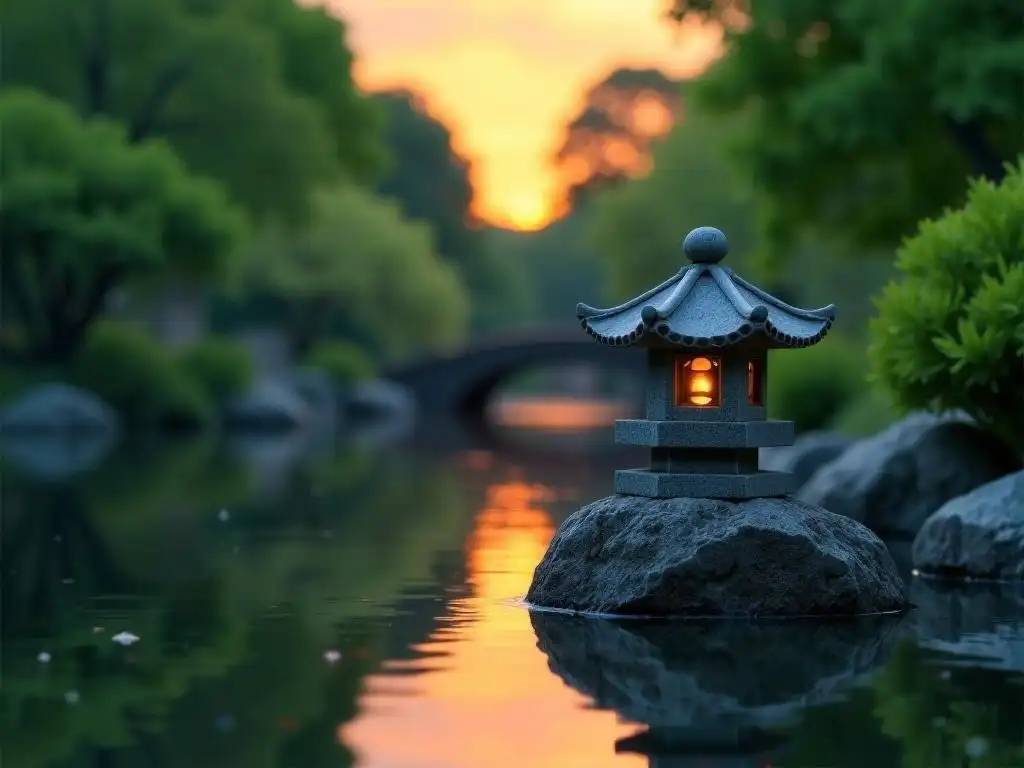
Welcome to Feudal Japan History, where we embark on a captivating journey through the intricate tapestry of Japan’s feudal era. Here, you’ll discover the profound connections between history, culture, and philosophy, particularly through the lens of our featured article on "Japanese gardens philosophical reflections." Dive deep into the serene landscapes that not only showcase nature's beauty but also serve as a canvas for philosophical dialogues and introspection. Prepare to unlock the secrets of these enchanting gardens and explore how they reflect the essence of existence in feudal Japan. Your adventure awaits—let's delve into this fascinating world together!
Introduction to Japanese Gardens and Philosophy
Japanese gardens are not merely aesthetic creations; they serve as profound spaces for philosophical reflection, inviting visitors to engage with the natural world on a deeper level. These gardens, steeped in historical significance and cultural relevance, embody the principles of harmony, tranquility, and contemplation that are central to Japanese philosophy.
As we delve into the essence of Japanese gardens philosophical reflections, we uncover how these serene landscapes act as mirrors of the human experience, encouraging introspection and a connection to nature. This article will explore the intricate relationship between Japanese gardens and philosophical thought, illuminating the ways in which these landscapes have evolved and influenced broader philosophical schools throughout history.
Overview of Japanese Gardens
Japanese gardens are characterized by their meticulous design and the careful arrangement of natural elements, including rocks, water features, plants, and pathways. These gardens are divided into several styles, each reflecting different philosophical ideas and cultural influences. Notable styles include:
- Karesansui (dry landscape gardens): Emphasizing minimalism and abstraction, often using gravel to represent water and rocks to symbolize mountains.
- Chaniwa (tea gardens): Designed to facilitate the tea ceremony, these gardens embody simplicity and tranquility.
- Tsukiyama (hill gardens): Incorporating artificial hills and ponds, they aim to create miniature landscapes that evoke a sense of natural beauty.
Through their intricate designs, Japanese gardens offer a sensory experience, engaging visitors not only visually but also spiritually, inviting them to ponder their place within the universe.
Importance of Nature in Japanese Philosophy
Nature holds a significant place in Japanese philosophical thought, reflecting a deep respect for the natural world and its cycles. Key philosophical concepts include:
- Mono no Aware: This principle emphasizes the beauty of transience, encouraging appreciation for the ephemeral nature of life.
- Wabi-Sabi: Aesthetic ideals that celebrate the beauty in imperfection and the natural aging process.
- Shintoism: The indigenous spirituality of Japan, which venerates nature and sees divinity in natural phenomena.
These philosophies are interwoven into the fabric of Japanese gardens, where each element—be it a stone, a tree, or a pond—serves as a channel for philosophical reflection and a reminder of the interconnectedness of all life.
Concept of Reflection in Gardens
The concept of reflection in Japanese gardens extends beyond mere aesthetics; it represents a deeper philosophical engagement with the self and the world. Gardens are designed to facilitate contemplation, encouraging visitors to reflect on their thoughts and emotions. Various elements contribute to this reflective experience:
- Water features: Symbolizing purity and tranquility, they invite meditation and self-examination.
- Pathways: Guiding visitors through the garden, they represent the journey of life and the choices we make.
- Seating areas: Strategically placed benches provide spaces for rest and contemplation, fostering a connection between the individual and nature.
In essence, Japanese gardens serve as a canvas for philosophical dialogues, allowing individuals to explore their inner landscapes while being surrounded by the beauty of the natural world.
Historical Context of Japanese Gardens
Understanding the historical context of Japanese gardens is essential to appreciating their philosophical dimensions. These gardens have evolved through various periods, influenced by shifting cultural, political, and philosophical landscapes.
Evolution of Japanese Gardens through the Feudal Era
The feudal era in Japan, spanning from the 12th to the 19th centuries, saw significant developments in garden design, reflecting the changing societal structures and philosophical thought. Key phases include:
- Heian Period (794-1185): Gardens were designed for aristocratic enjoyment, characterized by poetic landscapes and seasonal beauty.
- Kamakura Period (1185-1333): The rise of Zen Buddhism introduced minimalist principles, leading to the creation of dry landscape gardens that emphasized meditation and simplicity.
- Muromachi Period (1336-1573): The tea ceremony's popularity influenced garden design, integrating aesthetics with spiritual practice.
Throughout these eras, gardens became increasingly philosophical spaces, mirroring the evolving thoughts of society and the individual.
Influential Philosophical Schools on Garden Design
Several philosophical schools have played a pivotal role in shaping the principles of Japanese garden design. These include:
- Zen Buddhism: Its emphasis on meditation and simplicity profoundly influenced garden aesthetics, leading to the creation of tranquil spaces that encourage mindfulness.
- Confucianism: Promoting harmony and order, this philosophy contributed to the structured layout and symbolic representations found in gardens.
- Taoism: Advocating for a naturalistic approach, it inspired the integration of natural elements, emphasizing the flow and balance of nature.
These philosophical traditions continue to inform the design and experience of Japanese gardens, reinforcing their role as spaces for reflection and contemplation.
Key Figures in Japanese Garden Philosophy
Throughout history, several key figures have emerged as influential voices in the realm of Japanese garden philosophy. Notable individuals include:
- Soami (c. 1450-1525): A renowned garden designer and painter, known for his contributions to the development of the Muromachi period gardens.
- Sen no Rikyū (1522-1591): A pivotal figure in the tea ceremony, Rikyū's philosophy shaped the aesthetics of tea gardens, emphasizing simplicity and harmony.
- Kōrin Ogata (1658-1716): A painter and designer whose works reflect the integration of natural beauty into artistic expression, influencing garden design aesthetics.
These figures have left an indelible impact on the philosophical underpinnings of Japanese gardens, shaping how we understand and interact with these serene landscapes today.
Core Philosophical Themes in Japanese Gardens
Japanese gardens are not merely aesthetic landscapes; they serve as profound representations of philosophical concepts deeply rooted in Japanese culture. These gardens embody various themes such as impermanence, beauty, and the interconnectedness of nature and spirituality. By carefully curating their elements, Japanese gardens invite contemplation and reflection, allowing visitors to engage with the philosophical dialogues they represent. Through the lens of these gardens, one can explore how nature reflects human emotions, thoughts, and the transient nature of life itself.
The Principle of Wabi-Sabi: Beauty in Imperfection
Wabi-sabi is a central concept in Japanese aesthetics that embraces the notion of finding beauty in imperfection and the natural cycle of growth and decay. This philosophy is vividly illustrated in Japanese gardens, where asymmetry, irregularity, and the passage of time are celebrated rather than concealed.
- Asymmetrical Designs: Garden layouts often feature uneven paths and irregular arrangements of stones and plants, inviting visitors to appreciate the uniqueness of each element.
- Natural Materials: Use of weathered wood, moss, and rocks showcases the beauty of aging and the natural state of materials, reminding observers that change is a fundamental aspect of existence.
By embodying wabi-sabi, Japanese gardens encourage a deeper appreciation for the fleeting moments of beauty that arise from imperfection and transience.
Mono no Aware: Transience and the Beauty of Nature
Mono no aware, which translates to "the pathos of things," encapsulates the emotional response to the ephemeral nature of life. This concept is integral to Japanese gardens, where the changing seasons serve as a poignant reminder of life's fleeting moments.
- Seasonal Changes: The careful selection of plants that bloom at different times of the year allows gardens to transform dramatically, each season evoking a distinct emotional resonance.
- Cherry Blossoms: The transient beauty of cherry blossoms (sakura) is a quintessential example, as their brief blooming period inspires a deep appreciation for life’s temporary joys.
In this way, Japanese gardens create spaces for reflection on mortality and the beauty inherent in life's impermanence.
Zen Buddhism and Its Influence on Garden Aesthetics
Zen Buddhism has profoundly influenced the design and philosophy of Japanese gardens, promoting simplicity, tranquility, and a meditative connection with nature. The principles of Zen emphasize mindfulness and the experience of the present moment, which is mirrored in the serene environments of these gardens.
- Minimalism: Zen gardens often feature minimalist elements, such as raked gravel or sand, symbolizing water and encouraging contemplation and meditation on the simplicity of existence.
- Meditative Spaces: The arrangement of stones and plants is intentional, creating focal points that draw the observer’s attention and invite introspection.
Through these designs, Japanese gardens serve as a sanctuary for spiritual reflection, embodying the core tenets of Zen philosophy.
Elements of Japanese Gardens: Physical Representations of Philosophical Concepts
The physical components of Japanese gardens are carefully chosen to represent various philosophical themes, creating a harmonious blend of nature and thought. Each element—rocks, water, and plants—holds symbolic significance, enriching the visitor's experience and inviting philosophical contemplation.
Rock Arrangements: Symbolism and Meaning
Rocks are fundamental in Japanese gardens, often symbolizing mountains or islands and representing stability and permanence in contrast to the transient nature of life.
- Placement: The strategic positioning of rocks not only creates visual interest but also conveys deeper meanings, such as the connection between heaven and earth.
- Symbolic Shapes: Certain arrangements mimic sacred landscapes, allowing visitors to reflect on the spiritual significance of nature.
These rock formations serve as anchors within the garden, grounding the philosophical dialogues that emerge from the natural setting.
Water Features: Reflection and Stillness
Water features, such as ponds and streams, are essential components of Japanese gardens, embodying serenity and reflection.
- Symbol of Life: Water symbolizes life and renewal, inviting contemplation on the continuous flow of existence.
- Reflective Surfaces: Calm water surfaces reflect surrounding elements, creating a visual metaphor for introspection and the interconnectedness of all things.
By integrating water into their design, Japanese gardens foster a peaceful atmosphere conducive to philosophical reflection.
Plant Selection: Seasonal Changes and Philosophical Reflections
The selection of plants in Japanese gardens is meticulously curated to reflect the changing seasons, reinforcing philosophical themes of transience and renewal.
- Seasonal Diversity: From vibrant cherry blossoms in spring to the rich hues of autumn foliage, the variety of plants encourages visitors to engage with nature's cycles.
- Symbolic Plants: Certain plants carry specific meanings; for example, pine trees symbolize longevity, while plum trees represent resilience.
Through thoughtful plant selection, Japanese gardens become living canvases that articulate profound philosophical reflections on life, nature, and the passage of time.
The Role of Space and Layout in Philosophical Dialogues

The layout and spatial organization of Japanese gardens are fundamental to their philosophical dialogues. Every element is meticulously arranged to create a dialogue between nature and the observer, inviting contemplation and reflection. The design reflects traditional Japanese aesthetic principles, emphasizing simplicity, asymmetry, and the beauty of imperfection. These elements serve not only as visual stimuli but also as conduits for deeper philosophical inquiry, allowing individuals to connect with nature on a more profound level.
The arrangement of plants, water features, and stones creates a serene environment that encourages meditation and introspection. The careful consideration of space and layout in these gardens embodies key philosophical concepts, such as the interconnectedness of life, the transient nature of existence, and the importance of balance. Through these dialogues, the gardens reveal insights into the human condition and our relationship with the natural world.
Spatial Organization: Creating Harmony and Balance
Spatial organization in Japanese gardens is a reflection of the principles of harmony and balance, central to many philosophical schools in Japan. The positioning of elements is not random; rather, it is a deliberate act designed to foster a sense of unity and tranquility. For example, the use of asymmetry is prevalent, where the placement of rocks, plants, and water elements may appear unbalanced at first glance but ultimately creates a harmonious whole.
The concept of ma (the negative space or interval) is also crucial in this context. It emphasizes the importance of what is not there, suggesting that absence can be as significant as presence. This idea encourages visitors to meditate on the relationships between elements and the space they occupy, leading to a deeper understanding of balance in both nature and life.
Pathways and Journey: The Philosophical Exploration of Life
Pathways in Japanese gardens are designed to guide visitors on a journey, both physically and metaphorically. The winding paths create a sense of exploration, inviting individuals to reflect on their own life journeys as they traverse the garden. Each turn reveals new perspectives, much like the unexpected twists and turns in life itself.
As visitors navigate these paths, they engage in a form of philosophical exploration, contemplating the relationships between the self, nature, and the broader universe. The act of walking becomes a meditative practice, where the rhythm of footsteps and the sounds of nature encourage a deeper connection with the present moment. This journey mirrors the philosophical concept of mono no aware, the awareness of the impermanence of things, fostering a profound appreciation for the fleeting beauty of life.
Viewing Points: Perspectives on Nature and Self
Viewing points within Japanese gardens are strategically placed to offer unique perspectives on the landscape. These points encourage visitors to pause and reflect, creating opportunities for contemplation and insight. Each vantage point reveals different aspects of the garden, symbolizing the multifaceted nature of existence and the various ways individuals perceive the world around them.
From these viewing points, one can appreciate the interplay between foreground and background, light and shadow, and the changing seasons. This dynamic quality leads to a deeper understanding of the self in relation to nature, echoing the philosophical teachings of Zen Buddhism, which emphasize mindfulness and the importance of being present. The experience of observing the garden from different angles allows for a holistic understanding of life’s complexities, mirroring the philosophical dialogues that arise from engaging with nature.
Contemporary Interpretations of Japanese Gardens
In contemporary design, the principles of Japanese gardens continue to inspire new interpretations that resonate with modern philosophical reflections. Designers are increasingly incorporating traditional elements while adapting them to contemporary lifestyles and aesthetic preferences. These gardens serve as spaces for reflection, mindfulness, and connection to nature, aligning with the growing interest in wellness and sustainability.
Modern Philosophical Reflections in Garden Design
Contemporary Japanese gardens often blend traditional philosophies with modern design principles, creating spaces that promote mindfulness and encourage a deeper connection to the environment. Designers emphasize sustainability by utilizing native plants and eco-friendly materials, reflecting an awareness of ecological responsibility.
The integration of minimalist aesthetics embodies the philosophical idea of simplicity as a pathway to clarity and focus. By stripping away distractions, these gardens foster a space for meditation and contemplation, inviting visitors to engage with their thoughts and emotions in a tranquil setting. This modern approach to garden design highlights the relevance of traditional philosophies in today’s fast-paced world, offering a sanctuary for reflection amidst the chaos of modern life.
The Influence of Japanese Gardens on Global Philosophical Practices
Japanese gardens have transcended cultural boundaries, influencing garden design and philosophical practices worldwide. The principles of harmony, balance, and simplicity found in Japanese gardens resonate with various global philosophies, fostering a deeper appreciation for nature and the interconnectedness of all life.
Many contemporary gardens around the world adopt elements of Japanese design, integrating water features, rocks, and carefully curated plant life to create peaceful retreats. This cross-cultural exchange has led to a broader understanding of the role of nature in philosophical inquiry, encouraging individuals to explore their own connections to the environment and the deeper meanings behind their experiences.
Case Studies of Contemporary Gardens Incorporating Traditional Philosophy
Several contemporary gardens exemplify the integration of traditional Japanese philosophy within modern design. For instance, the Portland Japanese Garden in Oregon showcases the principles of wabi-sabi (the beauty of imperfection) through its rustic materials and organic shapes. The garden serves as a living testament to the idea of embracing transience and finding beauty in the ephemeral.
Similarly, the San Francisco Zen Center incorporates Zen Buddhist principles into its garden design, emphasizing mindfulness and meditation. The garden offers a space for reflection, where practitioners can engage with nature in a way that deepens their spiritual practice.
These case studies illustrate how contemporary gardens can successfully blend traditional philosophical ideas with modern sensibilities, creating spaces that nurture both personal and communal reflection. They serve as reminders of the enduring relevance of Japanese garden philosophy in a rapidly changing world.
Conclusion: The Lasting Legacy of Japanese Gardens in Philosophical Reflection
Japanese gardens serve as more than mere aesthetic landscapes; they are profound reflections of philosophical thought, encapsulating the essence of nature, spirituality, and human experience. The intricate designs and thoughtfully arranged elements within these gardens are imbued with symbolic meanings that resonate with various philosophical schools, from Zen Buddhism to Shinto beliefs. This legacy continues to influence not only the art of gardening but also the broader cultural and philosophical discourse in Japan and beyond.
The enduring legacy of Japanese gardens lies in their ability to foster contemplation and introspection. By engaging with the natural world, individuals are invited to reflect on their existence, relationships, and the universe. The dialogues initiated by these gardens encourage a deeper understanding of the interconnectedness of life, echoing themes prevalent in Eastern philosophies. Thus, the role of Japanese gardens transcends mere functionality, establishing them as vital spaces for philosophical exploration and growth.
Summary of Key Philosophical Insights
- Interconnectedness of Nature and Humanity: Japanese gardens highlight the deep relationship between humans and the natural world, promoting a sense of harmony and balance. This reflects the philosophical tenets found in both Zen Buddhism and Shinto, where nature is revered and seen as an integral part of human life.
- Impermanence and Transience: The seasonal changes observed in Japanese gardens embody the concept of impermanence, a central theme in Buddhist philosophy. Visitors are reminded of the fleeting nature of life, encouraging an appreciation for the present moment.
- Meditative Spaces: The layout and elements of Japanese gardens are designed to facilitate meditation and reflection. This aligns with Zen practices, where mindfulness and presence are cultivated through engagement with the garden environment.
- Symbolism and Meaning: Every aspect of a Japanese garden, from rocks to water features, carries symbolic weight. These symbols often represent philosophical ideas such as purity, tranquility, and enlightenment, inviting personal interpretation and reflection.
Future Directions for Research and Exploration in Japanese Gardening
Future research on Japanese gardens and their philosophical implications could delve into several promising avenues:
- Cross-Cultural Comparisons: Investigating how Japanese gardens parallel or contrast with garden philosophies in other cultures can yield insights into universal themes of nature and spirituality.
- Contemporary Interpretations: Analyzing modern adaptations of Japanese gardening practices and their philosophical undertones in urban environments can provide a fresh perspective on the relevance of these traditions today.
- Psychological Impacts: Research into the psychological effects of engaging with Japanese gardens can illuminate their role in promoting mental well-being and mindfulness in a fast-paced world.
- Artistic Representations: Exploring how Japanese gardens have influenced literature, visual arts, and performance can deepen our understanding of their philosophical significance and cultural impact.
References
Recommended Readings on Japanese Gardens and Philosophy
-
"The Art of Japanese Gardens: Designing & Making Your Own" by Shinobu Kawai
A comprehensive guide that explores the principles behind Japanese garden design and its philosophical implications.
-
"Zen and the Art of Gardening" by David D. H. McDonald
This book delves into the intersection of Zen philosophy and gardening practices, providing insights into the meditative aspects of gardening.
-
"Japanese Gardens: Right Angle and Natural Form" by Stephen Mansfield
A detailed examination of the aesthetics and philosophy of Japanese gardens, emphasizing their historical context and cultural significance.
Key Texts on Feudal Japan and Its Philosophical Schools
-
"A History of Japanese Philosophy" by Takeuchi Yoshimi
This work provides a thorough overview of the philosophical developments in Japan, focusing on key figures and their contributions during the feudal era.
-
"The Book of Tea" by Okakura Kakuzō
A classic text that intertwines the art of tea with the aesthetics of Japanese gardens, offering profound insights into the philosophical underpinnings of both.
-
"Zen Mind, Beginner's Mind" by Shunryu Suzuki
A foundational text that explores Zen principles and their applications, relevant to understanding the spiritual and philosophical dimensions of Japanese gardens.
- Introduction to Japanese Gardens and Philosophy
- Historical Context of Japanese Gardens
- Core Philosophical Themes in Japanese Gardens
- Elements of Japanese Gardens: Physical Representations of Philosophical Concepts
- The Role of Space and Layout in Philosophical Dialogues
- Contemporary Interpretations of Japanese Gardens
- Conclusion: The Lasting Legacy of Japanese Gardens in Philosophical Reflection
- References
- What is the significance of Japanese gardens in the context of philosophical reflections?
- How do Japanese gardens integrate cultural elements into their design?
- What are some common philosophical themes found in Japanese gardens?
- How can one experience philosophical dialogues in a Japanese garden?
- What role does nature play in the philosophical reflections within Japanese gardens?
Frequently Asked Questions
What is the significance of Japanese gardens in the context of philosophical reflections?
Japanese gardens serve as a meditative space, reflecting nature's beauty and promoting self-reflection. They are designed to evoke tranquility and inspire deeper thoughts about existence and nature.
How do Japanese gardens integrate cultural elements into their design?
The design of Japanese gardens incorporates cultural symbols and elements such as rocks, water, and plants, each representing philosophical concepts like harmony, balance, and the transience of life.
What are some common philosophical themes found in Japanese gardens?
Common themes include impermanence, harmony with nature, and the quest for inner peace. These themes encourage visitors to contemplate their relationship with the natural world and their place within it.
How can one experience philosophical dialogues in a Japanese garden?
Visitors can engage in philosophical dialogues by observing the garden's design, reflecting on its elements, and contemplating their personal experiences and emotions in relation to the natural surroundings.
What role does nature play in the philosophical reflections within Japanese gardens?
Nature in Japanese gardens acts as a mirror for personal introspection and philosophical thought. The careful arrangement of elements encourages visitors to connect deeply with the natural environment and explore their inner selves.
Final Reflection: Embracing Nature's Wisdom in Japanese Gardens
The exploration of Japanese gardens as spaces for philosophical reflection resonates profoundly in our fast-paced, modern world. As we navigate the complexities of contemporary life, the serene beauty and intentional design of these gardens remind us of the importance of mindfulness and connection to nature. In a time where distractions abound, the tranquil essence of Japanese gardens serves as a powerful reminder to pause, reflect, and find harmony within ourselves and our surroundings.
Cultural landscapes are shaped by the philosophies we embrace, and Japanese gardens exemplify this beautifully. These gardens invite us to engage in a dialogue with nature, encouraging introspection and a deeper understanding of our place in the universe. As we immerse ourselves in their intricate designs, we are reminded of the words of Zen master D.T. Suzuki: The garden is a place where we can find ourselves.
This ongoing influence of Japanese gardens transcends geographical boundaries, inviting people from all walks of life to cultivate a sense of peace and contemplation in their daily lives.
As you reflect on the insights shared in this article, I invite you to consider how you can incorporate the principles of Japanese gardens into your own life. Take a moment to seek out nature, whether in a garden, park, or your backyard, and allow it to inspire your thoughts and actions. Embrace the stillness, engage in philosophical contemplation, and let the beauty of the natural world guide you toward a deeper understanding of yourself and your connection to everything around you.
Unveil the Wisdom of Japanese Gardens!
Thank you for dedicating your time to explore the profound connections between philosophy and nature in Japanese gardens. You've discovered how these serene landscapes serve as mirrors reflecting deeper truths and insights. Now, it’s time to take this inspiration further in your own life!
Here are some actionable steps you can take right now:
- Visit a local botanical garden or create a small garden space at home to cultivate tranquility and reflection in your daily routine.
- Share your thoughts about the philosophical insights you've gained from this article with friends or in a community forum, sparking meaningful conversations.
- Consider keeping a journal of your experiences and reflections while engaging with nature, drawing parallels to the philosophies discussed.
What is one way you can incorporate the essence of a Japanese garden into your everyday life to foster moments of peace and reflection?