
The Philosophical Significance of the Tea Ceremony in Feudal Japan

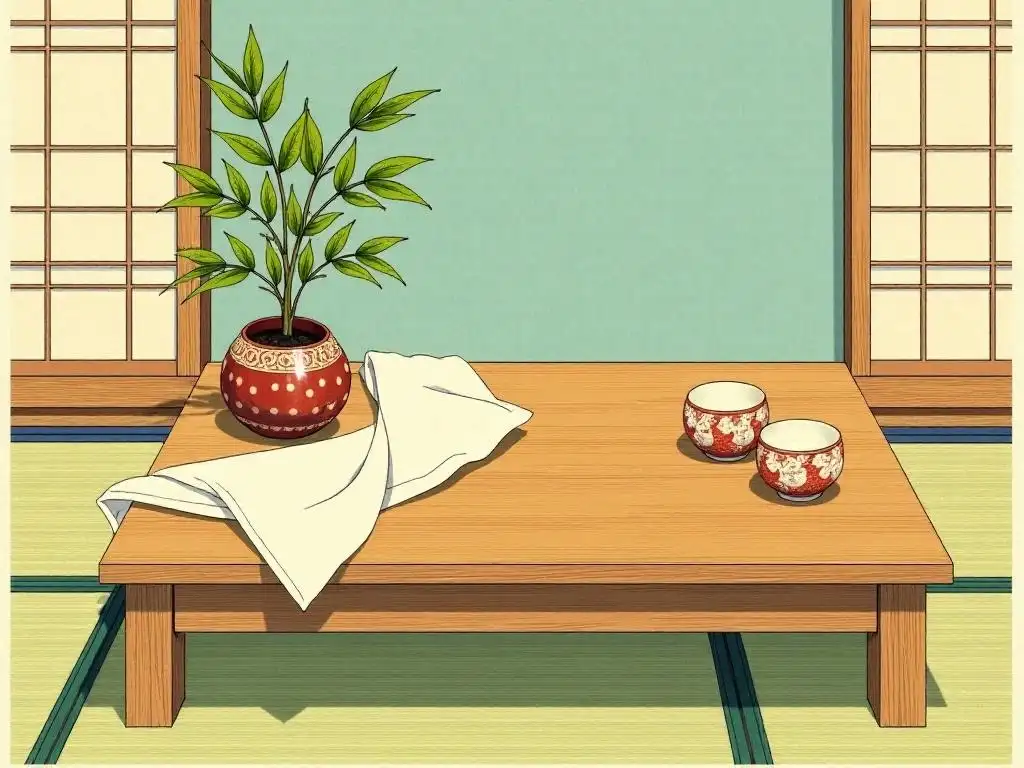
Welcome to Feudal Japan History! Here, we invite you on a captivating journey through the intricate tapestry of Japan's feudal era, where history intertwines with culture and philosophy. Dive deep into the philosophical significance of the tea ceremony in feudal Japan, an art form that embodies the essence of Zen and social harmony.
As you explore this profound tradition, you'll uncover the rich layers of thought that shaped a society and its values. Join us as we unravel the mysteries and meanings behind this timeless ritual, and prepare to be inspired to learn more about the fascinating world of feudal Japan!
Introduction to Tea Ceremony Philosophy in Feudal Japan
The tea ceremony, known as chanoyu or sado, is more than just a cultural ritual in Japan; it embodies a profound philosophy that reflects the intricate relationship between nature, art, and human interaction during the feudal era. Rooted in Zen Buddhism, the tea ceremony offers insights into the spiritual and aesthetic values that permeated Japanese society from the 12th to the 19th century.
In this exploration, we will delve into the philosophical significance of the tea ceremony and its role in shaping the cultural landscape of feudal Japan. Through this lens, we will uncover how the ceremony served as a medium for personal reflection and social connectivity, emphasizing the harmony between the self and the universe.
Overview of the Tea Ceremony's Role in Japanese Culture
The tea ceremony is a ritualized preparation and consumption of tea, often conducted in a tranquil and aesthetically pleasing setting. This practice is steeped in Japanese culture, where it transcends mere beverage consumption to become an art form that encapsulates various elements of Japanese aesthetics, such as simplicity, tranquility, and natural beauty. The ceremony fosters an atmosphere of mindfulness and appreciation for the present moment, which resonates deeply with the philosophical teachings of Buddhism.
Key aspects of the tea ceremony's role include:
- Social Interaction: The ceremony provides a platform for social engagement, encouraging communication and fostering relationships among participants.
- Cultural Expression: It serves as a reflection of Japanese cultural values, highlighting the importance of humility, respect, and harmony.
- Spiritual Practice: Participants often engage in meditative practices, using the ceremony as a means to connect with their inner selves and the natural world.
Importance of Philosophy in the Tea Ceremony
The tea ceremony is imbued with philosophical significance that extends beyond its ritualistic nature. It embodies principles derived from Zen philosophy, such as wabi-sabi, which celebrates the beauty of imperfection and impermanence. This philosophical framework influences various aspects of the ceremony, from the selection of utensils to the arrangement of the tea room.
Key philosophical elements include:
- Mindfulness: The practice encourages participants to be fully present, fostering a deep appreciation for each moment.
- Simplicity: The aesthetics of the tea ceremony emphasize minimalism, focusing on the essence of the experience rather than material excess.
- Connection with Nature: The ceremony often incorporates natural elements, reinforcing the idea of unity between humans and the environment.
Historical Context of the Tea Ceremony in Feudal Japan
Understanding the tea ceremony's philosophical significance requires a grasp of its historical context within feudal Japan. The origins and evolution of this practice reveal critical insights into the cultural and societal values of the time.
Origins of the Tea Ceremony in Japanese Society
The tea ceremony's roots can be traced back to the introduction of tea to Japan from China in the 9th century. Initially embraced by Buddhist monks for its stimulating properties, tea evolved into a cultural phenomenon by the 12th century. The ceremonial preparation and appreciation of tea began to take shape under the influence of various historical figures, including Sen no Rikyū, who is often credited with formalizing the tea ceremony's aesthetic and philosophical principles during the late feudal period.
Evolution of the Tea Ceremony during Feudal Japan
As feudal Japan progressed, the tea ceremony underwent significant transformations. It became a symbol of the samurai class, who adopted the practice as a means of cultivating discipline, aesthetics, and social etiquette. By the 16th century, the tea ceremony had solidified its status as a sophisticated art form, blending philosophical and cultural elements that reflected the complexities of Japanese society during the feudal era.
- Integration into Samurai Culture: The tea ceremony became a vital aspect of samurai training, emphasizing virtues such as honor, respect, and tranquility.
- Cultural Exchange: The ceremony facilitated interactions among different social classes, promoting cultural exchange and understanding.
- Artistic Development: Over time, the tea ceremony influenced various art forms, including ceramics, calligraphy, and flower arrangement, further embedding it into the cultural fabric of feudal Japan.
The tea ceremony in feudal Japan serves as a rich tapestry of philosophical thought and cultural expression, reflecting the profound interconnectedness of society, nature, and spirituality. Through this exploration, we aim to uncover the deeper meanings and significance of this revered practice within the context of Japanese history and philosophy.
Core Philosophical Concepts of the Tea Ceremony
The tea ceremony, known as chanoyu or sado, is steeped in a rich philosophical tradition that transcends mere beverage preparation. At its heart, the ceremony embodies a synthesis of various philosophical tenets, primarily influenced by Zen Buddhism, aesthetics, and the cultural values of feudal Japan. Central to the philosophy of the tea ceremony is the pursuit of mindfulness and presence, as participants are encouraged to engage fully with the moment, fostering a sense of tranquility and connection.
The tea ceremony also emphasizes the importance of simplicity and humility, reflecting the notion that beauty can be found in ordinary and unadorned elements. This simplicity is not just physical, but extends to the mental and spiritual states of the participants, promoting a serene atmosphere conducive to reflection and appreciation of the now. The underlying principles of the tea ceremony invite practitioners to contemplate deeper existential and spiritual questions, making it a profound practice that encapsulates the essence of Japanese thought during the feudal era.
Zen Buddhism and Its Influence on Tea Ceremony Philosophy
Zen Buddhism plays a pivotal role in shaping the philosophy behind the tea ceremony. Introduced to Japan in the 12th century, Zen emphasizes direct experience and the cultivation of mindfulness, principles that resonate deeply within the tea ritual. The practice encourages participants to embrace the moment, a concept referred to as ichigo ichie, meaning "one time, one meeting." This principle teaches that each encounter during the tea ceremony is unique and should be cherished, fostering a deep appreciation for the present.
Moreover, Zen's influence is evident in the aesthetic choices made during the tea ceremony. The simplicity of utensils, the natural materials used, and the serene environment reflect the Zen ideal of finding beauty in minimalism. The act of preparing and serving tea becomes a meditative practice, allowing participants to quiet their minds and engage in self-reflection, further aligning with the philosophical underpinnings of Zen.
The Concept of Wa, Kei, Sei, and Jaku in Tea Ceremonies
The four fundamental principles of the tea ceremony—Wa (harmony), Kei (respect), Sei (purity), and Jaku (tranquility)—serve as the cornerstone of its philosophy.
- Wa (Harmony) emphasizes the importance of creating a balanced atmosphere among participants, fostering a sense of unity and collective tranquility.
- Kei (Respect) signifies the deep respect and humility shown towards others, the utensils, and the environment, reinforcing the interconnectedness of all things.
- Sei (Purity) relates not only to the cleanliness of the tea utensils and the preparation space but also to the purity of intention and thought during the ceremony, urging participants to cleanse their minds and spirits.
- Jaku (Tranquility) is the ultimate goal, representing a state of inner peace achieved through the practice of the preceding principles, allowing participants to transcend the chaos of daily life.
These concepts intertwine to create a holistic experience that embodies the philosophical depth of the tea ceremony, allowing each session to become a transformative encounter.
The Role of Aesthetics and Simplicity in Tea Ceremony Philosophy
Aesthetics and simplicity are vital components of the tea ceremony, reflecting the essence of Japanese culture during the feudal period. The beauty of the ceremony lies not in opulence but in subtlety and restraint. Every element, from the design of the tea room to the choice of utensils, is meticulously selected to enhance the experience without overwhelming the senses.
This focus on minimalism encourages participants to find joy and beauty in simplicity, aligning with the broader philosophical trends of the time that valued understated elegance over ostentation. The aesthetic principles of wabi-sabi, which celebrate the beauty of imperfection and transience, are deeply embedded in the tea ceremony, inviting practitioners to appreciate the fleeting nature of existence and the quiet elegance of the natural world.
The Tea Ceremony as a Reflection of Feudal Japanese Values
The tea ceremony is not merely a cultural practice but a profound reflection of the values that defined feudal Japanese society. It encapsulates the essence of social hierarchy, respect, and the intricate relationship between man and nature. Through its rituals and philosophies, the tea ceremony serves as a window into the moral and ethical fabric of feudal Japan.
Harmony and Respect in the Context of Feudal Society
In feudal Japan, social hierarchy played a significant role in daily life, and the tea ceremony embodies the principles of harmony and respect that governed interpersonal relationships. Participants must adhere to strict protocols that reflect their status, showcasing an intricate dance of etiquette that reinforces social bonds.
This structure fosters a sense of community and respect, as every participant, regardless of their social standing, is offered the same care and attention during the ceremony. Through this practice, the tea ceremony becomes a means of promoting social harmony, allowing individuals to transcend their societal roles and engage with one another on a deeper, more human level.
The Significance of Ritual and Tradition in Feudal Japan
Ritual and tradition are paramount in the tea ceremony, serving as a repository of cultural heritage and collective memory. The ceremony adheres to a specific set of practices that have been passed down through generations, ensuring the continuity of feudal values and philosophies.
Each action and gesture holds significance, symbolizing deeper meanings that connect participants to their history and cultural identity. The meticulous nature of the rituals reinforces the importance of patience, discipline, and reverence for tradition, which were key values in feudal Japan. Through the tea ceremony, individuals engage with their past, allowing them to navigate the complexities of their present.
The Interplay of Nature and Spirituality in the Tea Ceremony
The tea ceremony is deeply intertwined with nature, reflecting the spiritual beliefs prevalent in feudal Japan. The selection of natural materials, the incorporation of seasonal themes, and the serene settings all highlight the connection between the human experience and the natural world.
Participants are encouraged to appreciate the changing seasons and the beauty of the environment, fostering a sense of gratitude and humility towards nature. This relationship not only enhances the aesthetic experience of the ceremony but also serves as a reminder of the impermanence of life, a concept deeply rooted in Japanese spirituality. The tea ceremony thus becomes a vessel for expressing reverence for nature, allowing individuals to find solace and connection in the natural world, which is seen as a reflection of the divine.
The philosophical significance of the tea ceremony in feudal Japan is multifaceted, encompassing a rich tapestry of ideas that reflect the cultural, spiritual, and societal values of the time. Through mindfulness, simplicity, and deep respect for tradition, the tea ceremony remains a profound practice that invites participants to engage with their surroundings, themselves, and the broader tapestry of life.
The Impact of the Tea Ceremony on Japanese Philosophy
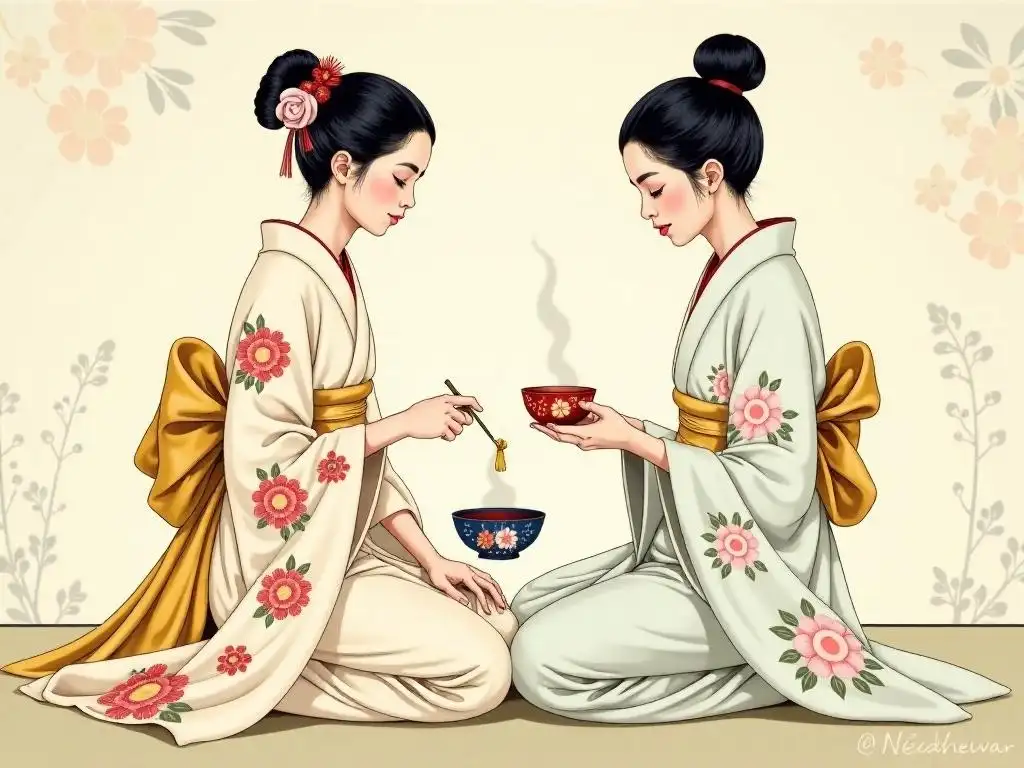
The tea ceremony, known as "chanoyu," is not merely an artistic practice but a profound philosophical expression that has significantly shaped Japanese thought. Its rituals and principles reflect the core values of simplicity, harmony, and respect, which resonate deeply within Japanese culture. This practice embodies a unique synthesis of aesthetics and ethics, providing insights into the human experience and our relationship with nature and society. By elevating the mundane act of drinking tea into a spiritual experience, the tea ceremony fosters a contemplative mindset, encouraging practitioners to find beauty and meaning in everyday life.
The philosophical significance of the tea ceremony extends beyond its immediate practice. It has acted as a conduit for various philosophical schools, including Zen Buddhism, which emphasizes mindfulness and the impermanence of existence. The ceremony's meditative aspects facilitate a deeper understanding of self and the world, promoting values such as humility and tranquility. In this way, the tea ceremony serves as a mirror reflecting the evolving landscape of Japanese philosophical thought throughout the feudal era, intertwining practical rituals with profound existential inquiries.
Connection to Wabi-Sabi: The Beauty of Imperfection
At the heart of tea ceremony philosophy lies the concept of wabi-sabi, which celebrates the beauty found in imperfection and transience. This aesthetic principle is not only about appreciating the irregularities in nature but also about recognizing the inherent flaws in human endeavors and existence itself. The tea ceremony embraces this ideology through its use of rustic utensils, unrefined tea bowls, and natural surroundings, emphasizing authenticity over perfection.
The wabi-sabi philosophy encourages participants to cultivate a sense of appreciation for the moment and to acknowledge the fleeting nature of life. Each tea gathering reflects a unique experience shaped by various factors, including the season, the setting, and the participants' emotions. This connection to wabi-sabi fosters a deeper awareness of the present, teaching practitioners to find joy and contentment in life’s subtleties and imperfections. Thus, the tea ceremony becomes a practice of mindfulness, aligning closely with the philosophical ideals of embracing the ephemeral aspects of existence.
The Influence of the Tea Ceremony on Later Japanese Philosophical Thought
The tea ceremony has left a lasting imprint on Japanese philosophical thought, influencing various movements and schools that followed its establishment. As a practice deeply rooted in Zen Buddhism, it popularized concepts such as mindfulness and non-attachment, which permeated later philosophical discourse in Japan. Notably, the principles derived from the tea ceremony have impacted literary works, art, and even political philosophies, as they resonate with the broader themes of harmony and simplicity.
Throughout the Edo period, the tea ceremony became a symbol of cultural refinement and social status, leading to the emergence of new philosophies that intertwined aesthetics and ethics. Intellectuals like Matsuo Bashō and Yasunari Kawabata drew inspiration from the tea ceremony to explore themes of nature, beauty, and the human condition in their writings. As a result, the philosophical significance of the tea ceremony transcended its ritualistic nature, becoming a cornerstone of Japanese identity and cultural expression that informs various aspects of life and thought.
Contemporary Interpretations of Tea Ceremony Philosophy
In modern Japan, the philosophy of the tea ceremony continues to evolve, adapting to contemporary values and lifestyles while retaining its core principles. As society grapples with rapid modernization and globalization, the tea ceremony stands as a counterpoint, promoting a return to mindfulness and appreciation for simplicity. This adaptability highlights the enduring relevance of tea ceremony philosophy, resonating with individuals seeking solace and meaning in an increasingly complex world.
Modern Adaptations of the Tea Ceremony in Japanese Culture
Contemporary interpretations of the tea ceremony reflect a blend of traditional practices and modern sensibilities. While the foundational elements remain intact, variations have emerged to cater to diverse audiences. For instance, some tea practitioners incorporate elements of contemporary art and design into their ceremonies, enhancing the visual and experiential aspects of the event. This fusion of tradition and innovation allows the tea ceremony to resonate with younger generations while preserving its philosophical roots.
Moreover, the tea ceremony has found its way into various cultural and social contexts, including corporate events, therapeutic settings, and educational programs. Such adaptations emphasize the ceremony's role in fostering connection, mindfulness, and collaboration, demonstrating its versatility and relevance in today’s society. These modern iterations not only honor the historical significance of the tea ceremony but also invite new interpretations and experiences that align with contemporary values.
The Relevance of Tea Ceremony Philosophy Today
The philosophy underlying the tea ceremony remains highly relevant today, particularly in discussions surrounding mindfulness, mental wellness, and sustainability. In an era marked by stress and disconnection, the principles of the tea ceremony encourage individuals to slow down, reflect, and engage with their surroundings meaningfully. This practice serves as a reminder of the importance of presence and intentionality in daily life.
Furthermore, as society increasingly recognizes the value of sustainable practices, the tea ceremony's emphasis on harmony with nature resonates strongly. The careful selection of seasonal ingredients and the mindful use of resources reflect an eco-conscious approach that aligns with modern environmental philosophies. By integrating these timeless principles into contemporary life, the tea ceremony philosophy offers valuable lessons on living harmoniously, appreciating simplicity, and embracing the beauty of imperfection, ensuring its enduring significance in both personal and collective contexts.
Conclusion: The Enduring Legacy of Tea Ceremony Philosophy in Feudal Japan
The tea ceremony, or chanoyu, holds a profound place in the cultural and philosophical landscape of feudal Japan. Its significance extends far beyond the act of preparing and consuming tea; it embodies a rich tapestry of values, aesthetics, and spiritual beliefs that have influenced various aspects of Japanese society. The legacy of tea ceremony philosophy can be seen in the continued appreciation for mindfulness, simplicity, and the beauty of imperfection, concepts that resonate deeply within Japanese culture today.
The philosophical underpinnings of the tea ceremony, rooted in Zen Buddhism, emphasize the importance of being present in the moment, cultivating inner peace, and embracing the transient nature of life. These principles have shaped not only the practice of tea but also the broader cultural practices in Japan, influencing art, architecture, and social interactions. The tea ceremony serves as a reminder of the interconnectedness of existence, encouraging participants to reflect on their relationships with themselves, others, and the environment.
Summary of Key Philosophical Insights from the Tea Ceremony
The tea ceremony encapsulates several key philosophical insights that are central to understanding its significance in feudal Japan:
- Wabi-Sabi: This concept celebrates the beauty of imperfection and transience. The aesthetic of wabi-sabi encourages participants to appreciate the natural cycle of growth and decay, fostering a deeper understanding of life's fleeting moments.
- Mindfulness and Presence: The meticulous rituals involved in the tea ceremony are designed to cultivate mindfulness. Each action—from the preparation of the tea to the serving of the guests—requires complete attention and presence, promoting a meditative state that enhances the experience of the ceremony.
- Harmony and Respect: The interaction between the host and guests is steeped in principles of harmony ( wa), respect ( kei), purity ( sei), and tranquility ( jaku). This framework fosters a sense of community and shared experience, reinforcing social bonds and cultural values.
- Spiritual Connection: The tea ceremony serves as a conduit for spiritual reflection, allowing participants to engage with deeper existential questions. It invites contemplation on the nature of existence, the impermanence of life, and the pursuit of enlightenment.
Final Thoughts on the Cultural Significance of the Tea Ceremony in Feudal Japan
The cultural significance of the tea ceremony in feudal Japan transcends its aesthetic and ritualistic dimensions. It is a microcosm of Japanese values, encapsulating the essence of spiritual and philosophical thought during a period marked by social stratification and cultural evolution. The tea ceremony not only provided a means of social interaction but also served as a platform for philosophical discourse, allowing individuals to explore profound questions about existence, beauty, and human connection.
In contemporary Japan, the tea ceremony continues to be celebrated as a vital cultural tradition, reflecting the enduring influence of its philosophical roots. As society evolves, the principles enshrined in the tea ceremony—mindfulness, respect, and appreciation for the ephemeral—remain relevant, offering a timeless perspective on living harmoniously within oneself and with others. Through the lens of tea ceremony philosophy, we can gain valuable insights into the complexities of human experience, making it an integral part of Japan's historical narrative and cultural identity.
- Introduction to Tea Ceremony Philosophy in Feudal Japan
- Historical Context of the Tea Ceremony in Feudal Japan
- Core Philosophical Concepts of the Tea Ceremony
- The Tea Ceremony as a Reflection of Feudal Japanese Values
- The Impact of the Tea Ceremony on Japanese Philosophy
- Contemporary Interpretations of Tea Ceremony Philosophy
- Conclusion: The Enduring Legacy of Tea Ceremony Philosophy in Feudal Japan
- What is the main focus of the article "The Philosophical Significance of the Tea Ceremony in Feudal Japan"?
- How did the tea ceremony reflect the values of feudal Japanese society?
- What role did Zen Buddhism play in the tea ceremony?
- Can the tea ceremony be seen as a form of social interaction in feudal Japan?
- What are some key philosophical concepts associated with the tea ceremony?
Frequently Asked Questions
What is the main focus of the article "The Philosophical Significance of the Tea Ceremony in Feudal Japan"?
The article explores the philosophical significance of the tea ceremony within the context of feudal Japan, highlighting its cultural and spiritual dimensions.
How did the tea ceremony reflect the values of feudal Japanese society?
The tea ceremony embodied key values such as harmony, respect, and purity, serving as a medium for expressing the aesthetic principles prevalent during the feudal era.
What role did Zen Buddhism play in the tea ceremony?
Zen Buddhism greatly influenced the tea ceremony, promoting an appreciation for simplicity and mindfulness, which became integral to the ceremonial practices of feudal Japan.
Yes, the tea ceremony served as a vital form of social interaction, fostering relationships and community bonds among the samurai class and their guests.
What are some key philosophical concepts associated with the tea ceremony?
Key concepts include wabi-sabi (the beauty of imperfection), ichigo ichie (treasure every meeting), and the pursuit of tranquility, all of which reflect the philosophy of feudal Japan.
Final Reflection: The Enduring Wisdom of Tea Ceremony Philosophy in Feudal Japan
The tea ceremony philosophy in feudal Japan transcends mere ritual; it embodies a profound understanding of mindfulness, simplicity, and harmony that remains strikingly relevant in today's fast-paced world. As we navigate the complexities of modern life, the principles inherent in the tea ceremony remind us of the importance of slowing down, appreciating the moment, and fostering connections with ourselves and others. This ancient practice serves as a beacon of serenity, urging us to cultivate a deeper awareness of our surroundings and relationships.
The tea ceremony has not only shaped cultural practices but has also influenced contemporary discussions about mindfulness and community. Its emphasis on presence and intentionality resonates deeply in our current societal landscape, where distractions abound and genuine connections often feel fleeting. As the philosopher D.T. Suzuki once said, The tea ceremony is a way of life, a way of being, that teaches us to appreciate the beauty in simplicity.
This sentiment encapsulates the ongoing influence of the tea ceremony, inviting us to reflect on how these age-old teachings can enrich our modern experiences.
As we conclude this exploration of the philosophical significance of the tea ceremony, I encourage you to take a moment to reflect on your own life. How can you incorporate the principles of mindfulness, simplicity, and harmony into your daily routine? Let the lessons of the tea ceremony inspire you to create space for contemplation and connection, fostering a deeper appreciation for the beauty that surrounds you. In doing so, you not only honor the legacy of feudal Japan but also cultivate a more meaningful existence in the present.
Embrace the Serenity: Experience the Essence of Tea!
Thank you for exploring the rich tapestry of The Philosophical Significance of the Tea Ceremony in Feudal Japan. Your curiosity about this intricate art form is the first step toward understanding not only the ceremony itself but also the profound cultural values it embodies.
Now, let’s transform that insight into action! Here are a few ways you can connect further with this treasured tradition:
- Join a local tea ceremony workshop to experience tranquility and mindfulness firsthand.
- Share this article with friends or on social media to spark discussions about the beauty and philosophy behind tea ceremonies.
- Read books or watch documentaries that explore Japanese culture and philosophy, enriching your perspective even further.
What aspects of the tea ceremony resonate most with your understanding of mindfulness and cultural expression? We invite you to share your thoughts!