
The Aesthetics of Mono no Aware: Understanding Transience in Feudal Japan

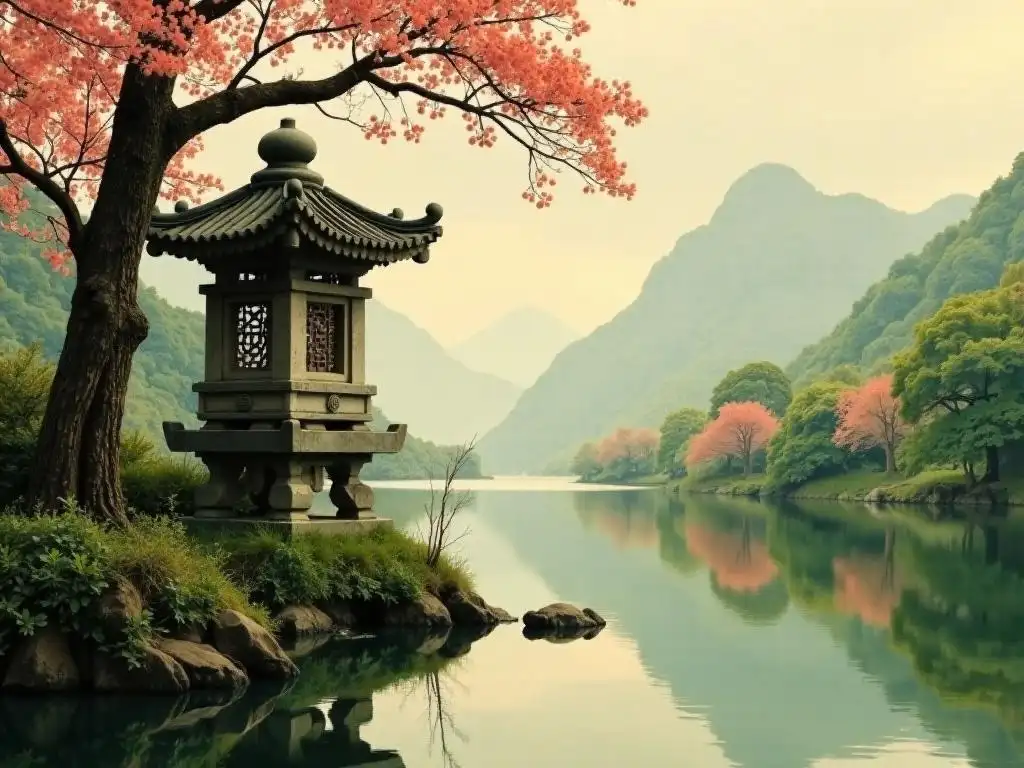
Welcome to Feudal Japan History, where we invite you to embark on an enlightening journey through the intricate tapestry of Japan’s feudal era. In our featured article, “The Aesthetics of Mono no Aware: Understanding Transience in Feudal Japan,” we delve into the profound concept of Mono no Aware, exploring how this poignant appreciation for the ephemeral shaped the cultural and philosophical landscape of the time.
What makes this sentiment so compelling, and how did it influence art, literature, and spirituality? Join us as we unravel these captivating threads of history that celebrate the beauty of impermanence, and let your curiosity guide you deeper into the world of Feudal Japan.
Introduction to Mono no Aware in Feudal Japan
The concept of Mono no Aware is a profound philosophical and aesthetic principle that emerged during Japan's feudal era, encapsulating the beauty found in the transience of life. Rooted deeply in Japanese culture, this notion reflects an acute awareness of the ephemeral nature of existence, which manifests in art, literature, and daily life. Understanding Mono no Aware is crucial for appreciating how historical events, societal changes, and cultural practices shaped the sensibilities of the Japanese people during this time.
As we delve into this exploration, we will uncover how this appreciation for impermanence not only influenced the artistic expressions of the period but also intertwined with the spiritual and philosophical currents that defined feudal Japan. Through a comprehensive analysis, we aim to reveal the intricate layers of meaning behind Mono no Aware and its lasting impact on Japanese culture.
Definition of Mono no Aware
Mono no Aware, often translated as "the pathos of things," encapsulates a deep emotional response to the fleeting moments of beauty and sorrow in life. This concept emphasizes the transient nature of existence, encouraging individuals to appreciate the beauty in impermanence. The term itself can be broken down into two parts:
- Mono: Referring to "things" or "objects."
- Aware: Signifying a deeper awareness or sensitivity.
Together, they evoke a sense of nostalgia and longing for moments that are both beautiful and sorrowful, as they remind us of the inevitable passage of time.
Historical Context of Mono no Aware
The roots of Mono no Aware can be traced back to the Heian period (794-1185), where literature and poetry flourished. Notable literary works, such as The Tale of Genji by Murasaki Shikibu, illustrate the ethos of Mono no Aware through their exploration of love, loss, and the passage of seasons.
During the feudal era, this aesthetic continued to evolve, particularly through the influence of various artistic movements, including the Noh theater and ink wash painting, which often depicted themes of nature and the fleeting moments of life. The samurai class also embraced this concept, seeing beauty in the fleeting nature of honor and life itself, which profoundly shaped the cultural landscape of the time.
Importance of Transience in Japanese Aesthetics
Transience plays a pivotal role in Japanese aesthetics, informing various art forms such as haiku poetry, ceramics, and traditional gardens. The appreciation for impermanence fosters a sense of mindfulness and presence, encouraging individuals to savor each moment. This aesthetic is often represented through:
- Seasonal changes, which are celebrated in festivals and art.
- The use of natural materials that age gracefully and decay, embodying the cycle of life.
- The transient beauty of cherry blossoms ( sakura), which bloom for a brief period, serving as a metaphor for life's fleeting moments.
The embrace of transience underlines a philosophical approach that has permeated Japanese culture, highlighting the interconnectedness of life, death, and beauty.
Philosophical Foundations of Mono no Aware
The philosophical underpinnings of Mono no Aware are shaped significantly by the interplay of various belief systems present in feudal Japan, including Buddhism, Shinto, and Confucianism. Each of these traditions contributes unique perspectives on the appreciation of life and nature.
The Role of Buddhism in Shaping Mono no Aware
Buddhism, which gained prominence in Japan during the Heian period, introduces the concept of impermanence ( anicca), a fundamental teaching that highlights the transient nature of all things. This perspective encourages a deep understanding of the fleeting aspects of life, fostering a sense of detachment from material possessions and desires.
Buddhist art and practices, such as Zen gardens and meditation, embody Mono no Aware by promoting reflection on the beauty of the moment, urging practitioners to find peace in the understanding that all existence is temporary.
Shinto Beliefs and the Appreciation of Nature
Shinto, the indigenous spirituality of Japan, emphasizes a profound connection to nature and the environment. This belief system fosters an appreciation for the natural world, viewing it as imbued with spiritual significance.
The seasonal changes and cycles of life are celebrated in Shinto rituals, reinforcing the idea that nature's transient beauty is worthy of reverence. The Shinto practice of honoring kami (spirits) found in natural elements further highlights the cultural value placed on the ephemeral aspects of existence.
Influence of Confucianism on Japanese Thought
Confucianism, introduced to Japan through China, emphasizes moral values, social harmony, and the importance of relationships. While not directly associated with Mono no Aware, its teachings contribute to the broader philosophical landscape that values respect for tradition and the significance of human connections.
The Confucian focus on duty and honor aligns with the samurai's embrace of Mono no Aware, as it encourages individuals to be mindful of their actions and the impact they have on others, reinforcing the transient nature of life and relationships.
The aesthetics of Mono no Aware in feudal Japan offer a rich tapestry of philosophical insights and cultural practices that celebrate the beauty found in transience, deeply influencing the artistic and spiritual expressions of the era.
The Manifestation of Mono no Aware in Feudal Japan
The concept of Mono no Aware, often translated as "the pathos of things," is deeply embedded in the cultural and artistic expressions of Feudal Japan. This aesthetic sensibility highlights the beauty found in the impermanence of life, encouraging a profound appreciation for the fleeting moments that define human experience. The manifestation of Mono no Aware can be observed across various domains, including literature, visual arts, and daily life, reflecting a collective consciousness that embraced transience as an essential aspect of existence.
The influence of Mono no Aware is particularly evident in the changing seasons, which serve as metaphors for life's impermanence. Festivals celebrating the cherry blossoms (sakura) are among the most poignant examples, symbolizing the ephemeral beauty of nature and life itself. This celebration not only acknowledges the short-lived bloom of the sakura but also invites reflection on the transient nature of human emotions and relationships.
Literary Expressions of Mono no Aware
In literature, Mono no Aware is eloquently expressed through poetry and prose that evoke feelings of nostalgia and melancholy. The haiku, a traditional form of Japanese poetry, often encapsulates the essence of Mono no Aware, using minimal words to convey deep emotions tied to nature and transience. Poets such as Matsuo Bashō and Yosa Buson exemplified this aesthetic, creating works that resonate with the bittersweet awareness of life's fleeting moments.
Classic texts, such as The Tale of Genji by Murasaki Shikibu, also illustrate Mono no Aware through the exploration of love, loss, and the passage of time. The narrative captures the delicate interplay of joy and sorrow, illustrating how beauty is often intertwined with impermanence. These literary expressions invite readers to contemplate their own experiences and the transient beauty that surrounds them.
Artistic Representations of Mono no Aware
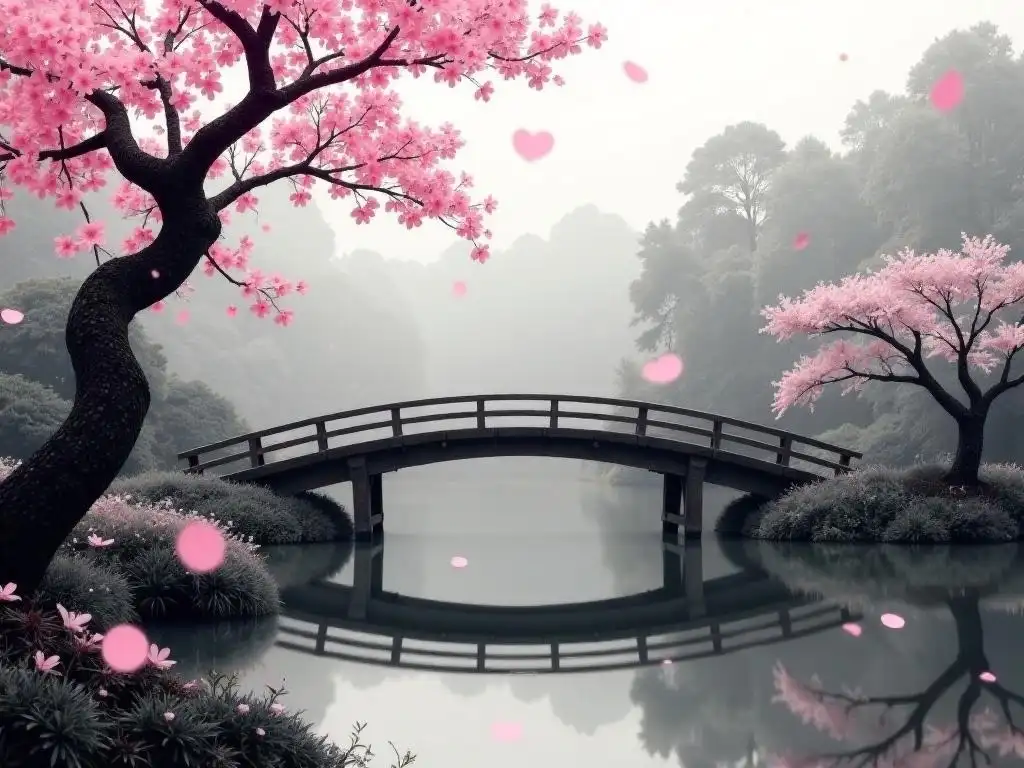
The visual arts of Feudal Japan, particularly in painting and woodblock prints, are rich with representations of Mono no Aware. Artists like Hokusai and Hiroshige depicted landscapes that captured the ephemeral qualities of nature, such as fleeting moments of sunset or the transient beauty of cherry blossoms in full bloom. These artworks often invite viewers to reflect on the passage of time and the beauty contained within moments that are here today but gone tomorrow.
Japanese gardens also embody the principles of Mono no Aware, designed to evoke a sense of tranquility and contemplation. The careful arrangement of rocks, water, and seasonal plants reflects the changing cycles of nature, inviting visitors to appreciate the impermanence of beauty in a serene environment. The aesthetic of Mono no Aware in art encourages not just observation, but a deeper emotional engagement with the world.
The Cultural Significance of Mono no Aware
The concept of Mono no Aware holds significant cultural weight in Japan, shaping the way individuals perceive beauty and experience life. Its emphasis on transience and the beauty of impermanence has influenced not only artistic expressions but also societal values and practices throughout Feudal Japan.
Mono no Aware and the Concept of Beauty
Mono no Aware challenges conventional notions of beauty that prioritize permanence and grandeur. Instead, it celebrates the subtle and the ephemeral, suggesting that true beauty is found in the delicate moments that evoke emotional resonance. This perspective encourages a more profound appreciation for the ordinary, as seen in the beauty of a wilting flower or the sound of falling autumn leaves. Such insights cultivate a sense of humility and mindfulness, fostering a deeper connection to the world.
The Impact of Mono no Aware on Japanese Identity
The impact of Mono no Aware extends beyond aesthetic appreciation; it is intricately woven into the fabric of Japanese identity. This philosophical outlook has shaped cultural practices, rituals, and social interactions, instilling a sense of unity with nature and a recognition of life's fleeting nature. The awareness of impermanence fosters resilience and acceptance, allowing individuals to navigate life's challenges with grace and mindfulness.
Transience in Feudal Social Structures
In Feudal Japan, the awareness of transience was reflected in the hierarchical social structures where status and power were often temporary. The rise and fall of samurai clans, for instance, illustrated the impermanence of societal status. This understanding permeated various aspects of life, influencing the conduct of individuals within their roles and relationships. The acceptance of transience encouraged a focus on ethical behavior, loyalty, and the importance of leaving a meaningful legacy, resonating with the essence of Mono no Aware throughout the ages.
Case Studies of Mono no Aware in Feudal Japan
Mono no Aware, a profound aesthetic concept rooted in the understanding of the transience of life, finds expression in various facets of feudal Japanese culture. Through specific case studies, one can observe how this philosophy permeated artistic, literary, and social practices, reflecting the deep emotional resonance that fleeting beauty evokes.
Example 1: The Aesthetic of Cherry Blossoms
Cherry blossoms, or sakura, are perhaps the most iconic representation of Mono no Aware. The fleeting bloom of these flowers, which lasts only a couple of weeks each spring, symbolizes the ephemeral nature of life and beauty. During the Heian period (794-1185), aristocrats celebrated hanami, or flower-viewing parties, where they would gather to admire the blossoms, reflecting on their short-lived beauty.
This practice was not merely social; it was deeply contemplative. Poets and artists sought to capture the essence of the cherry blossoms in their works, often expressing a bittersweet appreciation for their beauty and transience. This connection between nature and human emotion embodies the core tenets of Mono no Aware, illustrating how the aesthetic extends beyond mere visual appreciation to encompass a philosophical contemplation of existence itself.
Example 2: The Changing Seasons and Their Symbolism
In feudal Japan, the cyclical nature of the seasons played a crucial role in shaping cultural practices and artistic expressions. Each season brought with it a unique set of symbols and emotions that resonated with the principles of Mono no Aware. For instance, the vibrant colors of autumn leaves signified not only beauty but also the inevitability of decay and death.
Literature from the Edo period (1603-1868), such as the works of Matsuo Bashō, highlights this connection. Bashō’s haikus often reflect on seasonal changes, using nature as a lens through which to explore human emotions and the passage of time. This interplay between the natural world and personal reflection exemplifies how Mono no Aware influenced the aesthetic sensibilities of the period, encouraging a profound appreciation for the ephemeral aspects of life.
Example 3: The Impermanence of Samurai Life
The samurai class, known for its code of honor and martial prowess, also embodied the principles of Mono no Aware. The transient nature of a samurai's life—often marked by battles, loyalty, and a constant awareness of mortality—deeply influenced their perspectives on beauty and existence.
The concept of bushido, or the way of the warrior, emphasized the importance of living in the moment, as death could arrive unexpectedly. Samurai poetry, particularly haiku and waka, often reflected these sentiments, capturing the fleeting moments of beauty and the inevitability of death. The famous phrase "the cherry blossom falls" serves as a powerful metaphor for the samurai's acceptance of their fate, reinforcing the idea that true beauty lies in the recognition of life’s impermanence.
The Legacy of Mono no Aware
Mono no Aware has left an indelible mark on Japanese culture, influencing various artistic and philosophical movements long after the feudal era. Its emphasis on transience continues to resonate in contemporary society, shaping cultural expressions that celebrate both beauty and melancholy.
Influence on Modern Japanese Culture
In modern Japan, Mono no Aware remains a vital part of cultural identity. It permeates festivals, art, and literature, encouraging a continuous appreciation for nature's ephemeral beauty. Contemporary practices, such as cherry blossom viewing, still evoke the feelings of nostalgia and melancholy associated with this aesthetic.
Moreover, the philosophy has influenced Japanese design and architecture, where simplicity and the beauty of imperfection are celebrated. The principles of wabi-sabi, which emphasize the beauty found in impermanence and imperfection, can be seen as a direct descendant of Mono no Aware, showcasing its lasting impact on Japanese aesthetics and lifestyle.
Mono no Aware in Contemporary Art and Literature
In contemporary art and literature, Mono no Aware continues to inspire creators to explore themes of transience and emotional depth. Artists like Yoshitomo Nara and Takashi Murakami incorporate elements of this aesthetic in their works, using modern mediums to reflect on the same fleeting beauty that captivated their ancestors.
Literary figures such as Haruki Murakami have also drawn upon the themes of Mono no Aware, weaving narratives that evoke a sense of nostalgia and an awareness of life's fleeting moments. This connection to the past imbues contemporary works with a rich emotional texture, demonstrating how the legacy of Mono no Aware persists in modern storytelling.
Global Recognition of Mono no Aware Aesthetics
The aesthetics of Mono no Aware have garnered recognition beyond Japan, influencing global art, literature, and philosophy. Aspects of this aesthetic have inspired international artists and writers who seek to convey the beauty of transience in their works.
Exhibitions and discussions around Mono no Aware have emerged in various cultural contexts, highlighting its universal appeal. This global interest reflects a broader recognition of the importance of acknowledging the ephemeral nature of life, encouraging individuals from diverse backgrounds to explore their connections to beauty, memory, and loss. Through this cross-cultural exchange, Mono no Aware continues to resonate, fostering a deeper understanding of the human experience.
Conclusion: Embracing Transience in Life and Art

The concept of Mono no Aware, which translates to "the pathos of things," encapsulates the profound appreciation for the ephemeral nature of life and beauty in Feudal Japan. This aesthetic philosophy urges individuals to acknowledge and embrace the fleeting moments that define human experience. In a society where the impermanence of seasons, relationships, and even life itself was keenly felt, Mono no Aware provided a lens through which to view existence not as a series of losses but as a tapestry rich with beauty and poignancy.
In art and literature, Mono no Aware inspired creators to reflect the transient quality of their subjects. This is evident in the works of renowned poets like Matsuo Bashō, whose haikus often evoke strong imagery of fading beauty—such as cherry blossoms falling—that encapsulate both joy and sorrow. Similarly, the aesthetics of traditional Japanese gardens and architecture reveal a deliberate embrace of natural decay and seasonal changes, highlighting the beauty in imperfection and the inevitable passage of time.
Reflection on the Importance of Mono no Aware Today
Today, Mono no Aware continues to resonate beyond its historical context, influencing contemporary art, literature, and even personal philosophies. In a fast-paced modern world, where the constant pursuit of permanence can lead to disillusionment, the teachings of Mono no Aware remind us to slow down and appreciate the present moment. This philosophy encourages mindfulness, fostering a deeper connection with our surroundings and relationships.
Moreover, artists and writers today draw inspiration from Mono no Aware to convey themes of transience in their work. Whether through photography that captures fleeting moments or literature that reflects on the ephemeral nature of human emotions, the legacy of Mono no Aware persists. It serves as a gentle reminder that beauty often lies in the momentary, prompting us to find meaning in the present and cherish the small, often overlooked details of everyday life.
Final Thoughts on the Lasting Impact of Mono no Aware in Feudal Japan
The impact of Mono no Aware during the Feudal era of Japan cannot be overstated. It shaped not only artistic expressions but also cultural attitudes, infusing everyday life with a sense of reverence for the fleeting. This philosophical approach helped foster a unique cultural identity that celebrated the transient aspects of existence, from the delicate cherry blossoms to the changing seasons, emphasizing that every moment carries its own beauty.
The teachings of Mono no Aware have left an indelible mark on Japanese culture, influencing various aspects from tea ceremonies to poetry and visual arts. Even in contemporary Japan, the echoes of this philosophy can be felt, as it continues to inform the way people perceive and interact with the world around them. By recognizing and appreciating the impermanence of life, individuals are encouraged to cultivate gratitude and mindfulness, ensuring that the essence of Mono no Aware remains a fundamental aspect of Japanese culture long after the feudal period has passed.
- Introduction to Mono no Aware in Feudal Japan
- Philosophical Foundations of Mono no Aware
- The Manifestation of Mono no Aware in Feudal Japan
- Literary Expressions of Mono no Aware
- Artistic Representations of Mono no Aware
- The Cultural Significance of Mono no Aware
- Case Studies of Mono no Aware in Feudal Japan
- The Legacy of Mono no Aware
- Conclusion: Embracing Transience in Life and Art
- Reflection on the Importance of Mono no Aware Today
- Final Thoughts on the Lasting Impact of Mono no Aware in Feudal Japan
- What is Mono no Aware in the context of Feudal Japan?
- How did Mono no Aware shape cultural expressions in Feudal Japan?
- What role did Mono no Aware play in the samurai culture?
- Can you provide examples of literature that reflect Mono no Aware?
- How is Mono no Aware perceived in modern Japanese culture?
Frequently Asked Questions
What is Mono no Aware in the context of Feudal Japan?
Mono no Aware refers to the aesthetic appreciation of transience and the beauty found in fleeting moments, deeply influencing art and literature during the feudal era.
How did Mono no Aware shape cultural expressions in Feudal Japan?
The concept of Mono no Aware inspired poetry, visual arts, and theater, encouraging artists to express emotions tied to the impermanence of life and the beauty of nature.
What role did Mono no Aware play in the samurai culture?
In samurai culture, Mono no Aware emphasized a philosophical understanding of life and death, fostering a sense of honor and appreciation for fleeting moments in battle and daily life.
Can you provide examples of literature that reflect Mono no Aware?
Classic works such as "The Tale of Genji" and haiku poetry by Matsuo Bashō vividly illustrate Mono no Aware through their themes of ephemeral beauty and emotional depth.
How is Mono no Aware perceived in modern Japanese culture?
Today, Mono no Aware continues to influence Japanese aesthetics, reminding people to appreciate the beauty of the moment and the natural cycle of life and death.
Final Reflection: Embracing the Beauty of Transience in Mono no Aware
The concept of Mono no Aware resonates deeply in today’s fast-paced world, where the fleeting nature of life often goes unnoticed. As we navigate through our daily routines, we are frequently reminded of the impermanence that surrounds us, from the changing seasons to the ephemeral moments that define our existence. The appreciation of transience, as celebrated in Feudal Japan, invites us to pause and reflect on the beauty inherent in the temporary, urging us to find joy in the present moment.
Culturally, the influence of Mono no Aware continues to shape our understanding of art, literature, and even our personal relationships. This aesthetic encourages a profound connection to the world around us, fostering empathy and mindfulness. As the poet Matsuo Bashō once said, The temple bell stops but I still hear the sound coming out of the flowers.
This quote encapsulates the essence of Mono no Aware, reminding us that even in silence, the echoes of beauty linger, urging us to cherish the moments that may seem insignificant yet hold profound meaning.
As you reflect on the lessons of Mono no Aware, I invite you to embrace the transient nature of your own life. Consider how you can cultivate a deeper appreciation for the fleeting moments that make up your daily experiences. Whether it's savoring a sunset, cherishing a conversation with a loved one, or simply enjoying a quiet moment of solitude, let the wisdom of Mono no Aware guide you toward a more mindful existence. In doing so, you not only honor the beauty of the present but also cultivate a richer, more meaningful connection to the world around you.
Embrace the Beauty of Impermanence Today!
Thank you for exploring the intricate world of mono no aware in feudal Japan! Your interest not only broadens your understanding of this profound philosophy but also invites you to reflect on the beauty found in transience. Why not take the next steps to integrate this appreciation for life's fleeting moments into your daily life?
Here are a few actions you can take right now:
- Start a gratitude journal: Take a moment each day to jot down experiences that brought you joy. Capture the essence of those moments before they fade.
- Explore nature: Spend time outdoors, observing the changing seasons or the blooming and wilting of flowers, and appreciate their short-lived beauty.
- Share your thoughts: Discuss this concept with friends or family. Invite them to contribute their insights on impermanence and its impact on their lives.
What fleeting moments have touched your heart this week, and how might you celebrate their beauty?