
Noh Theatre and Zen: The Philosophical Underpinnings of Japanese Performance Art

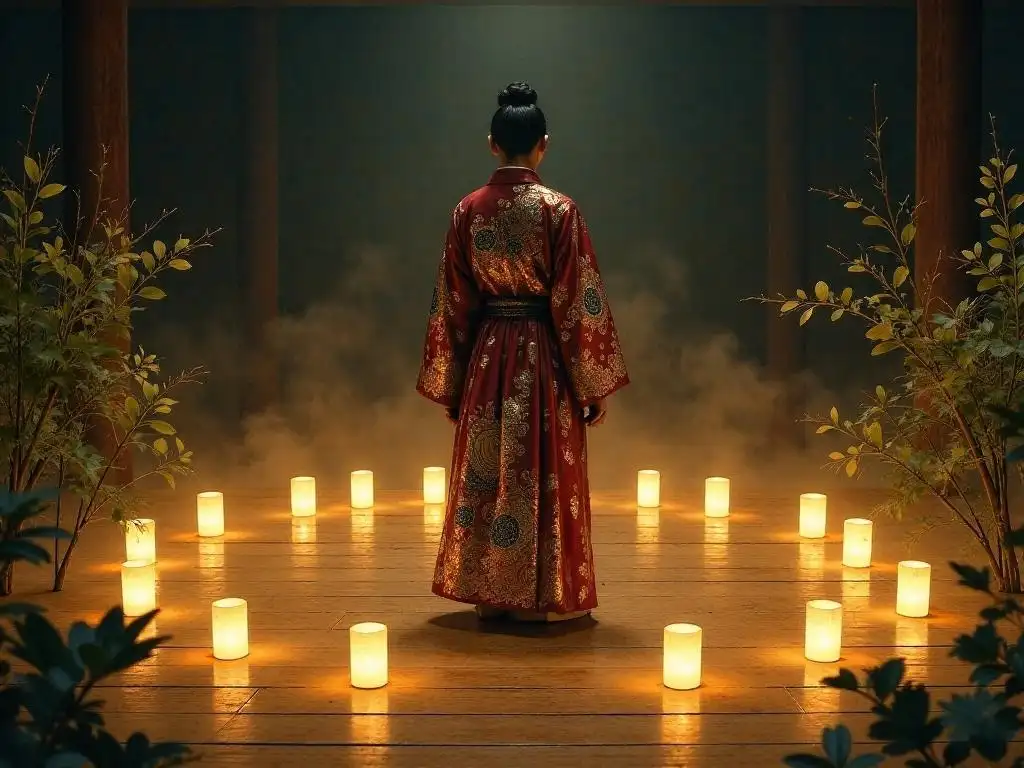
Welcome to Feudal Japan History, where we invite you to journey through the captivating realms of Japan’s feudal era. In this rich tapestry of history, culture, and society, we delve into the intricate connections between Noh Theatre and Zen philosophy—two pillars of Japanese performance art that embody profound spiritual and artistic expressions. Curious about how these elements intertwine to shape a unique theatrical experience? Join us as we unravel the philosophical underpinnings that breathe life into Noh Theatre, encouraging you to explore the depths of this mesmerizing art form and its impact on Japanese culture.
- Introduction to Noh Theatre and Zen Philosophy
- Historical Context of Noh Theatre
- Philosophical Underpinnings of Noh Theatre
- Elements of Noh Theatre
- The Zen Experience in Noh Theatre
- Case Studies of Notable Noh Plays
- The Influence of Noh Theatre on Modern Japanese Arts
- Conclusion: The Enduring Legacy of Noh Theatre and Zen Philosophy
- Frequently Asked Questions
- Final Reflection: The Enduring Harmony of Noh Theatre and Zen Philosophy
- Unveil the Harmony of Noh and Zen in Your Life!
Introduction to Noh Theatre and Zen Philosophy
In the rich tapestry of Japanese culture, Noh Theatre stands out not just as a performance art, but as a profound expression of philosophical thought and spiritual depth. Emerging during the Muromachi period (14th–16th centuries), Noh combines music, drama, and dance, creating a unique experience that transcends mere entertainment.
Its intricate storytelling often draws from classical literature, folklore, and historical events, presenting themes of impermanence, beauty, and the nature of existence, which resonate deeply with Zen philosophy. This article delves into the philosophical underpinnings of Noh Theatre, exploring how Zen principles intertwine with its aesthetic and performance, shaping not only the art form itself but also the cultural identity of Japan.
Overview of Noh Theatre in Japanese Culture
Noh Theatre is one of the oldest forms of Japanese drama, characterized by its slow, deliberate movements and minimalist staging. It employs a unique combination of masks, costumes, and a distinct vocal style known as "Noh mai" to convey complex narratives.
- Historical Background:
- Originated in the 14th century, formalized by playwright Kan'ami and his son Zeami.
- Flourished under the patronage of the samurai class, reflecting their values and aesthetics.
- Key Features:
- Masks: Symbolic representations of characters, each crafted with meticulous attention to detail.
- Movement: Emphasizes fluidity and grace, intended to evoke emotion and thought rather than direct action.
- Music: Integrates traditional instruments like the flute and drums, enhancing the atmospheric quality of the performance.
The essence of Noh lies in its ability to transform simple tales into profound reflections on human experience, making it a significant cultural touchstone in Japan.
Introduction to Zen Philosophy
Zen philosophy, rooted in the teachings of Buddhism, emphasizes direct experience and mindfulness as pathways to enlightenment. It advocates for simplicity, spontaneity, and a deep appreciation for the present moment.
- Core Principles:
- Zazen (Meditation): Central practice to attain awareness and understanding of one's true nature.
- Impermanence: Acknowledges the transient nature of life, encouraging acceptance and presence.
- Non-attachment: Teaches the importance of letting go of desires and preconceived notions.
Zen's influence permeates various aspects of Japanese culture, from tea ceremonies to garden design, and profoundly impacts the aesthetic and philosophical dimensions of Noh Theatre, creating a harmonious interplay between art and spirituality.
Connection Between Noh Theatre and Zen
The relationship between Noh Theatre and Zen philosophy is deeply intertwined, with each enriching the other in various ways.
- Thematic Resonance:
- Both art forms explore themes of impermanence and the beauty of the ephemeral, inviting audiences to reflect on the nature of existence.
- Aesthetic Principles:
- Noh's minimalist approach mirrors Zen ideals, where simplicity and subtlety lead to deeper understanding.
- Performance as Meditation:
- The slow, deliberate movements in Noh can be seen as a form of moving meditation, promoting mindfulness and presence akin to Zen practice.
This connection not only enhances the experience of Noh Theatre but also serves as a testament to the profound philosophical dialogues that have shaped Japanese culture throughout the centuries. As we explore these intersections, we uncover the layers of meaning that make Noh Theatre a not just an art form, but a spiritual journey.
Historical Context of Noh Theatre
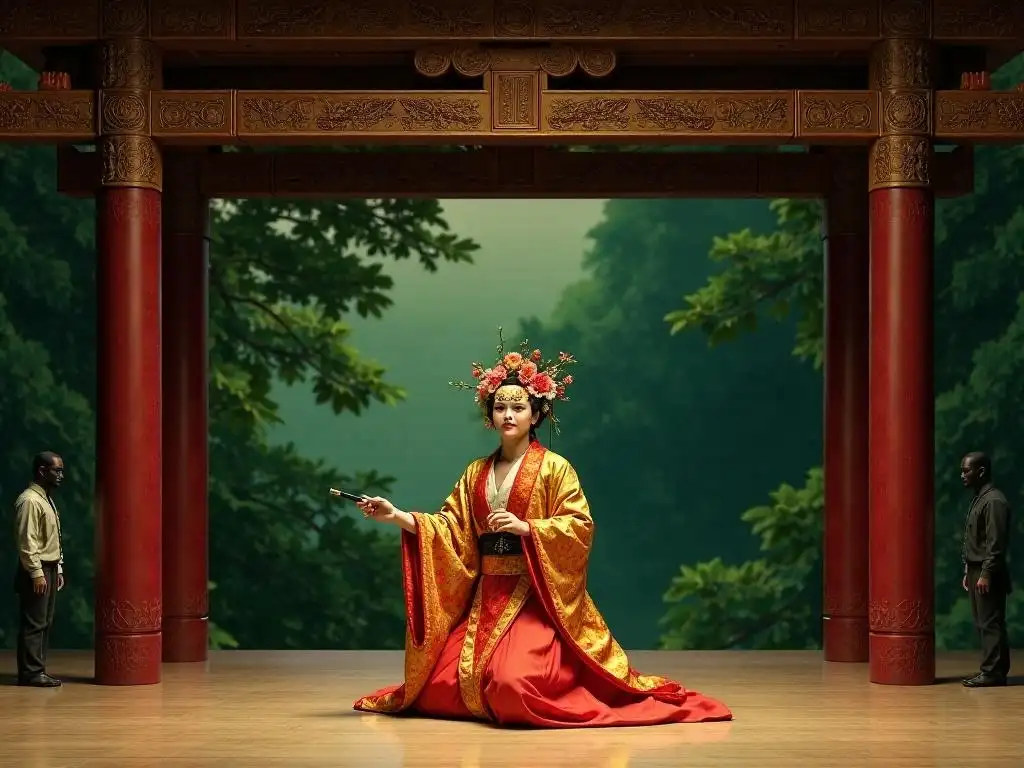
Noh theatre, a quintessential form of Japanese performing arts, emerged during a transformative period in Japan's history, particularly during the 14th century. This theatrical form is a synthesis of various influences, including religious rituals, folk traditions, and aristocratic culture. By understanding the historical context of Noh theatre, one can appreciate its deep-rooted ties to Japan's feudal society and its philosophical foundations, especially Zen Buddhism.
Origins of Noh Theatre in Japan
Noh theatre traces its origins back to the Heian period (794-1185), but it was during the Kamakura period (1185-1333) that it began to crystallize as a distinct art form. Initially, Noh was influenced by various performance traditions, including:
- Saru Noh: Early comedic performances featuring acrobatic feats.
- Dengaku: Ritualistic dances associated with agricultural celebrations.
- Kyōgen: A comedic form that often accompanied Noh performances.
The establishment of the Ashikaga shogunate in the 14th century provided a supportive environment for the arts, leading to the formalization of Noh theatre. The playwright and actor Kan'ami, along with his son Zeami, played pivotal roles in shaping the structure and aesthetics of Noh, emphasizing the importance of performance as a spiritual and philosophical experience.
Development During the Feudal Era
During Japan's feudal era, particularly the Muromachi period (1336-1573), Noh theatre flourished under the patronage of the samurai class. The aesthetic principles of Noh were closely linked to the values of the warrior elite, including:
- Simplicity: Noh’s minimalist staging and costumes reflect the Zen principle of wabi-sabi, which appreciates beauty in imperfection and transience.
- Symbolism: Every movement and gesture in Noh carries significant meaning, often drawing from nature and spiritual themes, resonating with the samurai's connection to the divine and their code of conduct.
The influence of Zen philosophy became more pronounced during this period, as Noh performances began to embody the meditative qualities associated with Zen practices. The notion of “muga” (the idea of no-self) in Zen philosophy found its expression in the Noh actor's ability to transcend personal identity during performance, creating a profound connection between the audience and the divine.
Influence of Zen Buddhism on Noh’s Evolution
Zen Buddhism significantly influenced the evolution of Noh theatre, intertwining its philosophical tenets with the performance art. Key aspects of this influence include:
- Meditative Practices: The practice of Zen meditation fostered a state of mindfulness that actors carry into their performances. This focus enhances the emotional depth and expressiveness of the art form.
- Aesthetic Principles: Zen aesthetics, characterized by simplicity and subtlety, significantly shaped the visual elements of Noh. The use of space, light, and natural materials in set design reflects Zen gardens, creating a serene atmosphere conducive to contemplation.
- Thematic Exploration: Many Noh plays delve into themes of impermanence and the fleeting nature of life, concepts central to Zen thought. The narratives often feature ghostly figures or spirits, emphasizing the connection between the physical and spiritual realms.
The historical context of Noh theatre reveals a rich tapestry of cultural and philosophical influences that continue to resonate today. The interplay between Noh and Zen philosophy not only enriches the performance art but also invites deeper reflection on the nature of existence, making Noh a profound expression of Japanese spirituality and artistry.
Philosophical Underpinnings of Noh Theatre
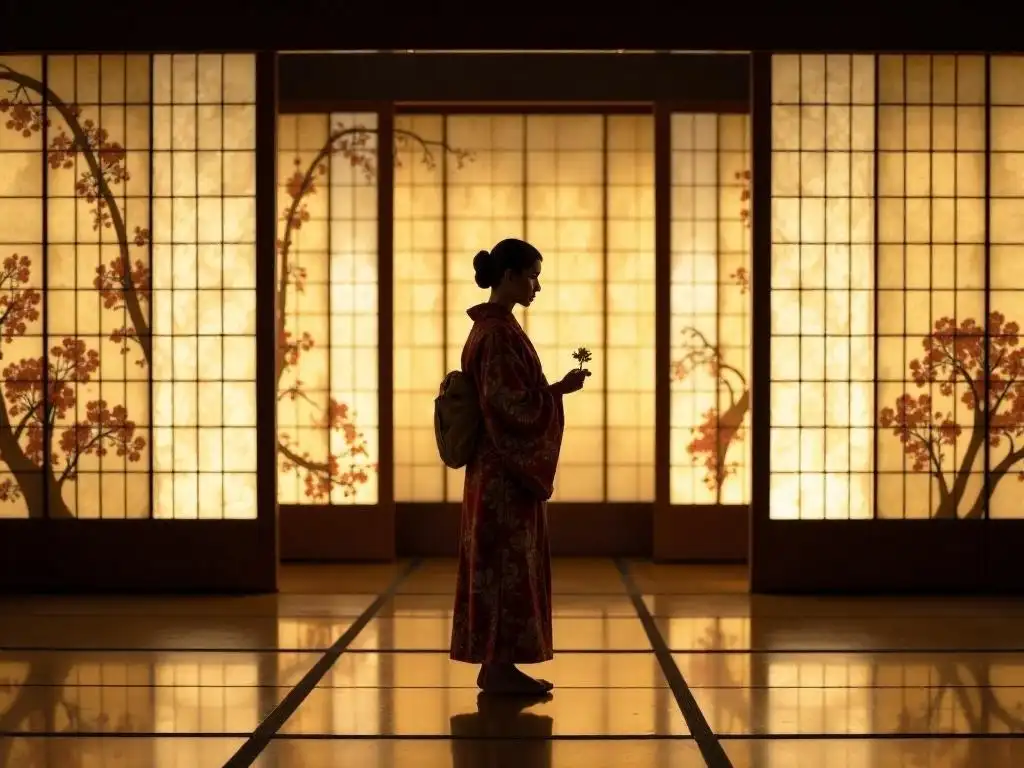
Noh Theatre, one of Japan's oldest traditional performing arts, is deeply intertwined with Zen philosophy. This relationship manifests in various ways, influencing the aesthetics, themes, and overall experience of the performances. Noh is not merely a theatrical presentation; it is a spiritual journey that embodies the essence of Zen, emphasizing simplicity, depth, and the fleeting nature of existence.
Zen philosophy provides the framework for understanding the subtle nuances in Noh, where every movement, gesture, and expression serves a dual purpose: to convey a narrative and to evoke a meditative state in both performers and audience members. The integration of Zen principles into Noh invites practitioners and spectators alike to reflect on the nature of reality, self, and the interconnectedness of all things.
Key Themes of Zen Philosophy in Noh
The influence of Zen philosophy on Noh Theatre can be observed through several key themes, which shape the narrative and aesthetic dimensions of the performances:
- Simplicity and Minimalism:
- Noh's staging, costumes, and props are often minimal, reflecting the Zen principle of simplicity. This simplicity allows the audience to focus on the emotional depth of the performance rather than being distracted by elaborate visuals.
- The use of empty space on stage symbolizes the Zen concept of "mu" (nothingness), creating an environment where the audience can engage with their own thoughts and emotions.
- Meditation and Mindfulness:
- Each performance is a form of meditation, encouraging both actors and audience to enter a state of mindfulness. The slow, deliberate movements and the repetitive rhythms of the Noh chant evoke a tranquil atmosphere that aligns with Zen practices.
- The pauses and silences in Noh are as significant as the spoken lines, mirroring the Zen focus on the present moment and the power of stillness.
- Transcendence and Enlightenment:
- Noh often explores themes of life, death, and the passage of time, reflecting the Zen pursuit of enlightenment. Characters in Noh may undergo transformations that symbolize spiritual awakening, resonating with the Zen journey toward understanding the self and the universe.
- The blending of the human experience with spiritual elements allows for a narrative that transcends ordinary reality, inviting deeper contemplation.
The Concept of Wabi-Sabi in Performance
Wabi-sabi, a quintessential Japanese aesthetic rooted in Zen philosophy, emphasizes the beauty of imperfection and transience. In Noh Theatre, this concept plays a crucial role in shaping both the performances and the audience's experience:
- Embracing Imperfection:
- The imperfections inherent in Noh masks and props reflect the wabi-sabi appreciation for the flawed and the incomplete. These artifacts tell stories of their own, inviting viewers to find beauty in the aging process and the passage of time.
- Fleeting Beauty:
- Noh performances often highlight moments of beauty that are ephemeral, such as a fleeting expression or a delicate gesture. This aligns with the wabi-sabi notion that true beauty lies in the transient, encouraging audiences to cherish these moments as they unfold.
- Natural Materials:
- The use of natural materials in costumes and set design further embodies the wabi-sabi aesthetic. This choice enhances the authenticity of the performance, grounding it in the reality of the natural world and reinforcing the connection between art and nature.
The Role of Nature and Impermanence
Nature plays a pivotal role in both Zen philosophy and Noh Theatre, serving as a backdrop and a key thematic element in many performances. The following points exemplify this relationship:
- Nature as a Reflection of Human Emotion:
- Noh often incorporates natural imagery—such as seasons, landscapes, and elements—that parallels the emotional states of characters. This reflects the Zen belief in the interconnectedness of all beings and the natural world.
- Impermanence of Life:
- The concept of "mono no aware," or the awareness of the impermanence of things, is central to both Zen and Noh. Performances may depict the transient beauty of cherry blossoms or the changing of seasons, serving as metaphors for human experiences and the inevitability of change.
- Integration of the Natural Environment:
- The staging of Noh often seeks to blur the boundaries between the performance space and the natural world, inviting audiences to contemplate their place within the larger cosmos. The use of space and sound in Noh is deliberately crafted to evoke the essence of the natural environment, enhancing the overall meditative experience.
The philosophical underpinnings of Noh Theatre, intricately linked to Zen philosophy, create a rich tapestry of meaning that resonates deeply with audiences. By embracing themes of simplicity, wabi-sabi, and the interconnectedness of nature, Noh invites a profound exploration of existence and the human experience.
Elements of Noh Theatre
Structure and Form of Noh Performances
Noh Theatre, one of Japan's most revered traditional performing arts, is characterized by its unique structure and form. Typically, a Noh performance consists of five acts, each designed to convey a specific narrative, often rooted in historical events or folklore. The structure can be summarized as follows:
- Opening Act (Jo): Introduces the main characters and the setting of the story. It establishes the mood and tone of the performance.
- Development (Ha): The conflict of the story unfolds, with characters expressing their emotions and motivations.
- Climax (Kyū): The peak of the narrative where the central conflict is addressed, often involving supernatural elements or profound realizations.
- Falling Action (Shū): The resolution of the conflict occurs, leading to the conclusion of the story.
- Conclusion (Ketsu): The final act ties together the themes and messages of the performance, often leaving the audience with lingering thoughts.
The performances are characterized by their slow, deliberate movements, often accompanied by traditional music played on instruments like the flute and drums. The actors' movements are precise yet fluid, embodying the Zen philosophy of mindfulness and presence in the moment. This careful choreography allows the audience to engage deeply with the emotional and philosophical undertones of the narrative.
Symbolism and Aesthetic in Noh Theatre
Noh Theatre is steeped in symbolism, reflecting the aesthetics of Zen philosophy. Each element of the performance, from the stage design to the actors' gestures, conveys deeper meanings. The following points highlight the symbolic nature of Noh:
- Nature: Natural elements are often represented on stage, such as trees, water, and mountains, symbolizing the transient beauty of the world. This aligns with the Zen idea of recognizing the impermanence of existence.
- Movement: The slow, graceful movements of the actors symbolize the passage of time and the importance of each moment, reflecting the Zen practice of mindfulness.
- Silence: Pauses and moments of silence are integral to Noh performances, allowing the audience to reflect and absorb the narrative. This mirrors Zen meditation, where silence fosters a deeper understanding of oneself and the universe.
The aesthetic of Noh is minimalist, emphasizing simplicity and elegance. The use of empty space on stage creates a sense of calm, encouraging the audience to focus on the performance's subtleties. This approach resonates with Zen teachings, which prioritize clarity and the essence of things rather than superficiality.
The Use of Masks and Costumes
Masks and costumes in Noh Theatre are not mere embellishments; they are essential components that convey character, emotion, and philosophical depth.
Masks
The Noh masks, known as mune or omote, are crafted with great care and represent various characters, from deities to spirits. Each mask is designed to capture a specific emotion, allowing the actor to express a range of feelings with a mere tilt of the head.
- Symbolic Meaning: Each mask carries symbolic significance, often embodying the duality of human experience, such as joy and sorrow.
- Zen Philosophy: The stillness of the masks reflects the Zen principle of inner peace and the acceptance of one's true nature. The audience is invited to contemplate the deeper meanings behind the characters portrayed.
Costumes
The costumes worn by Noh actors are intricately designed, often featuring layers of silk and elaborate patterns that signify the character's social status and narrative role.
- Color and Design: The colors and designs in Noh costumes are chosen purposefully, each color representing different emotions and states of being. For example, red may signify vitality and courage, while black may represent darkness or mystery.
- Philosophical Connection: The layered costumes symbolize the complexity of human emotions and relationships, echoing the Zen idea that life is multifaceted and cannot be understood on the surface alone.
The elements of Noh Theatre—its structure, symbolism, and the use of masks and costumes—are deeply intertwined with Zen philosophy. Each aspect invites audiences to reflect on their own lives, encouraging a meditative engagement with the performance that is both profound and transformative.
The Zen Experience in Noh Theatre
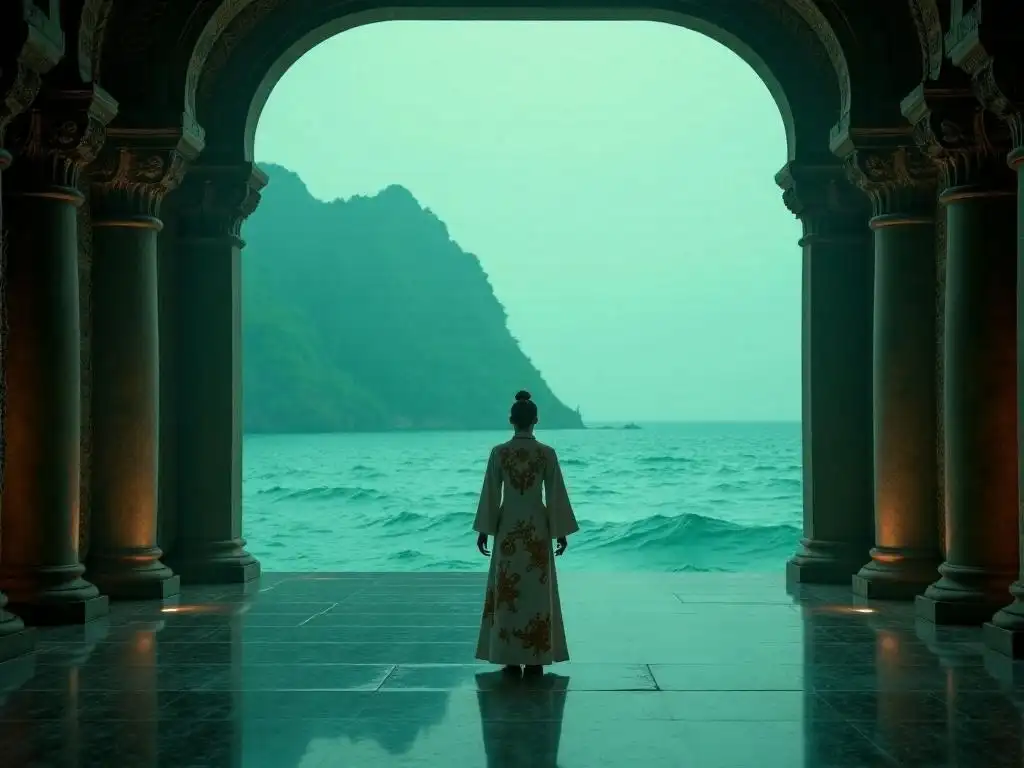
Noh Theatre, a classical Japanese performance art, is deeply intertwined with Zen philosophy, creating a unique aesthetic that resonates with the principles of mindfulness and simplicity. This connection is not merely superficial; it is embedded within the very fabric of Noh, influencing its themes, performance style, and audience reception. The Zen experience in Noh Theatre serves as a conduit for spiritual exploration and self-discovery, inviting both performers and audiences to engage in a profound journey of contemplation and enlightenment.
Meditative Aspects of Noh Performance
Noh Theatre is characterized by its slow, deliberate movements and minimalistic staging, which reflect the meditative principles of Zen. The performers often embody a sense of stillness and poise, emphasizing the importance of presence in each moment. This approach can be likened to Zen meditation, where practitioners focus on their breath and the here-and-now, stripping away distractions and cultivating awareness.
- Rhythm and Breath: The use of rhythm in Noh is akin to the breathing patterns in Zen practices. The performers synchronize their movements with the subtle sounds of the flute and drums, creating a harmonious atmosphere that encourages the audience to enter a meditative state. This rhythmic quality allows both actors and spectators to feel a sense of unity and tranquility.
- Symbolism and Simplicity: Noh performances often employ symbolic gestures and minimalist props, inviting viewers to interpret the underlying messages. This simplicity resonates with Zen teachings that emphasize the beauty of the ordinary and the importance of seeing beyond the surface. For instance, a single fan or a piece of fabric can represent profound ideas, urging the audience to engage in deeper contemplation.
The meditative aspects of Noh not only enhance the aesthetic experience but also serve as a catalyst for spiritual awakening, aligning closely with the core tenets of Zen philosophy.
Audience Participation and Zen Awareness
In Noh Theatre, the audience plays a crucial role in the performance, engaging in a dynamic interplay that reflects Zen's emphasis on awareness and presence. Unlike Western theatrical traditions, where the audience is often passive, Noh invites viewers to actively participate in the creation of meaning.
- Mindful Observation: The audience is encouraged to observe the subtle nuances of the performance closely. This mindful observation aligns with Zen practice, where attentiveness and awareness are essential. As spectators become more engaged, they transcend mere passive viewing, transforming their experience into an active exploration of the themes presented.
- Shared Experience: The communal aspect of Noh performances fosters a shared sense of consciousness among the audience members. This collective awareness mirrors the Zen principle of interconnectedness, highlighting the idea that individual experiences contribute to a greater whole. As the audience collectively experiences the performance, they share in the emotional and spiritual journey, deepening their understanding of the themes explored.
Through this participatory model, Noh Theatre not only entertains but also cultivates a sense of Zen awareness, enabling audiences to reflect on their own lives and experiences.
The Journey of Enlightenment Through Noh
Noh Theatre serves as a powerful medium for exploring the journey of enlightenment, a central theme in Zen philosophy. The narratives portrayed on stage often delve into existential questions, the nature of reality, and the quest for self-understanding.
- Transformative Narratives: The stories told in Noh often revolve around themes of loss, redemption, and the search for truth. As characters navigate their struggles, audiences are invited to reflect on their own journeys, prompting introspection and self-discovery. The emotional depth of these narratives resonates with Zen teachings, reminding viewers of the impermanence of life and the importance of embracing the present moment.
- The Role of the Performer: In Noh, the actor’s journey is symbolic of the larger quest for enlightenment. As performers embody their characters, they undergo a transformative process that reflects the Zen path. This journey is not only one of artistic expression but also of personal growth, as actors channel their emotions and experiences into their roles, striving for authenticity and clarity.
The journey of enlightenment through Noh Theatre encapsulates the essence of Zen philosophy, inviting both performers and audiences to embark on a path of self-exploration and spiritual awakening. By engaging with the profound themes presented in Noh, individuals can cultivate a deeper understanding of themselves and their place in the world.
Case Studies of Notable Noh Plays
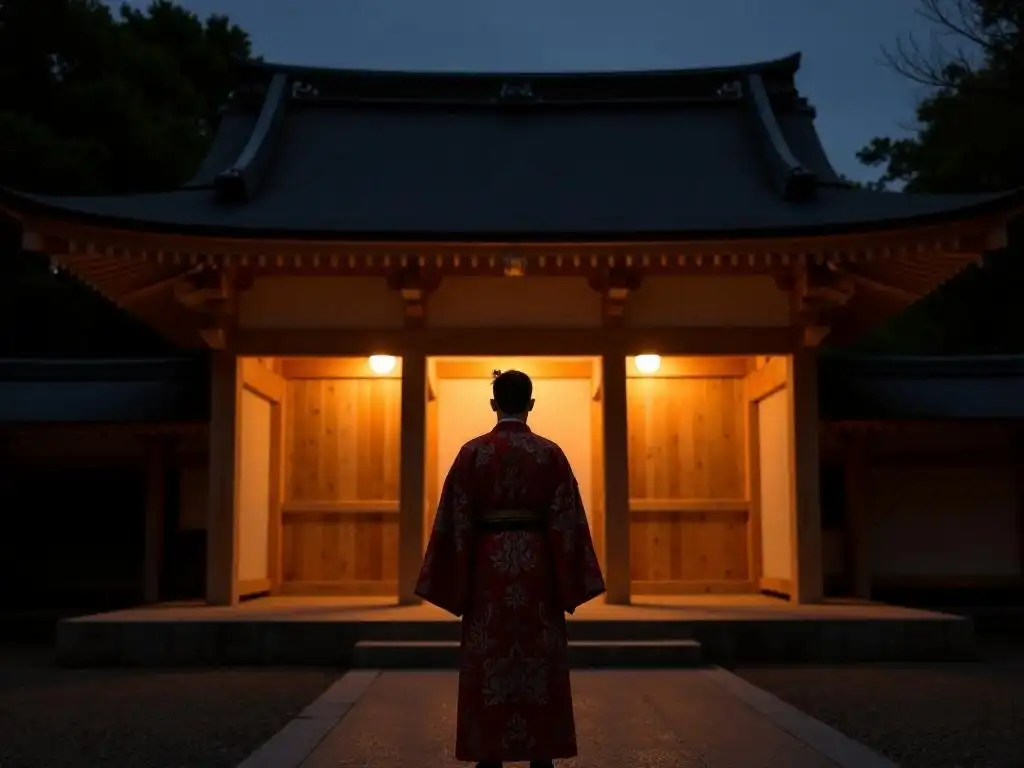
Noh Theatre, with its rich historical roots and deep philosophical underpinnings, often draws from Zen philosophy to convey complex themes through its minimalist style and subtle performances. This section examines notable Noh plays that encapsulate the essence of Zen thought, illustrating how spirituality and artistry intertwine in this traditional Japanese performance art.
"Atsumori": A Study in Zen and Compassion
"Atsumori" is one of the most revered Noh plays, centered around the themes of compassion and the ephemeral nature of life. The story revolves around the tragic encounter between a samurai, Kumagai Naozane, and the young warrior Atsumori during the Genpei War.
In this play, the protagonist grapples with the weight of his actions and the sorrow of taking a life. The Zen philosophy of mu (emptiness) is poignantly portrayed through Kumagai's journey from vengeance to understanding. The moment of realization—where he acknowledges the shared suffering of both himself and Atsumori—highlights the core Buddhist tenet of compassion.
- Key Themes:
- Transience of Life: The play underscores the impermanence of existence, resonating with the Zen perspective that life is fleeting.
- Compassion and Forgiveness: Kumagai’s transformation reflects the importance of empathy in overcoming personal grief and guilt.
This play not only serves as a narrative of personal redemption but also invites the audience to reflect on their own connections to suffering and forgiveness.
"Hagoromo": The Intersection of Myth and Zen
"Hagoromo" tells the enchanting tale of a celestial maiden who descends to Earth and encounters a fisherman. This Noh play intricately weaves together elements of myth and Zen philosophy, particularly the idea of satori (awakening).
The fisherman, upon discovering the heavenly robe of the maiden, must choose between selfish desire and the greater good. This choice encapsulates the Zen dilemma of attachment versus liberation. The celestial maiden's ultimate return to the heavens serves as a metaphor for the fleeting nature of beauty and the importance of letting go.
- Key Themes:
- Illusion vs. Reality: The play challenges perceptions of what is real and what is an illusion, a central concept in Zen teachings.
- Detachment: The fisherman’s journey towards detachment from earthly desires reflects Zen teachings on the importance of transcending material attachments.
Through its poetic narrative and sublime imagery, "Hagoromo" invites audiences to contemplate the profound connections between the earthly and the divine.
"The Tale of the Heike" and Its Philosophical Themes
"The Tale of the Heike" is a significant work in both Noh and Japanese literature, chronicling the rise and fall of the Taira clan during the Genpei War. This Noh adaptation explores deeper philosophical themes that resonate with Zen philosophy, particularly regarding the nature of suffering, impermanence, and the inevitability of fate.
The play emphasizes the transitory nature of glory and power, reflecting the Buddhist perspective on the futility of attachment to worldly success. The characters’ reflections on loss and the passage of time serve as a reminder of the impermanence that permeates life.
- Key Themes:
- Impermanence: The narrative illustrates how all things, including power and life, are transient, echoing the Zen understanding of mu.
- Acceptance of Suffering: The acceptance of suffering and loss is portrayed as a path toward enlightenment, aligning with Zen practices of mindfulness and presence.
Through its exploration of these themes, "The Tale of the Heike" not only provides insight into the historical context of Japan but also serves as a lens through which audiences can engage with the philosophical teachings of Zen.
These case studies demonstrate how Noh Theatre serves as a profound medium for expressing Zen philosophy, allowing audiences to engage with complex emotional and spiritual themes that resonate deeply within Japanese culture.
The Influence of Noh Theatre on Modern Japanese Arts
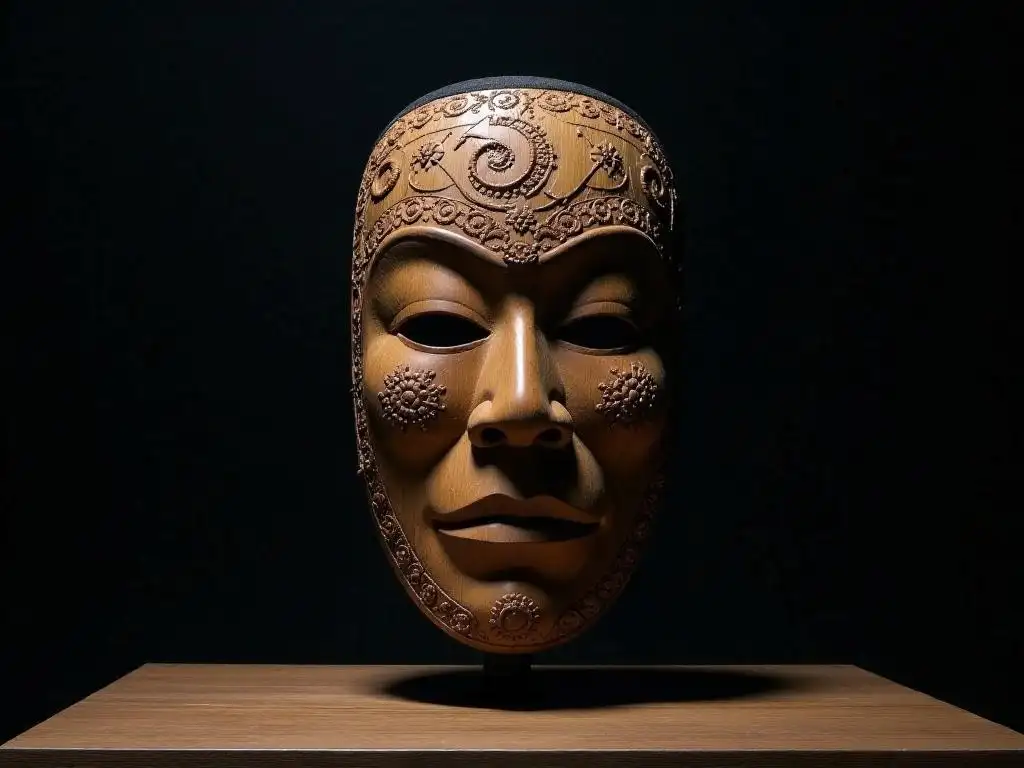
Noh Theatre, with its intricate blend of storytelling, music, and movement, has profoundly influenced the landscape of modern Japanese arts. This traditional form of drama, stemming from the 14th century, embodies the essence of Zen philosophy, emphasizing simplicity, spirituality, and a deep connection to nature. Its impact extends beyond the stage, shaping various artistic expressions, including dance, visual arts, and literature.
Noh Theatre's Impact on Contemporary Performance Art
The principles of Noh Theatre have permeated contemporary Japanese performance art, inspiring new generations of artists to explore the depths of human emotion and existence. Modern theatre productions often draw from Noh’s aesthetic and thematic elements, such as:
- Minimalism: The use of sparse sets and costumes encourages audiences to focus on the performers' emotions and physical expressions.
- Symbolism: Noh’s rich symbolism continues to resonate; contemporary works often incorporate similar motifs to evoke deeper meanings.
- Integration of Zen Philosophy: Many modern performances reflect the Zen concepts of impermanence and mindfulness, inviting audiences to engage with the work on a spiritual level.
For instance, contemporary choreographers and directors may utilize Noh’s slow, deliberate movements in their works to create a meditative experience for the audience.
Cross-Cultural Influences: Noh and Global Theatre
Noh Theatre’s influence is not confined to Japan; it has also inspired global theatre movements. Its unique fusion of music, dance, and drama has caught the attention of international artists, who see Noh as a bridge between Eastern and Western theatrical traditions. Some notable cross-cultural influences include:
- Theatre of the Oppressed: The principles of participation and social commentary found in this movement have parallels with Noh’s themes of life, death, and the human condition.
- Postmodern Performance: Artists in the postmodern era have incorporated Noh’s fragmented narrative style and non-linear storytelling, challenging traditional Western theatrical norms.
- Collaborations: Joint performances, such as those between Noh practitioners and Western theatre companies, showcase the adaptability of Noh’s aesthetic in diverse contexts.
The global interest in Noh has sparked a revival of interest in traditional Japanese arts while fostering a dialogue between cultures, enriching the theatrical landscape worldwide.
Preservation of Noh and Zen Philosophy Today
Today, preserving Noh Theatre and its philosophical underpinnings is crucial in maintaining Japan’s cultural heritage. Various initiatives and organizations are dedicated to this task, ensuring that the art form and its Zen philosophy continue to thrive. Key aspects of preservation include:
- Educational Programs: Workshops and courses teaching Noh techniques and philosophy are offered in schools and cultural institutions, attracting both domestic and international students.
- Performance Festivals: Events like the Noh Theatre Festival promote public appreciation and understanding of this ancient art, allowing new generations to witness its beauty firsthand.
- Research and Documentation: Scholars and practitioners are actively documenting the nuances of Noh performances, creating resources that preserve the art form's history and techniques.
The enduring influence of Noh Theatre, intertwined with Zen philosophy, continues to shape modern Japanese arts while fostering cross-cultural exchanges. By understanding and preserving this rich tradition, we can ensure that the profound insights of Noh and Zen philosophy remain accessible to future generations.
Conclusion: The Enduring Legacy of Noh Theatre and Zen Philosophy
Summary of Key Insights
Noh Theatre, an emblematic form of Japanese performance art, is deeply intertwined with Zen philosophy. This relationship manifests through various elements of Noh, such as its aesthetics, themes, and performance techniques, which reflect Zen principles like simplicity, impermanence, and mindfulness. The minimalist stage design and the deliberate pacing of Noh performances evoke a meditative atmosphere, encouraging both performers and audiences to engage in deep reflection. The incorporation of Zen concepts allows for a richer interpretation of the narratives presented in Noh, transforming them into profound explorations of the human experience.
The interplay of Noh and Zen can be observed in several key aspects:
- Aesthetic Principles: The use of space and silence in Noh adheres to Zen ideals of simplicity and emptiness.
- Themes of Transience: Many Noh plays explore the fleeting nature of life, mirroring the Zen acceptance of impermanence.
- Mindfulness in Performance: The concentration required in Noh performances embodies the Zen practice of being present in the moment.
The Importance of Zen Philosophy in Understanding Noh Theatre
Zen philosophy serves as a crucial lens through which to appreciate Noh Theatre's unique qualities. Rooted in the principles of Zen Buddhism, Noh’s aesthetic and thematic elements encourage a profound engagement with the nature of existence. The concept of mono no aware, or the appreciation of the beauty in impermanence, resonates throughout Noh plays, enhancing their emotional depth and significance.
Performers undergo rigorous training that emphasizes not only technical skill but also a Zen-like presence during performances. This cultivation of awareness and emotional control leads to a heightened state of expression, allowing subtle nuances to emerge in the portrayal of characters and stories. For instance, the slow, deliberate movements of the actors highlight the beauty of each moment, inviting the audience to experience a deeper connection with the narrative.
Moreover, the practice of Zen meditation has influenced the rehearsal process and performance rituals in Noh. Actors often engage in meditative practices to center themselves, fostering a state of calm and focus that is essential for conveying the complex emotions embedded within their roles. This synergy between Zen philosophy and Noh Theatre not only enhances the quality of the performance but also offers audiences a chance to reflect on their own experiences of existence.
Final Thoughts on the Interplay of Philosophy and Art in Feudal Japan
The relationship between Noh Theatre and Zen philosophy exemplifies the profound interplay of philosophy and art during Japan's feudal era. Noh is not merely an entertainment medium; it serves as a philosophical exploration that transcends time and cultural boundaries. The seamless integration of Zen principles into the fabric of Noh reflects a broader cultural ethos that values introspection, simplicity, and the appreciation of beauty in transient moments.
As we consider the enduring legacy of Noh Theatre, it is essential to recognize its role as a vehicle for philosophical inquiry. The performances invite audiences to contemplate the nature of reality, existence, and the human condition. In this way, Noh Theatre stands as a testament to the rich philosophical landscape of feudal Japan, where art became a means to explore and express the complexities of life and the universe.
The intricate relationship between Noh Theatre and Zen philosophy is a vital part of understanding the cultural heritage of Japan. The legacy of this interplay continues to influence contemporary interpretations of both Noh and Zen, ensuring that their philosophical underpinnings remain relevant and impactful in today's world.
Frequently Asked Questions
What is Noh Theatre?
Noh Theatre is a traditional Japanese performance art known for its slow, stylized movements and elaborate masks. It combines elements of drama, music, and dance, often conveying complex themes and emotions.
How does Zen philosophy influence Noh Theatre?
Zen philosophy significantly influences Noh Theatre by promoting simplicity, introspection, and mindfulness. This philosophical approach encourages both performers and audiences to engage in a deeper spiritual experience during the performance.
What are the key characteristics of Noh Theatre?
Key characteristics of Noh Theatre include minimalist staging, poetic dialogue, and the use of musical accompaniment. These elements work together to create an atmosphere that reflects Zen principles of harmony and tranquility.
How does Noh Theatre reflect Japanese culture?
Noh Theatre reflects Japanese culture through its historical themes, aesthetic values, and connection to Buddhist and Shinto beliefs. It serves as a cultural artifact that showcases the evolution of Japanese artistic expression over centuries.
Can anyone perform Noh Theatre?
While anyone can appreciate Noh Theatre, performing it requires years of dedicated training in techniques, movement, and vocal delivery. Mastery of this art form is often passed down through generations of skilled practitioners.
Final Reflection: The Enduring Harmony of Noh Theatre and Zen Philosophy
Noh Theatre and Zen philosophy are not merely historical artifacts; they are vibrant threads woven into the fabric of contemporary culture. As we navigate a world often characterized by chaos and distraction, the serene principles of Zen and the profound artistry of Noh remind us of the beauty found in simplicity and mindfulness. These traditions invite us to pause, reflect, and appreciate the subtleties of existence, urging us to find balance amidst the noise of modern life.
Culturally, the influence of Noh Theatre and Zen philosophy extends far beyond the stage, shaping our collective consciousness and artistic expressions. The meditative qualities inherent in Noh performances resonate with audiences, fostering a deeper understanding of the human experience. As the playwright Zeami Motokiyo once said, The essence of Noh is to express the heart of the performer.
This sentiment underscores the ongoing relevance of these art forms, encouraging us to explore the emotional and spiritual dimensions of our lives through creativity and contemplation.
As you reflect on the themes of Noh Theatre and Zen philosophy, consider how you can incorporate their teachings into your daily life. Embrace moments of stillness, seek beauty in simplicity, and allow the wisdom of these traditions to guide your journey. By doing so, you not only honor the legacy of these profound art forms but also cultivate a more mindful and enriched existence. Let the spirit of Noh and Zen inspire you to find harmony within yourself and the world around you.
Unveil the Harmony of Noh and Zen in Your Life!
Thank you for diving into the captivating world of Noh Theatre and its intricate connections with Zen philosophy. You’ve explored the unique artistry that intertwines performance and spirituality, offering you a chance to cultivate a deeper understanding of mindfulness in your daily life. So, what’s next? Let’s transform that inspiration into meaningful action!
- Attend a local Noh performance or a Zen meditation session to experience these practices firsthand; immerse yourself in the beauty of movement and stillness.
- Share your insights about Noh and Zen on social media or within your community—help spread appreciation for this profound art form!
- Consider reading books or watching documentaries that explore the relationship between Zen philosophy and Japanese performance art; you might uncover new realms of wisdom.
How can the principles of Noh and Zen enrich your daily routines or inspire your creative pursuits?