
The Philosophical Underpinnings of Ikebana: Art and Nature in Feudal Japan

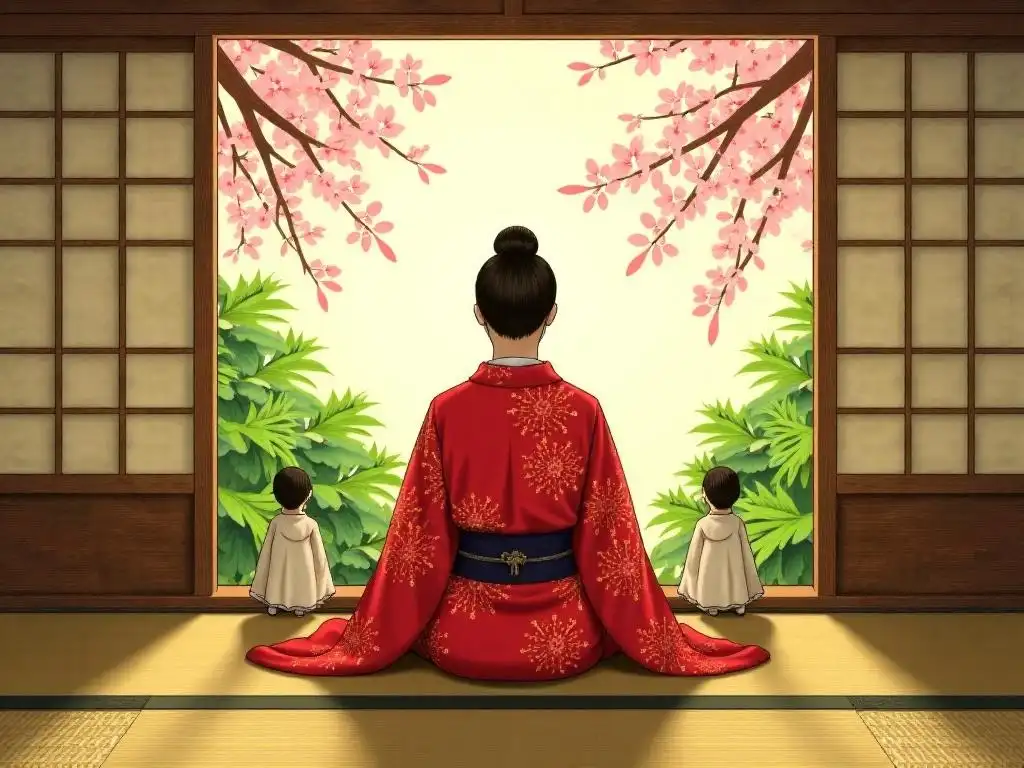
Welcome to Feudal Japan History, where we invite you to embark on a captivating journey through the rich tapestry of Japan's feudal era. Here, you will uncover the intricate philosophical underpinnings of Ikebana, an art form that harmoniously intertwines nature and spirituality. As you delve into this exploration of Ikebana philosophy in feudal Japan, prepare to be fascinated by how this practice reflects the cultural and societal values of the time.
What secrets lie behind the delicate arrangements of flowers? Join us as we unravel these mysteries and reveal the profound connections between art and nature that shaped a nation.
- Introduction to Ikebana Philosophy in Feudal Japan
- Historical Context of Ikebana in Feudal Japan
- Core Principles of Ikebana Philosophy
- The Relationship Between Ikebana and Nature
- The Impact of Ikebana on Japanese Society
- The Evolution of Ikebana Philosophy Post-Feudal Japan
- Conclusion: The Enduring Legacy of Ikebana Philosophy in Japan
- References and Further Reading on Ikebana Philosophy in Feudal Japan
- Frequently Asked Questions
- Final Reflection: The Enduring Essence of Ikebana Philosophy in Feudal Japan
- Unveil the Beauty of Ikebana in Your Life!
Introduction to Ikebana Philosophy in Feudal Japan
Ikebana, the traditional Japanese art of flower arranging, embodies a profound philosophical perspective that intertwines aesthetics, spirituality, and nature. Rooted deeply in the cultural fabric of feudal Japan, this art form transcends mere decoration; it serves as a reflection of the principles of harmony, balance, and the transient beauty of life.
The philosophy of Ikebana is not just about arranging flowers; it is a meditative practice that encourages an appreciation for nature and a deeper understanding of one's place within it. This article delves into the philosophical underpinnings of Ikebana, exploring its significance during the feudal era and the ways it encapsulates the essence of Japanese thought.
Overview of Ikebana as an Art Form
Ikebana, which translates to “living flowers,” is characterized by its minimalist approach, where every stem, leaf, and flower is arranged with intention and purpose. Unlike Western floral arrangements that often prioritize abundance and color, Ikebana emphasizes simplicity, line, and form. The arrangement typically consists of three main elements, representing heaven, earth, and humanity, which together symbolize the interconnectedness of all existence.
Some key aspects of Ikebana include:
- Lines and Shapes: The use of lines creates movement and guides the viewer's eye, while shapes add depth and interest.
- Asymmetry: Unlike symmetrical arrangements, the asymmetrical nature of Ikebana reflects the natural irregularities found in nature, promoting a sense of organic beauty.
- Seasonality: Ikebana arrangements are often seasonal, highlighting the fleeting nature of life and the importance of being present in the moment.
Importance of Nature in Ikebana
Nature plays an integral role in Ikebana, serving not only as the medium but also as the inspiration behind each arrangement. The philosophy of Ikebana teaches practitioners to observe and appreciate the subtleties of the natural world, fostering a deep connection with their surroundings. This relationship is pivotal in feudal Japan, where nature was revered and seen as a manifestation of the divine.
Key elements include:
- Transience: The use of flowers and foliage that are in their prime yet temporary encapsulates the Buddhist concept of impermanence, reminding practitioners of the beauty in fleeting moments.
- Materials: The choice of materials often reflects the changing seasons and local flora, encouraging an understanding of regional biodiversity and the cycles of life.
- Meditative Practice: Engaging with nature through Ikebana becomes a form of meditation, allowing individuals to reflect on their thoughts and emotions while harmonizing with the environment.
The Cultural Context of Feudal Japan
In feudal Japan, where societal structures were rigid and hierarchical, Ikebana emerged not only as an art form but as a means of expressing individual identity and creativity within the confines of tradition. The practice was often associated with the samurai class, who valued discipline, simplicity, and a connection to nature, aligning closely with Zen Buddhist principles.
Key cultural influences include:
- Zen Buddhism: The principles of Zen, emphasizing simplicity, mindfulness, and the beauty of imperfection, greatly influenced Ikebana, making it a spiritual practice as much as an artistic one.
- Cultural Rituals: Ikebana was often integrated into tea ceremonies and other cultural rituals, highlighting its role in social gatherings and the cultivation of aesthetic awareness.
- Artistic Expression: As a form of artistic expression, Ikebana allowed practitioners to convey their emotions and philosophies, creating a personal dialogue with nature while adhering to the broader cultural values of the time.
Through this exploration of Ikebana's philosophy, we gain insight into not only a unique art form but also the intricate relationship between art, nature, and spirituality that was prevalent in feudal Japan.
Historical Context of Ikebana in Feudal Japan
Origins of Ikebana Practices
Ikebana, the art of flower arrangement, has its roots in the religious and cultural practices of ancient Japan, particularly during the Heian period (794-1185). Initially, floral offerings were an integral part of Shinto rituals, where flowers were used to honor the kami (spirits). This connection between nature and spirituality laid the foundation for what would evolve into the art of Ikebana.
During the Muromachi period (1336-1573), a significant transformation occurred as the practice began to shift from simple offerings to a more aesthetic and philosophical endeavor. The term "Ikebana" itself can be translated to “living flowers,” emphasizing the dynamic relationship between life and nature. Early Ikebana arrangements were often minimalist, focusing on the balance and harmony of the elements used.
The evolution of Ikebana during this period reflects broader societal changes as the samurai class emerged, bringing with it a new appreciation for the arts. The practice became a means of expression for the elite, merging aesthetics with the principles of nature, art, and philosophy. Over time, various schools of Ikebana developed, each contributing unique styles and interpretations, but all deeply rooted in the philosophical underpinnings of balance, simplicity, and natural beauty.
Influence of Zen Buddhism on Ikebana
Zen Buddhism played a pivotal role in shaping the philosophy behind Ikebana. Introduced to Japan in the 12th century, Zen emphasized direct experience and meditation, seeking to cultivate a deep appreciation for nature. This perspective significantly influenced the aesthetic principles of Ikebana, as practitioners began to incorporate Zen ideals into their arrangements.
One of the fundamental concepts of Zen that permeated Ikebana is wabi-sabi, which celebrates the beauty of imperfection and transience. This philosophy encourages Ikebana artists to embrace asymmetry and simplicity, reflecting the natural world’s inherent imperfections. Arrangements are often characterized by an intentional imbalance that draws the viewer’s eye and fosters a sense of peace and contemplation.
Moreover, the practice of Ikebana aligns with Zen meditation techniques. The act of arranging flowers becomes a meditative process, allowing the artist to connect with nature and cultivate mindfulness. This deep connection transforms Ikebana into not merely a decorative art form but a spiritual practice, inviting participants to reflect on the fleeting nature of life and the beauty found within it.
Key Figures in the Development of Ikebana Philosophy
Several influential figures have contributed to the evolution of Ikebana philosophy throughout Japan's feudal era, each leaving a unique mark on the practice.
- Ikenobo Senkei: Often regarded as the founder of the Ikenobo school, Ikenobo Senkei was instrumental in formalizing Ikebana practices during the 15th century. He emphasized the importance of natural beauty and harmony in arrangements, establishing guidelines that would influence generations of Ikebana artists.
- Kado: The "Way of Flowers," or Kado, emerged as a formal discipline during the Edo period (1603-1868). Key figures such as Toshiyuki and Katsushika Hokusai advocated for the integration of Ikebana with broader artistic expressions, linking flower arrangement to painting and calligraphy. Their work highlighted the philosophical connections between these art forms, demonstrating how nature can inspire multiple creative outlets.
- Shinso: A prominent figure in the 19th century, Shinso further developed Ikebana philosophy by focusing on the emotional and spiritual aspects of flower arrangement. He believed that Ikebana should evoke feelings and communicate messages, thus elevating the practice to a form of personal expression.
Through the contributions of these key figures, Ikebana evolved from a simple floral offering into a sophisticated art form deeply intertwined with Japan’s philosophical and cultural fabric. The lasting impact of their teachings continues to resonate in contemporary Ikebana practices, where the philosophy remains a guiding force, encouraging artists to explore the profound connections between art, nature, and the human experience.
Core Principles of Ikebana Philosophy
Ikebana, the traditional Japanese art of flower arranging, is deeply rooted in philosophical principles that reflect the natural world and the aesthetic values of feudal Japan. At its core, Ikebana is not merely about arranging flowers; it embodies a rich tapestry of cultural, spiritual, and artistic beliefs that evolved during the feudal era. The philosophy of Ikebana emphasizes the importance of balance, harmony, and the transient beauty of nature, all of which are essential to understanding its significance within the broader context of Japanese aesthetics.
Balance and Harmony in Ikebana Arrangements
Balance and harmony are foundational elements in Ikebana philosophy, guiding the arrangement of flowers, branches, and leaves to create a visually and spiritually pleasing composition. This principle resonates with the Japanese perception of nature — a belief that everything in the universe is interconnected and should exist in a state of equilibrium.
Key Aspects of Balance and Harmony:
- Triadic Structure: Most Ikebana arrangements follow a triadic structure, often incorporating three main elements representing heaven, earth, and humanity. This creates a dynamic balance that reflects the universe's natural order.
- Negative Space: The use of empty space is just as important as the flowers themselves. This concept, known as "ma," allows the viewer's eye to rest and appreciate the beauty of the arrangement, promoting a sense of tranquility.
- Color Harmony: Ikebana also emphasizes the use of color to evoke emotions and convey messages. The careful selection of hues ensures that the arrangement resonates with the viewer, further enhancing the harmony of the piece.
By integrating these principles, Ikebana becomes a meditation on balance and harmony, inviting both the creator and the observer to reflect on their relationship with nature and the cosmos.
The Role of Asymmetry in Ikebana Design
Asymmetry is another pivotal aspect of Ikebana philosophy that distinguishes it from Western floral arrangements. Embracing asymmetry allows Ikebana artists to capture the essence of nature's irregular beauty, reflecting the unpredictability of the natural world.
Significance of Asymmetry:
- Dynamic Movement: Asymmetrical arrangements convey a sense of movement and life, as they mimic the organic growth of plants in nature. This dynamic quality engages the viewer, prompting a deeper appreciation of the arrangement.
- Emotional Impact: Asymmetry can evoke a range of emotions, from tranquility to tension. By playing with asymmetrical elements, Ikebana artists can communicate complex feelings and narratives, inviting viewers to connect with the art on a personal level.
- Natural Representation: In the wild, flowers and plants grow in varied and often asymmetrical patterns. Ikebana seeks to capture this essence, celebrating the beauty found in imperfection and irregularity.
Through the lens of asymmetry, Ikebana not only challenges traditional notions of beauty but also encourages a broader understanding of aesthetics that embraces diversity and complexity.
Seasonal Influence on Ikebana Philosophy
The philosophy of Ikebana is profoundly influenced by the changing seasons, reflecting the Japanese appreciation for nature's cycles and the transient beauty of life. Each season brings its unique flora, which serves as inspiration for Ikebana artists to create arrangements that resonate with the time of year.
Seasonal Themes in Ikebana:
- Spring: Characterized by renewal and growth, spring arrangements often feature cherry blossoms (sakura), symbolizing the fleeting nature of beauty. The temporary bloom of sakura reflects the ephemeral quality that is central to Ikebana philosophy.
- Summer: In summer, vibrant and lush arrangements may include sunflowers and lilies, embodying energy and vitality. These arrangements often evoke feelings of joy and abundance.
- Autumn: Autumn arrangements frequently incorporate chrysanthemums and maple leaves, highlighting themes of maturity and reflection. The rich colors of fall symbolize change and the acceptance of impermanence.
- Winter: Winter arrangements may utilize evergreens and dried elements, representing endurance and resilience. The simplicity of these arrangements encourages contemplation and introspection during the colder months.
By aligning their work with the seasons, Ikebana artists celebrate the natural world and its constant evolution, reinforcing the philosophical tenet that beauty is both transient and enduring. This seasonal influence enriches Ikebana's philosophical depth, making each arrangement a poignant commentary on the cycle of life.
The Relationship Between Ikebana and Nature
Symbolism of Natural Elements in Ikebana
In the practice of Ikebana, each natural element holds a distinct symbolic meaning that transcends mere aesthetic appeal. The primary components of Ikebana—flowers, branches, leaves, and even the vase—are not only chosen for their visual characteristics but also for their representation of broader concepts within the context of nature and life.
- Flowers: Often symbolizing beauty and transience, flowers in Ikebana reflect the fleeting nature of life, echoing the Buddhist concept of impermanence. For instance, cherry blossoms (sakura) are celebrated for their brief blooming period, reminding practitioners and observers of the beauty in ephemerality.
- Branches: Typically representing strength and resilience, branches serve as a bridge between the earth and sky. They symbolize the connection between humanity and nature, illustrating how we are rooted in the physical world yet aspire towards the spiritual.
- Leaves: Often seen as symbols of growth and renewal, leaves bring a sense of vitality to Ikebana arrangements. Their presence can signify the cycle of life, from birth to decay, reinforcing the idea that every stage of life carries its own beauty and significance.
- Vases: The choice of vase is equally important, as it encapsulates the arrangement and provides context. The shape, material, and color of the vase can symbolize various philosophical ideas, such as harmony with nature or the preservation of beauty.
By understanding these symbols, practitioners of Ikebana engage in a dialogue with nature, allowing them to express complex emotions and philosophical ideas through the art form.
The Concept of "Wabi-Sabi" in Ikebana Philosophy
"Wabi-sabi" is a fundamental aesthetic and philosophical concept that deeply influences Ikebana. Rooted in Zen Buddhism, it embodies the appreciation of imperfection, transience, and the natural cycle of growth and decay. In the context of Ikebana, wabi-sabi manifests in several ways:
- Embracing Imperfection: Ikebana arrangements often feature asymmetry, irregularity, and simplicity. These elements celebrate the uniqueness of each piece, reflecting the belief that beauty lies in imperfection. For instance, a wilted flower may be included intentionally to highlight the theme of fragility.
- Transience: The fleeting nature of flowers evokes the passage of time, aligning with the wabi-sabi philosophy that values the temporary over the permanent. This perspective invites practitioners to embrace change as a natural part of life, celebrating the beauty of each moment.
- Natural Materials: The use of organic, unrefined materials in Ikebana enhances the connection to nature. Whether it's a rough-hewn vase or a branch with visible knots, these choices underscore the wabi-sabi appreciation for the authenticity of natural forms.
- Mindfulness: The practice of Ikebana encourages mindfulness, a core principle of wabi-sabi. As practitioners arrange their materials, they engage in a meditative process that fosters a deeper connection to their surroundings and the present moment.
By incorporating wabi-sabi into Ikebana, practitioners not only create visually stunning arrangements but also cultivate a profound philosophical understanding of beauty that resonates with the principles of nature.
Nature as a Teacher: Lessons from the Environment
Nature serves as a profound teacher in the philosophy of Ikebana, offering insights that influence both the artistic process and the practitioner's worldview. The lessons learned from observing and interacting with the natural world can be categorized as follows:
- Interconnectedness: The intricate relationships within ecosystems illustrate the interconnectedness of all living things. Just as each element in an Ikebana arrangement plays a role in creating harmony, so too does each organism contribute to the balance of nature. This understanding fosters a sense of responsibility in practitioners to respect and nurture the environment.
- Adaptability: Nature is characterized by resilience and adaptability in the face of changing conditions. Ikebana encourages practitioners to embrace flexibility, allowing their arrangements to evolve as materials change over time. This adaptability reflects a philosophical approach to life, emphasizing the importance of responding to circumstances with grace and creativity.
- Observation and Patience: The act of observing nature requires patience and attentiveness. Practitioners of Ikebana learn to slow down, taking time to appreciate the subtleties of their materials. This practice of observation cultivates a deeper awareness of the world around them, promoting a sense of gratitude for the beauty that exists in everyday life.
- Cycles of Life: The cyclical patterns observed in nature—birth, growth, decay—mirror the human experience. Ikebana embodies this cycle through the selection of materials and the arrangement process, serving as a reminder of the impermanence of life and the beauty that can be found in each stage.
Incorporating these lessons into Ikebana practice not only enriches the art form but also deepens the practitioner's philosophical understanding of their place within the natural world. This relationship with nature ultimately enhances the emotional and spiritual resonance of Ikebana, reinforcing its significance as a philosophical discipline in feudal Japan.
The Impact of Ikebana on Japanese Society
Ikebana in the Context of Feudal Japanese Aesthetics
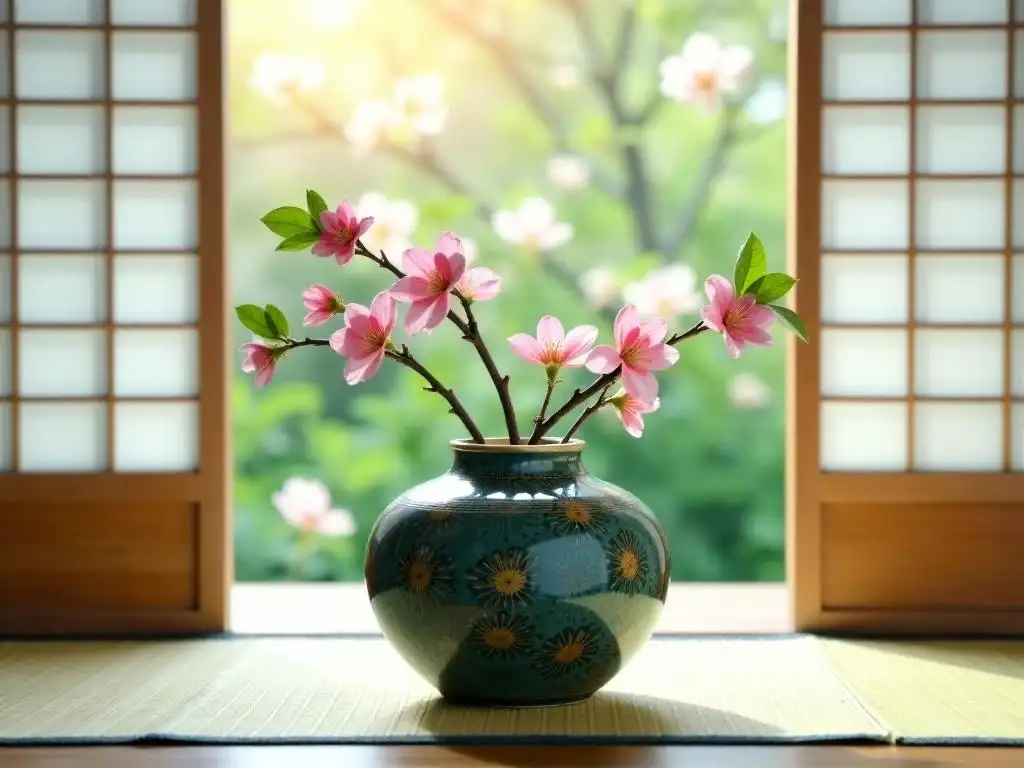
Ikebana, the traditional Japanese art of flower arrangement, has deep roots in the aesthetic principles that permeated feudal Japanese culture. During this period, the concept of beauty was intertwined with nature and spirituality, influencing artistic expressions across various disciplines. The philosophy of Ikebana is not merely about arranging flowers; it encompasses a broader worldview where the arrangement reflects harmony, balance, and simplicity, which were highly valued in feudal Japan.
The aesthetics of Ikebana align with the principles of wabi-sabi, a Japanese philosophy that finds beauty in imperfection and transience. This approach was particularly relevant during feudal times when the fleeting nature of life and the changing seasons were constant reminders of mortality and the importance of living in the present.
Ikebana arrangements often feature asymmetry and a careful selection of materials, showcasing the beauty of natural imperfections. For example, the use of branches that may not be perfectly straight or flowers that are at different stages of bloom emphasizes the appreciation of the natural world and its inherent beauty.
Furthermore, Ikebana was often practiced in conjunction with Zen Buddhism, which flourished during the feudal era. Zen teachings encouraged mindfulness and the meditative aspects of arranging flowers, allowing practitioners to connect deeply with nature. The act of creating an Ikebana arrangement became a form of meditation, fostering a sense of tranquility and contemplation. This synergy between Ikebana and Zen philosophy led to the development of specific schools of Ikebana that emphasized these principles, such as the Ikenobo school, which is regarded as one of the oldest in Japan.
In feudal Japan, Ikebana was more than just an artistic endeavor; it played a significant role in various social rituals and ceremonies. The arrangements were often used in religious offerings, seasonal festivals, and tea ceremonies, highlighting their importance in the cultural fabric of society.
- Religious Offerings: Ikebana arrangements were commonly presented at altars in Shinto shrines and Buddhist temples. These offerings were meant to honor the deities and spirits, showcasing the belief that nature and art could bring one closer to the divine. The choice of flowers and foliage was significant, with certain plants symbolizing specific meanings, such as purity or new beginnings.
- Seasonal Festivals: The changing seasons were celebrated through various festivals, often accompanied by Ikebana displays that reflected the beauty of nature at that time. For instance, during the Cherry Blossom Festival (Hanami), arrangements featuring sakura (cherry blossoms) would be created to celebrate the ephemeral beauty of these flowers.
- Tea Ceremonies: In the context of the Chanoyu (tea ceremony), Ikebana played a crucial role in setting the aesthetic atmosphere. A carefully arranged flower display complemented the simplicity of the tea ceremony, reinforcing the principles of harmony and tranquility. The flowers chosen for the occasion were often seasonal, further emphasizing the connection between the participants and nature.
These rituals underscore how Ikebana was integrated into daily life and cultural practices, making it a vital aspect of societal interactions in feudal Japan.
The practice of Ikebana also served as a reflection of social hierarchies within feudal Japan. The art form was often associated with the upper classes, particularly the samurai and aristocracy, who had the leisure time and resources to cultivate such refined skills. As a result, the way Ikebana was practiced and displayed could signify one’s social status and cultural sophistication.
- Class Distinctions: Different schools of Ikebana emerged, each with its unique styles and philosophies. While the Ikenobo school was favored by many elite families, other schools, such as Ohara and Sogetsu, catered to different social classes. The ability to create intricate arrangements was often seen as a marker of education and refinement, making it an essential skill for women of the samurai class.
- Patronage and Influence: Wealthy patrons would commission elaborate Ikebana displays for their homes and public events, elevating the status of skilled Ikebana practitioners. This patronage system not only supported the artists but also reinforced the social stratification present in feudal society.
- Gender Roles: Within the context of gender, Ikebana was often viewed as a feminine art, with women taking on the role of nurturers and caretakers of the home environment. The act of arranging flowers was seen as a reflection of their domestic skills and social grace, further entrenching gender norms of the time.
Ikebana was more than an artistic practice; it was a lens through which one could understand the social dynamics and cultural values of feudal Japan. Its intricate relationship with aesthetics, rituals, and hierarchies highlights the profound impact of Ikebana philosophy in shaping Japanese society during this era.
The Evolution of Ikebana Philosophy Post-Feudal Japan
The philosophy behind Ikebana, the Japanese art of flower arrangement, has undergone significant transformations since the feudal era. This evolution reflects broader societal changes, where traditional values were reinterpreted in the context of modernity. The transition from the rigid structures of feudal Japan to a more fluid and expressive contemporary society has shaped the practice and understanding of Ikebana philosophy.
Transition from Feudal to Modern Japan: Changes in Ikebana
Post-feudal Japan witnessed a dramatic shift in cultural paradigms, particularly during the Meiji Restoration (1868) when Japan opened up to Western influences. This period marked a departure from the strict hierarchical society of feudal Japan, fostering individualism and creativity.
- Influence of Western Art: As Western artistic movements entered Japan, Ikebana began to incorporate broader aesthetic concepts, moving away from the strictly utilitarian and ritualistic forms of arrangement prevalent during the feudal era. The introduction of new floral materials and design principles led to innovative styles that blended traditional techniques with modern sensibilities.
- Cultural Exchange: The interaction with foreign cultures enriched the Ikebana philosophy. Artists began to explore the emotional and expressive capabilities of flower arrangements, allowing for a more personal interpretation of nature. This shift reflected a growing appreciation for individual expression, which contrasted with the communal focus of feudal practices.
Contemporary Interpretations of Ikebana Philosophy
Modern Ikebana continues to evolve, embracing a diverse range of influences while remaining grounded in its philosophical roots. Contemporary practitioners often explore the following themes:
- Connection to Nature: A core tenet of Ikebana philosophy is the deep connection to nature. Modern arrangements often seek to evoke the natural environment, emphasizing organic forms and seasonal elements. This connection encourages mindfulness and an appreciation for the transient beauty of life.
- Personal Expression: Contemporary Ikebana allows for greater personal interpretation and emotional expression. Artists often draw upon their experiences, cultural backgrounds, and philosophies to create arrangements that resonate on a deeper level. This shift towards individual creativity has led to a more inclusive understanding of what Ikebana can be.
- Sustainability: In recent years, there has been a growing emphasis on sustainability within Ikebana. Practitioners are increasingly using locally sourced materials and focusing on eco-friendly practices, reflecting a broader societal concern for environmental stewardship.
Preservation of Traditional Ikebana Practices
Despite the transformations Ikebana has undergone, traditional practices continue to be preserved and celebrated in various forms.
- Schools and Lineages: Several schools of Ikebana, such as Ikenobo, Sogetsu, and Ohara, maintain traditional teaching methods and styles that date back to the feudal era. These schools provide a structured approach to learning Ikebana, ensuring that foundational philosophies and techniques are passed down through generations.
- Cultural Events and Exhibitions: Traditional Ikebana is showcased at cultural events and exhibitions, promoting awareness and appreciation of its historical significance. These gatherings often feature demonstrations and workshops, allowing participants to engage with the art form directly and learn about its cultural roots.
- Integration into Rituals: Ikebana remains an integral part of various Japanese rituals and ceremonies, such as tea ceremonies and seasonal festivals. This continuity underscores the enduring relevance of Ikebana philosophy, linking contemporary practices to their historical and cultural origins.
The evolution of Ikebana philosophy post-feudal Japan illustrates a dynamic interplay between tradition and innovation. While modern interpretations embrace individual expression and sustainability, the essence of Ikebana as a reflection of nature and a meditative practice remains steadfast, ensuring its place in the cultural landscape of Japan.
Conclusion: The Enduring Legacy of Ikebana Philosophy in Japan
The philosophy of Ikebana, deeply rooted in the traditions of feudal Japan, continues to exert a profound influence on Japanese culture and art. This ancient practice transcends mere floral arrangement; it embodies a holistic worldview that emphasizes harmony, balance, and the interconnectedness of all living things. As we reflect on its lasting legacy, it becomes evident that Ikebana is not just an art form, but a philosophy that shapes the appreciation of beauty and nature in Japan.
Lasting Influence on Japanese Culture and Art
Ikebana philosophy has significantly impacted various aspects of Japanese culture, extending beyond floral arrangements. The principles of simplicity and natural beauty have permeated many art forms, including painting, pottery, and architecture. For instance:
- Simplicity and Minimalism: The aesthetic values derived from Ikebana emphasize minimalism, which is evident in traditional Japanese architecture and interior design. Spaces are often designed to create a sense of emptiness that allows for reflection and appreciation of the natural surroundings.
- Seasonal Awareness: Ikebana encourages a deep connection with nature, prompting practitioners to consider the seasons when arranging flowers. This seasonal awareness is reflected in Japanese poetry, such as haiku, which often captures the essence of nature's beauty at specific times of the year.
- Cultural Rituals: The philosophy of Ikebana is integrated into various cultural rituals, such as tea ceremonies and festivals, where floral arrangements play a pivotal role in enhancing the aesthetic experience and promoting mindfulness.
In essence, the Ikebana philosophy has woven itself into the very fabric of Japanese identity, influencing not only artistic expression but also everyday life.
Future Directions for Ikebana in Contemporary Society
As we look to the future, Ikebana continues to evolve, adapting to contemporary society while retaining its philosophical roots. The growing interest in mindfulness and sustainability aligns perfectly with the principles of Ikebana, positioning it as a relevant practice in today's world. Here are some potential future directions:
- Mindfulness Practices: Many practitioners are integrating Ikebana into mindfulness and wellness practices, offering workshops and classes that emphasize the meditative aspects of arranging flowers. This not only enhances mental well-being but also fosters a deeper connection with nature.
- Sustainable Practices: With an increasing focus on environmental sustainability, contemporary Ikebana practitioners are exploring eco-friendly techniques, such as using locally sourced materials and minimizing waste. This aligns with the traditional Ikebana philosophy of respecting nature and its resources.
- Cross-Cultural Exchange: As global interest in Japanese culture grows, Ikebana is gaining recognition beyond Japan's borders. This cross-cultural exchange is leading to innovative interpretations of Ikebana, where artists blend traditional techniques with contemporary styles, enriching the practice and expanding its reach.
The Ikebana philosophy in feudal Japan has left an indelible mark on the cultural landscape of Japan, and its legacy continues to flourish in contemporary society. As we embrace the future, the principles of harmony, balance, and respect for nature will undoubtedly guide the evolution of this beautiful art form.
References and Further Reading on Ikebana Philosophy in Feudal Japan
Recommended Books on Ikebana
-
"Ikebana: The Art of Arranging Flowers" by Shozo Sato
This comprehensive guide delves into the rich history and artistic techniques of Ikebana, exploring its philosophical roots in the context of feudal Japan. Sato’s insights on natural forms and spiritual connections provide a profound understanding of the art's essence.
-
"Ikebana: A Practical Guide to Japanese Flower Arrangement" by Yoko Saito
Yoko Saito presents both practical steps and philosophical contemplation behind Ikebana. The book emphasizes the harmony between nature and human creativity, making it an excellent resource for those interested in the intersection of art and philosophy.
-
"The Way of Flower Arranging: Ikebana in the Japanese Tradition" by Kimiko Gunji
This work focuses on the traditional aspects of Ikebana, including its historical development during the feudal era. Gunji's expertise highlights the spiritual and aesthetic principles that guided practitioners during this time.
-
"Ikebana: The Art of Japanese Flower Arranging" by Charles T. McClung
McClung provides an informative exploration of the different styles of Ikebana, detailing how each reflects philosophical themes prevalent in feudal Japan. The book serves as a bridge between artistic expression and deeper cultural insights.
Academic Articles on the Philosophy of Ikebana
-
"The Aesthetics of Ikebana: Nature and Philosophy"
This article examines the aesthetic principles of Ikebana, focusing on how the arrangements embody philosophical concepts of balance and harmony that were significant in feudal Japan. It provides a critical analysis of how these principles were influenced by Zen Buddhism and Shinto beliefs.
-
"Ikebana and the Concept of Wabi-Sabi"
Wabi-sabi, the Japanese aesthetic centered around the beauty of imperfection, plays a crucial role in Ikebana. This scholarly piece discusses how practitioners integrated wabi-sabi into their floral arrangements, reflecting broader philosophical ideas of transience prevalent in the feudal period.
-
"The Intersection of Nature and Art in Ikebana Philosophy"
This research article provides an in-depth look at how Ikebana serves as a medium for expressing philosophical thoughts about nature. It analyses historical texts and practices, revealing how Ikebana has been a conduit for spiritual and aesthetic expression throughout Japan's feudal history.
-
"Cultural Reflections in Ikebana: A Philosophical Perspective"
This article explores the cultural significance of Ikebana in feudal Japan, emphasizing its role as both an art form and a philosophical practice. It discusses the ways in which societal values, such as respect for nature and simplicity, were reflected in the art of flower arranging.
By engaging with these recommended books and academic articles, readers can gain a deeper understanding of the Ikebana philosophy in feudal Japan, enriching their appreciation for this unique art form and its philosophical foundations.
Frequently Asked Questions
What is Ikebana in the context of feudal Japan?
Ikebana is the art of flower arranging that emphasizes harmony, balance, and simplicity, reflecting the philosophical ideals of nature during the feudal era in Japan.
How did philosophy influence Ikebana practices?
The philosophical underpinnings of Ikebana are deeply rooted in Buddhism and Shinto beliefs, where the arrangement symbolizes a connection between the spiritual and the natural world.
What are the main principles of Ikebana?
The main principles of Ikebana include asymmetry, simplicity, and the use of negative space, which collectively create a sense of tranquility and balance in the arrangement.
How did cultural aspects shape Ikebana during the feudal period?
During the feudal period, cultural practices, such as tea ceremonies and Noh theater, integrated Ikebana, promoting its aesthetic as a reflection of social status and artistic expression.
Is Ikebana still relevant today?
Yes, Ikebana continues to be a respected art form today, with its philosophies being applied in modern contexts, promoting mindfulness and a deeper appreciation for nature.
Final Reflection: The Enduring Essence of Ikebana Philosophy in Feudal Japan
The intricate relationship between art and nature, as exemplified by Ikebana, remains profoundly relevant today. In a world increasingly dominated by technology and rapid change, the philosophy behind Ikebana invites us to pause and appreciate the beauty of simplicity and the natural world. The principles of balance, harmony, and mindfulness that underpin this ancient art form resonate with our contemporary quest for meaning and connection in our lives.
The influence of Ikebana philosophy extends far beyond floral arrangements; it has permeated various aspects of cultural and social life. This art form encourages a deeper understanding of our environment and our place within it, fostering a sense of respect for nature that is crucial in today's climate-conscious society.
As we navigate the complexities of modern life, we can draw inspiration from the words of the Ikebana master, “To arrange flowers is to arrange the world.” > This sentiment encapsulates the ongoing relevance of Ikebana, reminding us that our interactions with nature can shape our perspectives and enrich our lives.
As you reflect on the lessons of Ikebana, consider how you can incorporate its philosophy into your daily existence. Take a moment to engage with the natural world around you, whether through a simple act of arranging flowers or by cultivating a garden. Embrace the principles of balance and harmony in your own life, and allow the beauty of nature to inspire your creativity and mindfulness. In doing so, you not only honor the legacy of Ikebana but also cultivate a deeper appreciation for the world we inhabit.
Unveil the Beauty of Ikebana in Your Life!
Thank you for diving into the fascinating world of Ikebana! Your interest in this beautiful art form not only enriches your understanding of Japanese culture but also offers you insights into the delicate balance between art and nature. Now, it’s time to take what you've learned and apply it to your own life. Here’s how you can embrace the philosophy of Ikebana:
- Create your own Ikebana arrangement using local flowers or plants, focusing on the harmony and simplicity that this art embodies.
- Delve deeper into the history and techniques of Ikebana through workshops, books, or online courses to strengthen your connection with this art form.
- Share your arrangements and experiences on social media or within local art communities to inspire others and spark conversations about the meaning behind each creation.
How will you incorporate the philosophy of Ikebana into your daily life, and what will your first arrangement reveal about your personality?