
The Unseen Wars: Daily Life Amidst Religious Conflicts in Feudal Japan


Welcome to Feudal Japan History, where we invite you to journey back in time to a world steeped in tradition and turbulence. In our featured article, "The Unseen Wars: Daily Life Amidst Religious Conflicts in Feudal Japan," we delve into the intricate tapestry of daily existence during a period marked by spiritual strife and societal evolution. What did a typical day look like for the inhabitants of this fascinating era?
How did the interplay of religion and daily life shape the societal landscape? Prepare to uncover the hidden narratives that shaped feudal Japan, and let your curiosity lead you deeper into the captivating stories that await.
Introduction to Daily Life in Feudal Japan
The feudal era in Japan, spanning from the late 12th century to the early 17th century, was characterized by a complex tapestry of social hierarchies, powerful clans, and a rich cultural milieu. Amidst this backdrop of political turmoil and shifting allegiances, daily life was heavily influenced by the prevailing religious beliefs and conflicts that shaped the society. The term “daily life in feudal Japan” often evokes images of samurai warriors and noble families, but it is crucial to understand how the intricate dynamics of religion intertwined with everyday existence, impacting everything from agricultural practices to communal celebrations.
In this article, we will delve into the unseen wars that raged not only on battlefields but within the hearts and minds of the people. We shall explore how religious conflicts influenced social structures and the spiritual lives of the populace, adding depth to our understanding of this fascinating period in Japanese history. By examining the major religions practiced during this era and their intersections with governance, we will uncover the profound ways in which faith and conflict shaped the daily lives of individuals in feudal Japan.
Overview of the Feudal Era
The feudal era, or "shōgunate" period, marked a time when the samurai class rose to prominence, wielding significant political and military power. This period saw the establishment of various shōgunates, such as the Kamakura and Muromachi, each characterized by a unique set of cultural and social dynamics.
- Key Features of the Feudal Era:
- Warrior Class Dominance: The samurai became the elite class, serving as both warriors and landowners.
- Land Ownership and Agriculture: Farming was the backbone of the economy, with peasants working the land owned by the samurai.
- Decentralized Governance: Local lords (daimyō) held power, leading to frequent conflict and shifting alliances.
Understanding these foundational aspects is vital to grasping how religion played a role in shaping societal norms and daily life during this tumultuous period.
Importance of Religion in Daily Life
Religion in feudal Japan was not merely a spiritual practice; it was deeply embedded in the fabric of daily life. The blend of Shinto beliefs, Buddhism, and later, the influence of Christianity, created a diverse religious landscape that informed customs, rituals, and societal interactions.
- Religious Practices:
- Shinto: The indigenous faith centered on kami (spirits) and rituals to appease them, influencing agricultural festivals.
- Buddhism: Introduced from China and Korea, it provided spiritual guidance and established temples as community centers.
- Christianity: Arrived in the 16th century, creating friction, particularly during the Sengoku period.
These religions not only shaped individual beliefs but also dictated community gatherings, seasonal festivals, and even the moral codes that governed behavior. The intertwining of religion with everyday activities created a rhythm to life that was both predictable and deeply spiritual.
The Role of Religion in Feudal Society
Major Religions during the Feudal Era
The major religions of feudal Japan played pivotal roles in societal organization and personal identity. Shinto and Buddhism were the most prominent, each contributing to the rich cultural heritage of the time.
- Shinto:
- Focused on nature worship and ancestral reverence.
- Integral to festivals and rituals that marked agricultural cycles.
- Buddhism:
- Offered philosophical teachings and a path to enlightenment.
- Established a network of temples that served as centers for learning and community.
- Christianity:
- Initially welcomed by some daimyō but soon faced persecution.
- Introduced Western ideas and practices, leading to significant cultural exchanges.
The interactions between these religions not only influenced personal beliefs but also affected political alliances and conflicts, as different factions used religion to legitimize their power.
Intersections Between Religion and Governance
The relationship between religion and governance in feudal Japan was complex and often contentious. Leaders utilized religious authority to validate their rule and maintain social order, while religious institutions often held substantial power in their own right.
- Religious Authority:
- Temples and shrines played crucial roles in local governance.
- Religious leaders sometimes acted as mediators in conflicts among clans.
- Political Utilization of Religion:
- Feudal lords would support certain religious sects to gain favor and legitimacy.
- Religious conflicts could lead to civil strife, as seen in the clashes between Buddhist sects and samurai factions.
This intricate interplay between religion and governance not only affected the political landscape but also shaped the daily lives of the people, illustrating how deeply intertwined these aspects were during the feudal era. Understanding this connection is essential to grasp the full scope of daily life amidst the religious conflicts of feudal Japan.
Daily Life of Common People Amidst Conflicts
In feudal Japan, the daily life of common people was deeply intertwined with the prevailing religious conflicts. These conflicts, often rooted in power struggles between different sects and feudal lords, influenced various aspects of society, from family structures to economic activities. The common people, primarily farmers, artisans, and merchants, were often caught in the crossfire of these struggles, leading to a life marked by both resilience and hardship.
Family Structure and Daily Responsibilities
The family structure in feudal Japan was typically patriarchal, with men serving as the primary breadwinners and decision-makers. Women, while often relegated to domestic roles, played a vital part in managing household responsibilities and supporting agricultural endeavors. Daily responsibilities varied based on regional and local factors, but they generally included:
- Agricultural Work: Most families were engaged in farming, growing rice, vegetables, and other crops. Daily tasks included planting, harvesting, and maintaining fields.
- Domestic Duties: Women were responsible for cooking, weaving, and childcare, ensuring the household functioned smoothly.
- Community Engagement: Families participated in local festivals and rituals, reinforcing social bonds and community networks, which were crucial for survival during tumultuous times.
The need for cooperation within families and among neighbors was particularly important during periods of conflict, as shared resources and collective efforts helped mitigate the challenges posed by instability.
Economic Activities and Sources of Livelihood
Economic activities in feudal Japan were diverse, shaped by geographical and social conditions. The primary sources of livelihood included:
- Agriculture: The backbone of the economy, rice farming was predominant, with farmers often paying taxes to local lords in the form of rice.
- Craftsmanship and Trade: Artisans produced goods such as pottery, textiles, and tools, contributing to local economies. Markets served as vital hubs for trade, where goods were exchanged and sold.
- Fishing and Foraging: In coastal and riverine areas, fishing provided an important source of food and income, while foraging for wild plants supplemented diets.
Religious conflicts often disrupted these economic activities, as battles could lead to destruction of farmland, loss of life, and a breakdown in trade routes, causing widespread economic instability and hardship.
Cultural Practices and Rituals
Cultural practices and rituals in feudal Japan were essential for community cohesion and identity. Despite the backdrop of religious conflict, these practices endured and evolved, including:
- Festivals and Celebrations: Local festivals, often tied to agricultural cycles, provided opportunities for communities to come together and celebrate, fostering resilience amidst adversity.
- Religious Ceremonies: Shrines and temples played central roles in community life, where people sought blessings for good harvests and protection from conflict. These sites were often focal points for communal gatherings.
- Art and Literature: Storytelling, poetry, and visual arts flourished, reflecting the struggles and aspirations of the common people. Works often addressed themes of conflict, faith, and perseverance, serving as a form of cultural expression and coping.
These cultural practices not only provided solace but also reinforced community identity, helping people navigate the turbulence of their times.
The Impact of Religious Conflicts on Daily Life
The religious conflicts of feudal Japan had profound effects on the daily lives of common people. These conflicts often dictated the social, economic, and political landscapes, leading to significant changes in how communities functioned.
Overview of Major Religious Conflicts
Several key religious conflicts shaped the era, including:
- The Rise of Buddhism vs. Shintoism: The introduction of Buddhism in the 6th century led to tensions with indigenous Shinto beliefs, culminating in struggles for influence and control over spiritual authority.
- The Ikko-Ikki Rebellions: These popular uprisings, led by followers of the Jodo Shinshu sect in the 15th and 16th centuries, aimed to challenge the samurai class and assert the power of common people, often resulting in violent confrontations.
- The Persecution of Christians: As Christianity gained followers in the 16th century, shogunate authorities increasingly viewed it as a threat, leading to widespread persecution and conflict.
These conflicts not only disrupted daily life but also reshaped social hierarchies, forcing common people to navigate complex allegiances and loyalties.
Effects on Local Communities
The effects of religious conflicts on local communities were multifaceted:
- Displacement and Disruption: Conflicts often resulted in the displacement of families and destruction of homes, forcing people to flee or adapt to new living conditions.
- Economic Hardships: With agriculture and trade disrupted, many communities faced food shortages and economic decline, leading to increased poverty and desperation.
- Shifts in Social Dynamics: The power struggles often led to shifts in social hierarchies, with some families rising to prominence while others fell into despair. This created a volatile atmosphere where alliances were constantly shifting.
Despite these challenges, communities often displayed remarkable resilience, adapting to their circumstances and finding ways to maintain their cultural identities amidst the chaos of religious conflicts.
Coping Mechanisms in Times of Conflict
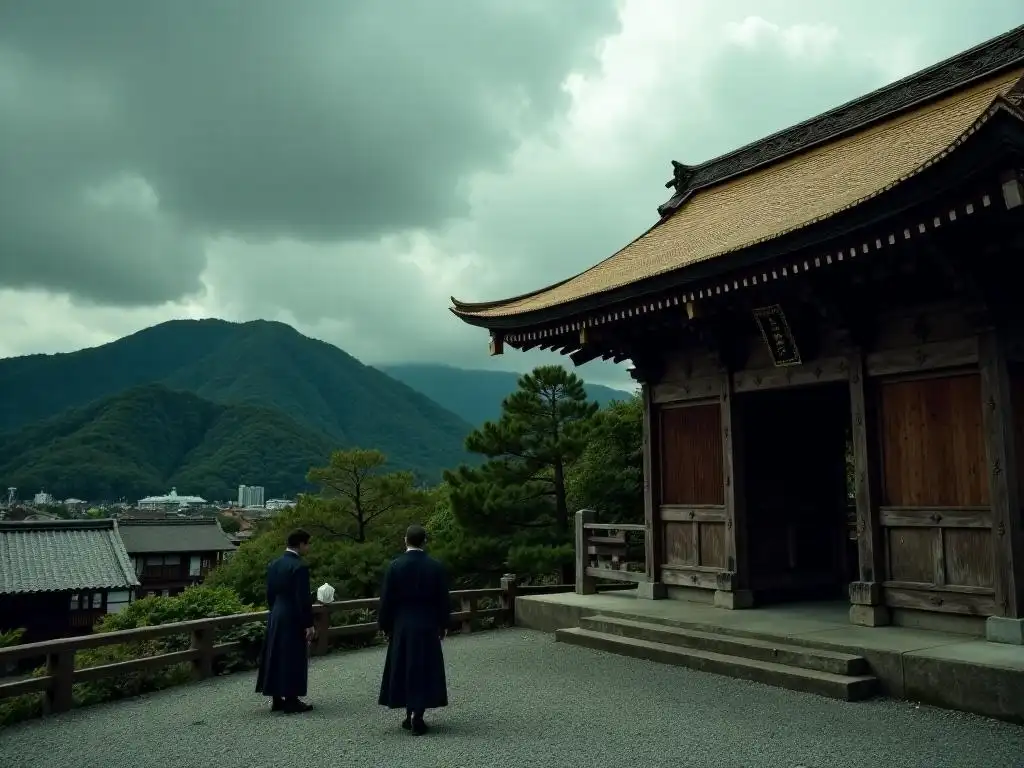
During the tumultuous periods of feudal Japan, marked by religious conflicts, the daily lives of the populace were deeply affected. Communities developed various coping mechanisms to endure the stress and uncertainty brought on by these conflicts. These mechanisms were multifaceted, focusing on emotional resilience, social cohesion, and practical adaptations.
One significant coping strategy was the strengthening of community networks. Villages and towns banded together to provide mutual support, whether through shared resources or collective defense against threats. These networks fostered a sense of belonging and security, which was crucial during times of strife. Additionally, religious practices served as a source of comfort. Rituals, prayers, and communal gatherings allowed individuals to connect with their spirituality, offering hope and a semblance of normalcy amidst chaos.
Furthermore, many individuals turned to artistic expression as a means of coping. The creation of literature, poetry, and visual arts provided an outlet for emotions and a way to process the harsh realities of their environment. This artistic engagement not only provided personal solace but also helped to document the struggles and resilience of the era.
Community Solidarity and Support Systems
In the face of conflict, community solidarity became a cornerstone of survival for many in feudal Japan. This solidarity manifested in various forms, from informal networks of neighbors helping one another to organized groups that provided defense against external threats.
- Mutual Aid Societies: These were informal groups formed within villages where members would assist each other in times of need, whether through sharing food, labor, or protection. Such societies fostered trust and interdependence, which were vital for maintaining social order during chaotic times.
- Religious Gatherings: Temples and shrines often served as safe havens and focal points for community cohesion. During conflicts, these places became gathering spots for prayer, discussion, and strategizing on how to support one another. The shared experience of worship helped to reinforce communal bonds and provided a collective identity amid adversity.
- Crisis Response: In times of acute conflict, communities would often organize quickly to respond to threats, pooling resources and organizing patrols. This collective action not only addressed immediate dangers but also strengthened relationships among members, fostering a culture of collaboration and resilience.
Adaptations in Daily Practices
Daily life in feudal Japan was characterized by significant adaptations necessitated by the ongoing religious conflicts. These adaptations ranged from changes in agricultural practices to shifts in social roles and economic activities.
- Agricultural Adjustments: With the threat of conflict, many communities modified their agricultural practices to ensure food security. This included diversifying crops to reduce the risk of total loss and adopting more mobile farming techniques that allowed them to relocate if necessary.
- Economic Shifts: Trade routes were often disrupted due to conflicts, leading communities to become more self-sufficient. Bartering became a more common practice, with local goods exchanged for essentials, thereby fostering local economies that were less reliant on external markets.
- Changes in Social Roles: As men were often conscripted into military service, women frequently took on more responsibilities in both the household and community. This shift not only affected gender dynamics but also led to a broader recognition of women's contributions to daily life during periods of instability.
Case Studies of Religious Conflicts in Feudal Japan
Understanding daily life in feudal Japan amidst religious conflicts is greatly enhanced through specific historical case studies. These examples illustrate how communities navigated the complexities of warfare, belief, and survival.
Case Study 1: The Genpei War
The Genpei War (1180-1185), a pivotal conflict between the Taira and Minamoto clans, showcases the intersection of daily life and religious strife. As the war escalated, communities faced not only the immediate dangers of violence but also the broader implications of shifting power dynamics.
- Disruption of Daily Life: The war led to significant displacement, with many families forced to flee their homes. This upheaval disrupted agricultural cycles, leading to food shortages and economic instability.
- Religious Implications: The Taira clan was associated with the established Buddhist institutions, while the Minamoto were seen as defenders of the Shinto faith. This division fueled sectarian tensions that affected everyday interactions, as allegiances influenced not only military support but also social relationships.
- Coping Mechanisms: In response, communities turned to local deities for protection while engaging in rituals to ensure safety and prosperity. The shared experience of conflict also strengthened communal bonds, as villages rallied to support one another.
Case Study 2: The Ikko-Ikki Rebellion
The Ikko-Ikki Rebellion (1534-1580) exemplifies how religious fervor can lead to widespread social upheaval. The Ikko sect of Jodo Shinshu Buddhism sought to challenge the authority of local feudal lords, leading to significant conflicts that reshaped communities.
- Mobilization of the People: The rebellion saw farmers and townsfolk rise against samurai rule, driven by a desire for religious freedom and social justice. This mobilization transformed the social landscape, as ordinary people took up arms to defend their beliefs.
- Impact on Daily Life: The conflict disrupted traditional hierarchies, leading to changes in social roles. With many samurai engaged in battle, local leaders emerged from within the ranks of the common people, altering the power dynamics in villages.
- Aftermath and Adaptation: Following the rebellion, communities had to navigate the aftermath of conflict, which included negotiating new relationships with the ruling classes and rebuilding daily life. The resilience displayed during this period highlighted the adaptability of the populace in the face of ongoing strife.
These case studies illustrate the profound impact of religious conflicts on daily life in feudal Japan, revealing a landscape shaped by both struggle and community resilience.
Conclusion: The Legacy of Religious Conflicts on Daily Life
The religious conflicts of Feudal Japan have left an indelible mark on the daily lives of its inhabitants. The interplay of various religious beliefs, including Shinto, Buddhism, and Confucianism, often created a complex tapestry of cultural practices that shaped social norms, moral values, and community structures. Daily life was not merely a backdrop but a dynamic stage where these religious influences manifested, affecting everything from agricultural practices to family rituals.
As conflicts arose, communities often found themselves in a state of flux, adapting to new ideologies and rebuilding after periods of strife. The legacies of these conflicts can be seen in modern Japan, where the remnants of feudal religious practices continue to influence contemporary culture. The resilience of the people during such tumultuous times speaks volumes about their capacity to integrate and adapt, ensuring that the essence of their traditions endured even amidst chaos.
Reflection on the Resilience of Feudal Japanese Society
Feudal Japan's society was characterized by its remarkable resilience. Despite the recurring wars and religious strife, communities managed to uphold their cultural identities and social structures. This resilience was largely attributed to the localized nature of feudal governance, where local lords (daimyōs) played a crucial role in mediating not only political but also religious disputes.
In times of conflict, local leaders often turned to the prevailing religious institutions to maintain order and stability. Temples and shrines served as places of refuge and negotiation, where individuals could seek solace and guidance. The ability to adapt religious practices to fit the needs of the community allowed for a sense of continuity amidst change, reinforcing social bonds and collective identity.
Contemporary Relevance of Historical Conflicts
Understanding the religious conflicts of Feudal Japan is essential not only for grasping the historical narrative but also for appreciating their contemporary relevance. The themes of conflict and resolution resonate in today’s society, where diverse beliefs coexist and sometimes clash. The lessons learned from the past can inform modern approaches to dialogue and understanding among different cultural and religious groups.
In contemporary Japan, the coexistence of Shinto, Buddhism, and other belief systems reflects a legacy of compromise that emerged from centuries of conflict. This historical context underscores the importance of tolerance and the potential for harmony in diverse societies. By examining how feudal society navigated its conflicts, we can glean insights that remain applicable in addressing current global challenges related to cultural and religious differences.
Further Reading on Daily Life and Religion in Feudal Japan
To delve deeper into the intricate relationship between daily life and religious practices during Feudal Japan, a variety of resources offer comprehensive insights. These works explore various dimensions of life during this period, highlighting the influence of religion on social structures, cultural practices, and individual lives.
Suggested Books and Articles
-
"The World of the Shining Prince: Court Life in Ancient Japan" by Ivan Morris
This book provides a vivid portrayal of court life and its religious dimensions during the Heian period, setting the stage for understanding later developments in feudal Japan.
-
"Samurai, Warfare and the State in Early Medieval Japan" by Karl Friday
This work examines the intersection of military conflicts and religious practices, shedding light on how these elements shaped daily life in feudal society.
-
"Religion and Society in Japan: A Study of the Role of Religion in the Japanese Community" by James W. White
This comprehensive analysis discusses the ongoing influence of historical religious conflicts on modern Japanese society.
Resources for Deeper Understanding of Feudal Japan
-
The National Museum of Japanese History
This institution offers various exhibitions and resources that focus on the historical context of feudal Japan, including religious practices.
-
Online Databases and Archives
Websites like the Japan National Archives provide access to historical documents and records that offer insights into the daily lives of people during feudal times.
-
Documentaries and Lectures
Numerous educational platforms host documentaries and lectures that explore the complexities of daily life and religion in feudal Japan, providing a visual and narrative context to the historical events discussed.
By engaging with these resources, readers can gain a richer understanding of the nuanced interplay between daily life and religious conflicts in Feudal Japan, allowing for a more comprehensive appreciation of this fascinating period in history.
- Introduction to Daily Life in Feudal Japan
- The Role of Religion in Feudal Society
- Daily Life of Common People Amidst Conflicts
- The Impact of Religious Conflicts on Daily Life
- Coping Mechanisms in Times of Conflict
- Case Studies of Religious Conflicts in Feudal Japan
- Conclusion: The Legacy of Religious Conflicts on Daily Life
- Further Reading on Daily Life and Religion in Feudal Japan
Frequently Asked Questions
What was daily life like in feudal Japan?
Daily life in feudal Japan was characterized by a strict social hierarchy, where samurai, farmers, artisans, and merchants each had distinct roles and responsibilities. The lifestyle varied significantly based on one's social class and region.
How did religious conflicts impact daily life?
Religious conflicts often led to disruptions in communities, affecting agriculture, trade, and social relations. The samurai class played a crucial role in these conflicts, influencing the daily routines of both common people and warriors alike.
What role did samurai play in daily life?
The samurai were not only warriors but also local leaders and enforcers of law. Their presence shaped the political landscape and affected the daily lives of the common populace, including agricultural practices and local governance.
How did cultural aspects influence daily life during this era?
Cultural aspects such as religion, art, and festivals significantly influenced daily life. These elements fostered a sense of community and identity, while also providing entertainment and spiritual fulfillment amidst the struggles of the era.
What were the main occupations of people in feudal Japan?
Most people were engaged in agriculture, particularly rice farming. Others worked as artisans or merchants, contributing to the economy and the cultural richness of feudal Japan, despite the social restrictions imposed by the class system.
Final Reflection: The Resilience of Daily Life Amidst Conflict
In the tapestry of history, the threads of daily life in feudal Japan are woven with both beauty and struggle. The article highlights how, even amidst the chaos of religious conflicts, the everyday lives of individuals continued to flourish, showcasing the resilience of the human spirit. This theme resonates strongly today as we navigate our own societal challenges, reminding us that life persists and adapts, regardless of external turmoil.
Cultural and social landscapes are often shaped by the undercurrents of conflict, yet they also reveal the strength of community and tradition. The daily rituals, familial bonds, and communal gatherings that characterized life in feudal Japan serve as a testament to the enduring nature of humanity. As we reflect on this, we can recall the words of the philosopher Kitaro Nishida: The true self is the self that is realized in the midst of the world.
This notion emphasizes that even in the most trying times, our identities and connections are forged through shared experiences and the resilience to carry on.
As we conclude this exploration, I invite you to reflect on your own daily life and the unseen battles you may face. Consider how you can cultivate resilience and community in your own world, drawing inspiration from the past. Let the stories of those who lived through the unseen wars of feudal Japan inspire you to find strength in your daily routines and to cherish the connections that sustain you. Embrace the lessons of history, and let them guide you toward a future where daily life, even amidst conflict, remains a testament to our shared humanity.
Engage in the Journey of Understanding Feudal Japan!
Thank you for diving into the intricate tapestry of daily life amid religious conflicts in feudal Japan. You've uncovered insights that reveal the resilience and complexity of human experiences during tumultuous times. Now, let’s transform that knowledge into action!
Here’s how you can continue your exploration and contribute to a deeper understanding of this fascinating era:
- Join our online community: Engage in discussions about feudal Japan and share your thoughts on how religion shaped everyday life. Connect with fellow history enthusiasts on our forum!
- Explore more: Check out our articles and resources on the culture, politics, and wars of feudal Japan—there’s so much more to uncover!
- Share your knowledge: Reach out to friends and family about what you learned! Discuss how historical conflicts continue to resonate in modern society.
What aspect of daily life in feudal Japan amidst conflict surprised you the most, and how does it relate to today's world? We’d love to hear your thoughts!