
Shinto Pilgrimages: Journeying to Sacred Sites Across Japan

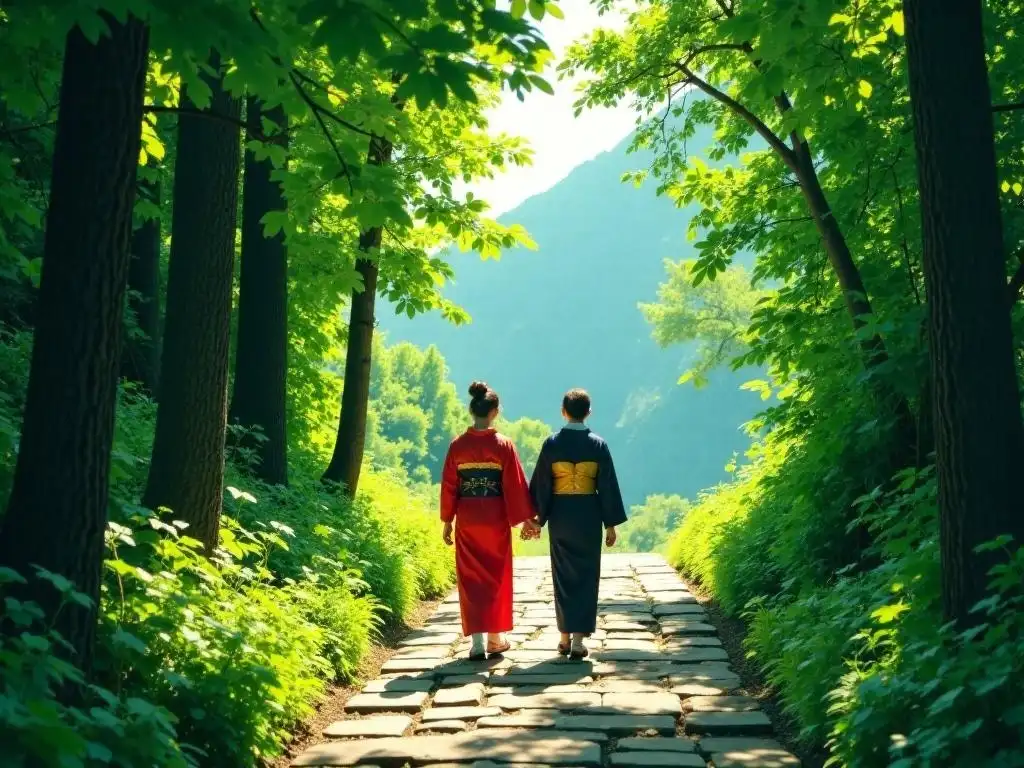
Welcome to Feudal Japan History, where we invite you to embark on a fascinating journey through the rich tapestry of Japan’s feudal era. In our featured article, “Shinto Pilgrimages: Journeying to Sacred Sites Across Japan,” we delve into the spiritual heart of this remarkable period, exploring the sacred landscapes that have shaped Japan's cultural and religious identity. What secrets lie within the ancient shrines and pilgrimage routes? Join us as we uncover the profound connections between faith, tradition, and the timeless beauty of Japan's sacred sites. Your adventure into the depths of history begins here!
Shinto pilgrimages are an integral part of Japan's rich spiritual heritage, embodying the deep connection between the Japanese people and their sacred landscapes. These journeys not only serve as a means of devotion but also reflect the cultural and historical tapestry of the nation. From the towering peaks of sacred mountains to the tranquil shores of revered shrines, each pilgrimage offers a unique glimpse into the traditions and beliefs of Shinto, one of the oldest religious practices in Japan.
This article delves into the significance of Shinto pilgrimage sacred sites in Japan, exploring their historical context, cultural importance, and the transformative experiences they offer to pilgrims. Through a comprehensive exploration, we aim to illuminate how these sacred journeys continue to shape the spiritual landscape of Japan today.
The Historical Significance of Shinto Pilgrimages
Shinto, often regarded as the indigenous spirituality of Japan, is deeply intertwined with the nation's history. Pilgrimages to sacred sites can be traced back to ancient times, where they served as avenues for communication with the kami (spirits or deities). Many of these sites are linked to significant historical events and figures, making them essential to understanding Japan's past.
Key Historical Sites
- Ise Jingu: Considered the most sacred shrine in Shinto, Ise Jingu is dedicated to the sun goddess Amaterasu. Pilgrimages to this site date back over a millennium, symbolizing a return to Japan's roots.
- Kumano Kodo: This ancient network of pilgrimage trails connects several important shrines in the Kumano region. Designated as a UNESCO World Heritage site, it showcases the blend of nature and spirituality in Japanese culture.
Cultural Importance of Pilgrimages
Pilgrimages are not merely physical journeys; they are deeply spiritual experiences that foster a sense of community and continuity among participants. Shinto practices emphasize the importance of rituals, which are often performed at these sacred sites.
Rituals and Practices
- Purification Rituals: Before entering a shrine, pilgrims typically perform purification rituals, such as washing their hands and mouth at a temizuya (purification fountain).
- Offerings and Prayers: Pilgrims often bring offerings, such as rice or sake, and engage in prayer, seeking blessings from the kami.
Transformative Experiences for Pilgrims
Undertaking a pilgrimage can lead to profound personal transformations. Many pilgrims report a sense of clarity, healing, and connection to the divine during their journeys.
Personal Testimonials
- Spiritual Awakening: Some individuals describe their pilgrimage as a catalyst for spiritual awakening, enabling them to confront personal challenges and embrace new perspectives.
- Connection with Nature: The natural beauty surrounding sacred sites enhances the pilgrimage experience, allowing individuals to reconnect with the environment and the kami that inhabit it.
Conclusion
Shinto pilgrimages to sacred sites across Japan offer a unique blend of historical, cultural, and personal significance. As we explore these journeys further, we will uncover the nuances of Shinto practices and the enduring legacy of these sacred sites in contemporary Japan. Join us as we journey through the landscapes of faith, devotion, and the timeless connection between the Japanese people and their spiritual heritage.
- The Historical Significance of Shinto Pilgrimages
- Cultural Importance of Pilgrimages
- Transformative Experiences for Pilgrims
- Conclusion
Introduction to Shinto Pilgrimages in Japan

Shinto pilgrimages are an essential aspect of Japan's spiritual landscape, deeply intertwined with the nation's cultural identity and religious practices. This journeying to sacred sites not only serves as a form of worship but also as an expression of devotion and respect for the kami, the spirits revered in Shinto belief. Pilgrimages are often undertaken to visit shrines that hold historical, cultural, or religious significance, with each location embodying unique narratives and spiritual connections.
The act of pilgrimage in Shinto is characterized by the intent to connect with the divine and seek blessings, purification, and guidance. These journeys vary in scale, from local visits to nearby shrines to extensive treks across the country to renowned pilgrimage routes. As one embarks on a Shinto pilgrimage, it is common to engage in rituals such as performing purification rites, offering prayers, and leaving symbolic tokens at the shrines.
Understanding the Concept of Shinto Pilgrimages
Shinto pilgrimages, or "shinkō," encapsulate a rich tapestry of beliefs and practices that reflect Japan's profound relationship with nature and spirituality. Key aspects of these pilgrimages include:
- 目的 (Mokuteki - Purpose): The primary aim of a Shinto pilgrimage is to connect with specific kami through the visited sacred sites. This connection can manifest in various forms, including seeking healing, blessings for a prosperous life, or spiritual insight.
- 道 (Dō - Path): The journey itself is often considered sacred. Pilgrims may traverse walking paths or trails that have been used for centuries, emphasizing the spiritual significance of the landscape. These routes can be lined with torii gates, stone lanterns, and other traditional markers, enhancing the spiritual atmosphere.
- 儀式 (Gishiki - Rituals): Upon reaching a sacred site, pilgrims typically engage in various rituals, such as offering "senbazuru" (a thousand origami cranes) or performing the "temizu" ritual, which involves purification at a water basin before entering the shrine.
- コミュニティ (Komyuniti - Community): Pilgrimages often foster a sense of community among participants. Groups may organize excursions, share experiences, and partake in collective rituals, strengthening communal bonds through shared spiritual journeys.
Shinto pilgrimages are an embodiment of the harmonious relationship between humans and the divine, illustrating how these sacred journeys contribute to personal growth, societal connections, and cultural continuity.
Historical Significance of Sacred Sites in Shinto
The historical significance of sacred sites in Shinto is profound, with many locations steeped in mythology, legend, and historical events. Some key points to consider include:
- 古代 (Kodai - Ancient Origins): Many shrines date back to ancient times, often believed to be the dwelling places of kami. For instance, Ise Jingu, one of the most revered Shinto shrines, has a history that stretches back over 1,300 years and is dedicated to Amaterasu, the sun goddess.
- 文化の中心 (Bunka no Chushin - Cultural Centers): Over centuries, sacred sites have served as cultural centers where rituals, festivals, and traditional arts flourish. The annual festivals (matsuri) at these sites attract thousands of visitors, preserving cultural heritage and promoting local traditions.
- 旅行と経済 (Ryokō to Keizai - Travel and Economy): The influx of pilgrims to sacred sites has historically contributed to local economies. Towns surrounding prominent shrines develop amenities such as inns, restaurants, and shops, catering to the needs of pilgrims and tourists alike.
- 近代的な保存 (Kindai-teki na Hozon - Modern Preservation): In contemporary Japan, efforts are underway to preserve and promote these sacred sites as cultural heritage. Initiatives include maintaining traditional practices, restoring ancient structures, and integrating modern tourism without compromising the spiritual essence of the sites.
Shinto pilgrimage sacred sites in Japan are not merely destinations but are imbued with historical significance that resonates through the ages. They serve as a bridge between the past and present, offering insights into Japan's rich spiritual and cultural tapestry. Through these sacred journeys, individuals and communities connect with their heritage while forging new paths of understanding and reverence in the modern world.
Major Shinto Pilgrimage Routes in Japan
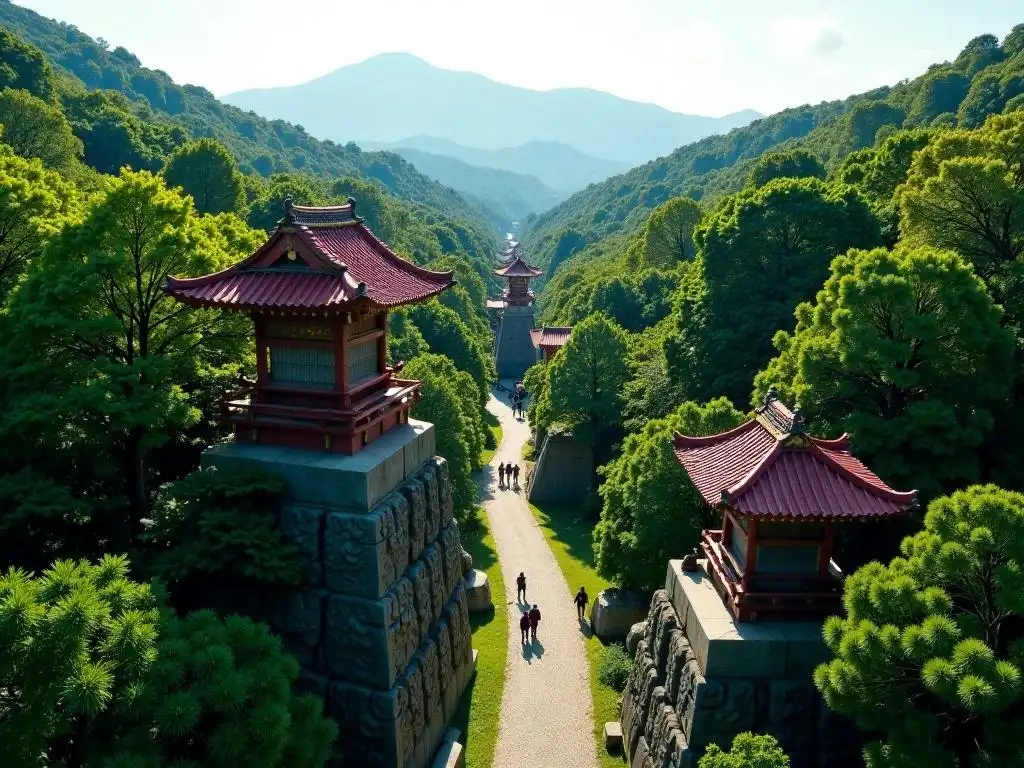
The Kumano Kodo Pilgrimage Trail
Overview of the Kumano Kodo Trail
The Kumano Kodo is a historic network of pilgrimage routes located in the Kii Peninsula, connecting several sacred sites that are integral to Shinto beliefs and practices. This UNESCO World Heritage site has been a pilgrimage path since at least the 10th century, offering a spiritual journey through lush forests, mountains, and coastal landscapes. The trail spans approximately 100 kilometers and is part of the wider Kumano region, which is revered for its multiple shrines dedicated to the deities of nature, reflecting the core tenets of Shinto.
The journey along the Kumano Kodo is not just a physical trek; it serves as a meditative experience, allowing pilgrims to reflect on their lives while connecting with the spiritual essence of Japan. Travelers can choose from various routes, each offering unique encounters with nature and culture.
Key Sacred Sites Along the Kumano Kodo
The Kumano Kodo is dotted with significant sacred sites, each embodying unique historical and spiritual importance. Here are some of the key sites along the pilgrimage:
- Kumano Sanzan:
- Kumano Hongu Taisha: The head shrine of the Kumano faith, featuring unique architectural styles and a striking omikuji (fortune-telling) tree.
- Kumano Nachi Taisha: Known for its breathtaking waterfall, Nachi no Taki, this shrine represents the divine connection between water and purity in Shinto beliefs.
- Kumano Hayatama Taisha: This shrine is famous for its ancient tree, believed to be over a thousand years old, symbolizing longevity and resilience.
- Ohechi Coast:
- A scenic coastal path that connects various shrines along the shoreline, offering stunning views of the Pacific Ocean and the sacred mountains.
- Totsukawa Village:
- A historic village where pilgrims can experience traditional Japanese hospitality, including local cuisine and onsen (hot springs).
- Tamataregu Shrine:
- Situated at the start of the Kumano Kodo, this shrine is dedicated to the deity of love and marriage, drawing many pilgrims who seek blessings in their personal lives.
The Shikoku Pilgrimage
History of the Shikoku Pilgrimage
The Shikoku Pilgrimage, also known as the 88 Temple Pilgrimage, is one of Japan's most famous pilgrimage routes, encompassing a circuit of 88 temples associated with the Buddhist monk Kūkai (Kōbō Daishi). Though primarily a Buddhist pilgrimage, it has deep connections with Shinto practices, as many of the temples incorporate Shinto shrines within their grounds.
The pilgrimage's origins date back to the early 8th century when Kūkai traveled the island to spread Buddhist teachings. Over the centuries, it evolved into a spiritual journey, attracting thousands of pilgrims from all walks of life. Today, it spans about 1,200 kilometers and typically takes around 30 to 60 days to complete, depending on the pilgrim's pace.
Notable Temples and Sacred Sites on Shikoku
The Shikoku Pilgrimage features numerous temples that serve as key spiritual stops for pilgrims. Here are some notable ones:
- Temple 1: Ryozenji:
- The starting point of the pilgrimage, this temple is dedicated to Kōbō Daishi and features a beautiful garden that symbolizes enlightenment.
- Temple 16: Naritasan:
- Known for its impressive architecture and tranquil environment, Naritasan Temple is a site of contemplation and meditation.
- Temple 23: Yakuoji:
- This temple is famous for its medicinal herbs and is a place where pilgrims often seek healing and rejuvenation.
- Temple 88: Okuboji:
- The final temple on the pilgrimage, it is located in a remote area and is surrounded by serene landscapes, symbolizing the completion of the spiritual journey.
- Shinto Shrines within Temples:
- Many temples along the route also include Shinto shrines, illustrating the intertwined nature of Shinto and Buddhist practices in Japan.
Through these sacred sites, pilgrims engage in rituals such as omikuji (fortune-telling), offering prayers, and purification rites, solidifying their connection to both Shinto and Buddhist traditions. The Shikoku Pilgrimage not only fosters spiritual growth but also encourages cultural exchange and appreciation of Japan's rich religious heritage.
The Nakasendo Trail
The Nakasendo Trail is one of the most famous historical routes in Japan, tracing a path through the mountainous regions that connect Kyoto and Edo (modern-day Tokyo). Unlike the coastal Tokaido route, which followed the shoreline, the Nakasendo offered a more inland experience, allowing travelers to navigate through beautiful landscapes, quaint post towns, and sacred sites dedicated to Shinto beliefs. This ancient trail was not only a vital transportation route during the Edo period but also a spiritual journey for many pilgrims seeking to connect with their faith and heritage.
Traveling along the Nakasendo, one can appreciate the rich tapestry of nature and culture that characterizes this region. The trail winds through lush forests, past towering mountains, and alongside serene rivers, providing a tranquil atmosphere conducive to reflection and spiritual exploration. As a pilgrimage route, it served as a pathway not only for merchants and samurai but also for those seeking solace and enlightenment through Shinto practices.
Significance in Feudal Japan
During feudal Japan, the Nakasendo Trail held immense significance. It was a crucial conduit for trade and communication between the two major centers of power: Kyoto, the imperial capital, and Edo, the shogunal seat. This route facilitated the exchange of goods, ideas, and culture, contributing to the economic and social fabric of the time.
In addition to its commercial importance, the Nakasendo was also a spiritual lifeline for many. Pilgrims traveled this path to visit various Shinto shrines and temples, seeking blessings and guidance from the deities honored along the way. The journey itself became a form of pilgrimage, where individuals would reflect on their lives, seek purification, and pray for prosperity and health. The trail encapsulated the intertwining of everyday life with spiritual practice, highlighting how deeply rooted Shinto beliefs were in the cultural landscape of feudal Japan.
Major Shinto Sites Along the Nakasendo
Several significant Shinto sites line the Nakasendo Trail, offering pilgrims and travelers alike a chance to delve into Japan's spiritual heritage. Here are some of the major Shinto sites along this historic route:
- Tsumago Shrine: Located in the well-preserved post town of Tsumago, this shrine is dedicated to the deity of agriculture and prosperity, ensuring a bountiful harvest for the local community. Its serene setting amid mountainous landscapes makes it a popular stop for pilgrims.
- Kiso-Fukushima Shrine: Situated in the Kiso Valley, this shrine honors the gods of the Kiso region. The shrine's elaborate architecture and surrounding nature create a peaceful environment for visitors to engage in prayer and reflection.
- Onioshidashi Park: Although primarily known for its stunning volcanic rock formations, Onioshidashi Park also features a Shinto shrine. This site harmoniously blends natural beauty with spiritual significance, attracting both hiking enthusiasts and those seeking spiritual connection.
- Yoshinari Shrine: Nestled in the town of Nakatsugawa, this shrine is dedicated to the protector of travelers. Its historical roots and beautiful grounds make it a beloved stop for those journeying along the Nakasendo.
- Hirugami Onsen Shrine: Located near a popular hot spring area, this shrine not only serves as a spiritual refuge but also as a place for visitors to rejuvenate their bodies and spirits after a long journey.
These sacred sites along the Nakasendo Trail exemplify the deep connection between Shinto practices and the journeying spirit of pilgrims in feudal Japan, embodying the cultural and religious significance that the trail continues to hold today.
Cultural and Spiritual Aspects of Shinto Pilgrimages
The Role of Rituals in Shinto Pilgrimages
Rituals play a pivotal role in Shinto pilgrimages, serving as a bridge between the physical and spiritual realms. These rituals are deeply embedded in Japan's cultural fabric, reflecting the values and beliefs of Shintoism.
- Preparation Rituals: Before embarking on a pilgrimage, practitioners often engage in purification rites, known as misogi. This practice involves washing the body or performing a cleansing ritual at a sacred water source, symbolizing the removal of impurities and the readiness to approach the divine.
- Offerings and Prayers: Upon arrival at a sacred site, pilgrims typically present offerings—such as rice, sake, or symbolic items—to the kami (deities). This act of giving is accompanied by prayers, expressing gratitude and seeking blessings.
- Completion Rituals: After the pilgrimage, participants often perform a ritual to express their gratitude for the journey and the experiences gained. This may include returning to the shrine to offer thanks or participating in communal celebrations, reinforcing a sense of community and shared spirituality.
These rituals not only enhance the spiritual experience of the pilgrimage but also connect individuals to the historical and cultural narratives of Japan, ensuring that each journey is both personal and collective.
Spiritual Benefits of Undertaking a Pilgrimage
Participating in a Shinto pilgrimage offers numerous spiritual benefits that can profoundly impact an individual's life. The journey to sacred sites is not merely physical; it is an opportunity for introspection, renewal, and connection with the divine.
- Inner Peace and Reflection: The act of pilgrimage encourages contemplation and self-reflection. Walking through serene landscapes and visiting sacred shrines provides a tranquil environment conducive to meditation. This process often leads to a deeper understanding of oneself and one's place in the universe.
- Strengthened Faith: Engaging with sacred spaces and participating in rituals strengthens one's connection to Shinto beliefs. This renewed faith can provide comfort and guidance in daily life, fostering resilience in the face of challenges.
- Community and Belonging: Pilgrimages often attract groups of people, fostering a sense of community among practitioners. Sharing the journey with others creates bonds that transcend individual experiences, reinforcing the collective identity of those who share similar beliefs.
- Healing and Restoration: Many pilgrims report feelings of healing—both emotional and physical—after undertaking a pilgrimage. The combination of spiritual engagement, natural beauty, and community support contributes to an overall sense of restoration.
The spiritual journey of a Shinto pilgrimage can lead to transformative experiences, enhancing individual faith while promoting a deeper connection to the sacred sites across Japan.
The Connection Between Nature and Sacred Sites in Shinto
In Shinto, nature is revered as a source of spiritual power and wisdom, making it an integral part of pilgrimages to sacred sites. The belief in the kami residing in natural elements shapes the experience of these journeys.
- Natural Landscapes as Sacred Spaces: Many Shinto shrines are situated in areas of outstanding natural beauty, such as mountains, forests, and rivers. These locations are believed to be inhabited by kami, emphasizing the importance of nature in the Shinto belief system. For example, Mount Fuji is not only a majestic mountain but also a sacred site for many pilgrims seeking to connect with the divine.
- Environmental Harmony: The Shinto perspective promotes harmony with nature, encouraging pilgrims to respect and protect the natural world. This connection fosters an appreciation for Japan's diverse ecosystems and reinforces the idea that the land itself is sacred.
- Seasonal Pilgrimages: Many Shinto traditions align with seasonal changes, reflecting the cyclical nature of life. Pilgrimages often coincide with specific times of the year, such as the cherry blossom season, which symbolizes renewal and beauty. This connection to the seasons enriches the pilgrimage experience, allowing practitioners to engage with the rhythms of nature.
- Rituals Celebrating Nature: Pilgrimages may include rituals that honor natural elements, such as offering prayers at waterfalls or sacred trees. These practices highlight the belief that spirituality is intertwined with the environment, enhancing the overall pilgrimage experience.
Overall, the connection between nature and sacred sites in Shinto underscores the importance of the natural world in spiritual practices, making Shinto pilgrimages a profound journey that celebrates both the divine and the environment.
Preparing for a Shinto Pilgrimage

Essential Tips for Pilgrims
Embarking on a Shinto pilgrimage is not merely a journey through beautiful landscapes and sacred sites; it is a profound spiritual experience that requires careful preparation. Here are some essential tips to ensure your pilgrimage is both meaningful and respectful:
- Research Your Route: Before setting off, familiarize yourself with the sacred sites you plan to visit. Each location has its own significance and rituals. Understanding their history will enhance your experience.
- Stay Hydrated and Nourished: Many pilgrimage routes can be physically demanding. Carry sufficient water and lightweight, nutritious snacks to maintain your energy levels throughout the journey.
- Dress Appropriately: Traditional clothing, such as a yukata or simple attire, can enhance your experience and show respect. Comfortable walking shoes are also crucial, as you may walk long distances.
- Carry a Pilgrim's Staff: While not mandatory, a pilgrim's staff (often called "kongō") can serve as a helpful walking aid and a symbol of your journey.
What to Pack for Your Journey
Packing wisely is essential for a successful Shinto pilgrimage. Below is a helpful checklist of items to consider bringing along:
| Item | Purpose |
|---|---|
| Water bottle | Stay hydrated during your journey |
| Snacks | Quick energy boosts for long walks |
| Lightweight rain jacket | Prepare for unpredictable weather |
| First aid kit | Address minor injuries or ailments |
| Traditional offerings | Such as rice or sake, to leave at shrines |
| Personal shrine book | A personal journal to document your experiences |
| Comfortable footwear | Essential for walking long distances |
| A small camera | Capture the beauty of sacred sites |
Remember, the focus of your pilgrimage should be on the spiritual journey, so pack light and prioritize essentials.
Best Times to Visit Sacred Sites in Japan
Timing your pilgrimage can greatly enhance your experience. Here are some of the best times to visit Shinto sacred sites in Japan:
- Spring (March to May): Known for cherry blossoms, this season is visually stunning. Popular sites like Ise Jingu are particularly picturesque during this time.
- Summer (June to August): Although hot and humid, summer hosts many festivals, adding vibrant cultural experiences to your pilgrimage.
- Autumn (September to November): The changing leaves create breathtaking scenery, making it an ideal time for photography and reflection.
- Winter (December to February): While colder, winter offers a serene atmosphere. Fewer tourists means a more intimate experience at sacred sites.
Visiting during local festivals can also provide unique insights into Shinto practices and community life.
Understanding Local Customs and Etiquette
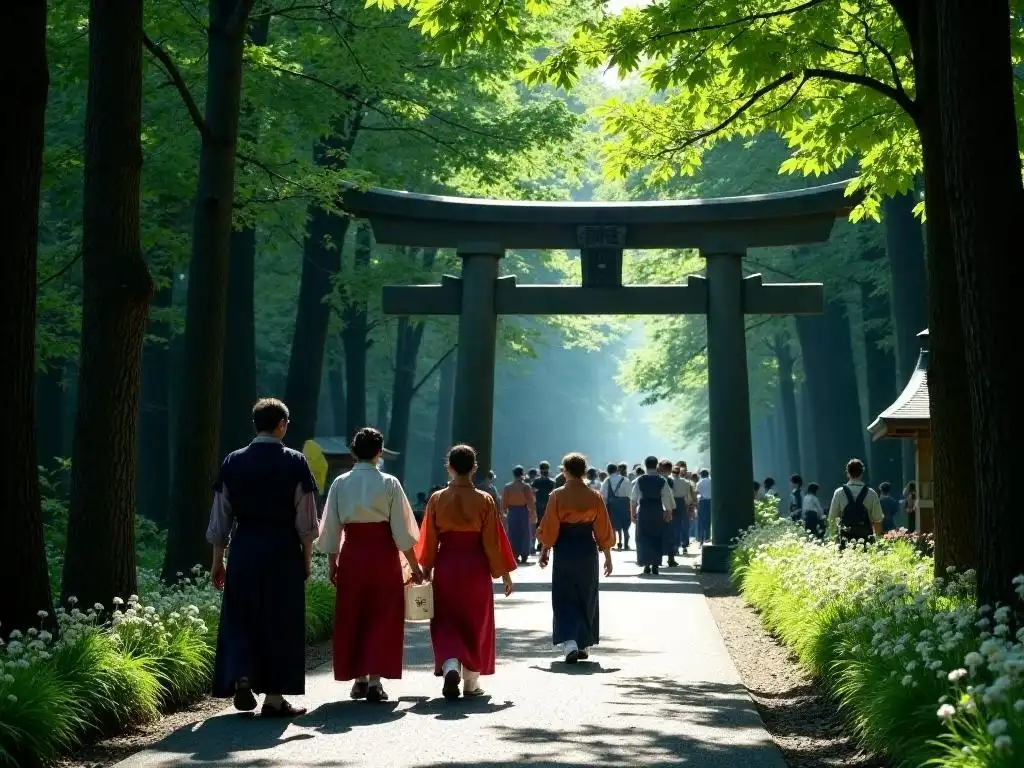
To fully appreciate the sanctity of Shinto pilgrimage sites, it’s crucial to understand and respect local customs and etiquette. Here are key practices to keep in mind:
- Purification Rituals: Upon entering a shrine, it is customary to perform a purification ritual at the temizuya (water basin). Use a ladle to rinse your hands and mouth, symbolizing the cleansing of body and spirit.
- Respectful Silence: Maintain a respectful demeanor within sacred spaces. Speaking softly or remaining silent can enhance the spiritual atmosphere and show reverence.
- Offerings: When making offerings, follow the traditional practices. This can include bowing before the offering box and tossing coins as a gesture of respect.
- Photography: Always ask for permission before taking photos, especially during ceremonies or if individuals are present. Some sacred sites may have restrictions on photography.
- Dress Modestly: While traditional attire is welcomed, even modern clothing should be modest and respectful, especially when visiting shrines.
By adhering to these customs, pilgrims can contribute to the spiritual integrity of the Shinto practices and deepen their own pilgrimage experience.
Challenges Faced During Shinto Pilgrimages

Shinto pilgrimages to sacred sites across Japan are profound spiritual journeys that offer participants a chance to connect deeply with their faith and the natural beauty surrounding these locations. However, these journeys are not without their challenges. Understanding these hurdles can enhance the pilgrimage experience and ensure a more fulfilling journey.
One of the primary challenges faced during Shinto pilgrimages is the varied terrain and unpredictable weather conditions that pilgrims may encounter. Japan's landscape is diverse, featuring mountains, forests, rivers, and coastal areas, each presenting unique obstacles.
- Mountainous Regions: Many sacred sites, such as Kumano Kodo, are nestled in mountainous regions. Navigating steep trails can be physically demanding. Pilgrims should consider:
- Proper Footwear: Invest in high-quality hiking boots to provide support and traction.
- Preparation: Research the specific routes and prepare for elevation changes.
- Weather Variability: Japan experiences distinct seasons, and weather can change rapidly, especially in mountainous areas. Here are essential tips to manage weather-related challenges:
- Layered Clothing: Dress in layers to adapt to changing temperatures.
- Rain Gear: Bring a waterproof jacket and pack cover to protect belongings from rain.
- Hydration: Carry enough water, especially in hotter months, as some areas lack potable sources.
Moreover, understanding the natural environment is crucial. Pilgrims should be aware of wildlife, such as snakes or insects, and take precautions to avoid bites or stings. Familiarizing oneself with the terrain not only aids in navigation but also enhances the overall pilgrimage experience by fostering a connection to the landscape.
Cultural Misunderstandings and How to Avoid Them
Cultural misunderstandings can hinder the pilgrimage experience, particularly for those unfamiliar with Shinto practices and Japanese customs. To ensure respectful engagement during these spiritual journeys, consider the following aspects:
- Etiquette at Sacred Sites: Each shrine has specific rituals and customs. Before visiting, it's beneficial to:
- Research Shrine Protocol: Understand the dos and don'ts, such as the proper way to purify oneself at a temizuya (purification fountain) or the correct manner of offering prayers.
- Observe Local Practices: Paying attention to what locals do can provide insight into proper behavior.
- Language Barriers: For non-Japanese speakers, communication can be a challenge. Here are some strategies to navigate this:
- Learn Basic Japanese Phrases: Knowing simple greetings and expressions can foster goodwill and break down barriers.
- Use Translation Apps: These can be invaluable in understanding signage or communicating with locals.
- Respecting Local Traditions: Each region may have unique customs associated with their Shinto beliefs. Pilgrims should:
- Engage Respectfully: Show interest in local traditions and participate humbly, as many customs are deeply rooted in community identity.
- Seek Guidance: If unsure of local practices, don’t hesitate to ask locals for guidance; they often appreciate the effort and are willing to share.
By being mindful of these cultural nuances and preparing adequately for physical challenges, pilgrims can fully immerse themselves in the spiritual essence of their journey to Shinto pilgrimage sacred sites in Japan.
Conclusion: The Enduring Legacy of Shinto Pilgrimages
Shinto pilgrimages have played a vital role in shaping the cultural and spiritual landscape of Japan. These journeys to sacred sites not only reflect the deep-rooted beliefs of the Japanese people but also serve as a bridge connecting the past with the present. The inherent values of reverence, community, and personal reflection embedded in Shinto practices have left an indelible mark on modern Japanese society.
The enduring legacy of Shinto pilgrimages can be seen in the way these traditions continue to influence contemporary cultural practices. From seasonal festivals (matsuri) to community gatherings, the essence of these pilgrimages manifests in various forms, reminding individuals of their spiritual heritage. As Japan embraces modernization, the significance of these sacred journeys remains a cornerstone of cultural identity, fostering a sense of belonging and continuity among the people.
The Impact of Pilgrimages on Modern Japanese Culture
Shinto pilgrimages have significantly influenced various aspects of modern Japanese culture, from art to literature and even daily life. Here are some key impacts:
- Cultural Festivals: Many local festivals are direct descendants of ancient pilgrimage practices, incorporating rituals and celebrations that honor deities associated with specific sites. These festivals often attract both locals and tourists, fostering community spirit and cultural pride.
- Tourism and Economy: Sacred sites are prominent attractions for both domestic and international tourists. The influx of visitors to these locations stimulates local economies through hospitality, transportation, and artisan crafts. Major pilgrimage routes, such as the Kumano Kodo, have been recognized by UNESCO, enhancing their visibility and appeal.
- Artistic Expression: The themes of Shinto pilgrimages have inspired countless works of art, literature, and performance. Traditional crafts, such as kimono design and pottery, often celebrate motifs associated with sacred sites, while contemporary artists draw upon these themes to explore identity and spirituality in modern contexts.
- Spiritual Reflection: For many, embarking on a pilgrimage offers a chance for personal reflection and spiritual growth. The act of journeying to a sacred site often serves as a form of meditation, allowing individuals to disconnect from the fast-paced modern life and reconnect with their spiritual roots.
By understanding the profound impact of Shinto pilgrimages on modern Japanese culture, one can appreciate how these ancient practices continue to resonate with contemporary society.
Encouraging Future Generations to Explore Sacred Sites in Japan
As custodians of Japan's rich cultural heritage, it is crucial to inspire future generations to engage with Shinto pilgrimage traditions and sacred sites. Here are some ways to encourage this exploration:
- Educational Programs: Schools should integrate lessons on Shinto practices and the history of pilgrimage sites into their curricula. Field trips to local shrines and sacred areas can provide students with firsthand experiences, deepening their understanding of cultural heritage.
- Community Involvement: Local communities can host events and workshops that celebrate Shinto traditions and pilgrimages. By involving young people in planning and participating in these events, they can develop a sense of ownership and appreciation for their cultural heritage.
- Digital Engagement: Utilizing technology to create interactive platforms can make learning about Shinto pilgrimages more accessible and engaging. Virtual tours, mobile applications, and social media campaigns can help raise awareness and interest among younger audiences.
- Promoting Eco-Friendly Tourism: Encouraging sustainable practices in visiting sacred sites not only preserves these locations but also fosters a sense of responsibility among future generations. Engaging in community clean-up events or eco-tours can instill values of respect for nature and cultural heritage.
By actively promoting the exploration of Shinto pilgrimage sacred sites in Japan, we can ensure that the rich tapestry of cultural and spiritual traditions continues to be woven into the lives of future generations, preserving and honoring the legacy of their ancestors.
Frequently Asked Questions
What are Shinto pilgrimages in Japan?
Shinto pilgrimages are spiritual journeys to sacred sites that hold religious significance within the Shinto faith. These sites often include shrines, mountains, and other natural locations deemed holy.
Why are sacred sites important in Shinto?
Sacred sites are important as they represent the connection between the physical and spiritual worlds. They are places where kami (deities) reside, making them essential for worship and rituals.
How can one prepare for a Shinto pilgrimage?
Preparation for a Shinto pilgrimage typically involves researching the sites, understanding rituals, and gathering necessary items such as offerings or purification tools to honor the kami.
What are some notable sacred sites for Shinto pilgrims?
Notable sacred sites include Ise Jingu, known for its grand shrines, and Kumano Kodo, a network of ancient pilgrimage routes with various shrines and natural beauty.
Can anyone participate in Shinto pilgrimages?
Yes, anyone can participate in Shinto pilgrimages regardless of their religious background. The experience is open to all who seek to explore Japanese culture and spirituality.
Final Reflection: The Enduring Spirit of Shinto Pilgrimages
Shinto pilgrimages to sacred sites in Japan resonate profoundly in today's world, reminding us of the interconnectedness between nature, spirituality, and community. As we navigate the complexities of modern life, the ancient traditions of Shinto offer a pathway to reconnect with our roots and find solace in the beauty of the natural world. The act of pilgrimage is not merely a journey; it is a transformative experience that invites us to reflect on our place within the universe.
Cultural and social landscapes are continually shaped by the practices of Shinto, which emphasize harmony with nature and reverence for the divine. The pilgrimage routes, steeped in history and spirituality, serve as a reminder of the importance of mindfulness and presence in our lives. As the renowned author and philosopher Alan Watts once said, The more a thing tends to be permanent, the more it tends to be lifeless.
This observation highlights the dynamic nature of Shinto practices, which adapt and thrive, fostering a sense of community and belonging among pilgrims and locals alike.
As you contemplate the significance of Shinto pilgrimages, I invite you to consider your own journey. How can you incorporate the principles of mindfulness, reverence, and connection into your daily life? Whether through a physical pilgrimage to a sacred site or a metaphorical journey within, embracing these values can lead to profound personal growth and a deeper understanding of the world around you. Let the spirit of Shinto inspire you to embark on your own path of discovery, fostering a sense of peace and purpose in your life.
Embark on Your Own Sacred Journey Today!
Thank you for diving into the fascinating world of Shinto pilgrimages with us! You've explored the deep-rooted traditions that connect people to sacred sites across Japan. Now, it’s time to transform that inspiration into action!
Here are some engaging steps you can take next:
- Plan a visit to a local shrine or temple— experience the serene atmosphere and reflect on its significance!
- Research a specific pilgrimage route in Japan that resonates with you, and consider how you can incorporate its practices into your daily life.
- Share your thoughts on social media or within your community— ignite conversations about the beauty of pilgrimage traditions!
What sacred journey will you choose that could transform your perspective?