
Exploring the Concept of Harmony: Philosophical Insights from Feudal Japan

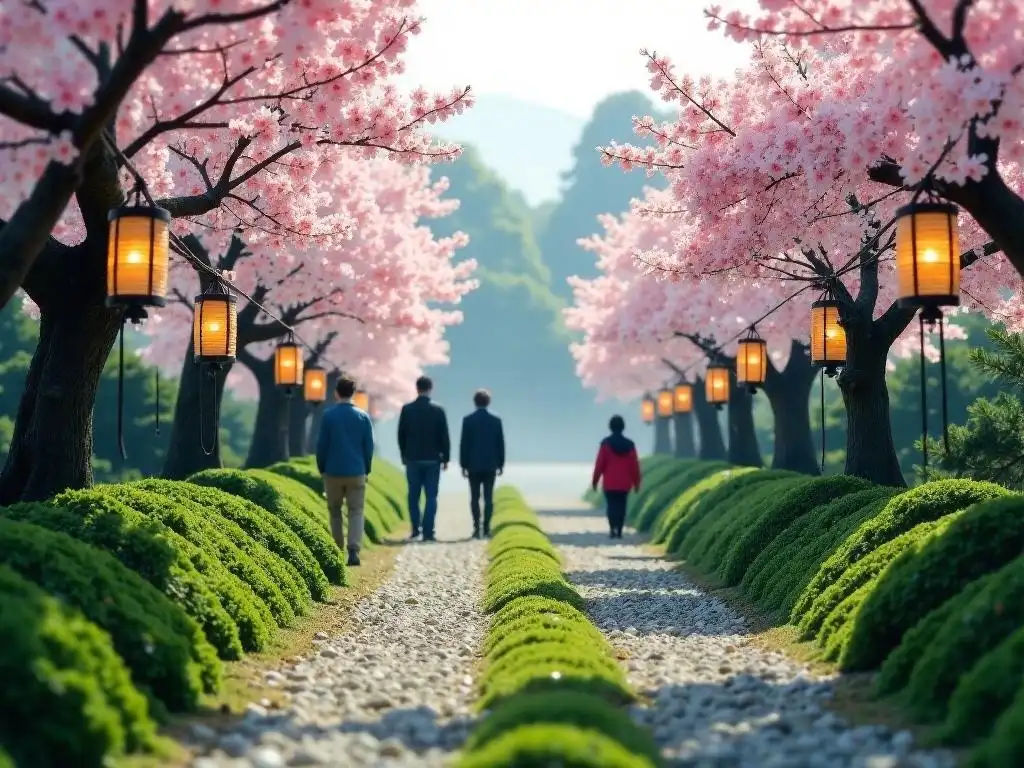
Welcome to Feudal Japan History, where we invite you to embark on a captivating journey through the rich tapestry of Japan's feudal era. Here, you will discover the intricate interplay of historical, cultural, and societal elements that shaped a nation. In our featured article, “Exploring the Concept of Harmony: Philosophical Insights from Feudal Japan,” we delve into the profound philosophies that underpinned this remarkable period.
What does harmony truly mean in the context of feudal society? Prepare to unlock the secrets of a world where balance and unity guided the lives of its people, and let your curiosity lead you deeper into the fascinating realm of Japan’s past.
Harmony, or wa (和), is a cornerstone of Japanese culture, deeply rooted in the philosophical and spiritual traditions that shaped Feudal Japan. This era, marked by a complex interplay of social structures, ideologies, and cultural practices, fostered an environment where the pursuit of harmony was not merely an ideal but a practical necessity for coexistence.
As we delve into the various philosophical schools that emerged during this time, we will uncover how concepts of harmony influenced not only interpersonal relationships but also broader societal norms and governance. This exploration will offer valuable insights into how the notion of harmony in Feudal Japan continues to resonate in contemporary Japanese society, underscoring its enduring relevance.
Introduction to Harmony in Feudal Japan
Harmony in Feudal Japan was more than a cultural nicety; it was essential for maintaining the delicate balance of power among the ruling classes and the governed populace. The historical context of this period, characterized by the samurai code of conduct and the structured hierarchy, necessitated a framework for harmonious interaction. Understanding this dynamic provides a rich backdrop for examining the philosophical underpinnings that informed these interactions.
Understanding the Importance of Harmony in Japanese Culture
The concept of harmony transcends mere social etiquette in Japanese culture; it is a guiding principle that informs various aspects of life, from family dynamics to governance. In Feudal Japan, harmony was often associated with stability, peace, and mutual respect. The following highlights its significance:
- Social Cohesion: Harmony fostered a sense of belonging and loyalty among clans and communities.
- Political Stability: Rulers and warriors adhered to principles of harmony to maintain order and loyalty.
- Cultural Expression: Art, literature, and rituals often reflected the pursuit of harmony, enhancing communal ties.
Overview of Feudal Japan's Historical Context
The historical backdrop of Feudal Japan is essential for understanding the evolution of harmony as a philosophical concept. From the late 12th century to the 19th century, Japan experienced significant shifts, including:
- The rise of the samurai class and their ethical code (bushido).
- The establishment of shogunates, which centralized power and created distinct social hierarchies.
- The influence of foreign philosophies and religions, which prompted a synthesis of ideas that enriched the concept of harmony.
The Philosophical Foundations of Harmony
The exploration of harmony in Feudal Japan is incomplete without examining its philosophical foundations. Several philosophical schools contributed to this concept, each shaping the understanding of harmony in unique ways.
Confucianism and Its Influence on Japanese Society
Confucianism, introduced to Japan from China, played a vital role in shaping societal values during the feudal era. Its emphasis on hierarchical relationships and moral duty reinforced the idea of harmony within the family and society. Key aspects include:
- Filial Piety: Respect for one's elders fostered familial harmony and stability.
- Rituals and Etiquette: Confucian teachings promoted social rituals that reinforced order and harmonious relationships.
- Moral Governance: Statesmen were encouraged to rule with benevolence, prioritizing the welfare of the people to maintain societal harmony.
The Role of Shintoism in Promoting Harmony
Shintoism, the indigenous spirituality of Japan, deeply emphasizes the interconnectedness of nature, humanity, and the divine. Its principles contributed to the cultivation of harmony in several ways:
- Nature Worship: Reverence for nature fostered a sense of balance and respect for the environment.
- Community Rituals: Festivals and rituals created communal bonds, reinforcing social harmony.
- Purity and Cleanliness: Shinto practices emphasized purity, which was seen as essential for harmonious living.
Zen Buddhism and the Pursuit of Inner Peace
Zen Buddhism, which flourished during the Muromachi period, introduced a unique approach to harmony through the pursuit of inner peace and enlightenment. Its key influences include:
- Meditation: Zen practices encouraged self-reflection, promoting personal harmony and clarity.
- Simplicity: The aesthetic of simplicity in Zen art and architecture emphasized a harmonious relationship with the environment.
- Interconnectedness: Zen teachings reinforced the idea that individual harmony contributes to universal harmony.
Through these philosophical lenses, the concept of harmony emerges as a multifaceted principle that not only shaped personal and societal relationships in Feudal Japan but continues to inform modern Japanese identity and cultural practices.
Key Elements of Harmony in Feudal Japan
The concept of harmony, or wa (和), was a fundamental principle in feudal Japan, influencing various aspects of life, philosophy, and governance. This idea emphasized balance and unity, guiding interpersonal relationships, societal structures, and the individual's connection to nature and the divine. Understanding the key elements of harmony reveals much about the underlying philosophies that shaped Japanese culture during this era.
- Social Cohesion: Harmony was deeply rooted in the social fabric of feudal Japan. The stratified class system, which included nobles, samurai, farmers, artisans, and merchants, was designed to maintain order and mutual respect among different social groups. Each class had its role and responsibilities, contributing to the overall stability of society.
- Natural Balance: The Japanese view of nature played a crucial role in the concept of harmony. Nature was seen not just as a resource but as a partner in life. This perspective fostered a deep respect for the environment, encouraging practices that aligned with the natural world, such as seasonal celebrations and agricultural rituals.
- Spiritual Alignment: Spiritual harmony was achieved through practices that sought to align individuals with the universe. This included rituals, meditation, and the study of philosophical texts like those of Zen Buddhism, which emphasized the interconnectedness of all things.
- Cultural Expressions: The arts, including calligraphy, tea ceremonies, and poetry, were expressions of harmony. They embodied the principles of simplicity, tranquility, and beauty, reflecting the philosophical underpinnings of balance and unity in daily life.
Social Harmony: The Role of Class Structure
In feudal Japan, the class system played a pivotal role in establishing and maintaining social harmony. Each class had a defined role that contributed to the collective wellbeing of society.
- Hierarchy and Respect: The rigid hierarchical structure dictated interactions between classes, emphasizing respect and duty. Nobles and samurai were expected to protect and govern, while farmers provided sustenance, artisans created goods, and merchants distributed them. This interdependence fostered a sense of community and social stability.
- Rituals and Etiquette: Social harmony was reinforced through rituals and etiquette that governed behavior. For instance, the way one addressed a superior or the manner in which one participated in community events reflected an understanding of one’s place within the social order.
- Conflict Resolution: Disputes within and between classes were often resolved through mediation rather than confrontation, promoting peace and maintaining harmony. This approach was rooted in the belief that discord could disrupt the social fabric and lead to broader unrest.
Environmental Harmony: Nature's Integration in Daily Life
The integration of nature into daily life was a hallmark of harmony in feudal Japan. The Japanese view of the environment was holistic, emphasizing a harmonious coexistence with the natural world.
- Agricultural Practices: Farmers practiced sustainable agriculture, using techniques that respected the land and its cycles. This not only ensured bountiful harvests but also reflected a deep reverence for nature.
- Cultural Festivals: Seasonal festivals celebrated the changing cycles of nature, reinforcing the bond between people and their environment. Events like Hanami (cherry blossom viewing) allowed communities to appreciate the beauty of nature and its transient qualities.
- Architectural Design: Traditional Japanese architecture harmonized with the surrounding landscape. Structures were often built using natural materials and designed to complement their environment, enhancing the sense of peace and unity with nature.
Spiritual Harmony: Aligning with the Universe
Spiritual harmony in feudal Japan involved seeking alignment with the universe and understanding one’s place within it. This pursuit was often expressed through religious practices, philosophy, and art.
- Zen Buddhism: Zen teachings emphasized meditation and mindfulness as paths to spiritual harmony. Practitioners sought to transcend the ego and realize their connection to the universe, fostering a sense of peace and balance.
- Shinto Practices: Shinto rituals celebrated the kami (spirits) of nature, reflecting a belief in the sacredness of the world around them. These practices encouraged individuals to live in harmony with both the spiritual and physical realms.
- Philosophical Texts: Works by thinkers such as Dōgen and other Zen masters explored the nature of reality and existence, providing frameworks for understanding harmony at a deeper level. Their writings often highlighted the importance of living in accordance with the natural order.
Historical Examples of Harmony in Feudal Japan
Historical examples offer rich insights into how the concept of harmony was practiced and valued throughout feudal Japan.
Case Study: The Role of Samurai in Maintaining Harmony
Samurai, as the warrior class, were not just fighters but also guardians of societal harmony. Their role extended beyond the battlefield to include:
- Discipline and Loyalty: Samurai adhered to a strict code of conduct known as Bushido, which emphasized loyalty, honor, and respect. This code guided their actions and interactions, helping to maintain peace within their domains.
- Conflict Mediation: Samurai were often called upon to mediate disputes among their peers or between classes. Their authority and status facilitated resolutions that upheld social harmony, preventing conflicts from escalating.
- Cultural Patronage: Many samurai were patrons of the arts, fostering cultural practices that celebrated harmony. Their support for tea ceremonies, poetry, and martial arts enriched the cultural landscape, reinforcing the values of balance and unity.
The Impact of Harmony on Japanese Arts and Aesthetics
Harmony profoundly influenced Japanese arts, shaping aesthetic principles that remain evident today. Key aspects include:
- Wabi-Sabi: This aesthetic philosophy embraces imperfection and transience, reflecting the beauty of nature and the passage of time. It promotes an appreciation for simplicity and understated elegance, aligning closely with the broader concept of harmony.
- Ikebana: The art of flower arranging emphasizes balance, proportion, and harmony with nature. Each arrangement reflects the artist’s understanding of natural forms and their relationship to the environment.
- Noh and Kabuki: Traditional Japanese theater forms, such as Noh and Kabuki, embody themes of harmony through their storytelling and performance styles. The use of movement, music, and space reflects a deep connection to cultural and spiritual traditions.
Festivals and Rituals: Celebrating Harmony in Community
Festivals and rituals played a crucial role in reinforcing the concept of harmony within communities across feudal Japan. These events served to unify people, celebrate nature, and honor traditions.
- Seasonal Festivals: Events like Tanabata and Matsuri celebrated seasonal changes and local deities, fostering a sense of community and shared identity. These gatherings allowed people to express gratitude and seek blessings for harmony in their lives.
- Ritual Offerings: Rituals often involved offerings to kami, emphasizing the relationship between humans and the divine. These acts reinforced communal bonds and the understanding of harmony as a shared responsibility.
- Community Participation: Festivals encouraged collective participation, where individuals from various classes came together in celebration. This integration helped to break down social barriers and foster a sense of belonging and mutual respect.
Through these elements and historical examples, the concept of harmony in feudal Japan reveals a complex interplay between social structures, environmental awareness, spiritual beliefs, and artistic expression, all contributing to a rich cultural legacy that continues to influence Japan today.
Challenges to Harmony in Feudal Japan

The concept of harmony, or wa, was a vital aspect of life in Feudal Japan, intricately woven into the cultural, social, and political fabric of the time. However, this ideal was frequently challenged by various internal and external factors that disrupted the delicate balance that society sought to maintain. Understanding these challenges provides a deeper insight into the philosophical underpinnings of harmony as well as its evolution throughout the feudal era.
Internal Conflicts and Their Impact on Social Harmony
Internal conflicts, particularly within the samurai class and between the ruling shogunate and the daimyos, posed significant challenges to social harmony. The Genpei War (1180-1185), a crucial conflict between the Taira and Minamoto clans, exemplified how rivalries could escalate into violent confrontations, leading to widespread chaos. Not only did these conflicts result in loss of life, but they also created an environment of distrust and fear among the populace.
The Nanboku-chō period (1336-1392) further highlighted these internal divisions, with competing imperial courts vying for power, leading to a fragmented society. This fragmentation undermined the collective well-being, as allegiances shifted and loyalty became conditional. Philosophically, these conflicts raised questions about the nature of duty and loyalty, which were central to the samurai ethos but could be at odds with the broader goal of societal harmony.
External Threats: How War Disrupted Harmony
External threats, particularly from foreign powers and invasions, further complicated the notion of harmony in Feudal Japan. Notable examples include the Mongol invasions in 1274 and 1281, which tested the resolve of the Japanese people. These invasions not only disrupted daily life but also forced a reevaluation of existing social structures and alliances. The need to unite against a common enemy temporarily overshadowed internal divisions, yet the aftermath often left lingering resentments and a sense of vulnerability.
Such external pressures also prompted significant military reforms and the mobilization of resources, often at the expense of local communities. The resulting focus on warfare and defense frequently sidelined the philosophical discussions surrounding harmony, as societies grappled with the immediate need for survival over the pursuit of peace.
The Struggle Between Tradition and Change
The tension between tradition and change represents another challenge to harmony in Feudal Japan. As the period progressed, influences from outside Japan, particularly the arrival of Western ideas and technologies, began to permeate traditional Japanese society. This led to a cultural clash where the established norms, deeply rooted in Confucianism and Buddhist teachings, were challenged by new philosophies and practices.
The Meiji Restoration (1868) marked a pivotal moment in this struggle, as Japan sought to modernize and adopt Western practices. While this transformation aimed at enhancing national strength, it also threatened the traditional values of harmony that had long governed interpersonal relationships and societal order. The philosophical discourse of the time grappled with how to maintain harmony while embracing change, reflecting a broader struggle that many societies face when navigating modernization.
Conclusion: The Legacy of Harmony in Feudal Japan
The legacy of harmony in Feudal Japan is complex, shaped by numerous challenges that tested the resilience of its philosophical foundations. While internal conflicts, external threats, and the tension between tradition and change posed significant obstacles, the pursuit of harmony remained a guiding principle for many throughout the era. This dedication to harmony not only influenced social structures but also left an indelible mark on Japanese culture and philosophy, which continues to resonate today.
Reflections on the Relevance of Harmony Today
In contemporary society, the concept of harmony retains its relevance, particularly in Japanese culture where it is often associated with community well-being and interpersonal relationships. The notion of wa can be seen in modern practices ranging from business negotiations to social interactions, emphasizing the importance of consensus and mutual respect. Moreover, the philosophical insights derived from Feudal Japan provide valuable lessons in conflict resolution and the balance between individual desires and collective needs.
Future Research Directions on Japanese Philosophical Insights
Future research on the philosophical insights of harmony in Feudal Japan could delve deeper into the interplay between various philosophical schools, such as Zen Buddhism and Confucianism, and their contributions to the understanding of harmony. Additionally, exploring the impact of historical events on philosophical thought could reveal how concepts of harmony evolved over time. Comparative studies with other cultures' approaches to harmony may also yield interesting insights, enriching our understanding of this foundational aspect of human experience.
References
The exploration of harmony in Feudal Japan is deeply rooted in various philosophical traditions and cultural practices. To gain a comprehensive understanding of this concept, a mix of suggested readings and academic sources is invaluable. Below are curated lists that provide a deeper insight into the philosophical underpinnings of harmony during this pivotal period in Japanese history.
Suggested Reading on Harmony in Feudal Japan
-
"The Book of Tea" by Okakura Kakuzō
This classic work delves into the aesthetics and philosophy of tea culture in Japan, emphasizing the principles of harmony, tranquility, and simplicity that are central to the Japanese way of life.
-
"Zen Mind, Beginner's Mind" by Shunryu Suzuki
Although primarily a Zen Buddhist text, it provides insights into the concept of harmony as it relates to mindfulness and presence, which were integral to the samurai and other societal classes during the feudal era.
-
"Hagakure: The Book of the Samurai" by Yamamoto Tsunetomo
This text offers a glimpse into the samurai's code of conduct, where harmony with nature and society is paramount. It reflects the philosophical ideals that shaped the behavior and ethics of the samurai class.
-
"The Essence of Shinto: Japan's Spiritual Heart" by Sokyo Ono
This book outlines Shinto beliefs and practices, highlighting how the concept of harmony underpins the relationship between humans, nature, and the divine in Japanese culture.
-
"The Tale of Genji" by Murasaki Shikibu
A literary masterpiece that not only explores the complexities of human relationships but also embodies the aesthetic principles of harmony and balance prevalent in Heian and subsequent feudal periods.
Academic Sources for Further Exploration
| Title | Author | Year | Description |
|---|---|---|---|
| "Japanese Philosophy: A Sourcebook" | James W. Heisig, John C. Maraldo | 2011 | This sourcebook compiles key texts and discussions on Japanese philosophy, including concepts of harmony in various philosophical schools. |
| "The Cultural Significance of Harmony in Japanese Society" | David A. Dilworth | 1996 | An academic article that examines the role of harmony in shaping social dynamics and cultural practices in Japan. |
| "Philosophy and the Japanese Mind" | David E. H. Jones | 2008 | This work provides an analysis of how traditional Japanese philosophies, including Confucianism and Buddhism, contribute to the understanding of harmony. |
| "Harmony and Order: The Aesthetic in Japanese Art" | Robert T. Singer | 2002 | This research paper investigates how harmony is visually represented in Japanese art and literature, reflecting broader philosophical concepts. |
| "Zen and the Art of Japanese Gardens" | David Young | 2015 | Focuses on the relationship between Zen philosophy and the creation of gardens in Japan, illustrating how these spaces embody principles of harmony and balance. |
These readings and academic sources serve as a robust foundation for understanding the multifaceted concept of harmony in Feudal Japan, offering insights into its philosophical, cultural, and societal implications.
- Introduction to Harmony in Feudal Japan
- The Philosophical Foundations of Harmony
- Key Elements of Harmony in Feudal Japan
- Historical Examples of Harmony in Feudal Japan
- Challenges to Harmony in Feudal Japan
- Conclusion: The Legacy of Harmony in Feudal Japan
- References
Frequently Asked Questions
What does "Harmony in Feudal Japan" refer to?
Harmony in Feudal Japan refers to the philosophical and cultural ideals that emphasized balance and social order within the hierarchical society of the time.
How did Confucianism influence harmony during the feudal era?
Confucianism played a crucial role in shaping social relationships and emphasized the importance of hierarchical harmony, which helped maintain stability in feudal Japan.
What role did the samurai play in maintaining harmony?
The samurai were not only warriors but also guardians of peace, responsible for upholding justice and ensuring social order in their domains, thus contributing to the overall harmony.
How is harmony reflected in the arts of feudal Japan?
The arts, including tea ceremonies, poetry, and calligraphy, reflect the pursuit of aesthetic harmony and spiritual balance, which were essential values during the feudal era.
Why is understanding harmony important for studying feudal Japan?
Understanding harmony provides insights into the social dynamics, cultural practices, and philosophical beliefs that shaped everyday life and governance in feudal Japan, enriching our comprehension of its history.
Final Reflection: Embracing Harmony in a Complex World
The exploration of harmony in Feudal Japan reveals profound insights that resonate powerfully in today’s society. As we navigate an increasingly fragmented world, the principles of balance, respect, and interconnectedness that defined the Japanese ethos during this era serve as a guiding light. The quest for harmony is not merely a historical curiosity; it is a vital necessity for fostering understanding and cooperation in our diverse communities.
Cultural and social landscapes are continually shaped by the ideals we choose to embrace. The concept of harmony in Feudal Japan has influenced not only art and philosophy but also modern practices in conflict resolution and community building. As we reflect on these timeless teachings, we are reminded of the words of the philosopher Daisaku Ikeda: Harmony is not the absence of conflict, but the ability to cope with it.
This perspective encourages us to view challenges as opportunities for growth and collaboration, rather than division.
As we move forward, let us take a moment to reflect on how we can incorporate the lessons of harmony into our daily lives. Consider the ways in which you can foster understanding and respect in your interactions, whether in personal relationships or broader societal contexts. By embracing the spirit of harmony that thrived in Feudal Japan, we can contribute to a more peaceful and interconnected world. The journey toward harmony begins with each of us—let’s take that first step together.
Unveil the Secrets of Harmony in Your Life!
Thank you for immersing yourself in the philosophical wonders of Feudal Japan! By exploring the concept of harmony, you've taken a significant step toward deepening your understanding of balance and interconnectedness. Now, it's time to put those insights into practice and enhance your daily life.
Here are some effective ways you can embrace harmony today:
- Practice mindfulness: Dedicate a few minutes each day to meditation or quiet reflection. This can help center your thoughts and align your emotions.
- Engage with your community: Seek local groups or online forums that foster discussions about historical philosophies. Sharing your insights can enrich your perspective and inspire others!
- Create a personal harmony ritual: Whether through art, music, or gardening, set aside time to engage in activities that bring you peace and joy.
How will you introduce the essence of harmony into your life today? Share your thoughts or experiences in the comments below!