
The Impact of Natural Disasters on Class Structures in Feudal Japan


Welcome to Feudal Japan History! Dive into the intricate tapestry of Japan's feudal era, where the echoes of the past reveal fascinating insights into how natural disasters shaped class structures and societal dynamics. In our featured article, "The Impact of Natural Disasters on Class Structures in Feudal Japan," we unravel the profound effects of calamities on the social hierarchy and cultural transformations of the time.
Prepare to embark on a journey that will challenge your understanding of resilience and adaptation in a world marked by unpredictability. Explore further to discover how nature's fury influenced the very fabric of feudal society!
Natural disasters have historically shaped societies across the globe, and Japan is no exception. In the context of feudal Japan, these events not only caused immediate physical and economic devastation but also had profound and lasting effects on the social hierarchy and class structures. Understanding the impact of natural disasters in feudal Japan requires delving into the intricate interplay between environmental factors and social dynamics.
This article seeks to provide a comprehensive exploration of how such disasters influenced class relations, altered power dynamics, and reshaped societal roles during a formative period in Japan's history. By examining the historical context and the socioeconomic ramifications of these natural calamities, we can gain valuable insights into the resilience and adaptation of feudal Japanese society.
Introduction to Natural Disasters in Feudal Japan
Overview of Natural Disasters in Historical Context
Feudal Japan faced a range of natural disasters, including earthquakes, tsunamis, floods, and volcanic eruptions. These events were not only frequent but also catastrophic, often leading to significant loss of life and property. For instance, the Jōgan earthquake of 869 is one of the most notable seismic events, which resulted in widespread destruction and prompted changes in disaster preparedness. Such disasters disrupted agricultural production, leading to famine and economic instability, thereby impacting all layers of society.
- Types of Natural Disasters:
- Earthquakes
- Tsunamis
- Floods
- Volcanic eruptions
In the aftermath of these calamities, the responses from various social classes differed significantly, reflecting the existing power structures and societal norms.
Importance of Studying Natural Disasters in Feudal Society
Studying the impact of natural disasters on feudal Japan's class structures is essential for several reasons. First, it highlights the vulnerability of societies to environmental changes and the subsequent adaptive strategies employed by different social groups. Second, it reveals how disasters can exacerbate existing inequalities, as wealthier classes often had more resources to recover and rebuild compared to lower classes. Finally, an exploration of this topic provides a deeper understanding of the resilience and social cohesion within feudal communities in the face of adversity.
Understanding Class Structures in Feudal Japan
Overview of Feudal Japan's Class System
Feudal Japan operated under a hierarchical class system that was rigidly defined and enforced. The structure typically consisted of:
- Emperor: The symbolic ruler with little political power.
- Shogun: The military leader who held real power and authority.
- Daimyo: Feudal lords who managed land and resources.
- Samurai: The warrior class, sworn to serve their daimyo.
- Farmers: The backbone of the economy, responsible for agricultural production.
- Artisans: Skilled workers who created goods and services.
- Merchants: Those who traded goods, often looked down upon in society.
Each class had distinct roles and responsibilities, contributing to the overall functioning of feudal society.
Roles and Responsibilities of Different Classes
Understanding the roles and responsibilities of different classes in feudal Japan provides insight into how natural disasters affected each group uniquely:
- Emperor and Shogun: While the emperor was a figurehead, the shogun was responsible for governance and military affairs. Natural disasters often required them to mobilize resources and aid for recovery efforts.
- Daimyo: These feudal lords played a crucial role in managing disaster response within their domains. Their ability to provide support to affected peasants could enhance their loyalty and status.
- Samurai: As the protectors of their lords, samurai often had to assist in disaster recovery efforts, reinforcing their importance in maintaining order.
- Farmers: The most affected class, farmers faced immediate threats to their livelihoods. Disasters could lead to crop failures, forcing them into debt or servitude.
- Artisans and Merchants: While artisans could adapt by producing goods for rebuilding efforts, merchants often faced challenges due to disrupted trade routes and economic instability.
The interplay between natural disasters and class structures in feudal Japan illustrates a complex relationship where environmental factors significantly influenced societal dynamics and class interactions. Understanding this relationship is crucial for appreciating the historical context of feudal Japan and its enduring legacy.
Types of Natural Disasters Affecting Feudal Japan
Natural disasters have played a significant role in shaping the class structures of feudal Japan. The country’s geographical location makes it particularly susceptible to various natural calamities. Understanding the specific types of disasters that occurred can provide insights into their impacts on society. The main natural disasters affecting feudal Japan included earthquakes, tsunamis, floods, and famines, each contributing uniquely to the changing dynamics of class structures.
Earthquakes and Their Historical Frequency
Earthquakes are perhaps the most notable natural disasters in Japan, with historical records indicating a long history of seismic activity. The Great Kantō Earthquake of 1923, for example, was one of the deadliest in Japan's history. However, during the feudal era, several significant earthquakes, such as the 1707 Hōei earthquake, caused widespread destruction and loss of life.
These seismic events often led to the collapse of homes and infrastructure, particularly affecting the peasant class who lived in vulnerable conditions. The frequency of earthquakes prompted not only immediate relief efforts but also long-term changes in land management and urban planning as communities sought to adapt to the realities of living in a seismically active region.
Tsunamis and Coastal Impact
Tsunamis, often triggered by undersea earthquakes, had devastating effects on coastal communities in feudal Japan. Regions such as Tōhoku and the Kanto Plain experienced significant tsunami events that resulted in loss of life and destruction of property. The 1611 Sanriku tsunami exemplifies this, wiping out entire villages and displacing thousands. The impact on the class structure was profound, as the loss of livelihoods forced many peasants into poverty and necessitated a migration towards urban areas for survival. Tsunami impacts also altered local economies, leading to a decline in fishing and trade, which were vital for coastal communities.
Floods and Their Consequences
Flooding was another common disaster in feudal Japan, often resulting from heavy seasonal rains or typhoons. The frequent flooding of rivers like the Kiso and the Tone caused extensive agricultural damage, leading to crop failures and food shortages. These floods not only devastated peasant lives but also strained the resources of the samurai class, who relied on agricultural productivity to maintain their status and power. The consequences of floods often led to increased taxation on the surviving agricultural production, further entrenching economic disparities among classes.
Famines and Agricultural Disruption
Natural disasters frequently led to famines, particularly in an agrarian society like feudal Japan. Droughts, floods, and pestilence could devastate crops, leading to widespread hunger and suffering. Notable famines, such as the Tenmei famine in the late 18th century, resulted from a combination of poor harvests and economic mismanagement. The resulting food shortages disproportionately affected the peasant class, leading to social unrest and uprisings. Famine not only caused immediate suffering but also shifted social dynamics, as the samurai class was forced to address the needs of the starving populace to maintain order and prevent rebellion.
The Immediate Impacts of Natural Disasters on Class Structures
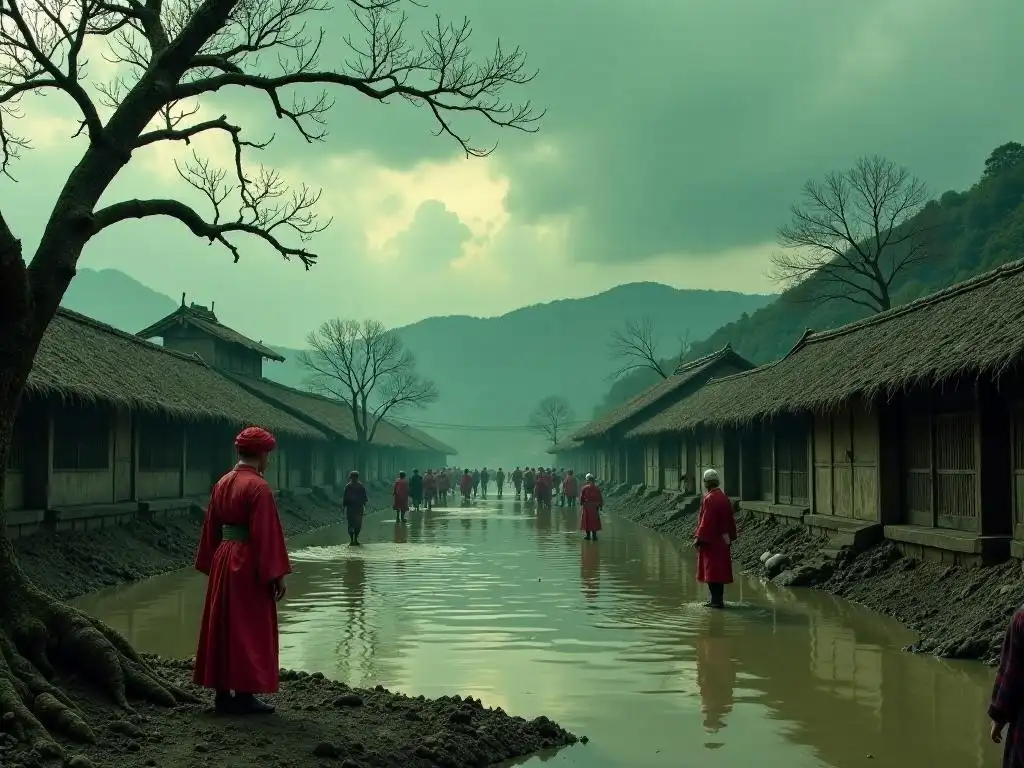
Natural disasters had immediate and far-reaching effects on the class structures of feudal Japan, influencing economic conditions and altering relationships among the different social classes.
Economic Disruption and Class Mobility
The economic disruption caused by natural disasters often led to significant class mobility. Disasters such as earthquakes and floods could destroy the wealth of upper classes, allowing lower classes to rise in status through the acquisition of land or resources abandoned by the affluent. Conversely, disasters also created conditions where the wealthy landowners could exploit the vulnerabilities of the peasantry, consolidating their power and wealth further. This cyclical nature of disaster and class mobility highlights the complex interplay between adversity and societal change in feudal Japan.
Loss of Land and Resources among Peasants
Natural disasters frequently resulted in the loss of land and resources for the peasantry. As disasters struck, many peasants found themselves unable to pay taxes or maintain their land, leading to increased dispossession. The loss of arable land not only affected individual families but also contributed to broader economic instability, as the agricultural output diminished. This loss often resulted in peasant uprisings, as desperate individuals sought to reclaim their livelihoods or resist oppressive taxation from the ruling samurai class.
Impact on Samurai and Their Land Holdings
The samurai class, despite their higher status, were not immune to the effects of natural disasters. Many samurai relied on agricultural revenues from their lands, which were often devastated by disasters. For instance, after the 1707 Hōei earthquake, samurai estates faced significant losses in productivity and revenue, forcing some to sell land or reduce the number of retainers they supported. This erosion of resources challenged the traditional power dynamics between samurai and peasants, as some samurai were compelled to seek alternative sources of income or alliances to maintain their status.
Changes in Merchant Activities Due to Disasters
Natural disasters also impacted merchant activities in feudal Japan, leading to shifts in trade patterns and economic focus. After disasters, merchants often faced challenges in transporting goods due to damaged infrastructure and decreased agricultural output. However, disasters also created opportunities for merchants who adapted by providing essential goods and services for recovery efforts.
This adaptability could lead to increased wealth and status for some merchants, allowing them to assert more influence in a society traditionally dominated by the samurai class. The changing dynamics of trade post-disaster reveal how economic opportunities can arise from adversity, further complicating the class structure of feudal Japan.
Natural disasters in feudal Japan had profound and often lasting effects on the social hierarchy, reshaping the relationships between different classes. The devastation wrought by earthquakes, floods, and famines frequently disrupted the established order, leading to significant shifts in power dynamics. These events often exacerbated existing inequalities, as the lower classes bore the brunt of the consequences while the elite sought to maintain their status and control over resources.
The aftermath of such disasters could lead to a re-evaluation of authority, where the competence of leaders during crises became a critical factor in their legitimacy. Furthermore, the psychological impact of recurrent disasters fostered a sense of vulnerability among all classes, leading to new ways of interpreting social roles and responsibilities within feudal Japan.
Shifts in Power Dynamics among Classes
In the wake of natural disasters, power dynamics among the classes often shifted dramatically. The immediate aftermath frequently saw a temporary empowerment of the peasant class, as local leaders or landlords who were unable to provide aid lost their authority. This period of upheaval occasionally allowed for uprisings or rebellions, as disenfranchised peasants sought to challenge the existing order.
However, as recovery progressed, the traditional hierarchies were typically restored, albeit with new leaders emerging who had successfully navigated the crisis. For instance, during the 17th century, after significant flooding, certain local samurai were able to expand their influence by effectively managing disaster responses, thereby solidifying their status at the expense of less capable counterparts.
Resilience of the Samurai Class
The samurai class often demonstrated remarkable resilience in the face of natural disasters. Their training and experience in warfare equipped them with the skills necessary for leadership during crises. In many cases, samurai were called upon to assist in the recovery efforts, managing resources and maintaining order in their territories.
This involvement not only reinforced their position within the social hierarchy but also allowed them to gain favor among the populace. The perception of samurai as protectors and stabilizers during uncertain times contributed to a nuanced view of their role, transforming them from mere warriors to vital figures in the socio-political landscape of feudal Japan.
The Rise of New Social Classes Post-Disaster
Natural disasters occasionally led to the emergence of new social classes, particularly in regions that required substantial rebuilding efforts. As the existing structure faced challenges, individuals who demonstrated entrepreneurial spirit or effective resource management could rise in status. Merchants, for instance, often gained prominence during reconstruction by providing essential goods and services, thus positioning themselves as critical players in the economy. Additionally, artisans and laborers who participated in rebuilding efforts could find themselves elevated in social standing, leading to a more complex class structure that reflected the changing realities of life in post-disaster Japan.
Changes in Land Ownership and Feudal Contracts
The impact of natural disasters on land ownership and feudal contracts was significant and often long-lasting. Following a disaster, land that was previously fertile could become unusable, leading to disputes over ownership and the redistribution of land. Nobles who lost their estates might find themselves at the mercy of more resilient or resourceful peers. Consequently, new feudal contracts might be negotiated, reflecting the altered landscape of power and resources. Such changes could also foster a shift toward more flexible agreements that allowed for shared responsibilities in disaster recovery, thereby subtly transforming the feudal system itself.
Case Studies of Specific Natural Disasters
The 1707 Hōei Earthquake and Its Societal Consequences
The 1707 Hōei earthquake, which struck the Suruga Bay area, resulted in significant structural damage and loss of life, profoundly affecting the social hierarchy of the time. The immediate aftermath saw a surge in demands for relief from the ruling classes, who were ill-prepared to handle the scale of the disaster. This led to a temporary increase in power for local leaders who could mobilize resources effectively.
As a result, the earthquake catalyzed social unrest among the peasantry, who felt neglected by their superiors. Over time, the recovery process necessitated new forms of governance and land management, setting precedents for future disaster responses.
The 1854 Ansei-Tōkai Earthquake and Its Impact
The 1854 Ansei-Tōkai earthquake had dramatic effects on the social structure, particularly in the Tokai region. This disaster not only caused massive destruction but also triggered a series of tsunamis that further devastated coastal areas. The response to the disaster saw an unprecedented level of community organization among the affected classes, leading to the rise of mutual aid societies.
These groups challenged traditional authority, as they provided essential support and resources that the feudal lords failed to deliver. The experience shifted perceptions of class responsibilities and solidified the emergence of a more interconnected society, laying the groundwork for changes leading into the Meiji Restoration.
Cultural Responses to Natural Disasters in Feudal Japan
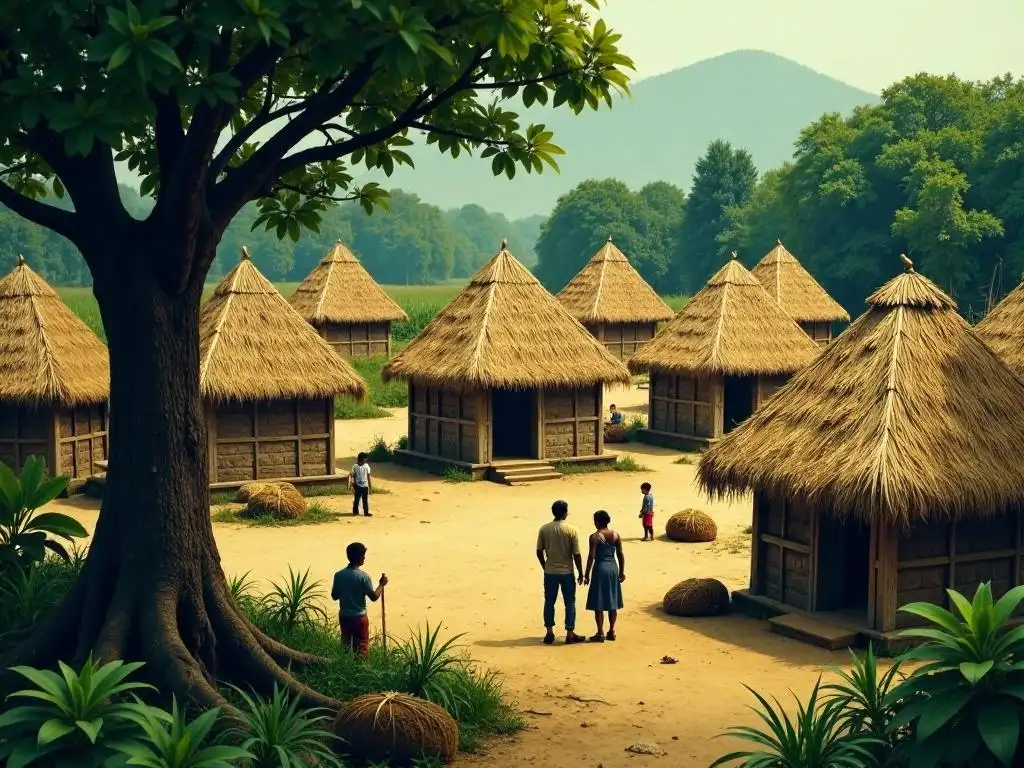
Natural disasters, such as earthquakes, tsunamis, and famines, played a significant role in shaping the cultural landscape of feudal Japan. The frequent occurrence of these calamities led to a rich tapestry of responses that not only reflected the immediate impact on society but also influenced long-term cultural narratives. Art, literature, and religious practices evolved in response to the experiences of suffering and resilience, illustrating the complex interplay between disaster and societal structure.
The artistic expression during this era often portrayed the harsh realities of natural disasters, showcasing the struggle and survival of the common people. Artists and writers utilized their crafts to document these events, providing a voice for the lower classes, whose struggles were often overshadowed by the elites. This cultural response served as both a form of catharsis for the creators and a means of raising awareness among the populace about the precariousness of life in a disaster-prone environment.
Literature and Art Reflecting Class Struggles Post-Disaster
Following significant natural disasters, literature and art became pivotal in expressing the class struggles that arose from the aftermath. Notable works included tales that depicted the plight of farmers facing crop failures due to droughts or floods, highlighting their vulnerability and the often indifferent reactions of the samurai class.
One illustrative example is the "Tale of the Heike," which narrates the rise and fall of the Taira clan, reflecting on the transient nature of power and how disasters can swiftly alter the social order. Similarly, ukiyo-e woodblock prints captured the devastation caused by earthquakes or tsunamis, often featuring scenes of destruction that affected both commoners and the elite. These artistic representations not only chronicled the impact of disasters but also served to critique the existing class structures, prompting discussions on social justice and responsibility.
Religious and Spiritual Reactions to Natural Calamities
In feudal Japan, natural disasters were often interpreted through a spiritual lens, leading to an array of religious responses. Many believed that disasters were manifestations of divine displeasure or a result of the actions of the ruling class. In response to calamities, there was a surge in religious practices aimed at appeasing the gods or seeking protection from future disasters.
Shinto rituals and Buddhist prayers became commonplace, with communities gathering to perform ceremonies that sought to alleviate suffering. The connection between natural disasters and the spiritual realm reinforced existing class distinctions, as the samurai and wealthy landowners often had greater access to religious resources and were able to influence the outcome of communal rituals. This hierarchical structure sometimes led to resentment among the lower classes, who felt excluded from the protective measures afforded to the elite.
Community Solidarity and Class Relations After Disasters
Despite the potential for class divisions to widen following natural disasters, these events often fostered a sense of community solidarity among the affected populations. The shared experience of suffering and loss could temporarily transcend class barriers, leading to cooperative efforts in rebuilding and recovery. Villagers often came together to help one another, regardless of social status, forming networks of support that were crucial for survival in the aftermath of disasters.
However, this solidarity was frequently tested by the existing class structures. The samurai class, for instance, sometimes imposed levies on the lower classes to fund recovery efforts, exacerbating tensions between the classes. While natural disasters could unite communities in the short term, the underlying class relations often reasserted themselves as recovery progressed, revealing the persistent inequalities that defined feudal Japan.
Conclusion: The Lasting Legacy of Natural Disasters on Class Structures
The impact of natural disasters on the class structures of feudal Japan is profound and multifaceted. These events not only caused immediate physical and emotional upheaval but also prompted cultural, spiritual, and social responses that shaped the landscape of Japanese society.
Summary of Key Findings on Natural Disasters and Class Impact
Through the exploration of literature, art, religious responses, and community dynamics, it becomes clear that natural disasters acted as both catalysts for change and reflections of existing societal tensions. The struggles documented in artistic expressions and the spiritual interpretations of calamities reveal a society grappling with its hierarchical realities. The resilience shown by communities, while significant, was often undermined by the re-establishment of class divisions in the aftermath of disaster.
The Importance of Understanding Historical Context for Modern Implications
Understanding the historical context of natural disasters and their impact on class structures in feudal Japan is essential for drawing parallels to contemporary issues. Modern societies continue to face natural calamities, and the responses can mirror those of the past, revealing persistent inequalities. By studying these historical precedents, we can better comprehend the socio-economic dynamics that emerge in the wake of disasters, informing policies that promote equity and resilience in the face of future challenges.
References for Further Reading on Natural Disasters and Class Structures in Feudal Japan
To gain a deeper understanding of how natural disasters shaped class structures in Feudal Japan, it is essential to explore a variety of scholarly resources. Below are curated recommendations that cover both historical events and their socio-economic repercussions.
Recommended Books and Articles
-
"Disasters in Japan: The Influence of Nature on Society" by John D. D. Houghton
This book analyzes the relationship between natural disasters and societal changes throughout Japanese history, including the feudal era. It provides a comprehensive overview of how disasters influenced class dynamics and social hierarchies.
-
"Feudalism and Natural Disasters: The Resilience of the Samurai" by Akira Yoshida
In this work, Yoshida investigates the role of samurai during natural disasters, emphasizing their dual function as warriors and local leaders. The book presents case studies that illustrate how disasters impacted the samurai class and their interactions with commoners.
-
"The Great Earthquake of 1855: A Study in Natural Disasters and Social Change" by Haruki Takahashi
While focused on a specific event, this book delves into the aftermath of the 1855 earthquake and its impact on class structures in Edo-period Japan. Takahashi explores how the disaster reshaped urban policies and the distribution of power.
-
"Natural Disasters and the Transformation of Japanese Society" by Masako Ishikawa
Ishikawa's article discusses broader societal transformations resulting from natural disasters, particularly during the feudal era. She highlights shifts in agricultural practices and class relations as a response to recurring calamities.
-
"The Societal Impact of Typhoons in Pre-modern Japan" by Rei Nakamura
This article examines the effects of typhoons on rural communities and their social stratification. Nakamura provides insights into how these events challenged the existing class structures and led to changes in resource allocation.
Academic Journals on Feudal Japan History
-
The Journal of Japanese History
This academic journal publishes peer-reviewed articles on various aspects of Japanese history, including the socio-economic impacts of natural disasters. Notable articles within this journal have explored the interplay between environment and society during the feudal period.
-
Social Science Japan Journal
Focused on interdisciplinary studies, this journal often features research related to socio-economic changes in Japan, including topics on disaster management and its historical context. Articles examine the implications of natural events on class structures and societal resilience.
-
The Historical Journal of Japan
This journal offers a platform for scholarly discussions on historical events and their ramifications. Special issues often cover topics related to natural disasters, providing critical analyses of their impact on feudal class dynamics.
-
Japanese Studies Review
A journal dedicated to the examination of various aspects of Japanese culture and history. It frequently includes studies on the effects of environmental changes and disasters on class structures, providing valuable insights into the historical context of these events.
-
Environmental History in Japan
This journal focuses on the relationship between natural environments and human societies in Japan. Articles often explore how disasters have influenced social hierarchies and community structures throughout history, including the feudal era.
These resources provide a solid foundation for those interested in exploring the intricate connections between natural disasters and class structures in Feudal Japan. Whether through books or academic journals, readers can find a wealth of information that enhances their understanding of this complex historical landscape.
- Introduction to Natural Disasters in Feudal Japan
- Understanding Class Structures in Feudal Japan
- Types of Natural Disasters Affecting Feudal Japan
- The Immediate Impacts of Natural Disasters on Class Structures
- Long-term Effects of Natural Disasters on Social Hierarchy
- Case Studies of Specific Natural Disasters
- Cultural Responses to Natural Disasters in Feudal Japan
- Conclusion: The Lasting Legacy of Natural Disasters on Class Structures
- References for Further Reading on Natural Disasters and Class Structures in Feudal Japan
Frequently Asked Questions
What were the common natural disasters in feudal Japan?
Natural disasters such as earthquakes, tsunamis, and typhoons were frequent in feudal Japan, significantly impacting both the environment and the societal structure.
How did natural disasters affect the samurai class?
Natural disasters often led to economic strain, forcing samurai to adapt by seeking alternative sources of income or support from their lords, which sometimes altered their status.
What role did the peasantry play during natural disasters?
Peasants were often the most affected by natural disasters, leading to crop failures and food shortages, which increased their reliance on landlords and impacted the overall feudal system.
Did natural disasters have any cultural impacts during this period?
Yes, natural disasters influenced cultural practices, such as the emergence of religious rituals and festivals aimed at appeasing the gods, reflecting the societal response to calamities.
How did the feudal government respond to natural disasters?
The feudal government often implemented relief measures and tax adjustments to support affected classes, aiming to maintain social order and reduce the risk of rebellion among the populace.
Final Reflection: The Enduring Legacy of Natural Disasters in Feudal Japan
The impact of natural disasters on feudal Japan's class structures is a poignant reminder of how environmental forces can reshape societal hierarchies. Today, as we grapple with the increasing frequency and intensity of natural disasters due to climate change, understanding the historical context of these events becomes crucial. The lessons learned from feudal Japan highlight not only the vulnerability of societies to natural calamities but also the resilience and adaptability that can emerge in their aftermath.
The legacy of natural disasters in feudal Japan continues to resonate in contemporary discussions about social equity and disaster preparedness. The way these events influenced class structures serves as a powerful lens through which we can examine our current societal dynamics. As historian David S. Landes once said, The great challenge of history is to understand the interplay between human agency and the forces of nature.
This interplay remains relevant today, as we witness how marginalized communities often bear the brunt of environmental crises, echoing the historical patterns observed in feudal Japan.
As we reflect on the lessons from feudal Japan, let us consider our own roles in shaping a more equitable response to natural disasters. I invite you to think about how you can contribute to building resilience in your community, advocating for policies that support vulnerable populations, and fostering a culture of preparedness. By recognizing the historical impacts of natural disasters, we can work together to ensure that the lessons of the past inform a more just and sustainable future for all.
Unveil the Resilience of Feudal Japan!
Thank you for joining us on this journey through the fascinating intersection of natural disasters and class structures in Feudal Japan. You’ve gained valuable insights into how adversity shaped society and relationships during this pivotal time. Now, let's take this knowledge further!
Here are some simple yet impactful actions you can explore:
- Engage with a community: Join online forums or social media groups focused on Feudal Japan to share your thoughts and deepen your understanding with fellow enthusiasts.
- Dive deeper: Explore ancient texts or documentaries that discuss the social impacts of natural disasters throughout history.
- Spread the knowledge: Share this article with friends or on your social media, sparking discussions about how historical struggles reflect modern challenges.
What aspects of resilience from Feudal Japan inspire you to think differently about today’s societal structures?