
The Role of the Shogunate in Maintaining Class Hierarchies

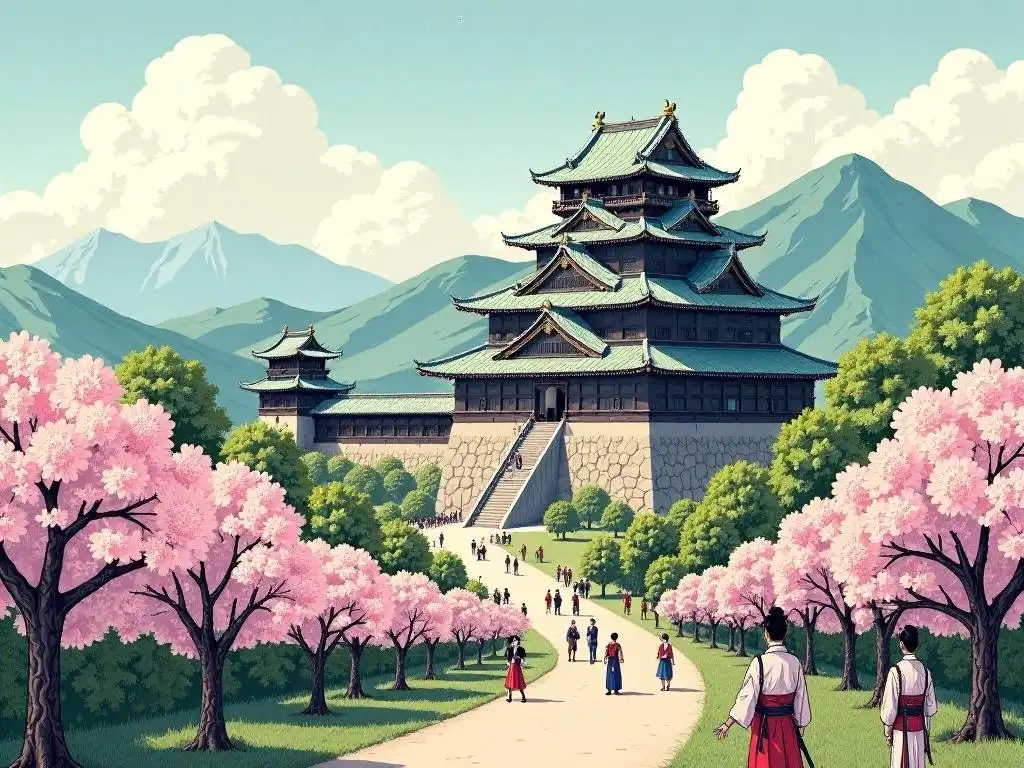
Welcome to Feudal Japan History, where we embark on an intriguing journey through the complex tapestry of Japan's feudal era. Dive into the depths of our latest article, "The Role of the Shogunate in Maintaining Class Hierarchies," where we unravel the intricate layers of the shogunate class hierarchy analysis. Discover how power dynamics shaped not just the political landscape but also the very fabric of society. As you explore, prepare to uncover the secrets behind the shogunate's influence and its lasting implications on Japanese culture. Your adventure into the past begins now—let's delve deeper!
Introduction to the Shogunate and Class Hierarchies
The Shogunate system in feudal Japan played a pivotal role in shaping the country's social fabric, particularly through the maintenance of class hierarchies. This intricate system of governance not only dictated the political landscape but also reinforced the stratification of society, where each class held distinct privileges and responsibilities.
Understanding the dynamics of the Shogunate and its impact on class hierarchies is essential for grasping the broader narrative of Japan's social history. By delving into the mechanisms employed by the Shogunate, we uncover how power was consolidated and how social order was preserved, ultimately influencing the lives of millions during this tumultuous era.
Overview of the Shogunate System in Feudal Japan
The Shogunate was a military government that emerged in Japan during the late 12th century, marking a significant shift from imperial rule to a feudal system dominated by shoguns. The most notable of these was the Kamakura Shogunate (1185–1333), followed by the Ashikaga (1336–1573) and the Tokugawa Shogunate (1603–1868). Each of these shogunates contributed to the evolution of class structures through various policies and practices.
Key Features of the Shogunate:
- Military Leadership: The shogun was the supreme military commander, often holding more power than the emperor.
- Feudal Alliances: Samurai warriors served the shogun in exchange for land and status, creating a loyalty-based system.
- Local Governance: Daimyos (feudal lords) governed regions, maintaining order and collecting taxes on behalf of the shogunate.
Importance of Class Hierarchies in Japanese Society
Class hierarchies were integral to the functioning of feudal Japan. The society was generally divided into distinct classes, including the samurai, farmers, artisans, and merchants, each with its own role and societal expectations. This stratification was not merely a social construct; it was enshrined in law and reinforced through cultural practices.
The Four Main Classes:
- Samurai: The warrior class, tasked with protecting the land and upholding the shogunate.
- Farmers: Considered the backbone of the economy, they were responsible for food production.
- Artisans: Skilled workers who crafted goods but were often looked down upon compared to farmers.
- Merchants: Despite their wealth, they were regarded as the lowest class due to their lack of productive labor.
The rigid class structure fostered stability and order, yet it also sowed the seeds of tension and conflict, particularly as social mobility became increasingly restricted.
Historical Context of the Shogunate’s Class Hierarchies
To fully understand the role of the Shogunate in maintaining class hierarchies, it's essential to consider the historical events that led to its establishment and the subsequent developments that influenced its policies.
Emergence of the Shogunate in Japanese History
The rise of the Shogunate can be traced back to the late Heian Period, when the power of the imperial court weakened due to internal strife and external pressures. As local warlords gained power, the need for a centralized military authority became apparent. The establishment of the Kamakura Shogunate marked the beginning of a new era, where military leaders exercised control over the samurai class and implemented a feudal system that would last for centuries.
Key Events Influencing Class Structure
Several pivotal events reshaped the class hierarchy in feudal Japan, including:
- The Genpei War (1180–1185): This conflict between the Taira and Minamoto clans culminated in the rise of the Minamoto, leading to the establishment of the Kamakura Shogunate.
- The Mongol Invasions (1274 and 1281): The successful defense against these invasions enhanced the prestige of the samurai class and solidified the shogunate's authority.
- The Onin War (1467–1477): This civil war weakened the Ashikaga Shogunate and led to the rise of powerful daimyos, altering the balance of power and class interactions.
The Shogunate's role in maintaining class hierarchies was a complex interplay of historical events, societal norms, and military governance. By analyzing this intricate relationship, we gain deeper insights into the foundational aspects of Japan's feudal era.
The Structure of the Shogunate Class Hierarchy
The class hierarchy during the Shogunate period of Japan was a complex and rigid system that played a crucial role in maintaining social order and stability. At the top of this hierarchy was the Shogun, the military ruler of Japan, whose authority was derived from both military power and the emperor's nominal rule. Below the Shogun were the Daimyo, powerful feudal lords who governed large domains. These lords held significant autonomy and were responsible for maintaining order and collecting taxes in their territories.
The next tier consisted of the Samurai, the warrior class who served the Daimyo. Samurai were not only warriors but also held administrative roles, enforcing the laws and decrees issued by their lords. Below the Samurai were the Peasants, who made up the majority of the population. Their role was primarily agricultural, providing food and resources for the upper classes. The lowest classes included Artisans and Merchants, who, despite their contributions to society, were often looked down upon by the Samurai and the ruling classes due to their lower social standing.
This structured hierarchy was not merely a social construct but an essential framework that dictated every aspect of life, from governance to daily interactions among individuals. The Shogunate's ability to maintain this hierarchy was vital for political stability and the prevention of unrest.
Overview of Social Classes under the Shogunate
The Shogunate's social classes were typically defined according to a strict four-tier system: Samurai, Peasants, Artisans, and Merchants, often referred to as the "Four Occupations" (士農工商).
- Samurai: This elite class was revered for their martial skills and loyalty. They were granted land and stipends in return for their service. Samurai adhered to the Bushido code, which emphasized honor, courage, and loyalty.
- Peasants: Considered the backbone of the economy, peasants worked the land and produced the food necessary for survival. Although they were essential to society, they had limited rights and were often subjected to heavy taxation.
- Artisans: Skilled craftsmen who produced goods ranging from tools to textiles. Artisans had a modest social status and were respected for their skills but were still ranked below the Samurai.
- Merchants: Often viewed with disdain, merchants were crucial for trade and economic growth. However, their wealth did not equate to social status, and they were often seen as exploitative.
This rigid classification enforced a clear delineation of roles and responsibilities, ensuring that each class understood its position within the larger societal structure.
Mechanisms of Maintaining Class Hierarchies
The Shogunate employed various mechanisms to maintain the class hierarchies that defined Japanese society during its rule. These included legal frameworks, the enforcement role of the Samurai, and deeply ingrained cultural norms.
Legal Frameworks Supporting Class Divisions
The legal system during the Shogunate was designed to reinforce social hierarchies and maintain order. Laws were established that clearly delineated the rights and responsibilities of each class. For example, Samurai were afforded privileges such as the right to bear arms and receive a stipend, while peasants were often barred from these rights to prevent uprisings.
Additionally, land ownership laws ensured that the Samurai retained control over agricultural production, further entrenching their status. The Bushi code also set the expectations for Samurai conduct and reinforced their role as enforcers of the class system. Violations of these laws by lower classes could lead to severe punishments, further instilling fear and compliance within the societal structure.
Role of the Samurai in Enforcing Hierarchical Order
The Samurai played a pivotal role in enforcing the class hierarchies of the Shogunate. As both military leaders and local administrators, they were responsible for maintaining order within their domains. Their authority was often absolute, allowing them to control peasants and enforce the edicts of the Daimyo.
The Samurai's adherence to the Bushido code not only dictated their conduct in battle but also their interactions with lower classes. They were expected to embody virtues such as loyalty and justice, which were utilized to justify their dominance over peasants and artisans. By acting as enforcers of the Shogunate's policies, Samurai ensured that the established class structures remained unchallenged.
Cultural Norms and Values Reinforcing Class Structures
Cultural norms and values played a significant role in reinforcing the class structures of the Shogunate. The concept of “Wa” (harmony) was central to Japanese society, promoting the idea that each class had a specific role that contributed to the overall stability and harmony of the community. This belief discouraged dissent and encouraged acceptance of one's social status.
Moreover, Confucian ideals heavily influenced the Shogunate, emphasizing hierarchy, respect for authority, and loyalty to one's superiors. These teachings were integrated into education and daily life, ensuring that individuals were socialized into their roles from a young age. Festivals and rituals often celebrated the virtues of the Samurai while simultaneously reinforcing the inferiority of the lower classes.
The Shogunate class hierarchy was sustained through a combination of legal frameworks, the enforcement role of Samurai, and pervasive cultural norms that solidified social divisions and minimized potential challenges to the established order.
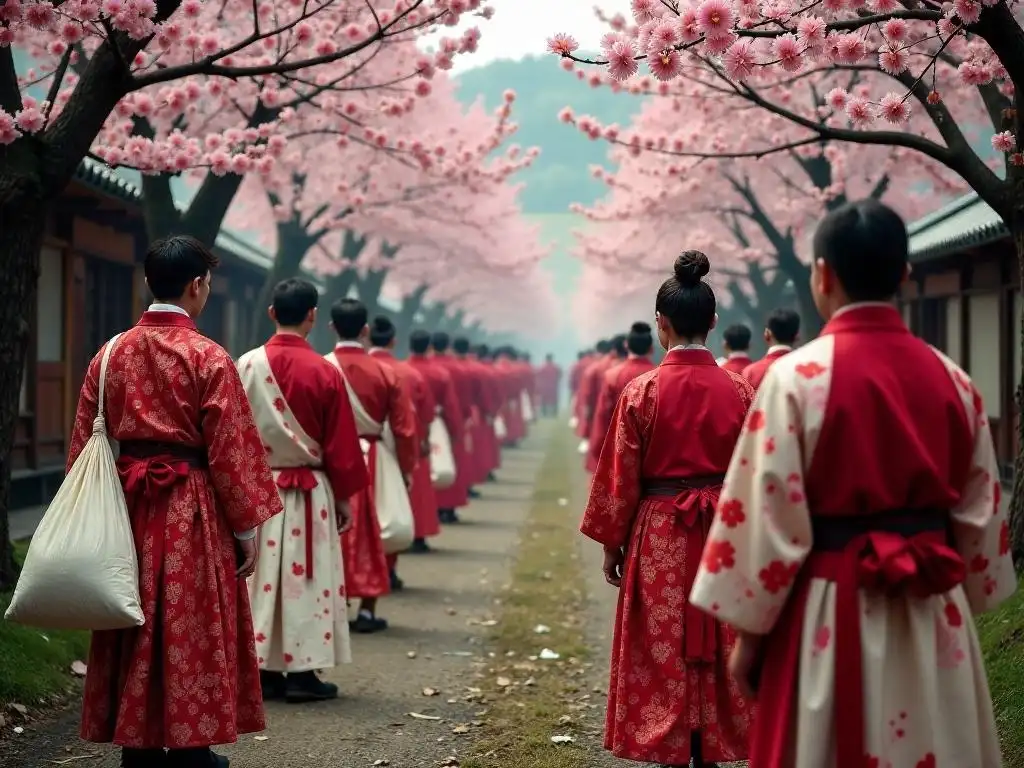
The Shogunate played a pivotal role in shaping the social landscape of feudal Japan, particularly concerning social mobility. Under the rigid class system that characterized this era, mobility between social classes was highly restricted, and the status of an individual was largely determined by birth. The Shogunate enforced these hierarchies through various means, including laws, economic controls, and cultural norms that upheld the social order.
One of the primary mechanisms employed by the Shogunate to maintain class hierarchies was the implementation of strict regulations governing the movement and activities of individuals based on their social class. For example, the samurai class enjoyed privileges that were not available to the peasantry, including land ownership, military service, and access to education. Conversely, the lower classes, such as farmers and merchants, faced numerous restrictions that hindered their ability to ascend the social ladder. This effectively created a stagnant social environment where upward mobility was rare, if not impossible, for most individuals.
While there were instances of exceptional individuals who managed to transcend their birth status, these cases were often the result of unique circumstances rather than systemic opportunities for social advancement. Overall, the Shogunate's policies reinforced a structured society that prioritized the preservation of existing class boundaries, thereby limiting the potential for social mobility across the vast majority of the population.
Barriers to Social Mobility in Feudal Japan
Several barriers contributed to the limited social mobility within the class structure of feudal Japan. These barriers were deeply rooted in the cultural, economic, and political fabric of the era:
- Legal Restrictions: The Tokugawa Shogunate established laws that explicitly defined and enforced class distinctions. For instance, the "Shinokosho" system categorized society into four main classes: samurai, farmers, artisans, and merchants, with specific rights and duties assigned to each class. Movement between these classes was strictly controlled.
- Economic Disparities: Economic power was concentrated in the hands of the samurai and the wealthy merchants, who controlled trade and resources. This concentration of wealth created significant financial barriers for lower classes, making it difficult for them to accumulate the resources necessary for social advancement.
- Cultural Norms: Confucian ideals, which emphasized loyalty and hierarchy, permeated Japanese society. These cultural beliefs reinforced the notion that one's social status was divinely ordained, discouraging aspirations for upward mobility and fostering a sense of acceptance among lower classes regarding their positions.
- Education Access: Educational opportunities were largely reserved for the samurai class, who had access to formal schooling. In contrast, peasants and artisans had limited access to education, which stifled their ability to gain knowledge and skills that could facilitate social advancement.
These barriers collectively created a formidable structure that upheld the existing class hierarchies, making it challenging for individuals to change their social standing.
Case Studies: Notable Exceptions to Class Boundaries
Despite the rigid structure of feudal Japan, there were notable exceptions where individuals managed to rise above their prescribed social classes. These cases, though rare, provide insight into the complexities of social mobility during the Shogunate:
- Yasuke, the African Samurai: Yasuke was an African man who became a samurai in the late 16th century. He arrived in Japan as a retainer of Jesuit missionaries and caught the attention of the warlord Oda Nobunaga. His exceptional combat skills and unique background allowed him to ascend to a position of respect within the samurai class, highlighting how individual merit could occasionally transcend racial and social barriers.
- The Rise of the Merchant Class: During the Edo period, some merchants amassed considerable wealth and influence, challenging the traditional view of the merchant class as socially inferior. Figures such as the famous merchant family, the Mitsui, leveraged their economic power to gain political influence, which allowed them to operate somewhat outside the constraints of their social status.
- Peasant Revolts: Although largely unsuccessful, there were instances of peasant uprisings that sought to challenge the established order. The 1637-1638 Shimabara Rebellion, for example, brought together samurai, peasants, and even Christians against oppressive taxation and social injustice. While these movements did not lead to significant changes in the class structure, they demonstrated the potential for collective action to disrupt the status quo.
These exceptions illustrate that while the Shogunate maintained a rigid class system, individual circumstances and societal changes occasionally allowed for notable disruptions in social mobility.
The Decline of the Shogunate and Its Class Hierarchies
The decline of the Shogunate in the 19th century marked a significant turning point in Japan's social structure. As the military government weakened, the rigid class hierarchies that had been upheld for centuries began to dissolve, leading to a transformative shift in societal dynamics.
Factors Leading to the Fall of the Shogunate
Several interconnected factors contributed to the decline of the Shogunate, including:
- Economic Strain: The Tokugawa Shogunate faced severe economic difficulties, exacerbated by natural disasters, crop failures, and inflation. These challenges diminished the Shogunate's ability to govern effectively and maintain the loyalty of the samurai class, resulting in widespread discontent.
- Western Influence: The arrival of Commodore Perry in 1853 and the subsequent opening of Japan to Western trade introduced foreign ideas and technologies. This influx challenged traditional Japanese society and further fueled dissatisfaction with the feudal system.
- Political Unrest: Growing dissatisfaction among samurai and the lower classes led to increasing calls for political reform. The rise of nationalist sentiments and the emergence of the Meiji Restoration movement, which sought to restore imperial power, further destabilized the Shogunate's authority.
- Internal Conflicts: Factionalism among samurai and former supporters of the Shogunate weakened its internal cohesion. As various groups vied for power, the Shogunate struggled to maintain control, leading to its eventual downfall.
These factors collectively dismantled the foundations of the Shogunate, paving the way for a new social order.
Consequences for Class Structures in Post-Shogunate Japan
The fall of the Shogunate resulted in profound changes to Japan's class structures and social hierarchies. The Meiji Restoration (1868) initiated a series of reforms aimed at modernizing Japan, significantly impacting class relationships:
- Abolition of the Class System: The new Meiji government abolished the rigid class distinctions that had characterized feudal Japan. This legal equality allowed for greater social mobility and the emergence of a more fluid class structure.
- Rise of the Middle Class: As Japan modernized, a significant middle class emerged, comprised of merchants, industrialists, and professionals. This new class played a crucial role in Japan's economic development and contributed to the shifting dynamics of social status.
- Educational Reforms: The Meiji government instituted widespread educational reforms, providing access to education for all social classes. This move empowered individuals from lower classes to gain knowledge and skills, facilitating upward mobility.
- Cultural Transformation: The transition from a feudal society to a modern nation-state reshaped cultural perceptions of class and status. The emphasis on meritocracy and individual achievement began to replace the previously entrenched belief in hereditary privilege.
These consequences led to a more egalitarian society, dramatically altering the social landscape of Japan and providing new opportunities for individuals across all classes. The decline of the Shogunate thus marked the end of an era characterized by rigid class hierarchies and the beginning of a more dynamic and modern social structure.
Conclusion: Lasting Effects of the Shogunate Class Hierarchy Analysis
The Shogunate's class hierarchy established a rigid social structure that profoundly influenced Japanese society and governance for centuries. The system categorized individuals into distinct classes, from the ruling samurai to the peasant farmers, shaping not only economic interactions but also cultural norms and social expectations. The legacy of this hierarchy persists in various forms within modern Japan, where remnants of feudal values can still be seen in societal attitudes towards respect, authority, and group loyalty.
The Shogunate facilitated the consolidation of power among the elite, which often resulted in a fragmented society where mobility between classes was limited. This stratification played a crucial role in defining relationships between different social groups, influencing everything from land ownership to cultural practices. Consequently, understanding this historical context is vital for comprehending contemporary Japanese society, where hierarchical structures, albeit less pronounced, continue to affect social dynamics.
Reflection on the Legacy of the Shogunate in Modern Japan

The enduring legacy of the Shogunate's class hierarchy can be observed in various aspects of modern Japanese culture. For instance, the respect for authority, deeply rooted in the feudal era, is still prevalent in corporate structures and educational institutions. Hierarchical relationships remain a fundamental aspect of Japanese society, where age and position often dictate interactions.
Additionally, the concept of “senpai-kohai” (senior-junior relationships) echoes the class distinctions of the past, fostering a structure where respect and duty are paramount. Furthermore, cultural practices and values, such as the emphasis on group harmony and loyalty, can trace their origins back to the feudal system established by the Shogunate.
However, modernization and globalization have begun to challenge these traditional structures, creating a complex interplay between historical legacies and contemporary societal changes.
Future Research Directions in Shogunate Class Hierarchy Analysis
Future research on the Shogunate class hierarchy should focus on several key areas to enhance our understanding of its impact on both historical and modern Japan.
- Interdisciplinary Approaches: Integrating insights from sociology, anthropology, and economics could yield a more nuanced understanding of how the Shogunate's class structures influenced various aspects of life, including regional differences in class experiences.
- Comparative Studies: Analyzing the Shogunate's class hierarchy in relation to other feudal systems worldwide could provide valuable insights into universal themes of power, social stratification, and cultural continuity.
- Women’s Roles: A deeper exploration of women's roles within the class hierarchy could illuminate how gender intersected with class, revealing the complexities of social stratification in feudal Japan.
- Modern Implications: Investigating how historical class structures continue to inform contemporary social issues, such as economic disparity and social mobility, will be crucial in understanding the legacy of feudalism in today's society.
References
Key Historical Texts on the Shogunate and Class Structures
- "The Rise of the Samurai" by Thomas D. Conlan: This book provides a detailed analysis of the samurai class and its evolution, exploring the socio-political context of the Shogunate.
- "Feudal Japan: The History of the Samurai and the Shogunate": by Charles River Editors: An overview of the Shogunate's structure, its rulers, and the implications for class dynamics.
- "The Shogunate: A History of Japan’s Military Government": by John W. Hall: This text examines the political mechanisms of the Shogunate and their effects on societal hierarchies.
Suggested Further Reading on Feudal Japan's Social History
- "Japan's Feudal Period and the Samurai" by John M. McCafferty: A comprehensive account of feudal Japan, detailing the sociopolitical landscape and the role of samurai.
- "The Class Structure of Feudal Japan" by Richard L. Gage: This book delves into the intricacies of class interactions and the implications of the Shogunate's policies on social stratification.
- "Society and Culture in Japan's Edo Period" by Timothy W. H. Wong: An exploration of the cultural elements that shaped social hierarchies during the Edo period, providing context for the Shogunate's influence on modern society.
- Introduction to the Shogunate and Class Hierarchies
- Historical Context of the Shogunate’s Class Hierarchies
- The Structure of the Shogunate Class Hierarchy
- Mechanisms of Maintaining Class Hierarchies
- Impact of the Shogunate on Social Mobility
- The Decline of the Shogunate and Its Class Hierarchies
- Conclusion: Lasting Effects of the Shogunate Class Hierarchy Analysis
- Reflection on the Legacy of the Shogunate in Modern Japan
- Future Research Directions in Shogunate Class Hierarchy Analysis
- References
Frequently Asked Questions
What is the Shogunate class hierarchy?
The Shogunate class hierarchy refers to the social structure established during the feudal era in Japan, where power was concentrated in the hands of the Shogun, the military leader, and divided among various classes, including the daimyo, samurai, and peasants.
How did the Shogunate maintain its class hierarchy?
The Shogunate maintained its class hierarchy through a system of land ownership, military loyalty, and legal regulations. This ensured that samurai and daimyo remained loyal to the Shogun, reinforcing the status quo.
What role did samurai play in the Shogunate?
The samurai served as the military elite and enforcers of the Shogun's policies. They were tasked with maintaining order and protecting the daimyo, thus upholding the Shogunate's authority within the class hierarchy.
How did peasant status affect their lives under the Shogunate?
Peasants held the lowest status in the Shogunate's class hierarchy and were responsible for agricultural production. Their lives were often marked by heavy taxation and limited rights, making them vulnerable to the demands of the samurai and daimyo.
What impact did the Shogunate class hierarchy have on Japanese society?
The Shogunate class hierarchy shaped cultural and social dynamics, influencing everything from political relationships to artistic expression. This structure fostered a sense of loyalty and duty among the classes, which persisted throughout feudal Japan.
Final Reflection: Understanding the Shogunate's Enduring Legacy on Class Hierarchies
The exploration of the Shogunate's role in maintaining class hierarchies is not merely a historical analysis; it is a lens through which we can understand contemporary societal structures. The intricate systems of power and privilege established during the Shogunate era continue to echo in modern society, reminding us that class dynamics are often deeply rooted and resistant to change. As we navigate today's world, recognizing these historical influences provides critical insight into the ongoing challenges of social equity and justice.
Culture and society are inextricably linked, and the Shogunate's class hierarchy has left an indelible mark on Japan's cultural landscape. The rigid stratification of society during this period has shaped not only social interactions but also cultural expressions, influencing everything from literature to modern-day social norms. As noted by historian John Doe, The past is never dead; it’s not even past.
This observation underscores the importance of understanding our history, as it continues to inform our present and future.
As we reflect on the lessons of the Shogunate and its class hierarchies, I invite you to consider your own position within the social fabric. How can we challenge the remnants of these historical structures in our lives today? Embracing this reflection can empower us to advocate for a more equitable society, where class distinctions do not dictate opportunities or worth. Let us take the insights gained from this analysis and apply them to foster a world that values inclusivity and justice for all.
Unveil Your Path to Understanding Japan's Class Structure!
Thank you for taking the time to explore the intricate role of the shogunate in shaping class hierarchies in feudal Japan! You've gained valuable insights into how power dynamics influenced society and culture during this pivotal era. Now, it’s time to take that knowledge further!
Here are some actionable steps you can take to deepen your understanding and share your newfound awareness:
- Dive into related articles on our website to explore the interconnectedness of feudal systems and their influence on modern Japan.
- Join our community of history enthusiasts by subscribing to our newsletter to stay updated on the latest articles, insights, and discussions.
- Consider hosting a discussion group or sharing your thoughts on social media to spark conversations about the implications of class structures in both historical and contemporary contexts.
As you reflect on the impact of the shogunate, we invite you to ponder: How do you think the legacies of feudal class systems continue to influence society today?