
The Decline of the Feudal Class System: Factors Leading to Change in Japan


Welcome to Feudal Japan History, where we embark on a captivating journey through the intricate tapestry of Japan’s feudal era. In our featured article, “The Decline of the Feudal Class System: Factors Leading to Change in Japan,” we delve into the pivotal moments that reshaped society and culture during this transformative period. What were the driving forces behind the dissolution of a centuries-old system? Discover the complexities of this historical shift and uncover the stories that still resonate today. Your exploration of Japan's rich past begins here—let curiosity lead the way!
- Introduction to the Decline of Japan's Feudal System
- Historical Context of Japan's Feudal System
- Factors Leading to the Decline of Japan's Feudal System
- The Impact of External Influences on Feudal Japan
- The Consequences of the Decline of the Feudal System
- Conclusion: The Legacy of the Decline of Japan's Feudal System
- References and Further Reading on the Decline of Japan's Feudal System
-
Frequently Asked Questions
- What were the main factors leading to the decline of Japan's feudal system?
- How did the Meiji Restoration impact feudal Japan?
- What role did Western influence play in the decline of feudalism in Japan?
- How did the Samurai class contribute to the decline of the feudal system?
- What were the social implications of the end of feudalism in Japan?
- Final Reflection: Embracing Change in the Wake of Japan's Feudal System Decline
- Unveil the Path Forward: Embrace Change in Historical Perspectives
Introduction to the Decline of Japan's Feudal System
The decline of Japan's feudal system marks a pivotal moment in the nation's history, signifying not only a shift in power dynamics but also profound transformations in cultural, social, and economic spheres. This period, spanning from the late Edo period into the Meiji Restoration, witnessed the gradual erosion of the class structures that had dominated Japanese society for centuries.
Understanding the decline of Japan's feudal system is essential for comprehending the subsequent modernization and democratization that shaped contemporary Japan. This article will delve into the myriad factors that contributed to this decline, exploring the intricate interplay between internal strife, external pressures, and the emergence of new ideologies that ultimately dismantled the feudal class system.
Overview of Japan's Feudal Class System
Japan's feudal class system, which flourished from the 12th century until the 19th century, was characterized by a strict hierarchical structure. At the apex of this system were the emperor and the shogun, who wielded significant political power. Beneath them were the daimyōs, powerful feudal lords who controlled vast territories and commanded their own armies of samurai. The samurai were the warrior class, bound by a code of honor, loyalty, and service.
The social pyramid continued with the peasants, who comprised the majority of the population and were responsible for agricultural production. They were followed by artisans and merchants, who, despite their economic contributions, were often viewed as lower in status due to the prevailing Confucian ideals that prioritized agricultural over commercial activities. This rigid structure created a society where individuals were born into their roles, with limited opportunities for social mobility.
Importance of Understanding the Decline
Understanding the decline of Japan's feudal system is crucial not only for grasping the historical context of the era but also for recognizing its lasting impact on modern Japanese society. The transition from feudalism to a more centralized government facilitated the emergence of modern political and social ideologies.
Moreover, this decline paved the way for significant changes in various domains, including:
- Political Reform: The shift from a feudal to a centralized bureaucratic government.
- Economic Transformation: The rise of commerce and industry, leading to a market economy.
- Cultural Shifts: The decline of samurai culture and the emergence of new social classes.
By analyzing these factors, we can appreciate how the decline of Japan's feudal system laid the groundwork for the nation's evolution into a modern state, ultimately influencing its trajectory in the 20th century and beyond.
Historical Context of Japan's Feudal System
Brief History of Feudalism in Japan
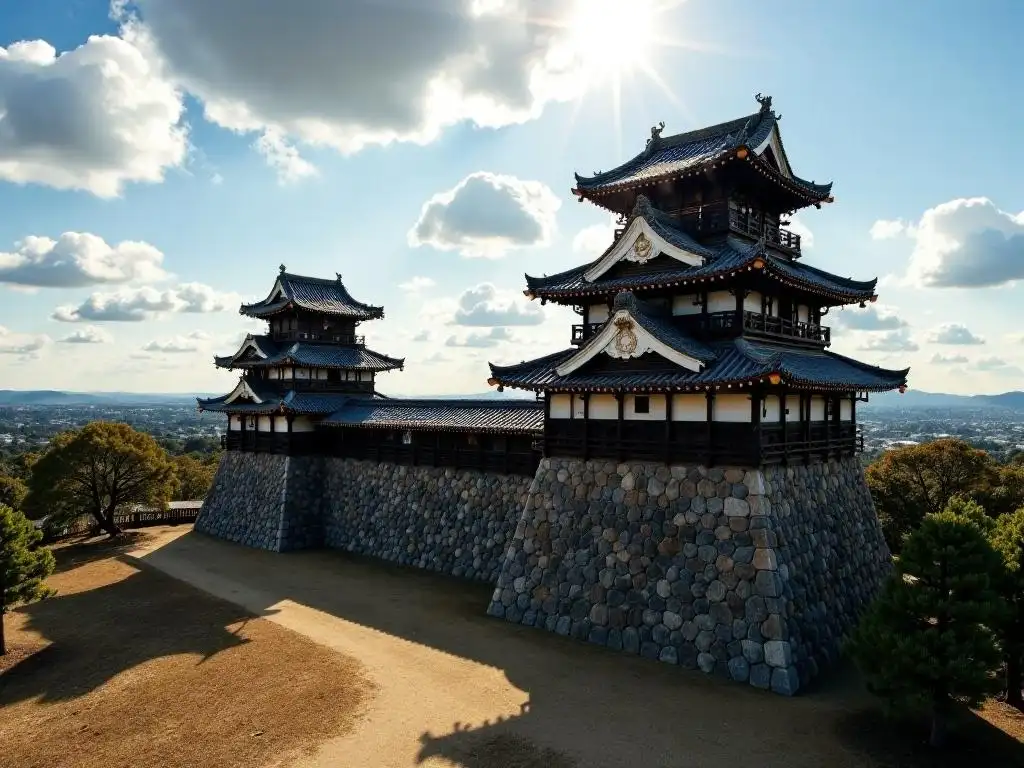
Feudalism in Japan emerged during the late Heian period (794-1185 AD) and solidified its structure through the Kamakura period (1185-1333 AD). This system was characterized by a decentralized political structure where land ownership and loyalty formed the basis of power dynamics. Initially, the emperor held supreme authority, but as the power of the imperial court waned, regional military leaders known as shugo and daimyo began to rise, establishing their own domains.
The Kamakura shogunate marked a significant transition, as the shogun became the de facto ruler, relegating the emperor to a ceremonial role. The subsequent Muromachi period (1336-1573 AD) saw the feudal system evolve further, with the rise of the Ashikaga shogunate and an increase in the influence of warlords. The Sengoku period (1467-1603 AD), often referred to as the "Warring States" era, was marked by intense conflict among daimyo, leading to the eventual unification of Japan under the Tokugawa shogunate in 1603.
By the late 19th century, the Meiji Restoration (1868) heralded the decline of Japan's feudal system, as modernization and the centralization of power dismantled the existing class structure. Understanding this historical evolution is crucial to grasping the factors contributing to the decline of Japan's feudal system.
Key Features of the Feudal Class Structure
The feudal class structure of Japan was hierarchical and rigid, consisting of several distinct classes, each with specific roles and responsibilities. The main classes included:
- Emperor: Although largely symbolic by the feudal era, the emperor was considered the divine ruler.
- Shogun: The military dictator who held actual power over the country.
- Daimyo: Powerful landowners who pledged loyalty to the shogun in exchange for autonomy over their territories.
- Samurai: The warrior class, serving the daimyo, adhering to the code of bushido (the way of the warrior), which emphasized honor, loyalty, and martial prowess.
- Peasants: The largest class, primarily responsible for agricultural production, who were often heavily taxed.
- Artisans and Merchants: Lower in status, these classes were crucial for trade and economic activity, though they had limited social mobility.
The feudal class system was maintained through a strict set of obligations and loyalty, where land was exchanged for military service, leading to a complex web of alliances and conflicts. This structure facilitated social stability for centuries but also sowed the seeds of its own decline as the political landscape evolved.
Major Players in the Feudal System: Samurai, Daimyo, and Peasants
The decline of Japan's feudal system can be better understood through the roles of its major players: the samurai, daimyo, and peasants.
- Samurai: As the elite warrior class, samurai were bound by a strict code of conduct and loyalty to their daimyo. However, as Japan transitioned towards modernization, the samurai's role diminished. The introduction of conscription laws and a standing army reduced the need for samurai, leading to their discontent and eventual rebellion during the Boshin War (1868-1869).
- Daimyo: The power of the daimyo fluctuated throughout Japanese history, but their autonomy began to wane during the late Edo period. The Sankin-kōtai system, which required daimyo to spend alternate years in Edo (modern-day Tokyo), weakened their control over their domains. The Meiji Restoration further stripped them of power and privileges, consolidating authority under the emperor.
- Peasants: As the backbone of the feudal economy, peasants were often burdened by heavy taxation and labor obligations. The changing economic landscape, coupled with natural disasters and crop failures, led to widespread discontent among the peasantry. This unrest contributed to uprisings, such as the Tenpo Reforms protests, signaling a shift towards social change.
The interplay between these classes was pivotal in understanding the decline of Japan's feudal system. As modernization took hold, the traditional loyalties and structures began to crumble, paving the way for a new social order.
Factors Leading to the Decline of Japan's Feudal System
Political Changes and Centralization of Power
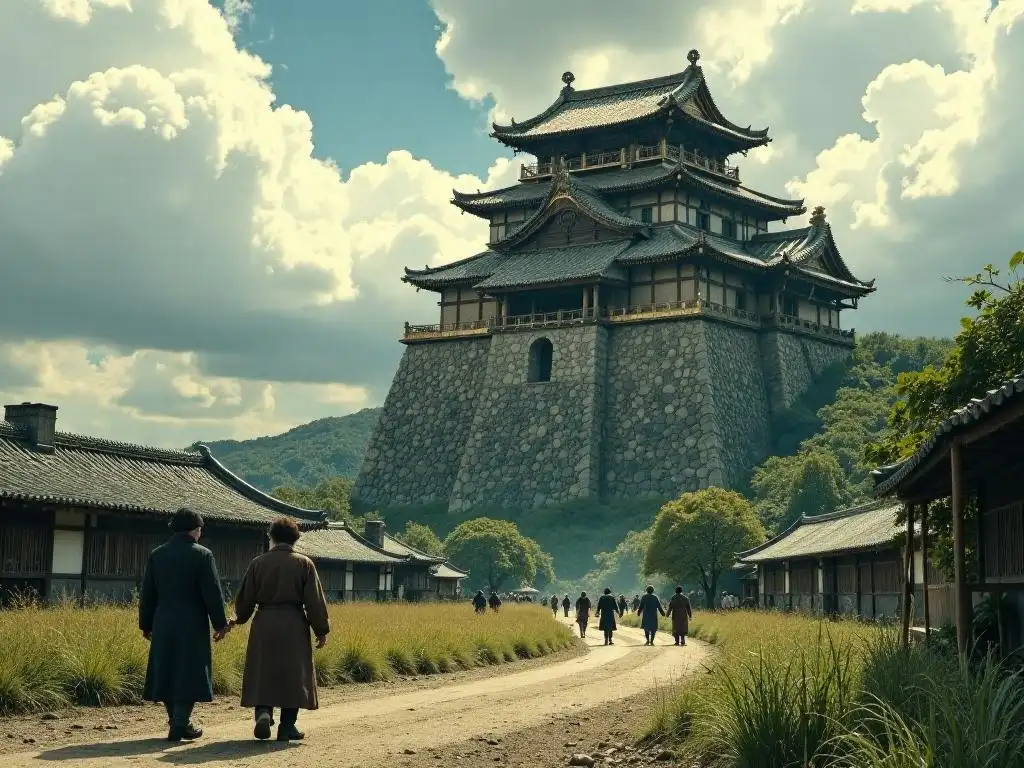
The decline of Japan's feudal system was significantly influenced by political changes that fostered the centralization of power. This shift marked a departure from the decentralized structure of governance that characterized feudal Japan, where local lords (daimyō) wielded considerable autonomy over their territories.
The Role of the Shogunate
The shogunate played a pivotal role in the political landscape of feudal Japan. Initially, the shogunate functioned as a military government, with the shōgun holding ultimate authority while the emperor remained a figurehead. However, by the late 19th century, the Tokugawa shogunate faced mounting internal pressures and external threats, which highlighted its inability to adapt to changing circumstances. The weakening of the shogunate's power was evidenced by:
- Increased dissent among daimyō: Many regional lords began to challenge the authority of the shogunate, leading to civil unrest.
- Foreign pressures: The arrival of Commodore Perry in 1853 forced Japan to open its ports to foreign trade, revealing the shogunate's vulnerability.
- Rise of nationalist movements: Groups such as the Sonnō jōi (Revere the Emperor, Expel the Barbarians) emerged, advocating for the restoration of imperial power and the abolition of the shogunate.
This culminated in the Boshin War (1868-1869), a civil conflict that resulted in the overthrow of the Tokugawa shogunate and paved the way for the restoration of the emperor.
The Impact of the Meiji Restoration
The Meiji Restoration (1868) marked a watershed moment in Japanese history, signifying the end of the feudal class system. The new government, under Emperor Meiji, implemented sweeping reforms aimed at modernizing Japan and centralizing authority. Key outcomes included:
- Abolition of the han system: The traditional domains controlled by daimyō were replaced with prefectures, effectively diminishing their power.
- Establishment of a centralized bureaucracy: A merit-based civil service system was introduced, allowing for greater efficiency in governance and reducing the influence of hereditary privileges.
- Creation of a national army: The conscription system replaced the samurai class's military role, integrating citizens into a unified national force.
These changes fostered a sense of national identity and unity, further contributing to the decline of feudal structures.
Economic Shifts and the Rise of Trade
The economic landscape of Japan underwent dramatic changes during the late feudal period, which played a crucial role in undermining the feudal class system. As commerce flourished, traditional agrarian economies began to give way to a more market-oriented approach.
Changes in Agricultural Practices
The introduction of new agricultural techniques and crops led to increased productivity, which altered the dynamics of land ownership and labor:
- Crop diversification: Farmers began cultivating rice alongside other crops, enhancing food security and allowing for surplus production.
- Land reforms: The Meiji government implemented land surveys and taxation systems, which encouraged private land ownership and diminished the feudal land tenure system.
- Rise of tenant farming: Many samurai, who had previously relied on stipends from land, found themselves in debt and forced to become tenant farmers, further eroding their status and power.
These agricultural advancements shifted economic power away from the samurai class and towards a burgeoning merchant class.
Growth of Urban Centers and Merchant Class
The rise of urban centers significantly contributed to the decline of the feudal system. As trade and commerce expanded, cities became hubs of economic activity:
- Emergence of a merchant class: The new economic realities allowed merchants to accumulate wealth and influence, challenging the traditional elite's dominance.
- Increased mobility: People began migrating to urban areas in search of better opportunities, breaking down the rigid class structures that defined feudal society.
- Cultural exchange: Urban areas fostered a vibrant exchange of ideas and cultures, leading to new social norms that diminished the rigid hierarchies of feudal society.
This shift towards an economy driven by trade and commerce ultimately played a crucial role in the decline of Japan's feudal system, as it created a more dynamic and fluid social structure.
The decline of Japan's feudal system was significantly influenced by social transformations and an increasing sense of class mobility among the populace. Traditionally, the rigid class hierarchy of feudal Japan categorized people into distinct social strata, including the samurai, farmers, artisans, and merchants. However, as the era progressed, societal changes began to challenge these established norms.
With the growth of commerce and trade during the Edo period (1603-1868), many merchants amassed considerable wealth, which in turn allowed them to elevate their social standing, albeit informally. This mobility among the merchant class began to erode the long-standing belief that social status was fixed and predetermined by birth. As more individuals sought to improve their circumstances, it fostered a culture that valued economic success over traditional social rank.
Moreover, the movement of people from rural areas to urban centers in search of better opportunities contributed to a dynamic social landscape. This migration led to increased interactions among different classes, breaking down barriers and fostering greater awareness of social inequalities. The result was a gradual shift towards a more fluid class structure, setting the stage for the eventual decline of the feudal class system.
The Rise of the Middle Class
The rise of the middle class in Japan marked a pivotal turning point in the decline of the feudal system. As commerce thrived, particularly in urban areas like Edo (modern-day Tokyo), a new economic class emerged. This middle class, primarily comprised of merchants and skilled artisans, began to gain both wealth and influence, challenging the traditional power held by the samurai and landowning classes.
The prosperity of merchants led to increased demands for political representation and rights, which further weakened the samurai's grip on power. Merchants began to organize and form associations, advocating for their economic interests and gradually gaining a voice in local governance. This newfound influence not only diminished the samurai's authority but also encouraged a sense of community identity among the middle class.
Additionally, as the middle class expanded, so did its cultural impact. The rise of literature, theater (such as kabuki), and other forms of entertainment catered to the tastes of this demographic, further solidifying their role in society. The cultural renaissance sparked by the middle class further emphasized the importance of merit and achievement over hereditary status, thus accelerating the decline of the feudal class system.
Education and Enlightenment Ideas
The spread of education and Enlightenment ideas played a crucial role in the decline of Japan's feudal system. During the late Edo period, a growing emphasis on education emerged, leading to the establishment of schools that were accessible to a broader segment of the population. This educational expansion was not limited to the samurai class; commoners, particularly those involved in commerce, sought knowledge to improve their business acumen and social standing.
As education flourished, so too did the dissemination of Enlightenment thought. Ideas advocating for individual rights, equality, and democratic governance gained traction among the educated populace. Influential texts introduced concepts that challenged the legitimacy of the feudal hierarchy, encouraging people to question their roles within the rigid class system.
Moreover, the introduction of Western philosophies and sciences further stimulated intellectual discourse in Japan. The adoption of new ideas from the West prompted many to envision a society based on meritocracy rather than birthright. This intellectual awakening not only inspired reform movements but also galvanized the public's resolve to dismantle the feudal structures that had long dictated their lives.
The interplay of social transformations, the rise of the middle class, and the influence of education and Enlightenment ideas collectively contributed to the decline of Japan's feudal system. These factors cultivated a society increasingly characterized by fluidity, equality, and a collective desire for reform, ultimately leading to significant societal changes in the modern era.
The Impact of External Influences on Feudal Japan

Western Contact and Its Effects on Japanese Society
The arrival of Western powers in the mid-19th century marked a significant turning point for Japan, catalyzing the decline of Japan's feudal system. The influx of foreign ideas and practices directly challenged the traditional social hierarchy and the established norms of the Tokugawa shogunate.
Commodore Perry and the Opening of Japan
In 1853, Commodore Matthew Perry of the United States sailed into Tokyo Bay, leading to the signing of the Treaty of Kanagawa in 1854. This treaty effectively ended Japan's isolationist policy, which had been in place for over 200 years. The opening of Japan to Western trade and influence exposed the Japanese to new political and economic ideas, including:
- Capitalism: The introduction of market-based economies began to undermine the feudal agricultural system.
- Democracy: Enlightenment ideas inspired calls for political reform and the establishment of a government that represented the people's will rather than the feudal lords.
- Education: Western educational practices promoted individualism and critical thinking, qualities that were at odds with the collectivist nature of feudal society.
As a result, the decline of Japan's feudal system can be traced back to the initial shockwaves caused by Western contact, which prompted both introspection and a desire for modernization among the Japanese populace.
Introduction of New Technologies and Ideas
Alongside political and economic shifts, the introduction of new technologies played a crucial role in the decline of the feudal class system. Western innovations in various fields began to permeate Japanese society, leading to significant changes in daily life and governance:
- Transportation: The development of railroads and steamships facilitated trade and movement, making the rigid feudal structure less practical.
- Military Advancements: The adoption of modern weaponry and military tactics shifted the balance of power away from samurai warriors who were traditionally the military elite.
- Communication: The telegraph and printing press allowed for faster dissemination of information, empowering the public and fostering a sense of national identity beyond feudal allegiances.
As these technologies took root, the social fabric of Japan began to unravel, leading to a gradual decline in the influence of the feudal class.
Military Pressures and the Need for Modernization
The internal conflicts and external pressures that Japan faced during the mid-19th century further accelerated the decline of the feudal system. The need for a unified, modern military became paramount as Japan sought to establish itself as a sovereign nation in a world dominated by Western powers.
The Boshin War and Its Significance
The Boshin War (1868-1869) was a pivotal conflict that illustrated the fractures in Japanese society and the decline of the feudal class. It was fought between the ruling Tokugawa shogunate and forces striving for imperial restoration, highlighting several key aspects:
- Division Among Samurai: Many samurai, who were traditionally loyal to the shogunate, began to align themselves with the imperial cause, showcasing a shift in loyalty based on ideology rather than feudal obligations.
- Emergence of New Leaders: The war gave rise to new political and military leaders, such as the Meiji oligarchs, who would eventually drive the modernization of Japan and dismantle the feudal class system.
- Impact on Society: The conflict fostered a growing sense of nationalism, as the Japanese people rallied around the emperor rather than their feudal lords, marking a significant shift in societal values.
The Boshin War ultimately resulted in the restoration of imperial rule, paving the way for further reforms that would dismantle the remnants of the feudal system.
Japan's Transformation into a Modern State
Following the Boshin War, Japan underwent a rapid transformation into a modern state, fundamentally altering the social structure that had characterized the feudal era. This transformation was marked by several significant reforms, including:
- The Meiji Restoration (1868): This political revolution abolished the shogunate and reinstated the emperor as the central authority, leading to sweeping changes across all aspects of society.
- Land Reforms: The abolition of the feudal landholding system allowed farmers to own land, which encouraged agricultural productivity and reduced the power of feudal lords.
- Industrialization: The government actively promoted industrialization, leading to the rise of a new merchant class that further challenged the dominance of the samurai class.
By the end of the 19th century, Japan had emerged as a modern industrialized nation, marking the definitive decline of Japan's feudal system. The interplay of external pressures and internal conflicts created an environment ripe for change, ultimately reshaping the social landscape of Japan forever.
The Consequences of the Decline of the Feudal System

The End of the Samurai Class and Its Legacy
The decline of Japan's feudal system marked a significant turning point in the country's social landscape, culminating in the dissolution of the samurai class. Traditionally, samurai held a privileged position as elite warriors and retainers of the daimyo (feudal lords), serving as both military protectors and local administrators. With the abolition of feudalism, particularly during the Meiji Restoration (1868), the samurai's role and status underwent profound transformation.
- Loss of Privileges and Stipends:
- The Meiji government implemented policies that dismantled the samurai's privileges, including their stipends which were replaced with money or government bonds. This transition left many samurai struggling to adapt to a new economy that favored commerce and industry over martial prowess.
- Cultural Legacy:
- Despite their decline, the samurai left an indelible mark on Japanese culture. Concepts such as bushido (the way of the warrior) and values like loyalty, honor, and discipline continued to resonate in modern Japanese society. The romanticized image of the samurai influenced literature, film, and even martial arts, preserving their legacy long after their political power waned.
- Social Mobility:
- The end of the samurai class also paved the way for a more fluid social structure. Individuals from lower classes could now ascend to positions of power and influence, contributing to a gradual erosion of rigid class distinctions that had characterized feudal Japan.
Changes in Land Ownership and Agricultural Practices
The decline of Japan's feudal system brought about significant shifts in land ownership and agricultural practices that would shape the nation's economic landscape. The transition from a feudal economy to a more modern, market-oriented one had several key implications:
- Abolition of the Han System:
- The han (domain) system, which defined land ownership under feudal lords, was abolished, leading to the nationalization of land. This reform allowed for a more centralized government control over agricultural resources, significantly altering the dynamics of land ownership.
- Land Reform and Redistribution:
- The Meiji government initiated land reforms that redistributed land to former peasants, incentivizing them to cultivate and improve the land. This shift from feudal landholding to private ownership encouraged increased agricultural productivity and led to the rise of cash crops and market-based agriculture.
- Adoption of Modern Techniques:
- As Japan transitioned to a more modern economy, farmers began to adopt new agricultural techniques and technologies, such as the use of fertilizers and improved irrigation methods. This modernization improved yields and contributed to the overall economic development of Japan.
The Formation of Modern Japanese Society and Identity
The decline of Japan's feudal system was instrumental in the formation of a modern Japanese society and national identity. The social changes initiated by the end of feudalism laid the groundwork for a new collective identity that would define Japan in the 20th century and beyond.
- Emergence of a National Identity:
- The dissolution of feudal loyalties fostered a sense of national unity. With the decline of the regional daimyo and the samurai class, citizens began to identify more as members of a nation rather than subjects of local lords.
- Rise of the Middle Class:
- The emergence of a burgeoning middle class was a direct outcome of the economic changes following the decline of feudalism. Merchants and entrepreneurs gained prominence, contributing to a vibrant commercial sector and the development of urban centers.
- Cultural Synthesis:
- Modern Japanese society began to synthesize traditional values with Western influences, particularly during the Meiji Restoration. This blending of cultures led to significant advancements in education, industry, and technology, ultimately creating a unique modern Japanese identity that balanced heritage with innovation.
The decline of Japan's feudal system was a multifaceted process with far-reaching consequences. From the end of the samurai class to the transformation of land ownership and the emergence of a modern national identity, these changes were pivotal in shaping the course of Japan's social and cultural evolution.
Conclusion: The Legacy of the Decline of Japan's Feudal System

The decline of Japan's feudal system marked a significant turning point in the nation’s history, leading to profound changes that reshaped its social, political, and economic landscape. While the feudal era's hierarchical structure provided stability and order, the transition away from it paved the way for modernization and national unity.
As we reflect on this legacy, it is essential to recognize that the remnants of feudalism still influence contemporary Japanese society. The values, traditions, and even some social hierarchies that emerged during the feudal period can still be observed today, albeit in transformed forms.
Lasting Effects on Contemporary Japanese Culture
The cultural impacts of the decline of Japan's feudal system are evident in various aspects of modern life. Here are some key areas where these influences manifest:
- Social Norms and Values: The emphasis on loyalty and honor, which were critical in feudal Japan, continues to be significant in contemporary Japanese culture. Concepts such as wa (harmony) and giri (duty) still play essential roles in personal and professional relationships.
- Art and Literature: The feudal era produced an array of artistic expressions, from samurai poetry to traditional theater. These forms of art have evolved but remain integral to Japan's cultural identity. Festivals celebrating historical themes often draw from this rich heritage.
- Language and Communication: The hierarchical structure of feudal society influenced language use in Japan. Honorifics and respectful speech patterns developed during this time persist today, reflecting the enduring significance of social status and relationships.
- Political Structures: The decline of feudalism led to the establishment of a centralized government, yet the influence of regional identities and local governance still lingers. Understanding this evolution is crucial to grasping Japan's current political dynamics.
Reflections on the Importance of Understanding Feudalism in Japan
Understanding the decline of Japan's feudal system is vital for several reasons:
- Historical Insight: It provides a lens through which to view the complexities of Japan's past, illustrating how historical forces shape present realities. Recognizing the interplay between feudalism and modern governance helps contextualize Japan's current political and social challenges.
- Cultural Awareness: A comprehension of feudalism enriches our appreciation of Japanese culture and its evolution. It allows us to see how historical narratives are woven into contemporary practices and beliefs.
- Societal Implications: By examining the decline of the feudal class system, we can better understand ongoing social issues, such as class disparities and the influence of tradition on modern life. This understanding is essential for addressing current societal dynamics.
- Lessons for the Future: Analyzing the factors that led to the decline of feudalism can offer valuable lessons for contemporary governance and societal organization. It emphasizes the importance of adaptability and reform in response to changing circumstances.
The decline of Japan's feudal system was not merely a historical event but a transformative process that continues to resonate within Japanese society today. By exploring its legacy, we gain insights that are crucial for appreciating the complexities of Japan’s cultural and social fabric.
References and Further Reading on the Decline of Japan's Feudal System
Recommended Books and Articles
-
"The Making of Modern Japan" by John D. Merriman
This comprehensive work examines the transition from the feudal era into modernity, providing insights into the socio-political shifts that contributed to the decline of Japan's feudal system. Merriman explores the impact of Western influence and internal strife on the traditional class structures.
-
"Samurai, Warfare and the State in Early Medieval Japan" by Karl F. Friday
This book analyzes the military and social dynamics of the samurai class and their eventual decline, highlighting the factors that destabilized the feudal hierarchy. Friday’s research delves into the relationships between the samurai, peasants, and the emerging merchant class.
-
"Japan's Modern History, 1868-2009: A New Perspective" by James L. McClain
McClain provides a detailed examination of the events leading up to and following the decline of feudalism. This book is essential for understanding how the remnants of the feudal class system influenced modern Japanese society.
-
"The Japanese Economy: A New Era" by Takeo Hoshi and Anil K. Kashyap
While primarily focused on economic developments, this book gives context to the social changes that accompanied the decline of the feudal system, discussing how economic factors played a crucial role in reshaping class structures.
-
"Feudalism in Japan" by Eric J. Johnson
Johnson's work offers a concise overview of feudalism in Japan, including its characteristics, development, and eventual decline. This article is a great starting point for readers unfamiliar with the subject.
Online Resources for Deeper Exploration
-
National Diet Library of Japan
The library's online resources offer a plethora of documents and historical records related to the feudal period in Japan. Accessing these archives can provide valuable primary source material for researchers interested in the decline of Japan's feudal system.
-
The Japan Times
Articles and opinion pieces published in this major English-language newspaper often touch on historical topics, including discussions about the legacy of the feudal class system in contemporary Japan. Their archives can be searched for relevant articles.
-
Japanese Studies Resources at a Glance
This online portal provides links to various academic institutions and their resources on Japanese history, including lectures, papers, and databases that focus on the feudal era and its decline.
-
The Asia-Pacific Journal: Japan Focus
An academic journal that features articles and essays on Japan’s history, culture, and society. This platform often publishes research related to the feudal system and its decline, making it a valuable resource for further study.
-
YouTube Educational Channels
Channels like "CrashCourse" and "The Great Courses" feature videos on Japanese history that include segments on feudalism. These can serve as engaging supplementary materials for visual learners.
By exploring these recommended books and online resources, readers can gain a comprehensive understanding of the factors leading to the decline of Japan's feudal system and its lasting impacts on Japanese society.
Frequently Asked Questions
What were the main factors leading to the decline of Japan's feudal system?
The decline of Japan's feudal system was influenced by various factors, including the rise of centralized authority, economic changes, and the introduction of Western influences.
How did the Meiji Restoration impact feudal Japan?
The Meiji Restoration in 1868 marked a significant turning point, as it abolished the feudal class system and established a modern government, promoting rapid industrialization and modernization.
What role did Western influence play in the decline of feudalism in Japan?
Western influence introduced new political and economic ideas, leading to the dismantling of the feudal structure and encouraging Japan to adopt Western-style governance and practices.
How did the Samurai class contribute to the decline of the feudal system?
The Samurai class, once the backbone of the feudal system, faced a loss of status and power as economic and political changes rendered traditional roles obsolete, contributing to the system's decline.
The end of feudalism led to significant social changes, including the emergence of a more egalitarian society, the rise of new social classes, and increased mobility and opportunities for the populace.
Final Reflection: Embracing Change in the Wake of Japan's Feudal System Decline
The decline of Japan's feudal system is not just a historical event; it is a powerful reminder of how societal structures can evolve in response to internal and external pressures. Today, as we navigate a world marked by rapid change and globalization, the lessons from this transformative period in Japan's history resonate more than ever. The shift from feudalism to a more modern state reflects the resilience and adaptability of societies, urging us to reconsider our own systems and the factors that drive change.
Cultural and social landscapes are continually shaped by the legacies of past systems, and the decline of the feudal class system in Japan serves as a poignant example of this evolution. The dismantling of rigid hierarchies allowed for greater social mobility and the emergence of new ideas, fostering innovation and progress. As the historian William McNeill aptly stated, The history of mankind is a history of ideas in motion.
This underscores the importance of recognizing how past transformations can inform our current realities and inspire future developments.
As we reflect on the decline of Japan's feudal system, let us take a moment to consider our own lives and the systems we inhabit. How can we embrace change and challenge outdated structures in our communities? I invite you to explore the lessons of adaptability, resilience, and innovation that emerged from this pivotal moment in history. By doing so, we can contribute to a more equitable and dynamic future, ensuring that we, too, are agents of change in our own right.
Unveil the Path Forward: Embrace Change in Historical Perspectives
Thank you for exploring the intricate journey of Japan's feudal class system. We hope you gained insights not only into the factors that contributed to its decline but also into the rich historical shifts that have shaped modern Japan. Now, it's time to take that knowledge and turn it into action!
Here’s how you can further engage with this fascinating subject:
- Dive Deeper: Investigate the cultural movements that influenced this transformation and their lasting impacts on contemporary Japanese society.
- Share Your Thoughts: Engage in discussions about this article with friends or on social media. What aspects of the feudal system's decline surprise you the most?
- Explore Further: Visit other sections of our website to uncover related historical events that prompted significant changes in various societies.
What key lesson from the decline of the feudal class system resonates with you today, and how might it apply to our modern social structures?