
The Role of Artisans: Crafting Identity Within Feudal Japan's Class System


Welcome to Feudal Japan History! Embark on a fascinating journey through the intricate tapestry of Japan's feudal era, where the echoes of the past resonate through the artistry of its skilled craftsmen. In our featured article, "The Role of Artisans: Crafting Identity Within Feudal Japan's Class System," we delve into the lives of these remarkable artisans, uncovering how their crafts not only shaped society but also defined cultural identity.
Prepare to discover the layers of history that intertwine art, class, and tradition—each thread revealing a story waiting to be explored. Dive deeper into this captivating world and let your curiosity guide you!
Introduction to Artisans in Feudal Japan
In the intricate tapestry of Feudal Japan, artisans played a pivotal role that extended beyond mere craftsmanship. They were essential contributors to the cultural and economic fabric of society, shaping not only the physical landscape through their creations but also influencing the identity and values of the community.
The artisans in Feudal Japan were not merely skilled laborers; they were the custodians of tradition, innovation, and artistry, navigating a complex class system that defined their status and contributions. This article delves into the multifaceted role of artisans within the context of Feudal Japan's class structure, exploring how their work and societal positioning shaped both their identity and the broader cultural narrative of the era.
Definition and Importance of Artisans
Artisans in Feudal Japan encompassed a diverse group of skilled craftsmen, including blacksmiths, potters, weavers, and woodworkers, among others. Their importance can be summarized as follows:
- Cultural Preservation: Artisans were instrumental in preserving traditional techniques and cultural practices, ensuring that skills were passed down through generations.
- Economic Contribution: They fueled local economies by producing goods for both everyday use and luxury items for the ruling class, creating a market that supported various sectors.
- Social Mobility: While artisans were often positioned lower in the social hierarchy compared to samurai or farmers, their skills provided avenues for economic advancement and sometimes allowed for limited social mobility.
Overview of Feudal Japan's Class System
The class structure of Feudal Japan was a rigid hierarchy known as the shiki system, where society was primarily divided into four main classes:
- Samurai: The warrior class, holding the highest status, responsible for governance and military service.
- Farmers: Considered vital for providing sustenance, they occupied the second tier.
- Artisans: Positioned below farmers, artisans contributed significantly to the economy and culture, often facing social stigma despite their skills.
- Merchants: At the bottom of the hierarchy, merchants profited from the work of others, leading to societal disdain despite their wealth.
Understanding this class system is essential to grasping the unique position artisans held, as they navigated the complexities of their societal roles while striving to assert their identity and significance.
The Class Structure of Feudal Japan
The Hierarchical Nature of Society
Feudal Japan was characterized by a strict and hierarchical social structure. Each class had specific duties, privileges, and restrictions that dictated their roles within society. The samurai, as the ruling elite, enjoyed significant power and influence, while farmers, though essential for food production, were often tied to the land and their lords. Artisans, residing in the middle tier, were respected for their skills but were still subordinate to both samurai and farmers.
This hierarchical nature not only determined one's social standing but also influenced interpersonal relationships and community dynamics. For instance, artisans often worked closely with samurai, creating bespoke items that reflected the samurai's status, yet they remained acutely aware of their position in the social order.
Roles and Responsibilities of Different Classes
Each class within Feudal Japan had distinct roles and responsibilities that shaped their contributions to society:
- Samurai: Responsible for governance, military service, and upholding the law, they were seen as the protectors of the realm.
- Farmers: Tasked with cultivating the land and feeding the populace, they were revered for their contributions to sustenance but were also heavily taxed.
- Artisans: Their responsibilities included creating functional and decorative items, often specializing in a particular trade. They were also involved in innovation, developing new techniques and tools that improved productivity.
- Merchants: Primarily focused on trade and commerce, they facilitated the exchange of goods but often faced societal scorn due to their perceived lack of contribution to the essential needs of society.
Artisans were a vital element of Feudal Japan's class system, acting as both creators and cultural bearers. Their ability to craft not only objects but also their identity within this structured society continues to resonate within the historical narrative of Feudal Japan.
Understanding the Artisan Class
Definition of Artisans in Feudal Japan
In Feudal Japan, artisans were skilled laborers who specialized in the production of goods through various crafts and trades. Unlike the samurai, who held military power, or the peasants, who worked the land, artisans occupied a unique position within the class structure. They were responsible for creating a wide range of products, including textiles, pottery, metalwork, and decorative arts.
Their work was not only vital for everyday life but also played a crucial role in the cultural and economic development of Japanese society during this period. Artisans were often organized into guilds, which regulated their trades, maintained quality standards, and provided support for their members.
Types of Artisans: From Craftsmen to Merchants
Artisans in Feudal Japan can be categorized into several distinct types based on their specific crafts and the nature of their work. These included:
- Craftsmen: Skilled workers in various trades, such as carpentry, pottery, and weaving. They typically focused on producing goods for local consumption.
- Blacksmiths: Essential for creating tools, weapons, and household items, blacksmiths held a respected position due to the necessity of their craft.
- Textile Workers: This group included weavers and dyers who produced clothing and fabrics, often using intricate designs that reflected regional styles.
- Merchants: While not always classified strictly as artisans, many artisans diversified their roles to include selling their goods, making them integral to the local economy.
Each type of artisan contributed uniquely to the fabric of feudal society, influencing both the economy and cultural practices.
Social Status of Artisans within the Class System
Within Japan's rigid class system, artisans were generally positioned below the samurai and above the peasants. Their work was respected, yet they were often seen as subservient to the elite classes. This social status was complex; while artisans could gain wealth and influence through their crafts, they were still bound by the overarching feudal hierarchy. In some regions, particularly in urban centers, skilled artisans could achieve a certain degree of social mobility, gaining recognition and even patronage from samurai families. However, their status was often precarious and dependent on the political and economic climate of the time.
The Cultural Significance of Artisans

Artisans as Bearers of Tradition and Craftsmanship
Artisans in Feudal Japan were not merely producers of goods; they were custodians of cultural heritage. Each craft was steeped in tradition, often passed down through generations. Techniques, styles, and methods were preserved by artisans, who played a key role in maintaining Japan's rich tapestry of cultural identity. Festivals, rituals, and ceremonies often showcased artisan work, highlighting their importance in the community. The dedication to craftsmanship was reflected in their meticulous attention to detail and the use of time-honored techniques, which contributed to the overall aesthetic of Japanese culture.
The Influence of Artisans on Japanese Aesthetics
Artisans significantly influenced Japanese aesthetics, which emphasized simplicity, natural beauty, and harmony with the environment. The principles of Wabi-Sabi, which celebrate imperfection and transience, were often embodied in the works of artisans. Their creations, from ceramics to textiles, informed not only artistic expression but also daily life. Artisans' involvement in the tea ceremony, for instance, underscored their impact on aesthetics, blending utility with deep cultural significance. This intersection of function and beauty helped shape Japan's unique artistic identity.
Artisan Contributions to Local and National Identity
The contributions of artisans extended beyond individual crafts; they were pivotal in forming both local and national identities. Regional artisans often developed distinctive styles that reflected local resources and cultural influences, leading to a rich variety of crafts across Japan. This diversity contributed to a sense of local pride and identity, as communities celebrated their unique artisanal products.
On a national level, the work of artisans helped to define Japanese culture during the feudal era, influencing everything from architecture to fashion. Their legacy can still be seen in contemporary Japanese art and craft practices, highlighting the enduring impact of artisans in shaping Japan's cultural landscape.
Economic Contributions of Artisans
In Feudal Japan, artisans played a pivotal role in shaping the economic landscape, contributing significantly to local economies and the overall prosperity of the nation. They were responsible for the production of essential goods, ranging from everyday items to luxury products, thereby impacting both urban and rural economies. Their craftsmanship not only provided functional items necessary for daily life but also contributed to the cultural identity of various regions.
The Role of Artisans in Local Economies
Artisans were integral to local economies, often forming the backbone of towns and villages. They specialized in various crafts—such as pottery, textiles, metalwork, and woodworking—providing goods that were in high demand. Local economies thrived as artisans supplied the necessities for farming, household use, and ceremonial practices. For instance, the production of rice farming tools by blacksmiths directly supported agricultural productivity, which was crucial for sustaining feudal society.
Moreover, artisans often collaborated with local merchants, creating vibrant marketplaces where their goods could be sold. This collaboration not only bolstered their income but also enhanced community ties, allowing artisans to gain a reputation that could lead to increased demand for their products.
Artisans and Trade: Interactions with Other Classes
Artisans maintained complex relationships with other classes, particularly merchants and samurai. The trade network established by artisans enabled them to interact with various social strata, facilitating the exchange of goods and services. For example, artisans would produce fine goods, such as silk textiles or elaborately crafted swords, which were highly valued by samurai and wealthy merchants.
Additionally, artisans often participated in local fairs and markets, where they could trade their goods directly with consumers, thereby bypassing intermediaries. These interactions not only expanded their customer base but also allowed artisans to influence market trends and consumer preferences, making them vital players in the economic ecosystem of feudal Japan.
The Impact of Artisans on Feudal Japan's Economic Landscape
The contributions of artisans significantly shaped the economic landscape of Feudal Japan. Their skilled labor led to the production of high-quality goods, which not only enriched local economies but also elevated Japan's status in international trade. For example, the export of lacquerware and ceramics became renowned across Asia, enhancing Japan’s reputation as a center of craftsmanship.
Artisans also played a crucial role in the development of urban centers. As cities grew, so did the demand for specialized goods, leading to the emergence of craft guilds that organized artisans into cooperative enterprises. These guilds helped standardize practices, regulate prices, and ensure quality, thereby fostering a stable economic environment that benefited both artisans and the broader community.
Challenges Faced by Artisans
Despite their contributions, artisans faced numerous challenges that affected their livelihoods and social standing within the feudal class system. The complexities of their roles often placed them in precarious positions, as they navigated societal expectations and economic pressures.
Social Limitations and Class Restrictions
Artisans were situated in the lower tiers of the feudal class hierarchy, often classified alongside peasants and laborers. This position subjected them to social limitations, restricting their mobility and opportunities for advancement. The rigid caste system enforced by the samurai class meant that artisans were often viewed as inferior, limiting their participation in political or social matters.
Furthermore, artisans were often bound to their localities, as their skills were specific to certain crafts and communities. This geographical limitation not only hindered their economic prospects but also reinforced their social status, making it challenging to rise above their designated class.
Economic Struggles and Competition
Economic competition posed a significant challenge for artisans in feudal Japan. The rise of centralized trade networks and the influx of imported goods created a competitive environment where local artisans struggled to maintain their market share. The introduction of mass-produced items, particularly during the later periods of feudal Japan, threatened traditional craftsmanship, forcing artisans to either adapt or risk economic decline.
Additionally, artisans often faced pressure from wealthier merchants who could undercut prices, leading to a race to the bottom in terms of quality and profit margins. This economic strain forced many artisans to compromise on their craft, impacting both their income and the overall quality of goods available in the market.
The Influence of Political Changes on Artisanship
Political changes throughout Feudal Japan had profound effects on artisans and their livelihoods. The unification of Japan under powerful shoguns in the 16th century, for example, led to shifts in economic policies that prioritized military and agricultural output over artisanal production. As resources were redirected towards warfare and agriculture, artisans often found themselves sidelined in favor of initiatives that did not prioritize their crafts.
Moreover, during periods of instability, such as the Sengoku period, artisans faced increased risks as conflicts disrupted trade routes and local economies. The focus on military might often overshadowed the importance of artisanship, leading to a decline in support for local crafts and a loss of historical traditions.
While artisans in Feudal Japan were crucial to economic development and cultural identity, they faced numerous challenges that affected their status and livelihood within the feudal class system. Understanding these dynamics provides a more nuanced perspective on their role in shaping Japan's history.
The Legacy of Artisans in Feudal Japan
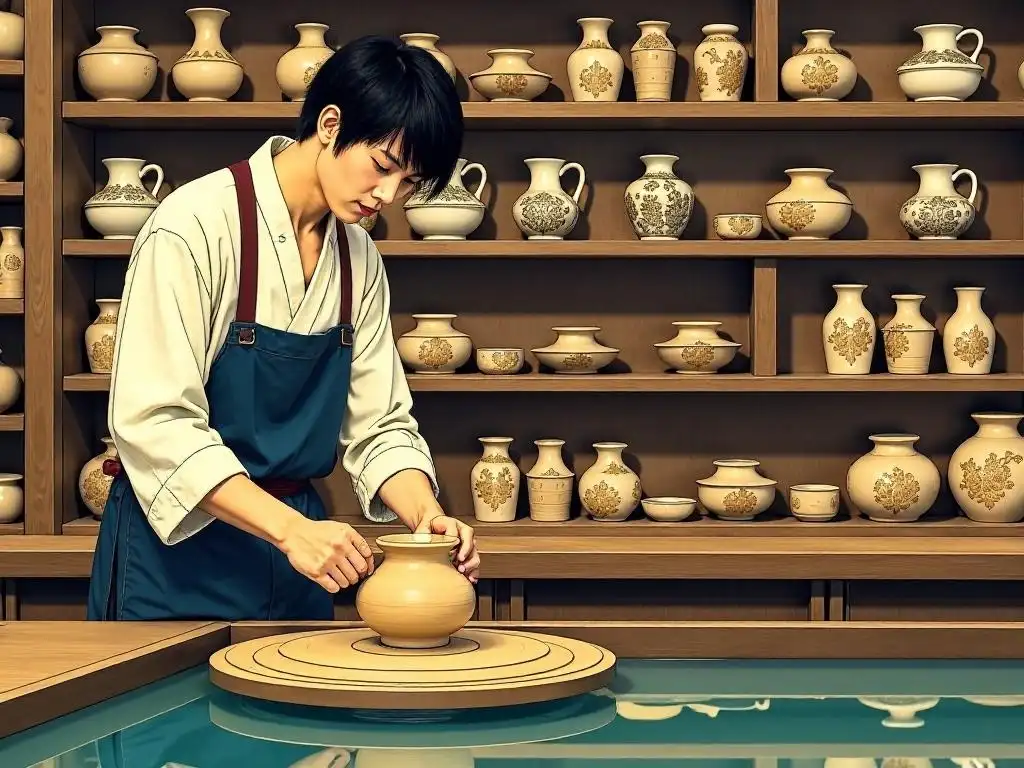
The artisans of feudal Japan played a crucial role in shaping the cultural and societal landscape of their time. These skilled craftsmen were responsible for producing a wide array of goods, from everyday utensils to intricate art pieces, which not only fulfilled practical needs but also enhanced the aesthetic quality of life. The legacy of artisans can be traced through various crafts such as pottery, textiles, metalwork, and woodworking, each contributing to the rich tapestry of Japanese heritage.
Artisans were often organized into guilds that regulated their trades and maintained quality standards. This system not only ensured that the craftsmanship was preserved but also fostered a sense of community among artisans. The social status of artisans varied, and while they were often seen as lower in the hierarchy compared to samurai and farmers, their skills were highly respected. This duality of status reflects the complexity of the social class system in feudal Japan.
Artisans also played a pivotal role in the development of cultural practices. Their work influenced aesthetics in various forms of art, including tea ceremonies, calligraphy, and architecture. As a result, the legacy of artisans is deeply embedded in Japan's cultural identity, shaping both historical narratives and contemporary practices.
Historical Impact on Modern Japanese Culture
The craftsmen of feudal Japan have left an indelible mark on modern Japanese culture. Their techniques and materials have evolved but still resonate in today’s artistic expressions. For example, traditional pottery styles, such as Arita and Bizen, are still celebrated and emulated by contemporary potters. The emphasis on precision and beauty in craftsmanship continues to be a significant aspect of Japan's cultural identity.
Moreover, the social structure established during feudal times has influenced modern perceptions of artisanship. There is a growing appreciation for handmade goods, often seen as a counter to mass production. This shift reflects a cultural nostalgia for the quality and uniqueness that artisanal products embody, drawing a direct line from the skilled artisans of the past to the preferences of modern consumers.
The historical significance of artisans in feudal Japan is also celebrated through festivals and exhibitions that promote traditional crafts. These events serve to educate the public about the importance of artisan techniques and the stories behind them, ensuring that the legacy of these craftsmen endures in contemporary society.
Continued Relevance of Artisan Crafts Today
In today’s globalized economy, artisan crafts continue to hold significant relevance. There is a resurgence of interest in traditional skills, as consumers seek authenticity and craftsmanship in a world dominated by mass-produced goods. This has led to a revival of techniques that were once at risk of being lost, as new generations of artisans take up the mantle to preserve and innovate upon these age-old practices.
Social media and e-commerce platforms have facilitated the visibility of artisan crafts, allowing artisans to reach wider audiences and share their stories. This has created a vibrant community of craft enthusiasts who support local artisans, further embedding artisanal practices within the fabric of modern culture.
Additionally, artisan crafts often emphasize sustainable practices, aligning with contemporary values of environmental consciousness. Many artisans prioritize the use of local materials and traditional methods, contributing to a more sustainable approach to production. This fusion of historical practices with modern values underscores the ongoing relevance of artisans in contemporary society.
Preservation of Artisan Skills and Techniques
Preserving the skills and techniques of artisans from feudal Japan is crucial for maintaining cultural heritage. Various organizations and educational institutions are dedicated to teaching traditional crafts, ensuring that the knowledge passed down through generations is not lost to time. Workshops, apprenticeships, and cultural programs are essential in fostering new artisans and keeping these vital skills alive.
Moreover, the rise of interest in cultural heritage has prompted government initiatives to recognize and support traditional crafts. Designations such as "Living National Treasures" honor artisans who have mastered their crafts, promoting the importance of their work in preserving national identity. By investing in the preservation of artisan skills, Japan acknowledges the integral role these craftsmen play in its cultural history.
Incorporating artisan techniques into modern practices has also been an effective way to preserve these skills. Many contemporary artists and designers draw inspiration from traditional methods, blending them with modern aesthetics to create new forms of expression. This not only keeps artisan skills relevant but also introduces them to new audiences.
Conclusion: The Enduring Identity of Artisans in Feudal Japan
The identity of artisans in feudal Japan reflects a deep connection to craftsmanship, community, and cultural heritage. Their contributions were vital to the societal structure, providing essential goods while also influencing artistic and cultural expressions. The legacy of these artisans resonates through generations, shaping modern perceptions of craftsmanship and authenticity.
Summary of Artisans' Roles in Society
Artisans occupied a unique position in the social hierarchy of feudal Japan. While often seen as lower in status compared to samurai and farmers, their skills were essential for the functioning of society. They crafted tools, clothing, and art that were not only functional but also carried cultural significance. This dual role as both producers and cultural custodians highlights the complexity of their contributions to society.
The guilds they formed provided a sense of community and solidarity, ensuring the transmission of knowledge and techniques through apprenticeship systems. Despite their challenges within the class system, artisans maintained a profound influence on the cultural and artistic landscape of their time.
Reflection on the Evolution of Artisanship Through History
Artisanship in Japan has undergone significant evolution since the feudal era. The transition from feudalism to modernity brought changes in economic structures and social perceptions of crafts. However, the core values of craftsmanship—dedication to quality, attention to detail, and a deep respect for materials—have persisted.
In contemporary society, the reverence for artisan skills is witnessing a renaissance, with many individuals recognizing the importance of traditional crafts in a rapidly changing world. This evolution reflects not only a historical journey but also an ongoing dialogue between the past and present, where artisans continue to shape cultural identity and community values. The enduring legacy of artisans in feudal Japan reminds us of the profound impact of skilled craftsmanship on society, identity, and history.
References for Further Reading on Artisans in Feudal Japan
To fully appreciate the nuanced role of artisans within the class structure of feudal Japan, it is beneficial to delve into a variety of resources that provide insights into their contributions, challenges, and cultural significance. The following recommendations include both print and online materials that offer valuable perspectives on artisans during this historical period.
Suggested Books and Articles
-
"The Craftsman: A Study of Artisan Life in Japan" by Eric J. Johnson
This comprehensive book explores the daily lives, skills, and societal roles of artisans in feudal Japan. Johnson discusses the various crafts from pottery to textiles and how these trades influenced the larger cultural landscape.
-
"Artisans and the Art of Life in Japan" by Hiroshi Tanaka
Tanaka’s work provides an in-depth analysis of the artisan class, focusing on the social status and economic conditions they faced. The book also touches upon the evolution of artisan crafts through different historical periods.
-
"Crafting Identity: The Role of Artisans in Japanese Society" by Akiko Yamamoto
This article delves into how artisans shaped their identity within the rigid social hierarchy of feudal Japan. It discusses the tension between their low status and the high regard for their craftsmanship.
-
"The Social Fabric: Artisans in the Tokugawa Period" by Masaru Nakamura
Focusing on the Tokugawa shogunate, Nakamura examines the intricate social networks that artisans developed, revealing how they navigated the challenges of their status while contributing significantly to the economy.
-
"Japanese Craftsmanship: The Cultural Significance of Artisans" by Kenji Suzuki
This article highlights the cultural aspects of artisan work, including the philosophy and aesthetics behind traditional crafts, illustrating their importance in maintaining cultural identity in feudal Japan.
Online Resources for Exploring Artisan History
-
The National Museum of Modern Art, Tokyo
This museum’s website offers a plethora of resources, including articles and digital exhibitions focused on Japanese craftsmanship, featuring works from various artisans throughout history.
-
Japan Society
An extensive online resource featuring articles, lectures, and educational materials about Japanese culture, including a section dedicated to the history and significance of artisans.
-
The Japanese Art Society of America
This organization provides insights into Japanese art and craftsmanship, including access to publications and research on traditional artisan practices and their impact on society.
-
"Feudal Japan: A History" Interactive Timeline
This interactive timeline includes specific entries related to artisans, showcasing their contributions to feudal society, and providing links to further readings and resources.
-
Cultural Heritage Online Archives
This digital archive contains documents, images, and scholarly articles related to the artisan class in feudal Japan, offering a rich source of information for those interested in deeper research.
By exploring these resources, readers can gain a more comprehensive understanding of the artisans' role in shaping not only their identity but also the broader social fabric of feudal Japan.
- Introduction to Artisans in Feudal Japan
- The Class Structure of Feudal Japan
- Understanding the Artisan Class
- The Cultural Significance of Artisans
- Economic Contributions of Artisans
- Challenges Faced by Artisans
- The Legacy of Artisans in Feudal Japan
- Conclusion: The Enduring Identity of Artisans in Feudal Japan
- References for Further Reading on Artisans in Feudal Japan
Frequently Asked Questions
What was the role of artisans in Feudal Japan?
Artisans played a crucial role in the economy and culture of Feudal Japan, creating everything from tools and textiles to intricate artworks, contributing to both daily life and cultural identity.
How did artisans fit into the class system of Feudal Japan?
Artisans were often considered part of the lower class, ranked below samurai and farmers, yet their skills were essential for the prosperity and development of Japanese society.
What types of crafts did artisans specialize in during this era?
Artisans specialized in various crafts, including pottery, textiles, metalwork, and woodblock printing, each contributing distinctively to the rich tapestry of Japanese culture.
While artisans were generally limited by the class system, some could achieve a degree of social mobility through exceptional skill or wealth, allowing them to gain respect and influence.
How did artisans contribute to Japan's cultural identity?
Artisans helped shape Japan's cultural identity by embedding their craftsmanship into everyday life, creating items that reflected regional styles and traditions, thus preserving and promoting Japanese heritage.
Final Reflection: The Enduring Legacy of Artisans in Feudal Japan
The role of artisans in Feudal Japan was not merely a function of their craft; it was a profound expression of identity that resonates with us today. In a society defined by rigid class structures, artisans carved out a unique space that allowed them to influence culture, aesthetics, and even social dynamics. Their legacy serves as a reminder that creativity and craftsmanship can transcend societal limitations, shaping not just individual identities but also the collective narrative of a nation.
Artisans were the unsung heroes of their time, weaving their skills into the very fabric of society. Their contributions went beyond mere utility; they were instrumental in defining cultural values and aesthetics that still echo in contemporary Japan. As we reflect on their impact, we are reminded of the words of the renowned Japanese philosopher, Nishida Kitarō: True beauty is not something that can be grasped; it is something that must be experienced.
This sentiment underscores the importance of recognizing and valuing the artistry that enriches our lives, a lesson that remains relevant as we navigate our increasingly complex world.
As we consider the lessons from the artisans of Feudal Japan, let us take a moment to reflect on our own identities and the crafts we engage in daily. How can we channel our creativity to forge connections and express our unique selves? I invite you to explore your passions, embrace your skills, and contribute to the cultural tapestry of your community. In doing so, you honor the legacy of those artisans who came before us, reminding us that every act of creation is a step toward understanding our place in the world.
Unveil Your Inner Artisan and Connect with Feudal Japan's Legacy!
Thank you for joining us on this journey exploring the vibrant world of artisans within feudal Japan! You've uncovered the rich tapestry of culture and identity that these skilled craftsmen wove into their society. Now, it’s time to take action and engage more deeply with this fascinating theme.
Here are a few ways you can continue your exploration:
- Dive deeper into the craftsmanship: Visit local galleries or museums showcasing art influenced by Japanese artisans, or even try your hand at a workshop that focuses on traditional crafts.
- Share your newfound knowledge: Discuss what you've learned with friends or on social media to spark curiosity in others about the role of artisans in history.
- Join community efforts: Engage with groups that celebrate traditional arts. Seek out online forums or local events where enthusiasts gather to discuss and appreciate these crafts.
Which aspect of artisan culture in feudal Japan fascinates you the most, and how do you believe it shapes our understanding of identity in contemporary society?