
The Bushido Code: Philosophical Foundations of the Warrior Class


Welcome to Feudal Japan History! Immerse yourself in the riveting world of Japan's feudal era, where honor, loyalty, and martial prowess reigned supreme. Our featured article, "The Bushido Code: Philosophical Foundations of the Warrior Class," delves deep into the intricate beliefs and principles that shaped the lives of samurai warriors. Discover how this ancient warrior philosophy continues to resonate through time and influences modern perspectives on duty and honor. Are you ready to explore the profound depths of Bushido and uncover the legacy of the samurai? Dive in and uncover the secrets that lie within!
Introduction to the Bushido Code
The Bushido code, often referred to as the "Way of the Warrior," serves as a philosophical framework that has profoundly shaped the values and ethical standards of the samurai class throughout Japan's feudal era. This intricate system of beliefs and practices not only guided the conduct of warriors but also influenced the broader cultural and societal norms of Japan. Understanding the Bushido code is essential for comprehending how the samurai navigated their responsibilities and identities amidst the tumultuous backdrop of feudal conflicts and social hierarchies.
The term "Bushido" itself encapsulates a rich tapestry of virtues, each interwoven with the principles of honor, loyalty, courage, benevolence, respect, and integrity. These principles were not merely theoretical ideals; they represented a way of life that dictated behavior in both peacetime and wartime. As we delve into the philosophical underpinnings of the Bushido code, we will explore how these values crystallized during Japan's feudal period and continue to resonate within contemporary Japanese culture.
Definition of Bushido: The Way of the Warrior
The term Bushido is derived from the Japanese words “bushi” (warrior) and “do” (way), which together signify "the way of the warrior." This code emphasizes the samurai's commitment to a life of moral rectitude, emphasizing virtues that extend beyond mere martial prowess. Instead, Bushido represents a holistic approach to life that integrates ethical behavior, personal responsibility, and a sense of duty, all deeply rooted in the samurai's social context.
Historical Context of Bushido Philosophy in Feudal Japan
To fully understand the Bushido code, it is essential to consider its historical origins. Emerging during the late Heian period (794-1185) and crystallizing in the Kamakura period (1185-1333), the philosophy evolved in response to the social structures and conflicts of feudal Japan. As the samurai class gained prominence, the need for a guiding code became paramount, leading to the formalization of Bushido principles.
The tumultuous nature of feudal Japan, marked by civil wars and shifting allegiances, necessitated a framework that would govern the samurai’s conduct. The code served not only as a means of personal development but also as a way to cultivate loyalty to one's lord and clan, reinforcing the social fabric that characterized the era.
The Core Principles of the Bushido Code
The Bushido code is anchored in several core principles, each serving as a pillar that supports the warrior's ethical framework. These principles are not merely theoretical constructs; they manifest in the actions and decisions of samurai warriors throughout history.
Honor: The Cornerstone of Warrior Ethics
At the heart of the Bushido code lies honor, regarded as the cornerstone of warrior ethics. For the samurai, personal honor was paramount, often overshadowing even the instinct for self-preservation. A warrior's reputation could be irrevocably tarnished by dishonorable actions, leading to a loss of status and respect within the community.
Loyalty: The Duty to Master and Clan
Loyalty is another fundamental principle of Bushido, dictating the samurai's unwavering allegiance to their master and clan. This loyalty not only fostered strong bonds among warriors but also ensured stability within the feudal system. The samurai's commitment to their lord was often viewed as a sacred duty, integral to maintaining the social order.
Courage: The Valor of the Samurai Spirit
Courage, or yū, defines the samurai spirit, urging warriors to confront fear with valor. This principle transcends the battlefield, encouraging samurai to face life's challenges with bravery and resilience. It embodies the idea that true courage involves not just physical prowess but also the moral fortitude to uphold one's principles in the face of adversity.
Benevolence: Compassion in Warrior Conduct
While the image of the samurai is often associated with martial prowess, benevolence plays a crucial role in the Bushido code. The samurai were expected to exhibit compassion and kindness, particularly towards the weak and defenseless. This principle reflects the belief that true strength lies in the ability to protect and uplift others.
Respect: The Importance of Politeness and Etiquette
Respect is a defining characteristic of the samurai ethos, emphasizing the importance of politeness and proper conduct. This principle governs interactions not only among samurai but also with commoners and adversaries. Demonstrating respect through gestures, language, and demeanor is fundamental to maintaining harmony and dignity in social relationships.
Integrity: The Pursuit of Moral Rectitude
Finally, integrity encapsulates the samurai's commitment to moral rectitude, emphasizing the importance of honesty and ethical behavior. A samurai's word was considered sacred, and maintaining integrity was essential for earning the trust and respect of peers and superiors alike. This principle underlines the belief that true honor stems from acting in accordance with one’s values and principles.
In this exploration of the Bushido code, we will uncover the intricate layers of these principles and their lasting impact on Japan's cultural heritage.
The Evolution of Bushido Philosophy
The Bushido code, often translated as "the way of the warrior," represents a complex and evolving set of ethical principles that guided the samurai class in feudal Japan. This philosophy did not arise in a vacuum; it was shaped by a multitude of influences over the centuries, reflecting the changing societal, spiritual, and political landscapes of Japan. Understanding the evolution of Bushido involves examining its origins, the significant philosophical schools that contributed to its development, and its practical manifestations in the lives of samurai.
Origins of the Bushido Code: Influences from Zen Buddhism
Zen Buddhism played a pivotal role in the formation of Bushido philosophy. Introduced to Japan from China in the 12th century, Zen emphasized direct experience and meditation as pathways to enlightenment. This focus on inner peace and clarity resonated deeply with samurai, who sought to cultivate mental discipline in the face of battle.
Key aspects of Zen that influenced Bushido include:
- Mindfulness and Presence: Samurai were encouraged to maintain a state of mindfulness, allowing them to respond to situations with calmness and precision. This mental clarity was crucial during combat, where split-second decisions could mean life or death.
- Acceptance of Death: Zen teachings prepared samurai to confront their mortality. The acceptance of death as a natural part of life enabled warriors to fight fearlessly, embodying the principle that a samurai should be ready to die at any moment.
- Simplicity and Aesthetics: The Zen aesthetic emphasized simplicity and the beauty of imperfection, which found expression in the samurai's approach to life and art. This appreciation for aesthetics informed their conduct, emphasizing honor and dignity.
The integration of Zen Buddhist principles into Bushido fostered a holistic warrior philosophy that transcended mere martial prowess.
The Role of Confucianism in Shaping Warrior Ethics
Confucianism, with its emphasis on social harmony and moral duty, significantly influenced Bushido ethics. Introduced in Japan during the Kamakura period (1185-1333), Confucian ideas were assimilated into the samurai code, reinforcing the importance of loyalty, filial piety, and righteousness.
Key contributions of Confucianism to the Bushido code include:
- Loyalty to One's Lord: The samurai's loyalty was not just a matter of duty but a reflection of their moral integrity. This allegiance was a cornerstone of Bushido, dictating that samurai serve their lords with unwavering fidelity.
- Virtue and Morality: Confucianism stressed the importance of cultivating personal virtues such as benevolence, righteousness, and integrity. These virtues became central tenets of the Bushido code, guiding samurai behavior both on and off the battlefield.
- Social Hierarchy and Responsibility: Confucian ideals reinforced the hierarchical structure of feudal society, wherein samurai were expected to lead by example and protect the lower classes, further embedding the concept of ethical leadership within Bushido.
Through the lens of Confucian thought, Bushido emerged as not only a warrior's code but also a framework for ethical conduct within the broader social fabric of Japan.
The Impact of Shinto Beliefs on Samurai Values
Shinto, Japan's indigenous spirituality, also played a crucial role in shaping the samurai's worldview and the Bushido code. The belief in kami (spirits) and the reverence for nature instilled a sense of duty and connection to the land and ancestors among the samurai.
Influences of Shinto on the Bushido code include:
- Spiritual Connection: Shinto beliefs fostered a spiritual relationship with the land and its deities, reinforcing the samurai's role as a protector of both their lord and the natural world.
- Ritual and Ceremony: Rituals such as purification and offerings to kami became integral to samurai life. These practices imbued daily actions with a sense of purpose and honor, aligning personal conduct with the divine.
- Honor and Reputation: In Shinto, the concept of honor is deeply tied to one's actions and relationships with both the spiritual and physical worlds. Samurai were expected to uphold their honor through valorous deeds, reflecting the Shinto belief in maintaining one's reputation among peers and ancestors.
By integrating Shinto values, the Bushido code transcended mere martial ethics, evolving into a comprehensive philosophy that encompassed duty to the divine and the natural world.
The Practical Application of the Bushido Code

The Bushido code was not merely theoretical; it had practical applications that influenced the behavior and strategies of samurai in warfare, as well as their interactions with society and culture. This section explores how the principles of Bushido were enacted in daily life and during conflict, shaping the samurai's legacy in Japan.
Bushido in Samurai Warfare: Strategies and Ethics
In the realm of warfare, the Bushido code dictated not only the techniques employed by samurai but also their ethical considerations. The principles of honor, loyalty, and courage were paramount in shaping their approach to combat.
Key elements of Bushido in warfare include:
- Honor in Battle: Samurai were expected to engage in combat with honor, avoiding treachery and deceit. Acts of bravery and chivalry were celebrated, and a warrior's reputation hinged on their conduct during battles.
- Strategic Thinking: The application of Bushido extended beyond physical combat; samurai were trained in various strategies and tactics that emphasized the importance of intellect and foresight in warfare. This included understanding the terrain, predicting enemy movements, and employing psychological warfare.
- Ritualistic Aspects: Samurai often engaged in pre-battle rituals, seeking divine favor and ensuring their readiness. These practices reinforced their commitment to Bushido and imbued their actions with spiritual significance.
The synthesis of ethical conduct and strategic acumen defined the samurai's approach to warfare, illustrating the practical application of Bushido in their lives.
The Influence of Bushido on Japanese Society and Culture
The impact of Bushido extended far beyond the battlefield, permeating various aspects of Japanese society and culture. The values espoused by the Bushido code influenced social hierarchies, artistic expression, and interpersonal relationships throughout feudal Japan.
Significant influences include:
- Social Structure: As a guiding philosophy, Bushido reinforced the social order, defining the roles and responsibilities of the samurai class. Their conduct set a moral standard that influenced the behavior of other social strata, promoting virtues such as loyalty and respect.
- Cultural Legacy: The principles of Bushido inspired various cultural expressions, including literature, theater, and art. Works that celebrated samurai virtues became central to Japanese cultural identity, resonating with themes of honor, sacrifice, and loyalty.
- Modern Relevance: Even in contemporary Japan, the Bushido philosophy continues to influence societal values, shaping notions of discipline, respect, and community. The spirit of Bushido is evident in various fields, including business and martial arts.
Through these influences, Bushido helped to forge a unique cultural identity in Japan that continues to resonate today.
Bushido in Arts: Literature, Martial Arts, and Aesthetics
The essence of Bushido has left an indelible mark on Japan's artistic heritage, manifesting in literature, martial arts, and aesthetic principles. The samurai's commitment to honor and discipline found expression in numerous art forms, enriching Japan's cultural landscape.
Key manifestations of Bushido in the arts include:
- Literature: Samurai literature often reflects the ideals of Bushido, exploring themes of loyalty, honor, and the warrior's path. Notable works, such as "The Tale of the Heike," encapsulate the struggles and virtues of samurai life, serving as moral lessons for future generations.
- Martial Arts: Traditional Japanese martial arts, such as Kendo and Iaido, are deeply rooted in the principles of Bushido. Practitioners not only focus on physical techniques but also on cultivating mental discipline and ethical conduct, embodying the spirit of the warrior.
- Aesthetic Principles: The aesthetics associated with Bushido emphasize simplicity, natural beauty, and the impermanence of life, reflecting Zen and Shinto influences. This aesthetic is evident in practices such as tea ceremonies and flower arranging, where the values of harmony and respect are paramount.
The integration of Bushido into the arts illustrates the profound connection between the warrior philosophy and Japan's rich cultural heritage, creating a legacy that endures through time.
Comparing Bushido to Other Warrior Philosophies
The Bushido code, often regarded as the moral compass of the samurai class in feudal Japan, shares commonalities and distinctions with various warrior philosophies around the world. Understanding these comparisons helps illuminate the unique characteristics of Bushido while also recognizing the universal principles that govern the conduct of warriors across cultures.
In essence, Bushido emphasizes loyalty, honor, and discipline, but it also integrates a strong spiritual component that aligns with Zen Buddhism, creating a holistic approach to the warrior's life. This contrasts with some other warrior philosophies, which may prioritize tactical prowess or physical strength without the same ethical framework.
Bushido vs. Chivalry: Similarities and Differences
Both Bushido and chivalry, the code of conduct for knights in medieval Europe, share foundational principles centered around honor, loyalty, and bravery. However, their cultural contexts and specific tenets vary significantly.
- Similarities:
- Honor: Both codes place a high value on personal honor and integrity.
- Loyalty: Loyalty to one's lord or master is paramount in both Bushido and chivalry.
- Valor: Courage in battle is celebrated in both traditions, with warriors expected to demonstrate bravery.
- Differences:
- Spiritual Aspect: Bushido is heavily influenced by Zen Buddhism, emphasizing meditation and a connection to nature, while chivalry is more focused on Christian virtues.
- Social Structure: The samurai class in Japan operated within a rigid hierarchy defined by loyalty to feudal lords, whereas knights often had more autonomy and a broader range of allegiances.
- Conflict Resolution: Bushido encourages the resolution of conflict through honor and ritual, such as seppuku (ritual suicide), while chivalry often involves notions of courtly love and noble pursuits beyond mere combat.
The Influence of Sun Tzu's Art of War on Bushido Principles
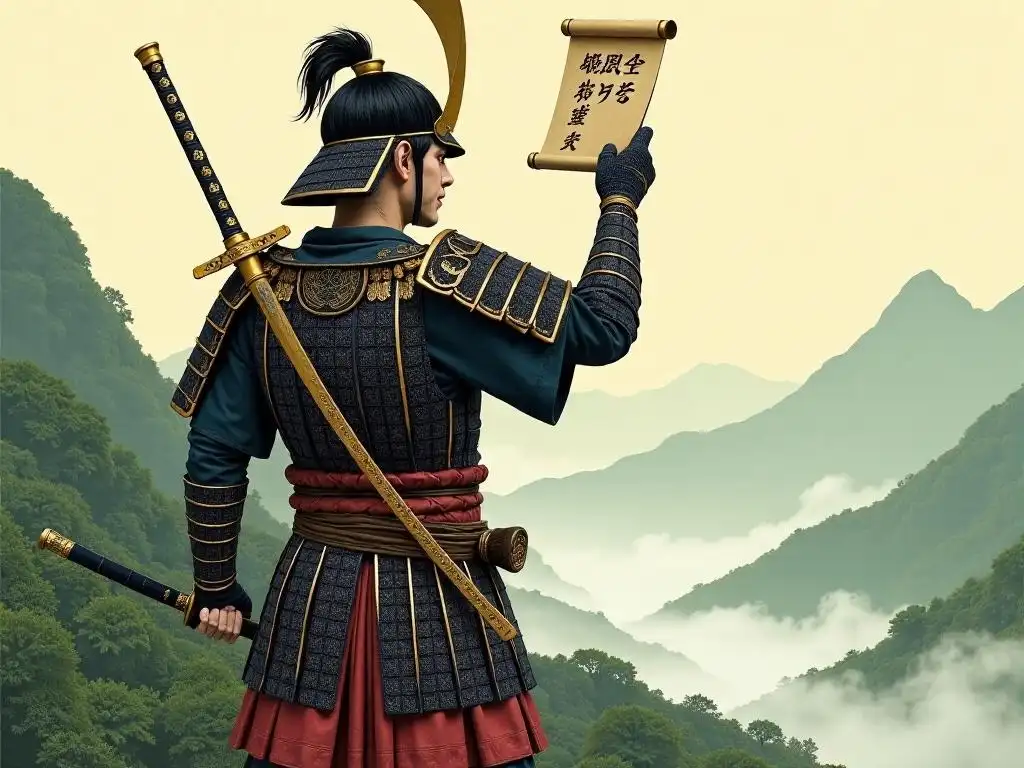
Sun Tzu's Art of War, an ancient Chinese military treatise, has significantly influenced the philosophical underpinnings of the Bushido code. Several principles from Sun Tzu's work resonate with samurai beliefs, emphasizing strategy, discipline, and the importance of understanding one's opponent.
Key aspects include:
- Strategic Thinking: Bushido encourages samurai to think strategically, akin to Sun Tzu's advocacy for flexibility and adaptability in military tactics.
- Knowledge of the Environment: Both philosophies stress the importance of understanding the battlefield, utilizing terrain, and planning ahead to ensure victory.
- Psychological Warfare: Sun Tzu's teachings on deception and psychological tactics are mirrored in Bushido, where a warrior's demeanor and presence can dissuade conflict or instill fear in adversaries.
The Relevance of the Bushido Code Today
The Bushido code continues to resonate in modern society, influencing various aspects of personal conduct and ethical behavior. Its principles are often invoked in discussions about leadership, discipline, and moral integrity, making it relevant even in contemporary contexts.
Modern Interpretations of Bushido Philosophy
Contemporary interpretations of Bushido often focus on its core values—honor, loyalty, and self-discipline—applying them to modern professional and personal scenarios.
- Leadership: Many business leaders draw inspiration from Bushido to foster a sense of loyalty and integrity within their teams.
- Self-Discipline: Individuals seeking personal growth often adopt the self-discipline emphasized in Bushido to achieve their goals.
- Conflict Resolution: The emphasis on honor and respect in Bushido provides a framework for resolving conflicts in a constructive manner, promoting dialogue over aggression.
Bushido in Contemporary Japanese Culture and Popular Media
Bushido has left an indelible mark on contemporary Japanese culture and is frequently depicted in various forms of media.
- Cinema and Literature: Films and novels often romanticize the samurai and their adherence to the Bushido code, portraying them as noble figures fighting for justice.
- Martial Arts: Many traditional Japanese martial arts, such as kendo and aikido, incorporate Bushido principles, teaching practitioners not only skills but also the philosophical aspects of being a warrior.
- Video Games and Anime: Modern video games and anime often reflect Bushido themes, celebrating the warrior's journey and internal struggles, thus introducing these concepts to younger generations in engaging ways.
The Bushido code remains a powerful influence, shaping not only the historical narrative of Japan's warrior class but also modern interpretations that continue to inspire individuals and cultures around the world.
Conclusion: The Enduring Legacy of the Bushido Code
The Bushido code, deeply rooted in the philosophical and cultural fabric of feudal Japan, continues to resonate across centuries. Its principles, which emphasize loyalty, honor, and discipline, have transcended the historical context of the samurai to influence various aspects of contemporary Japanese culture and beyond. The code serves as a moral compass, guiding not only martial practitioners but also individuals in diverse fields such as business, education, and personal development.
As we reflect on the enduring legacy of the Bushido code, it becomes clear that its teachings are not merely historical artifacts but living philosophies that can adapt to modern challenges. The emphasis on integrity and respect within the code encourages individuals to navigate their personal and professional lives with a sense of purpose and ethical responsibility. Thus, the Bushido code remains a vital part of a broader discussion about ethics and character in today's fast-paced world.
The Continued Significance of Warrior Philosophy in Modern Society
In modern society, the warrior philosophy embedded in the Bushido code continues to find relevance, particularly in areas such as leadership, conflict resolution, and personal development. Many leaders and organizations draw inspiration from the Bushido principles, incorporating concepts like loyalty and self-discipline into their corporate strategies. This alignment allows for the cultivation of a strong organizational culture that values integrity and accountability.
Moreover, martial arts practitioners around the world often adopt Bushido as a guiding philosophy, promoting not just physical prowess but also mental fortitude and ethical conduct. The teachings encourage a holistic approach to self-improvement, where the journey of mastering oneself parallels the warrior's path to honor and virtue. This philosophy resonates with individuals seeking to cultivate resilience and strength in the face of adversity, thus demonstrating the timeless nature of the Bushido code.
Future Perspectives on the Bushido Code and Its Philosophical Foundations
Looking ahead, the Bushido code's philosophical foundations are poised to evolve further in response to contemporary societal dynamics. As globalization fosters cross-cultural exchanges, the principles of Bushido may integrate with other philosophical systems, creating a hybrid model that resonates with diverse audiences. This blending could lead to innovative interpretations of honor and loyalty that reflect modern values while maintaining the integrity of the original teachings.
The increasing interest in mindfulness, ethical leadership, and personal development may also propel the Bushido code into new arenas. Educational institutions, self-help movements, and even corporate training programs are beginning to recognize the utility of warrior philosophy in building character and resilience among individuals.
While the historical context of the Bushido code lies in the samurai era, its philosophical underpinnings continue to inspire and guide individuals today. The adaptability and relevance of the Bushido code in modern society indicate its potential for future exploration, ensuring that the legacy of the warrior philosophy remains vibrant and influential for generations to come.
- Introduction to the Bushido Code
- The Core Principles of the Bushido Code
- The Evolution of Bushido Philosophy
- The Practical Application of the Bushido Code
- Comparing Bushido to Other Warrior Philosophies
- Bushido vs. Chivalry: Similarities and Differences
- The Influence of Sun Tzu's Art of War on Bushido Principles
- The Relevance of the Bushido Code Today
- Conclusion: The Enduring Legacy of the Bushido Code
Frequently Asked Questions
What is the Bushido code?
The Bushido code is a set of moral principles and ethical guidelines that governed the behavior of the samurai class in feudal Japan, emphasizing loyalty, honor, and discipline.
How did Bushido influence Japanese culture?
Bushido profoundly influenced Japanese culture by shaping social values, art, and literature, promoting ideals of honor and duty that permeated various aspects of life beyond the warrior class.
What are the core principles of the Bushido code?
The core principles of the Bushido code include loyalty, courage, honor, compassion, and integrity, which served as a moral compass for samurai and their conduct in society.
How did the Bushido philosophy evolve over time?
The Bushido philosophy evolved from its origins in the samurai culture, integrating Buddhist, Confucian, and Shinto influences, adapting to the changing political and social landscapes of Japan.
Why is the Bushido code relevant today?
The Bushido code remains relevant today as it offers insights into leadership, ethics, and the importance of personal honor, inspiring modern discussions on character development and moral conduct.
Final Reflection: Embracing the Spirit of the Bushido Code
The Bushido code embodies timeless principles that resonate profoundly in today's world, reminding us of the importance of honor, loyalty, and self-discipline. In an era where these values often seem overshadowed by fleeting trends and superficial pursuits, the warrior philosophy offers a guiding light that can help us navigate the complexities of modern life. The essence of Bushido transcends time, urging us to cultivate integrity and resilience in our daily actions.
Culturally and socially, the Bushido code continues to shape our understanding of personal and communal responsibility. Its influence is evident not only in martial arts but also in various aspects of life, including leadership, ethics, and personal development. The warrior philosophy invites us to reflect on our own values and the impact of our choices. As the renowned author and philosopher, Miyamoto Musashi, once said, The ultimate aim of martial arts is not having to use them.
This sentiment encapsulates the idea that true strength lies in the mastery of oneself and the ability to uphold one's principles in the face of adversity.
As you reflect on the teachings of the Bushido code, consider how you can integrate its principles into your own life. Ask yourself: How can I embody honor, courage, and respect in my daily interactions? By embracing the warrior philosophy, you not only enrich your own life but also contribute to a more principled and compassionate society. Let the spirit of Bushido inspire you to forge a path of integrity and purpose, reminding you that every action you take can echo the noble legacy of the warrior class.
Unleash Your Inner Warrior: Embrace the Bushido Code Today!
Thank you for diving into the rich philosophy of the Bushido Code! By exploring the principles of honor, courage, and loyalty that guided the samurai, you've taken a meaningful step towards understanding not just a historical warrior class, but also the ideals that can shape your own life.
Now, it's time to take action and embody these principles. Here’s how you can start:
- Reflect on Your Values: Take a moment to identify a key principle of Bushido that resonates with you. Consider how you can incorporate it into your daily routines and decisions.
- Join a Community: Seek out like-minded individuals or groups that share an interest in martial arts, historical philosophy, or personal development. Engaging with others can inspire you and provide new perspectives.
- Share Your Insights: Discuss your thoughts about the Bushido Code with friends or on social media. Reflect on which lessons from the samurai have the most significant impact on your life.
Which principle of the Bushido Code will you integrate into your life, and how do you foresee it transforming your daily actions? Let’s spark a conversation!