
The Artisan’s Toolkit: Tools and Techniques of Feudal Japanese Craftsmen


Welcome to Feudal Japan History, where we invite you to embark on a captivating journey through the intricate tapestry of Japan's feudal era. Delve into the rich traditions and innovative craftsmanship that defined this remarkable period, as we explore the feudal Japanese craftsmanship techniques that shaped culture and society. In our featured article, "The Artisan’s Toolkit: Tools and Techniques of Feudal Japanese Craftsmen," you will uncover the secrets behind the artisans' mastery and discover how their skills continue to influence contemporary practices. Are you ready to uncover the legacy of these remarkable craftsmen? Your adventure awaits!
- Introduction to Feudal Japanese Craftsmanship Techniques
- Historical Context of Feudal Japanese Craftsmen
- Essential Tools in Feudal Japanese Craftsmanship
- Techniques of Feudal Japanese Craftsmen
- Regional Variations in Craftsmanship
- The Legacy of Feudal Japanese Craftsmanship
- Conclusion: The Enduring Impact of Feudal Japanese Craftsmanship Techniques
-
Frequently Asked Questions
- What were the main craftsmanship techniques used by feudal Japanese artisans?
- How did tools influence the quality of craftsmanship in feudal Japan?
- What role did cultural values play in feudal Japanese craftsmanship?
- How did feudal Japanese craftsmanship contribute to the economy?
- What are some examples of artisanal crafts from feudal Japan?
- Final Reflection: Embracing the Legacy of Feudal Japanese Craftsmanship
- Unleash Your Inner Artisan: Transform Your Craft!
Introduction to Feudal Japanese Craftsmanship Techniques
The feudal era of Japan, spanning from the 12th to the 19th century, was a period rich in cultural and artistic development. During this time, artisans played a crucial role in shaping the nation's identity through their craftsmanship. This article delves into the intricate world of feudal Japanese craftsmanship techniques, providing an in-depth exploration of the tools and methodologies employed by skilled craftsmen.
From metalworkers to potters, each artisan contributed to the vibrant tapestry of Japanese culture, leaving a legacy that continues to influence contemporary art and design. Understanding these techniques not only sheds light on the historical practices of artisans but also reveals the societal values and customs of feudal Japan.
Overview of Feudal Japan's Artisan Culture
Feudal Japan was characterized by a hierarchical social structure where artisans held a unique position. They were often organized into guilds, which provided a support system for craftsmen and regulated the quality of their work. The artisan culture thrived under the patronage of the samurai class and wealthy merchants, who valued high-quality goods and craftsmanship. This patronage allowed artisans to specialize in various crafts, from textiles and ceramics to metalworking and woodworking.
- Key Aspects of Artisan Culture:
- Guilds: These organizations maintained standards and provided training for apprentices.
- Specialization: Craftsmen often focused on one particular craft, allowing for mastery of specific techniques.
- Cultural Exchange: The movement of goods and ideas among regions led to the evolution of various craftsmanship techniques.
Artisans were not merely laborers; they were respected members of society, often seen as custodians of tradition and culture. Their skills were passed down through generations, ensuring the survival of unique techniques and styles that characterized feudal Japanese craftsmanship.
Importance of Tools in Feudal Japanese Crafts
Tools played an essential role in the craftsmanship of feudal Japan, shaping the quality and efficiency of the artisans' work. Each trade had its specific set of tools, meticulously designed to meet the demands of the craft. The development of these tools reflected the ingenuity and resourcefulness of the craftsmen, who often crafted their own tools to suit their particular needs.
- Categories of Tools:
- Cutting Tools: Saws, chisels, and knives were fundamental for woodworking and textile arts.
- Shaping Tools: Hammers and mold forms were crucial for metalworkers and ceramicists.
- Finishing Tools: Brushes and polishing tools helped artisans achieve the desired finish on their products.
The craftsmanship techniques varied significantly among different regions and trades, influenced by local materials and cultural practices. This diversity in tools and techniques not only enhanced the artisans' ability to create exquisite works of art but also contributed to the overall economic and cultural prosperity of feudal Japan. Understanding these tools provides valuable insights into the historical context and significance of craftsmanship during this fascinating period in Japanese history.
Historical Context of Feudal Japanese Craftsmen

The Role of Artisans in Feudal Society
In feudal Japan, artisans played a pivotal role within the social hierarchy, distinct from the nobility and peasantry. Unlike common laborers, who primarily engaged in agricultural work, artisans were revered for their specialized skills and craftsmanship. This respect stemmed from the quality and intricacy of the goods they produced, which were often essential for both daily life and ceremonial purposes.
Artisans were categorized into various guilds, known as za, which not only regulated their trade practices but also maintained the quality of craftsmanship. Membership in these guilds provided artisans with a sense of community and protection against external competition. Moreover, artisans had the opportunity to pass down their techniques and knowledge through generations, ensuring the survival of traditional methods.
Key Contributions of Artisans:
- Cultural Preservation: Artisans contributed significantly to the preservation of Japanese culture through their crafts, which encompassed everything from textiles to pottery, and metalwork to woodworking.
- Economic Impact: The production of goods by artisans supported local economies and trade. Artisans produced items that were sold in local markets, contributing to the prosperity of their regions.
- Social Status: While artisans were not part of the samurai class, successful craftsmen could attain a degree of social mobility, gaining respect and sometimes even wealth through their skills.
Key Historical Periods Influencing Craftsmanship
The techniques and practices of feudal Japanese craftsmanship evolved significantly across different historical periods. Each era introduced unique influences that shaped the artisans' tools, styles, and methods.
1. Heian Period (794-1185)
During the Heian period, there was a notable flourish in the arts, particularly in textiles and ceramics. The introduction of new dyeing techniques and the rise of the kimonos as a fashion statement highlighted the craftsmanship of textile artisans. This period also saw the emergence of washi paper, which became integral to Japanese art and literature.
2. Kamakura Period (1185-1333)
The Kamakura period marked a shift towards more functional craftsmanship, influenced by the samurai's practical needs. Armor making and weapon crafting became prominent. Artisans developed sophisticated techniques for metalworking, leading to the creation of high-quality swords, known as katana, which are still revered today.
3. Muromachi Period (1336-1573)
The Muromachi period is characterized by the development of the tea ceremony, which influenced various crafts such as pottery and calligraphy. Artisans began to focus on aesthetics and the philosophy of simplicity, leading to the creation of Raku ceramics, which were specifically designed for tea ceremonies.
4. Edo Period (1603-1868)
The Edo period saw the rise of urbanization and a booming merchant class, which significantly impacted craftsmanship. Artisans began to specialize further, leading to distinct styles and techniques in various crafts, including ukiyo-e woodblock printing and lacquerware. The introduction of new materials, such as Western glass, also led to innovative techniques in craftsmanship.
The historical context of feudal Japanese craftsmen reveals the importance of artisans in society. Each key period contributed distinct influences that shaped the craftsmanship techniques utilized by artisans, reflecting the evolving cultural and economic landscape of Japan. This rich tapestry of history underlines the significance of feudal Japanese craftsmanship techniques and their lasting impact on Japanese culture.
Essential Tools in Feudal Japanese Craftsmanship
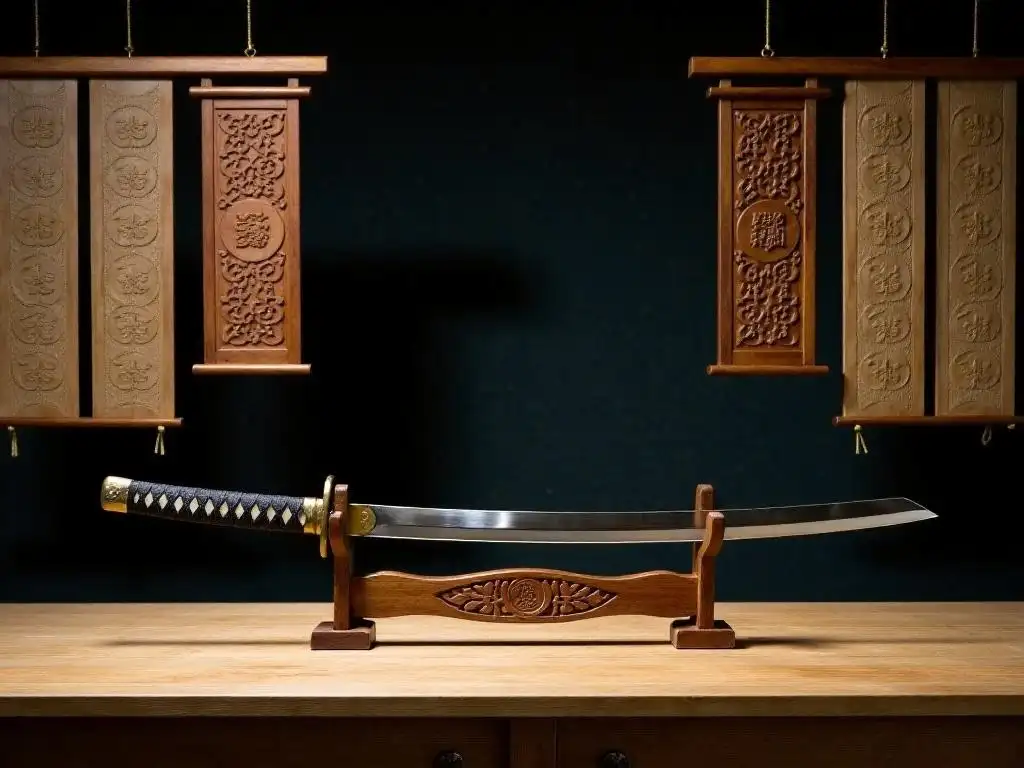
Traditional Tools Used by Japanese Artisans
Feudal Japanese craftsmanship was characterized by an array of specialized tools that artisans meticulously crafted and utilized in their trades. Each tool was designed to enhance efficiency and precision, reflecting the unique demands of various crafts. Below are some of the essential tools employed by different artisans:
- Woodworking Tools
- Nomi (Chisels): Made from high-carbon steel, these chisels came in various shapes and sizes, allowing artisans to carve intricate designs into wood.
- Kanna (Planes): Used to smooth and shape wood surfaces, the kanna was crucial for achieving the fine finishes expected in Japanese woodworking.
- Saws (Nokogiri): Traditional Japanese saws feature a pull-stroke design, which allows for greater control and precision in cutting.
- Metalworking Tools
- Tsuba (Sword Guards): Blacksmiths utilized hammers and anvils to shape tsuba from iron, showcasing both functionality and artistry.
- Kizami (Files): Used for refining metalwork, these tools enabled craftsmen to create detailed and intricate designs on swords and other metal items.
- Textile Tools
- Tate (Weaving Frames): Essential for weaving, these frames allowed artisans to create textiles with intricate patterns, a hallmark of Japanese craftsmanship.
- Shuttles: Used to guide the thread through the weaving process, shuttles were crafted from wood and sometimes embellished with designs.
- Ceramic Tools
- Kame (Kilns): These clay ovens were vital for firing pottery, with different designs influencing the final texture and durability of the ceramic.
- Toki (Potter's Wheels): Essential for shaping clay, the toki facilitated the creation of symmetrical and finely crafted pottery.
Each tool not only served a functional purpose but also represented a deep connection to the craftsmanship tradition, often passed down through generations.
Materials and Resources for Crafting Tools
The effectiveness and quality of feudal Japanese craftsmanship techniques were heavily reliant on the materials used to create tools. Artisans sourced their materials from both natural resources and innovative processes:
- Steel and Iron
- Tamahagane: This high-quality steel, produced from iron sand, was essential for making tools and weapons. Its purity and strength made it a preferred choice among blacksmiths.
- Wrought Iron: Used for various tools, wrought iron's malleability allowed artisans to create durable and functional implements.
- Wood
- Hinoki (Cypress): Valued for its resistance to decay and pleasant aroma, hinoki was commonly used for making tool handles and wooden implements.
- Mizuki (Willow): Lightweight and flexible, mizuki was often used for crafting shuttles and other textile tools.
- Clay and Glazes
- Kaolin: A primary ingredient in porcelain, kaolin was essential for potters aiming to create fine ceramics.
- Natural Pigments: Artisans often used materials like ochre and charcoal to produce glazes that enhanced the aesthetic appeal of their creations.
These materials were not only functional but also imbued with cultural significance, reflecting the artisans' respect for nature and the environment.
Innovations in Tool Design During Feudal Japan
The evolution of feudal Japanese craftsmanship techniques was marked by several key innovations in tool design that enhanced productivity and precision. Notable advancements include:
- The Development of the Pull-Saw
- Traditional Japanese saws evolved to feature a pull-stroke design, which allowed for thinner blades and finer cuts. This innovation improved the accuracy of woodworking and was particularly beneficial for intricate joinery.
- Advancements in Weaving Techniques
- The introduction of new loom designs, such as the Tatebune, allowed for more complex patterns and faster production of textiles. This evolution highlighted the importance of textiles in feudal Japanese society and increased the efficiency of textile artisans.
- Refinement of Blacksmithing Techniques
- The introduction of differential hardening in sword-making allowed artisans to create blades with both a hard edge and a softer spine, enhancing the durability and performance of katana. This technique involved temperature variations during the quenching process.
- Improved Pottery Techniques
- Innovations in kiln designs, such as the anagama, allowed for more controlled firing processes, resulting in higher-quality ceramics with unique glazes. These kilns facilitated the production of distinctive pottery styles that became emblematic of the era.
These innovations not only improved the tools used by craftsmen but also had lasting impacts on the quality and diversity of products emerging from feudal Japan, showcasing the ingenuity of Japanese artisans.
Techniques of Feudal Japanese Craftsmen

Feudal Japanese craftsmanship techniques were characterized by precision, tradition, and a deep reverence for materials. The artisans of this era, whether working with wood, metal, or textiles, employed methods that were not only practical but also steeped in cultural significance. This section delves into some of the most notable techniques utilized by craftsmen during this fascinating period in Japan's history.
Woodworking Techniques in Feudal Japan
Woodworking was one of the most prominent crafts in feudal Japan, with artisans utilizing a variety of techniques to create everything from intricate structures to everyday objects.
Joinery Methods and Their Significance
Joinery is a critical aspect of woodworking that involves connecting two pieces of wood without the use of metal fasteners. This method not only showcases the skill of the craftsman but also reflects the philosophical and aesthetic values of the time. Common joinery techniques included:
- Dovetail Joints: Known for their strength and resistance to being pulled apart, dovetail joints were often used in furniture making.
- Mortise and Tenon Joints: This technique involved creating a hole (mortise) in one piece of wood and a corresponding projection (tenon) on another, allowing for a secure and stable connection.
- Scarf Joints: Used to join two lengths of wood, scarf joints were crucial in constructing long beams for buildings.
The significance of these joinery techniques extended beyond mere function; they embodied the principles of harmony and balance. The seamless connections allowed for the natural beauty of the wood to shine through, aligning with the Japanese aesthetic of simplicity and elegance.
Metalworking Techniques Unique to Feudal Japan
Metalworking was another essential craft during the feudal era, with a focus on producing high-quality tools and weapons. The techniques employed by metalworkers were refined over centuries, resulting in exceptional craftsmanship that has influenced modern practices.
Swordsmithing: A Study of Craftsmanship
Swordsmithing in feudal Japan is perhaps the most celebrated aspect of metalworking, with techniques that have become legendary. The process of creating a katana, for instance, involved several intricate steps that showcased the smith's skill:
- Tamahagane Production: The first step involved smelting iron sand to produce tamahagane, a high-carbon steel essential for sword making.
- Forging: The smith would repeatedly heat and fold the tamahagane to create layers, enhancing strength and flexibility. This folding process could be repeated up to 16 times, resulting in blades with unique patterns and superior durability.
- Quenching: After shaping the blade, it was quenched in water or oil to harden the steel. The cooling rate was crucial, as it determined the blade's final properties.
- Polishing: A skilled polisher would then refine the blade's edge and surface, often utilizing multiple grades of polishing stones to achieve a mirror-like finish.
The craftsmanship behind swordsmithing was deeply revered, as swords were not merely weapons but symbols of status and artistry. Each sword carried the identity of its maker, and the techniques used in its creation were passed down through generations, ensuring the survival of this revered craft.
The feudal Japanese craftsmanship techniques demonstrate a remarkable blend of functionality, artistry, and cultural significance. From woodworking to metalworking, the skills developed during this era continue to influence artisans and craftsmen today, preserving the legacy of Japan's rich historical tapestry.
Textile Techniques in Feudal Japanese Craftsmanship
Textile craftsmanship in feudal Japan was characterized by a rich tapestry of techniques that blended artistry with functionality. The era saw a remarkable evolution in textile production, driven by the demand for clothing, household goods, and decorative pieces. Artisans employed various methods and materials that reflected the cultural values and technological advancements of the time. Notably, the intricate designs and vibrant colors of textiles were not merely aesthetic; they also conveyed social status, regional identity, and seasonal significance.
One of the most notable aspects of textile craftsmanship during this period was the use of natural fibers, primarily silk, cotton, and hemp. Silk, often associated with the elite, was prized for its luxurious texture and sheen, while cotton became increasingly popular among the common folk for its durability and comfort. Hemp, being readily available, was utilized for its strength and versatility in producing everyday garments.
The craftsmanship involved in creating textiles included various stages, from spinning and dyeing to weaving and finishing. Each step required specific skills and knowledge, often passed down through generations. As a result, textile artisans formed a vital part of the feudal economy and community, contributing significantly to both local and national identities.
Dyeing and Weaving Methods of the Era
Dyeing and weaving were crucial components of feudal Japanese textile techniques, each marked by distinctive practices and innovations that set them apart from other cultures.
Dyeing Techniques:
The dyeing methods employed by feudal Japanese craftsmen were intricate and often involved natural dyes derived from plants, minerals, and insects. Techniques such as shibori (tie-dyeing) allowed artisans to create stunning patterns by binding the fabric before dyeing, resulting in unique designs. Other notable dyeing methods included:
- Kakishibu: Utilized persimmon tannin for a range of earthy hues, notably deep browns and rich reds.
- Indigo Dyeing (Aizome): A technique that produced vibrant blue shades, indigo dyeing became emblematic of traditional Japanese textiles. The process involved fermenting indigo leaves to create a dye that deepened in color with each application.
Weaving Techniques:
The weaving of textiles during this period was equally notable, with various techniques that not only showcased skill but also incorporated cultural symbols and motifs. Some prominent weaving methods included:
- Noren: The creation of fabric dividers, often used in doorways, which showcased artistic designs while serving practical purposes.
- Kasuri: This technique involved weaving threads dyed with patterns, resulting in a blurred, abstract design that added depth and texture to the fabric.
The weaving process often utilized looms such as the floor loom, which enabled artisans to produce broader and more complex designs. Weaving was usually a community effort, with families and groups working collaboratively to turn raw materials into finished products.
These dyeing and weaving methods exemplify the ingenuity and creativity of feudal Japanese craftsmanship, resulting in textiles that were not only functional but also visually stunning and culturally significant. The legacy of these techniques continues to influence contemporary Japanese textile arts, preserving the artistry of this historical craft.
Regional Variations in Craftsmanship
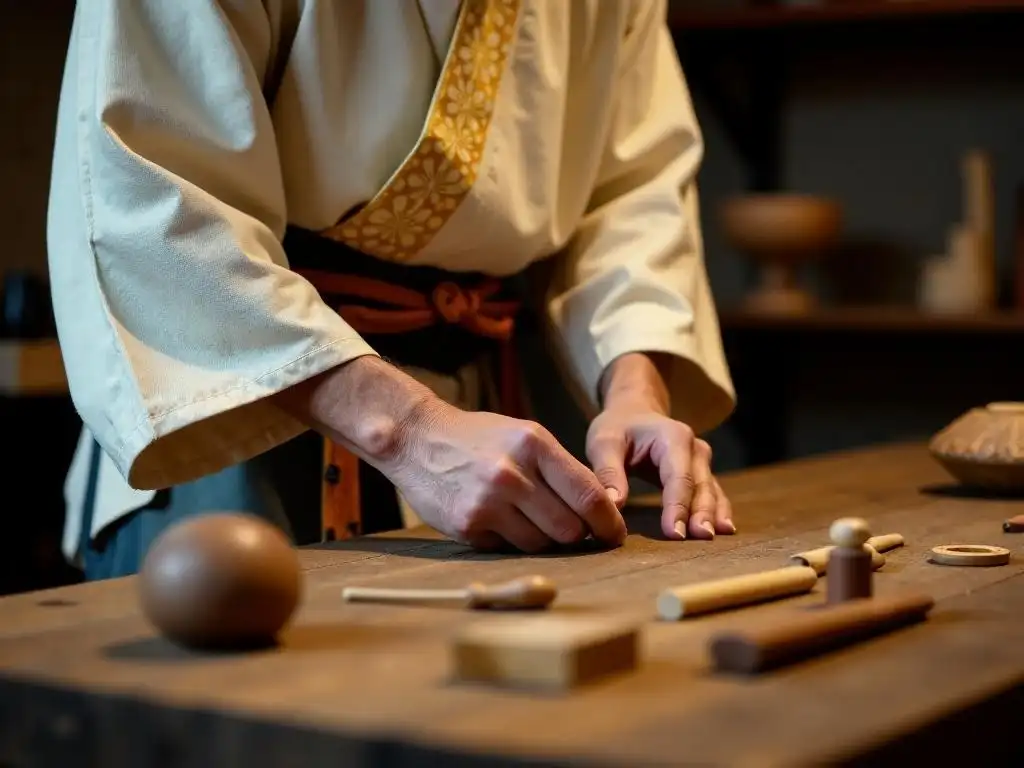
Regional variations in craftsmanship during the feudal era of Japan played a significant role in shaping the unique cultural identity of different regions. These variations stemmed from a combination of local resources, historical influences, and the specific needs of the communities. Each region developed its own distinct styles, tools, and techniques, which can still be appreciated today in the art and craftsmanship that has been preserved.
Notable Regional Crafts and Their Tools
- Kanto Region (Tokyo and Surrounding Areas)
- Crafts: Woodblock printing (ukiyo-e), pottery, and textiles.
- Tools:
- Baren: A hand-held tool used in woodblock printing to apply pressure evenly.
- Kintsugi tools: Used for repairing pottery with lacquer and gold dust, symbolizing the beauty of imperfection.
- Kansai Region (Kyoto and Osaka)
- Crafts: Textile dyeing (yuzen), ceramics (Kyo-yaki), and lacquerware.
- Tools:
- Tsukemono-bako: A wooden box used for pickling vegetables, showcasing craftsmanship in everyday items.
- Kyo-yaki kilns: Specific types of kilns designed to produce high-quality ceramics.
- Tohoku Region (Northern Japan)
- Crafts: Bamboo crafts and wood carving.
- Tools:
- Tataki: A hammer used in bamboo weaving to create strong joints.
- Chisel sets: Essential for wood carving, allowing artisans to create intricate designs.
- Shikoku Region
- Crafts: Paper-making (washi) and indigo dyeing (aizome).
- Tools:
- Sugeta: A wooden mold used in the paper-making process.
- Indigo vats: Large containers used for dyeing textiles in traditional indigo dyeing techniques.
Each of these regions not only developed distinctive crafts but also cultivated unique tools that reflected their environmental conditions and cultural heritage.
Influence of Local Materials on Craft Techniques
The availability of local materials had a profound impact on the craftsmanship techniques employed by artisans in feudal Japan. Different regions utilized the resources available to them, resulting in a rich tapestry of artisanal practices.
- Wood: Regions abundant in forests, like the mountainous areas of Honshu, saw the emergence of intricate woodcrafts. Artisans utilized various types of wood, such as cedar and cypress, which were prized for their durability and aesthetic qualities. Techniques such as joinery and carving were refined to make furniture and architectural elements.
- Clay: The availability of high-quality clay in regions like Seto led to the development of ceramics. Artisans in these regions experimented with different firing techniques, glazing methods, and forms, resulting in distinctive pottery styles. The famous Seto ware, characterized by its unique glaze, illustrates how local materials influenced artistic expression.
- Bamboo: In areas where bamboo was plentiful, such as in the Kanto region, craftsmen honed their skills in bamboo weaving. The flexibility and strength of bamboo allowed for the creation of various functional items, from baskets to furniture. The techniques used in bamboo crafts varied significantly based on the species of bamboo available.
- Natural Dyes: The use of local plants for dyeing textiles was another area where local materials shaped craftsmanship. Regions known for indigo plants, like Tokushima, became centers for indigo dyeing. The specific hues and patterns achieved were often tied to the local flora and the expertise of the artisans.
The interplay between local materials and craftsmanship techniques not only defined the products of feudal Japanese artisans but also contributed to the rich cultural heritage that continues to influence modern Japanese craftsmanship. Each region's unique resources fostered innovation and creativity, leading to the diverse array of crafts that characterize Japan's feudal history.
The Legacy of Feudal Japanese Craftsmanship

Feudal Japan was characterized by a rich tapestry of craftsmanship that not only served practical purposes but also embodied the cultural and aesthetic values of the time. Artisans such as blacksmiths, potters, weavers, and carpenters played a crucial role in society, creating tools, weapons, and everyday items that were both functional and beautiful. The legacy of these craftsmen is evident in the techniques they developed, many of which have been preserved and adapted in modern Japan.
Preservation of Craftsmanship Techniques in Modern Japan
The techniques of feudal Japanese craftsmanship have been carefully preserved through various means, ensuring that traditional skills remain alive in contemporary society.
- Apprenticeship Programs:
- Many traditional crafts still employ the apprenticeship model, where young artisans learn from masters. For example, in the world of pottery, aspiring potters often spend years working under seasoned artisans to master the techniques of shaping clay and glazing.
- Cultural Festivals and Exhibitions:
- Numerous festivals celebrate traditional crafts, providing artisans with platforms to demonstrate their skills. Events such as the Kanazawa Craft Festival showcase a variety of crafts, from lacquerware to textiles, allowing artisans to connect with the public and share their knowledge.
- Government Support:
- The Japanese government recognizes the importance of preserving traditional crafts and has implemented programs to support artisans through subsidies and grants. These initiatives help ensure that the knowledge and skills of feudal craftsmen are passed down to future generations.
- Educational Institutions:
- Universities and art schools often offer specialized courses in traditional crafts, integrating feudal techniques into modern curricula. For instance, the Kyoto Seika University provides courses in traditional textile arts, where students learn the historical context and practical skills required to produce authentic pieces.
- Documentation and Research:
- Scholars and artisans collaborate to document craftsmanship techniques, preserving knowledge through written guides and multimedia resources. This not only aids in the education of new artisans but also serves as a historical record of the evolution of these crafts.
Influence on Contemporary Japanese Artisans
The craftsmanship techniques developed during the feudal era continue to influence contemporary Japanese artisans, shaping their work in various ways:
- Aesthetic Principles:
- Many modern artisans draw inspiration from the aesthetics of feudal Japan, such as simplicity, natural materials, and the concept of wabi-sabi, which appreciates the beauty of imperfection. This philosophy is evident in contemporary ceramics, where artisans often emphasize organic shapes and earthy glazes.
- Technique Adaptation:
- While the core techniques remain intact, artisans often adapt them to meet modern needs. For example, traditional woodworking techniques are used in contemporary furniture design, blending functionality with historical craftsmanship.
- Integration of Technology:
- Modern artisans sometimes employ advanced technology while maintaining traditional methods. Laser cutting, for instance, can be used alongside hand-carving techniques to create intricate designs, allowing artisans to expand their creative possibilities without compromising on craftsmanship.
- Global Influence:
- As Japanese artisans gain recognition on the global stage, they often incorporate international influences into their work. This fusion leads to innovative pieces that respect traditional techniques while appealing to a broader audience.
- Sustainability Practices:
- The emphasis on using locally sourced, sustainable materials in feudal craftsmanship resonates with contemporary artisans who prioritize eco-friendly practices in their work. This connection to the land is a hallmark of many modern crafts, reflecting a deep respect for nature.
The legacy of feudal Japanese craftsmanship is a powerful force in contemporary Japan. Through preservation efforts and the innovative spirit of today’s artisans, the techniques and philosophies of the past continue to thrive, enriching both the cultural landscape and the global appreciation of Japanese craftsmanship.
Conclusion: The Enduring Impact of Feudal Japanese Craftsmanship Techniques
The legacy of feudal Japanese craftsmanship techniques extends far beyond the era in which they were developed. These techniques not only reflect the artistic aspirations of the time but also embody the cultural values and social structures that defined feudal Japan. The artisans, through their meticulous work, contributed to a rich tapestry of cultural heritage that continues to influence contemporary art and craft practices.
Feudal Japanese craftsmanship techniques were deeply intertwined with the social hierarchy, where artisans held a respected position as creators of beauty and utility. Their skills were often passed down through generations, ensuring that traditional methods were preserved and refined over centuries. This continuity of craftsmanship is evident in the ongoing appreciation for handmade goods, which carry with them the stories and traditions of their makers.
Reflection on the Cultural Significance of Craftsmanship
The cultural significance of craftsmanship in feudal Japan can be seen in various aspects:
- Spiritual Connection: Many artisans viewed their crafts as a form of spiritual practice. The concept of wabi-sabi, which celebrates imperfection and the transient nature of beauty, played a critical role in shaping the aesthetics of Japanese craftsmanship. Craftsmen believed that every piece they created embodied a piece of their spirit, making each item unique.
- Societal Impact: Craftsmanship was not merely about creating functional objects; it was a means of expressing identity and status. For instance, the intricate designs of kimono fabrics or tatami mats often signified the wearer’s social standing and regional origins, contributing to the rich diversity of Japanese culture.
- Cultural Exchange: Feudal Japan was marked by periods of isolation and openness, which allowed for cultural exchanges that influenced craftsmanship. Techniques such as katana forging were not only products of local innovation but were also shaped by interactions with Chinese and Korean artisans, highlighting the dynamic nature of cultural exchange.
The impact of these craftsmanship techniques is still evident today, as many contemporary artisans strive to revive and incorporate traditional methods into modern practices. The resurgence of interest in handmade goods and sustainable practices can be traced back to the values embedded in feudal Japanese craftsmanship.
Future Directions for Research and Preservation of Artisan Techniques
As we look to the future, several key areas warrant attention for the research and preservation of feudal Japanese craftsmanship techniques:
- Documentation and Archiving: There is a pressing need for comprehensive documentation of traditional techniques. This includes creating detailed records of processes, tools, and materials used by artisans. Archiving these practices ensures that knowledge is not lost to time.
- Intergenerational Learning: Encouraging mentorship programs between seasoned artisans and younger generations can facilitate the transfer of knowledge and skills. Workshops and community initiatives can play a crucial role in fostering interest in traditional crafts among youth.
- Integration of Modern Technology: The use of modern technology in documenting and teaching traditional techniques can enhance accessibility. Virtual reality and online platforms could provide immersive experiences that allow a broader audience to appreciate and engage with feudal craftsmanship.
- Cultural Tourism: Promoting feudal craftsmanship as part of cultural tourism can attract interest and resources for preservation efforts. Heritage sites and craft workshops can serve as educational hubs that celebrate traditional techniques and their historical significance.
- Collaborative Research: Interdisciplinary collaboration among historians, artisans, and cultural anthropologists can lead to a deeper understanding of the societal roles of craftsmanship. Such partnerships can yield new insights and foster innovative approaches to preservation.
The craftsmanship techniques of feudal Japan are not merely relics of the past; they are vital components of a living cultural heritage. By recognizing their significance and actively working towards their preservation, we can ensure that the artistry and values they embody continue to inspire future generations.
Frequently Asked Questions
What were the main craftsmanship techniques used by feudal Japanese artisans?
Feudal Japanese artisans employed various craftsmanship techniques such as woodworking, pottery, and textile weaving. Each technique was often passed down through generations, showcasing mastery and tradition.
How did tools influence the quality of craftsmanship in feudal Japan?
The tools used by artisans significantly impacted the quality of their work. Specialized tools allowed for greater precision and detail, elevating the overall craftsmanship and aesthetic of their creations.
What role did cultural values play in feudal Japanese craftsmanship?
Cultural values such as perfectionism, dedication, and the spiritual connection to their craft guided artisans in feudal Japan. This commitment ensured that their work was not only functional but also held artistic significance.
How did feudal Japanese craftsmanship contribute to the economy?
Feudal Japanese craftsmanship was vital to the economy, with skilled artisans often producing goods for trade. Their high-quality products attracted buyers, fostering economic growth within local and regional markets.
What are some examples of artisanal crafts from feudal Japan?
Examples of artisanal crafts from feudal Japan include samurai sword-making, ceramics, and kimono weaving. Each craft reflects the unique techniques and aesthetic values of the time, showcasing the artisans' skills.
Final Reflection: Embracing the Legacy of Feudal Japanese Craftsmanship
Feudal Japanese craftsmanship techniques are not merely relics of the past; they resonate deeply in today's world, reminding us of the artistry and dedication that shaped a culture. As we navigate an era dominated by mass production and digital technology, the meticulous methods and tools used by Japanese artisans serve as a powerful testament to the value of craftsmanship. The intricate processes and the philosophy behind these techniques compel us to appreciate the beauty of handmade creations in a way that modern manufacturing often overlooks.
Cultural heritage is a living entity, continuously influencing our present and future. The techniques honed by feudal Japanese craftsmen have transcended time, inspiring contemporary artisans and designers to integrate traditional methods into their work. This ongoing dialogue between past and present highlights the importance of preserving these practices. As the renowned Japanese potter Shoji Hamada once said, The potter's work is a reflection of the world around him.
This sentiment encapsulates how the essence of feudal craftsmanship continues to shape our understanding of art and functionality today.
As you reflect on the lessons from the artisans of feudal Japan, consider how you can incorporate the spirit of craftsmanship into your own life. Whether it’s through embracing the art of making, valuing quality over quantity, or simply appreciating the stories behind handmade items, each of us has the power to honor this legacy. Let the techniques and tools of these craftsmen inspire you to cultivate a deeper connection with the art of creation, reminding us that in a fast-paced world, there is profound beauty in patience, skill, and dedication.
Unleash Your Inner Artisan: Transform Your Craft!
Thank you for diving into the fascinating world of feudal Japanese craftsmanship! By exploring the tools and techniques of this incredible era, you've enriched your understanding of artisanal mastery. Now, let’s take that knowledge and transform your crafting journey with actionable steps that honor this rich heritage.
- Try a Traditional Technique: Start by selecting a specific tool or method from the article and practice it on a small project. Feel the connection to centuries of artisans!
- Join a Craft Community: Seek out local or online groups that focus on traditional crafts. Share your journey, learn from others, and inspire fellow enthusiasts!
- Explore Further: Delve deeper into the specifics of your chosen technique through books or workshops—who knows where it might lead you?
What aspect of feudal craftsmanship intrigues you the most, and how will you incorporate it into your own projects? We invite you to share your thoughts and experiences in the comments!