
Commerce and Culture: The Lifestyle of Feudal Japan's Merchants

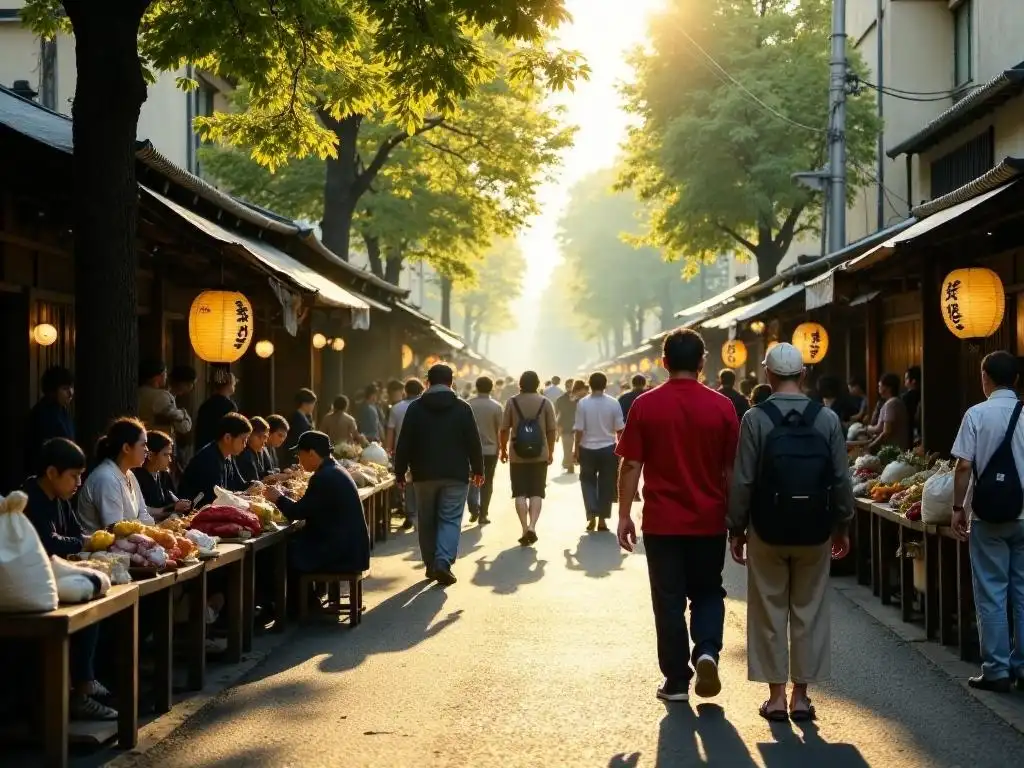
Welcome to Feudal Japan History! Prepare to journey back in time as we unravel the intricate tapestry of Japan's feudal era. In our captivating article, "Commerce and Culture: The Lifestyle of Feudal Japan's Merchants," we delve into the lives of those who thrived in the bustling markets and trade routes of the time.
Discover how merchants shaped the economy, influenced culture, and contributed to the societal structures of feudal Japan. What secrets lie behind their success and struggles? Dive deeper to uncover the fascinating interplay between commerce and culture that defined their world, and let your curiosity guide you through the rich history that awaits!
- Introduction to the Lifestyle of Feudal Japan Merchants
- Historical Context of Merchants in Feudal Japan
- Daily Life of Feudal Japan Merchants
- Economic Activities and Trade Practices
- Cultural Influence of Merchants in Feudal Japan
- Social Status and Relationships
- Challenges Faced by Merchants in Feudal Japan
- Legacy of Feudal Japan Merchants
- Conclusion: Reflections on the Merchant Lifestyle in Feudal Japan
-
Frequently Asked Questions
- What was the primary role of merchants in feudal Japan?
- How did the lifestyle of merchants differ from that of samurai?
- What were some cultural contributions of merchants during this era?
- How did the status of merchants change during the feudal period?
- What impact did the merchant lifestyle have on Japanese society?
- Final Reflection: The Enduring Legacy of the Lifestyle of Feudal Japan's Merchants
- Dive Deeper into Feudal Japan’s Merchant Life!
Introduction to the Lifestyle of Feudal Japan Merchants
The lifestyle of feudal Japan's merchants was a fascinating blend of economic activity, social status, and cultural expression that played a pivotal role in shaping the society of this era. Spanning from the 12th to the 19th century, Japan's feudal period saw a complex interplay between various classes, where the samurai held military and political power, while merchants emerged as key players in the economic landscape.
This article delves into the intricacies of the merchant lifestyle, exploring how their roles as traders and craftsmen influenced not only their own lives but also the broader cultural and social dynamics of feudal Japan. By examining the daily routines, social standings, and contributions of these merchants, we aim to provide a comprehensive understanding of their significance within the feudal system.
In feudal Japan, society was structured in a strict hierarchical system, often depicted as a pyramid with the emperor at the top, followed by the shogun, daimyo, samurai, peasants, artisans, and merchants. While the samurai and landowners held the most power, the position of merchants was often considered lowly in comparison, primarily due to Confucian ideals that valued agricultural production over commerce.
- Social Structure:
- Emperor: The ceremonial figurehead.
- Shogun: The military leader with real power.
- Daimyo: Lords who governed regions.
- Samurai: Warrior class serving the daimyo.
- Peasants: Farmers providing sustenance.
- Artisans: Skilled craftsmen producing goods.
- Merchants: Traders and sellers of goods.
Despite their low social status, merchants gradually gained influence and wealth through trade and commerce, particularly during the Edo period (1603-1868), when a more stable political environment allowed for economic growth. This evolution led to a unique cultural amalgamation, where the lifestyles of merchants began to reflect both their economic success and the traditional values of Japanese society.
Importance of Merchants in Feudal Society
Merchants played an essential role in the economic framework of feudal Japan. They were the backbone of the burgeoning commerce that developed within cities and towns, facilitating the flow of goods not only locally but also internationally. The rise of the merchant class brought about significant changes in the economy and culture, leading to the following key aspects:
- Economic Contribution: Merchants engaged in trade of various goods, including rice, textiles, and pottery. Their networks connected rural producers to urban markets, enhancing the overall economic vitality.
- Cultural Exchange: Merchants were instrumental in the introduction of foreign goods and ideas, which influenced Japanese culture. They played a crucial role in the dissemination of new technologies and artistic expressions, contributing to a dynamic cultural environment.
- Social Mobility: Some merchants accumulated significant wealth, allowing them to purchase land or even samurai status, challenging the rigid social structure. This shift paved the way for a more fluid social landscape, where status could be defined by wealth rather than birth alone.
The lifestyle of feudal Japan's merchants was shaped by their economic activities and the social dynamics of the time. Understanding their contributions and challenges reveals the complex tapestry of feudal society and underscores the significance of commerce in Japan's historical narrative.
Historical Context of Merchants in Feudal Japan

The Rise of Commerce in the Edo Period
The Edo Period (1603-1868) marked a significant transformation in the lifestyle of feudal Japan merchants. This era witnessed the emergence of a vibrant merchant class, primarily due to the establishment of a stable political environment under the Tokugawa shogunate. The shogunate's policies fostered peace, enabling trade routes to flourish across the archipelago. Notably, the rise of urban centers such as Edo (modern-day Tokyo), Osaka, and Kyoto created bustling marketplaces that catered to a growing population.
Merchants began to specialize in various goods, from textiles to foodstuffs, reflecting local resources and demands. The Sankin-kotai system, which required feudal lords to spend alternating years in their domains and in Edo, further stimulated commerce. This system led to an increase in demand for luxury goods, as lords sought to impress their peers with extravagant displays of wealth.
Key Features of Edo Period Commerce:
- Urbanization: The growth of cities facilitated commerce, leading to the development of merchant guilds.
- Transportation Networks: Improved road systems and waterways enabled the efficient movement of goods.
- Consumer Culture: A burgeoning middle class began to emerge, leading to increased demand for goods and services.
Key Historical Events Influencing Merchant Life
Several pivotal events in feudal Japan significantly impacted the lifestyle of feudal Japan merchants. One of the most transformative was the Sakoku policy, which began in the 1630s. This policy effectively isolated Japan from foreign influences, sharply curtailing international trade. While this isolation limited some opportunities, it also allowed domestic commerce to thrive, as merchants filled the void left by foreign traders.
The Great Edo Fire of 1657, which devastated much of the city, prompted reconstruction efforts that ultimately led to improved infrastructure and urban planning. Merchants capitalized on these developments, creating new businesses and trade networks.
Another notable event was the Meiji Restoration in 1868, which dismantled the feudal system and opened Japan to international trade once again. This shift not only changed the landscape of commerce but also altered the merchant's role in society, as they transitioned from local traders to participants in a global economy.
Timeline of Key Events:
| Year | Event | Impact on Merchants |
|---|---|---|
| 1603 | Establishment of the Tokugawa Shogunate | Stability encouraged commerce |
| 1630s | Implementation of Sakoku policy | Isolation led to focus on domestic trade |
| 1657 | Great Edo Fire | Reconstruction spurred urban commerce |
| 1868 | Meiji Restoration | Transition to global trade and new roles |
The Role of the Shogunate in Trade Regulation
The Tokugawa shogunate played a crucial role in regulating trade and shaping the lifestyle of feudal Japan merchants. The shogunate established strict laws that dictated commercial practices, ensuring that merchants adhered to specific guidelines. One significant law was the Shōen system, which controlled the production and sale of goods, particularly rice, the currency of trade during this period.
Moreover, the shogunate imposed a hierarchical system that placed merchants below the samurai class. Despite their economic power, merchants were often viewed with suspicion and disdain. This dichotomy created a distinct social stratification that influenced the merchants' lifestyle, leading them to adopt practices that showcased wealth while adhering to societal norms.
The shogunate's policies also included the establishment of market regulations. These regulations set prices and controlled the quality of goods, ensuring fair trade practices. While merchants had to navigate these regulations, they also found ways to thrive within this structure by forming guilds and leveraging their economic influence.
Summary of Shogunate Regulations:
- Shōen System: Controlled the production and sale of rice.
- Market Regulations: Set prices and ensured quality control.
- Social Hierarchy: Positioned merchants below the samurai, influencing their social interactions.
Understanding the historical context of merchants in feudal Japan illuminates the complexities of their lifestyle. The interplay of political, social, and economic factors shaped a unique merchant culture that contributed significantly to the broader tapestry of Japanese history.
Daily Life of Feudal Japan Merchants
Typical Routines and Responsibilities
The daily routine of merchants in feudal Japan was structured around their primary role as traders and distributors of goods. Most merchants started their day early, often before dawn, to prepare for market activities. A typical day could begin with the following tasks:
- Inventory Management: Merchants would first check their stock levels, ensuring they had sufficient goods to meet anticipated demand. This could include textiles, rice, or luxury items like silk and spices.
- Market Visits: Many merchants traveled to local markets or neighboring towns to buy and sell wares. These trips were often long and required careful planning.
- Negotiation: Successful merchants were skilled negotiators. They would spend considerable time bargaining with suppliers and customers to secure the best prices.
- Record Keeping: Keeping detailed records of transactions was crucial, as it helped merchants track profits, losses, and inventory. This task often fell to specialized clerks or family members.
Merchants also played a vital role in the local economy, providing goods that were essential to the survival and comfort of everyday life. Their responsibilities extended beyond mere buying and selling; they often engaged in community activities and supported local artisans.
Living Conditions and Housing of Merchants
The living conditions of merchants in feudal Japan varied significantly based on their wealth and status. While wealthier merchants enjoyed more luxurious accommodations, even the lower-tier merchants tended to have better living conditions compared to peasants.
- Housing Structure: Merchants typically lived in wooden houses, sometimes featuring tatami mats, sliding doors (fusuma), and paper-walled rooms (shoji). The architecture often reflected their social status, with larger homes having multiple rooms for family, storage, and sometimes a small shop.
- Location: Many merchants resided near their places of business. Towns with bustling markets often had merchant quarters, where traders lived and worked in close proximity. This proximity allowed for efficient management of goods and customer interactions.
- Amenities: Wealthier merchants might have additional amenities such as gardens, guest rooms, and even small tea houses for entertaining clients. Conversely, lower-ranking merchants had more modest abodes with basic furnishings.
- Community Interaction: Merchants often formed communities within towns, sharing resources and information. This camaraderie was essential for trade and helped establish trust among traders.
Family Structure and Dynamics in Merchant Households
The family structure of merchant households was typically patriarchal, with the father as the head of the family. However, women played significant roles in the family's economic activities and decision-making processes.
- Roles of Family Members:
- Men: Usually engaged in trade, negotiation, and management of the business.
- Women: Often assisted in the family business, handling sales, customer relations, and even financial management. In some cases, women were responsible for the production of goods, especially in textile and food industries.
- Children: Children were expected to learn the trade from a young age. Boys often trained under their fathers, while girls learned domestic skills and the family trade from their mothers.
- Marriage and Alliances: Marriages among merchants were often strategic, aimed at strengthening business ties and securing advantageous alliances. This practice helped consolidate wealth and increase market influence.
- Education: Education was valued in merchant families, particularly for boys, who were often trained in reading, writing, and mathematics to facilitate their trade. Some families also hired tutors for their children, indicating a focus on literacy and knowledge.
The lifestyle of feudal Japan merchants was characterized by a blend of commerce, family dynamics, and social responsibilities, reflecting their crucial role in the broader societal framework of the time.
Economic Activities and Trade Practices

In feudal Japan, the lifestyle of feudal Japan merchants was intricately linked to their economic activities and trade practices. Merchants played a pivotal role in the socio-economic framework, navigating a complex system that involved local and regional trade. Their activities were influenced by the class structure of the time, where merchants were often looked down upon, yet they held significant economic power.
Types of Goods Traded by Feudal Japan Merchants
Merchants in feudal Japan specialized in a variety of goods, catering to both local needs and external markets. The primary categories of goods included:
- Agricultural Products: The backbone of the economy, rice was the most significant commodity. Other staples such as barley, millet, and vegetables were also traded.
- Textiles: Silk, cotton, and linen were essential products. Merchants would trade not only raw materials but also finished garments, which were highly sought after.
- Crafts and Artisanship: Items such as pottery, lacquerware, and metalwork showcased the skills of local artisans and were often traded in marketplaces.
- Luxury Goods: High-value items like precious metals, gemstones, and intricate jewelry were traded, often catering to the elite class.
- Cultural Artifacts: Paintings, calligraphy, and religious items like scrolls and statues were commonly exchanged, reflecting the rich cultural heritage of Japan.
The trade routes were well-established, with merchants utilizing rivers and coastal areas to transport goods efficiently. The kanban system, which involved the use of signs and tokens, facilitated trade by providing a mechanism for credit and inventory tracking.
The Impact of the Silk Road on Merchant Lifestyle
The Silk Road had a profound influence on the lifestyle of feudal Japan merchants, fostering cultural and economic exchanges beyond Japan's shores. This extensive trade network facilitated not only the movement of silk but also a variety of goods, ideas, and technologies.
- Cultural Exchange: Merchants who traveled along the Silk Road brought back new cultural influences, including art, music, and religious practices. This enriched Japanese culture, blending it with elements from China, Korea, and beyond.
- Economic Growth: The influx of foreign goods and ideas spurred local economies, encouraging merchants to diversify their offerings. Items like spices and precious stones became accessible, elevating trade practices.
- Networking and Relationships: Interactions with foreign merchants led to the establishment of networks and partnerships. These relationships were crucial for navigating the complexities of trade, ensuring safe passage, and securing better prices.
The lifestyle of merchants became more cosmopolitan as they adapted to the diverse influences and demands of international trade. This exposure often resulted in increased wealth, allowing some merchants to elevate their social status over generations.
Marketplaces: The Heart of Commerce in Feudal Japan
Marketplaces served as the epicenter of trade in feudal Japan, reflecting the vibrant lifestyle of feudal Japan merchants. These bustling hubs were not only places for commerce but also critical social and cultural venues.
- Types of Marketplaces:
- Periodic Markets: Held at specific intervals, these markets drew merchants and customers from surrounding areas, featuring a diverse range of goods.
- Urban Markets: Located in cities, these markets operated more regularly and provided a consistent source of goods and services.
- Specialized Markets: Some markets focused on specific goods, such as textiles or crafts, creating a niche for particular merchants.
- Market Organization: The organization of marketplaces was vital for efficient trade. Merchants often set up stalls according to the type of goods sold, enabling customers to find what they needed easily.
- Social Interaction: Marketplaces were social hubs where merchants and customers interacted, fostering community relations. Festivals and events often coincided with market days, enhancing the cultural aspect of commerce.
The lifestyle of feudal Japan merchants was deeply intertwined with their economic activities and the dynamics of trade. From the goods they traded to the marketplaces they frequented, merchants played a crucial role in shaping the economic and cultural landscape of feudal Japan.
Cultural Influence of Merchants in Feudal Japan
Contributions to Art and Craftsmanship
The lifestyle of feudal Japan merchants significantly influenced the cultural landscape, particularly in the realms of art and craftsmanship. Merchants, often belonging to the emerging chōnin class during the Edo period (1603-1868), accumulated considerable wealth, which they utilized to support various artistic endeavors.
One of the most notable contributions was in the realm of textiles. Merchants invested in the production of high-quality fabrics, such as silk and cotton, which became highly sought after in both domestic and international markets. The intricate designs and techniques developed during this period laid the groundwork for future Japanese textile arts, including the famous kimono.
Moreover, merchants played a vital role in the development of ukiyo-e, or "floating world" prints. This art form depicted the pleasures of urban life, including scenes of kabuki theater, beautiful courtesans, and landscapes. Merchants commissioned these artworks, allowing artists like Hokusai and Hiroshige to flourish. The economic support from merchants not only provided a livelihood for artists but also facilitated the dissemination of cultural ideas and aesthetics across Japan.
In addition to visual arts, merchants contributed to the culinary arts, promoting local specialties and regional cuisines. They established restaurants and tea houses, creating spaces where cultural exchange thrived. This led to the development of unique culinary practices and the popularization of traditional Japanese tea ceremonies, which became integral to the social lifestyle of feudal Japan.
Patronage of the Arts by Wealthy Merchants
The wealth amassed by merchants in feudal Japan enabled them to become significant patrons of the arts. This patronage was not merely a display of wealth but a conscious effort to elevate their status within society. Wealthy merchants often sought to align themselves with the samurai class by financially supporting cultural endeavors, thereby enhancing their social standing and cultural capital.
Many merchants commissioned elaborate works from skilled artisans, ranging from intricate woodblock prints to exquisite ceramics. Their patronage allowed for innovation in techniques and styles, as artisans were encouraged to experiment and push the boundaries of their craftsmanship. This dynamic relationship fostered a vibrant artistic community, where collaboration between merchants and artists thrived.
Notable examples of merchant patronage include the development of the Noh theater, where wealthy merchants sponsored performances and even invested in the training of actors. This not only provided entertainment for the elite but also helped preserve traditional performing arts, ensuring their survival through generations.
Additionally, merchants often established schools and workshops, providing training for young artisans. These institutions became breeding grounds for new talent and ideas, further enriching Japan's cultural heritage. The arts flourished as a result, reflecting the values and aspirations of the merchant class.
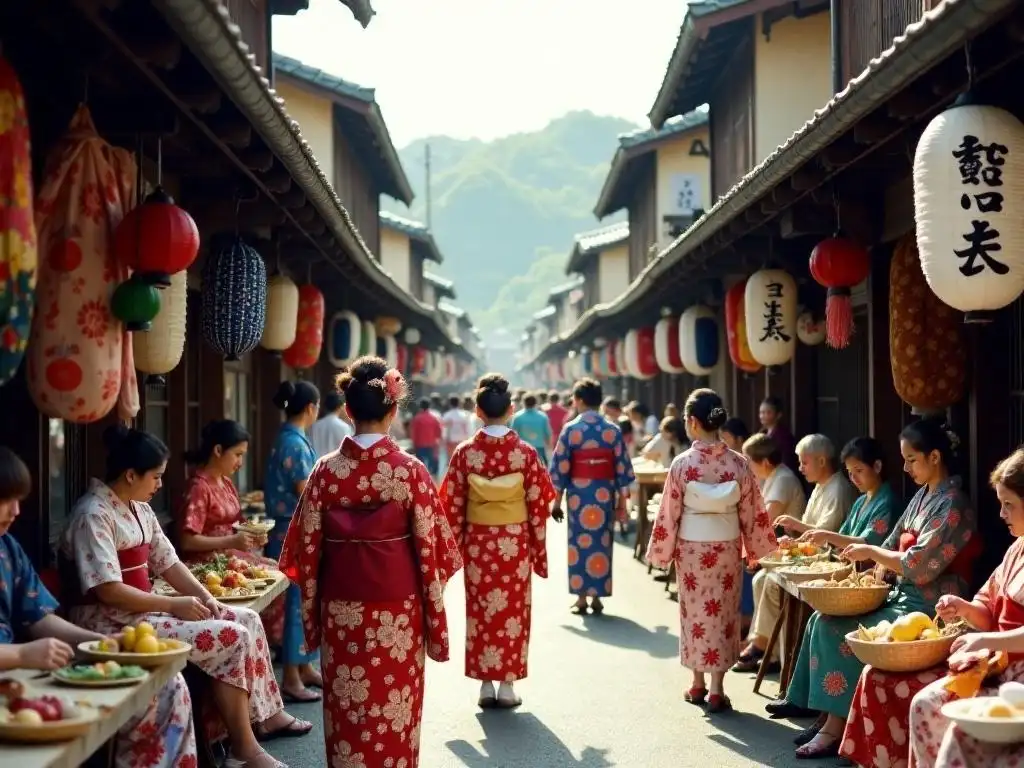
In feudal Japan, festivals and social events were integral to community life, and merchants played a pivotal role in their organization and sponsorship. These events provided merchants with opportunities to showcase their wealth and status, as well as to promote their goods and services.
Merchants often financed local festivals, which celebrated various seasonal and religious occasions. These festivals not only brought communities together but also served as platforms for merchants to market their products. Stalls filled with textiles, foods, and crafts would line the streets, attracting visitors from far and wide. The bustling atmosphere created by such events significantly contributed to the local economy and cultural exchange.
Moreover, these festivals featured performances by artists and entertainers, which merchant patrons often sponsored. The support of merchants ensured the continuation of traditional performances, such as kabuki and Noh, providing them with a stage to reach wider audiences. The interplay between commerce and culture during these events underscored the lifestyle of feudal Japan merchants, emphasizing their role as cultural benefactors.
The lifestyle of feudal Japan merchants was not solely defined by trade and commerce; it was deeply intertwined with cultural development. Their contributions to art, patronage of the arts, and active participation in social events reflect a dynamic interplay between economic power and cultural influence, leaving a lasting legacy on Japan's historical narrative.
The merchant class in feudal Japan occupied a unique and often contentious position within the rigid social hierarchy of the time. While samurai and peasants held more defined roles, merchants operated in a space that was both economically vital and socially marginalized.
- Social Hierarchy: The four-tiered social structure typically categorized society into warriors (samurai), farmers, artisans, and merchants, in descending order of status. Despite their critical role in the economy, merchants were often viewed with suspicion and disdain, perceived as opportunists who profited from the labor of others.
- Economic Power vs. Social Standing: Interestingly, while merchants were at the bottom of the social hierarchy, their economic power grew significantly during the Edo period (1603-1868). Wealthy merchants could wield considerable influence, sometimes rivaling that of samurai. However, their inability to attain samurai status due to the Confucian-based caste system created tension and a desire among merchants to elevate their social standing.
- Cultural Contributions: Merchants also contributed culturally, funding the arts and entertainment, including theater and literature. This patronage allowed for a flourishing of cultural expressions that would shape Japanese arts, though it did not necessarily elevate their status within the social hierarchy.
Interactions Between Merchants and Samurai
The relationship between merchants and samurai was complex, characterized by both collaboration and conflict. While samurai were tasked with governance and protection, merchants supplied the resources necessary for their activities.
- Economic Dependency: Samurai depended on merchants for the supply of goods and provisions necessary for their households and military campaigns. This created a dynamic where merchants could leverage their economic importance to negotiate favorable terms and gain influence.
- Loans and Credit: Merchants often provided loans to samurai, particularly during times of financial strain. The samurai's need for cash could lead to a situation where merchants held power over their noble patrons, creating a delicate balance of power.
- Cultural Exchanges: Interactions between these two classes also facilitated cultural exchanges. Samurai, who were increasingly interested in the arts and culture, often patronized local merchants, leading to a blending of interests that enriched both classes, albeit while maintaining their distinct identities.
Networking and Alliances Among Merchants
Networking and alliances among merchants were crucial for their survival and success in the competitive feudal economy. The establishment of relationships allowed merchants to navigate the challenges posed by both samurai and peers.
- Guilds and Associations: Merchants often formed guilds or associations to regulate trade practices, protect their interests, and enhance their bargaining power. These organizations provided a platform for collective action and mutual support.
- Strategic Partnerships: Alliances with other merchants or influential samurai could lead to advantageous contracts or monopolies in certain markets. These partnerships were essential in maintaining competitive advantages and ensuring the flow of goods.
- Cultural and Social Events: Merchants frequently organized and participated in cultural and social events, such as festivals or trade fairs. These gatherings served as networking opportunities, allowing merchants to establish connections, share information, and bolster their community standing.
The lifestyle of feudal Japan merchants was interwoven with their social status, interactions with samurai, and the importance of networking and alliances. Despite their lower social standing, their economic influence and cultural contributions played a pivotal role in shaping the societal landscape of feudal Japan.
Challenges Faced by Merchants in Feudal Japan
Economic Risks and Market Fluctuations
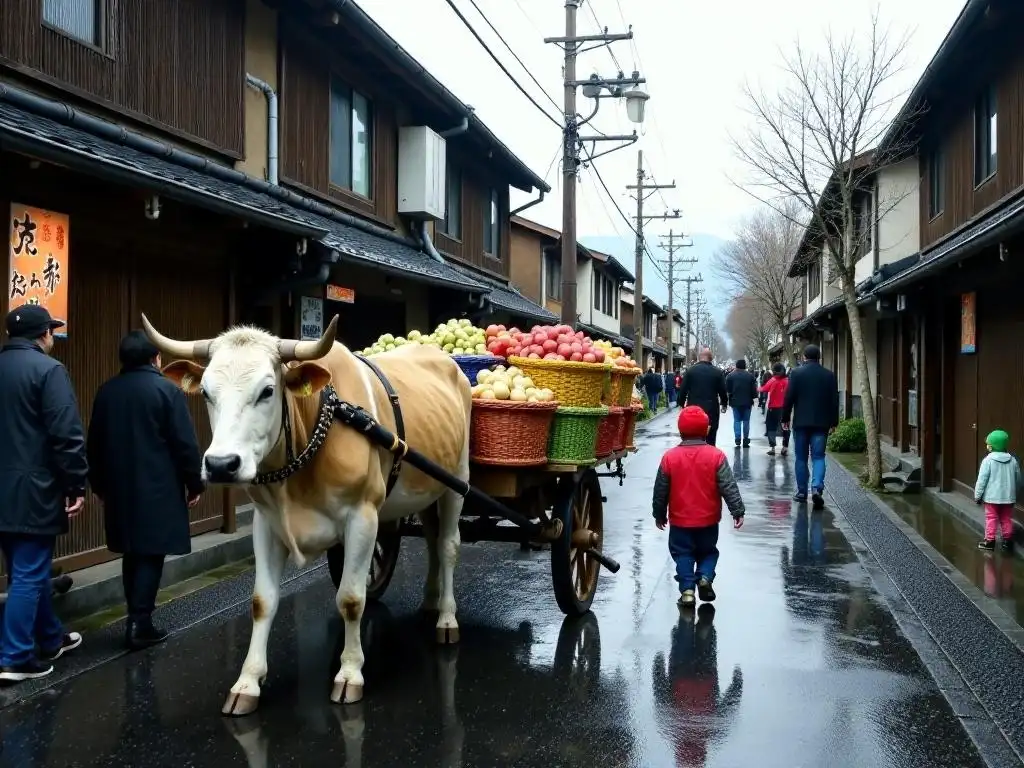
The lifestyle of feudal Japan merchants was heavily influenced by economic risks and market fluctuations. Merchants operated in a dynamic and often unpredictable economic environment, where various factors could significantly impact their livelihoods.
- Seasonal Variations:
- Harvest Cycles: Agricultural output heavily influenced market stability. For instance, a bad harvest season could lead to a scarcity of goods, driving prices up and impacting trade.
- Weather Events: Typhoons and earthquakes could disrupt trade routes and destroy inventory, leading to catastrophic financial losses.
- Market Competition:
- Merchants often faced fierce competition from other merchants. Price wars could break out, undermining profit margins and leading to bankruptcies.
- New entrants in the marketplace could change the competitive landscape overnight, making established merchants vulnerable.
- Inflation and Deflation:
- Economic policies and supply chain issues could lead to fluctuations in currency value. For example, the introduction of new coinage could result in inflation, affecting purchasing power and profitability.
- Trade Routes and Transportation:
- The reliance on land and water routes for transporting goods made merchants susceptible to disruptions. Banditry, natural disasters, and political instability often hindered the safe transport of goods.
- Merchants needed to navigate these risks by diversifying shipping routes and securing reliable transportation.
Regulatory challenges posed significant hurdles for the merchants of feudal Japan. The shogunate and local daimyo imposed a variety of restrictions that could hinder merchant activities.
- Licensing and Taxes:
- Merchants were often required to obtain licenses to operate their businesses, which could be costly and time-consuming.
- Heavy taxation imposed by the ruling authorities could diminish profits, forcing merchants to engage in tax evasion or corrupt practices to survive.
- Restrictions on Trade:
- Certain goods were regulated or prohibited based on class distinctions. For example, luxury items were often reserved for the samurai class, limiting potential markets for merchants.
- Trade between regions was also restricted, leading to monopolistic practices by local authorities that favored their own merchants.
- Political Influence:
- Merchants had to navigate the complex relationships with local daimyo, who could grant or revoke trading privileges at will. Favoritism and nepotism often dictated which merchants thrived and which failed.
- The political climate could change rapidly, leading to new regulations that might sink previously profitable ventures.
- Guild Systems:
- Many merchants were required to belong to guilds, which could impose strict rules and limitations on trade practices. While guilds provided some protection, they could also stifle innovation and competition.
Societal Perceptions and Stigmas
The lifestyle of feudal Japan merchants was also shaped by societal perceptions and stigmas that affected their standing within the broader social hierarchy.
- Social Status:
- The merchant class was often viewed with suspicion and disdain by the samurai and agrarian classes. Merchants were seen as profit-driven and lacking the noble virtues of the samurai.
- This perception was codified in the hierarchical structure of society, where merchants were positioned at the bottom, just above the outcasts.
- Cultural Contributions:
- Despite the stigma, merchants played a vital role in cultural exchanges, supporting the arts and contributing to the development of urban culture. Their patronage facilitated the growth of kabuki theatre, tea ceremonies, and other cultural practices.
- The rise of the chōnin (townspeople) culture in Edo (modern-day Tokyo) was closely linked to the wealth generated by merchants, showcasing the complexity of their role in society.
- Diverse Identities:
- Within the merchant class, there was a diverse range of identities and roles. Some merchants successfully elevated their status through strategic marriages or political connections, blurring the lines of social stratification.
- The rise of successful merchant families led to the emergence of powerful banking institutions, which began to influence the economy despite societal restrictions.
- Resistance and Adaptation:
- Merchants often adapted to societal perceptions by emphasizing their contributions to community welfare, such as funding public works and supporting local festivals.
- By portraying themselves as essential to the stability of the economy, merchants sought to mitigate the stigma attached to their profession.
The lifestyle of feudal Japan merchants was not only a reflection of their economic activities but also a complex interplay of challenges stemming from economic risks, regulatory constraints, and societal perceptions. Understanding these factors provides a nuanced view of the merchant class's influence and significance in feudal Japanese society.
Legacy of Feudal Japan Merchants

Lasting Impact on Modern Japanese Commerce
The lifestyle of feudal Japan merchants has left an indelible mark on contemporary Japanese commerce, influencing various aspects of business practices, trade relations, and consumer culture. During the feudal era, merchants played a crucial role in the economy, often acting as intermediaries between producers and consumers. This historical role has evolved but remains significant in modern Japan.
-
Business Ethics and Practices
Feudal merchants emphasized relationships, trust, and reputation in their dealings. The principles of wa (harmony) and monozukuri (craftsmanship) were paramount, shaping the ethical standards seen in current Japanese business environments. Many businesses today continue to value long-term relationships over short-term gains, a practice rooted in the feudal era.
-
Regional Trade Networks
The extensive trade networks established during feudal Japan laid the groundwork for today’s economic structure. Regions specialized in particular goods—such as silk from the Kanto region and ceramics from Kyushu—creating a diverse marketplace. Modern Japanese commerce still reflects these regional specialties, with local products enjoying popularity both domestically and internationally.
-
Cultural Integration and Innovation
Merchants during the feudal period were not only traders but also cultural conduits, bringing foreign influences into Japan. This blend of domestic and international elements led to innovations in products and services, a trend that persists today. Companies like Muji and Uniqlo exemplify how contemporary businesses integrate traditional Japanese aesthetics with global design trends.
Preservation of Merchant Culture in Contemporary Society
Despite the significant transformations in Japan's economy and society since the feudal era, aspects of the merchant lifestyle endure. This preservation is evident in various cultural practices, festivals, and the arts.
-
Cultural Festivals
Many regions in Japan celebrate festivals that honor the merchant class, such as the Gion Matsuri in Kyoto. These festivals not only celebrate historical events but also serve as a reminder of the economic and cultural contributions of merchants throughout history.
-
Craftsmanship and Artisanship
The dedication to craftsmanship seen in feudal merchants is reflected in modern artisanal movements. Crafts such as pottery, textiles, and woodworking continue to be cherished, with artisans often drawing inspiration from techniques and styles developed during the feudal period.
-
Culinary Traditions
The merchant class also played a pivotal role in shaping Japanese cuisine. The popularity of certain food items, such as sushi and sake, can be traced back to merchant practices. Today, these culinary traditions are celebrated globally, showcasing the lasting influence of feudal merchants.
Lessons from the Lifestyle of Feudal Japan Merchants
The lifestyle of feudal Japan merchants offers valuable lessons that remain relevant in today's fast-paced, technology-driven world. Here are several key takeaways:
-
Adaptability
Merchants of feudal Japan were known for their ability to adapt to changing economic conditions and consumer needs. This adaptability is crucial in the modern marketplace, where businesses must remain flexible to survive.
-
Community Engagement
The close-knit relationships that merchants cultivated within their communities highlight the importance of engaging with customers and supporting local economies. Modern businesses can learn from this approach by investing in their communities and fostering customer loyalty.
-
Sustainable Practices
Feudal merchants often relied on sustainable practices, such as local sourcing and minimizing waste. Today, with increasing awareness of environmental issues, businesses can benefit from adopting similar sustainable practices to appeal to conscientious consumers.
The legacy of feudal Japan merchants is rich and multifaceted, influencing not only modern commerce but also the cultural fabric of contemporary society. By examining their lifestyle and practices, we gain insights that can inform current business strategies and cultural preservation efforts.
Conclusion: Reflections on the Merchant Lifestyle in Feudal Japan
The lifestyle of feudal Japan's merchants was a tapestry woven with threads of ambition, adaptability, and cultural significance. Unlike their samurai counterparts, who were bound by a strict honor code and military duties, merchants navigated a world driven by trade, commerce, and economic growth. Their experiences and contributions shaped not only the economy but also the cultural fabric of Japan during the feudal era.
Summary of Key Aspects of Merchant Life
The lifestyle of feudal Japan merchants was characterized by several key aspects that defined their social standing and daily activities:
- Economic Role: Merchants played a crucial role in the economy, facilitating trade between regions. They were responsible for transporting goods such as rice, textiles, and pottery, which were essential for sustenance and cultural expression.
- Social Hierarchy: Within the rigid social structure of feudal Japan, merchants were often viewed with disdain by the samurai class. Despite this, they accumulated significant wealth, enabling them to influence local politics and culture.
- Living Conditions: Many merchants lived in bustling urban centers, establishing shops and warehouses. Their homes often reflected their status, with some merchants living in sizable houses adorned with art and cultural artifacts.
- Cultural Contributions: Merchants were instrumental in the dissemination of culture. They supported the arts, including theater, literature, and the tea ceremony, creating a rich cultural environment that flourished during the Edo period.
- Networking and Influence: Merchants developed extensive networks, creating alliances through business partnerships and marriages. This interconnectedness allowed them to wield considerable influence over local economies and governance.
The Enduring Significance of Merchants in Japanese History
The legacy of merchants in feudal Japan extends beyond mere commerce; it profoundly impacted the social, cultural, and economic landscape of the nation.
- Cultural Exchange: Merchants were key players in the cultural exchange between Japan and other countries. They facilitated the introduction of foreign goods, ideas, and practices, enriching Japanese culture and broadening the horizons of society.
- Economic Foundations: The wealth generated by merchants helped lay the groundwork for Japan's modern economy. Their innovations in trade practices, credit systems, and market organization set precedents that would shape Japan's economic future.
- Social Mobility: While merchants were often marginalized in the feudal hierarchy, their wealth allowed for some degree of social mobility. This phenomenon contributed to the gradual erosion of rigid class distinctions, paving the way for a more dynamic society.
- Historical Recognition: Today, the contributions of merchants are increasingly recognized in historical discourse. Their role as catalysts of change and development during the feudal era highlights the complexity of Japan's societal evolution.
The lifestyle of feudal Japan's merchants was not merely about trade; it was about navigating a complex social structure, influencing cultural practices, and contributing to the economic foundations of a nation. Their legacy is a testament to the dynamic interplay between commerce and culture in shaping Japanese history.
Frequently Asked Questions
What was the primary role of merchants in feudal Japan?
Merchants in feudal Japan primarily facilitated trade and commerce, acting as the backbone of the economy by connecting producers with consumers and ensuring the flow of goods.
How did the lifestyle of merchants differ from that of samurai?
The lifestyle of merchants was often focused on wealth accumulation and trade, while samurai were primarily concerned with honor, military service, and following the bushido code, reflecting their distinct social roles.
What were some cultural contributions of merchants during this era?
Merchants contributed to cultural development by promoting the arts, sponsoring festivals, and supporting various crafts and performances, which enriched the cultural landscape of feudal Japan.
How did the status of merchants change during the feudal period?
Initially, merchants held a low status in the social hierarchy, but as trade flourished, their influence and wealth increased, leading to a gradual shift in their social standing and power.
What impact did the merchant lifestyle have on Japanese society?
The lifestyle of feudal Japan's merchants fostered economic growth and urbanization, which ultimately contributed to the emergence of a middle class and the transformation of Japanese society in the later periods.
Final Reflection: The Enduring Legacy of the Lifestyle of Feudal Japan's Merchants
The lifestyle of feudal Japan's merchants remains a fascinating lens through which we can understand the intricate interplay between commerce and culture. In an era where trade was not merely a means of economic survival but a vibrant tapestry woven with social norms, artistic expression, and community values, the merchants of feudal Japan carved out a unique identity that resonates even in today's globalized world. Their influence on the cultural landscape reminds us that commerce is not just about transactions; it is about the stories, relationships, and traditions that shape our societies.
The lifestyle of feudal Japan's merchants has profoundly influenced our understanding of entrepreneurship, community engagement, and cultural exchange. The merchants were not only traders but also patrons of the arts, fostering a rich cultural environment that allowed for the flourishing of literature, theater, and visual arts. Their legacy teaches us that commerce can be a powerful vehicle for cultural preservation and innovation. As the renowned Japanese philosopher Matsuo Bashō once said, Every day is a journey, and the journey itself is home.
This quote encapsulates the essence of the merchant's lifestyle, where each transaction was a step on a broader journey of cultural and personal growth.
As we reflect on the lessons from the lifestyle of feudal Japan's merchants, let us consider how we can apply these insights in our own lives. Embrace the idea that commerce can be a force for good, fostering community and cultural richness.
Whether you are an entrepreneur, an artist, or simply a consumer, think about how your choices can contribute to a vibrant cultural landscape. Take a moment to reflect on your journey and how you can weave your own story into the fabric of your community, ensuring that the legacy of those early merchants continues to inspire future generations.
Dive Deeper into Feudal Japan’s Merchant Life!
Thank you for exploring the rich tapestry of Feudal Japan's commerce and culture with us! We hope you’ve gained valuable insights into the unique lifestyle of the merchants during this fascinating era. Now it’s time to take the next step in your journey of discovery!
Here are some actions you can take to further enrich your understanding and connect with fellow history enthusiasts:
- Join our community discussions: Share your thoughts on the impact of merchants in Feudal Japan and connect with others passionate about this period. Check out our engaging forums!
- Explore related articles: Delve deeper into topics such as the influence of trade routes or the relationship between samurai and commerce. Expand your knowledge!
- Create your own content: Consider writing a blog post or producing a video reflecting on what you learned. Personal insights can foster meaningful dialogue within the community.
What aspect of merchant life in Feudal Japan surprised you the most, and how might you explore it further? Let’s discuss!